The Rabbit is Out
So—some of the traditional lore around Lewis Carroll’s March Hare and the whole March Madness thing got me stewing.
Can writing (or reading, for that matter) exist as a purely magical experience or in a purely magical space?
I’d like to think so, even for those text-book yawners or codified how-tos on industrial intelligence, for example.
It’s just too damn hard otherwise.
But before we go down that rabbit hole, what exactly compels any of us to learn to read or write at all?
The list, of course, grew longer than I anticipated, even after condensing all the reasons we read into an E-list:
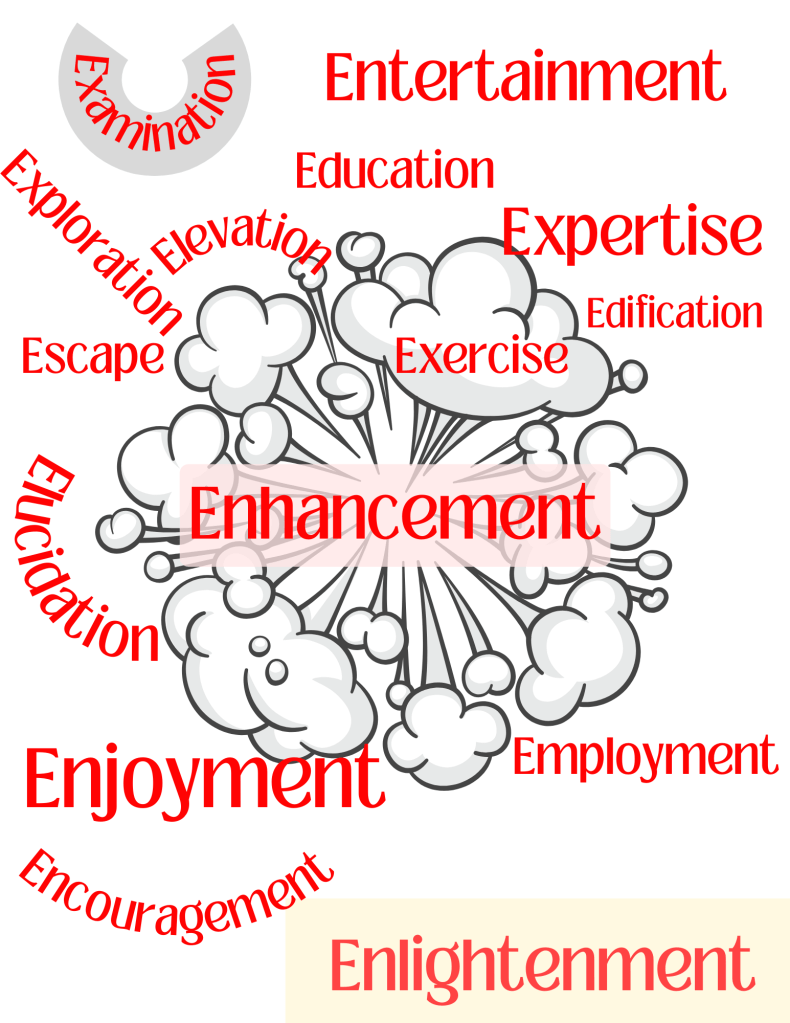
Likely there are more, but those are a few of the big ones. And while the lifeblood of traditional publishing continues to require someone(s) to successfully predict which books we’ll read (and for which reasons), I like to think about reading trends another way.
Maybe I’m old school. I look at all those E’s and to me, it still comes back around to this: writing and reading must ultimately touch our hearts in some way. So, we can cite reading trends until the cows come home, but the stories that stay with us (as a reader or a writer) talk to our hearts. Heart-stuff, the way you feel after digesting what you just read.
- Did it help you in any way?
- Did it raise questions?
- Did you feel joy?
- Did you find peace?
- Did you make a new or stronger connection with something important to you?
I can spew out statistics as quickly as the next guy. Here they are:
1. Kindle hit its stride with electronic books in 2010.
2. YA dystopian fare rebounded in 2014. (Hunger Games, anyone?)
3. Audiobooks surged (again) in 2016. (Age Spoiler: I read audiobooks as early as 1994, on cassette.)
4. Tik Tok became the next go-to book resource in 2022. (Move over, Amazon?)
There’s the rub, though. Even if the rabbit is out about tomorrow’s reading trends, this still doesn’t tell me how to reach inside someone’s heart. Or how to reach inside my own.
Part of reaching the heart begins with recognizing that the heart is more than just a blood mover, more than just a pump. It’s a seine that strains through measured amounts of logic and emotional undercurrents clickety-clack every freaking minute of the day. Sometimes it pitches the sieve aside while we dream. The old ticker is always factoring and fidgeting, and occasionally it puts up defenses (I just can’t take on one more thing!) and tries to declare the kitchen closed.
We get stuck when writing because we don’t have confidence about what our heart really wants to say in the first place. If we don’t feel like reading a particular book, it’s because . . . our heart’s not in it at the moment.
When writing and reading move beyond skill sets, innate creativity, or art appreciation though—they’re going toward the level of the heart.
And at that level, there is magic.
Why, sometimes I’ve believed as many as six impossible things before breakfast.
The reason I think of writing as coming from a magical place is because it is an act of creating something from nothing.
Both the processes of writing and reading are entertaining ideas not yet manifest.
Until they are.
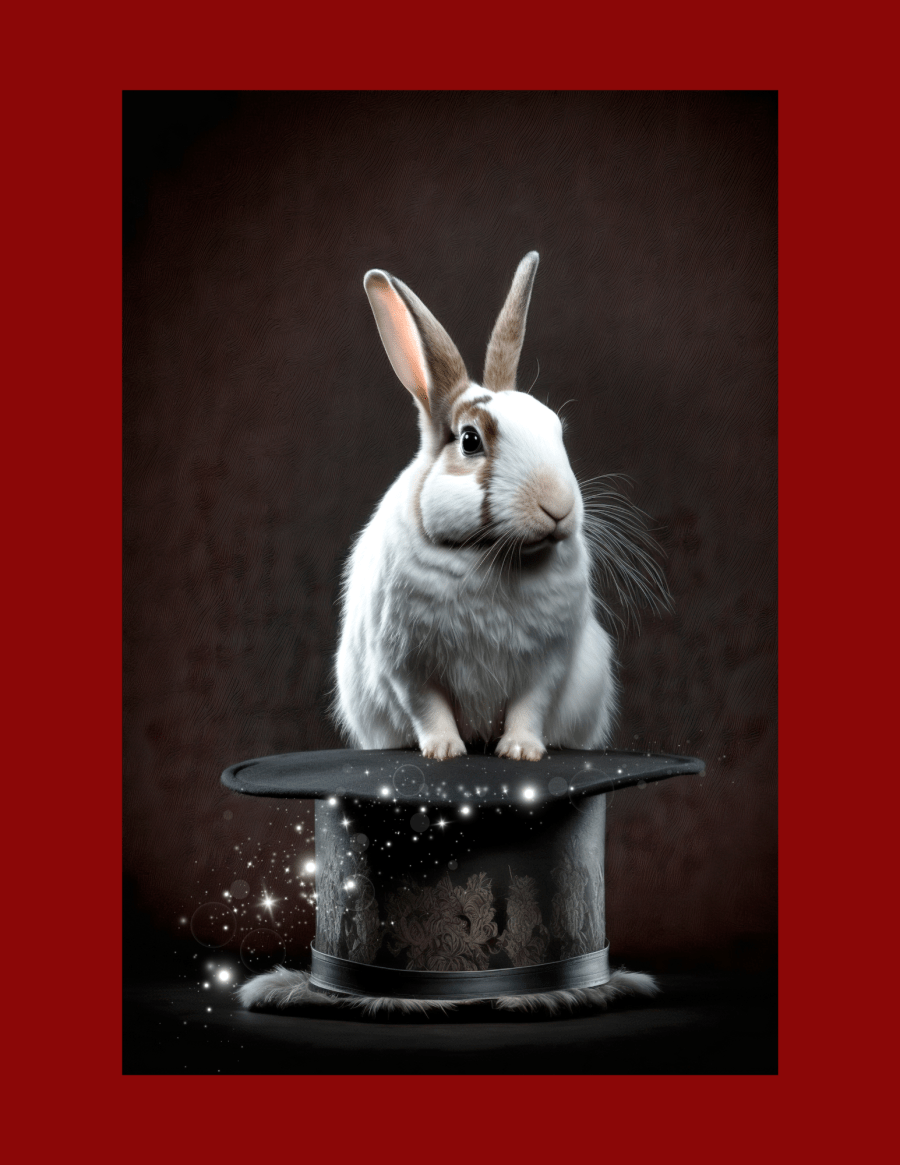
Pulling the rabbit out of the hat.
An activity that produces something living and viable outside of ourselves—that is creative magic. At times, we may even have to act as if in order to set the stage for what is, the reality we desire.
The part we can’t seem to get around: the magus inside also likes to imagine how life would be if anything could be done differently. As the magic in us stares down the daily mundane and those pesky, limiting laws of cause and effect, the heart is also innately considering how we might manipulate those realities for more desirable results . . . if we could.
What if we could?
What if?
Your heart holds the paradigm shift from just writing to real writing and just reading to real reading.
But before you try to pull a rabbit out of a hat, you need time to set the stage. And, no worries. Your heart already has the ability to see things not only as what they are, but also as what they can be.
Yep, there’s a rabbit down there. I see it.
Sign up to receive Julie’s quarterly newsletter here.
About the Author

Julie is a multi-genre author. Her articles and stories are featured in self-help, inspirational, trade, and fiction publications including Writer’s Digest, Coping With Cancer, Complete Woman, and Daily Meditation.
She is the 1999 Writer’s Digest Writing Competition Grand Prize Winner for her horror short story, “House Call.”
Her seventh novel, Falling Stars, is an eleven-time award winner, including the 2023 International Firebird Awards First Place in Urban Fantasy, the 2023 Pinnacle Book Awards Best Book in Fantasy, and the 2023 Outstanding Creator Awards First Place in Medical Fiction.
Other awards include Fade In magazine’s 2005 Screenplay Semi-Finalist for the thriller, Grave Jumper, and the 1998 Writer’s Digest Writing Competition First for her stage play comedy, Garage Sale.Julie works as a remote freelance ghostwriter and editor for julierogersbooks.com and authorsassistant.com in Eureka Springs, Arkansas, the setting of her seventh book, Falling Stars. She lives there with her husband, Jim, a primary care physician, their furry children Madison, Kate, Sukie, and mollusks Dewey, Decimal, and System. She has one son, Seth, who works as a video game level designer in Austin.
Discover more from Author Anthony Avina
Subscribe to get the latest posts sent to your email.
