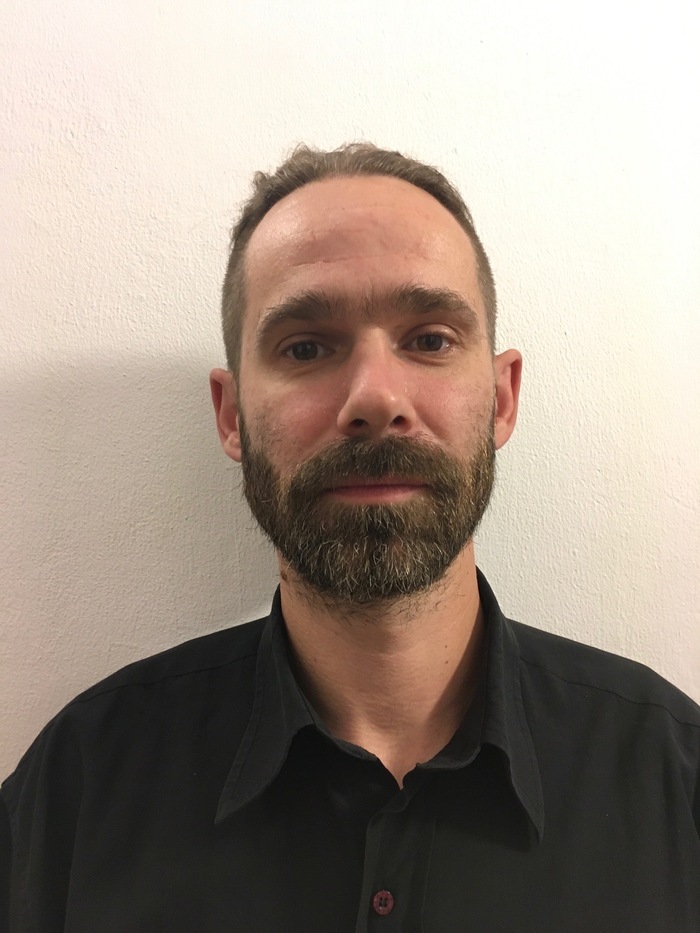
1) Tell us a little bit about yourself. How did you get into writing?
I’ve always had the annoying habit of asking “why?” far too often, which usually results in either a headache or a story. Writing became my way of turning that endless curiosity — and occasional confusion — into something entertaining rather than just irritating to friends and family.
2) What inspired you to write your book?

The spark came from the idea that if planets could think, they might eventually get fed up with us treating them like clueless background props. Add a dash of dystopia, a sprinkle of absurdity, and a hefty nod to Douglas Adams, and suddenly I had a novel on my hands.
3) What theme or message do you hope readers will take away from your book?
That reality is often stranger, funnier, and more fragile than we think and questioning the system isn’t just allowed, it’s necessary. Also, never underestimate the comic value of an overworked, underappreciated bureaucrat. I hope readers will reflect on how our world is slowly ‘spoiling’ the entire plot before we even get to the ending. By that, I mean the dangerous amount of power handed to giant corporations and the not-so-charming, manipulative tendencies of AI. It worries me that some people are already treating it like a therapist — which is both hilarious and terrifying, and not in a good way.
4) What drew you into this particular genre?
I love the collision between the bleak seriousness of dystopian sci-fi and the irreverent humour of satire. When you mash them together, you get stories that can make readers laugh, cringe, and think all at the same time.
5) If you could sit down with any character in your book, what would you ask them and why?
Probably Mr. Smith, the man with the bear’s body. I’d ask: “How do you buy shirts?” Because let’s be honest, some mysteries are too big to leave unsolved.
6) What social media site has been the most helpful in developing your readership?
Goodreads has been great because it connects directly with readers who are already book-obsessed. Instagram is fun too—though I suspect most people are there for the cat photos, not my dystopian ramblings.
7) What advice would you give to aspiring or just starting authors out there?
Write the book you would love to read, not the one you think will sell. And finish it even if halfway through you’re convinced it’s terrible, because that’s usually the point where it starts to get interesting.
8) What does the future hold in store for you? Any new books/projects on the horizon?
Yes, my book is the beginning of a larger universe. I already have two more novels outlined, each diving deeper into the absurd machinery of our so-called “reality.” Whether the universe is ready for them is another question entirely.
Author Bio
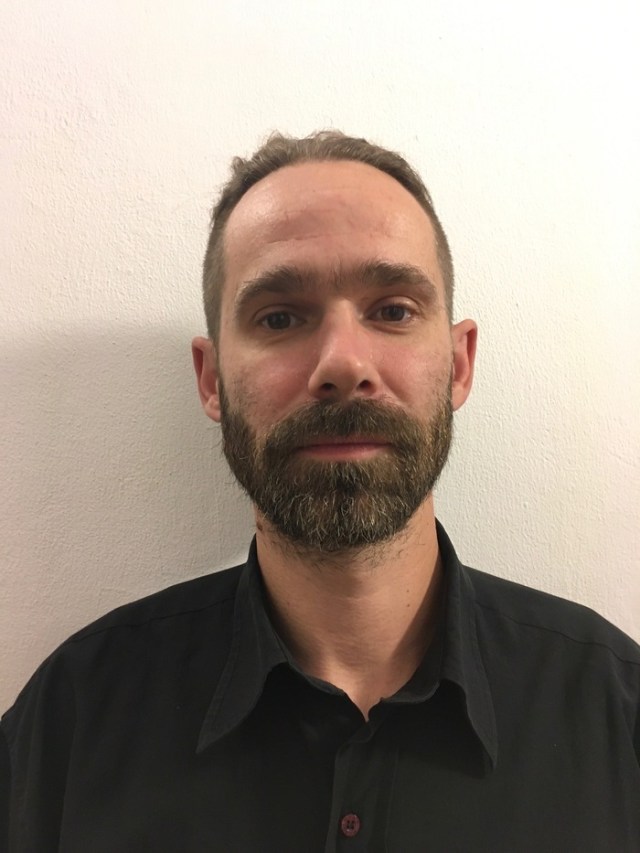
Tamás Szikszai is a Hungarian author whose debut English-language novel, The Planet That Was Mistaken for a Fool, blends dystopian science fiction with sharp, satirical humour. Deeply inspired by George Orwell and Douglas Adams, Tamás aims to explore the absurdities of modern society while making readers laugh, think, and occasionally wonder if they’ve accidentally stepped on a Lego. When he’s not writing, he enjoys ska music, strange philosophical debates, and imagining planets with extreme opinions.
Social Media Links
- Goodreads: https://www.goodreads.com/author/show/56023920.Tam_s_Szikszai
- Instagram: https://www.instagram.com/szikauthor/
- Facebook (Author Page): https://www.facebook.com/profile.php?id=61575890787376
- Amazon Author Page: https://www.amazon.com/stores/Tam%C3%A1s-Szikszai/author/B0F7F9JR6G
Book Info
- Title: The Planet That Was Mistaken for a Fool
- Genre: Dystopian Satirical Sci-Fi
- Available on: https://www.amazon.com/dp/B0F6TSYRSG
Discover more from Author Anthony Avina
Subscribe to get the latest posts sent to your email.
