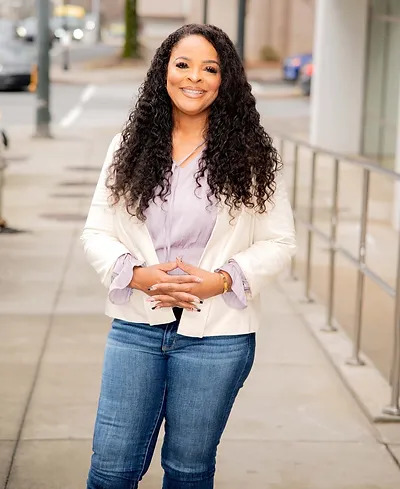
An End to Kings (A King Without a Crown Book Two) by Ryan Schuette Review + Interview

I received a free copy of this book in exchange for a fair and honest review. All opinions are my own. 

A young man must fight to gain his father’s crown and give the kingdom back to the peasants who helped make it while an ancient evil seeks to take advantage of the infighting causing chaos amongst the realm in author Ryan Schuette’s “An End to Kings”, the second book in the A King Without a Crown series.

Advertisements

The Synopsis

In the highly anticipated conclusion to A Seat for the Rabble, former NPR reporter Ryan Schuette returns to Odma, a richly detailed world not unlike our own. Riven by social injustice, wealth inequality, and ancient magic, the Kingdom of Loran stands on the brink of war . . . and the bastard prince, Jason Warchild, means to save it.

With an army of Cloudlanders at his back, Jason marches to the Kingstrials, where he must kill his rivals—including his zealot uncle, Shaddon—to claim his father’s crown and return peasants to power. But winning this deadly game will take more than martial skill and an army. If he fails to win all three Trials, he’ll need the fractious Worthy Assembly to crown him directly—or he’ll lose the kingdom, along with his head.

As class anger festers, Jason’s allies find themselves embattled. At the capital, Princess Lorana Eddenhold navigates her realm’s troubled politics to stamp out plots against her half-brother, even as she dreads Prieslenne Edenia’s return. In the west, Rathos Robswell risks his life to persuade the Loyal Company’s firebrands to cease their infighting and see the bastard prince—along with the dream of a just realm—through a crucible of swords, dragons, and griffons.

Only supernatural forces seem to see all ends. Accompanied by a sorcerer, Zuran races against time to confront the real evil . . . the one exploiting chaos in a kingless land.

The Review

Instantly, readers can see the chaos and conflict that stems from a monarchy without a clear line of succession, along with political moves and corruption at work, that made fantasy series like George R.R. Martin’s Game of Thrones so beloved in author Ryan Schuette’s incredible sequel. The world-building continues to expand and grow as the action infuses a sense of adrenaline and wonder into this realm. The author’s intense and heavy atmosphere makes the reader feel connected and engaged with the characters throughout this story.

As with the first book of this series, I loved the rich themes of politics, absolute power corrupts absolutely, and the impact chaos has on a society being infused into the narrative in such a natural way. The way this supernatural evil infuses itself into the fighting and uses it to fuel its own needs speaks to the power behind many political movements today that similarly use chaos. The breathtaking character development kept the reader engaged with the narrative, overwhelming the reader with incredible emotional connections and creating complex and thought-provoking characters.

The Verdict

Memorable, heartfelt, and compelling author Ryan Schuette’s “An End to Kings” is a must-read epic fantasy novel that will set this summer ablaze. The story’s shocking twists, the harrowing dangers the cast of characters face, and the open ending that leaves readers satisfied yet wanting more from this growing series will keep readers on the edge of their seats. The wealth of world-building the author crafts, including historical events of the realm and the decisive moments showcasing the need for inclusion and representation amongst those in power, make this a fantastic novel to get lost in. If you haven’t yet, be sure to grab your copy today.

Rating: 10/10

ABN Banner

About the Author

Ryan Schuette is the author of A Seat for the Rabbleand its forthcoming sequel, An End to Kings. He’s also authored and illustrated The Art of the Big Lie: Political Cartoons About the Fight for America’s Souland penned a romance novel under his pseudonym. 

         Before returning to fantasy fiction and art, Ryan wore a few hats. He’s both illustrated and reported for National Public Radio and various trade publications, including DS News and MReport. He’s also freelanced for Al Jazeera America. He lived and worked in Uganda as a 2008-2009 Rotary Ambassadorial Scholar and holds a master’s degree from American University in Washington, D.C.

Somewhere along the way, he also started a nonprofit and fair-trade lingerie company that operated in West and Central Africa, respectively. Many of his friends still wear safari-print boxers.

Ryan lives in Texas, where he looks after his cat, Rusty.

To learn more about Ryan or his epic fantasy series, A King Without a Crown, visit RyanSchuette.com

Advertisements

Interview with Ryan Schuette

1) Tell us a little bit about yourself. How did you get into writing? 

I fell in love with fantasy and sci-fi fiction when I began reading the Dragonlance series and, soon after, the Star Wars Expanded Universe (now Star Wars Legacy) series. The vastness and immersiveness of these fictional worlds staggered me and made me want to replicate them in a world of my own. I authored a few books before A Seat for the Rabble, but this one is the culmination of a lifelong quest. in A Seat for the Rabble, I hope readers will find many of the same things that we saw in Game of Thrones and The Lord of the Rings: honor, betrayal, lore, forbidden love, moral grayness, and lessons we should all heed about those who pursue power.

2) What inspired you to write your book? 
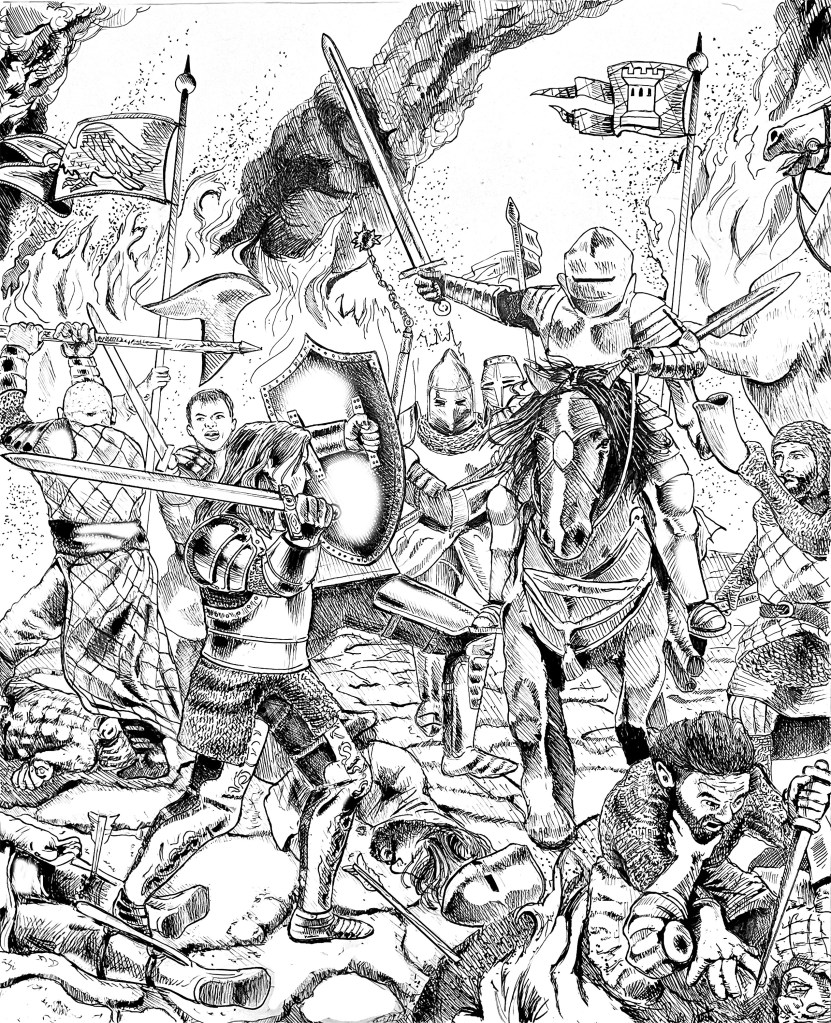
I’ve always wanted to write and publish a work of epic fantasy, but it wasn’t until the Game of Thrones television series that I awakened to something that, to me, was novel: political fantasy. I’ve always had an interest in politics — in how people worked together for society, or didn’t — and had worked in Washington, D.C. I enrolled in a master’s program at American University at the same time my ideas for this novel began to solidify. Reporting from outside the White House, inside the halls of Congress, and on the sidelines of protests, I began to realize that the United States stood on the precipice of a full-fledged constitutional crisis. Wealth inequality, racism, perceptions of corruption in our government, and rancorous partisanship were leading this country down the path to hell. A Seat for the Rabble sprang from a desire to write about a society on the edge of falling apart, one populated by merpeople, elves, gryphons, and dragons.  

3) What theme or message do you hope readers will take away from your book? 

That society is a fragile thing, and it shatters if we push people to the margins and overlook inequality. Worse, tyrants often climb to power on the backs of angry, miserable people, especially those misled by conspiracy theories. It’s far better for a society’s leaders to do everything in their power to provide a debt-free, wealthy, and healthy existence for everyone. In A Seat for the Rabble, peasants lack representation in the Worthy Assembly, a congress of classes comparable to pre-revolutionary France’s Estates-General. The protagonists want to restore their seats in this parliament, not only to deliver justice but also to prevent a violent reckoning. Ultimately, the series asks a bigger question: Is man capable of ruling himself without destroying everyone else — and his own planet?

4) What drew you into this particular genre? 

I’ve always loved the transportive nature of fantasy. I credit Dragonlance, The Lord of the Rings, Star Wars, Tigana, and the Kingkiller Chronicle with feeding my ambition to create a world of my own.

Advertisements

5) If you could sit down with any character in your book, what would you ask them and why? 

Great question, Anthony! One of the characters I relished writing, Evan Sinclair, is a noble lord who’s bent on reform for the sake of a united, peaceful realm. A man of peace for the longest time, Evan takes a Machiavellian turn when he realizes that a corrupt system of government won’t make concessions, even for its own self-preservation. While other characters, like his nephew, consider themselves men of honor, Evan isn’t above deceit, bribery, or even murder in the name of justice. He’s an ends-justifies-the-means kinda guy. If I sat down with him, I’d probably argue with him! I’d want to know why he thinks empowering peasants will lead to peace, when his kingdom’s complicated history suggests otherwise. 

6) What social media site has been the most helpful in developing your readership? 

I’d say Facebook, Instagram, and TikTok. Facebook helped me update fans and friends about the progress on A Seat for the Rabble for years, while Instagram provided me with a platform to share Ted Nasmith’s exquisite cover art and the chapter illustrations I created. More recently, I partnered with Storygram Tours’ micro-influencers to create videos and posts across Instagram and TikTok. I’m also planning to advertise A Seat for the Rabble and its sequel, An End to Kings, through Facebook’s paid advertising program.
7) What advice would you give to aspiring or just starting authors out there? 

Know your genre, read widely in that genre, and familiarize yourself with the publishing industry and what agents want. I benefited enormously from online workshops through Writer’s Digest University, which gave me the chance to ask questions of agents and submit my work to them for review. I’d also encourage aspiring writers to practice their craft and read The Hero’s Journey by Joseph Campbell. Last but certainly not least, anyone trying to write a book should start with the idea, then develop a chapter-by-chapter plot synopsis. I rewrote A Seat for the Rabble three times over six years, and I owed a large part of that to the plot I revisited endlessly. 

8) What does the future hold in store for you? Any new books/projects on the horizon? 

I’m a fantasy illustrator as well as an author, and I was thrilled to learn that A Seat for the Rabble’s chapter illustrations recently placed in the Honorable Mention category of the L. Ron Hubbard Illustrators of the Future Contest, a global competition open to aspiring fantasy and sci-fi artists. I plan to continue creating fantasy art as I embark on another fantasy novel — one that, like A Seat for the Rabble, will touch on pressing contemporary issues with a heavy sprinkling of magic and mythical creatures. And, of course, I plan to release A Seat for the Rabble’s sequel, An End to Kings, this coming year, with more chapter illustrations and another glorious cover by Ted Nasmith. I invite anyone interested in following me to follow me on FacebookInstagram, and TikTok

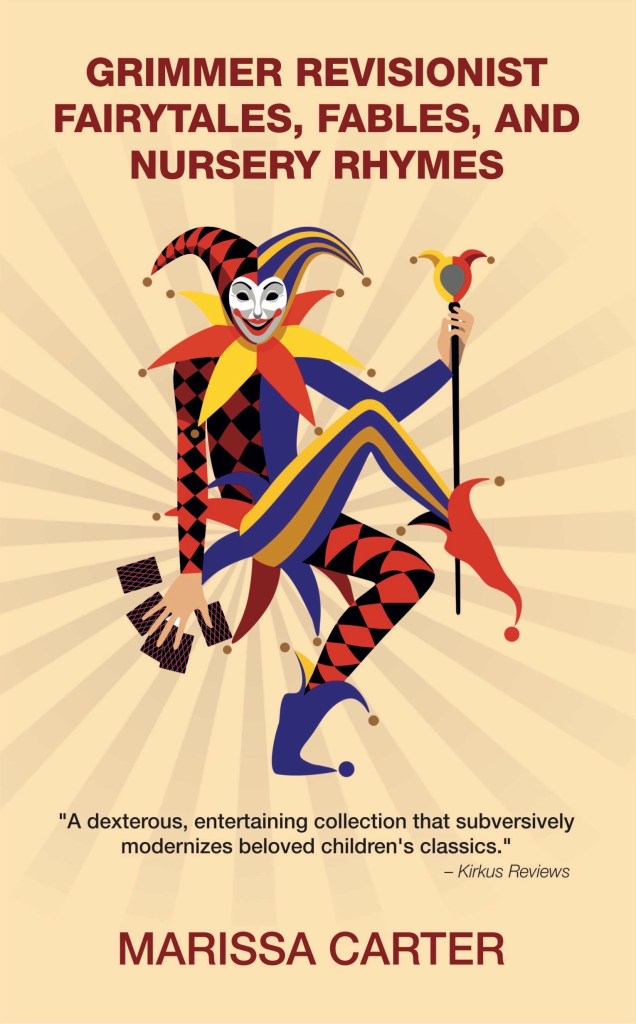
Grimmer Revisionist and Fairytales, Fables, and Nursery Rhymes by Marissa Carter Review

I received a free copy of this book in exchange for a fair and honest review. All opinions are my own. 

Author Marissa Carter shares classic fairy tales with a modern twist in the book “Grimmer Revisionist and Fairytales, Fables, and Nursery Rhymes”.

Advertisements

The Synopsis

Remember when you were a kid, listening to bedtime stories full of classic fairy tales, fables, or nursery rhymes? Maybe you’ve even read those same stories to your kids. But what if you took those familiar tales, tossed out the rulebook, and filled them with modern twists, witty jokes, and a bit of cheeky irreverence? Welcome to the world of Grimmer Revisionist Fairy Tales, Fables, and Nursery Rhymes—where nothing is sacred, everything is funny, and adults get to enjoy the ride.

This first compendium is a delightful mix of styles. You’ve got fairy tales and fables, sure, but there’s a twist. The nursery rhymes might start off sweet but could suddenly veer into snarky commentary or morph into a completely different story. Along the way, you’ll encounter nods to pop culture, movies, books, politics, and even a little quantum physics (because, why not?). It’s like someone turned your grandma’s storybook inside out and sprinkled it with a generous dose of mischief. Get ready for a laugh, because this isn’t your childhood fairy tale collection—and that’s exactly what makes it so much fun.

ABN Banner

The Review

This new take on the fable/fairy tale genre was entertaining. The author provides unique commentary as each story is told, giving readers some insights into how we as a society view and absorb the themes of these iconic stories. The fast-paced pace of each fable and the unique modern-day story elements, such as the internet or television, allowed the reader to gobble up these stories.

The imaginative use of imagery in the author’s writing allowed these stories to come to life on the page. The three little pigs stood out to me, as the social interactions between the Wolf and each of the pigs were so fun and humorous. The wealth of modern themes, speaking on everything from parenting techniques and anger management to higher education, allowed these classic stories to breathe fresh air into the narrative overall.

Make dad happy with a gift he will wear all year round at Happy Socks

The Verdict

Imaginative, heartfelt, and entertaining author Marissa Carter’s “Grimmer Revisionist and Fairytales, Fables, and Nursery Rhymes” is a must-read story collection that brings a remarkable modern twist. The humor and wit that the author pours into each story and how it allows the reader to examine these classics from a fresh perspective gives a unique twist that readers won’t be able to put down. If you haven’t yet, be sure to grab your copy today!

Rating: 10/10

Advertisements

About the Author

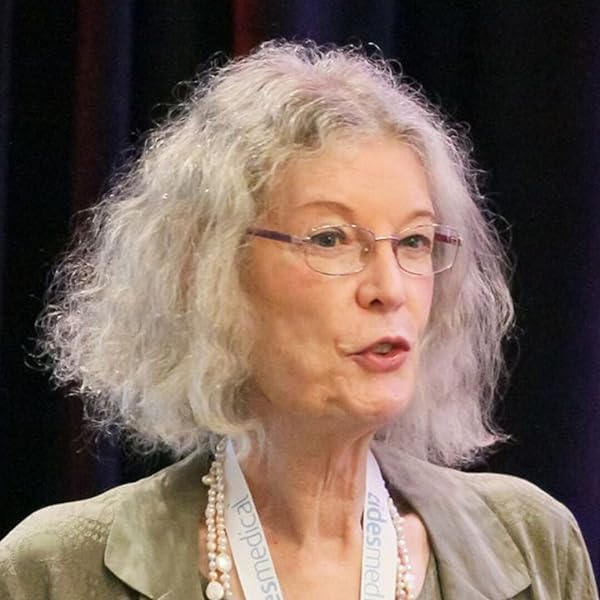
Marissa Carter PhD is a biostatistician, epidemiologist, EBM practitioner, and a health economist, spending a lot of her time designing, monitoring, and analyzing clinical studies in the fields of wound care, orthopedics, epidemiology, ophthalmology, and quality of life. Dr Carter’s strengths lie in the many scientific disciplines in which she worked that she brings to bear on medical problems. She is a peer reviewer for many medical journals and has served on medical-committees, been a leader of an international WHO project, and frequently interacts with the FDA and Medicare. She holds an MA in biochemistry from Oxford University and a PhD in chemistry from Brandeis University. She is the author or coauthor of more than 150 peer-reviewed articles and book chapters in medicine and chemistry and her studies have won several awards.

Marissa’s hobbies include international travel, reading, simple hiking, and military history. She also says her sense of humor could be listed as a hobby. Though born in London, UK, she has spent most of her life in the States and currently resides in western Montana.

Interview with Author Jackson Cooper

1) Tell us a little bit about yourself. How did you get into writing?What inspired you to write your book?

 I first got into writing when I wrote a couple of memoirs regarding my life growing up with ADD. Those books were quick reads of only about 80 pages. I was testing the waters of the Amazon market to see how the books fared, and to see if anyone cared about the topic. They were not well received, nor were they properly advertised, but at least I could say that I had put a couple of books out there.

What really got me back into writing were two things: I had a friend that was released from prison for manufacturing, and using, methamphetamine and I my wife and I had him on our podcast to tell his story. Well, I couldn’t stop there; I needed to know the full story, so I pushed him to talk-to-text his story out from childhood, to adolescence, to blowing himself up producing meth, to his prison time, to life after. I motivated him by using the other part that inspired me to get back into writing. Another high school friend and just come out with his memoirs of growing up gay, and coming out “officially” with this book, and he snubbed me for an interview to promote his book. I told my recently paroled friend that “If this asshole could write a book, then people would leap over the shelves to read your story!” I would be his ghost writer on the project.

We made it to near completion of his book before his life was taken in a robbery. While waiting for him to complete his story for me to write for him, I wrote about my life as a personal trainer. I filled my book with all of my personal experiences, both good and bad, sexy and non-sexy, and it has worked out. I was motivated by anger and jealousy mainly, I believe, but it worked out well.

Advertisements

2) What theme or message do you hope readers will take away from your book?

What I hope that readers take away from my writing is that life isn’t as glamorous as we perceive it to be, or how people lead us to believe it to be. In the Personal Training industry specifically, when you see someone who takes care of themselves well, you tend to think that they have it all together. The discipline, the money, the motivation, etc., but this is not always the case. I highlighted in my book several classes of people that trade either health for wealth, or vice versa. If you have ever heard the expression, “Be kind to everyone you meet, because you never know what they might be going through.” That was, and still is me and my life. I struggled, and while I am still struggling, I have a more positive outlook on things than I did after leaving my career as a personal trainer.

3) What drew you into this particular genre?

 I was drawn to this genre, personally, because I could recollect the memories very well that made for a good story. There isn’t much imagination and storytelling involved if you live the tale that you are explaining. Plus, I like the idea of shocking people with events and situations that I have taken part in. I have a desire to write fiction one day, but this book required no fiction, as it I made sure to include every aspect that people would enjoy. Recounting a few sexual partners, explaining my attitude(s) on certain types of classes of people, and people in general is a writing style that I enjoy; the human psyche if you will. I didn’t hold anything back…except for actual names and locations- I don’t feel the real names were necessary.

4) What social media site has been the most helpful in developing your readership?

Instagram is where all the eyeballs seem to be these days, although I have put my name and book on Facebook, and YouTube as well. Posting and sharing is tough for me, as I don’t like to talk about myself in casual conversation. I prefer to be asked questions on how I feel about topics and/or situations. So, I am not that guy fretting about daily posts and trying like hell to get attention. I am of the idea that if your stuff is good, then people will seek you out- you shouldn’t have to be jumping and waving in their face every minute of the day. (Although the attention of people these days is just pathetic. This was discussed in the book as well)

5) What advice would you give to aspiring or just starting authors out there?

My advice to writers, who are in my genre that is, is write what you know to be true, and what you think should be true. Everyone hides behind fantasy and fiction because they’re afraid to offend everyone with their own, true thoughts. Those people that are so easily offended believe their opinions to be the only truth that people should believe, so why not stake your claim? If you feel as though you need to hide in another genre just so you can say what you truly feel, I guess that you can do that, but who knows, maybe you will get that “negative publicity” from the haters first, but then come out on top because you spoke your mind. David Goggins and Jordan Peterson come to mind. Goggins swears like the sailor he is and says whatever the hell he wants, but he’s just a man; a person who is entitled to their opinion. Peterson was hated when he first arrived on the scene, but now is regarded as a respected intellectual. Stay true to your thoughts and beliefs, but also hear out others who have different views than yours.

Advertisements

6) What does the future hold in store for you? Any new books/projects on the horizon?

Right now, as for the last 5 years, I will continue to tread water and push projects to completion in the hopes for a safe, and stable, financial future. All my worries and problems stem from lack of money at this moment, but that can’t last forever. I believe that I am never out of the fight, so it will be interesting.

Future projects for me will be to finish my friend’s book about his crazy life. It’s more a collection of stories along a timeline. I thoroughly enjoyed/enjoy writing for him, even after he is gone. When he would send me snip-its of what he would transcribe to a Word document for me, I would decipher his thoughts and attitudes so well that he would compliment me on numerous occasions by saying, “Man, it’s like you are in my head and know exactly how I think.” I know that I’m onto to something there, so I will pursue it, both for him, and his family.

https://instagram.com/trainerxbook?igshid=OGQ5ZDc2ODk2ZA==

https://a.co/d/bLPSnSm

Interview with Author James Hooker

Tell us a little bit about yourself. How did you get into writing?

    I spent over thirty years in high-tech in California’s Silicon Valley. Prior to that I wrote two unpublished novels and several short stories. I was first published in a horror-genre magazine in the 1980s, so writing has always been in my blood. After graduation from college I worked as a copy editor for a newspaper in Las Vegas. That led me to a career as a technical writer/editor at Stanford, which eventually led me to a career in high-tech sales. 

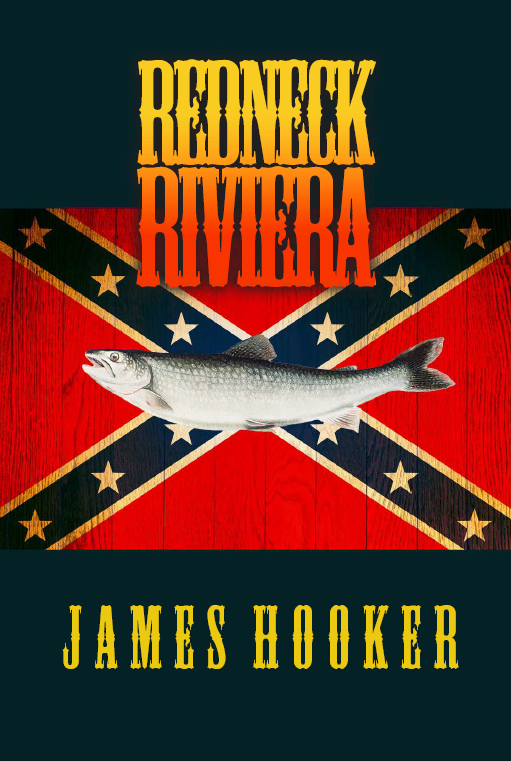
    My career in high-tech blossomed and ended up taking so much of my time that I put writing aside. I resumed to writing after a hiatus from corporate America in 2001, at which point I wrote the first chapter of “Redneck Riviera,” based on my wife’s and my decision to move to a remote island off the coast of North Carolina. 

    I returned to corporate America for another twelve years, and finally stepped out permanently in 2018. At my wife’s suggestion, I completed “Redneck Riviera,” and it has led me to develop outlines for several more books, the latest of which will be released at the end of June 2004.

    Advertisements

    What inspired you to write your book?

    I was fascinated by the down-home culture of the island on which we lived and its unique characters. I also struggled to fit in with the locals, who never failed to amuse me. Writing a book about my experiences was the perfect way to explore my relationship with the island. 

    What theme or message do you hope readers will take away from your book?

    That life is a journey and should always be appreciated for what you find on life’s path. 

    What drew you into this particular genre?

    More than anything, life is a journey to be enjoyed. There is humor and life all around us. Open your eyes and heart to appreciate them. 

    Make dad happy with a gift he will wear all year round at Happy Socks

    If you could sit down with any character in your book, what would you ask them and why?

    I would want to sit down with Blackbeard the Pirate and ask him where he hid his treasure on the island. 😉

    What social media site has been the most helpful in developing your readership?

    Linkedin and Facebook have both been very helpful channels for me to advertise my book and connect with new readers and fans. 

    What advice would you give to aspiring or just starting authors out there?

    Start with a concept that really interests you and that you know about. Then generate an outline for your book. The content of your outline will tell you whether your concept has legs.

    What does the future hold in store for you? Any new books/projects on the horizon?

    I consider myself a commercial writer, and I’ll continue to write for the rest of my life. At the end of June I’ll release “Righteous Rebellion,” a novel about a small southern state that secedes from the union. After that, I have another novel which will be complete by the summer of 2025. I’ll then work on a trilogy of fictional novels on the life of Blackbeard the Pirate. After that, I have outlines written for five more humorous and historical fiction novels. 

    Advertisements

    About the Author

    James Hooker spent over thirty years in research and technology in California’s Silcon Valley. He is a former senior executive in global sales and has travelled extensively throughout North America, Asia Pacific, Japan and Europe. He and his wife have been married for 21 years and make their home in Rhode Island.

    Interview with Author Adam Wilson

    1) Tell us a little bit about yourself. How did you get into writing?

    Hi, my name’s Adam Wilson and I’m a comic writer as well as the co-publisher and Director of Production for Read Furiously – a press my partner S. Atzeni and I have been running for almost ten years now. 

    Initially though, I got into writing at a very young age. I was always making up stories in one way or another. In fact, I remember I made my first movie when I was about seven or eight years old. I spent most of the summer working on it with my friends and family. As I grew up I experimented with different types of writing, from plays to song-writing, short stories. It wasn’t till I was almost out of college that I ended up trying to write comics. I was having one of those “We’re gonna graduate soon, what are we going to do with our lives” conversations with a friend. He was an art major, I was a burnt out pre-law major. We came up with the idea to do something together – I’d write it, he’d draw it – and before long we were printing out mini-comics in the college’s computer lab, stapling them together on our dorm room floor. It was something I really enjoyed, and even though nothing ever really came of that project, I kept going with it, getting short stories published in different anthologies, building up larger and larger projects over time till eventually I had my first graphic novel published.

    Advertisements

    2) What inspired you to write your book?

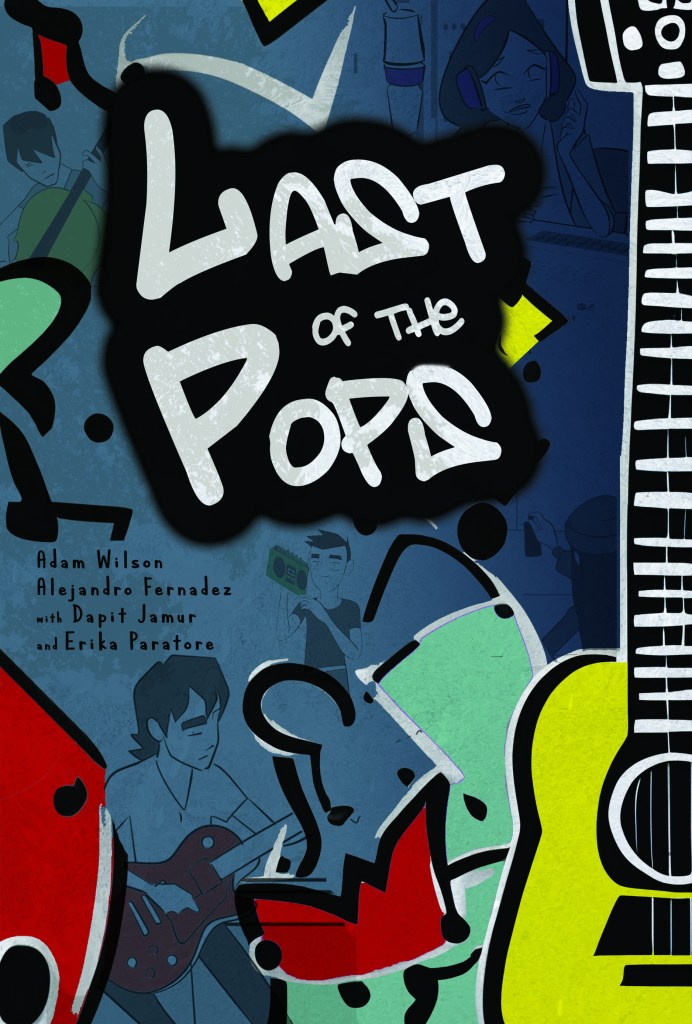
    The inspiration for Last of the Pops actually came from the title itself. It’s a play on the British music program Top of the Pops. And when it popped into my head one day I just really liked the sound of it. Top of the Pops was a show all about celebrating the most popular music of the week. Last of the Pops kind of has this feel of the end of pop music. That seemed like a fun idea to play with, even though I had no idea what I was going to do with it. But I created a blank word document on my computer and just labeled it “Last of the Pops.” 

    For a while it was just this place where I’d jot down ideas, phrases I really liked, concepts I thought would be cool to explore. They all revolved around music in some way, and I just threw everything on there. Eventually amidst all the spattering of ideas characters started to take shape from all of the bits and pieces I had. All the different areas of inspiration started to develop into a story and over about five years I was able to craft it all into a narrative.

    3) What theme or message do you hope readers will take away from your book?

    When I first started writing Last of the Pops my intention was really to look at people’s relationship to music, but as I dove deeper into writing the book it ended up evolving a lot and really became a book about loneliness. Particularly the loneliness that comes from change and growth and how people come to terms with it. 

    The book is still very music centric, the entire plot revolves around the final radio broadcast and a musician who vanished before getting to record his first album. But in writing it I realized there are a lot of parallels between music and loneliness that I really wanted to explore. 

    Music is very much something that brings us together. Musicians form bands to play, people bond over their favorite songs. Music connects us. But the way we consume music over the past few decades has changed so much. I’m a millennial, so I’ve lived through the tail end of vinyl, eight tracks, the entire lifespan of cassettes and CDs. I was starting college right when peer to peer music sharing became a thing, and as I’m writing this I’m streaming a playlist on Spotify. 

    That’s a lot of change in a very short time. And as a result our relationship to music has changed as a result of that. It’s changed how we consume it, how we connect with it, and how it connects us to each other. In some ways it’s left us disconnected from each other, but in others it’s actually connected us more. So really music kinda became the perfect lens from which to explore this kind of loneliness.

    Make dad happy with a gift he will wear all year round at Happy Socks

    4) What drew you into this particular genre?

    I think one of the things I love about comics and graphic novels is the play between the narrative storytelling and the visual storytelling. You’re almost telling two different stories at a time, and how you structure the two relative to each other can create some really amazing moments. Getting to go back and forth between harmony and dissonance of what are you choosing to tell the reader vs what are you letting them see. These are all extra layers that you don’t really get in a lot of other mediums.

    I’ve also found, and maybe this is just me, but sequential storytelling can actually give you the truest vision of the story you want to tell. In prose you’re limited in your ability to connect to the imagination of your reader, how thoroughly you can paint a mental image for them. With a medium like film, you get the visual and the narrative storytelling, but you’re limited with things like budget, locations, what computer or editing effects can accomplish, you sometimes have to make compromises to bring something to life. 

    But with sequential storytelling, if you’re willing to put in the work, the artwork can be an exact representation of what you envision. Characters can look exactly as you picture them in your head. The emotional beats can play out at the exact pacing you feel them rising and falling. And the fantastical elements can be as fantastical as you’d ever hope them to be, there are really no restrictions. It’s the only medium I’ve ever experienced where that’s possible.

    5) If you could sit down with any character in your book, what would you ask them and why?

    In an alternate dimension somewhere, I never switched majors after my freshman year in college, and I ended up pursuing a career in radio like the 18 year old version of myself wanted to. In a way, the character of Caroline from Last of the Pops is how I saw that story eventually playing out. So as I was writing her arc I pulled a lot from my own personal experience for her character, memories from my childhood and teen years even. So I think it would be nice to talk with her. Reminisce a bit about the life that could have been.

    Pride 2024 - Looking Back and Moving Forward. Sexologist Carol Queen, PhD talks about the importance of Pride to our communities. Read more at goodvibes.com

    6) What social media site has been the most helpful in developing your readership?

    This is a tough one, because I’m awful at most social media. But I think the one that I’ve at least been able to keep up with the longest is probably Instagram. I think particularly for someone working in comics, it’s a great tool because it’s got such a visual focus. 

    7) What advice would you give to aspiring or just starting authors out there?

    So having worked on both sides of the industry at this point, both as an author and as a publisher, I think the best advice I can give is that you really have to care about the stories you are telling. There are so many avenues out there available for folks to get their work in front of readers, but your audience will always connect the most with the stories you’re passionate about. That’s why it’s so important that you have to be writing the things that really mean something to you. Cause when it’s an important story, you’ll go to any extreme to make sure it’s the best possible version of itself. And sometimes that even means being willing to tear it all apart and start anew if it means making your work better. But that kind of commitment and effort shows in the final product, and the readers you want to appreciate your book will see that.

    8) What does the future hold in store for you? Any new books/projects on the horizon?

    Well, Last of the Pops is going to be hitting shelves in October, so I’m gearing up for the release of that. In the meantime though, my co-publisher at Read Furiously, S. Atzeni, and I have also just started work on the third volume of the award winning anthology series Life in the Garden State – which is all about exploring the sides of New Jersey that often get overlooked. It’s our chance to show how amazing a place it is. So we’re both really excited to get going on that.

    Advertisements

    About the Author

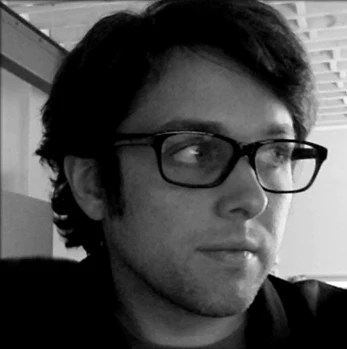
    A former comic editor, Adam Wilson is one of the co-publishers of Read Furiously and an award winning comic writer, His works includes Brian & BobbiIn the FalloutHelium, and the upcoming graphic novel Last of the Pops. He co-writes the graphic novel series The MOTHER Principle and edits the anthology series Life in the Garden State with his partner S. Atzeni. Together they live in West Trenton with their son and cat.

    https://www.lifeinasplashpage.com/p/home.html

    https://a.co/hDw8MCq

    Books that Prove You Can Balance Body Positivity with Healthy Weight Management

    Though it’s nice to think society’s progressed by leaps and bounds, the truth is there’s still plenty of room for improvement. The fact that weight stigma still exists makes that especially apparent. Over 42% of American adults—the majority of whom are women and members of the LGBTQIA+ community—report experiencing discrimination through sizeism, worsening their stress, increasing their chances of developing chronic health conditions, and making them less likely to seek medical assistance in addressing those risks. These individuals are also more likely to internalize this stigma, worsening their overall well-being.

    Yet it’s not all bad news. Concerns around sizeism have been instrumental in fueling the body positivity movement, which challenges traditional views on excess weight and promotes loving your body regardless of its shape and size. Despite this, it’s still crucial to acknowledge potential health risks, which is why weight management remains essential—not to conform to societal standards but to stay in top form and improve your quality of life.

    This can be a fine line to walk, especially if you’re struggling to let go of what others think of your appearance. Fortunately, various health, nutrition, and exercise experts reveal that it’s possible to stay body-positive while healthily managing your weight. They’ve written the following books to prove just that: 

    Body Respect: What Conventional Health Books Get Wrong, Leave Out, and Just Plain Fail to Understand about Weight

    Take the word of health professionals Linda Bacon and Lucy Aphramor and ensure that the first thing you do is love and respect your body as it is. Body Respect argues against fat bias, emphasizing that excess weight can be caused by factors out of your control. For instance, marginalized demographics may be more vulnerable to weight gain because of a lack of access to healthier foods. Let go of the notion that it’s your fault your body doesn’t conform to societal standards. Instead, keep your eye on what should be your true goal—better health and well-being—to adopt a more sustainable mindset for weight management. 

    Healthy Dividends: Investments in Nutrition, Movement, and Healthy Habits That Pay Off

    Diet and exercise are cornerstones of healthy weight management. However, pressure to lose weight can see you trying strategies that aren’t necessarily healthy. Fad diets for weight loss can cause lifelong harm because they promote quick “fixes,” leading to extreme and unhealthy eating behavior. Many of them do help restrict calorie intake but deprive you of nutrients in the process—which Healthy Dividends believes are the building blocks for healthy eating habits that pay off. To avoid these drawbacks, follow author Tricia Silverman’s mantra: if you can’t read it, don’t eat it. Avoiding processed foods with additives and instead eating those close to their source, like oranges instead of orange juice, is an easy way to nourish yourself and boost weight management efforts that don’t promote unrealistic beauty standards or compromise your health.

    The book proposes taking a similar approach to working out. Motivate yourself to move more by finding an activity you enjoy. As long as you get your heart rate up, you’ll burn calories—and consistency is often better than intensity. Starting slowly with simple workouts like speed walking or even dancing can get you in the groove without making exercise feel like a chore. With a study published in BMC Public Health finding that fear of discrimination discourages overweight and obese individuals from trying sports or going to the gym, you can also consider joining inclusive and welcoming spaces where you can connect with others. Communities like Power Plus Wellness use body-affirming principles that can help you reclaim a sense of safety while exercising, helping you love and respect your body more by strengthening it.  

    Magic Pill: the Extraordinary Benefits and Disturbing Risks of the New Weight Loss Drugs

    Genetics and medical conditions like PCOS can make it easier to gain weight and much more challenging to lose it, which can add to the distress already caused by sizeism. It’s crucial to acknowledge these as health issues and address them sustainably. Given the health risks of being overweight or obese—like heart disease, diabetes, and even cancer—the best way to do so is by consulting a medical professional. In these cases, they’ll likely recommend GLP-1 for weight loss. Originally formulated to treat diabetes, medications like semaglutide (popularly known as Ozempic) curb your appetite to reduce your caloric intake.

    Magic Pill highlights Ozempic’s effectiveness, especially with studies finding that semaglutide leads to the most weight loss among GLP-1 medications—up to a 15% reduction in 68 weeks. However, the book notes that it isn’t actually magic. One can easily abuse it if they’re driven by a motivation to be thinner rather than simply become healthier. That’s why it’s important to get a prescription, take the correct dosages, and continue following healthy diet and exercise habits. That way, you can use these medications with the goal of sustainably addressing the risks of excess weight—not giving in to societal pressure.

    Health at Every Size: The Surprising Truth About Your Weight

    Even if you’re managing your weight with the goal of enhancing your overall health and wellness, it can be easy to slip into old habits and feel discouraged when you don’t see results right away. Health at Every Size motivates you to keep going by underlining that being thinner doesn’t necessarily mean you’re getting healthier. The reason behind this is your set point weight: the theory that your body has a predetermined weight. If you lose more than your unique, set amount, your body will work to store fat and keep your body within a certain range. So, even if you’re considered overweight or obese based on traditional measurements, you can still be healthy. As long as you’re eating balanced meals, exercising regularly, taking the necessary medications, and even sleeping well, you’re doing great—so be kind to yourself and stay body-positive as you manage your weight!

    Interview with Author James Grimm

    1) Tell us a little bit about yourself. How did you get into writing?

       My introduction to writing started when I left my job back in 2014. I received a decent severance package but was a little on the picky side when it came to finding another job (lesson to folks—don’t be picky, get a new job quickly, and pocket the severance to savings!). I was following Guy Kawasaki for investments and got his book, APE – Author, Publisher, Entrepreneur where he discusses the self-publishing process. I always loved dreaming up stories and he made it sound pretty easy to write and self-publish a book. So, I was a little naive back then. 

       I was out of work for about eight months and took that time to write my first book. Back then, most self-publishing marketing advice was to talk about your book on social media sites. Which worked out well for a top-line influencer like Guy but not so well for a no-name like me. I wasn’t really into spamming my friends and didn’t really do a good job. That is when I thought about trying to turn the book into a movie, figuring as long as it wasn’t truly horrendous, it should help sell some books. So, I learned how to write a movie script then. I had to modify the original story to work in a movie and really liked the changes I came up with. This helped me create The Doom of the Gods series.

       In 2019, I wanted to write children’s books for my grandchildren, so I created a publishing company for these books. I even lined up artists and translators to work with me to produce each book in 12 languages. We produced one book, and I was able to put it out in seven languages, with another two books near completion. The problem was I was doing all the backend work and my day job was really killing me with work. I would get home and not want to do anything.

       To make a long story short, it wasn’t until losing that job, with another nice severance package, in 2023 that I discovered all of the self-publishing advice on YouTube and decided to get back into the writing game more seriously. If your readers are interested, I have put together a little history on my website: https://www.author-jgrimm.com/writing-history

    Advertisements

    2) What inspired you to write your book?

       In 2014, I finished reading Graham Hancock’s Fingerprints of the Gods when I picked up Guy Kawasaki’s APE book. I have always enjoyed the alternative history field and thought, why not tell a story about the downfall of Atlantis? I am a firm believer that most of the folks living in the modern world could not live off the land without significant help – myself included. 

       My thinking was an advanced society, if damaged enough, would not recover and most of the people would not survive the downfall. Things like the lack of medicine, food, power, and lack of knowledge of living off the land would doom most. Civility would take a back seat to the survival of your immediate group.  Civilizational knowledge would be considered a luxury that was not needed. You can’t fill a belly with writing, and books might be more prized for their help in starting a fire than the knowledge they contain. 

       The rise in sea levels and the propensity to build cities near water sources would have been an additional nail in the coffin for the last Ice Age civilizations. Sea levels were over 100 feet lower than they are now. The Persian Gulf was a river valley; Southeast Asia was a landmass, Japan was connected to the mainland, and the Mediterranean was smaller, as was the Gulf of Mexico. 

       With Plato’s story stating Atlantis was a great naval power, I assumed their cities would mostly be near the coasts. In many cases, that is land now miles off the coasts and, in some cases, nearly a hundred feet under the waves. 

       The only thing now was to figure out how the Gods would have been angered enough to destroy Atlantis and The Doom of the Gods series was born.

    3) What theme or message do you hope readers will take away from your book?

       Too many people think we are the apex of human history. That a race that had over 100,000 years of carrying fire around and numbering globally less than a small city could turn around in less than 10,000 years to be capable of space flight and other feats that would have been considered magic or powers of the Gods by those before this period.  Could this have happened before?  And will it happen again? Are we doomed to repeat the past?

    4) What drew you into this particular genre?

        I have always loved fantasy and science fiction. From a kid reading The Hobbit or playing Dungeons & Dragons to being in the US Navy and reading tons of books, I have enjoyed them.

    5) If you could sit down with any character in your book, what would you ask them and why?

        Probably Demetri, the hero of the Greeks chasing Rogat around Eastern Europe, or Atlanta Nado in the book. He is a happy-go-lucky guy who doesn’t worry about anything and enjoys a good laugh. Of course, he is a hero and blessed by the Gods, so he has powers that the normal human doesn’t but I bet he would be fun to be around. If he doesn’t get you killed.

    Advertisements

    6) What social media site has been the most helpful in developing your readership?

        Well, I’m still building that readership, but I hope YouTube will be my magnet. I plan on releasing videos about Atlantis and other things from my books to help build the background. I also plan on putting out some short stories or novellas on my website. The short ones for free and I might charge a little for the longer ones. I am working on a story, working title “Death of Brother Death,” which talks about the early Atlanteans and their heroes killing the last of the Neanderthals, who were not the peaceful ones we hear about but more of a vicious humanoid that liked our taste as much as our women. 

    7) What advice would you give to aspiring or just starting authors out there?

         Start writing or outlining, whichever you wish to do. You can always correct it later. Once I put out my first book, I enjoyed the process and decided I wanted to do more. Also, I watch a ton of YouTube videos about writing, marketing, publishing, and anything related to these subjects (I also watched the movie script creation videos). You can read a lot of blogs, too, but the amount of info out there on YouTube is great. Just don’t follow one person. Get a lot of them, and make sure you are following advice that seems to be common or makes sense to you. 

    8) What does the future hold in store for you? Are any new books/projects on the horizon?

        I am running in a few different directions now. The Power of Water was my first novel with my new knowledge, like seeking out reviews from you and others. This was a learning step that I hope to reproduce with other works. I currently have a resume-writing book I plan on releasing this year (hopefully by the end of summer) and releasing one or two of the children’s books.  If I can get those all done by the end of the year, I will be happy. 

        Regarding The Doom of the Gods series, I have two more books planned. Book Two is about 60,000 words already. I have also started working on another series that will follow some Priests of Poseidon during the downfall and their descendants up through modern times. How they set up a secret society that guides humanity until the time they can reveal themselves. In this series I will pick times through history that seem like a potential intervention from the gods with the society helping out the rulers. So far, I am thinking of ancient Egypt, Rome, or Chin China, maybe the Black Death, the disappearance of the Maya, and WW2 Hitler. The last would be like a Jason Bourne-ish type story with the world’s governments learning about the society.

         I also have other universes I wish to write in, and I have a long list of story ideas I want to eventually get down on paper. I hope this becomes my day job, but I will have to wait and see.

    Advertisements

    About the Author

    Instead of just daydreaming of my fantasy worlds and people, why not write about them. At least that is what I told myself when I started this journey in 2014.

    Living in Japan, the land of Anime, the Samurai, the ultra modern and extremely old seems to fuel my worlds. Both the ancient and new meld together into worlds where superpowered school kids defeat evil, forest spirits help or fight humans or giant, futuristic robots battle to save the world. Where else to live for inspiration!

    In the land of the rising sun, I create my worlds, that I hope entertain you.

    https://www.author-jgrimm.com

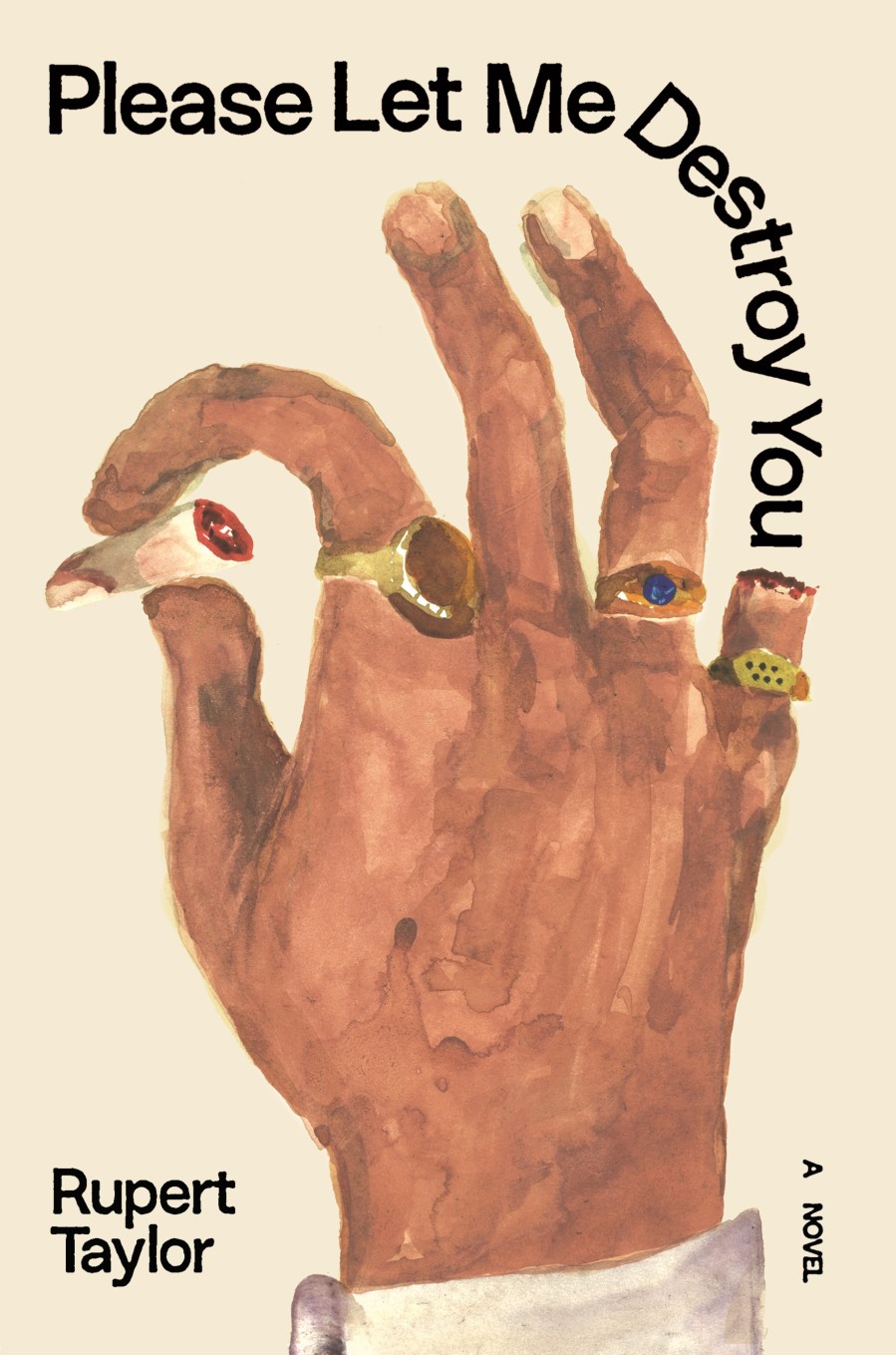
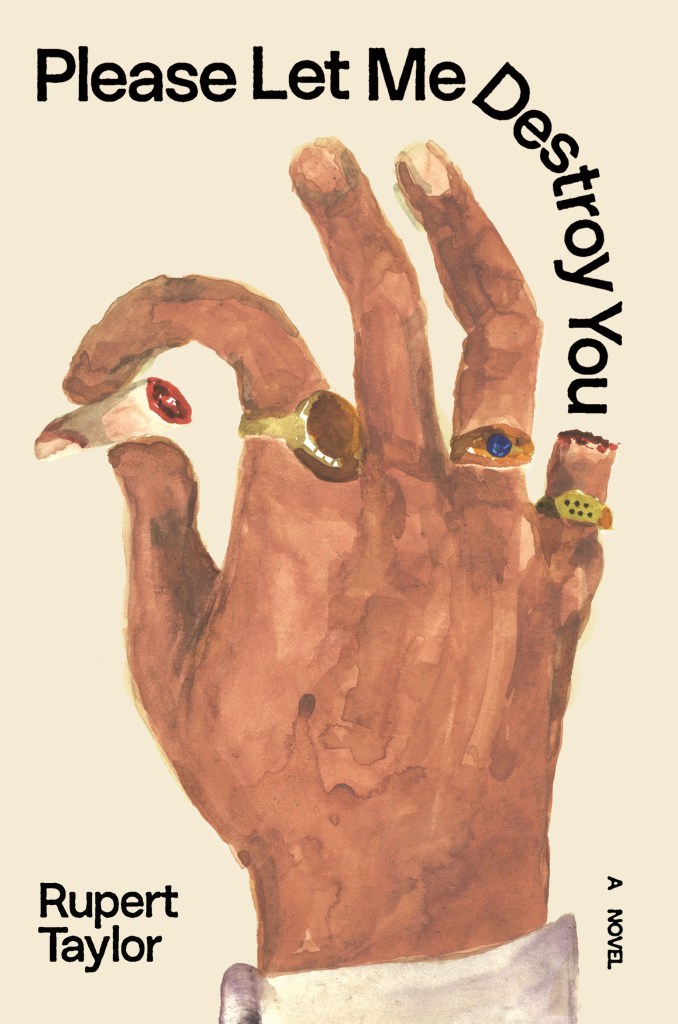
    Please Let Me Destroy You by Rupert Taylor Review

    I received a free copy of this book in exchange for a fair and honest review. All opinions are my own. 

    An ambitious young filmmaker puts himself through untold dangers to sell his dream project to a streaming service in author Rupert Taylor’s “Please let Me Destroy You”. 

    Advertisements

    The Synopsis

    In this darkly comic rollercoaster of a novel, a desperate young filmmaker goes on a global quest for perfect content.

    While trying to heist a casino in the Cambodian jungle, Apollo Jones has a crippling panic attack. But he’s no seasoned crim, he’s a filmmaker, and he’s heisting the casino so he can turn the story into the first season of a preposterously ambitious TV show he hopes to sell to HBO or Netflix or some other global streaming powerhouse. Spoiler alert: his panic attack stuffs up the heist. As punishment, his partners slice off his right pinky. But the TV show is all he has, so Apollo bandages his stump and heads off on a search for stories that will take him to the steaming streets of Saigon, the glittering hills above Hollywood, and all the way back to the dark and damp Cambodian jungle, where he may or may not be forced to dig his own grave.

    ABN Banner

    The Review

    This was an intriguing and memorable read. The author does an incredible job of creating a wide array of characters, some that feel relatable and engaging and others that play to the absurdist and thoughtful nature of the main story. The shifting perspectives from the protagonist to the side characters he meets along the way were great to see come to life on the page. 

    The powerful themes and rabbit hole of a narrative were an instant draw for the book. The protagonist is ambitious yet self-absorbed and lacks any self-awareness, contributing significantly to the many misadventures he finds himself on. The theme worked on two fronts, with an examination of the cutthroat world of Hollywood in the 21st century becoming part of the central plot and a harder examination of the dog-eat-dog world that so many people in society live by, with everyone looking out for themselves without any awareness of the lives of others around them being explored on a much grander scale.

    Make dad happy with a gift he will wear all year round at Happy Socks

    The Verdict

    Stylistic, engaging, and visceral in its approach, author Report Taylor’s “Please Let Me Destroy You” is a must-read genre fiction novel. The almost lyrical and attack-style of writing keeps readers mesmerized by the twists and turns in the story. The dynamic character development will keep readers returning for more as the story progresses. If you haven’t yet, be sure to grab your copy today!

    Rating: 10/10

    Advertisements

    About the Author

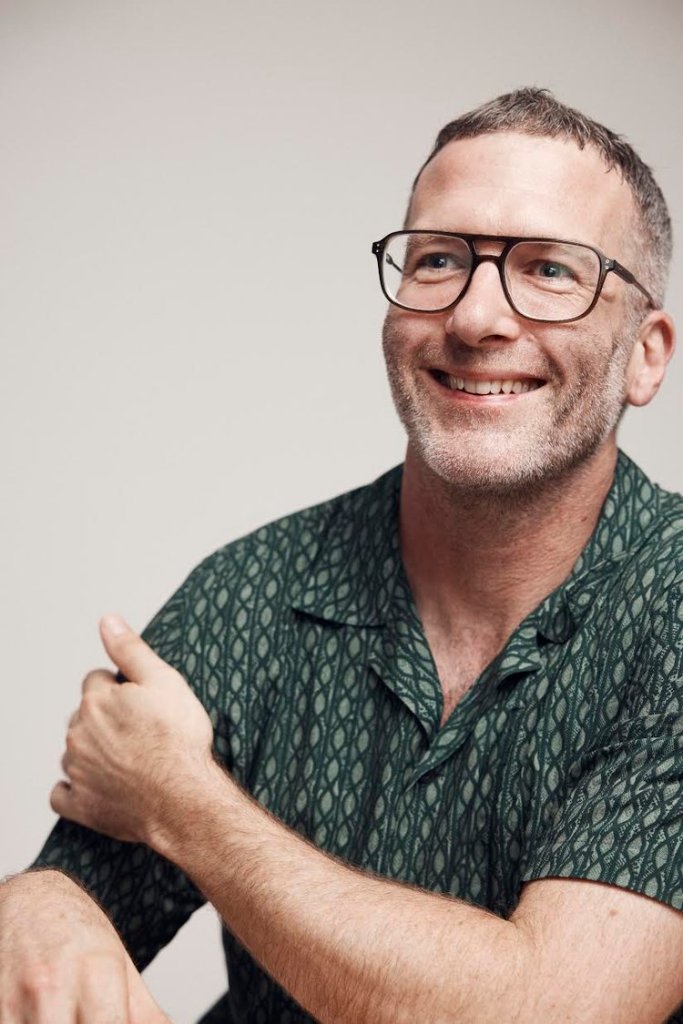
    Rupert Taylor is from Aotearoa New Zealand. He wrote a film called BEVERLY that screened at one film festival. That’s right, one. He also won a major international screenwriting competition that led to absolutely nothing getting made, but he does have several TV series in development, so you never know. His short fiction has appeared in Hobart, X-RAY, Maudlin House, Points In Case and others, and he currently lives in Sydney, with his partner and his daughter, who likes unicorns and shouting.

    https://rupertctaylor.com

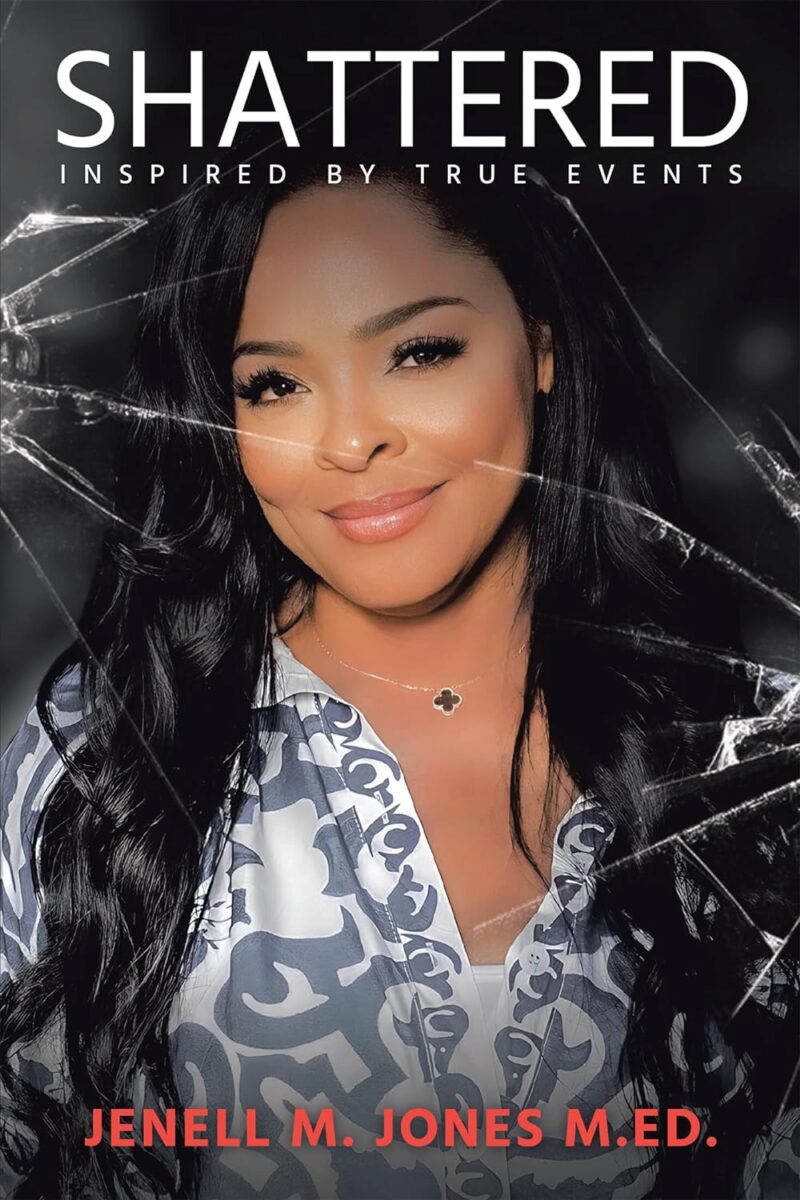
    Shattered: Inspired by True Events by Jenell M.  Jones, M.ED. Review

    I received a free copy of this book in exchange for a fair and honest review. All opinions are my own. 

    Author Jenell M. Jones, M.ED. shares with readers the painful journey of fighting to get the proper care for her adoptive daughter in the book “Shattered: Inspired by True Events”.

    Advertisements

    The Synopsis

    With the trajectory of today’s society, we can all agree that parenting is difficult. Choosing to foster and adopt proves to not be an easy feat. Parents are in constant competition with societal influences and sometimes feel it’s an uphill battle. These same parents are often told they will be supported in the rearing of their children and that adequate resources would be made available. But what happens when you discover the system that promised to help you, would betray you? What happens when you decide to enter into another realm of difficulty – fostering and adopting children who come with mental and physical baggage? Meet Jenell Jones, an adoptive mother who is still trying to find the answers to these questions. In these pages, you will see through a mother’s eyes as she shares her deepest pain for her daughter, “Mercy.” In the end, justice is necessary and peace is questionable.

    Make dad happy with a gift he will wear all year round at Happy Socks

    The Review

    This is such a heartbreaking and compelling read. The author finds the balance between telling her story, her daughter’s story, and how hospitals and the adoption system work as a whole. The detail and personal experience the author brought to the book allowed the reader to feel the stress and anxiety that this situation created and the shocking process that many parents have to struggle through trying to get their child, adopted or not, the help they need.

    The true heart of this story is the emotional connection between the author and her daughter. Mercy’s tragic background and the struggles that the trauma she endured gave the reader a profound insight into the events that contributed to the young woman’s hardships. The heartbreak comes in the author’s personal story, as she does everything she can to get her child the help they need, even in the face of scrutiny from others, and her journey exposes so much of the lack of care and attention that many institutions give to parents who adopt children.

    ABN Banner

    The Verdict

    Author Jenell M. Jones, M.ED.’s “Shattered” is a must-read. It is heartbreaking, engaging, and thought-provoking. The love and care this family has to give to their children, and the tragic circumstances surrounding mental health care and help for adoptive parents and children will keep readers invested in the author’s story. If you haven’t yet, be sure to grab your copy today!

    Rating: 10/10

    Advertisements

    About the Author

    Jenell Jones is an education entrepreneur, currently operating 2 childcare and early learning centers, which specialize in providing high-quality learning experiences to children who experience trauma in low-income areas. Her education background includes earning a bachelor’s degree from Ottawa University, and a Master’s in Curriculum and Instruction with an emphasis on autism. Being a Phoenician, Mrs. Jones has provided her expertise to adopting families for the last decade and currently hosts private discussions with other foster and adoptive parents on current issues affecting the non-traditional home.

    In her spare time, Mrs. Jones prides herself on staying active in her church community in Peoria Arizona.  Mrs. Jones enjoys sharing her time, talent, and treasure with all those in need and thoroughly enjoys sharing her experiences as a natural, foster, and adoptive mother through the lens of Christianity. 

    Jenell is committed to her family; she adores her 7 children.  Her children are the loves of her life.  Jenell is grateful that God allowed her to be the mother of each of them. She resides in Laveen, Arizona a suburb of Phoenix with her dogs, chickens, and fish. Jenell loves to be outside in nature and the garden. She takes pleasure in watching things grow.  She is an avid traveler, sparing no adventure, and desires to experience the goodness of God in all she does.  

    Through her life experiences, passion is the source by which she governs herself to make a difference.  The goal is not to be perfect but to assist others in rising through difficulties. Life does not always go as it is planned, but she believes God will work all things out for the good she knows she just has to stay in God’s purpose. Mrs. Jones’ blueprint of success can be summed up in a few statements: Be tenacious, be kind, be loving, but most of all….be forgiving. 

    https://www.jenelljones.com