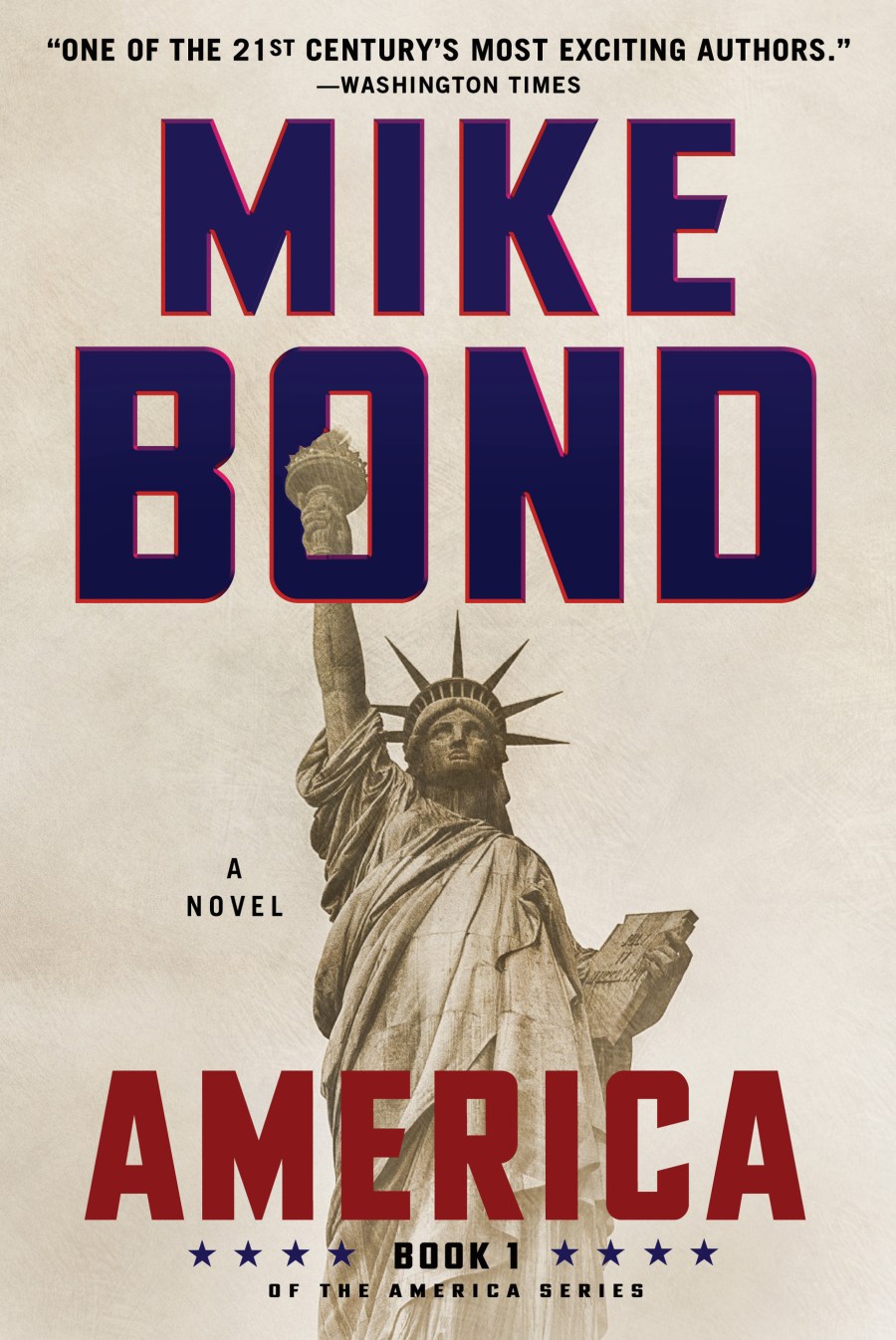
Rather than recounting history from a distance, America by Mike Bond approaches a turbulent era through lived experience. Youth, ambition, and uncertainty move alongside cultural revolution and political unrest as personal journeys reflect a country in transition.
In a decade marked by unrest and reinvention, four young people search for direction as the world around them shifts at breakneck speed. Troy, orphaned early, finds comfort in family and dreams of flight and space exploration. Tara claims independence and identity through music, growing into a rock ’n’ roll performer shaped by freedom and rebellion. Mick, a football standout with a defiant edge, begins questioning authority as the war abroad becomes impossible to ignore. Daisy, driven by ideals of equality and service, joins the Peace Corps and devotes herself to understanding the human mind. Their lives intersect amid protests, cultural shifts, and personal awakenings, revealing how private choices are shaped by national turmoil. Through moments of joy, loss, and reckoning, America captures both the exhilaration and the cost of a time that redefined lives—and a nation.
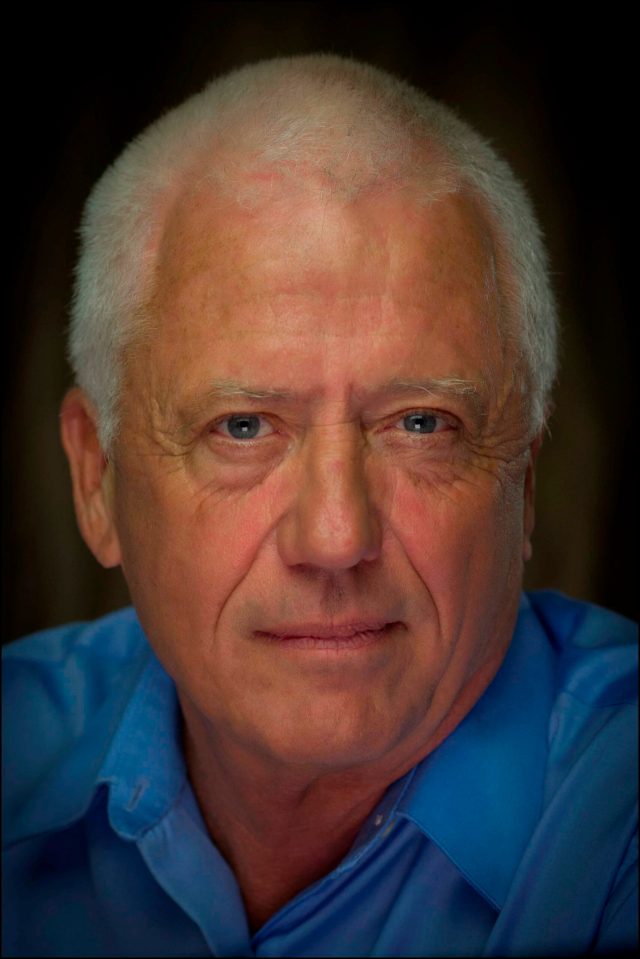
Mike Bond is the author of nearly a dozen bestselling novels and an ecologist, war and human rights journalist, award-winning poet, and international energy expert. His work spans more than thirty countries across seven continents, often drawn from firsthand experiences in remote, dangerous, and war-torn regions. His novels are praised worldwide for their intricate plots, vivid settings, and explosive pacing. His reporting has covered wars, revolutions, terrorism, and major environmental crises. Learn more at his website.
THE BOY STARED through the cyclone fence at the dirt road, golden meadow and forested hills beyond. He listened a moment more to the din of other boys playing in the concrete yard behind him, scrambled up the cyclone fence ripping his shirt on the barbed wire top and dashed across the meadow uphill into the cool shadowed forest.
Minutes later he glanced down from the hilltop at the hostile brick walls and barred windows of the orphanage. A black Ford police car with white doors had stopped at the gate, its yellow roof globe flashing. Two priests and a cop were walking along the road, one priest gesturing at the forest.
He imagined them catching him, hitting him, wished he’d never run away, turned uphill through the dark trees then down a wooded valley to a stream. He knelt in the wet moss, his reflection rising toward him – dirty and skinny, tan hair askew – and drank the icy water tasting of rock and mud. So this is what it’s like to drink from a stream.
He followed the valley for a long time till he saw a dirt road ahead through the trees. A big red car was there. Afraid he’d been seen, he pulled back into the trees. From the car’s open windows came voices, a man and woman. If he moved back up the hill they’d surely see him. He’d be taken back to the Boys’ Home, the Fathers would whup him.
A warm breeze stirred the leaves. His heart hammered, his knees shook with fear and fatigue. Soon the car would leave and he could cross the road.
The woman was moaning. Holding his breath he listened. The man must be hurting her. She cried out; the boy glanced round but there was no one who could help.
Shivering with fear, he worried what to do. If the man killed her and he had done nothing to help, it was a terrible sin. But if he tried to help her he’d get sent back to the Boys’ Home. Standing, he tried to see better. The man was pushing the woman down in the back seat, maybe strangling her.
The boy dashed across the road and banged on the car. “You leave her alone Mister!” he yelled, voice shaking, “I’ll call the cops!”
They were naked from the waist down. “Get him out of here!” the woman screamed. The man threw open the back door shouting, “You little shit!” and slapped the boy hard across the head. The boy tumbled into the ditch and scrambled through brambles uphill. The man wasn’t following but the boy kept running, gasping for wind, legs weak with fear that the man would circle somehow and get him. He ran till he could run no more, stumbled, fell, and ran again.
After a while he stopped and bent over panting, watching behind him. He couldn’t stop shivering but wasn’t cold. He tried to talk to himself and his voice trembled. His head spun, his ears whined. If the man wasn’t killing her what was he doing? Why had she said get him out of here? Why were they naked like that?
Confused and terribly lonely, the boy moved on through the forest, jumping in terror at the crash of an animal running away, a flash of tawny fur. Even the Boys’ Home was better than this.
In late afternoon he came to a big place of empty, run-down tarpaper-covered buildings, some of their windows broken, tall grass spiking up from their concrete yards. He felt hungry and afraid, then angry at himself for feeling it. He snuck along one building and looked in a window hoping for something to eat, but there were only empty concrete floors, yellowed newspapers, rusty cans, torn tarpaper, and a broken toilet lying on its side. He slipped through a half-open door and stepped silently from room to room around broken bottles, boards with nails sticking up and chunks of fallen ceiling.
A window shattered overhead and he ducked into a closet, broken glass in his hair, deafened by his pounding heart, hoping whoever it was hadn’t seen him.
Maybe it was a bird hit that window. Stupid bird.
He tiptoed from the closet toward the door. Another window crashed. He ran stumbling over cans and bottles. Someone was shooting at him. At the door he halted, fearing what to do. Blood ran down his cheek onto his shirt. They were going to kill him.
Steps scuffed outside in the concrete courtyard. A kid. The kid picked up a rock and slung it. Glass shattered and the rock hopped across the floor inside.
Advertisements
NOW ENJOY THIS GUEST POST FROM AUTHOR MIKE BOND
Why We Are Here
Many years ago I woke from a dream of being in a large place like a supermarket full of people. I met a young man with long dark hair who looked like me. “Why are we here?” I asked him.
“To find out what it is.”
“What what is?”
“Life.”
I awakened understanding that this was the task we are all given in life. That in good years and bad, joys and sorrows, our unerring goal is to understand life, to seek the meaning of this vast mystery encompassing us. To find out what life is and spread the word, like scouts returning to the tribe from distant and dangerous lands.
We are in an infinite universe of endless infinities. They stretch in all dimensions far beyond our feeble cognition. Time is forever, and forever unknowable. Even deep inside ourselves we cannot begin to understand.
We are children of the void. We go through many joys and sorrows in life, many magical mysteries we cannot comprehend. Perhaps what we experience feeds a greater wisdom far beyond our ken; we cannot know.
Like many people, I have lived through great joys and dangers – atrocious wars and vicious perils, and deep, long-lasting love, that have all made me believe in God. And to live deeply, intensely, to love, have children and give them the magical mystery of life – this is what we are born for.
I received a free copy of this book in exchange for a fair and honest review. All opinions are my own.
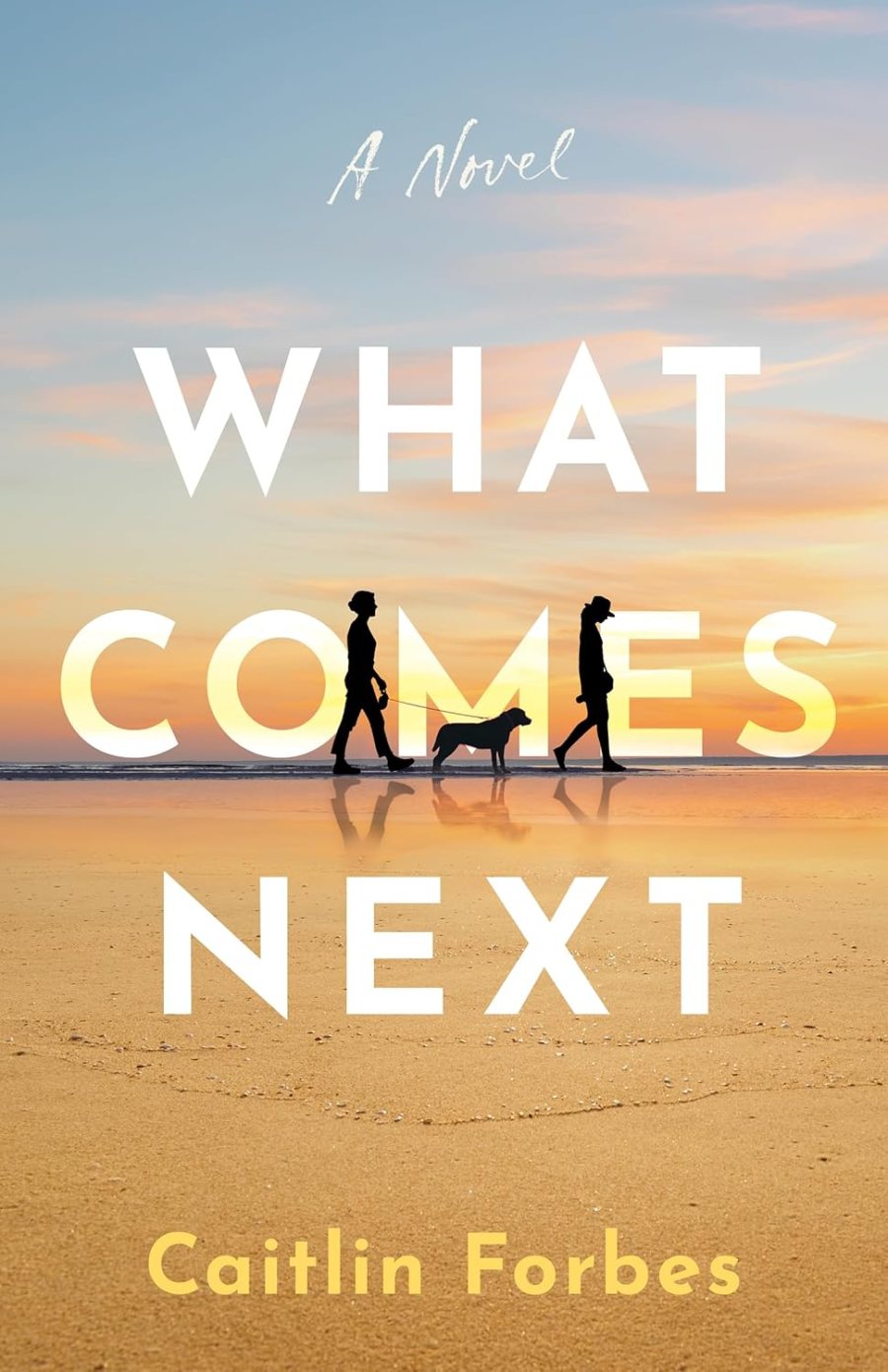
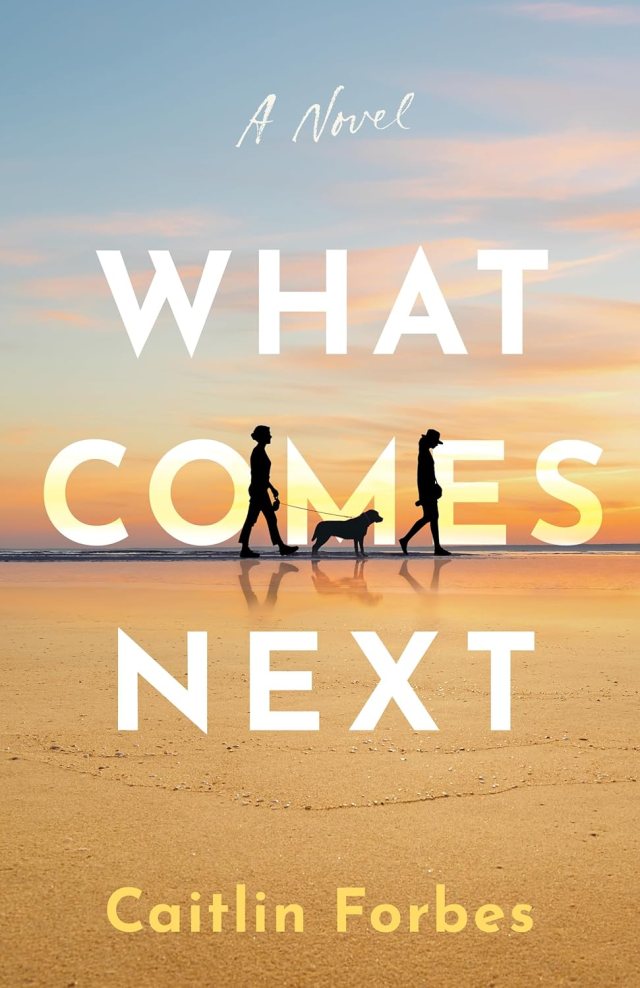
A woman pushes herself to experience more of life after the sudden loss of her mother in author Caitlin Forbes’s “What Comes Next.”
Advertisements
The Synopsis
An empowering and heartfelt novel about the complexities of family, the power of sisterhood, and the bravery it takes to choose happiness when all seems lost.
“My life is perfectly fine.”
Alex has pretended this for years―despite an emotionally absent father, a best friend drifting away, and a floundering dog-training business. At least Alex has her sister, Meredith, a driven polar opposite. But both their lives are upended when their estranged mother dies of a genetic condition that the sisters have a fifty-fifty chance of inheriting. For Alex, a world without her mother is uncomfortable. But a world without Meredith is unthinkable.
Alex suggests a pact to which Meredith tentatively agrees: In three months they’ll get tested. Until then they go after everything they’ve ever wanted. Alex is finally stepping out of her comfort zone and opening herself up to new relationships. Or maybe reconnecting with an old one. Nathan, a boy who once broke her heart, needs a trainer for his mixed-breed rescue. Alex can’t resist.
As sparks rekindle, and time passes much too quickly, Alex discovers more about herself, her sister, and her mother than she ever imagined. And that everything in life―especially happiness―comes with a risk worth taking.
The Review
What a heartfelt and emotional read. The author finds such a delicate yet perfect balance between exploring the grieving process, the intricacies of relationships, and the power of self-discovery. The juxtaposition of animal care with the protagonist’s life, especially with Remy and the frequency of animal abandonment due to past trauma, making it difficult to train or home them, mirrors the protagonist’s own abandonment issues and really speaks volumes throughout this story.
Yet it was the relationship between Alex and Meredith that really stood out to the reader. The way they learned to lean on one another in the absence of their parents, the loss they share, and the shock of a shared illness lingering as a possibility is something that felt so relatable as someone who inherited several ailments and the dangers that come with genetic diseases. The author artfully navigates these troubled waters by exploring the path to finding hope again in a person’s life amidst the trauma.
The Verdict
Memorable, heartfelt, and engaging, author Caitlin Forbes’s “What Comes Next” is a must-read women’s fiction-meets-family-drama novel. The imagery and atmosphere the author brought to life on the page, along with the compelling blend of emotional storytelling and hopeful tones, will keep readers engaged until the book’s final chapters. If you haven’t yet, be sure to grab your copy today!
Rating: 10/10
Advertisements
About the Author
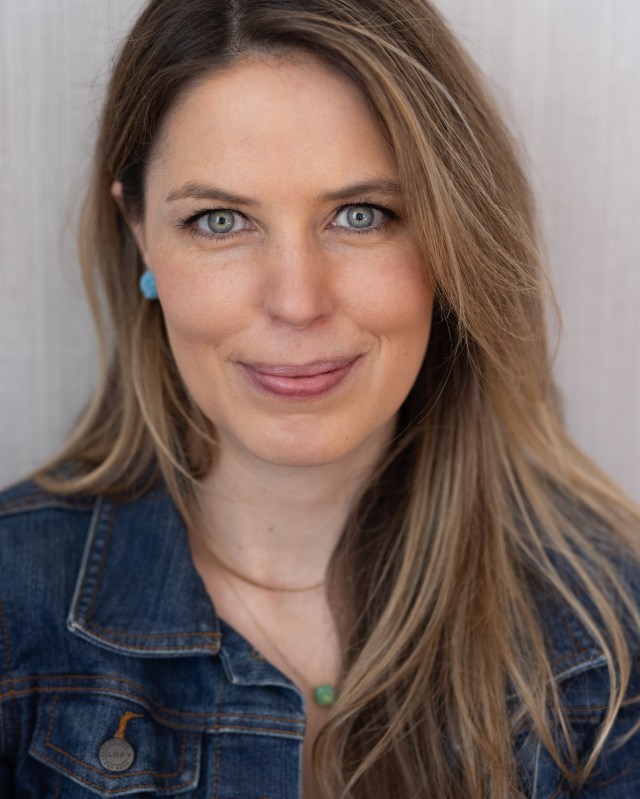
Photography by Molly Haley, mollyhaley.com
Caitlin Forbes is a Maine-based author who writes stories that explore the messiness of relationships—from sisterhood to romance to the tricky relationship we have with ourselves. When not writing, you can find her chasing after her toddler (or her dog) and exploring small-town New England life.
Join us at the Muffin as we celebrate the launch of What Comes Next by Caitlin Forbes. We interview the author and give you a chance to win a copy of the book.
Stop by B. Lynn Goodwin’s blog for a guest post by author Caitlin Forbes about the question of inheritance – of what we inherit versus what we get to choose.
Stop by Katherine’s blog for her review of What Comes Next by Caitlin Forbes. You’ll also have a chance to read her response to our tour-themed prompt about whether if she had an incurable condition and if she would want to find out.
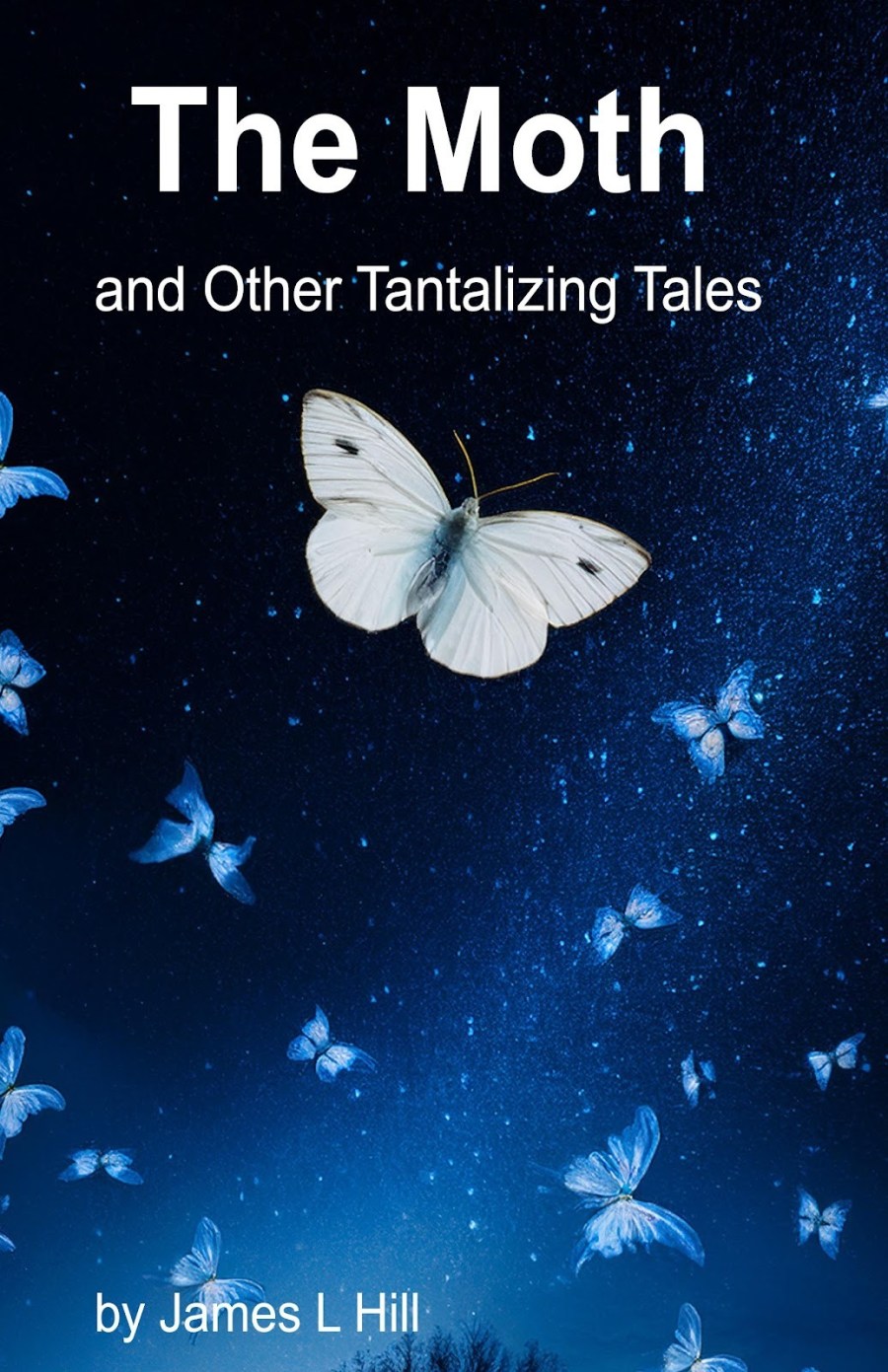
A new stunning short story collection by critically acclaimed author, James L. Hill
Released by Rockhill Publishing
The book is available worldwide in digital and print format
From the dark distant past to the far-flung fantastic future comes crimes of passion and hopeful heroes.
The world has fallen back into a more deadly Covid-19 pandemic. A journalist, Baron Beard, risks everything to uncover government secrets exposed by an internet troll known only as Veritas.
Harry, a brilliant but naïve computer hacker, finds himself drawn deeper into the underworld like a moth to a flame. Of course, there’s a woman holding the torch.
Dr. Energy has plans to save the world but only if he can avoid destroying it first. He’s 99% sure he can. Well, maybe 85%. But he still likes his odds.
You will be intrigued as you turn the pages and the plot twists in these eight amazing stories of mysteries, thrillers, and dystopian science fiction.
James L Hill, a.k.a. J L Hill, is a native New Yorker from the South Bronx, Fort Apache, of the turbulent 60’s. He earned a degree in computer programming, his other love. A multi-genre author, his experiences seasoned his novels and the worlds he imagined. James started RockHill Publishing LLC to publish his own work and give others access to the literary world.
At 1:30 a.m. Samantha Evans received the phone call every spouse dreads. “Mrs. Evans, this is a sergeant with the police department. There’s been an accident.” Six hours later, she received another call. “Mrs. Evans, this is a nurse at the hospital. We found something on the cat scan.”
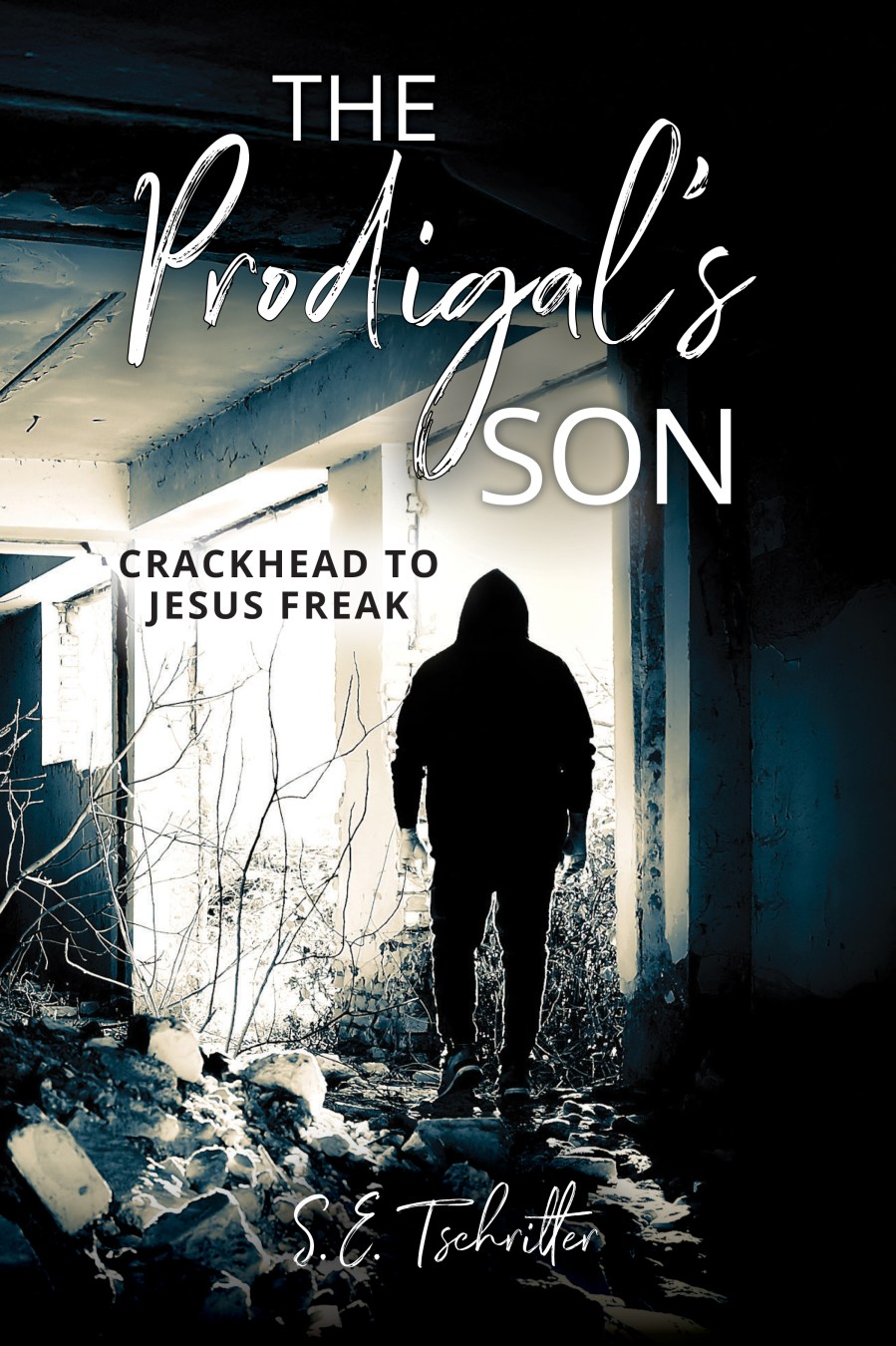
Instead of preaching that Sunday, Pastor Clint Evans went to jail with a BAC of .24, a cancer diagnosis, and a felony charge of fleeing police. The Prodigal’s Son: Crackhead to Jesus Freak chronicles a Christian’s lifelong battle against demons, addictions, and unworthiness. This story portrays a God who steals the show with a backlash of grace toward a man whom others branded “unredeemable.”
The Prodigal’s Son flings church doors open wide to the world’s misfits and challenges pew-squater saints to stop measuring their godly perfection against the dirty, homeless and addicted. From gutter to pulpit to ditch to grace to grave, The Prodigal’s Son speaks volumes of God’s furious love for the world’s castoffs.
This is a story of a pastor arrested for drunk driving. The effects of alcoholism on families are staggering. “My wife hid her addiction from me,” “My husband hid his alcoholism.” Millions of men and women are affected by drug addiction. Do you crave hope amidst an addiction battle? Are you looking for recovery support? If you found out your husband’s an addict, or your wife’s an alcoholic and you’re grieving your spouse’s addiction, look no further than The Prodigal’s Son: Crackhead to Jesus Freak. Within these pages, you’ll find hope. You’ll close the cover knowing you are not alone. Whether you’ve judged addicts, or you’re the addict who’s been judged, this book is a page-turning, must-read.
Love Letters to Miscarriage Moms: Second place in the 2023 Golden Scroll Awards for Christian Living Book of the Year
Love Letters to Miscarriage Moms: Finalist in the 2023 International Book Awards for Women’s Health
Advertisements
About S.E. Tschritter:
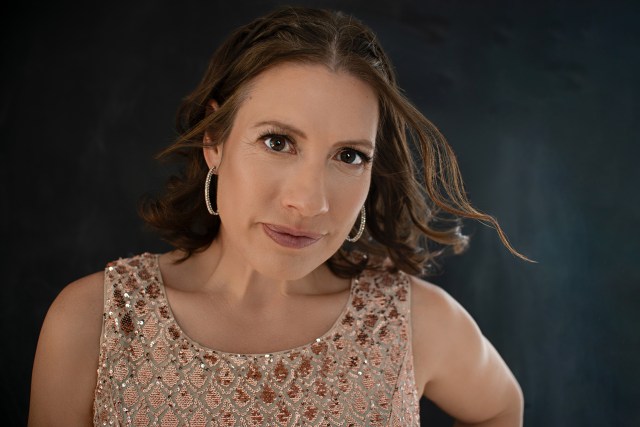
Multi-award-winning author Sam. E. Tschritter (pronounced Shridder) specializes in articulating grief and loss, leading grievers toward hope and healing. Whether poetry, fiction, or non-fiction, Tschritter writes content that will stick with readers long after they close the cover. Her 20-plus years of leadership experience and contributions to over 40 books enable her to serve others, speaking truth with transparency, humor, and love. Tschritter grew up in Chicagoland and has also lived in Minnesota and Oregon, granting her widespread views of people all over the country. She currently resides in Simpsonville, South Carolina with her husband, their three teen and preteen daughters, cats named Pitter and Patter, and their Siberian husky whom she lost the vote to name Onomatopoeia. Nothing refreshes Tschritter’s soul like gardening. She gardens to work through plot holes, writer’s block, character development, and book ideas. Tschritter spends a great deal of time gardening.
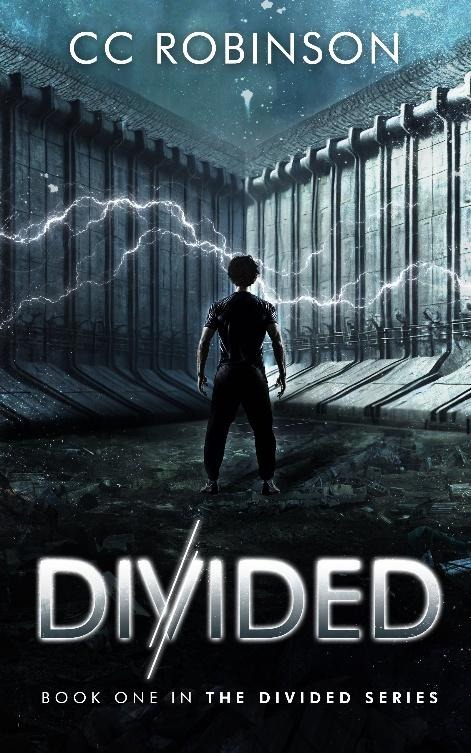
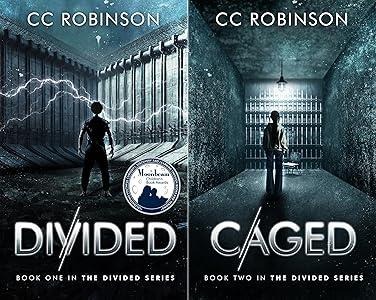
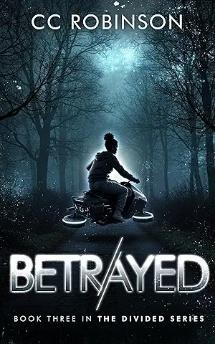
Divided, the first book in the Divided Series from critically acclaimed author CC Robinson has been named a winner in the prestigious Pencraft 2025 Seasonal Best Book Awards in the Young Adult – Science Fiction / Fantasy Category
All he wanted was to escape the walls of his life. Too bad he ended up in a place worse than death.
In a world where technology has crashed and a ruthless dictator rules the Federated Republic of America with an iron fist, eighteen-year-old Marcos finds himself trapped within the impenetrable walls of Queenstown. Despite his attempts to escape, he is “disappeared” into a secret labor camp, with his controlling father’s approval.
But Marcos never expected to find a vibrant and diverse rebel movement, the Underground, within the confines of the labor camp. Fueled by his anger and a desire for freedom, Marcos joins forces with his new found family to take action against the oppressive regime and free the labor camp. However, their rebellion could come with a high price.
The Supreme Commander will stop at nothing to maintain control over his citizens, even if it means crushing uprisings and those daring enough to lead them.
As Marcos and his friends risk everything for their freedom, they face the harsh reality that the Supreme Commander will not go down without a fight. Will their determination be enough to defeat the tyrant and free the labor camp or will they fall victim to his ruthless tactics?
If you enjoyed young adult dystopian classics like The Hunger Games, you’ll love the heart-pounding action and diverse cast in Divided, Book One in the Divided Series.
Betrayed, The Third Book in the series will be released in:
October 2026 with Pre-release in July
About The Pencraft Seasonal Best Book Awards:
The PenCraft Seasonal Book Awards, recognize excellence in creative writing. This Fall (2025) it honors 63 great books for adults and children. We are pleased to recognize these hard-working authors and their books and thank them for their inspiring stories and captivating writing styles. This eclectic collection of 63 books has been selected as the best for the season’s offerings, whether it be adult or children’s fiction, non-fiction, or other categories. These winning books features stories of courage, adventure, wonder and joy; boundless fantasy; thought-provoking literature; beautiful artistry; inspiring non-fiction titles – something for everyone. Whether you’re looking for something to snuggle up with on a beautiful Fall evening, maybe a dark thriller or a lighthearted romance or a book to enlighten and challenge you, PenCraft’s Fall Book winners are sure to provide an enriching experience.
The PenCraft Seasonal Awards were established to recognize exceptional work from authors, editors, illustrators and publishers around the world. We are proud to present 63 great books that have surpassed PenCraft’s selection criteria and earned them a Seasonal PenCraft Book Award.
About CC Robinson
CC Robinson has over two decades’ experience in cross-cultural settings as a medical doctor working in post-civil war nations and as an Associate Pastor at a multi-ethnic congregation led by an African-American man in Cincinnati, the setting for Divided. When she’s not throwing on her superhero cape to save her characters from their dystopian antics, CC enjoys hiking, gardening, dancing, swimming, and driving her jeep through the woods with her husband and three kids.
A new direction for Zachary Hagen, the critically acclaimed author of the Eternal Chronicles series
NOW ON PRE-SALE WITH A RELEASE IN FEBRUARY 2026
How many masks can one girl wear?
Aisha is the best thief in Easima, the capital of Makan Alsahar. She wants to survive and to thrive, but how can she? After all, an orphaned daughter of a seamstress without a single honest dinari can’t aspire to much more than stealing the very bread she needs to live…and maybe a few fancy jewels and golden trinkets.
On a particularly fruitful day of thievery, Aisha finds a bottle and unleashes the fiery djinn within. When the djinn, Qadira, offers her three wishes in gratitude for her freedom, she mistakenly wishes to become a princess. However, instead of becoming the daughter of a childless king, she switches lives with Prince Aladdin.
Thrust into the life of princess of Makan Alsahar, Aisha must navigate the convoluted intrigue of the palace court. Unfortunately, Rapha, a low-level advisor, knows who she is and blackmails her into helping him rise through the levels of the royal advisory.
When Aisha meets Aladdin in the markets of Easima, she starts to fall for him even though she stole the life that was rightfully his. Now Aisha must hide her true identity and help Rapha climb the ladder of success in the Makan Alsaharn court. Will she keep living a beautiful lie, or will the truth be what it takes to finally leave her old life behind for real?
From the author of the Eternal Chronicles comes a dramatic retelling of the story of Aladdin. The intrigue and drama of Aisha’s Secret will keep you on the edge of your seat until the very last page.
“Zachary Hagen’s Eternity’s Well (Eternal Chronicles Book 1) is a bold and delightful opening into a fantasy series that is worth following” _ The Serial Reader
“The apparent audience is the teen and YA group, though the ideas supported by this novel should appeal to a wider group. Zachary Hagen is establishing a solid seat in the fantasy genre” _ Grady Harp, Top 100 Amazon Reviewer.
About Zachary:
Zachary Hagen is a Christian fantasy author and editor. He lives with his wife, Claudia, and their dog, Flynn. When he isn’t busy writing his next book or working with an editing client, you can often find him walking around his neighborhood or hiking.
From a young age he was enthralled with the world of story. From the stories his parents read to him from his blue bedtime story books (if you know, you know) to the first two series that he read, The Chronicles of Narnia and A Series of Unfortunate Events, Zachary’s tastes continued to develop throughout his years of reading.
The influences for his first series, The Eternal Chronicles, include Christopher Paolini, J. R. R. Tolkien, C. S. Lewis, and others.
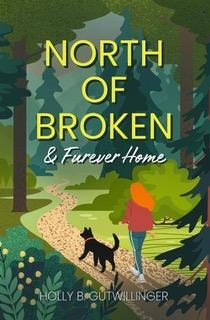
A stunning debut that truly shows the importance of the complex relationship between dogs and humans by Holly B. Gutwillinger
Released this February in e-book and paperback format by Ramblings From The Little Shed Publishing.
Renley Nelson is struggling with midlife melancholy and fractured family bonds. Her marriage is crumbling, her sons are distant, and her mother’s mind is slipping into places Renley can’t follow. When her best friend begs her to join a dog rescue mission in Ontario’s northern wilderness, Renley sees a chance to escape her failing life.
As she helps the dogs heal and adopts not one, but two high-needs dogs, she finds the strength to mend her relationships and reclaim her place in the world.
In this dual narrative between woman and dog, both must learn that healing requires the bravery to stay—even when everything inside you wants to run.
Holly B. Gutwillinger is an author and podcaster from a small northern Ontario town. Her debut novel, North of Broken & Furever Home, launches February 14, 2026, exploring a woman’s complex relationship with her rescue dogs.
Holly’s writing is shaped by her deep love of family—she is the proud mother of two adult sons—and her commitment to the animals who enrich our lives.
She holds a certificate in creative writing from the University of Toronto’s School of Continuing Studies and is currently completing her MFA in fiction at the University of King’s College. Holly serves on the board of her local writers’ guild and volunteers with the Women’s Fiction Writers Association.
An empowering and heartfelt novel about the complexities of family, the power of sisterhood, and the bravery it takes to choose happiness when all seems lost.
“My life is perfectly fine.”
Alex has pretended this for years―despite an emotionally absent father, a best friend drifting away, and a floundering dog-training business. At least Alex has her sister, Meredith, a driven polar opposite. But both their lives are upended when their estranged mother dies of a genetic condition that the sisters have a fifty-fifty chance of inheriting. For Alex, a world without her mother is uncomfortable. But a world without Meredith is unthinkable.
Alex suggests a pact to which Meredith tentatively agrees: In three months they’ll get tested. Until then they go after everything they’ve ever wanted. Alex is finally stepping out of her comfort zone and opening herself up to new relationships. Or maybe reconnecting with an old one. Nathan, a boy who once broke her heart, needs a trainer for his mixed-breed rescue. Alex can’t resist.
As sparks rekindle, and time passes much too quickly, Alex discovers more about herself, her sister, and her mother than she ever imagined. And that everything in life―especially happiness―comes with a risk worth taking.
Caitlin Forbes is a Maine-based author who writes stories that explore the messiness of relationships—from sisterhood to romance to the tricky relationship we have with ourselves. When not writing, you can find her chasing after her toddler (or her dog) and exploring small-town New England life.
Join us at the Muffin as we celebrate the launch of What Comes Next by Caitlin Forbes. We interview the author and give you a chance to win a copy of the book.
Stop by B. Lynn Goodwin’s blog for a guest post by author Caitlin Forbes about the question of inheritance – of what we inherit versus what we get to choose.
Stop by Katherine’s blog for her review of What Comes Next by Caitlin Forbes. You’ll also have a chance to read her response to our tour-themed prompt about whether if she had an incurable condition and if she would want to find out.
When the doorbell rings, I’m standing in front of my bathroom sink, the picture of indecision: boxer briefs paired with a black silk tank top, made-up face, and completely untamed hair.
I’m supposed to meet my roommate, Holly, for drinks. But it was a last-minute invite—with people I don’t know, planned days or even weeks earlier—and now I feel uncomfortable. As if I’ve become the kind of obligation that I never wanted to be. We’ve been best friends for nearly a decade, but these days, things are different, and I don’t know that I want to feel the strain of it tonight. I’m more tempted by Netflix and cold pizza. My favorite pair of slippers.
I check the weather app on my phone and am almost relieved that it calls for rain.
I’m conceding defeat, turning off the curler, when the bell rings and I physically jump. Because who rings the doorbell in Somerville, Massachusetts, other than someone who wants to kill me? Or someone who wants to sell something, which is maybe not all that much better. But then I consider my upstairs neighbor, who has lost her keys more than once, and is so young, still new to the Boston area, and I feel guilty, so I pad down the stairs of our apartment and crack open the building door. And I swear, I get a whiff of cinnamon, a smell so familiar it knocks me back before I can remember why.
And he’s standing there. On my doorstep. Tall. Even taller than I remember.
Nathan Browning.
We stare at each other from either side of the doorframe. And I will him to disappear. Or turn into someone else. Or at the very least, to come back when I’m wearing pants.
Nathan. Those first two years of college. Nights spent squeezed onto a twin bed in his dorm room, pretending we weren’t uncomfortable just so we could fall asleep together. The summer I’d spent with his family at Lake Winnipesaukee. Campfires and smoky hair. His lips, pillow soft. Water. An excess of water—one oversize tube, our limbs tangled together. Salty tears.
“Alex?”
It’s my name that gets my attention. My name in his mouth, as if it belongs there. As if we still mean something to each other.
I almost shut the door right then.
“What are you doing here?” I ask. I’m relieved my voice sounds calm. Disengaged, even. Because it doesn’t matter that he is here. Because it doesn’t matter what we once were.
“I need your help,” he says.
I stare at him blankly, but he’s not looking at me. He’s looking over his shoulder. He’s looking at the car parked behind him and, more accurately, at what is sitting in the front seat.
He turns back to me with those gray-blue eyes. The ones that were always focused, always so certain, but now hold the smallest hesitation. An expression that seems wrong in this face I still somehow know.
“I saw your video,” he says. “And I—we need your help.”
The video. The one that changed my life right up until it didn’t.
I was a part-time dog trainer then, still trying to make that dream real. Holly and I made a video, and she stuck it up on YouTube, and then it went viral. It was a fluky kind of thing, like those things always are: the right content at the right time in front of the right people. The algorithm was alerted, and the amplification went from there. I was twenty-four and poor and bored—working a second job and involved in a fling to pass the time—and then suddenly, I was also something else. A dog whisperer, people typed. Cesar Millan but softer, with a woman’s touch. Silly. Casually sexist.
But something just the same.
After the video, it was Holly’s idea to start the training business. DogKind, we called it. I dropped my second job as copywriter to train full-time, and she did everything else—the administration and the management. The promotions. We’d both majored in marketing in college, but Holly was better at it than me. Maybe because she believed in it: the concept of brands that build trust, and colors and fonts that tell a story. It took her only two weeks to launch DogKind’s website and get us live on all the social platforms. We were still twenty-four and poor but suddenly not so bored. I remember the day the site launched—us sitting on the floor in our cramped living room, a five-dollar bottle of red between us. Stained teeth. It was summer in an attic apartment in the city, and we didn’t have air-conditioning. Holly had chopped her hair off, and we were trying to convince ourselves it was edgy.
We were young in that way you actually notice. When you’re afraid of what will happen when you blink.
Four years ago. The length of high school, or of college, but without the predetermined milestones. The signposts that tell you how and why everything is about to change.
Holly quit the business less than two years later, and I followed her lead not long after. Partly because I wasn’t making enough money to cover rent, and partly because of what happened with Cliff, one of the dogs I tried to save. But mainly because I hated being called a “dog whisperer.” I hated that people thought I could perform miracles, that they insisted on believing I was more than I was.
I work at Kensington Media now. It covers the rent, and it could one day become a real career. And I don’t have regrets. Except, there are these moments—when I see a short haircut on a blonde, when Instagram flashes up a memory of a pup—and it’s like my whole body freezes over. A little voice in my head, whispering, You can go back if you just stay still.
“How did you find me? I took down my website ages ago.”
“An old testimonial from a woman named Lois, I think?” Nathan says. “Her address is publicly listed. So I called her. She pointed me in your direction.”
Lois. She was my neighbor as a kid. She moved closer to the city after my mom left, but she always kept a close eye on me and Mere. A bespectacled not-quite grandmother—that careful mix of kind and overbearing. She’s a lifelong dog rescuer and was DogKind’s first client.
Lois never wanted me to quit.
I sneak a peek at him while he’s checking the car, again. He’s still handsome. Those eyes, and dark-brown hair with the slightest hint of red—the red was the part that I liked most, that almost made us match. Behind him, I can see a flash of auburn fur. Two half-bent glossy ears pointed forward. A white-tipped tail.
I swallow. “I don’t train anymore,” I say.
He lifts a shoulder. The gesture looks comfortable on him. Like he’s used to half explaining himself, half caring if anyone understands. And I remember that part, too: the easy confidence. The kind I imagine he still takes for granted.
“She thought you might still help.”
I resist the urge to roll my eyes. Lois is one of those people who likes to imagine me as bigger and braver than I am.
“Listen, I don’t know what you saw in that video, but it’s not—she’s not me.”
“She sure looked like you.”
And right then, our eyes meet. And we get stuck there. Three breaths. Blue-gray eyes, like he still knows me. Like we still know each other. And something electric—something more than anger—passes between us. Right here, on my dirty Somerville stoop, wearing the bottom half of my pajamas, everything else recedes. For three breaths, it’s just us.
A car drives by with the windows open, the radio blaring through the street. I take a step back.
“I’ll give you a referral,” I say. “I know a lot better trainers than me out there.”
“Alex.” I hate the way he says my name. “I know that you and I . . . that our history makes this tough . . .” His voice trails off as my eyes snap to him. He takes in my expression, then lifts his chin. That confidence. Whatever hesitation I saw earlier is long gone.
“I’m sorry,” he says firmly. “You know that I am sorry.”
I shake my head. I don’t want an apology. I’m embarrassed—mortified, really—that I still care. That he knows that I still care. That he’s still talking, and I’m falling backward into sand and blue water and the particular ache of a wound that is old but was also first.
I pull my shoulders back. I make my voice flat. “This isn’t about us. I’m not a trainer anymore. I haven’t worked with a dog in almost two years.”
“Her name is Remy,” he says. “She only has three months.”
I pause, already half turned away, my hand pressed against the battered wooden doorframe. The day we moved in, I hit my shoulder against it and ended up with a splinter. I’d been laughing about something with Holly, and then sharp wood pressed deep under my skin.
“Remy bit someone,” he says. I can feel his eyes studying my half-turned face. “She’s a rescue, and she has a history of bites. I had to go to court, and they mandated that she see a vet behaviorist and trainer. I did the first part, and they have her on anxiety meds, which will maybe help. But I need to do the training. And if we can’t document improvement . . .”
His voice trails off, but I don’t need him to finish. I already know how this goes. I’ve seen it before.
Ninety days. He has ninety days to prove that she can be trusted. Or euthanasia. That’s what the court told him.
Of course, they have it all wrong. It’s not about us trusting her. It’s whether she’ll choose to trust us again after whatever made her stop.
I glance back over his shoulder. Those ears, cocked forward above the dashboard, they break my heart. She’s waiting for him. The Nathan I remember was too busy for dogs. Too focused on everything he planned to achieve. But here he is, with a rescue who has decided he’s worth waiting for.
I bite my lower lip. “Your vet must have given you referrals,” I say.
“They were booked out for a month. And the other ones I called wouldn’t take her. They say she’s hopeless.” His jaw clenches. “But, Alex . . . I’ve seen what you can do.”
“You saw an edited video. If they’re telling you she’s a lost cause—”
“We used to say that lost causes were an excuse.”
Our first real conversation. The one that once it started, it felt like it would never stop.
My breath stutters on the memory.
It seems possible, in this moment, that he remembers just as much as I do.
“I know I shouldn’t be here, okay,” he says. “I know that. But Remy is a wonderful dog. And no one else will help her. Whatever you think of me, and honestly, whatever you think of you . . . none of that matters. You need to try. You can do this.”
It’s all classic Nathan: unapologetic and determined. Nathan’s not used to people saying no, especially when it comes to “doing the right thing.” He can be an ass—too cocky, with expectations that are too high—but he’s a genuinely good guy. And he’s never had much patience for people who don’t step up.
It was one of the first things I loved about him.
It was also one of the things that I hated.
“Nathan—”
“Please,” he cuts in. His voice hitches, and I see it now: the dark circles under his eyes, the tightness of his expression. I used to know him once. There was a time when he let me further in than anyone, and I can tell that he is scared. He’s scared for her.
Remorse crowds my stomach because, back then, I could have helped him. But I am not the girl he remembers, and I’m not whoever he thinks he saw online. “I can’t,” I say. “I’m sorry. I really am.”
He looks like he’s about to argue. I expect him to argue. But then, it’s as if he deflates in front of me. His whole chest sinks inward. It’s not a look I’ve ever seen on him. Or one that I like.
“Yeah, no, I get it,” he says.
“I’m not what she needs,” I mumble.
“Sure, okay. I’m sorry for showing up like this.” It’s awkward now. His voice is clipped, and he’s running his hands through his hair like he does in those rare moments when he’s uncomfortable. I don’t have to check to know the back pieces will stick up.
“Listen, leave your number,” I say. “I know a lot of trainers. I’ll find her someone, okay?”
He nods. “Yeah, okay, sure. Thank you.” I can tell he wants to leave. I can tell I am a disappointment. And maybe it’s my imagination, but I get the feeling that it hurts him. Being here. Seeing me.
I think it hurts him, too.
I left my phone upstairs, so he pulls a pen from his suit pocket and a piece of paper from his bag and jots down his number. The promised rain starts as he turns to go, water brushing against my cheeks, and I duck inside the entryway, the paper clenched tightly in my fist. As I watch him jog back to his car, I wonder about the suit. I wonder what he does for work, what kind of man he turned into. I find myself hoping that he got the life he’d planned.
He drives away, and I unstick my feet. I drift back upstairs, past the bright-yellow welcome doormat Holly bought, and collapse on our coach. My mind is strangely quiet, and I let my eyes wander our small place. Everything about it is bright and fun and filled with Holly’s energy: colorful, mismatched place mats; a half a dozen of those cheesy quote signs scattered across the walls; and an array of weird glass owl figurines that Holly collects. They catch the light, making everything twinkle.
I pull out my phone, scrolling past a missed call from my sister to a text message from Lois.
A lovely sounding boy called about his dog. He seemed a bit desperate but was so polite. Be nice!!
I shake my head. Lois is not the first person to be easily charmed by Nathan.
I am going to connect him to a good trainer. No more referrals, please!
I see the response bubbles pop up from her immediately. And then disappear. She starts again, then deletes whatever she wrote. The gentle thud of rain starts to pound outside the window.
My phone buzzes.
I just want you to be happy, honey.
I stare at the screen lit up against my hand. I ignore the sudden tightness of my jaw. I read the words again.
I just want you to be happy.
It’s such a seemingly innocuous statement. A level of genericness that begs an equally generic response. And I want to type back something funny, something simple, but I’m blinking back water that has nothing to do with the rain.
I should be happy. My life is perfectly fine. And wanting more than fine feels like an obnoxious privilege. Too embarrassing to say out loud. Especially when there’s stuff that I could do to improve my life. Books I could read. Skills I could learn. I know there’s stuff I’m supposed to be doing. Just like I know there’s a person I’m supposed to be becoming.
Except, when I think about that person, she’s just as alien as she was when I graduated from college. And I’m not sure how to change that. I’m not sure how to explain that between work and all the daily stuff in my life that is really not that hard, that I don’t know how to become. How the being takes up all the energy that should go toward the becoming.
I didn’t think I would end up this way. I used to want to be different. I used to want to be more like the girl Nathan remembers. I look down at my hands—at the piece of paper still threaded between my fingers, with a number and a name—and a splash of longing bubbles up delicately in my chest. I turn on Netflix, and I find an old sitcom filled with people in their thirties. And as the rain picks up speed outside, I take a careful breath around the bubble. I tell myself I still have time.
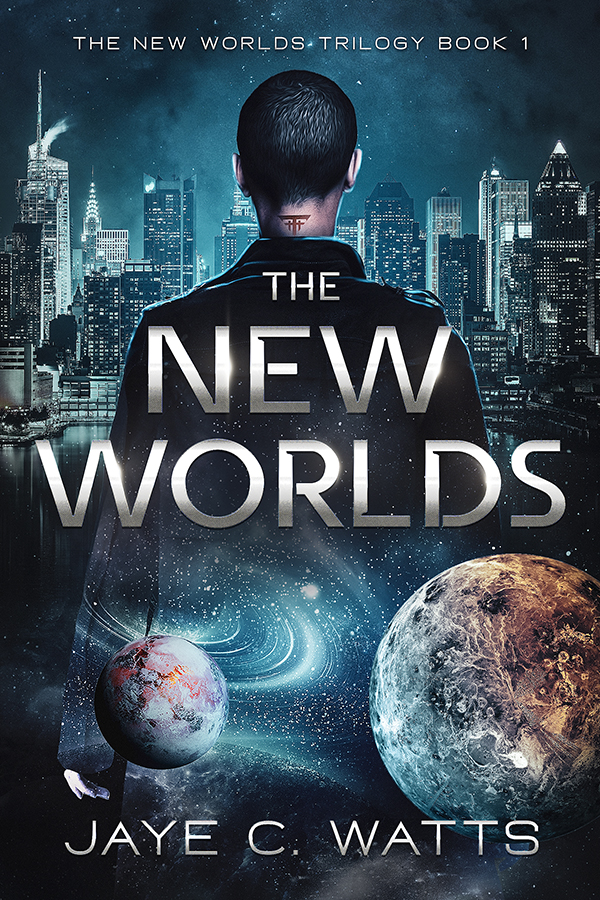
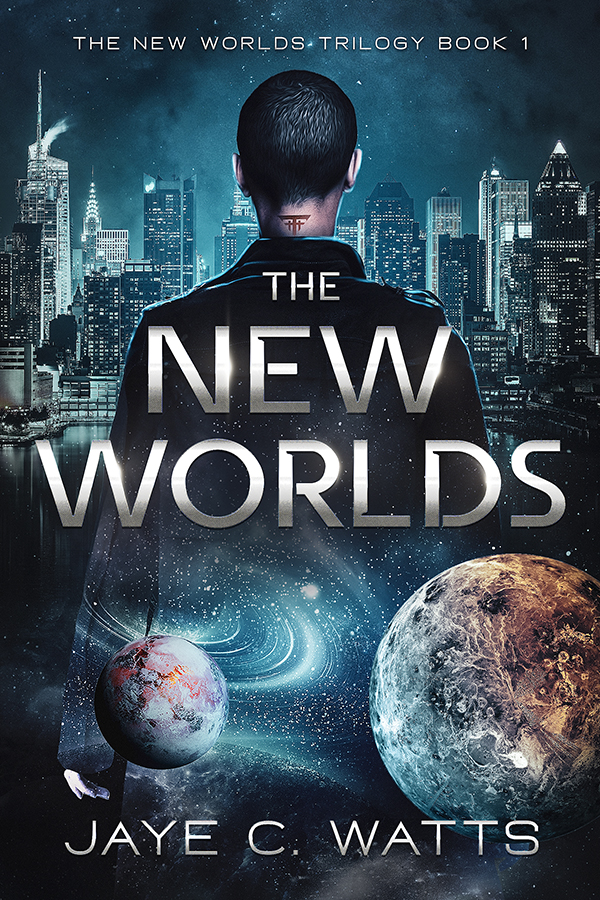
Jaye C. Watts has a new queer sci-fi book out (transgender, poly, non-binary, pansexual, lesbian): The New Worlds.
The year is 2293 and the Truth no longer exists. In the future there are many truths, giving rise to many worlds, but each must be kept separate.
Born to protect these truths, Axton Bryce patrols the New Worlds Star System—to observe, participate, and gather information. But as she learns the ways of each world, she must also hunt for those who defy their world’s truth: the Outliers.
While stationed on a nearby planet, Axton meets the charming Ambassador Bray Wilde. As the two become close, Axton reveals a painful secret—the loss of her first love, exiled as an Outlier.
Longing to see beyond their own world, the ambassador proposes a rescue mission—one that will bring both friends and foes, and ultimately a fight for freedom. But first, Axton must make a choice: between a life-long allegiance… and the chance to claim a truth of her own.
Warnings: indoctrination, brainwashing, threatening with a weapon (guns & a bomb)
I clenched my fists. “Focus,” I told myself. Grabbing my communication cuff, I fastened it around my wrist. “INS communications, activate.” I opened my wardrobe and reached for a freshly pressed uniform. “Aurelia, give me today’s briefing.”
It lit up and responded. “Your next assignment will be on the Amorous World for a standard duration of three months. You are scheduled to depart today at zero six hundred Geo Time and arrive at zero eight-forty Geo Time. The latest reports on the Amorous World are available for your review. Do you wish to accept, Mediator Axton Bryce?”
I crouched to lace up my boots. “I accept.”
“On behalf of Chairman West and the Individual Nations Secretariat, we thank you, Mediator Axton Bryce, for your work in protecting the Truth of many truths.”
I rose to my feet, skin prickling at the back of my neck. Though I couldn’t see it, I could feel it: two lowercase t’s under one capital T, branded at the top of my spine—a permanent part of me ever since my Veneration five long years ago.
I reached back, digging my nails in, tempted to tear the tattoo right from my skin. “She should have been there,” I whispered. If only she’d kept those thoughts to herself.
I grabbed my utility belt and wrapped it around my waist, ensuring the gun was secure. Staring at myself in the mirror, I straightened the collar of my shirt. I’d never been to the Amorous World before. Perfect, I thought. Some fresh scenery was just what I needed.
* * *
I checked my cuff—zero five fifty-five, right on schedule. Marching across the launch deck, I carried one efficiently packed piece of luggage. I never glanced back when boarding my ship; Brokazaria’s endless acres of skyscrapers would still be here when I returned. Instead, I looked up. The early-morning sky was just waking. Aside from Primus B—the Middle World’s secondary, and thus miniature, sun—not a star was in sight. As I approached my ship, the roar of its engine reminded me that soon the stars would be all around me.
I turned and gave the official salute to a line of NI Security standing at attention. In unison, the humanlike Machines returned the gesture, crossing their arms to form a lowercase letter t. Sergeant L43 pumped his eyebrows, prompting me to raise one of mine in response. Hard to believe they were once called “AI.” New Intelligence, we were told, was a much more appropriate term.
L43 stepped forward. “Afternoon, miss.” He grabbed my bag, allowing me to ascend the ladder.
“Thanks,” I said. I climbed to the top and crawled through the hatch.
“Catch!” the NI yelled, tossing up my luggage.
With a reflex just quick enough, I caught the bag. “Sergeant!” I scolded. “What if there was something fragile in there?”
“You humans,” he replied. “Always afraid something’s gonna break. Your luggage, your bones, your bodies… not to mention your hearts and minds.”
I rolled my eyes at the cheeky Machine. “Watch it, L, or I’ll get them to reboot you.”
Unperturbed, the Machine grinned and waved. “I’ll miss you, too. Bon voyage!”
“See you in three months,” I muttered, closing the hatch behind me. I immediately got busy flicking switches and hitting buttons. Muscle memory took over as I continued the launch prep with complete focus. Not a moment later, a blue light illuminated my cuff, drawing my attention. Blue indicated a direct message from Chairman West himself, Secretary-General of the Individual Nations Secretariat.
“Play address,” I said, eager to hear our leader’s words.
A ghostlike image projected from my arm, transporting the man’s titanic figure into my control room. Neatly trimmed grays blended inconspicuously into the rest of his dark hair, swept back to frame a chiseled face. Salt-and-pepper stubble outlined a pair of smiling lips—the beginnings of a goatee that never quite came to fruition. As always, a perfectly pressed suit hugged every one of his bulging muscles.
“Greetings, my children!” The chairman’s voice rumbled from a gaping grin, complete with gleaming teeth. “Today is a very special day, not only for the New Worlds Star System but for some of our most dedicated Mediators.”
My ears perked up as I waited for more.
“Today marks two hundred and fifty years of living in an interplanetary alliance, free from the terrors of war, safe from the dangers of Plurality! A quarter of a millennium since the United Nations of the Old World became the Individual Nations of the New Worlds, marking humanity’s Great Dispersion!”
A swell of pride surged in my chest. I was part of something big and important.
“All of this would not be possible without you,” he declared, “our magnificent Mediators. You have been instrumental in our coordination with each world, fostering the cooperation necessary to manage the complexities of a resource-based economy spanning a system as vast as ours. And!”—the chairman raised a finger, flashing one of his many gold rings—“most importantly, you have upheld the sovereignty of every truth within it.”
I gave a humble nod, as though he could see me.
“Lastly,” the chairman said, “further congratulations to the Mediators of unit 245. Tomorrow is your quinquennium! Five years of serving as peacekeepers, saviors, Mediators! Father Chairman West and the INS commend you.” His thick forearms crossed in a salute, only to vanish as the feed cut out.
I took a moment to absorb his words, stunned by how many years had passed. Then I checked my cuff—Time to go.
I finished preparing for the launch, my movements steady and certain. We had done it. Peace among the planets for over two centuries.
I paused, letting my mind drift…
It had to be worth it.
Author Bio
JAYE C. WATTS (he/they) is a queer and trans sci-fi writer living on Lək̓ʷəŋən territory in Victoria, BC, Canada. He holds a bachelor’s degree in Sociology, with a minor in Technology and Society, as well as a diploma in Professional Recording Arts from the Art Institute of Vancouver.
When he isn’t writing, Jaye can be found falling down rabbit holes of all kinds thanks to an unquenchable curiosity and lust for learning – homeschooling will do that to you.
Jaye also loves classic jazz, mixing cocktails, biking all over the city, and of course, people watching.
The Center loomed before us, a giant, shimmering pearl nestled in the middle of the donut-shaped university.
Trapp halted at the edge of the surrounding lawn, flicking off his headlamp. The rest of us gathered behind him, staring in awe at the breathtaking view.
I’d seen the landmark before, but only during the day. At night, the shining sphere transformed into something otherworldly. To the people of the Quantified World, the Center was akin to a giant crystal ball—all-knowing and all-powerful. I took in the dazzling show, watching its ethereal light cascade across the reflective solar panels covering the surrounding university.
“Whoa,” Bray whispered, their voice reverent.
“Good golly,” Logan uttered.
Medallia didn’t speak, only inhaled deeply through her
nose. Trapp released a satisfied exhale, his shoulders relaxing for the first time all night.
I stood silent, shaking my head in disbelief at how damn lucky we were. Lucky to have made it this far but also lucky this mesmerizing display continued through the night. Strange, given the fact that no one—aside from the occasional NI and rogue Outlier—was awake to see it.
Then again, this was more than just a machine.
I almost felt hypnotized by the swirling neon patterns, their movements dictated by aesthetic algorithms. For the first time, I understood why so many worshipped this construct. Numbers weren’t just functional; they could also be beautiful.
With the rest of the world fast asleep, the omniscient sphere drew me in. Heart rates, body temperatures, brain waves, even dream activity, all coming together in a colorful symphony of light.
“All this,” I marveled aloud, “from a bunch of ones and zeros.”
Bray turned to me, furrowing their brow. “Ones and zeros?”
I turned to meet their gaze. “Oh, um… I was referring to binary code.”
Their forehead crinkled even more.
“It’s a type of language,” I explained. “For computers. But not with words, just numbers. Ones and—” I stopped myself, and instead summarized. “It’s… technology stuff.”
Bray lifted their chin, acknowledging my poor attempt at clarification before turning back to the glowing orb. Any explanation involving the “t word,” as they called it, received little more than a placating nod from them.
Without warning, Trapp began tromping across the lawn, his patience for sightseeing all used up.
Logan and Medallia followed suit as I nudged Bray into motion before bringing up the rear.
As we walked, the sphere’s light continued to play across the grass. I couldn’t shake the feeling that this was the calm before the storm; a sense of peace coated the atmosphere, even as it charged with unimaginable possibilities. So close, I thought, and yet still so far. Hard to believe we were mere steps from Trapp’s door through time, while our final destination lay light-years away.
Our footsteps left faint trails in the dew-coated grass, leading us to a set of doors. Trapp pressed his thumb against a small black scanner embedded in the frame. After a brief pause, the device beeped, unlocking with a soft click.
Amused, Trapp wiggled the digits on his right hand and muttered, “Guess they should’ve taken my fingers, too.”
Once inside, Trapp reactivated his headlamp. The spot‐light beamed down the curved hallway, casting skittish shadows across classroom doors. The walls on either side displayed an array of infographics: pies, bars, bubbles, grids and graphs—statistical analyses whose end results were surprisingly artistic.
While trying to decipher some of the informative shapes, a low-pitched hum caught my attention.
I turned my head toward the sound. Emerging from the shadows was a clunky bot, its movements slow and methodical. The machine hugged the wall as it moved, resembling a lumbering mechanical rodent.
Beside me, Bray flinched, their body jolting as if startled by a wild animal. Their wide eyes darted toward me, like a child searching for guidance in their parent’s reaction.
“It’s okay,” I said. “It’s just a robot”—a word I would never use on the Machine World. “It’s governed by preprogrammed instructions, which look to be nothing more than tidying up.” I lifted my boots, one after the other, hoping we hadn’t tracked in any mud.
Bray’s gaze returned to the machine, their fear giving way to tentative curiosity. While they kept a safe distance, Logan stepped closer, crouching to greet the bot.
“Well, hello there, little fella,” he said, grinning.
“Cleaning in progress,” the bot replied “flatly. “Step aside please.”
Logan chuckled, rejoining us as we continued down the hallway. He spun slowly, taking in everything the dim light allowed. “So these were your ol’ stomping grounds, eh, Trapp?”
“If by ‘stomping grounds’ you mean where I learned how to transcend time and space,” Trapp replied, “then yes.”
Bray cast one last glance back at the retreating bot before asking, “Were you a teacher here?”
“I was primarily a researcher,” Trapp said. “I only taught to gain access to the labs. I’d much rather make new discoveries than teach others about old ones.”
Trapp came to a sudden halt, stopping so abruptly Bray nearly bumped into him. Turning his head, he lit up a windowless metal door with a sign stating its purpose:
PARTICLE PHYSICS LAB RESTRICTED ACCESS
Trapp smiled with his eyes. “We’re close now,” he said, his words laced with determination. “Just a few more steps.” He pressed his thumb against the small scanner to his right, unlocking the door to a new world… an old world, rather.