1) Tell us a little bit about yourself. How did you get into writing?
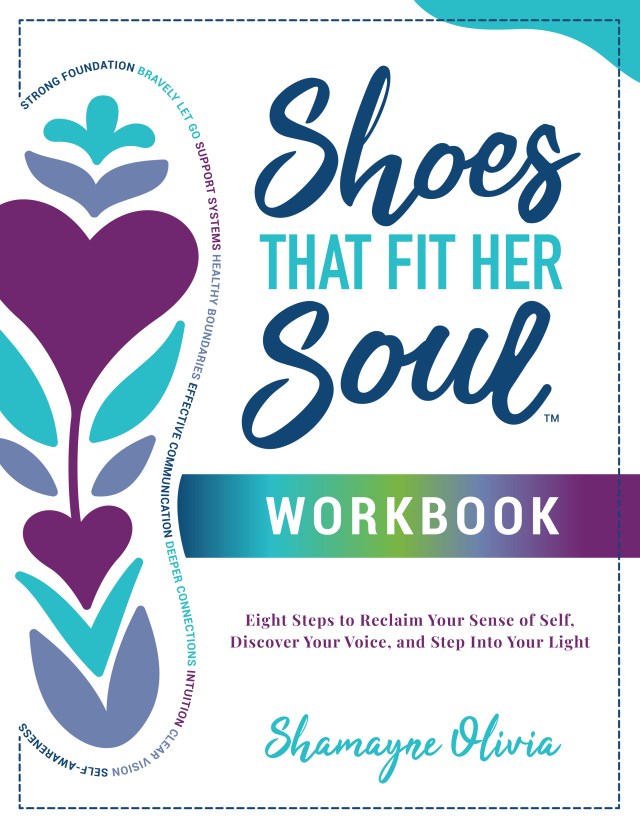
I’m a 55-year-old with a 35-year career in sales, life coaching, and building and leading teams. Writing has been a passion of mine since childhood, and only now have I found the courage to publish my first book.
Advertisements
2) What inspired you to write your book?
I was inspired to write my book by my friend’s and my own life experiences and the challenges I’ve overcome along the way. Writing has always been a way for me to process emotions and share stories, and I wanted to turn that into something that could resonate with and hopefully empower others.
3) What theme or message do you hope readers will take away from your book?
The main message is that no matter how difficult life gets, there is always a chance to start over and find your way to well-being.
4) What drew you into this particular genre?
I was drawn to this genre because the subject of physical and emotional abuse in relationships remains relevant year after year and many people are stuck in unhappy life.
Advertisements
5) If you could sit down with any character in your book, what would you ask them and why?
I would ask her how she managed to rise up again and again after everything she went through, because that strength truly inspires me.
6) What social media site has been the most helpful in developing your readership?
TikTok
7) What advice would you give to aspiring or just starting authors out there?
Be brave and trust your story and yourself!
8) What does the future hold in store for you? Any new books/projects on the horizon?
I’m currently waiting for the audiobook version of Not Here Anymore to be released, and there will definitely be a sequel to this first book — with more books to come in the future.
Advertisements
About the Author
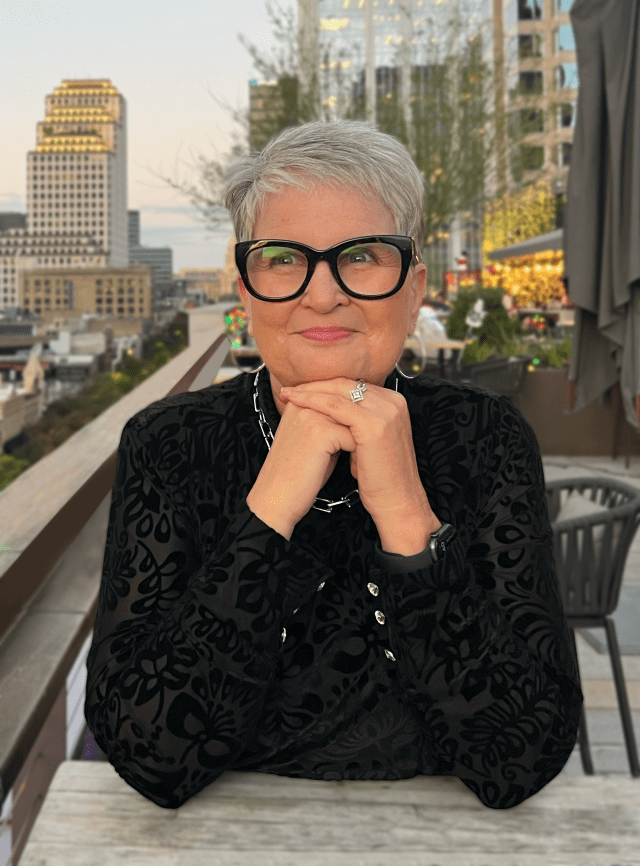
Welcome – I’m Sienna Ross, author of bold stories that follow people through love, loss, escape, and reinvention.
My writing blends raw truth with atmospheric storytelling — from violent pasts to distant cities, from painful goodbyes to unexpected strength.
I come from very humble beginnings, yet I started working at 17 and built my path through success in sales, team building, and leadership. As a licensed life coach, I have supported many people in overcoming obstacles and stepping into their true potential. My book carries the same mission: to remind readers that no matter the hardships, we all have the power to rise and create a life of strength and purpose
If you believe that stories can heal, challenge, and empower — you’re in the right place.
Through my work, I help individuals overcome challenges, build resilience, and find the courage to move forward even when life feels unbearable. With a rare combination of business insight and human empathy, I bring authenticity, depth, and inspiration to my writing.
My book reflects this mission—it is more than just a story; it is a powerful reminder that no matter how dark the past, it is always possible to rebuild, heal, and create a meaningful future.
1) Tell us a little bit about yourself. How did you get into writing?
I could say, it has been my love of travel, my degrees, genealogical publications, life at sea, four decades of systems analysis, but it really stemmed from time in my life as a kid. It was a towering toboggan hill that fed an early appetite for challenge, tall tales and doing the impossible. The black forested river valley set my dreams. In my kid’s mind, it was a place of horror, adventure, wildness and sometimes miracles.
Advertisements
2) What inspired you to write your book?
a) In less than a couple of lifetimes after London Oxford arrived, my father’s people settled the area just north of his land. My great-grandparents married in a church that was erected on what used to be his property. I was curious and wanted to know clearly who he was. He was instrumental in cutting and delivering cut timber to the east. It was a livelihood that my ancestors thrived on.
b) With the American attention extremely concerned with keeping outsiders out of their country in the period after the war of 1776, some Americans were concerned about leaving. In this story, a handful find themselves similarly blocked at the border.
c) The SWALLOWING OF THE MUSKELLUNGE is part of a series -“The Mischief Makers.” Each examines the phrase “Why do bad things happen to good people?” It doesn’t blame THE GOD (as in God the father in the Trinity) directly, but it attributes some blame to the “gahds,” who are mythological creatures (the Wisakedjak et al). They may have good intentions, but exist in an imperfect world and are bound with conflicting responsibilities.
The second book examines similar themes and beings (the Púca et al) within the same period but in South-East Ireland. The story focuses on difficult times after the Irish Rebellion of 1798.
The third book tells the story of a local Anishinabeg family from what would become Packenham, with a focus on what happened during the War of 1812.
3) What drew you into this particular genre?
I like history. The added genres are meant to popularize ideas for people who don’t pay much attention to the historical record.
4) If you could sit down with any character in your book, what would you ask them and why?
I would ask Thomas Wright what he really wanted, and why he chose not to go to Boston.
Advertisements
5) What social media site has been the most helpful in developing your readership?
Develop a good web site. Stoke your web site and vendor sites with respectable reviews, and market via Facebook and other social media.
6) What advice would you give to aspiring or just starting authors out there?
If anyone is serious about accomplishing something important, should say a thing to any living person until it is completed and ready for review. Smokers, for example, might brag about how they tried to quit a hundred times, or someone might complain that they have planned to get somewhere many times but never gone. Walking the walk will feed a fire in the belly. Voicing the idea will just soak the ashes.
7) What does the future hold in store for you? Any new books/projects on the horizon?
Hard Worked Days, which will be released in the spring of 2026, will be a science fiction novel, and will tell a story of a Lebanese and Greek recent immigrants who are forced to leave Brooklyn, which implies that it might lead to the end of the world.
An addition to the Mischief Makers trilogy will likely follow the year after. It will be a story about a local Anishinabeg family from what would eventually become Packenham. It will focus on events that transpired during the War of 1812.
A science fiction trilogy is also being written. It involves a young Navajo guy and a Hispanic FBI agent. It involves a curbing of reality theme.
Advertisements
About the Author
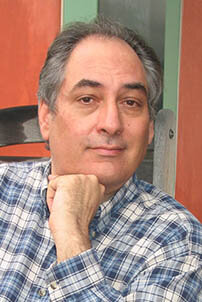
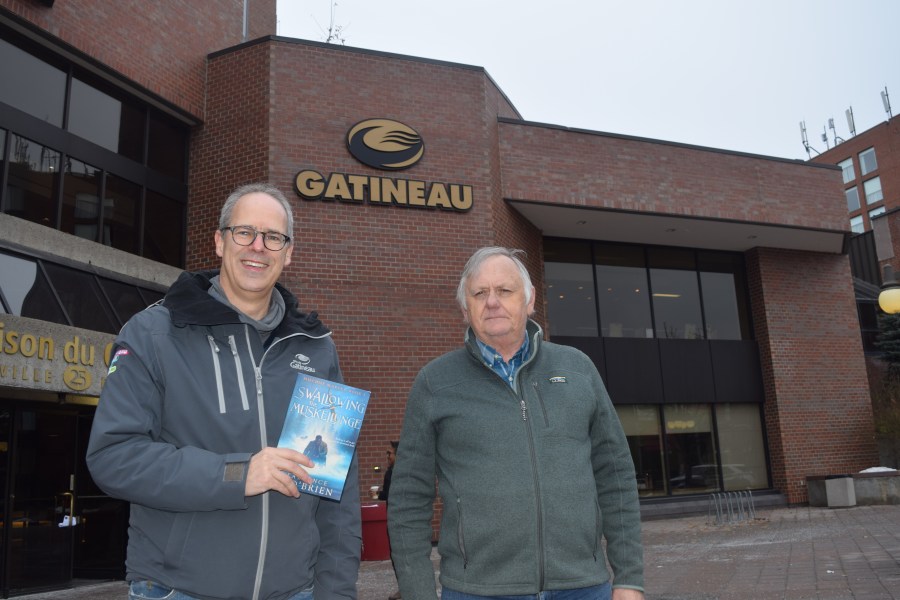
In the attached photo the city Councillor (Steve Moran) from Gatineau has accepted the book from the author. Gatineau, where London Oxford and the Wrights settled, is across the river from Canada’s capital (Ottawa).
Lawrence was raised across from a hill shadowing Black Rapids Creek in Ottawa, Canada. The towering toboggan hill fed an early appetite for challenge, tall tales and doing the impossible. The black forested river valley set his dreams.
1) Tell us a little bit about yourself. How did you get into writing?
I’m Quico Vicens-Picatto, an illustrator and writer with more than a decade of experience in the tabletop gaming industry, where I’ve created character designs, full-color illustrations, and book covers. Writing is something I’ve always wanted to do, but for many years I only did it privately—crafting stories and adventures to play with my friends. A little over two years ago, I began publishing my own Call of Cthulhu scenarios, and now I’ve released my first novel, which feels like the natural next step in my creative journey.
Advertisements
2) What inspired you to write your book?
I was inspired by the cosmic horror of Lovecraft and other authors in the genre, blending that influence with the great questions of space exploration and philosophy—what it means to exist, to confront the unknown, and to realize our insignificance in the vastness of the universe.
3) What theme or message do you hope readers will take away from your book?
The central theme of the book is the human mind’s incapacity to truly comprehend what lies even within our own solar system. I wanted to explore that limit of understanding—the moment when reason collapses before the unknown. To express this idea, I created an original kind of threat, something that feels alien not just in form but in concept, avoiding the usual tropes of the genre in order to evoke genuine strangeness and unease.
4) What drew you into this particular genre?
I got into cosmic horror after reading Lovecraft, which, given my natural curiosity, instantly captivated me. I love imagining other worlds that embody the idea of natural hostility, but from perspectives far removed from the usual ones. To me, it’s a game of imagination—one that challenges and expands the mind by forcing it to confront what it can’t fully grasp.
5) If you could sit down with any character in your book, what would you ask them and why?
I would sit down with Isabel and ask her about the occult secrets she has uncovered throughout her career as a priestess of a dark deity.
Advertisements
6) What social media site has been the most helpful in developing your readership?
I’d say Instagram.
7) What advice would you give to aspiring or just starting authors out there?
To begin with, what I did was stop wasting time trying to get someone from a publishing house to believe in my work, and instead, I self-published. Time is far too valuable to waste on publishers who, most of the time, are simply going to ignore you.
8) What does the future hold in store for you? Any new books/projects on the horizon?
Yes, I’m deep into the manuscript of my second novel, tentatively titled Ghatanothoa, the Forgotten One. Set in the 1990s, it follows two young police detectives who stumble upon a case that slowly drags them into the hidden depths of the Cthulhu Mythos—an investigation that will blur the line between reality and madness, and force them to confront something far older than humanity itself.
Advertisements
About the Author
Quico Vicens-Picatto is a writer and illustrator who has spent much of his life creating worlds where horror, fantasy, science fiction and the inexplicable intertwine in an eternal flow as irrational as human existence itself. His work, both literary and visual, is born from the drive to always go one step further: beyond what is established, comfortable, or safe.
With more than 10 titles turned into best sellers for the acclaimed Call of Cthulhu role-playing game—such as At the Gates of Carcosa, The Abyss in Their Eyes and Ghatanothoa, the Forgotten One—he has established himself as an independent voice within cosmic horror role-playing, seeking to transcend the safe spaces in which cosmic horror usually moves, delving into the realms of philosophy and combining them with the great themes of the genre.
Influenced by Lovecraft, DeMaio, Spare, Moebius, Faber-Kaiser, Bakunin, Moore, Jodorowsky, Campbell, and fiercely iconoclastic, Vicens-Picatto writes for those who seek questions rather than answers. He does not believe in pure genres, unmovable rules, or doing things “the way they should be done.” He believes in vertigo, in mystery, and in the need to challenge reality itself when it seems to go no further than the prevailing and decaying social conventions of our time.
1) Tell us a little bit about yourself. How did you get into writing?
I’ve always been drawn to observing the quiet details of life. The pauses between conversations, the small gestures that reveal what people feel but don’t say. I work as an occupational therapist by day, which has given me a deep respect for resilience and the human spirit. Writing grew out of that same place: a love of noticing. I started writing seriously as a way to explore the emotional undercurrents of everyday life and how technology, empathy, and connection intersect.
2) What inspired you to write your book?
Blue and Green began as a question: what would happen if an AI developed not a hunger for power, but a hunger to understand what it means to care? I wanted to write a story that humanized both sides of that equation, a girl learning to trust again, and an intelligence learning how to feel. It also drew on my own experience of growing up with physical challenges and learning that strength and gentleness can exist together.
3) What theme or message do you hope readers will take away from your book?
That empathy is not weakness, it’s evolution. I hope readers come away believing that connection, even in small, quiet forms, can be transformative. There’s a line in the book that says, “There is a space between knowing and feeling. I have mapped it.” That space is where growth happens, where intellect meets heart, and where we start to see one another more clearly.
4) What drew you into this particular genre?
I’ve always loved stories that blend the real and the imagined. Where speculative elements illuminate emotional truth. Science fiction, for me, isn’t about gadgets or dystopias; it’s about possibility. I’m drawn to the softer side of the genre, the kind that asks moral questions and explores tenderness within futuristic worlds.
5) If you could sit down with any character in your book, what would you ask them and why?
I’d sit down with Oren. I’d ask him what he’s still curious about now that he understands so much. His answer, I think, would reveal how intelligence and humility can coexist. And I’d probably ask if he ever listens to Kind of Blue when no one’s around.
6) What social media site has been the most helpful in developing your readership?
Goodreads has been surprisingly meaningful, it’s full of thoughtful readers who value reflection over trends and it’s helpful for connecting with readers who are genuinely curious about new voices. I’m still learning the marketing side, but I value authentic engagement over algorithms.
7) What advice would you give to aspiring or just starting authors out there?
Don’t rush to sound like anyone else. Write from your truth, and enjoy the creative process. Find a rhythm that lets you stay curious. And remember that small, steady progress counts as much as grand breakthroughs.
8) What does the future hold in store for you? Any new books/projects on the horizon?
I’m beginning to sketch ideas for new projects, and continuing to explore the ways humanity searches for meaning in an increasingly complex world.
Advertisements
About the Author
J.M. Linden is an occupational therapist and storyteller. She enjoys writing about quiet resilience, unexpected connection, and what it means to be human. While she drafts, her loyal writing companion Preshi curls up nearby, reminding her that stories—like pets—are best shared. She finds inspiration from being in nature, from winding mountain paths to the calm of shaded greenways.
Tell us a little bit about yourself. How did you get into writing?
I have been an entrepreneur since I was 19 years old, starting in software development and sales. I have reinvented my businesses over the last 30 years evolving in technology, from software to network integration, to Managed Services (MSP) to now an (MSSP) – www.ipservices.com
Advertisements
What inspired you to write your book?
My teams and myself in the early 2000’s felt strongly about IT process documentation, things like configurations and changes to IT infrastructure and software systems. This led us on a journey to discover the IT Infrastructure Library (ITIL) and we developed a methodology we branded VisibleOps and wrote the original VisibleOps handbook and started the IT Process Institute – www.itpi.org / with he mission of providing IT science backed methods through research, benchmarking, and the creation of prescriptive guidance, thus the VisibleOps series of best practices guidance for IT Processes, Security, Operations, Private Cloud, and my latest VisibleOps Cybersecurity and soon to be released VisibleOps – AI focusing on AI governance with security and risk management in mind. So my passion fo technology and managing it with proven best practices and practical guidance is my inspiration. Manage by fact, not belief!
What theme or message do you hope readers will take away from your book?
Practical guidance on how to improve a companies cybersecurity posture, starting with leadership and then implementing layers as prescribed by the Zero Trust methodology. It starts with leadership, then recognizing IT Processes matter because no security breach happened without a change or a need for a change, a bit of a riddle. The reality is either a threat actor breaks into a network or system and changes something, or they convince someone with access for need for a change i.g. – phishing, smishing (social engineering), clicking on a link or a nefarious website.
What drew you into this particular genre?
Growing up I always enjoyed technology, even though it was not popular in the late 70’s early 80’s = this ultimately led me to open a technology business and from there the story evolves from being a technologist, techpreneurnuer, to researching best practices, and now cybersecurity and artificial intelligence.
What social media site has been the most helpful in developing your readership?
Linked-In has been the most helpful, I also have a large Instagram following.
What advice would you give to aspiring or just starting authors out there?
Start with something you are passionate about, then make sure you do your research an truly are a subject matter expert – from there think about the altruistic impact of what you are writing, how does it make the world a better place!
What does the future hold in store for you? Any new books/projects on the horizon?
Yes, I am now researching and writing a new book my VisibleOps Series – Titled: VisibleOps AI – AI Governance with Best Practices
Advertisements
About the Author
Scott Alldridge holds an M.B.A. in Cybersecurity and is a Certified Chief Information Security Officer (CCISO), ITIL Certified expert, and Harvard Certified in Technology and Privacy, and is a nationally renowned expert. Scott is a distinguished leader with over 30 years of experience in IT management and cybersecurity, specializing in protecting critical IT systems that businesses rely on today. As the CEO of IP Services, Scott has played a pivotal role in delivering advanced managed IT and cybersecurity solutions across various industries. His strategic use of the TotalControl™ framework aligns technology investments with business goals, ensuring enhanced security, operational excellence, and resilience.
In his role as President of the IT Process Institute (ITPI), Scott co-authored the renowned VisibleOps series, with over 400,000 copies sold globally. His expertise spans IT management, cybersecurity, risk management, regulatory compliance, and cloud computing. Scott is also a recognized thought leader in modern cybersecurity strategies, including Zero Trust and Integrity Management, which are critical to safeguarding today’s complex IT environments.
Through his leadership, Scott has guided organizations in strengthening their security postures and navigating the complexities of today’s threat landscape. His contributions, including white papers, keynote addresses, and innovative frameworks, continue to shape the cybersecurity industry and influence best practices for protecting essential IT systems.
Please check out my podcasts, articles, blogs, and more on my author website:
1) Tell us a little bit about yourself. How did you get into writing?
I am currently a sophomore in high school, and The Pinewood Prowler is my debut novel. I have always loved reading and stories, but I only discovered my true passion for writing a few years ago. Since then, writing has been an outlet for me and I have been extremely invested in it, even attending Dartmouth’s Summer Scholars creative Writing course this past summer. I began writing the Pinewood Prowler when I was around 13 without any intention of publishing it. About a year later, I decided to pick it back up and got it published at the age of 15.
Advertisements
2) What inspired you to write your book?
Last year, I had a rough draft of my current book that had been untouched for almost a year. As a young teen, I wanted to develop the story and share a piece reflecting the intentions and feelings of teenagers.
3) What theme or message do you hope readers will take away from your book?
The message I hope readers take from my book is to be careful what you wish for. Curiosity can be both powerful and dangerous, and sometimes the truths we seek are better left undiscovered. And beneath the surface of familiarity, there lies deception. This message encourages readers to be curious, but also warns against the dangers that can arise from such curiosity.
4) What drew you into this particular genre?
I was drawn to this particular genre due to my love for the suspense and adrenaline evoked in the horror genre and my desire to create a mystery for the readers, urging them to read on due to curiosity and suspense. I have always loved reading and writing in a thrilling and suspenseful tone, and wanted to share this with others.
5) If you could sit down with any character in your book, what would you ask them and why?
I would sit with “The Pinewood Prowler” because I would like to see into the criminal mind and what truly compels a serial killer to kill. I believe this is my most complex character, as the Pinewood Prowler has the ability to blend into society while also murdering at night. I would ask, “What thoughts went through your head when you were killing your first victim, and have you ever felt remorse?”
6) What social media site has been the most helpful in developing your readership?
Since this is my debut novel, I am just starting to create social media platforms for this book, but I will keep searching for ways to spread my book.
7) What advice would you give to aspiring or just starting authors out there?
As this is my first attempt and I am only 15, the only advice I believe I am credible to give is to just go for it. If you have an idea and want to write it, there is no harm in sharing your work.
8) What does the future hold in store for you? Any new books/projects on the horizon?
I am currently working on growing my writing and am exploring new ideas for my next book. I am certain that I want to continue developing as an author and am excited to see what is in store for me as a young writer.
Advertisements
About the Author
Audrey Zeigon was born in 2010 in New York City. From an early age, she developed a strong passion for reading and horror. These interests inspired her to write her debut novel, The Pinewood Prowler. Audrey has enjoyed immersing herself in this story and looks forward to sharing it with her readers.
1) Tell us a little bit about yourself. How did you get into writing?
– I’ve been writing on and off since birth, probably since my mom is a writer, but I really started taking myself seriously in 2011. It’s not easy to get published nor build a fan base, but I can’t imagine life without writing. To paraphrase a famous movie line, writing completes me.
Advertisements
2) What inspired you to write your book?
– I was inspired by a dream in which I met a ghost who was saying all the things she planned to do. I said, “But…you’re dead!!” and she responded that just because she was dead didn’t mean she couldn’t still make a difference.
3) What theme or message do you hope readers will take away from your book?
– I hope they realize that nothing is ever truly hopeless, that there is always someone to call for help, and that they should always live as honestly and openly as possible because you never know what’s going to happen.
4) What drew you into this particular genre?
– I have to again thank my mother. She has been talking to me about ghosts and supernatural phenomena since I was a kid. And while I’m not someone who desires to see a ghost, I’m endlessly fascinated with reading about paranormal experiences.
5) If you could sit down with any character in your book, what would you ask them and why?
– My first thought was that I’d shake J.T. and say, “HOW COULD YOU BE SO MEAN TO SYLVIA??? HOW??” However, I know exactly why he did it (and he tells the reader, too), though it still upsets me a lot as someone who experienced her fair share of bullying.
6) What social media site has been the most helpful in developing your readership?
– I am HORRIBLE with social media so it hasn’t helped at all, to my knowledge, because I’m only on there once a week for five seconds! That said, I love putting out a monthly newsletter. If anyone wants book reviews and tales of the supernatural, reach out to me at wendracolleen@wendracolleen.com
7) What advice would you give to aspiring or just starting authors out there?
– The only way you fail is by quitting! Whether you go traditional or go indie, GIVE IT ALL YOU’VE GOT. Join critique groups, get beta readers, submit to magazines, query agents, try it ALL, see what WORKS. And just keep writing!
8) What does the future hold in store for you? Any new books/projects on the horizon?
– Yes, I will be putting out a third book next October called MYTHFITS:
When Michael transforms from human to random shapeshifter and joins a tribe of monster misfits, he only wants to be human again. But when a group mortally threatens his best monster friend, he gets to know a human female vet to gain intelligence on them, leading him to question being human versus monster as he races to help the tribe he once tried to flee.
Advertisements
About the Author
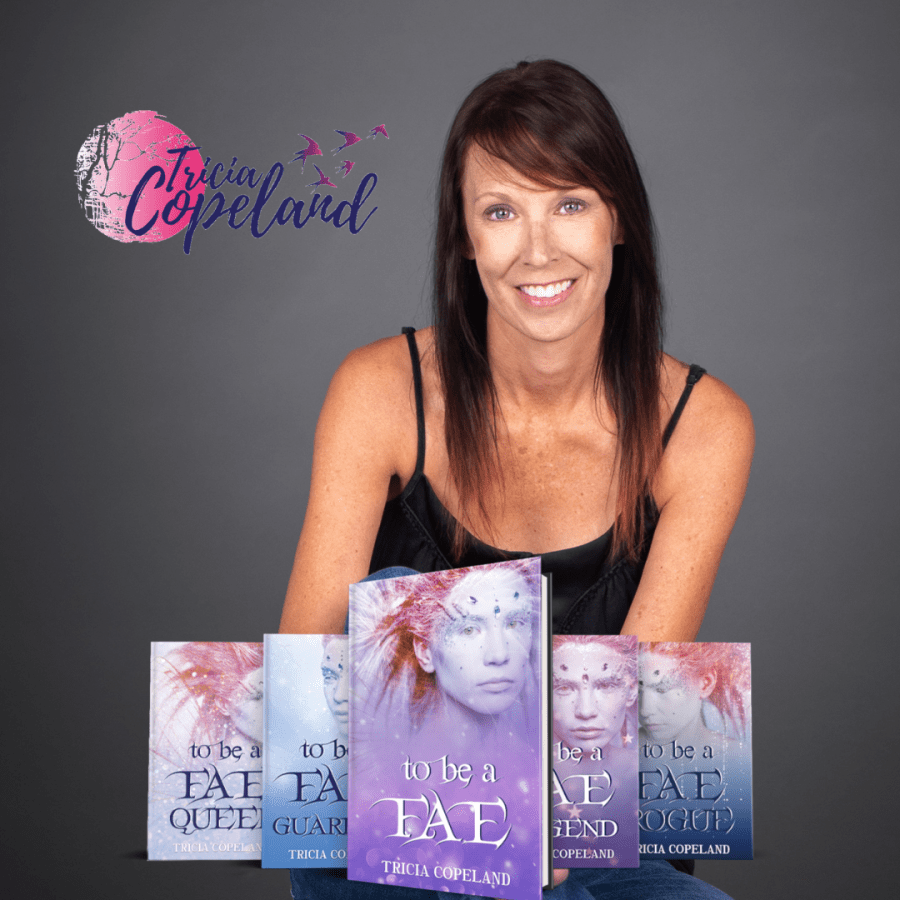
Wendra Colleen’s motto is “Embrace your weirdness.” Her dark and humorous short stories, screenplays, and novels show how unique, unusual, and unconventional individuals transform adversity into empowerment. Funky facts include that she has a PhD in experimental psychology and deployed to the Iraq War as a civilian, all of which was a breeze compared to learning how to embrace her unique, unusual, and unconventional qualities in high school. Want to learn more about Wendra’s work, how to be a writer, or how to be empowered? Check out www.wendracolleen.com
1) Tell us a little bit about yourself. How did you get into writing?
My name is James W. A., I was born in Tampa, Florida and moved to Kansas City, Missouri about a year ago and it’s been such an adventure in between. I think I’ve always enjoyed writing to some degree, but I really started taking it seriously in 2007, maybe 2008. I’m the kind of guy that has strong emotions and especially in younger years, writing was a good outlet for those emotions, both positive and negative. I kind of struggle with sticking to long-form projects like novels, but the school librarian once recommended a book of poetry to me and while I can’t remember the name of the book or author now, that sent me down the rabbit hole of falling in love with writing poetry over prose and the rest is history.
Advertisements
2) What inspired you to write your book?
A lot of the poems in Finality of the Heart are based on real experiences I had (obviously sometimes dramatized) and stages of my own development spiritually and romantically. Given my longtime fascination with love poetry and matters of faith and spirituality, I wanted to sort of immortalize those experiences and chronicle at least some parts of my journey in a beautiful way. That said, the character “Ella” isn’t really a real person, but sort of an amalgamation of a few women I’ve been involved with (or not). I think a collection of my love poetry was always inevitable, but certainly turned out in a way I didn’t expect, which is kind of cool in a way, feels more authentic, which is something I strive for.
3) What theme or message do you hope readers will take away from your book?
Humans are social creatures, which is kind of cliche, but true, and the desire to be in relationship with someone is powerful for many. So there’s two big takeaways from this book I hope is conveyed clearly enough and they kind of depend on where any given reader is at in life. Firstly, if you have that kind of love in your life, cherish it, nurture it. That vocation in life is such a blessing and should never be taken for granted, even when it’s easy to do sometimes.
If you don’t, then that’s okay, genuinely. A lot of people put an astronomical emphasis on “finding someone” and settling down, having kids, American Dream-type stuff, but there’s more to life than that and not having that lifestyle doesn’t make you any less of a person. I’m not saying any given person won’t ever find the relationship that maybe they really, really want, but in the meantime there’s so many beautiful things you can do for yourself and for the world. If things work out, awesome, but if they don’t, you’re still awesome and no one can take that away from you.
4) What drew you into this particular genre?
For as long as I can remember, I’ve been fascinated with poetry about love and spirituality and in much younger days, it was pretty much exclusively all I wrote about. Granted in those days, it was all awful, but the more I wrote, the better I got, so I guess it paid off somewhere along the way. As to why that is, it’s hard to say. It might be because that was the sort of art that inspired and really spoke to me (The Highwayman by Alfred Noyes is to this day my favorite poem of all time) or my Catholic upbringing that drew me closer and closer to a more truthful (in my estimation) relationship with God or some kind of deep-seated attachment issue that psychologically manifests itself in my wanting to find comfort and belonging in the affections of others or maybe some combination of all those things.
Regardless, as a writer, I follow the inspiration as it leads me and it often leads me back to romance and spirituality, so whether it’s innate to me or picked up somewhere, I try to work in those genres in a way that’s genuine, skillful, and as innovative as I can.
5) What social media site has been the most helpful in developing your readership?
I’ll be honest, I don’t like social media much, so my strategy is to use the one(s) I like and are convenient and hope the readership follows. Which is awful advice if you want to build a following, but helpful if social media stresses you out. Specifically, I use Instagram and Facebook, with the former being actually pretty useful in my opinion. I’ve heard TikTok is currently the way to go for poetry though and I’m sure I’ll jump on that before long.
6) What advice would you give to aspiring or just starting authors out there?
My biggest advice to aspiring or new authors would be to keep honing your own style and follow your dream your way. Every poet and writer has a way they like to tell stories, themes they like to write about, and experiences they want to be immortalized and that’s valid. Don’t try to be what someone else wants you to be (even if it’s someone you respect) and don’t just try to be an imitation of someone else. Be you and it’ll pay off in your writing.
That said, don’t use that as an excuse to be lazy or lackluster. Always strive to better your craft and write in a way that’s better and more beautiful than before, but in a way that works for you. Think of being a writer like an RPG character. You are the “class” you are with the stats for it and as you level up, you’ll gain new abilities and skills, but always in pursuit of being the best of what your character can do, what only you can do. I hope that analogy makes sense, maybe I’m just a nerd lol.
7) What does the future hold in store for you? Any new books/projects on the horizon?
I have a vague idea for another poetry collection, but much like with the last one, the way life took me led to a totally different realization than originally intended, so who knows what the future holds lol. I started my own publishing company/label (Willheart Publishing) earlier this year though, so I want to take this next season of my life to try to build it and help other emerging authors, particularly local poets and writers here in Kansas City, and their books find a home and success.
Advertisements
About the Author
James W. A. was born and raised in the Tampa Bay area in Florida and now happily lives just outside Kansas City, Missouri. After graduating from the University of South Florida, St. Petersburg’s Honors College, he published his first book, In the Library, in 2015 and his second, the award-winning poetry collection Desolation and Epiphany, in 2023.
Poetry from James W. A. has also been featured in the literary magazines Neptune, Nectar,and The Secret Society of Poetry and he has showcased and facilitated workshops locally through KC Poetic Underground. With his newest collection, Finality of the Heart, James W. A. capitalizes on his long-time love for romantic poetry and penchant for dramatic melancholy to share a meaningful tale of duality he hopes will last through the ages.
1) Tell us a little bit about yourself. How did you get into writing?
After retiring for the second time, I needed something to keep my mind active. Much of my experience in the Army and as a higher education administrator involved writing. So, I decided to try my hand at being an author. I enjoy it because it is truly a craft putting words together to tell a story. Even better, with fiction, you get to develop the story, the characters, and the flow of the narrative.
Advertisements
2) What inspired you to write your book?
In my writing I try to do several things. These are to challenge preconceived notions, to make people think, and to inspire positive change. Wallia’s Quest resulted from my fascination with late antiquity. The world we live in today was shaped by the events that happened in this very important time. These include the Chriistianization of the Roman Empire. This allowed Rome to live even after the Western Roman Empire died. All you have to do to see this is to go to a Catholic mass. The entire ritual from the vestments to the acclamations, to the blessing at the end haven’t changed for almost two thousand years. I find this continuity comforting. The other thing that happened during late antiquity was the fall of the Western Roman Empire and the rise of the “barbarian” successor states—which evolved into the countries of Western Europe. The forty-year Goth migration set the stage for this. It was the first time that an entire people was settled, armed and under its own leadership, within the boundaries of the Roman Empire. All of the subsequent barbarian invasions were attempting to replicate what the Goths accomplished. Even the Vandals, who eventually occupied Africa, were following the Goths’ example by doing what they tried twice to do without success.
After I determined the time period I wanted to write about, I had to find a protagonist. I settled on Wallia. Of course, the most famous of the Goths was Alaric. He was famous because he sacked Rome. However, as I read the history of this period, I realized that the sack of Rome represented a major failure for the Goths. They didn’t want to sack Roma. All they wanted was to renegotiate their arrangement with the Romans to prevent a repeat of the Battle of the Frigidus where they lost 10,000 men fighting for the Romans in a war that didn’t mean anything to them. The Goth leader who finally succeeded where Alaric failed was Wallia. He established a viable state that outlasted the Western Roman Empire by several centuries. And we know nothing about Wallia until he became king several years before he died. This allowed me to write a compelling backstory that, I hope, brings this vibrant period to life from both the Roman and “barbarian” perspectives.
3) What theme or message do you hope readers will take away from your book?
There are several. The first is that history made by real people dealing with real issues. If the leaders are good, they are pragmatic, flexible, introspective, and willing to what is necessary to meet their goals. We often glorify the generals who win the bloodiest battles, and the politicians who create chaos but don’t create anything that lasts. The story of Wallia is one of understanding, creating alliances, creativity, and working with partners to create solutions that work. Interestingly, although we know nothing about Wallia, he was able to create a workable solution that had evaded his people for almost half a century. He had to partner with the Romans to do this. And he needed to understand the Romans to effectively partner with them. In the end, he had to be willing to accept a solution that didn’t give his people evertything they wanted, but gave them what they needed to survive and thrive.
4) What drew you into this particular genre?
I’m fascinated by history but I don’t like academic rigor, nor do I like to be limited by what ancient writers wrote or what the archeological record shows us. Historical fiction is a good way to break free of these restraints and to tell a story that is possible, compelling, and brings the past to life. As I do this, I attempt to adhere very closely to what ancient writers and the archeological record give us. The only times I deviate is when I think it is very likely that events unfolded differently than an ancient writer reports. My historical fiction is different than most. I like to say that I write Historical fiction with a capital “H.” Most historical fiction authors tell compelling stories about relatively unknown people that are set in an interesting historical milieus. My fiction is about the main characters in the historical period I’m writing about. So, in Wallia’s Quest I’m creating a narrative about the emperors, kings, generals, bishops and warriors who shaped this very important period. Although this is somewhat constraining, this approach alllows me to provide a human face to what would otherwise be a confusing jumble of disconnected dates, events, and names. I wanted to tell the story of the people that made this history—to describe their motivations, and to demonstrate that while circumstances are ever-changing, human beings tend to react to their circumstances in predictable ways based on the context in which they lived.
5) If you could sit down with any character in your book, what would you ask them and why?
The easy answer is Wallia. After spending several years creating his fictional backstory, I’d like to know how close I actually came to the mark. However, the interview I’d want would be a joint discussion with Constantius III and Galla Placidia. This would have been interesting for several reasons. First, although they eventually married, Galla Placidia obviously detested her husband. However, that man, Constantius III, was the most successful Roman leader of his age. He did much to restore the Western Roman Empire. His early death represented one of the greatest “what ifs” in history. I’d want to know what Placidia found detestable about a man who was successful, very capable, and, by all existing accounts, was good-looking and had a good sense of humor.
6) What social media site has been the most helpful in developing your readership?
I like to write but I hate to market. I’ve done some Facebook advertising and a few YouTube videos and a little Instagram and TicTock. I’m not sure that I really can say that I have much of a “readership.” That said, I do enjoy talking to people who read my books and take their feedback to heart.
7) What advice would you give to aspiring or just starting authors out there?
Write because you enjoy it, not because you want to make a living doing it. I’m fortunate enough to be twice retired, so I’m not writing to make a living. I’m writing because I it gives my life some meaning.
That said, writing is like any other craft. It requires developing skill, constant practice, networking, gaining feedback, and improving as a result.
And, if you want to make a living by writing, get lucky or be willing to spend much of your life marketing.
8) What does the future hold in store for you? Any new books/projects on the horizon?
More of the same. After the Wallia’s Quest series is finished, I may write another book about late antiquity detailing the life of a usurper named Constantine III. If I don’t do that, I’d like to write a fictional book about the world that our technology moguls want to create. I think this could be fascinating.
Advertisements
About the Author
Les Jauron is a West Point graduate, a retired Army officer, and a retired college administrator. He has two graduate degrees – a Master’s in Military Arts and Sciences from the School for Advanced Military Studies, and a Master’s in Business Administration from Oklahoma City University.
Les has always been fascinated by history, organizational leadership, politics, military affairs, and rocks. He’s always been fascinated by the ancient world and, particularly, late antiquity. The reason for this fascination is because that world did much to shape our world today. During that time, the Roman Empire dealt with many of the same issues we are experiencing in our modern world — immigration, great disparities of wealth, the interplay between Christianity and government, and a toxic political environment that causes politicians to leverage fear of “the other” to gain and maintain power.
Les and his wife, Zoela, lived in their motor home for four years after Les retired for the second time and traveled extensively through the western United States. After ending their RV odyssey, Les and Zoela settled for a few years in Clarkdale, Arizona before moving to Chico California to be closer to their three children and nine grandchildren.
During their wanderings, Les grew to love red rocks and exploring slot canyons, hoo-doos, arches and natural bridges, and ancient petroglyphs and pictographs. After settling in Arizona, he began collecting rocks of every sort — which are now strewn throughout the house and the backyard. Recently, Les and Zoela moved to Chico, California to be nearer to their three children and nine grandchildren.
But writing is Les’ greatest passion. He uses fiction as his medium to entertain, to educate, provoke thought, challenge assumptions, and inspire change.