1) Tell us a little bit about yourself. How did you get into writing?
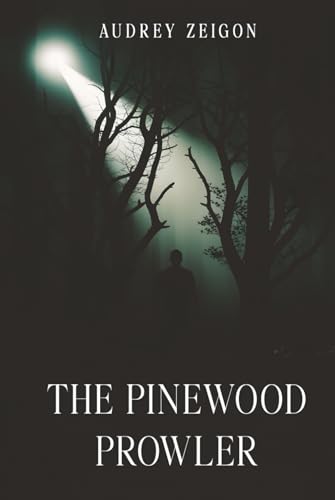
I am currently a sophomore in high school, and The Pinewood Prowler is my debut novel. I have always loved reading and stories, but I only discovered my true passion for writing a few years ago. Since then, writing has been an outlet for me and I have been extremely invested in it, even attending Dartmouth’s Summer Scholars creative Writing course this past summer. I began writing the Pinewood Prowler when I was around 13 without any intention of publishing it. About a year later, I decided to pick it back up and got it published at the age of 15.
Advertisements
2) What inspired you to write your book?
Last year, I had a rough draft of my current book that had been untouched for almost a year. As a young teen, I wanted to develop the story and share a piece reflecting the intentions and feelings of teenagers.
3) What theme or message do you hope readers will take away from your book?
The message I hope readers take from my book is to be careful what you wish for. Curiosity can be both powerful and dangerous, and sometimes the truths we seek are better left undiscovered. And beneath the surface of familiarity, there lies deception. This message encourages readers to be curious, but also warns against the dangers that can arise from such curiosity.
4) What drew you into this particular genre?
I was drawn to this particular genre due to my love for the suspense and adrenaline evoked in the horror genre and my desire to create a mystery for the readers, urging them to read on due to curiosity and suspense. I have always loved reading and writing in a thrilling and suspenseful tone, and wanted to share this with others.
5) If you could sit down with any character in your book, what would you ask them and why?
I would sit with “The Pinewood Prowler” because I would like to see into the criminal mind and what truly compels a serial killer to kill. I believe this is my most complex character, as the Pinewood Prowler has the ability to blend into society while also murdering at night. I would ask, “What thoughts went through your head when you were killing your first victim, and have you ever felt remorse?”
6) What social media site has been the most helpful in developing your readership?
Since this is my debut novel, I am just starting to create social media platforms for this book, but I will keep searching for ways to spread my book.
7) What advice would you give to aspiring or just starting authors out there?
As this is my first attempt and I am only 15, the only advice I believe I am credible to give is to just go for it. If you have an idea and want to write it, there is no harm in sharing your work.
8) What does the future hold in store for you? Any new books/projects on the horizon?
I am currently working on growing my writing and am exploring new ideas for my next book. I am certain that I want to continue developing as an author and am excited to see what is in store for me as a young writer.
Advertisements
About the Author
Audrey Zeigon was born in 2010 in New York City. From an early age, she developed a strong passion for reading and horror. These interests inspired her to write her debut novel, The Pinewood Prowler. Audrey has enjoyed immersing herself in this story and looks forward to sharing it with her readers.
1) Tell us a little bit about yourself. How did you get into writing?
– I’ve been writing on and off since birth, probably since my mom is a writer, but I really started taking myself seriously in 2011. It’s not easy to get published nor build a fan base, but I can’t imagine life without writing. To paraphrase a famous movie line, writing completes me.
Advertisements
2) What inspired you to write your book?
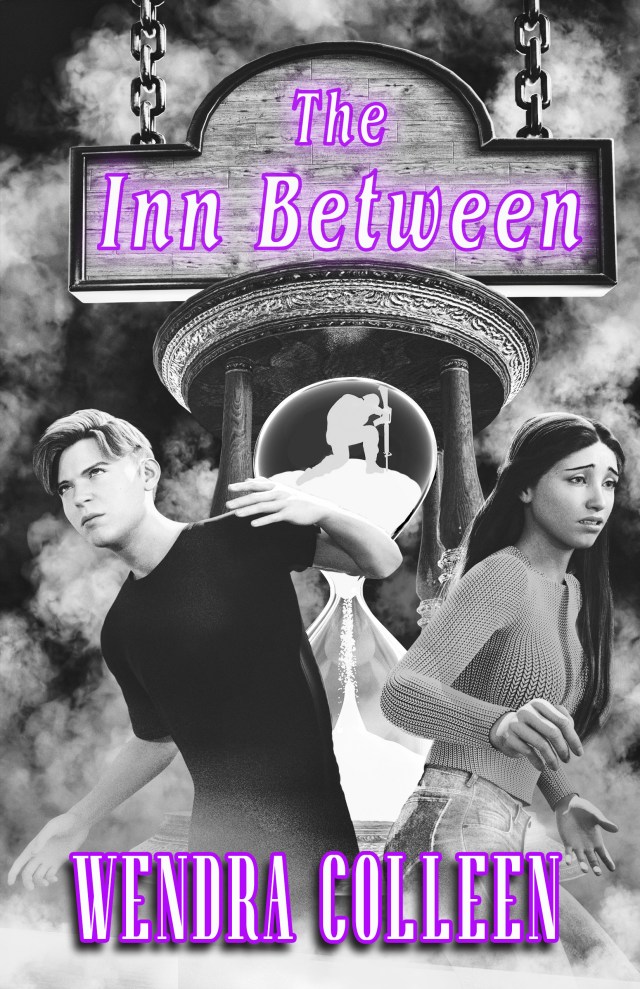
– I was inspired by a dream in which I met a ghost who was saying all the things she planned to do. I said, “But…you’re dead!!” and she responded that just because she was dead didn’t mean she couldn’t still make a difference.
3) What theme or message do you hope readers will take away from your book?
– I hope they realize that nothing is ever truly hopeless, that there is always someone to call for help, and that they should always live as honestly and openly as possible because you never know what’s going to happen.
4) What drew you into this particular genre?
– I have to again thank my mother. She has been talking to me about ghosts and supernatural phenomena since I was a kid. And while I’m not someone who desires to see a ghost, I’m endlessly fascinated with reading about paranormal experiences.
5) If you could sit down with any character in your book, what would you ask them and why?
– My first thought was that I’d shake J.T. and say, “HOW COULD YOU BE SO MEAN TO SYLVIA??? HOW??” However, I know exactly why he did it (and he tells the reader, too), though it still upsets me a lot as someone who experienced her fair share of bullying.
6) What social media site has been the most helpful in developing your readership?
– I am HORRIBLE with social media so it hasn’t helped at all, to my knowledge, because I’m only on there once a week for five seconds! That said, I love putting out a monthly newsletter. If anyone wants book reviews and tales of the supernatural, reach out to me at wendracolleen@wendracolleen.com
7) What advice would you give to aspiring or just starting authors out there?
– The only way you fail is by quitting! Whether you go traditional or go indie, GIVE IT ALL YOU’VE GOT. Join critique groups, get beta readers, submit to magazines, query agents, try it ALL, see what WORKS. And just keep writing!
8) What does the future hold in store for you? Any new books/projects on the horizon?
– Yes, I will be putting out a third book next October called MYTHFITS:
When Michael transforms from human to random shapeshifter and joins a tribe of monster misfits, he only wants to be human again. But when a group mortally threatens his best monster friend, he gets to know a human female vet to gain intelligence on them, leading him to question being human versus monster as he races to help the tribe he once tried to flee.
Advertisements
About the Author
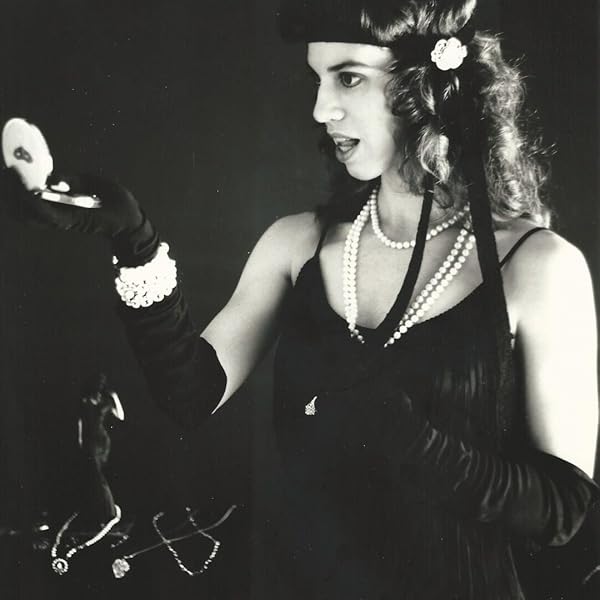
Wendra Colleen’s motto is “Embrace your weirdness.” Her dark and humorous short stories, screenplays, and novels show how unique, unusual, and unconventional individuals transform adversity into empowerment. Funky facts include that she has a PhD in experimental psychology and deployed to the Iraq War as a civilian, all of which was a breeze compared to learning how to embrace her unique, unusual, and unconventional qualities in high school. Want to learn more about Wendra’s work, how to be a writer, or how to be empowered? Check out www.wendracolleen.com
1) Tell us a little bit about yourself. How did you get into writing?
My name is James W. A., I was born in Tampa, Florida and moved to Kansas City, Missouri about a year ago and it’s been such an adventure in between. I think I’ve always enjoyed writing to some degree, but I really started taking it seriously in 2007, maybe 2008. I’m the kind of guy that has strong emotions and especially in younger years, writing was a good outlet for those emotions, both positive and negative. I kind of struggle with sticking to long-form projects like novels, but the school librarian once recommended a book of poetry to me and while I can’t remember the name of the book or author now, that sent me down the rabbit hole of falling in love with writing poetry over prose and the rest is history.
Advertisements
2) What inspired you to write your book?
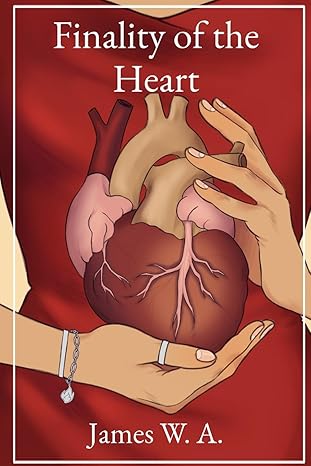
A lot of the poems in Finality of the Heart are based on real experiences I had (obviously sometimes dramatized) and stages of my own development spiritually and romantically. Given my longtime fascination with love poetry and matters of faith and spirituality, I wanted to sort of immortalize those experiences and chronicle at least some parts of my journey in a beautiful way. That said, the character “Ella” isn’t really a real person, but sort of an amalgamation of a few women I’ve been involved with (or not). I think a collection of my love poetry was always inevitable, but certainly turned out in a way I didn’t expect, which is kind of cool in a way, feels more authentic, which is something I strive for.
3) What theme or message do you hope readers will take away from your book?
Humans are social creatures, which is kind of cliche, but true, and the desire to be in relationship with someone is powerful for many. So there’s two big takeaways from this book I hope is conveyed clearly enough and they kind of depend on where any given reader is at in life. Firstly, if you have that kind of love in your life, cherish it, nurture it. That vocation in life is such a blessing and should never be taken for granted, even when it’s easy to do sometimes.
If you don’t, then that’s okay, genuinely. A lot of people put an astronomical emphasis on “finding someone” and settling down, having kids, American Dream-type stuff, but there’s more to life than that and not having that lifestyle doesn’t make you any less of a person. I’m not saying any given person won’t ever find the relationship that maybe they really, really want, but in the meantime there’s so many beautiful things you can do for yourself and for the world. If things work out, awesome, but if they don’t, you’re still awesome and no one can take that away from you.
4) What drew you into this particular genre?
For as long as I can remember, I’ve been fascinated with poetry about love and spirituality and in much younger days, it was pretty much exclusively all I wrote about. Granted in those days, it was all awful, but the more I wrote, the better I got, so I guess it paid off somewhere along the way. As to why that is, it’s hard to say. It might be because that was the sort of art that inspired and really spoke to me (The Highwayman by Alfred Noyes is to this day my favorite poem of all time) or my Catholic upbringing that drew me closer and closer to a more truthful (in my estimation) relationship with God or some kind of deep-seated attachment issue that psychologically manifests itself in my wanting to find comfort and belonging in the affections of others or maybe some combination of all those things.
Regardless, as a writer, I follow the inspiration as it leads me and it often leads me back to romance and spirituality, so whether it’s innate to me or picked up somewhere, I try to work in those genres in a way that’s genuine, skillful, and as innovative as I can.
5) What social media site has been the most helpful in developing your readership?
I’ll be honest, I don’t like social media much, so my strategy is to use the one(s) I like and are convenient and hope the readership follows. Which is awful advice if you want to build a following, but helpful if social media stresses you out. Specifically, I use Instagram and Facebook, with the former being actually pretty useful in my opinion. I’ve heard TikTok is currently the way to go for poetry though and I’m sure I’ll jump on that before long.
6) What advice would you give to aspiring or just starting authors out there?
My biggest advice to aspiring or new authors would be to keep honing your own style and follow your dream your way. Every poet and writer has a way they like to tell stories, themes they like to write about, and experiences they want to be immortalized and that’s valid. Don’t try to be what someone else wants you to be (even if it’s someone you respect) and don’t just try to be an imitation of someone else. Be you and it’ll pay off in your writing.
That said, don’t use that as an excuse to be lazy or lackluster. Always strive to better your craft and write in a way that’s better and more beautiful than before, but in a way that works for you. Think of being a writer like an RPG character. You are the “class” you are with the stats for it and as you level up, you’ll gain new abilities and skills, but always in pursuit of being the best of what your character can do, what only you can do. I hope that analogy makes sense, maybe I’m just a nerd lol.
7) What does the future hold in store for you? Any new books/projects on the horizon?
I have a vague idea for another poetry collection, but much like with the last one, the way life took me led to a totally different realization than originally intended, so who knows what the future holds lol. I started my own publishing company/label (Willheart Publishing) earlier this year though, so I want to take this next season of my life to try to build it and help other emerging authors, particularly local poets and writers here in Kansas City, and their books find a home and success.
Advertisements
About the Author
James W. A. was born and raised in the Tampa Bay area in Florida and now happily lives just outside Kansas City, Missouri. After graduating from the University of South Florida, St. Petersburg’s Honors College, he published his first book, In the Library, in 2015 and his second, the award-winning poetry collection Desolation and Epiphany, in 2023.
Poetry from James W. A. has also been featured in the literary magazines Neptune, Nectar,and The Secret Society of Poetry and he has showcased and facilitated workshops locally through KC Poetic Underground. With his newest collection, Finality of the Heart, James W. A. capitalizes on his long-time love for romantic poetry and penchant for dramatic melancholy to share a meaningful tale of duality he hopes will last through the ages.
1) Tell us a little bit about yourself. How did you get into writing?
After retiring for the second time, I needed something to keep my mind active. Much of my experience in the Army and as a higher education administrator involved writing. So, I decided to try my hand at being an author. I enjoy it because it is truly a craft putting words together to tell a story. Even better, with fiction, you get to develop the story, the characters, and the flow of the narrative.
Advertisements
2) What inspired you to write your book?
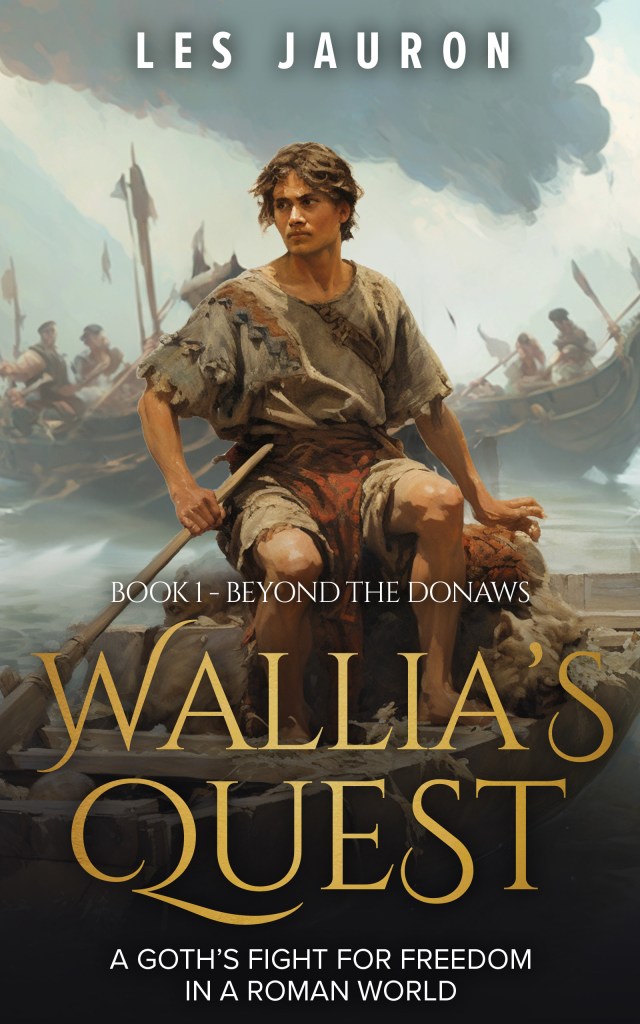
In my writing I try to do several things. These are to challenge preconceived notions, to make people think, and to inspire positive change. Wallia’s Quest resulted from my fascination with late antiquity. The world we live in today was shaped by the events that happened in this very important time. These include the Chriistianization of the Roman Empire. This allowed Rome to live even after the Western Roman Empire died. All you have to do to see this is to go to a Catholic mass. The entire ritual from the vestments to the acclamations, to the blessing at the end haven’t changed for almost two thousand years. I find this continuity comforting. The other thing that happened during late antiquity was the fall of the Western Roman Empire and the rise of the “barbarian” successor states—which evolved into the countries of Western Europe. The forty-year Goth migration set the stage for this. It was the first time that an entire people was settled, armed and under its own leadership, within the boundaries of the Roman Empire. All of the subsequent barbarian invasions were attempting to replicate what the Goths accomplished. Even the Vandals, who eventually occupied Africa, were following the Goths’ example by doing what they tried twice to do without success.
After I determined the time period I wanted to write about, I had to find a protagonist. I settled on Wallia. Of course, the most famous of the Goths was Alaric. He was famous because he sacked Rome. However, as I read the history of this period, I realized that the sack of Rome represented a major failure for the Goths. They didn’t want to sack Roma. All they wanted was to renegotiate their arrangement with the Romans to prevent a repeat of the Battle of the Frigidus where they lost 10,000 men fighting for the Romans in a war that didn’t mean anything to them. The Goth leader who finally succeeded where Alaric failed was Wallia. He established a viable state that outlasted the Western Roman Empire by several centuries. And we know nothing about Wallia until he became king several years before he died. This allowed me to write a compelling backstory that, I hope, brings this vibrant period to life from both the Roman and “barbarian” perspectives.
3) What theme or message do you hope readers will take away from your book?
There are several. The first is that history made by real people dealing with real issues. If the leaders are good, they are pragmatic, flexible, introspective, and willing to what is necessary to meet their goals. We often glorify the generals who win the bloodiest battles, and the politicians who create chaos but don’t create anything that lasts. The story of Wallia is one of understanding, creating alliances, creativity, and working with partners to create solutions that work. Interestingly, although we know nothing about Wallia, he was able to create a workable solution that had evaded his people for almost half a century. He had to partner with the Romans to do this. And he needed to understand the Romans to effectively partner with them. In the end, he had to be willing to accept a solution that didn’t give his people evertything they wanted, but gave them what they needed to survive and thrive.
4) What drew you into this particular genre?
I’m fascinated by history but I don’t like academic rigor, nor do I like to be limited by what ancient writers wrote or what the archeological record shows us. Historical fiction is a good way to break free of these restraints and to tell a story that is possible, compelling, and brings the past to life. As I do this, I attempt to adhere very closely to what ancient writers and the archeological record give us. The only times I deviate is when I think it is very likely that events unfolded differently than an ancient writer reports. My historical fiction is different than most. I like to say that I write Historical fiction with a capital “H.” Most historical fiction authors tell compelling stories about relatively unknown people that are set in an interesting historical milieus. My fiction is about the main characters in the historical period I’m writing about. So, in Wallia’s Quest I’m creating a narrative about the emperors, kings, generals, bishops and warriors who shaped this very important period. Although this is somewhat constraining, this approach alllows me to provide a human face to what would otherwise be a confusing jumble of disconnected dates, events, and names. I wanted to tell the story of the people that made this history—to describe their motivations, and to demonstrate that while circumstances are ever-changing, human beings tend to react to their circumstances in predictable ways based on the context in which they lived.
5) If you could sit down with any character in your book, what would you ask them and why?
The easy answer is Wallia. After spending several years creating his fictional backstory, I’d like to know how close I actually came to the mark. However, the interview I’d want would be a joint discussion with Constantius III and Galla Placidia. This would have been interesting for several reasons. First, although they eventually married, Galla Placidia obviously detested her husband. However, that man, Constantius III, was the most successful Roman leader of his age. He did much to restore the Western Roman Empire. His early death represented one of the greatest “what ifs” in history. I’d want to know what Placidia found detestable about a man who was successful, very capable, and, by all existing accounts, was good-looking and had a good sense of humor.
6) What social media site has been the most helpful in developing your readership?
I like to write but I hate to market. I’ve done some Facebook advertising and a few YouTube videos and a little Instagram and TicTock. I’m not sure that I really can say that I have much of a “readership.” That said, I do enjoy talking to people who read my books and take their feedback to heart.
7) What advice would you give to aspiring or just starting authors out there?
Write because you enjoy it, not because you want to make a living doing it. I’m fortunate enough to be twice retired, so I’m not writing to make a living. I’m writing because I it gives my life some meaning.
That said, writing is like any other craft. It requires developing skill, constant practice, networking, gaining feedback, and improving as a result.
And, if you want to make a living by writing, get lucky or be willing to spend much of your life marketing.
8) What does the future hold in store for you? Any new books/projects on the horizon?
More of the same. After the Wallia’s Quest series is finished, I may write another book about late antiquity detailing the life of a usurper named Constantine III. If I don’t do that, I’d like to write a fictional book about the world that our technology moguls want to create. I think this could be fascinating.
Advertisements
About the Author
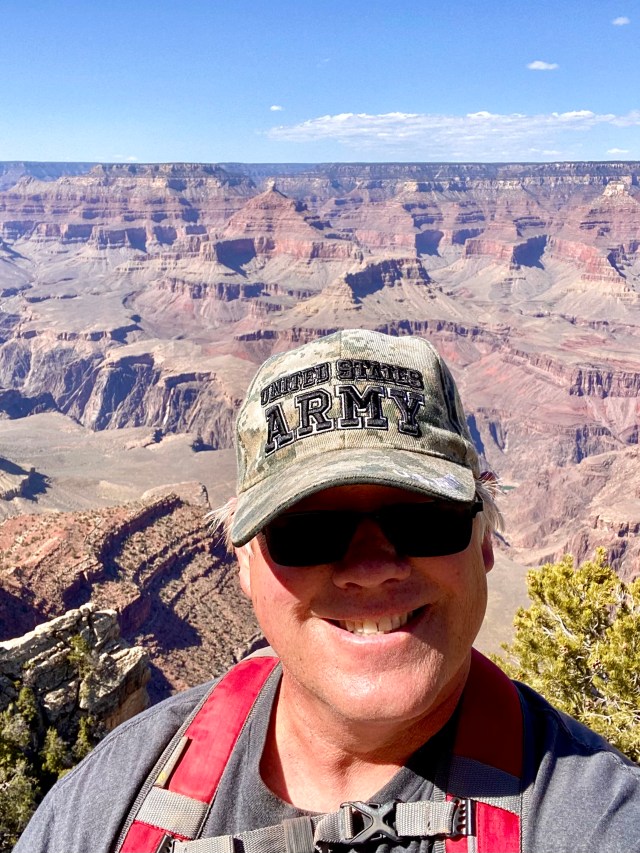
Les Jauron is a West Point graduate, a retired Army officer, and a retired college administrator. He has two graduate degrees – a Master’s in Military Arts and Sciences from the School for Advanced Military Studies, and a Master’s in Business Administration from Oklahoma City University.
Les has always been fascinated by history, organizational leadership, politics, military affairs, and rocks. He’s always been fascinated by the ancient world and, particularly, late antiquity. The reason for this fascination is because that world did much to shape our world today. During that time, the Roman Empire dealt with many of the same issues we are experiencing in our modern world — immigration, great disparities of wealth, the interplay between Christianity and government, and a toxic political environment that causes politicians to leverage fear of “the other” to gain and maintain power.
Les and his wife, Zoela, lived in their motor home for four years after Les retired for the second time and traveled extensively through the western United States. After ending their RV odyssey, Les and Zoela settled for a few years in Clarkdale, Arizona before moving to Chico California to be closer to their three children and nine grandchildren.
During their wanderings, Les grew to love red rocks and exploring slot canyons, hoo-doos, arches and natural bridges, and ancient petroglyphs and pictographs. After settling in Arizona, he began collecting rocks of every sort — which are now strewn throughout the house and the backyard. Recently, Les and Zoela moved to Chico, California to be nearer to their three children and nine grandchildren.
But writing is Les’ greatest passion. He uses fiction as his medium to entertain, to educate, provoke thought, challenge assumptions, and inspire change.
1) Tell us a little bit about yourself. How did you get into writing?
Reporting on business during the early days of the internet was one of my first writing jobs. I loved the fast pace, and soon transitioned into TV as a producer at a popular news outlet. I wrote broadcast copy for newscasts, and thrilled at paring back long sentences into crisp one-liners.
Journalism was already under fire way back then, and I made the switch to PR, where I’ve worked in corporate communications for 20 years. While many think business is boring, it’s full of invention and progress, driven by fascinating personalities.
Then, late last year, after years of telling other people’s stories, I wanted to tell one of my own.
Advertisements
2) What inspired you to write your book?
When I started the Serenity Acres Series, I planned five volumes, with a strong idea about volumes three, four and five. I was stumped on how to progress from Dinked until…
I fell prey to an age-old publishing scam, backed by a slick overseas operation.
When I discovered the duplicity, I was shocked. I went through all of the typical emotional stages of fraud.
I also laughed at the irony. Dinked already contained an Amazon phishing subplot. Life imitating art.
And what domestic thriller writer wouldn’t dream of taking revenge on the very people who burned her?
The more I learned about the people behind my fraud, the more I questioned their true identities. I don’t know who the real John Eden or Jordan Delgado is, or where they live. Certain things they said resonated when I read articles about people in Southeast Asia swept up into call centres and forced labour.
Was I catfished by prisoners? I don’t know and never will. But I got my frustrations out in Shafted.
3) What theme or message do you hope readers will take away from your book?
There are no takeaways of values in Serenity Acres! Everyone’s a hot mess with a secret. I do think the residents might benefit from self-reflection.
4) What drew you into this particular genre?
I grew up watching staples like Colombo and Murder She Wrote, where every camera zoom or lingering shot hinted at a clue to be placed into an orderly conclusion.
That, and a heavy dose of daytime soaps, which my Mom loved while ironing! I loved the absurd twists; double-lives, dramatic affairs and anything but domestic bliss.
5) If you could sit down with any character in your book, what would you ask them and why?
Daphne! I would love to know why she shops so much! She seems to have it all but is intent on throwing it away. Irwin is devoted to her and they have two great kids, but she’s focused on everything but, including her pet costume biz.
Oh, and Clara. But I might be afraid to get too into her head.
6) What social media site has been the most helpful in developing your readership?
Facebook. I’ve shared character cards and reels with great engagement. I know I should use TikTok but haven’t gotten to it yet. I sort of hate the idea of another platform.
7) What advice would you give to aspiring or just starting authors out there?
Stay true to your story; you know the way you want to tell it.
Most of my characters are quantifiable jerks, but with redeeming qualities. Much like real life: faulted, vulnerable and complex. Have a plan and move it forward with clarity. Keep details relevant and tied together at the end. No one cares what kind of cookie a character likes, unless they’re going to kill someone with it.
Advertisements
ABOUT THE AUTHOR
With over twenty years of spinning stories in corporate communications, Dinked: Serenity Acres. Where Secrets Barely Stay Hidden is Crystal Quast’s debut novel. When she’s not writing, Crystal loves playing pickleball and tennis, paddleboarding, hiking, and spending time with her family.
1) Tell us a little bit about yourself. How did you get into writing?
I started writing at the age of seven. We were given a poetry assignment in class, and I never stopped! My first poem was about a greyhound. I was fascinated with dogs and fairies, and the sighthounds (greyhounds, salukis, whippets, Irish wolfhounds, Scottish deerhounds), anything with those long, tapered legs that could run so fast.
My second poem was slightly better. Golden Fawn was the title; I composed it upon the death of my beautiful golden hamster. Writing about animals that I loved, or that were a part of my life, just came naturally to me. The imaginary kingdom that most people couldn’t see started weaving itself into my writing very young as well.
Advertisements
2) What inspired you to write your book?
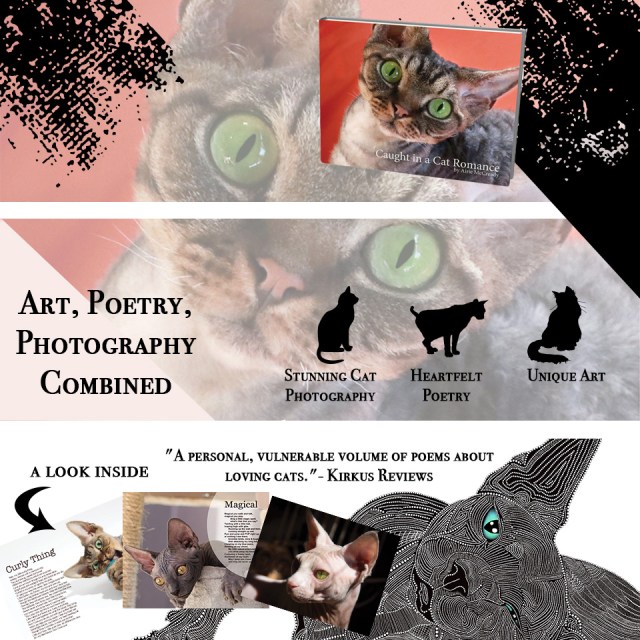
Every single poem or story, photograph, or drawing in this book is heartfelt. Again, my beautiful pets cross back and forth to the ether realm, making pictures of themselves in the sky or even in my bedroom. Their births, lives, and deaths are commemorated here. Often, instead of saying, “I wrote a poem,” I’ll say, “I poemed,” like giving birth to a piece of writing.
Inspiration comes from intense emotions, whether it’s about a pet or something I’ve experienced in my life — unfortunately, a lot of abuse — but out of that is born writing that can help others.
3) What theme or message do you hope readers will take away from your book?
That it’s okay to feel deeply about your pets, whether they’re a cat or a dog, hairless or furred, people are beginning to understand that it’s okay to grieve for a pet like you would for a person. A relationship between two species possesses inherent magic; so it’s okay to give voice to that magic and the love that you have for your cat, dog, horse, or whatever. Animals are children, too.
4) What drew you into this particular genre?
Initially, I frowned upon long writing assignments; writing a poem, a short essay, or a story was easier for me. Now I have the freedom to write whatever I wish, but I value poetry’s capacity to traverse lifetimes, periods, or annum, truly anything. I love finding the words to express exactly what I’m feeling or what I want others to feel.
5) What social media site has been the most helpful in developing your readership?
Facebook is number one for me. From 2013 to lockdown, I had a store online that made clothing for cats. My wish remained to write, though the garments rose in popularity, restricting my availability, leaving no time for writing. So, what I would do is, when I felt something forming in my mind, I would type it into my Facebook feed and see what kind of response it’d get. A lot of it got an excellent response. I waited, confirming that it was not simply loved ones offering praise, but those I admired and respected who offered honest praise. Then my Facebook followers kept saying that I should make a book or a coffee table book because they also liked my photography and art. This took years to bring together, so this debut is for my followers.
6) What advice would you give to aspiring or just starting authors out there?
This is one of the most challenging questions I get asked, because we’re all very different. I would say, find your voice first. Don’t copy others except if you like the cadence they’re using in their poem. You can use it in yours, but don’t steal. For instance, I tried to write a vampire story, and I love Anne Rice, but it started sounding too much like her voice and not mine. So, I stopped, and I do have a novella coming out now, working title: Bella and Lee and Me. It has immortal creatures, some that you’ve never heard of before, and a lot of spiritual, but differently stated storylines that are truly my own.
Find a Facebook group that has a lot in common with your tastes, and you can show them something that you’ve written, but be sure to write all rights reserved and your name underneath.
7) What does the future hold in store for you? Any new books/projects on the horizon?
I have several new books and development poetry books, one a novel, one a novella, all almost all the way finished. I have several chronic diseases, which limit me in my day-to-day life and in my writing as well. However, writing is something I continue to do, whether by typing or using speech to text.
Aber Stoat, my publisher, is wonderful for working with indie authors and has been great with me.
Advertisements
About the Author
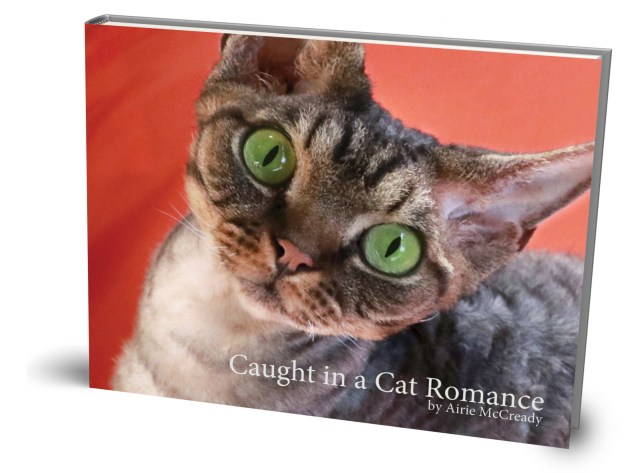
Airie McCready got her journalism degree, but spent her early years in fine art, computer graphics, and freelanced as an art director for photo shoots. After her marriage ended, she changed her name in order to get out from under the shadow of her ex-husband‘s writing and set out on a journey of self-discovery, which led to her mission today, helping people understand the love of cats. After observing cats’ behavior for over 20 years, Sphynx and Devon Rex specifically for over 10 years, she now shares her expert knowledge with others. She views her bond with her cats as deeply spiritual, describing it as a symbiotic unit.
Tell us a little bit about yourself. How did you get into writing?
As far back as I can remember, I have loved to write. Starting in high school, I earned praise from my teachers about my writing skills – which led me to focus more on my writing talents. In college, recognition of my writing abilities continued, and I earned the highest score in my Legal Research & Writing course during my first year of law school.
Advertisements
What inspired you to write your book?
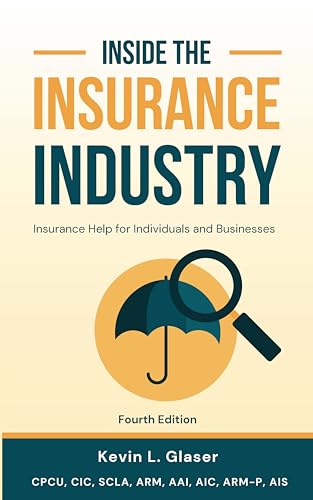
The first book that I wrote was Inside the Insurance Industry. I wrote it after encouragement I received from my oldest son. He wanted me to share things that I had learned during my insurance career and as the owner of a risk management consulting business. As an amateur songwriter, I can share that writing songs is like writing books. Sometimes the words come easy and sometimes they do not. My first book was an easy endeavor.
What theme or message do you hope readers will take away from your book?
My intent in writing each of my nonfiction books has been to provide information that is not available elsewhere. Readers learn useful things about the ins and outs of the insurance industry in my insurance-related books, and learn about the life and times of Tompall Glaser in my The Great Tompall: Forgotten Country Music Outlaw biography. This book about my uncle was so interesting to write since it shares stories about an interesting life and time that were so different than mine – and different than most other people, as well.
What drew you into this particular genre?
While I have dabbled in writing fiction – and most songs I have written contain fictional situations – I have always enjoyed learning and sharing facts. While many people write nonfiction books, I try to set myself apart by writing about things that others have not written about and doing so in a way that differs from others.
What social media site has been the most helpful in developing your readership?
Honestly, the area of social media is something that I need to work on. For now, I rely on my website (www.rtsidecreationsllc.com), my Author’s Page on Amazon, Baker & Taylor, and several eBook sites to promote my book. Social media is something that I intend to learn more about to take advantage of its wide potential.
What advice would you give to aspiring or just starting authors out there?
When people find out that I have written books, quite a few times they have told me either that they have always dreamed of writing a book themselves, or they will tell me that they are planning to do so. When I hear these types of comments, I chuckle to myself a little bit because most people have no idea of how difficult it is to become a successful author. While anyone can type words on a page, few finish a manuscript, and even fewer attempt to find an agent or publisher, or to otherwise try to actively promote their books themselves.
So, my first piece of advice to aspiring or new authors is not to underestimate the amount of work it will take to become a successful author. However, I realize that people have different aspirations and definitions of success. Some may want only to write a book and offer it for free on a website, which is a relatively low bar to jump over. While others want to sell thousands of book copies and to make book writing a career. If the later applies, just know it takes a lot of time, money and time spent learning about the industry.
What does the future hold in store for you? Any new books/projects on the horizon?
Since I just published Inside the Insurance Industry – Fourth Edition, I am spending a great deal of time promoting it and have not started working on anything new. But I do have some new book ideas rolling around in my head. So, there may be more books on the horizon for me…stay tuned!
Advertisements
About the Author
Inside the Insurance Industry – Fourth Edition: Insurance Help for Individuals and Businesses is Kevin Glaser’s most recent book. This edition expands prior topics, contains several new ideas to help readers save money, and assists with making informed decisions. Ultimately, it helps to avoid out-of-pocket payments resulting from inadequate coverage or failing to address uninsured risk exposures.
He has written other well-received books. Inside the Insurance Industry – Third Edition is a consumer-focused book that describes topics such as the inner workings of insurance companies and how insurance is sold. By better understanding the insurance process consumers can both save money and obtain broader coverages.
The Great Tompall: Forgotten Country Music Outlaw is an in-depth biography of Kevin’s uncle, Tompall Glaser, an iconic and influential country music performer and business owner during country music’s outlaw era. Tompall often stood alone in his fight for artistic freedom for Nashville musicians and he paid the price. While he became the “forgotten outlaw,” this book explains the significant roles he played in the development of country music during the 1950’s through the 1980’s.
Glaser’s primary occupation involves providing insurance and risk management consulting services, litigation support and expert witness testimony across the USA.
1) Tell us a little bit about yourself. How did you get into writing?
I’ve worked as a technical writer in IT, but honestly, there has always been a whole universe inside my head — thoughts, ideas, contemplations, tricky questions that still have no clear answers, and even problems humanity keeps wrestling with.
As a kid, I tried writing little stories. Sometimes I’d watch a TV series that inspired me so much, I just had to write my own version. But to be honest, I’m not great at writing fictional stories. My imagination is rich, but my plots never quite come together.
What I do have, though, is a very analytical mind. My real talent lies in looking at things from unique angles most people wouldn’t think of and wrapping those ideas in a fresh, non-standard format of storytelling. I also love finding solutions to problems (something I do daily in my analyst job).
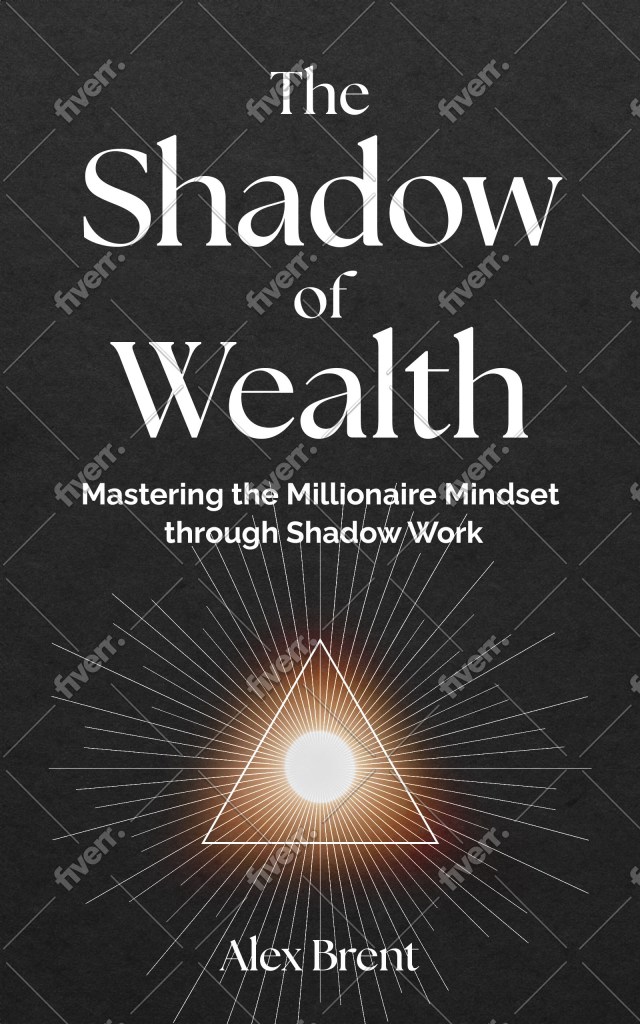
That’s why I gravitate toward writing about life-related problems people struggle to solve, as well as big, hard-to-answer questions. The topics I choose are sometimes spicy, sometimes controversial, often emotional, and yes — sometimes they invite judgment or even hate from others. But I’m learning not to be afraid to speak up. And in fact, that’s what my first book (“The Shadow of Wealth”) is about.
Advertisements
2) What inspired you to write your book?
I wrote Shadow of Wealth by combining Jungian shadow work with millionaire mindset principles, because money mindset is one of those evergreen topics. Everyone needs money, and there should be no shame in admitting it.
But here’s the thing: I always hated most books in this genre. Too many of them talk about “magical ways to step into abundance,” with the core message being, “Just believe, and it will happen!”
The problem is, “Believe” isn’t a command you can simply follow. And it’s incredibly hard to believe you can be wealthy when your reality is screaming the opposite.
Sure, people get inspired by the idea of manifesting wealth through positive thinking. But years pass, and most of them stay exactly where they started. The only thing that changes is that their thoughts aren’t as positive anymore, and their faith in “abundance” is fading.
I analyzed ALL the bestseller books about money mindset and noticed that none of them were using shadow work as a tool to shift mindset and improve finances. I’ve personally used shadow work to transform many areas of my life — especially my financial situation — and the results are incredible if you approach it with curiosity and the courage to face what you’re not ready to admit about yourself.
3) What theme or message do you hope readers will take away from your book?
The main message I want readers to understand is this: no matter how hard you believe, manifest, or visualize, you won’t move into action unless you remove the inner resistance holding you back. Shadow work is one of the most effective ways to do this.
Inner resistance is like having your hands tied. You can’t untangle it with vision boards or positive affirmations, because it’s built from old traumas, fears, and painful emotions most of us don’t even realize we carry.
Another takeaway I want for readers is clarity on how to actually move forward with building wealth. In my book, the strict Shadow character doesn’t just help uncover emotions and insights — it also pushes readers to think about their next steps. Along the way, I’ve included practical guidance based on millionaire wisdom I’ve studied from many sources.
So instead of just saying, “Now you know you have a fear of failure, go deal with it,” the book frames it more like: “Here’s what millionaires do to succeed. Here’s what’s stopping you from doing the same. And here’s what you can actually do to change that and succeed too.”
By the end, the big question — “What do I actually need to do to build wealth right now?” — becomes a lot clearer.
4) What drew you into this particular genre?
It comes down to my willingness to solve problems for others in a way only I can — by offering perspectives and approaches that not many people have tried. I love suggesting alternative points of view that can shift the way someone thinks about their struggles.
5) What social media site has been the most helpful in developing your readership?
Oh, I wish someone had asked me that earlier!
You see, while working in IT, I never really had time to grow my social media presence. My days were filled with talking to customers, writing documentation, traveling for business trips, and helping build products.
Even now, I’m still engaged in those activities. But recently, I finally started an Instagram account: @shadowwork_money. Right now, it’s centered around my book, but eventually, I plan to branch out and share more personalized content on a variety of topics. I have so many ideas, and I can’t wait to bring them to life. It’s going to be an interesting journey.
6) What advice would you give to aspiring or just starting authors out there?
First, I’d say: enjoy the creative writing process. There’s nothing like watching something truly unique come to life from your imagination.
Second… study marketing. Being creative is one thing, but selling your work is a whole different story. Honestly, I was shocked at how many so-called marketers out there are actually scammers, ready to empty your pockets with promises of hundreds or thousands of sales. My painful experience cost me almost $6,000 (a story I’ll share in detail soon), and it almost made me want to give up on writing altogether.
Because of that, marketing has become both my obsession and my playground. My advice: beware of fake promises, because scammers are very convincing these days.
Right now, I’m actually writing a series of LinkedIn articles about marketing techniques that are genuinely useful for authors who want to sell more books. If you’re looking for knowledge or support, come join me there!
7) What does the future hold in store for you? Any new books/projects on the horizon?
Oh my, absolutely! New books are definitely on the horizon.
I already have a few topics waiting for their turn: infidelity, parenthood, the things we believe in, and even the genetic lottery. Each of these requires deep research before I start writing, but my notebooks are already bursting with ideas.
I truly hope to meet you again on the pages of my future books. And more than anything, I hope my stories don’t just resonate with you — I hope they spark useful revelations, provoke deep thoughts, and inspire lasting positive change in your life.
By day, I work in IT, but beyond my job, I have a deep passion for Jungian psychology and writing. I love expressing my thoughts and sharing powerful insights – and nothing lights me up more than hearing how those ideas have helped others grow or shift something in their lives.
I’m especially interested in the topic of wealth. And I’ll be honest – I feel no shame about it. Wanting more, desiring abundance, and striving to live your best life is a good thing. (Even if many of us were taught to feel guilty about it.)
At one point in my journey, I realized I was on a meaningful path toward building real wealth. That’s when I felt I had something valuable to share—something honest and hard-earned about how wealth is actually created.
But just to be clear: it hasn’t come from any magic trick or overnight success. It’s been the old-fashioned way – through years of working, creating, investing, and selling. It’s taken over 15 years, and the journey is still unfolding.
And honestly?
I believe it could have happened much faster if I had met my Shadow earlier.
Once I experienced the power of shadow work firsthand, I couldn’t keep it to myself. My creative side wouldn’t let me. I felt this undeniable urge to share what I had learned—in my own way, in my own voice.
1) Tell us a little bit about yourself. How did you get into writing?
I’m A. Pāj Turner, a retired U.S. Army Chief Warrant Officer 5 and Navy veteran who transitioned into storytelling after more than 30 years of service. My military career gave me discipline, perspective, and a deep sense of community responsibility. Writing became my way to channel those experiences into something creative, impactful, and lasting. What began as journaling and personal reflection evolved into a passion for crafting narratives that challenge, inspire, and provoke thought.
⸻
2) What inspired you to write your book?
I was inspired by the legacy of Tulsa’s Greenwood District, also known as Black Wall Street, and the broader history of communities that were dismantled by greed and systemic injustice. I wanted to reimagine what could happen if someone returned home determined to correct those injustices using unconventional strategies. My own experiences in leadership and logistics gave me insight into how systems work—and how they can be re-engineered to empower rather than oppress.
⸻
3) What theme or message do you hope readers will take away from your book?
The central theme is empowerment: the belief that ordinary people, when united with vision and purpose, can transform their communities. I also explore moral gray areas—what sacrifices are justified in pursuit of justice? Ultimately, I want readers to walk away questioning how far they themselves would go to address generational inequality and uplift those around them.
⸻
4) What drew you into this particular genre?
I’ve always been drawn to stories that mix social realism with elements of suspense, strategy, and moral dilemma. Blending historical possibilities with modern struggles allowed me to create a narrative that feels both grounded and cinematic. It’s a genre that gives space for action, intellect, and heart—while also carrying a message that matters.
⸻
5) If you could sit down with any character in your book, what would you ask them and why?
I’d sit down with Richie Tomlison, the protagonist. I’d ask him, “Do you ever worry that your sacrifices will cost you more than you gain?” Because his journey is one of heavy moral weight—balancing personal loss against the pursuit of community liberation. I think his answer would reveal not only his convictions, but also his humanity.
⸻
6) What social media site has been the most helpful in developing your readership?
Instagram has been the most effective for me. The visual nature of the platform allows me to share stills, teasers, and behind-the-scenes content that bring the story world to life. It’s also where collaboration with actors, influencers, and readers builds a sense of community around the project. Pairing visuals with storytelling really resonates with today’s audience.
⸻
7) What advice would you give to aspiring or just starting authors out there?
Don’t wait for perfect conditions—start writing and keep refining. Be disciplined like it’s a mission, but flexible enough to let your story evolve. Also, understand that writing is only half the journey; building an audience and sharing your story with the world requires just as much dedication. Believe in your voice, invest in your craft, and don’t let rejection discourage you.
⸻
8) What does the future hold in store for you? Any new books/projects on the horizon?
The novel The Emancipation of Limits has already been adapted into a pilot presentation, and we’re building it into a six-season TV series. It was recently selected for the Black Hollywood Film Festival, which is an exciting step forward. Beyond that, I’m developing additional novels and film projects, each centered on themes of justice, identity, and empowerment. My goal is to create a body of work that entertains while leaving a lasting impact.
Advertisements
About the Author
My name is A. PAJ Turner and I was born on the 29th of December, 1971, in Chicago, IL. My parents are Russell Leon Turner Sr. and Joann Turner. They divorced when I was two and he was an absent father to my brother and I. He died in 2002, of natural causes, but had two strokes that probably aided with his passing. He was fifty-two when he passed. My older brother, Russell Jr, took the role as my guardian and protector as he ensured if harm ever came our way, he would shield me at all cost. He was my first superhero and I looked up to him because he had abilities that I felt I could never obtain.
My early childhood was a typical middle-class environment in the 1970’s. My mom worked for Illinois Bell and my grandfather, Richard Watson Sr., who lived with us was my first and the example of what a man should be like. I did everything an inner-city kid would do for fun. Ring doorbells and run, play hide and go seek, kill-the-man, baseball, and other mischievous things. Snowball, rock and crabapple fights,was the thing to do in our neighborhood. When Michael Jordan touched down in Chicago, every child dream was to be like Mike, so basketball became my dream.
My mom did not want Public School education for my brother and I, so she sent us to catholic schools from Kindergarten through High School. I wasn’t the best student, I understood the work, but school just didn’t interest me. My grades showed it and my brother, my defense attorney pleaded his case to mom on why my grades was the way they were. I was proud that he would represent me. As my mom stood there, frowning with her hands on her hip with her leather belt folded in her right hand, she listened. When he told her, my F wasn’t really an F, what he did wrong was or trying to drag a teacher’s work ethic through the mud…. In short, he never won a case. It would have made more sense for my brother to tell her that I was adopted. He never hesitated to tell me that. He reasoning was because I didn’t have many baby pictures.
Eighth grade was the last straw for my mom and grandfather. I remember my grandfather and I was having a conversation about my grades. He said that he didn’t want to die knowing I was doing bad in school. That destroyed me! They last thing I ever wanted was for him to die and not showing him what I could become. I honor rolled in High School and went on to Kennedy King Jr. College on a basketball scholarship. One night, heading to a home game, I got held at gunpoint. I was at the wrong place at the wrong time. My uncle, Richard Watson Jr., convinced me to join the military and don’t look back. I did just that.