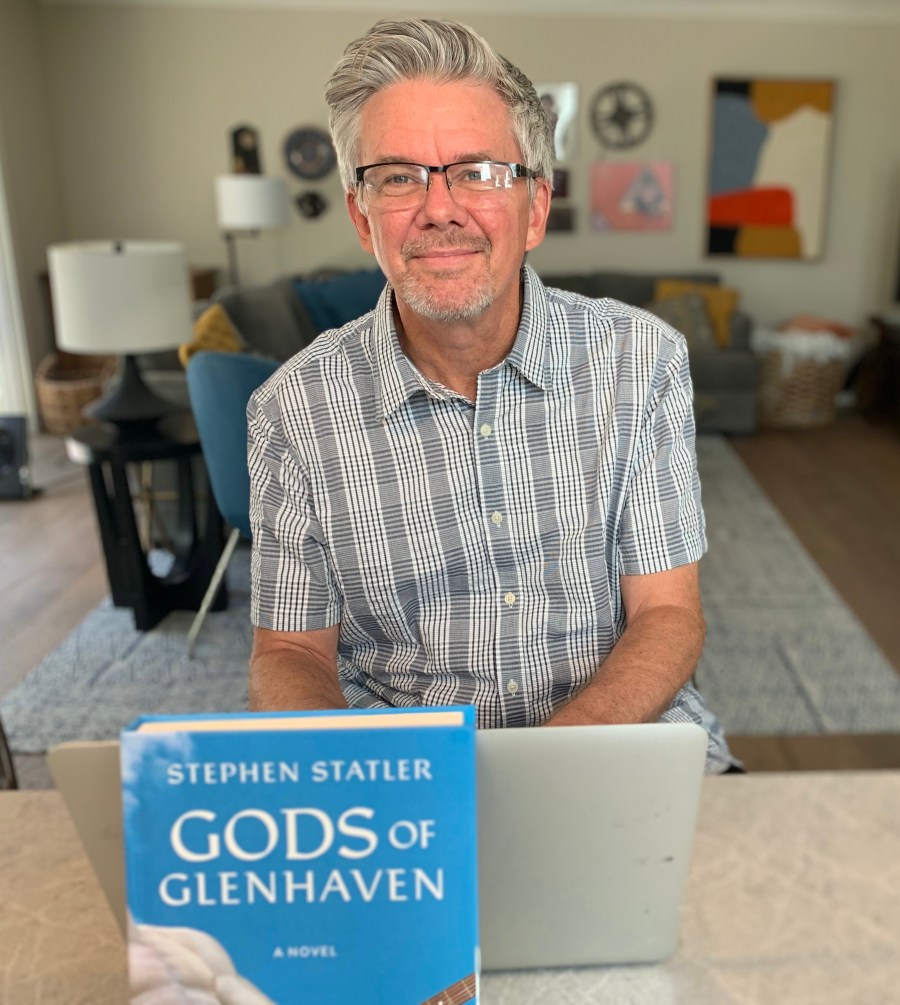
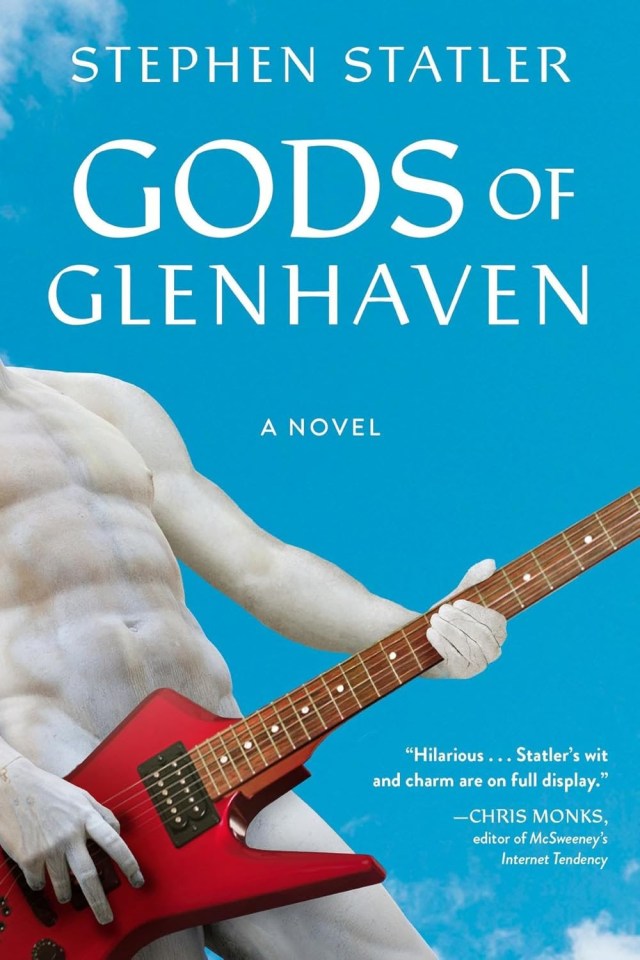
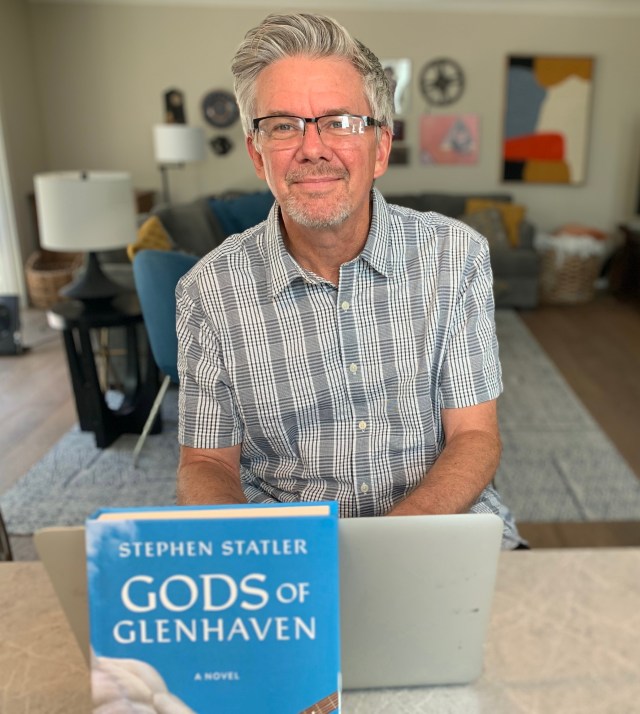
1) Tell us a little bit about yourself. How did you get into writing?
I went to film school at NYU. I worked with a screenwriting partner for many years but we were never able to make money at it. We still have representation and a script under option, so hope springs eternal. Recently, both of us have turned to fiction. I started by writing short funny pieces for McSweeney’s and other magazines and then decided to try my hand at a novel.
Advertisements
2) What inspired you to write your book?
I was looking for an entertaining way to write about the social contract: How is it that we all manage to co-exist (for the most part) without letting our self-interest and instinct for pleasure completely govern us?
3) What theme or message do you hope readers will take away from your book?
It’s possible to live both pleasurably and morally. Not easy, but possible.
4) What drew you into this particular genre?
Once I decided to use Dionysus as the representation of pleasure and self-interest, I knew that I would have something of a fantasy book on my hand. But I also knew that the book wouldn’t be a straight fantasy, and that the Greek god stuff would constitute just a sprinkling of magic in an otherwise mundane suburban comedy.
5) If you could sit down with any character in your book, what would you ask them and why?
I would ask Dionysus why he has so much trouble controlling his impulse for chaos, and whether it’s because the Universe is actually chaotic and he’s trying to show us that truth by example.
6) What social media site has been the most helpful in developing your readership?
Probably Facebook. I got a lot of support from old friends when I debuted the book.
7) What advice would you give to aspiring or just starting authors out there?
Write something every day. If nothing else, just sit down and do some automatic writing. Type anything that comes off your fingers, without thinking, without stopping, for ten minutes. It’s like stretching before exercising. Everything you write after that will be better for it.
8) What does the future hold in store for you? Any new books/projects on the horizon?
I just finished the text for a children’s book called “Sadie and Truman,” and am working on a new novel as well as some more short comedy pieces.
Advertisements
About the Author
Stephen Statler is a comedy writer whose work has appeared in McSweeney’s Internet Tendency, Points in Case, and other magazines. The Breathing Show, a feature film he wrote and directed, was distributed by Film Threat. A screenplay, Big Time, co-authored with Mouncey Ferguson, is currently under option by Gulfstream Pictures. Statler lives in the Bay Area with his wife and two children.
1) Tell us a little bit about yourself. How did you get into writing?
I’ve always had the annoying habit of asking “why?” far too often, which usually results in either a headache or a story. Writing became my way of turning that endless curiosity — and occasional confusion — into something entertaining rather than just irritating to friends and family.
2) What inspired you to write your book?
The spark came from the idea that if planets could think, they might eventually get fed up with us treating them like clueless background props. Add a dash of dystopia, a sprinkle of absurdity, and a hefty nod to Douglas Adams, and suddenly I had a novel on my hands.
3) What theme or message do you hope readers will take away from your book?
That reality is often stranger, funnier, and more fragile than we think and questioning the system isn’t just allowed, it’s necessary. Also, never underestimate the comic value of an overworked, underappreciated bureaucrat. I hope readers will reflect on how our world is slowly ‘spoiling’ the entire plot before we even get to the ending. By that, I mean the dangerous amount of power handed to giant corporations and the not-so-charming, manipulative tendencies of AI. It worries me that some people are already treating it like a therapist — which is both hilarious and terrifying, and not in a good way.
4) What drew you into this particular genre?
I love the collision between the bleak seriousness of dystopian sci-fi and the irreverent humour of satire. When you mash them together, you get stories that can make readers laugh, cringe, and think all at the same time.
5) If you could sit down with any character in your book, what would you ask them and why?
Probably Mr. Smith, the man with the bear’s body. I’d ask: “How do you buy shirts?” Because let’s be honest, some mysteries are too big to leave unsolved.
6) What social media site has been the most helpful in developing your readership?
Goodreads has been great because it connects directly with readers who are already book-obsessed. Instagram is fun too—though I suspect most people are there for the cat photos, not my dystopian ramblings.
7) What advice would you give to aspiring or just starting authors out there?
Write the book you would love to read, not the one you think will sell. And finish it even if halfway through you’re convinced it’s terrible, because that’s usually the point where it starts to get interesting.
8) What does the future hold in store for you? Any new books/projects on the horizon?
Yes, my book is the beginning of a larger universe. I already have two more novels outlined, each diving deeper into the absurd machinery of our so-called “reality.” Whether the universe is ready for them is another question entirely.
Advertisements
Author Bio
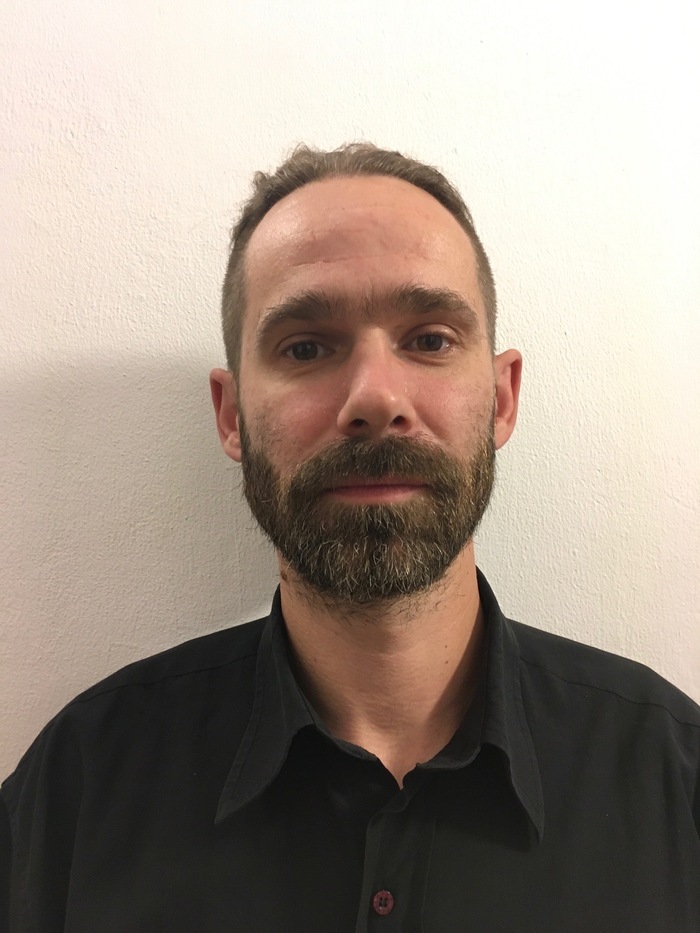
Tamás Szikszai is a Hungarian author whose debut English-language novel, The Planet That Was Mistaken for a Fool, blends dystopian science fiction with sharp, satirical humour. Deeply inspired by George Orwell and Douglas Adams, Tamás aims to explore the absurdities of modern society while making readers laugh, think, and occasionally wonder if they’ve accidentally stepped on a Lego. When he’s not writing, he enjoys ska music, strange philosophical debates, and imagining planets with extreme opinions.
1) Tell us a little bit about yourself. How did you get into writing?
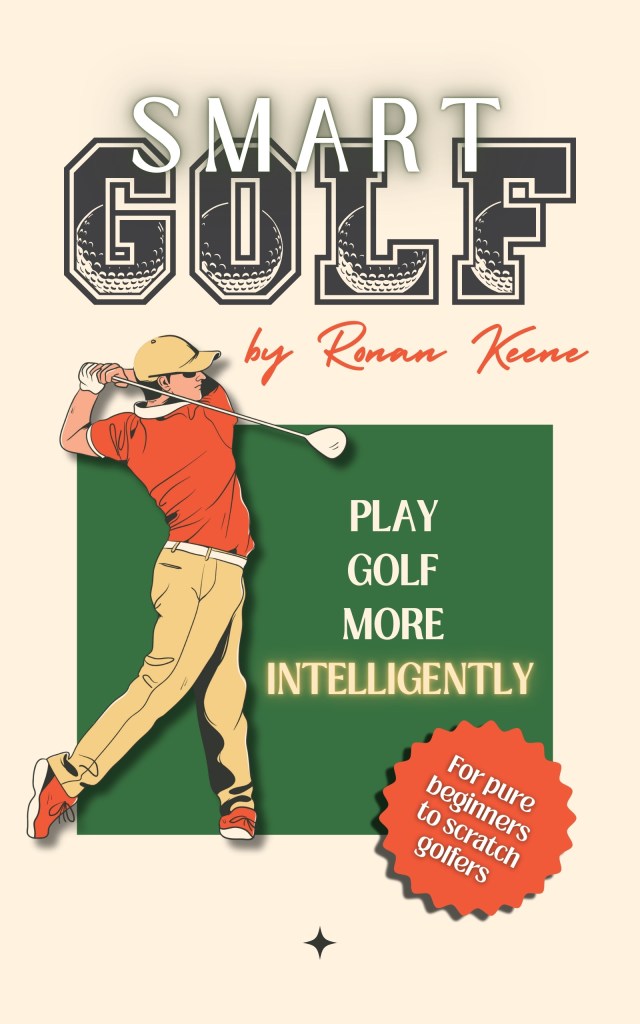
I’m an avid golfer with over 30 years of experience in the game, and I’ve always been passionate about sharing my love for golf and helping others improve. Over the years, I’ve seen how mental and strategic elements of the game can make all the difference, which led me to start writing about golf more seriously. Smart Golf – Play Golf More Intelligently is the culmination of my experiences and insights, meant to help players not only with their skills but also with their mindset. I’ve always had a knack for breaking down complex ideas into simpler, actionable steps, and that’s really what fueled my transition into writing. Over time, I realized I wanted to share what I’d learned — not just about the swing, but about thinking your way around the course. That’s what led me into writing.
Advertisements
2) What inspired you to write your book?
The inspiration for Smart Golf – Play Golf More Intelligently came from my own journey as a golfer. I’ve spent years working on both the mental and strategic side of the game, and I saw a real gap in resources for golfers who wanted to improve their mental game alongside their technique. I realized that too many golfers focus only on physical skills, missing out on the mental strategies that can elevate their game. My book provides practical advice, mental game techniques, and strategies to help golfers at all levels perform their best, not just physically but mentally.I’ve seen so many golfers — beginners and experienced players alike — struggle not because of their mechanics, but because they don’t have a clear game plan or mental strategy. Smart Golf – Play Golf More Intelligently was born out of the idea that you don’t need a perfect swing to play better golf. You need better decisions, better habits, and a smarter approach. I wanted to create a book that’s approachable, practical, and even a little inspiring — something that helps players enjoy the game more and score better.
3) What theme or message do you hope readers will take away from your book?
The central message of Smart Golf is that golf is as much a mental game as it is a physical one. I want readers to understand that by improving their mental approach — whether it’s focusing on the right strategies or managing emotions on the course — they can unlock a whole new level of performance. Golf is about making smart decisions, staying calm under pressure, and always thinking two or three shots ahead. This is the kind of thinking that transforms a good golfer into a great one. As I state in the book, the great Bobby Jones ones said,”Golf is played mainly on a 5 and 1/2 inch course ….the space between your ears”. In other words, master the mental game and you will achieve lower scores.
4) What drew you into this particular genre?
Golf instruction and strategy books have always fascinated me. But I noticed a gap between highly technical guides and books that speak to the everyday golfer. I wanted to bridge that gap — to create something thoughtful, accessible, and focused on real improvement. This genre allows me to combine personal experience, practical advice, and a bit of storytelling in a way that can truly help readers. I’m in the process of writing a second book that delves deeply around the emotional aspects of the game; for example, how to summon courage under pressure, grace in sportsmanship, determination and the sheer will to achieve etc. Golf requires both physical skill and mental acuity, and I wanted to write something that could truly help people with both aspects in Smart Golf and later with my second book.
5) What social media site has been the most helpful in developing your readership?
So far, Tiktok has been the most helpful — it’s a great platform for connecting with golf enthusiasts, sharing bite-sized tips, and showcasing visuals from the book. It allows for a more personal connection with readers and has helped grow interest organically. I’ve also started using LinkedIn, Instagram and Facebook Groups to engage with golfers through a marketing campaign.
6) What advice would you give to aspiring or just starting authors out there?
Start with a clear purpose. Know why you’re writing your book — not just what it’s about. That purpose will guide you through the moments when motivation dips. Also, don’t wait for everything to be perfect — clarity comes through writing. And finally, think of your readers. What do they need? What will they feel when they finish your book? That mindset changes everything.
7) What does the future hold in store for you? Any new books/projects on the horizon?
I’m really excited about the future! I’m currently working on a follow-up book (discussed above) that dives deeper into golf’s mental game and offers more advanced strategies for competitive golfers. It will most likely be titled ‘Smart Golf II’ In addition, I’m exploring ways to expand the Smart Golf brand with online courses and tools to help golfers implement the strategies in the book. I’m always looking for new ways to help golfers perform their best, and I can’t wait to see where these next projects will take me.
Advertisements
About the Author
Ronan Keene is a passionate golfer with over 30 years of experience playing the game. A lifelong student of golf strategy and course management, he has spent decades refining both the mental and physical sides of the sport. With a deep understanding of the challenges amateur golfers face, Ronan offers practical, real-world strategies to help others play smarter, lower their scores, and enjoy the game more. In Smart Golf, he shares clear, relatable advice that speaks to golfers of all skill levels—from weekend players to serious competitors. Ronan currently lives with his wife in Bluffton, SC near Hilton Head Island where great golf is never far away.
1) Tell us a little bit about yourself. How did you get into writing?
I was always a bookworm although I never thought I’d become an author. Because I’ve read so many books, I learned how to write reasonably well. But I mostly wrote essays and articles. It’s my first time writing a full-length book.
Advertisements
2) What inspired you to write your book?
I wanted to leave some sort of legacy behind. At the time, I also thought that it would be a good milestone achievement if I could publish a book by the time I was 50, which I did.
3) What theme or message do you hope readers will take away from your book?
I want those who are feeling lost to realize that despite life not coming with an instruction manual, simply being here has meaning enough. Even if a gold coin sits forgotten in an attic, it doesn’t take away the intrinsic value of gold. And it’s the same with all of us.
4) What drew you into this particular genre?
I have many interests but I’m not really an expert in anything. Initially, I wondered how I could even write a book if that’s the case. Then I came upon The Subtle Art of Not Giving a F*ck and came to realize that if there’s one thing in common, we all have a life to live. And you can always share your life experience with others, whether or not you’re an expert. And that’s what my book is all about.
5) What social media site has been the most helpful in developing your readership?
So far, I’ve been mainly using Facebook.
6) What advice would you give to aspiring or just starting authors out there?
If you have even just the germ of an idea, just roll with it. Just write. It’ll likely be messy at first, but it’s better than not expressing what’s trying to come out, like shaping a sculpture from a piece of rock. Just chisel away the rough parts bit by bit until it becomes coherent.
7) What does the future hold in store for you? Any new books/projects on the horizon?
At the moment, I’m happy enough to have published a book at all. I’m not yet sure if this is a one-off or if there will be follow-up projects.
Advertisements
About the Author
Nathaniel Malabonga grew up in Marikina City, Philippines. He is an avid gamer who plays tabletop roleplaying games and computer games. He also enjoys anime and manga. For a time, he was into airsoft and dabbled in various martial arts like arnis and BJJ. Eventually, he developed an interest in esoteric energy and healing systems like pranic healing and acupuncture.
A bookworm at heart, the first full-length book he read was the Bible and then Gone With The Wind before discovering Isaac Asimov’s The Foundation series, which ignited his interest in the sci-fi and fantasy genre.
1) Tell us a little bit about yourself. How did you get into writing?
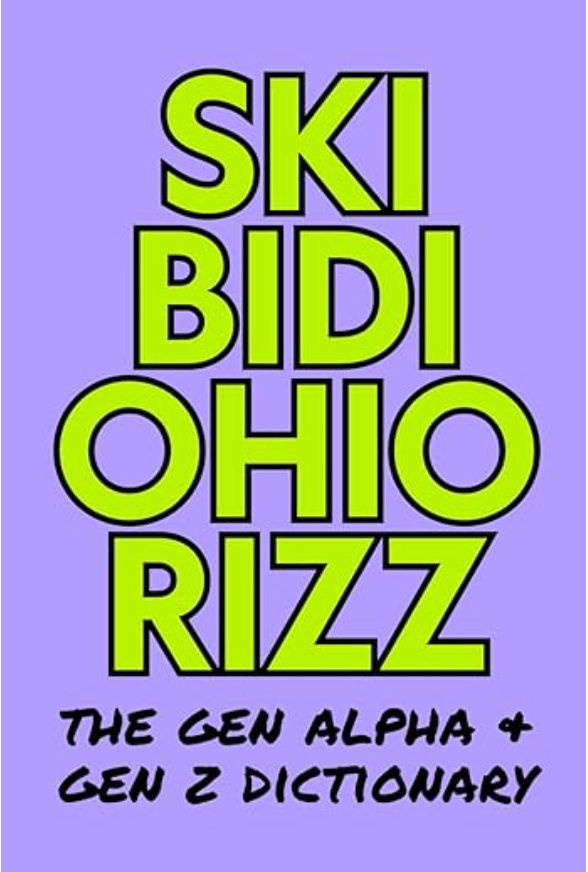
I’m T.M. Daliggr, a playful explorer of language and culture. Writing has always been my way to connect worlds—whether it’s through stories, humor, or breaking down generational slang. I got into writing because I love capturing the quirky and often hilarious ways people communicate, especially across different age groups.
Advertisements
2) What inspired you to write your book?
Skibidi Ohio Rizz was inspired by the hilarious, baffling, and sometimes downright confusing slang I overheard between kids, teens, and adults trying to keep up with the newest lingo. I wanted to create a fun, approachable guide to help parents, teachers, and anyone curious decode Gen Z and Gen Alpha slang without feeling totally lost.
3) What theme or message do you hope readers will take away from your book?
I hope readers walk away with a smile and a better understanding—that language is always evolving and staying curious and open-minded is the best way to connect across generations. Plus, it’s okay to laugh at yourself a little while learning something new!
4) What drew you into this particular genre?
I love humor and education wrapped into one. The idea of turning something as dynamic and playful as slang into an entertaining guidebook was irresistible. It’s a genre where I can bring levity to communication and help people bond through shared understanding.
5) What social media site has been the most helpful in developing your readership?
Amazon has been great! Its vast, engaged reader community perfectly matches the vibe of Skibidi Ohio Rizz. Reviews and recommendations help bring the book’s spirit to life and reach curious readers. I’m also working on building a presence on TikTok to connect with even more fans through fun, creative videos.
6) What advice would you give to aspiring or just starting authors out there?
Write what excites you—authenticity shines through. Don’t be afraid to experiment and blend genres. And most importantly, engage with your community; readers want to connect with the real you. Patience and persistence go a long way!
Advertisements
7) What does the future hold in store for you? Any new books/projects on the horizon?
I’m cooking up more playful language guides and maybe diving into some creative fiction inspired by the same vibe. I have two middle-grade chapter books on the horizon that I hope to publish soon. There’s always new slang, memes, and cultural moments to capture, so expect more fun, fresh projects coming your way!
1) Tell us a little bit about yourself. How did you get into writing?
I’ve always been an avid reader, so writing was a natural next step. I’ve loved words and puzzles since I was a kid, as well as reading mysteries. When I came across a contest using an old Murder Mystery Party game, I thought I’d give it a try. I won the contest and my first novella, Murder on Manitou, was published. Opening a fresh box of books is totally addicting and I’ve opened many since!
Advertisements
2) What inspired you to write your book?
Diamond on the Rocks is book 2 in my AJ Cadell Mystery series. The series was inspired by weekend summers spent at Lake Huron and the thought of a big house on the rocky shoreline, which is where I’d intended the series to take place. Flash forward a few years, and I now live in Alberta rather than Ontario. I had changed the locations to pitch to a publisher, then decided I’d keep the story in Canada. Alison (AJ) Cadell is a budding romance writer who starts off living in Toronto, then moves to the fictional town of Cedar Grove on Vancouver Island when someone makes her an offer to become a Writer in Residence. In book 1, she discovers her long lost family and solves the murders of her grandparents.
In book 2, she’s helping with an annual local event when the caterer disappears.
Book 3 will come out in 2026. Alison’s mother—who kidnapped she and her sister as children—makes a surprise visit and chaos ensues. This will be the final book in the series.
3) What theme or message do you hope readers will take away from your book?
Over the series, Alison learns the importance of family as well as not believing what everyone tells you to be true. She needs to face her own demons generated by childhood trauma in order to move forward with her new life on Vancouver Island.
When her sister and best friend join her, they become more tightly bonded as friends and begin working together to help build each other’s dreams.
4) What drew you into this particular genre?
I have always loved a good puzzle, a good mystery, and have become pretty good at guessing whodunnit while watching movies and so on. I chose to write cozies, which are light and clean without the blood and gore, so they can entertain on a more humorous level, as well as intrigue.
5) If you could sit down with any character in your book, what would you ask them and why?
I would sit down with the caterer, Blair Diamond, who I found the most interesting since her life leads Alison on a bit of a wild goose chase. She just seemed to be a larger-than-life character who died before Alison could get to know her.
6) What social media site has been the most helpful in developing your readership?
I’m a big fan of a Facebook page called Cozy Mystery Village, as well as a small publisher called Aconite Café, which is where I got my start writing Dash Allman detective stories. With every new book, I seem to find new readers on both of those.
7) What advice would you give to aspiring or just starting authors out there?
Don’t expect big things right from the start. It takes time to hone your craft and find your voice. Make friends with other writers and develop a thick skin. We all love to help other authors, but there will be times people give feedback or advice that you’d rather not hear.
8) What does the future hold in store for you? Any new books/projects on the horizon?
Once Diamond on the Rocks comes out in September, I’m taking a brief, much needed vacation! Then I’ll be working on a new romance novel or two.
I will work on Book 3 for AJ Cadell Mysteries over the winter as well as editing Book 3 in my Glitter Bay Mystery series called All That Shimmers. I hope readers will watch for those!
Advertisements
About the Author
Diane Bator is a mom of three, a book coach, and the author of over a dozen mystery novels and many works-in-progress. She has also hosted the Escape With a Writer blog to promote fellow authors and is a member of Sisters in Crime Toronto, the Writers Union of Canada, and a board member of Crime Writers of Canada. When she’s not writing and coaching authors, she works for a professional theatre. No surprise she’s written her first play, which may lead to more.
Tell us a little bit about yourself. How did you get into writing?
We came from very different backgrounds and crossed paths in a writers group near Pensacola, Florida.
Pat: I started out in the New York theater world both as an actress and director. Later, in New England, I ran summer stock and a murder-mystery dinner theater, writing and producing original scripts. But at some point, I found myself more curious about the people behind the characters, the emotions they carried, and what made them tick.
That curiosity steered me toward a career in clinical psychology. Whether in a therapy room or a theater, I’ve always been drawn to the emotional core of people’s stories, their struggles, their turning points, and the strength it takes to grow and heal. That same thread runs through my writing. I’m fascinated by resilience and transformation—those moments when something shifts, when someone finds light in the dark. That’s what guided All the Broken Angels, the novel I co-authored with Steve Hardiman. It’s about characters shaped by the weight of the past and the choices they make to move forward, with resilience, hope, and a fierce sense of survival.
Steve: I discovered my love for writing while drafting research papers in grad school. Those were non-fiction, and I imagined my first book being the same. But the passion required to do a topic justice wasn’t there. Later in life, I moved back near Pensacola, Florida, to take care of my aging parents. In need of a distraction and some social interaction, I joined the Panhandle Writers Group and discovered my love for the creative opportunities in fiction—but still had not found an idea that excited me.
On a whim, I decided to write an extended review for a fellow group-member’s memoir. The theme of addiction drove the narrative for a large chunk of that book. As a clinical psychologist, Pat appreciated how I captured the insidious nature this disease played in the author’s self-deception and unraveling of his life. She figured that if I, a non-addict “normie,” could tease out the essence of how addiction tricks the mind into doing the brain’s bidding, maybe I could help her write a synopsis of the novel she was working on. We found our writing styles highly compatible. Our orbits grew tighter and before you know it, we joined forces —and didn’t finish that synopsis until we’d written the whole damned book!
Advertisements
2) What inspired you to write your novel?
Pat: All the Broken Angels is a deeply personal story. It’s semi-autobiographical in many ways. Cate’s journey echoes aspects of my own, and the characters were inspired by people in my life, including my family and the neighborhood where I grew up. The story is steeped in the emotional landscape of my community, all of which made me who I am today. In addition, as a psychologist, my work with Vietnam veterans profoundly influenced this story. I appreciate their willingness to open up to me and share their experiences.
Co-authoring the book with Steve Hardiman added depth and dimension to the process. He inspired the creation of a supporting character in the story. His poetic style and thoughtful research further enriched the world we built together, helping us bring authenticity and nuance to the characters and setting. We wanted to craft a story that feels lived-in—one that honors the past, speaks to the present, puts the reader in the moment, and sticks with them long after the final page.
Steve: Shucks, Pat. Thanks. I certainly aimed for all of those things, and you and your unfinished novel came along at just the right time. Not only had my mother passed between when Pat and I met and later decided to collaborate, but my wife Angela and I had closed a business that was losing money, which had spillover effects of it’s own. This perfect storm left me on the verge of a breakdown. I desperately needed something to soothe my weary spirit. Very early in our partnership, I vividly remember venting to Pat about my personal situation. Somewhere in the middle of commiserating, I muttered, “I just want to create something beautiful.” I’m quite proud of the result and that we were honored with several awards for our efforts. The catharsis of writing it also helped my wife and I get through a difficult time.
Circumstances aside, that “create something beautiful” sentiment drives me like no other passion. Exquisite beauty goes all the way down: you find it in our novel as a whole, the three parts, sixty-one chapters, all the scenes, many a poignant paragraph, and even in the tiniest of details of word choice and turns of phrase. My love for crafting prose through character development, dialog, action sequences, and teasing out pathos and humor wherever they are hiding became my healing. Because our styles were sympatico, Pat and I had fewer creative differences than I’d expected. And the struggles we did have made the story stronger and helped us find our voice that fused the best of our individual strengths.
3) What theme or message do you hope readers will take away from your book?
Pat: At its core, All the Broken Angels is about quiet resilience, the kind that builds slowly through struggle, forgiveness, connection, and self-discovery. It’s a story of transformation, not in sweeping gestures, but in the small choices we make to move forward. We wanted to offer a sense of hope, even when characters are navigating uncertainty and loss.
Because the story unfolds through Cate’s voice, a young woman caught between past wounds and present challenges, it resonates deeply with younger readers. Her emotional journey reflects the universal themes of seeking belonging, finding identity, and learning to trust both oneself and others.
As a psychologist who has worked with Vietnam veterans, I also felt it was important to honor those stories and recognize the sacrifices made by their families. While the book acknowledges trauma, it doesn’t dwell there. Instead, it explores how people carry their history with grace, grit, and sometimes humor.
Ultimately, I hope readers of all ages walk away feeling that healing is possible, connection matters, and that understanding the past can empower us to shape a stronger, more compassionate future.
Steve: Wow, Pat, you’re a tough act to follow on this question. Because the novel is semiautobiographical, and about half of the first draft was penned when I arrived on the scene, it became my job to honor the emerging themes, then work with Pat to rewrite and shape the story into something even better than either of us had originally conceived for. I believe I speak for both of us that the final version exceeded our expectations. We’re humbled every time another glowing review is posted by a reader. Often, their words mention the very themes we baked into the story. The lesson for me is if a story is strong, its themes shine through more brightly.
4) What drew you into this particular genre?
All the Broken Angels fits comfortably within both women’s fiction and historical fiction, and we’ve been fortunate to receive awards in both categories.
In women’s fiction, there’s a powerful form often referred to as psychological or emotional arc-driven storytelling. Here, the focus isn’t on external plot twists but rather on a woman’s internal journey. It explores how a character grows emotionally, mentally, and relationally over time. That transformation might be sparked by grief, a major life shift, or a moment of reckoning. But at its core, the story is about personal evolution and forging ahead.
Pat: This framework perfectly fits our protagonist Cate. She’s partly me and partly her own person. The book is rooted in the 1960s and ’70s, a turbulent time marked by the Vietnam War, the rise of the women’s movement, civil rights, peace marches, and gay liberation. Since I grew up during that era, and I saw how deeply divided our country was. Many of the rights we fought for then are still being contested today, so there’s a sense of déjà vu that makes the history come alive on the page in surprisingly familiar ways.
Steve: I grew up in that era as well, which turned out to be a big bonus. I brought my own experiences to further flesh out the tableau we were creating for the novel. I knew the music, the culture, what life was like for a kid, and many everyday details that bring the past within the reader’s grasp.
We set a very high bar for ourselves: A time traveler from sixty years ago could read All the Broken Angels and have no idea it hadn’t been written back then; nothing would seem off. A lot of meticulous research went into the history and how people spoke. One of my pet peeves is period prose that uses modern lingo. So we took the “historical” genre quite literally. This meant occasionally trading a slightly more clever way of saying something for era-appropriate language, and even determining the actual weather for a specific date. Crafting a novel that is truly authentic in those respects was a self-imposed challenge that became a deep source of satisfaction for me.
Both of us: As historical fiction authors, our mission is to keep history alive. There’s a real risk that the stories and the hard-earned wisdom of a generation will fade. We want readers of all generations to feel the heartbeat of this history. When we forget where we’ve been, we lose part of ourselves. None of us simply appeared, we arrived through our complicated connection to the past. Through Cate’s journey, shaped by both her family and the time she lived in, we’re offering not just a glimpse of a tumultuous era, but a trip back in time toward an emotional truth that still resonates today.
5) If you could sit down with any character in your book, what would you ask them and why?
Pat: I’d sit down with Cate, not the girl from the beginning, but the woman she became by the end of the book, after everything she’d been through. I’d ask: “You carried anger and mistrust for years, especially toward someone you saw as an enemy. Yet when it mattered most, you chose forgiveness and opened yourself to a painful truth. What shifted inside you? What made you let go and trust someone you never thought you could?”
Steve: While I found our protagonist endlessly intriguing, I’ll pick another who grows into one of the most complex characters: Walter, “the freckle-faced, tow-haired bully from school.” I was bullied as a kid and always avoided those memories. But Walter could offer me some insights from the other side of that power dynamic. So I’d take seat with the older Walter and ask him about his experience of that time in life and his long struggle away from those behaviors. Did he feel that he paid a price for his actions? How did leaving behind that part of himself inform who he became?
I would also thank him. In writing Walter’s character, I discovered how fascinating a bully can be. There’s another world hiding behind all that belligerence, and bullying was his suit of armor. His arc and how it intertwines with Cate’s is one of the most fascinating in the story. And Walter could easily take the lead role in another novel.
6) What social media site has been the most helpful in developing your readership?
The best sites that have worked for me are Instagram, Facebook, and LinkedIn. And, of course, my website.
7) What advice would you give to aspiring or just starting authors out there?
Pat: Surround yourself with a creative community. Writing can feel like a solitary endeavor, just you and the blank page—but it doesn’t have to be. Seek out local writing groups or join a critique circle to get a feel for sharing your work and connecting with other writers.
Beyond that, take classes or attend workshops, in person or online. You’ll meet fellow creatives who understand the ups and downs of the process and will cheer you on even when the words arent’ flowing. I truly can’t imagine my writing life without my trusted circle. They’ve been my sounding board, support system, and inspiration every step of the way.
Steve: Pat’s spot-on about educating yourself and joining a creative community, especially other writers. Naturally, reading stimulates my creativity, as well. But I also find inspiration in other artforms, especially films and television. Body language, lighting, subtleties in dialog; many of these can be adapted for use in fiction writing if you can find a simple way to describe them. For example, I rewatched Toy Story while working on the novel and found inspiration to “punch-up” a few details in chapter one, which helped bring the scene to life even more.
The most specific advice I can offer is about what I learned about writing humor. All the Broken Angels isn’t a humor novel, per se, but there are many funny moments that make the prose more engaging and the characters more endearing.
As I fumbled my way along the humor learning curve, I discovered that a brute-force approach to “just be funnier,” is the hard way, and it blocked my thinking. When I learned to see humor less as a skill and more of a lens through which to view the world, the funny began to flow. I remember helping another novelist “punch-up” his crime thriller that already had some humor as part of the mix. In a pivotal scene, the protagonist, a detective, thinks she has cornered a serial killer in the basement of a house. Gun drawn and heart pounding at the top of the stairs, she flips on the light switch, only to see a brief flash below followed by a soft pop as the sole downstairs bulb burns out. Staring into the inky blackness while contemplating her next move, she mutters a curse and muses that “of all the homicidal maniacs, lucky me gets the loser who never switched to LEDs.” Momentarily normalizing the killer’s horrific hobby in order to shame their wasteful energy choices is a perspective shift as simple as it is absurd. And the brief pause when the protagonist stops to reassess provided the perfect opening to inject a single line of dark humor. Once the protagonist makes her move, the action resumes and comedy is set aside. Humor must meet the moment and the character; no gratuitous laughs allowed.
Finally, I have to thank Pat. Because she was a playwright, the scenes and chapters she had already drafted when I came aboard were well constructed with a strong beginning, middle, and end. We adopted this approach for the rest of the book, and it even spilled into the construction of key paragraphs. She was a source of inspiration I took for granted. As we leaned into these techniques together, they added power to our writing.
8) What does the future hold in store for you? Any new books/projects on the horizon?
Pat: As a playwright, imagine everything I write eventually being in a theater in front of an audience. Readers often say how the writing style of the novel puts them “in the room” with the characters. So, Steve and I are exploring ways to take All the Broken Angels from page to stage, possibly as a full-length play or a series of one-acts. As Steve mentioned in his answer to the previous question, the scenes and chapters, as written, lend themselves to theatrical interpretation, and we’d love the challenge of translating narrative into performance.
I’m working on a new novel set in New York City between the mid-1970s and early 1980s. It follows a woman trying to make it as an actress while teaching theater to inner-city youth. As the women’s movement gains momentum, she’s searching for her voice, just like those around her: Vietnam veterans seeking respect and recognition, young people navigating identity, and the LGBTQ+ community finding visibility while the AIDS crisis begins.
Though All the Broken Angels was semiautobiographical, this new story draws even more closely from my life in New York’s theater world. It blends women’s and historical fiction, exploring belonging, resilience, and how the arts can inspire transformation in uncertain times.
Steve: I still love writing and will explore a stage adaptation of All the Broken Angels with Pat. I’m also focusing on photography and plan to create some instructional or explanatory videos about writing, photography, and music. A couple of projects are just beginning to take shape. After recently moving to Arizona, I’ve been helping my wife Angela get her home-school curricula company off the ground. I’m also spending more time with my fifteen-year-old grandson Landon and recently took him to his first concert: Alice Cooper—he’s still rockin’! Landon has no idea how often “first concerts” will come up in conversation over a lifetime. As his grandpa, I’m over the moon that he’ll always have a great story to tell. 🤘
Advertisements
About the Authors
Pat Black-Gould
Pat Black-Gould is an award-winning author, speaker, and clinical psychologist. Her novel All the Broken Angels, co-written with Steve Hardiman, is a family saga set during the Vietnam War era. As a psychologist, Pat specialized in working with Vietnam Veterans, and the novel pays tribute to those who served and their families. Her children’s book The Crystal Beads, Lalka’s Journey, tells the story of a hidden child of the Holocaust.
Pat’s short stories have appeared in literary anthologies and online journals. Pat’s writing explores themes of compassion, inclusion, and diversity, and she conducts presentations nationally on these topics. WSRE PBS TV featured her on the program Conversations with Jeff Weeks. As a speaker, Pat also conducts workshops on marketing and the craft of writing. In the theater world, Pat was a theater director and producer of a New England summer stock company and a murder mystery dinner theater.
1) Tell us a little bit about yourself. How did you get into writing?
I’m probably like a lot of folks who love to read — I always loved words. I actually got my first paying writing job by accident. I wrote a series of articles for a small local newspaper about a fabulous 1920s hotel that used to be frequented by the movie stars from LA. The hotel was long-gone, but a local couple who used to work there was still around. So I interviewed them, wrote stories about their recollections of the hotel, and included their own love story (they’d met there and married, using a paper “ring” because they had no money!) I never expected to be paid for those stories; I just wrote them for fun. Several weeks later, the editor handed me a check and said the stories had gotten more comments than he’d ever had before — people loved the stories! So he felt I should be paid. It wasn’t much, but that was an eye-opener for me that I could tell stories people were eager to read!
Advertisements
2) What inspired you to write your book?
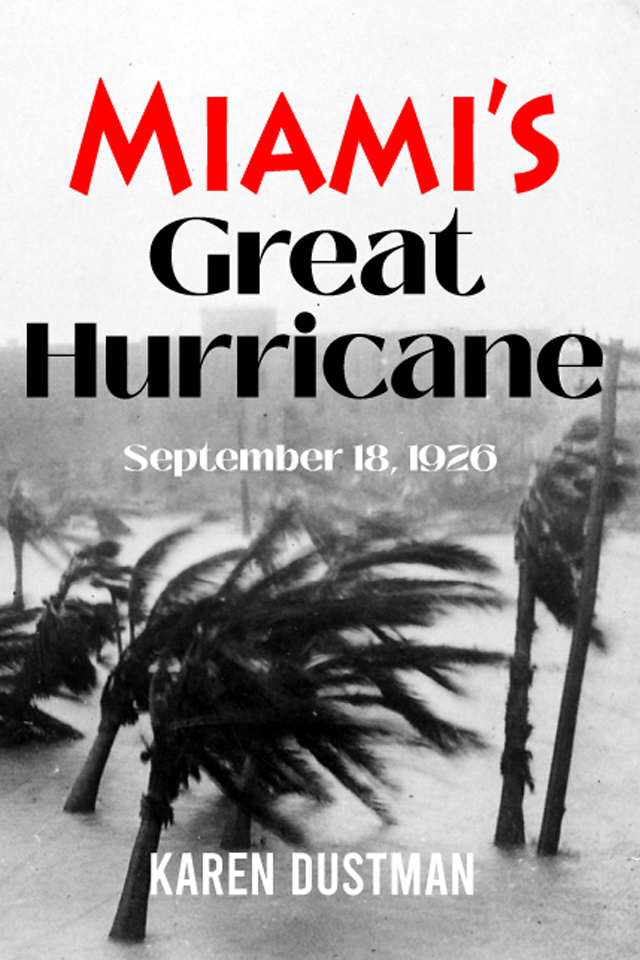
I’ve wanted to write about Miami’s “Great Hurricane” for over 20 years. My dad lived through that terrifying storm when he was just ten years old. Other family members, too, would occasionally bring up the story. Sometime in the ’90s I began collecting original photographs, postcards, and other memorabilia from the storm. The era of personal photography had just begun to shine in the 1920s, so immediately after the hurricane swept through, hundreds or even thousands of people grabbed their little Brownie camera and went outside to snap pictures. Thousands of those photographs have survived, and they’re a fascinating first-hand look at the devastation from that storm. Commercial photographers, too, documented the storm. And wire news services sent photographers to Miami to document the rebuilding and relief efforts. I’ve collected hundreds of those photos, and always felt like “some day” they would become a book. And finally, last year, it just felt like it was time. The timing is really fortuitous, in a way. The “Great Hurricane” struck in September, 1926. Just one year from now, it’ll be exactly a century in the rearview mirror. Folks like my dad who actually lived through it are gone. It’s important that their stories will continue on.
3) What theme or message do you hope readers will take away from your book?
The thing that struck me the most, writing this book, was the way people pulled together in 1926 to meet the challenges of a completely unexpected disaster. There was no FEMA back then. But people across the country came together to rush relief to where it was needed. Trains were assembled with medical personnel, surgical supplies, nurses and medicines. The Red Cross organized food distribution and other relief, and set up vaccination stations against typhoid and yellow fever. People reached out to neighbors whose homes had been destroyed and offered their own houses for weeks at a time. Carpenters and tradesmen turned down paying restoration work, and instead helped repair houses in their own neighborhoods for no pay at all. Miami, too, managed to rally despite its terrible setbacks. . . the 1926 storm, and then the Great Depression that followed. If there’s a message in this book, it’s that even in the worst of times, the best of human nature often comes out. And even in disaster, there’s hope.
4) What drew you into this particular genre?
I’ve long been drawn to writing non-fiction history — this is probably my 30-something-est book in the genre. What’s most fascinating to me are always the people-stories. I’d always thought history was boring in high school. But when you dig into the personal sagas and struggles, that’s when history comes to life. A king who reigned from X date to Y date? Boring. A queen who was married off by her family before she was 16, to a husband who kicked her to the curb for failing to produce a male heir, then went on to marry a second king (who cheated on her). . . now, there’s a story! There’s similar real-life drama in my Hurricane book, including the first-person account of a man standing on a table as the water in his home keeps rising, eventually having to hang onto the chandelier. . . spoiler alert, he did survive!
5) What social media site has been the most helpful in developing your readership?
Facebook and my own author newsletter have both been incredibly helpful in keeping me connected with readers. And those readers and their feedback are what keep me writing.
6) What advice would you give to aspiring or just starting authors out there?
My best advice to beginning writers is to just write. Pick a topic or a storyline that interests you, and go for it! And most of all, don’t let anyone’s critique or “helpful” words discourage you. Ignore all that. Just keep writing.
About the Author
Advertisements
Author Bio – Karen Dustman
(fiction pen name: Abby Rice):
Karen Dustman is the author of over 25 books ranging from non-fiction history to captivatig Southern mysteries. With multiple careers as a former criminal prosecutor, full-time freelance writer, and hands-on homebuilder, Karen swears by the joy of not always taking the straight-and-narrow path.
1) Tell us a little bit about yourself. How did you get into writing?
I began writing and creating art in a more focused way in 2020. Before that, I lived what many would call a “normal life.” I built companies—mostly within the advertising industry—and worked as a creative director at several major U.S. firms. Eventually, I built my own company in Denmark, which grew to around 50 employees and earned 77 international advertising awards. Nice houses, nice kids—it all looked good from the outside, but looking back, it felt a bit trivial.
Then COVID hit. I still remember watching the first Danish press conference in March 2020. It felt disturbingly staged—something was off. As the lockdowns began and fear took over, I noticed how quickly people chose compliance over questioning. I felt I had to respond, and art became my outlet.
2) What inspired you to write your book?
My creative response began with Wilderness State, a poetry and illustration book I made during the first lockdown. It was a raw and honest reaction to what I was seeing in the world around me. The main poem, “Rather Free Than Loved,” became more relevant over time than I ever could’ve imagined. I’ve attached it here with this interview—it captures the emotional and psychological shift I experienced better than anything else.
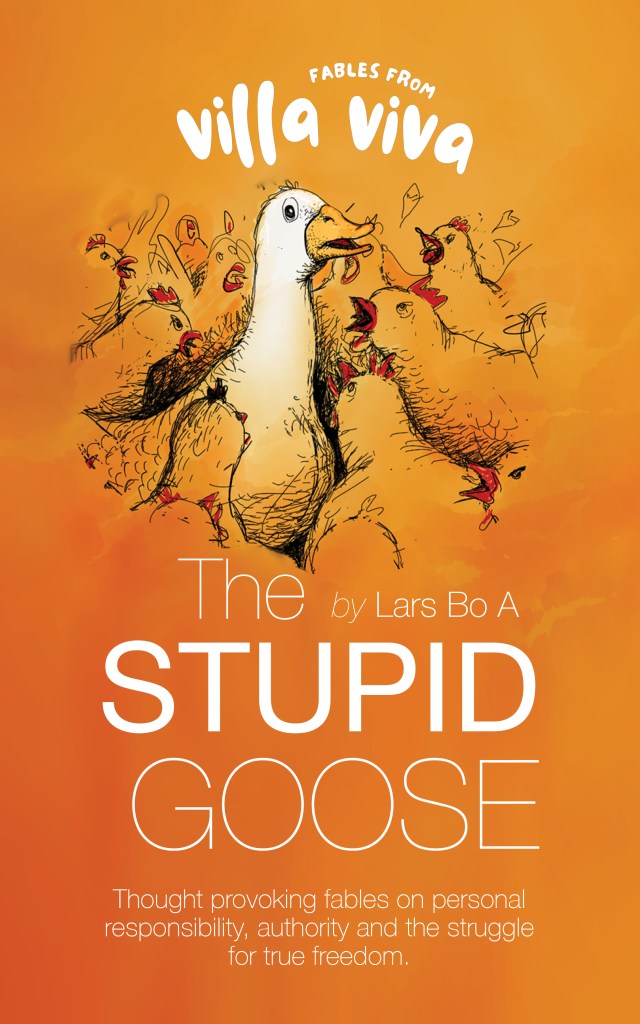
But by 2022, I realized we still couldn’t talk openly about what had happened. The atmosphere was too divided, too reactive. That’s when Stupid Goose was born—along with the entire Villa Viva universe. I needed a new, symbolic way to explore what we had all gone through. Through simple, animal-like characters, I could look at our behavior from the outside. Stupid Goose became my way of continuing the conversation—without ever needing to say “COVID.”
3) What theme or message do you hope readers will take away from your book?
The core theme is about reclaiming independent thought and resisting groupthink. Villa Viva was my way of processing this—through symbolic, layered storytelling that holds up a mirror without being preachy. The world I created invites people to reflect—with humor, honesty, and hopefully a bit of courage.
4) What drew you into this particular genre?
I chose a naive and simplistic storytelling style because what I was trying to say was deeply complex. That simplicity became a strength—it let the deeper truths rise to the surface. Once the characters came to life, I fell in love with them. They started driving the story, and I followed.
Advertisements
5) If you could sit down with any character in your book, what would you ask them and why?
I’d sit down with the Lazy Dog. He’s not the most likable, but he’s definitely the most complex. I’d ask why he stays in Villa Viva. What does he really think would be best for that little society? I’m not sure he’d answer. Maybe he doesn’t care. But that says something too.
6) What social media site has been the most helpful in developing your readership?
Instagram has been useful, especially for sharing the visual side of my work. But most of the real traction has come from word of mouth and real conversations. I try to connect directly with people who resonate with the message, rather than just chasing numbers.
7) What advice would you give to aspiring or just starting authors out there?
Speak your truth—whatever it is. Don’t water it down to make it more acceptable. We live in a time that’s desperate for honesty. If something feels wrong to you, say it. Don’t get swallowed by comfort or groupthink. Art still has the power to break through. Use it.
Advertisements
8) What does the future hold in store for you? Any new books/projects on the horizon?
Yes—depending on how Stupid Goose is received, I already have two more Villa Viva books on the way. That world is still growing. I feel like it’s just getting started.