Interview with Author Tim Stobierski

1) Tell us a little bit about yourself. How did you get into writing?

• I honestly don’t know why, but I’ve always wanted to be a writer. I have distinct memories of myself as a child, maybe five or six, writing stories and poems. I’d carry a notebook around with me everywhere.

• But what’s funny is that I was never much of a reader as a child! I had my favorites. I devoured Harry Potter and other books. But I don’t think that my drive to be a writer came from a love of reading.

• In college, I majored in English with a concentration in creative writing. As a part of my studies, I took workshops each semester, and that’s where I finally began to come into my own as a writer — developing my own voice and style instead of just mimicking other writers. I credit my professors at the time — Sharon Bryan, Darcie Dennigan, Penelope Pelizzon, Gina Barreca — with helping me find my voice. 

2) What inspired you to write your book?
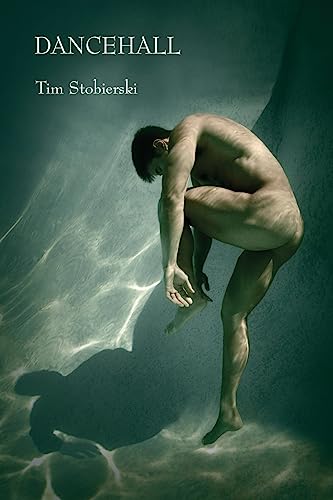
• To be quite honest, when I sit down to write poetry, it isn’t with a book or some greater collection in mind. All I’m doing is writing a poem. So I can’t really say that anything inspired me to write the book, because in my mind there never was a book — until there was.

• That being said, with a few exceptions, I wrote these poems during the pandemic. The early days of the pandemic were very lonely for me. I was single during the lockdown, and found myself longing for human connection at a time when it was impossible to have. Those feelings of love and longing and loss really permeate the poems that eventually made it into the collection. In that way, writing Dancehall was a way for me to make sense of the world.

3) What theme or message do you hope readers will take away from your book?

• More than anything, I want readers to connect with the poems and come away with a sense that love is universal.

• The poems in Dancehall follow the narrative arc of a single relationship from start to finish. I call the book a queer love story, because I myself am queer and I see the book as coming from that perspective. But I also made very conscious stylistic decisions so that the poems would appeal to everyone — gay or straight, single or partnered, male or female or non-binary. 

• You may notice, for example, that except for in two instances the poems don’t make use of pronouns. Instead, the speaker (“I”) is talking directly to the subject (“You”). I did this so that it would be easier for the reader to put themselves in the poem — either as the speaker or the subject — and feel the immediacy of the work. 

• If I, a queer man writing about queer relationships, can write a poem that allows a straight person to feel something about their own relationships, then I think I’ve succeeded in my mission. It’s kind of cliche at this point to say it, but love is love. 

4) What drew you into this particular genre?

• I think I was drawn to poetry because I myself read poems that triggered an intense emotional response in me, which made me realize that poetry could be powerful. Some of the most powerful poems I’ve ever read were short poems — under 10 words — and yet they had the power to conjure memories and emotions in what is really an awe-inspiring way. Once I experienced that, I knew that I wanted to learn how to do that myself. I wanted to make people feel something, and I personally haven’t found a better way of doing that than through poetry.

5) What social media site has been the most helpful in developing your readership?

• I have to admit, I’m terrible with social media. I use it mostly for personal reasons — staying in touch with friends, etc. But I’m starting to get a handle on it as a means of building my reader network! I’ve just begun sharing videos and pictures of my work on Instagram (timstobierski) and TikTok (tendre_croppes) and they’re definitely both powerful tools. I think TikTok has the most potential to get your work in front of millions of people quickly, but it’s also tricky to know what’s going to go viral or do well and what’s going to be a flop. I guess I’m still learning. 

6) What advice would you give to aspiring or just starting authors out there?

• I think the most important bit of advice I have is to not let rejections get to you. If you submit a poem or a story or an entire book to a press and get a rejection, do your best not to take it personally. Brush yourself off, think critically about whether or not there’s a way you can make your submission stronger, and find a new press to submit to. Just because your work isn’t for someone doesn’t mean that it’s for no one.

• When I first pulled together the manuscript for Dancehall, it was very different from what the book now looks like. I was submitting it to contests and presses that wanted books of poetry consisting of 30 poems max, so that’s how I arranged the book. It wasn’t until I got my fourth or fifth rejection that I looked at the collection and thought, “Well, they keep turning me down when I send them what they say they want. I’m going to submit what I want.” I doubled the poems, reorganized the book, and gave the collection a narrative arc that didn’t exist before. And when I sent it out the next time? The book was accepted by not one, but two presses.

• The moral of it all: Rejections are a part of being a writer. So do your best to build up a thick skin.

7) What does the future hold in store for you? Any new books/projects on the horizon?

• The way I write poetry is slow. It takes time. I don’t set out to write a collection — they amass over time as I write a poem here or there and realize that a theme has emerged. 

• Recently, I’ve been writing a lot about grief, tied specifically to my father’s death. I think that those poems will eventually form the body of a collection. Likewise, I’ve been writing more explicitly about my experiences coming to terms with my sexuality, and I think that will eventually form a collection

About the Author

Tim Stobierski writes about relationships. His work explores universal themes of love, lust, longing, and loss — presented through the lens of his own experiences as a queer man. His poetry has been published in a number of journals, including the Connecticut River Review, Midwest Quarterly, and Grey Sparrow. His first book of poetry, Chronicles of a Bee Whisperer, was published by River Otter Press in 2012. 

To pay the bills, he is a freelance writer and content strategist focused on the world of finance, investing, fintech, insurance, and software. In his professional writing, he prides himself on his ability to help the reader understand complicated subjects easily, a quality that informs his poetry. 

He is also the founder and editor of Student Debt Warriors, a free resource for college students, graduates, and parents who are struggling to make sense of the complex world of student loans.

Interview with Author Dean Alexandrou 

1) Tell us a little bit about yourself. How did you get into writing?

I first became interested in language as an art form in school, after being prompted to read the book Gormenghast by a temporary English teacher who was covering for our main teacher. (Sadly I cannot even remember his name to thank him!) Gormenghast, by Mervyn Peake, uses words like daubs of paint, to create imagery that is more than just the rendering of a scene or story. After reading it I had a new appreciation for words and the way they could be used to add character to something as simple as walking along a corridor. Conversely, at the opposing end of the artistic spectrum I have also always been in awe of particle physicist Richard Feynman. His ability to explain extremely difficult principles of physics to a casual reader through perfectly selected, but simple words, phrases, and analogies, is another use of language that I love to emulate.

My personal journey into writing did not start until years after leaving school, and has really only just begun. Through my exposure to the entertainment industry I have gradually found myself as the writer of several short screenplays and scripts, increasing in length, until taking on a novel was the next logical step. The rules and restrictions of writing in screenplay format have always felt extremely limiting in expressing complex ideas that do not take place through dialogue. And, since most of the concepts I am interested in exist within a kind of internal, cerebral space, writing a novel was the only way I could explore them freely.

I have spent most of my adult life freelancing between different disciplines, some in the world of entertainment – film making, working at media agencies, occasionally on-screen – and some working in tech – coding, consulting, R&D at software companies. There are so many weird and wonderful things that I have encountered that I would love to spend the time writing about, either as elements of a story, or in isolation in their own right. Hopefully I will get the time. There is so much I would like to share.

Advertisements

2) What inspired you to write your book?

Initially, SYMUTAL was an idea for a film – or rather the seeds of an idea. With the onset of Covid lockdowns in 2020 there seemed a perfect opportunity to flesh this idea out in much greater detail than I had ever intended. I dived headlong into writing it as a novel, then fully rewriting it… then fully rewriting the full rewrite… and again, over several iterations during the next few years. In addition to the story elements of the book, there are many ideas of computing and science that I felt have never been articulated particularly well outside of reference manuals or non-fiction. I wanted the reader to be exposed to some of the beauty that I feel is inherent in a scientific view of the world. Algorithms are beautiful, and they are everywhere.

3) What theme or message do you hope readers will take away from your book?

Firstly and foremost, I want the reader to have fun through the characters and their journeys. But beyond that I guess I would like people to understand the world around them as something that is in constant flux, composed of a continual conflict of ideas – every object being the expression of an underlying principle of science.

4) What drew you into this particular genre?

I don’t really see myself as having chosen a genre to write in, per-se – I don’t think I could write in any other genre. It just feels like I am expressing my inner self through characters and story.

5) If you could sit down with any character in your book, what would you ask them and why?

I would sit down with the meta-character The Hoshoku-Sha Corporation, and ask them to what end their progress was intended.

6) What social media site has been the most helpful in developing your readership?

I have no idea to be honest. I think that contacting real readers, such as yourself, and reaching out to them is likely to be more fruitful than any number of broader social media approaches. I am still gathering data.

7) What advice would you give to aspiring or just starting authors out there?

Since writing SYMUTAL, a few other people have asked me what my process was – people similar to myself who feel they have an idea to express but are not trained in writing, or are not experienced in writing long form content. I would say this:

Once you decide to write something, do it. Pin a sheet of paper to your wall and every night at midnight write down the number of words you have written that day. Never lie. Never cheat. Write the number. Your word count. Pin it somewhere so that you can always see it. If you don’t feel like writing that day, do it anyway. If the words feel like they are not coming out creatively that day, or you don’t have your “muse” with you, write anyway. Write something. Move the story forwards. Do it until you reach the end. No matter what. Every day. Until it’s done. Even if it is only one paragraph that day. Do it.

The reason I think people should adopt such a cold-mannered, relentless, Terminator-like approach, is that once they have finished the story they will want to rewrite it *anyway*. Guaranteed. No matter how good the first draft is, they will want to improve it. Nobody will be happy with their first draft…. Therefore, do not spend 12 months procrastinating on writing a single sentence because you want it to be perfect. It won’t be perfect the first time. So just write it, regardless of mood. Refine it on the next pass.

It is much easier to refine something that already exists (your first draft) into something you are happy with (your second, third, draft), than to create it perfectly all in one go. So you will save more time writing two drafts, fast, than you will by waiting for your first draft to come out perfectly.

8) What does the future hold in store for you? Any new books/projects on the horizon?

I am gradually making the book SYMUTAL into an independent movie. I am trying to honour the integrity of the book’s key principles, and shoot as much as possible in the style of the writing, rather than condense it down to a traditional script.

Once I have completed that I will start writing my next book. I find it difficult to overlap creative ideas and give each one my full attention.

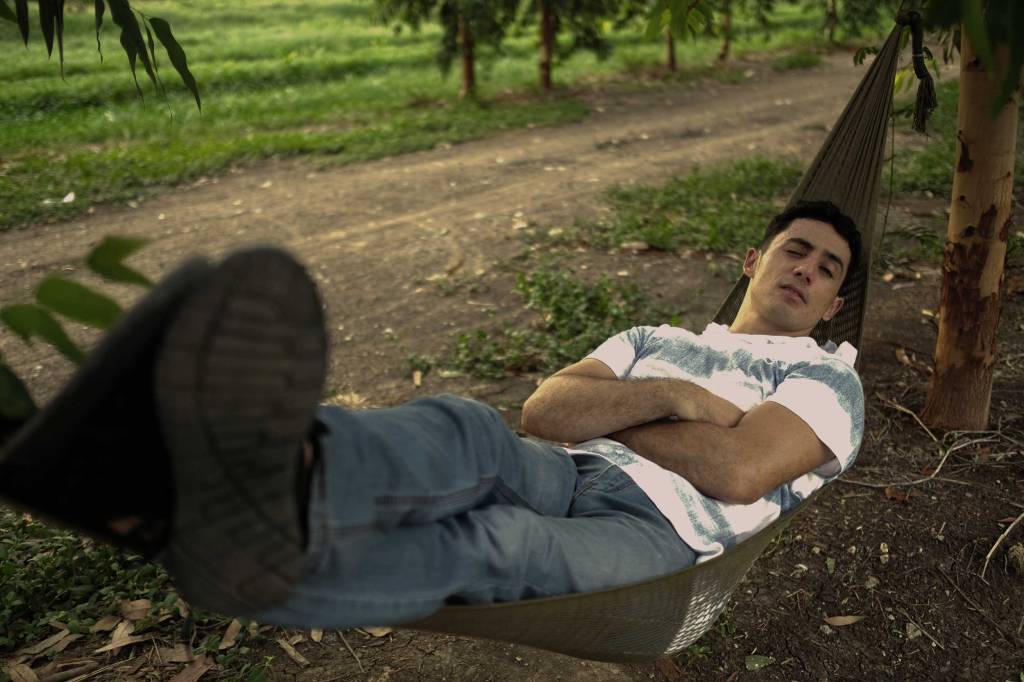
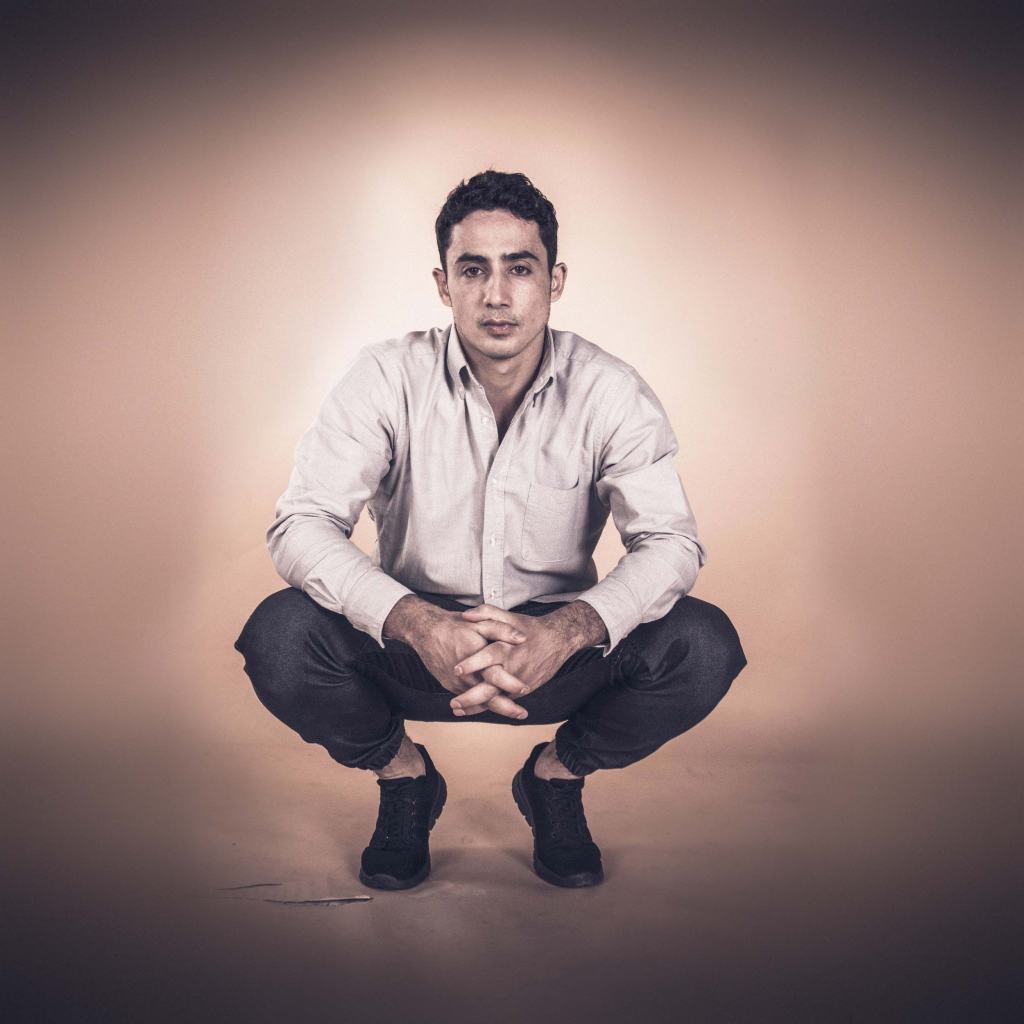
I have attached some photos. Not sure which ones match the interview questions. Use any you think fit.

Chilling in the hammock may well be the right vibe! 🙂

Advertisements

About the Author 

I was born in Dubai UAE, moved to England when I was 5, and grew up in London. Currently I live in Bangkok Thailand with my girlfriend. My background has been a mix of different careers and locations, with a lot of technology roles (I have spent a lot of time as a programmer, and digital nomad), and have also had a few forays into the entertainment industry. Suffice to say I find it difficult to completely categorise myself in any normal, sensible way!

Much of this contrasting medley of places manifests itself through my writing, and will be apparent in the book Symutal, whose story is interwoven between Earth, the Moon, and virtual reality, but with a strong interlinking storyline. It is speculative, dystopian fiction, but with occasional scenes borrowed from my own experiences.

http://deanalexandrou.com

https://www.instagram.com/deanalexandrou/

https://www.imdb.com/name/nm1525674/

Interview with Author Caleb Brabham

1) Tell us a little bit about yourself. How did you get into writing?

I’ve always enjoyed stories. As a child I enjoyed drawing pictures or my own comic books but I didn’t particularly enjoy writing – it felt like work. 

In high school I had the fateful assignment to write a combined ten short stories in a single week for two separate classes. I freaked out and cheated – I recruited someone to help me write the lion’s share of the stories. One of my teachers called me up to see him. He did worse than catch me. He complimented me. I will always remember his burning commendation. 

“You are light years ahead of the rest of the people in this class.”

 That summer I wrote my first short story for fun. It was pretty bad. But I kept tweaking it. Then I wrote another. And another. Trying to be worthy of those words until I was doing it for the joy of writing and creating. 

2) What inspired you to write your book?

A sentence, really. What if a man woke up in hell and didn’t know how he got there. That starting conceit is a long way from where I ended up, but it’s still there. 

It took me ten years and well-over ten drafts to complete the book. In fact, it wasn’t until I discovered Azrael Abaddon and made him my protagonist that the book really started rolling. His voice perfectly matched the story I was telling and eventually, discovering more about him led me to the startling revelations found at the end of the book. 

Sometimes all it takes is the right main character.

3) What theme or message do you hope readers will take away from your book?

Messages of forgiveness are important to me. It’s critical for us as people to understand as long as we’re willing to change, we are never too far gone. 

4) What drew you into this particular genre?

The trappings of noir were attractive to me even at a young age – even before I really understood its meaning. What kid doesn’t enjoy the idea of putting on a fedora? But noir kept interesting me at different stages in life – showcasing itself as a valid expression for life’s ineffable mysteries and moral struggles.

Noir is less about the mystery than the morality. While there is still truth to uncover, the mystery never outweighs the melodrama. It became natural in my mind to tie it to the afterlife and even traditional Western theology to see what the result would be. One is obsessed with damnation, the other salvation. There had to be a story that answered both.

5) If you could sit down with any character in your book, what would you ask them and why?

I’d like to think I have the good sense to stay away from most of the characters in ‘Godthread.’ Azrael, Morningstar and Bethesda would get me in trouble in a hurry and I don’t think I could bring myself to look Krysis in his many eyes. 

The Almighty, perhaps. Though I don’t know what it is I’d ask Him. I think it would be peaceful just to sit with Him. I think we could have a good conversation without saying anything at all.

6) What social media site has been the most helpful in developing your readership?

I’m not as active on social media as I’d like to be. Still, I have had some success with Instagram.

7) What advice would you give to aspiring or just starting authors out there?

Write the book. Write it and rewrite it. Don’t ever be afraid to start over from scratch.

8) What does the future hold in store for you? Any new books/projects on the horizon?

Lately I’ve been working on a murder mystery set in Victorian London. 

About the Author

Caleb Brabham is an editor, journalist and photographer currently living in New Orleans. His first book, Apocalypse of Bob, was published in 2010 by Charisma Media.

Interview with Author Mike Robinson

Tell us a little bit about yourself. How did you get into writing?

As I often—maybe crassly—put it, writing was my brain’s way of going to the bathroom. I had the fortune of being read to at a very early age, which gave me an appreciation of storytelling and the written word. Soon, the ol’ (or, young) creative bladder was full of ideas that had to come out. There were some detours—for much of my adolescence, I routed my creative energy into screenwriting and designing video games—but I returned to prose for its refreshingly solitary nature. With fiction, I’m not producing a blueprint. I’m making the thing, and it’s all on me if it doesn’t get done. So I began selling short stories when I was about 19, and wrote a novel a year till I sold one—Skunk Ape Semester—to a small press when I was 27.

Advertisements

What inspired you to write your book?

Like a lot of my books, it came from the intersection of different interests: physics, cosmology, mythology (from ancient Egypt to Celtic), paranormal phenomena, spirituality, and more. All these swirled together like cosmic debris for a while, before my subconscious eventually coalesced them into workable galaxy of an idea, which became Walking the Dusk. My books tend to be strange marriages. Dreamshores: Monster Island mixes stop-motion B-movie monsters with pantheism and the nature of consciousness.

What theme or message do you hope readers will take away from your book?

Mostly to meditate on the vastness of not only the universe out there, but the universe within you and other people. Altogether, we inhabit, share and exist as one great mystery, and the book fancifully explores the possibilities of that mystery based on what crumbs we’ve been able to sweep together, as well as the limits of what a human brain can know.

What drew you into this particular genre?

I’ve always been drawn to speculative fiction—meaning any shade of fantasy, science fiction and horror. Particularly what’s now called “curio fiction”, which takes our world gives it an offbeat, mystical or fantastical edge. I think it’s a perfect vehicle to combine what I see as the more attractive qualities of a “literary” story—psychology, philosophy, culture, intellectual insight—with the broader imaginative probing of the supernatural, the nature of existence, God, consciousness, otherworldly realms, etc. The ideal is to fulfill the best that both “literary” and “genre” have to offer.

If you could sit down with any character in your book, what would you ask them and why?

I would ask Megan Barry, the protagonist’s sister, how she reconciles in her head the bizarre things she witnessed as a child, and what worldview grew out of that that compelled her as an adult to seek whatever it was she sought. Did she know exactly what she was seeking? Does she now? She sort of represents a fear of mine: bright, creative, and restless, with no outlet, and no real direction.

Advertisements

What social media site has been the most helpful in developing your readership?

If any, it would be Facebook, my only one. I’m taking a stand against all our time with social media. I think it’s been a net drain on society, honestly. And the years I tried building a platform on Twitter yielded little more than a sea of bots and people rudely and nakedly out for themselves. Sorry to sound like a downer. I just think we could all benefit from scaling back. Way back.

What advice would you give to aspiring or just starting authors out there?

Keep the balance between hubris and humility. Hubris keeps you doing, from idea to idea, rejection to acceptance. It affirms you have a contribution to make. Humility allows you the self-awareness to make that contribution shine, to know when to check your worst impulses, or when your editor is right, and to ultimately grow your craft and career. Go to conferences, too. Meet people—in real life. Listen to what others have to say and develop a fine enough radar to know when it applies to you, and when it doesn’t. It’s unhealthy to always accept or always reject a piece of advice.

What does the future hold in store for you? Any new books/projects on the horizon?

I have a dark urban fantasy coming out February 29th, 2024, Ancient Tides Ashore, which takes place on the Hawaiian island of Kauai and explores a psychic connection between a modern woman, an ancient Polynesian, and a mysterious elemental spirit in the local waters. I also have stories coming out in the anthologies December Tales II (Curious Blue Press) and Tangle & Fen (Crone Girls Press).

Advertisements

About the Author

Born and raised in Los Angeles, Mike Robinson is the award-winning author of multiple speculative fiction novels and dozens of short stories which have appeared in the likes of 2019’s American Gothic Fantasy anthology, Storyteller Magazine, A Woman Unbecoming, Underland Arcana and more. He has received honors from Writers of the Future, Publishers Weekly’s BookLife Contest, the Next Generation Indie Book Awards, Maxy Awards and others, and is also the editor of J.P. Barnett’s popular, award-winning “Lorestalker” series.

In between, he hikes (often with his two dogs), swims, draws, tries to learn the didgeridoo and, yes, has even been known to actually write a screenplay or two, some of which have received their own notices.

www.mike-robinsonauthor.com

Interview with Author Jennifer Renson

1) Tell us a little bit about yourself. How did you get into writing?

Writing has been my passion since childhood. It has been my dream since then to be a writer as a long-term career. 

Aside from writing I love cross stitching,  photography and crafting. I’ve been writing for Fansided for years, more specifically Show Snob where I cover television show recaps and news for several shows including The Walking Dead and Bridgerton. 

Advertisements

2) What inspired you to write your book?

I have had a deep love, passion and interest in Ancient Egypt since I’ve been about 12 years old. 

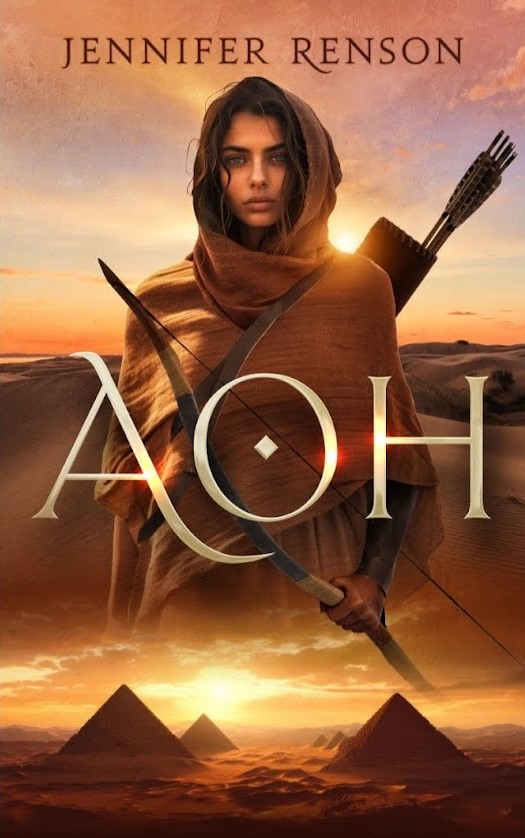
I wanted to write a book that could transport readers to that time, with the focus being the story of a strong but vulnerable young woman. I wanted her story to appeal to readers, get them invested and want to follow her journey through several books.

3) What theme or message do you hope readers will take away from your book?

Firstly I hope readers will learn a lot about Ancient Egypt, with the possibility of loving the time period as much as I do. It is a very rich and plentiful time period that we constantly discover and learn more about. 

Secondly, my hope is for readers to connect with Aoh, almost to the point where they believe she once existed. Although she is fictional, she’s inspirational in the sense she’s brave, loyal, and stays true to herself and her beliefs.

4) What drew you into this particular genre?

Honestly, I wasn’t drawn to the genre. When I get inspiration for a story, I let the idea run wild. If the story winds up becoming scary, then it will fit into the horror genre. If it takes a more whimsical, magical and eerie route, like my other book Carousel, then it will fit into the fantasy genre. Admittedly, writing a historical fiction/young adult book has been a lot of fun as I got to apply my love for Ancient Egypt and turn into a tale that I hoped readers would find to be refreshing, new and compelling. 

5) If you could sit down with any character in your book, what would you ask them and why?

It’s hard to choose just one but probably the Pharaoh’s mother Aneski. Admittedly she was not a planned character upon my first draft of Aoh but she’s become one of my favorite characters overall. She’s quick witted, honest but sassy as well. I’d probably ask her about all of the palace gossip, since she seems to know and observe a lot. She’d probably deny knowing anything though. 

Advertisements

6) What social media site has been the most helpful in developing your readership?

That is a tough question as I believe social media is very tricky in general. It’s always changing and social media platforms seem to shift in relevance constantly. But I will say Facebook has been the most helpful. I created my Facebook page: Books and Poetry by Jennifer Renson some years ago and since then I’ve learned how to use it effectively. 

7) What advice would you give to aspiring or just starting authors out there?

If you want to write, do it. Go for it. Don’t be afraid to try. You don’t have to start with a full blown novel. You can start small and grow from there. Remember there is no apology for passion.

8) What does the future hold in store for you? Any new books/projects on the horizon?

I’m currently writing a new book that is separate from Carousel and Aoh. Don’t worry there is a Aoh sequel coming. Aoh’s story isn’t over yet.

I am in the process of planning several book talk and signing events for later this year.

My hope is that as I work hard in promoting my books and passion more opportunities will arise. 

I’d love to be able to attend conventions and events where I can meet my readers, dive into Aoh’s story, and see my book on top selling charts.

Advertisements

About the Author

Jennifer Renson-Chiappetta’s passion for writing began in childhood. Her writing career spanned from articles in Lost Treasure Magazine to her self-published poetry books; Delightfully Dark: A Collection of Poems and Tales, Eo: Go, walk, ride, sail, pass, travel and Uncharted. She is the author of the modern-day fairy tale novel Carousel. Presently she is a mother and wife; she enjoys spending her time with her family and friends, writing, crafting, specifically cross stitching and reveling in Victorian Era ambiances while living in New Jersey. 

Social media links:

Instagram  @jenny.renson Jennifer Renson-Chiappetta (@jenny.renson) | Instagram

Facebook Book and Poetry by Jennifer Renson Facebook

Goodreads  Aoh by Jennifer Renson | Goodreads

Purchase links:

Amazon.com:  Aoh: Renson, Jennifer: 9798397459280: Amazon.com: Books

Barnes & Noble: Aoh by Jennifer Renson, Paperback | Barnes & Noble® (barnesandnoble.com)

Interview with Author Oscar Fernandez 

1) Tell us a little bit about yourself. How did you get into writing?

Ever since I was a teenager I took an interest in writing. Since then, I have been keeping a journal where I document my life, travels, experiences, and mostly my thoughts about my current affairs, the way I view myself the world, and how I need to proceed to accomplish the life I want to live. One thing I noticed while writing though, was the ease by which words kept on flowing from my hand into the paper… So I kept on writing! On this note, I love to write on paper with a fountain pen; it feels smooth and somehow intellectual. I do this mostly for my personal writing on my journal, but for business writing I most definitely use my laptop.

Advertisements

2) What inspired you to write your book?

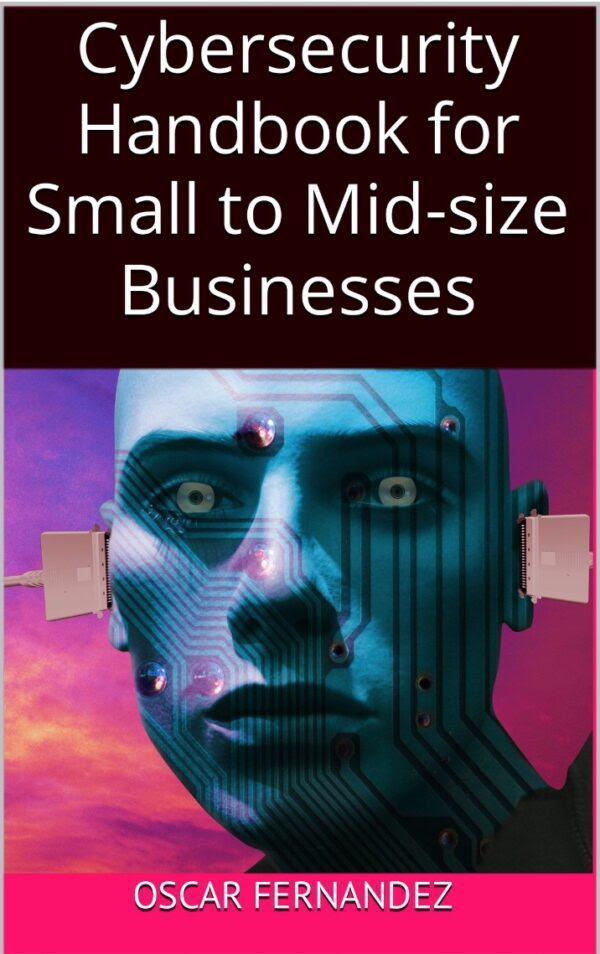
What inspire me to write my book was a genuine desire to demystify cybersecurity for non-technical individuals who may be entrepreneurs of business owners. Another reason to write the book came from the fact that I am an authorized distributor of a cybersecurity software, and based on the intricacies of the software, I realized how important it was to break down -even further- how cybersecurity works; in particular for entrepreneurs, and small to midsize businesses (small business: 1-99 employees; mid-size businesses 100-1000 employees). In a way, it is a venue to saying: here is cybersecurity for the rest of us!

3) What theme or message do you hope readers will take away from your book?

The theme I would love for my readers to take with them is to realize that cybersecurity is not complicated as it may seem, and that it is more affordable than ever. Not only that, but base on a simple analysis of the current technologies use by a business, one can determine what are the technologies needed to protect them. So while the reader is going through the handbook, they can literally pick and choose what is best for them based on what areas of the business they need to protect. For instance, is it the WIFI? Their VPN? Or protecting the business from phishing attacks? Etc. etc.

4) What drew you into this particular genre?

I have been working in technology for the past fifteen years, and throughout this time, cybersecurity kept on taking a bigger and bigger role for companies and individuals alike. For the most part, I have worked as a consultant -a one man operation,-  so one day I asked myself, how can I grow my practice to create a bigger impact while helping clients protect themselves? So cybersecurity came to mind as a topic that it is extremely important -besides their day-to-day operations.- Not only that, but I didn’t want to become just another business providing cybersecurity solutions; I wanted to differentiate myself through the demystification of cybersecurity. 

Another aspect that drew me to write this book, is the realization of how vulnerable all of us are to cybersecurity attacks. We are note safe, at all! From identity theft to ransomware attacks, and everything in between, we are a moving target. So I wanted to become part of the solution. 

5) What social media site has been the most helpful in developing your readership?

I am a brand new author, and this is my very first book. So I haven’t have enough exposure in social media to know which one can work. So far, the book is published in Amazon both in the Kindle and paperback versions. And hopefully soon on an audible version as well.

6) What advice would you give to aspiring or just starting authors out there?

The advice I would give to aspiring authors is to not wo worry too much about the format itself; just start writing. As one moves along with the writing process, one can begin structuring it. Eventually, all will come into place as you read what you wrote while providing flow, and structure. For publishing, there are companies out there that will format the file for you, so no worries there.

7) What does the future hold in store for you? Any new books/projects on the horizon?

My mind is always on the go -for better or for worse,- but I would love to continue writing and make it be my living. To start, I would love to create a series of the book I just wrote, and eventually move to another genre, for instance, social and cultural affairs and even a personal biography. I feel there is so much material in my head waiting to be written!

Advertisements

About the Author

Oscar is an avid technologist with over fifteen years in the IT industry. He has worked and consulted with IBM, Apple, Anthem, Genentech (Roche), small to mid-size businesses, non-profits, city government, and most recently with TC Energy.

His ability to understand business processes, network security and find IT solutions to fulfill business needs is unparalleled.

Oscar holds a master’s degree in Global Management from Georgetown University and ESADE School of Business. He earned a bachelor’s degree in business administration from Notre Dame de Namur University, and he also obtained an Entrepreneurial Management Certification from UCLA Anderson School of Business.

Oscar is Cronus Cybersecurity’s CEO, and through his networking abilities and international experience, he has led the company to new highs. 

Amazon: https://www.amazon.com/dp/B0C5465RP7 

Website: www.cronuscyber.com

Instagram: cronuscyberbiz

LinkedIn: www.linkedin.com/in/oscarfern

Interview with Author Shari Lopatin 

1) Tell us a little bit about yourself. How did you get into writing?

Let’s see, I was born and raised in Phoenix, Ariz. (where I still live today) to two liberal, Jewish parents who moved from Queens, N.Y in the 1970s. They were both teachers and always encouraged my creativity. I’ve been writing since I was a kid. In fact, I wrote my first short story when I was seven years old. It was about a girl who befriends a group of aliens named after different foods. I was always a creative, hyper, and somewhat neurotic kid, and I think writing just gave me an outlet. It also became a buffer against relentless bullying, and as life went on, writing became my therapy–my way of processing the world and everything happening around me. I started my career as a daily newspaper reporter, but had to leave journalism due to the Great Recession. I then got into strategic communications and public relations, but I never stopped writing creatively on the side. I just love great stories! 

Advertisements

2) What inspired you to write your book?

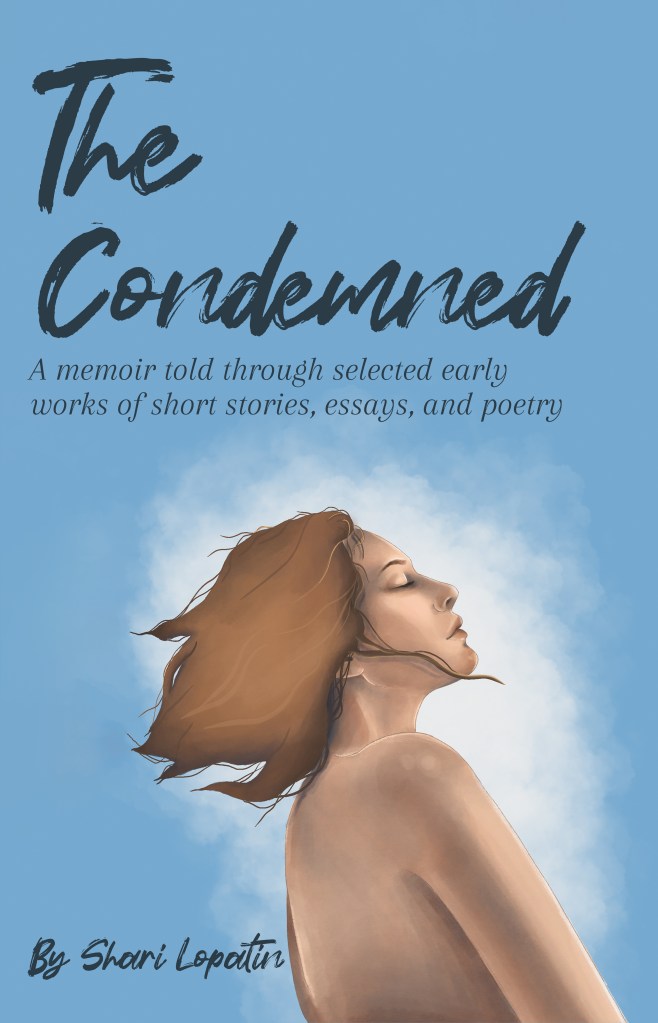
The story of how “The Condemned: A memoir told through selected early works of short stories, essays, and poetry” came together is kind of random and haphazard. I’ve always written my way through every major life adversity, until COVID hit. I just couldn’t write during 2020; I was honestly traumatized. Things got a little better in 2021, but I struggled to regain my creativity and motivation. I guess that’s a typical trauma response. I began writing a little in 2022, then lost my job due to a COVID layoff, so I stopped. By 2023, I felt depleted and seriously missed writing, yet I could not come up with anything creative. In an effort to reignite my writing muscle, I started re-reading a bunch of older works from my past, much of it unpublished. 

What I found was a plethora of stuff I’d written throughout the first 20 years of my formative life: poetry from high school and college, MySpace rants and essays from my early twenties, fictional short stories from my early thirties. I realized that when combined, these writings told my story, that of a millennial coming of age through the 1990s and early 2000s while navigating typical young adult issues exasperated by historical events like The Great Recession, September 11, and personal injustices like Antisemitism. I decided to select my best work from those years, lightly edit it, then combine it into a memoir that became “The Condemned.”

3) What theme or message do you hope readers will take away from your book?

“The Condemned” has a variety of deeply emotional pieces that touch on themes still relevant today such as mental health, the search for home, the awkwardness of dating, and love and heartbreak. But ultimately, the most prevalent theme is one of feeling othered. I often struggled to find myself within a confusing and sometimes ostracizing world, especially once faced with Antisemitism that came from a personal and unexpected place. However, I managed to pull through many of those obstacles and found a greater sense of self-acceptance, hope and truth. My hope is that others find empathy, solidarity, and maybe even healing by reading my words and stories. 

4) What drew you into this particular genre?

I’m not sure! I don’t think I was particularly drawn to memoir; it just seemed to be the right genre for the collection I was putting together. As for the short stories and poetry, I’ve always been drawn to deeply emotional writing, probably because I’m highly emotional. I really enjoy the genres of contemporary fiction (which my short stories fall into), as well as dystopian fiction (which my debut novel, “The Apollo Illusion,” falls under) because they make you think, and they make you feel. 

Advertisements

5) What social media site has been the most helpful in developing your readership?

Substack! I wouldn’t consider Substack a social media site necessarily, more of a cross between an email newsletter and blogging platform. However, they’ve woven elements of social media into their platform and really built a tool for writers to grow their followings. My favorite aspects of Substack are that you can use it for free, you can monetize when it’s right for you, and you can access the email addresses of your followers. That means if you ever decide to leave Substack, you can take your followers with you. I sort of see Substack as the YouTube for writers, but with more control. I currently publish my newsletter on Substack, “Rogue Writer,” where I write original serialized fiction, personal and political essays, poetry, and occasional book or movie reviews. I also share updates and deals on my latest books there. Consider signing up as a free or paid subscriber, and stay in touch with me that way!

6) What advice would you give to aspiring or just starting authors out there?

Write, write, write. If it’s a blog, or privately within your journal, or just on your personal computer, always write. Always work to improve your craft. And READ. Don’t just read what you think others enjoy. Read what excites you. Get to know what works, and what’s boring. Then, incorporate those strategies into your own work. Finally, be patient and persistent. You won’t improve overnight, but if you keep working at it, you’ll see yourself getting better each year. One day, you’ll write a novel that’s good enough to pitch to literary agents. When that time comes, keep pitching, even after years of “no’s,” because it only takes one YES! And if that yes doesn’t come fast enough, self-publish. Get your work out there and start building your readership while you keep pitching to literary agents. Life is too short to wait. 

7) What does the future hold in store for you? Any new books/projects on the horizon?

Oh yes! I have one completed novel that I finished several years ago on which I’m currently doing a hard edit/rewrite. I’m hoping to find an agent for that one. I also have another novel that I’m halfway through writing and hope to finish a year from now. Finally, I have a new serialized fiction story that I’m planning to publish in my Substack newsletter, “Rogue Writer,” a few months from now. It’s called “Once Upon a Time on Half Day Road.” Go sign up for “Rogue Writer” as either a free or paid subscriber so you don’t miss it! 

Advertisements

Author Bio

Shari Lopatin writes stories that matter. An award-winning journalist in her earlier years, she now writes novels that tie into modern-day social issues, serialized fiction, short stories, personal and political essays, and poetry. Over the course of her seventeen-plus year career, Shari has worked as a newspaper reporter, magazine writer, public relations professional, social media manager, and earned the title of “Cat Mom of the Year.” Her next book, “The Condemned: A memoir told through selected early works of short stories, essays, and poetry” is publishing Sept. 9, 2023. Pre-order the Kindle version now for just $2.99! Prices will go up after publication, so get it for less while you can. 

Follow Shari:

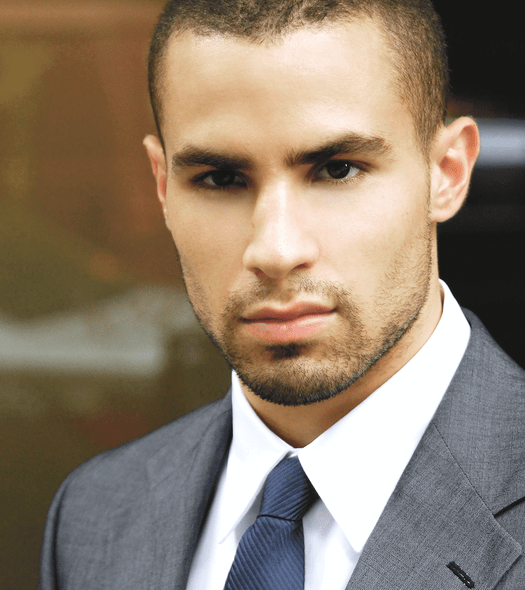
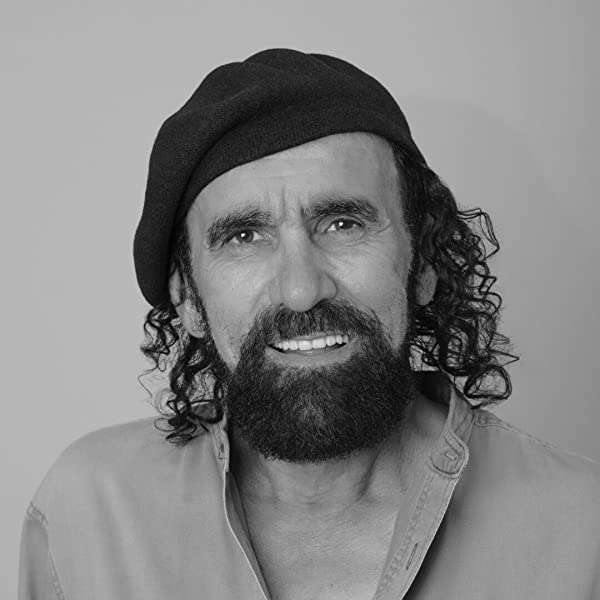
Interview with Author Ted Galdi

Tell us a little bit about yourself. How did you get into writing?

I loved movies as a kid, and still do. I’d make these storyboard-style short stories on paper when I was pretty young. In high school, I wrote my first screenplay. Though I was of course shocked at the time, it was not made into a major motion picture. However, I really enjoyed writing a feature-length script. 

Reading turned into a big hobby of mine once I was in my twenties. I wrote my first novel in my late twenties.

Advertisements

What inspired you to write your book?

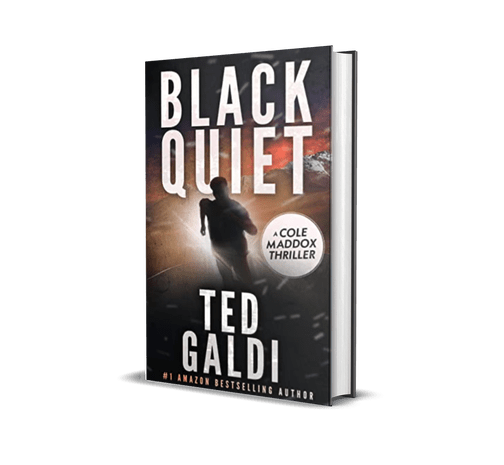
My latest book is an action thriller called Black Quiet. It’s about a former Special Forces commando who hunts for revenge after a gang beats his brother into a coma.

Though the ex-soldier, Cole, has some allies in the story, for the most part, he’s taking on a powerful, mysterious criminal enterprise on his own. He’s forced to rely on his own instincts and take big risks. I felt people out there would connect with a character like that.

What theme or message do you hope readers will take away from your book?

Cole breaks quite a bit of rules to accomplish what he’s after. Though I’m of course not advocating for readers to break the law, I do hope they take the story as a metaphor for solving problems in creative, unconventional ways.

What drew you into this particular genre?

All of my books are thrillers. The genre has the capacity for stories that are both entertaining and thought-provoking. 

A good thriller is loaded with suspense. It has that “page turner” feel. But that’s not all. A good thriller will take a social or psychological concept, present various sides of it, and take a unique view on it. Thriller themes often make interesting points about criminal justice, risk, regret, economics, and more.       

If you could sit down with any character in your book, what would you ask them and why?

Many characters in this book are trying to kill people. Sitting down in the middle of all that could get dicey. 

Advertisements

What social media site has been the most helpful in developing your readership?

I use quite a bit of them. I find they’re helpful in their own ways. For instance, TikTok is a great way to reach readers who don’t yet know who you are, while Facebook is a great way to engage with readers who already know you and want to stay connected about your latest releases, updates, etc.

I’d recommend writers try as many sites as possible. See which ones you like posting on and see which ones wind up leading to good engagement and book sales. Over time, focus on those.

What advice would you give to aspiring or just starting authors out there?

I actually recently started an online-education platform for writers. The intro course, which is free, was made with aspiring authors in mind. Anyone can take it here: https://www.writegrippingstories.com/

The course focuses on character development, plot, theme, and emotional impact. Here are some other tips:

  • Write in your favorite genre to read. You’ll have an intuitive sense of what’s working and what’s not.
  • Create an outline before writing the chapters. You’ll save a ton of time with rewrites if you figure out the story’s major pieces, and how they tie together, early on.
  • When it’s time to write the chapters, just try to finish 500 words a day. It’s a very doable number, even for a first timer. However, if you stick with it, you’ll have a first draft done in a pretty quick time frame. If you write every day, you’d have a 60,000-word manuscript done in just four months. 

What does the future hold in store for you? Any new books/projects on the horizon?

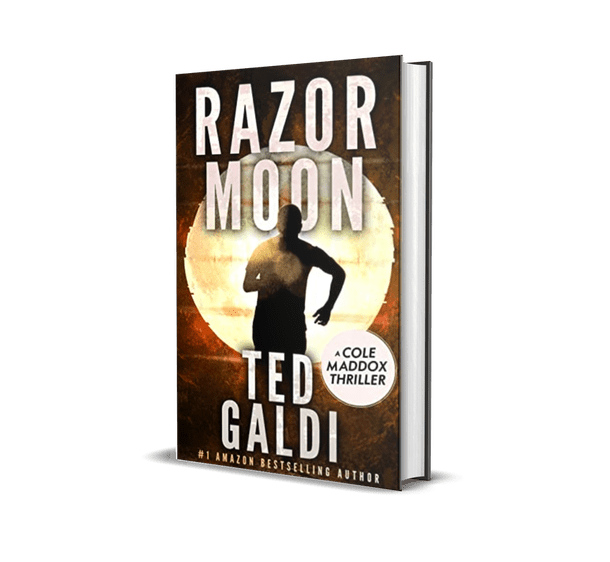
My book Black Quiet is the first in a series. The sequel, Razor Moon, comes out on August 22. The main character, Cole, goes on a dangerous search for a missing fifteen-year-old girl.  

Advertisements

Author Bio

Ted Galdi is an Amazon #1 bestselling thriller author. He’s been featured by Kirkus magazine, ABC, FOX, iHeartRadio, and many other media outlets. He’s a winner of a Reader Views Reviewers Choice Award and a Silver Medal in the Readers’ Favorite Book Awards.

For a free book, visit his website, www.tedgaldi.com.

Social Media Links

Facebook

Instagram

TikTok

Interview with Author Forest Fox

1) Tell us a little bit about yourself. How did you get into writing?

Born into the Boomer generation, I grew up in a neighborhood of duplexes abutting the undeveloped woods with packs of kids from working-class families living unsupervised adventures. My high school days were a version of the movie American Graffiti. We lived our stories, and to this day, my buddies and I amuse ourselves for hours retelling, reliving, and laughing about them. It’s a wonder we even lived to tell about some of them.

I always liked to sing. In grammar school I was a choir boy, singing in church every Sunday, and in my teenage years I would sing Doo-wop with the boys on the street corners and was a lead singer in several garage bands. By the time I was 23, I moved on to NYC, and soon became lead singer and songwriter of a band playing the circuit of clubs in Greenwich Village.

By 1965, I got married and hitchhiked to California with my wife. Over the next few years, we moved back to Connecticut and had three children. Weekend adventures were a regular ritual in our family life raising the kids. We would listen to stories, old radio shows, and music on our road trips together, and create our own stories in impromptu choose-your-own-adventure car games.

I always loved telling stories and writing poetry.

Advertisements

2) What inspired you to write your book?

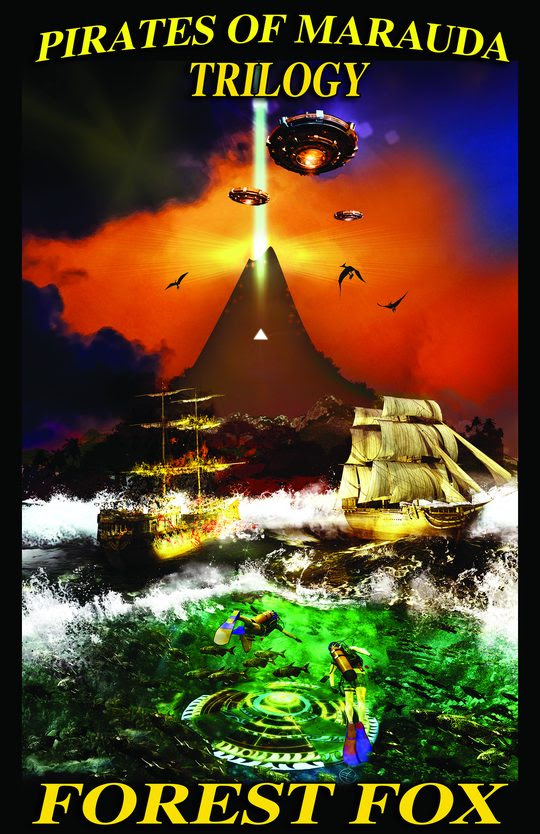
When my first son Eli was 4 years old, I put him into art school as a result of a drawing he did of Batman, Robin, and Superman running abreast. You could feel the motion in the drawing. Since then, he’s done many drawings, one of which was a flying saucer resting on the ocean floor. This picture became the cover of the first book of my Pirates of Marauda trilogy, Circles in Time, and was the spark for my inspiration to write these books.

My kids had grown and moved out by then, and I was devoting more time to writing poetry and doing photography. I was pairing these pursuits in a project I called Thoughts and Images.

When I saw Eli’s picture of the submerged flying saucer, I started imagining it as an adventure starring my boys and me. I suppose I was missing our weekly adventures of old. The story took hold of me and led me in its unfolding, one chapter after another. I really had no idea where it was taking me. After getting it all down on paper, I edited it, rewrote it, and refined it countless times to get to the finished books that I self-published.

3) What theme or message do you hope readers will take away from your book?

My philosophy that rules the worlds played out in my books is that we are all the One called Me. In other words, we are all aspects of one divine spirit, able to create better than we can imagine.

4) What drew you into this particular genre?

Adventure was always the way I viewed my life, and sci-fi was an influential part of our family’s cultural enjoyment with Twilight Zone, Star Trek, and Star Wars.

5) If you could sit down with any character in your book, what would you ask them and why?

I feel like Captain Rosario’s character is my alter ego.

Although he’s a pirate, Rosario upholds his own strict moral code of honor. He doesn’t commit gratuitous violence, he takes care of his crew and shares his wealth equally, and he prefers to use his wiles over force to achieve his goals. When a conflux of events plucks him out of the proper historical time and place of his life, he is forced to live out his days in exile, stripped of his purpose on a strange world in an unknown time, with the only remnant of his identity being the recognition of his loyal crew who still see him as their captain.

I feel like his storyline has some parallels to any person’s time travel through his own life. If I could sit down with Rosario, I would ask him to tell me about the adventures of his youth, as a buccaneer in his prime sailing the seas in search of treasure.

6) What social media site has been the most helpful in developing your readership?

I’m new to the adventure of marketing my books and look forward to developing my readership in all possible ways, better than I can imagine.

7) What advice would you give to aspiring or just starting authors out there?

Write what comes naturally and rely on spontaneity, instinct, and intuition alongside intellect and good research. When you edit, read it aloud. When you’re finished editing, edit it again, and again, and again.

8) What does the future hold in store for you? Any new books/projects on the horizon?

I get my adventure fix weekly as resident pro at Paintball Jungle. I also still enjoy singing and regularly perform for senior communities as well as on the streets as a troubadour.

As for writing, I’ve been doing short vignettes of funny or poignant scenes from my memories growing up. Whether they will turn into a new book or project remains to be seen.

Advertisements

About the Author

Author FOREST FOX brings his love of adventure to the page in this whirlwind fantasy saga, The Pirates of Marauda trilogy, about what happens when he and his two sons, while on a treasure hunting, diving expedition in the Bermuda Triangle, find a sunken flying saucer that turns out to be the craft that brought Adam and Eve to this planet.

The germinating idea for the story was inspired by a drawing by his son, award-winning artist Eli D’Elia. The author delights in weaving fact with fiction and folklore in this highly original tale, which also serves as a whimsical medium to depict his unconventional philosophy of life.

The author is also a SF Bay Area singer/songwriter and recording and performing artist.

Known in the world of paintball as Magic Carpet Bob, he was 1991 World Paintball Champion with his Team Ironmen, and is resident pro at Paintball Jungle in the Napa Valley.