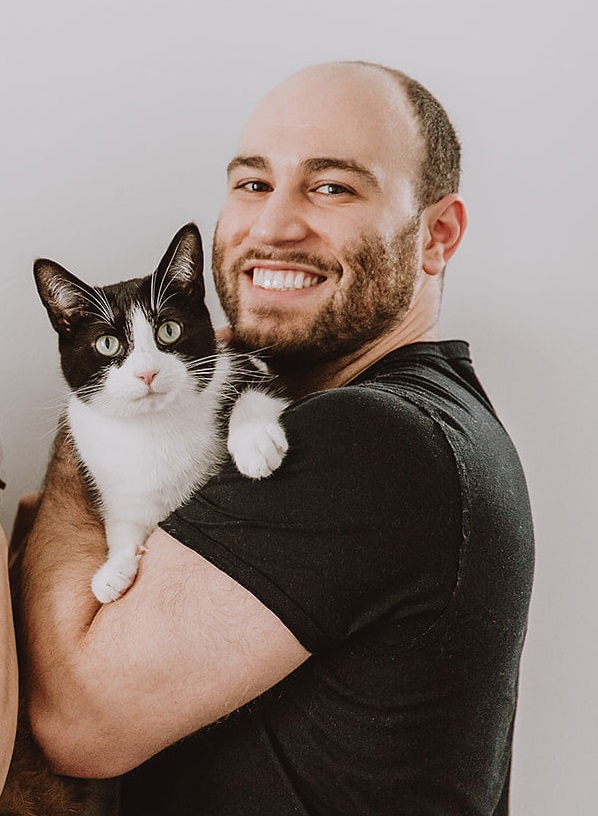
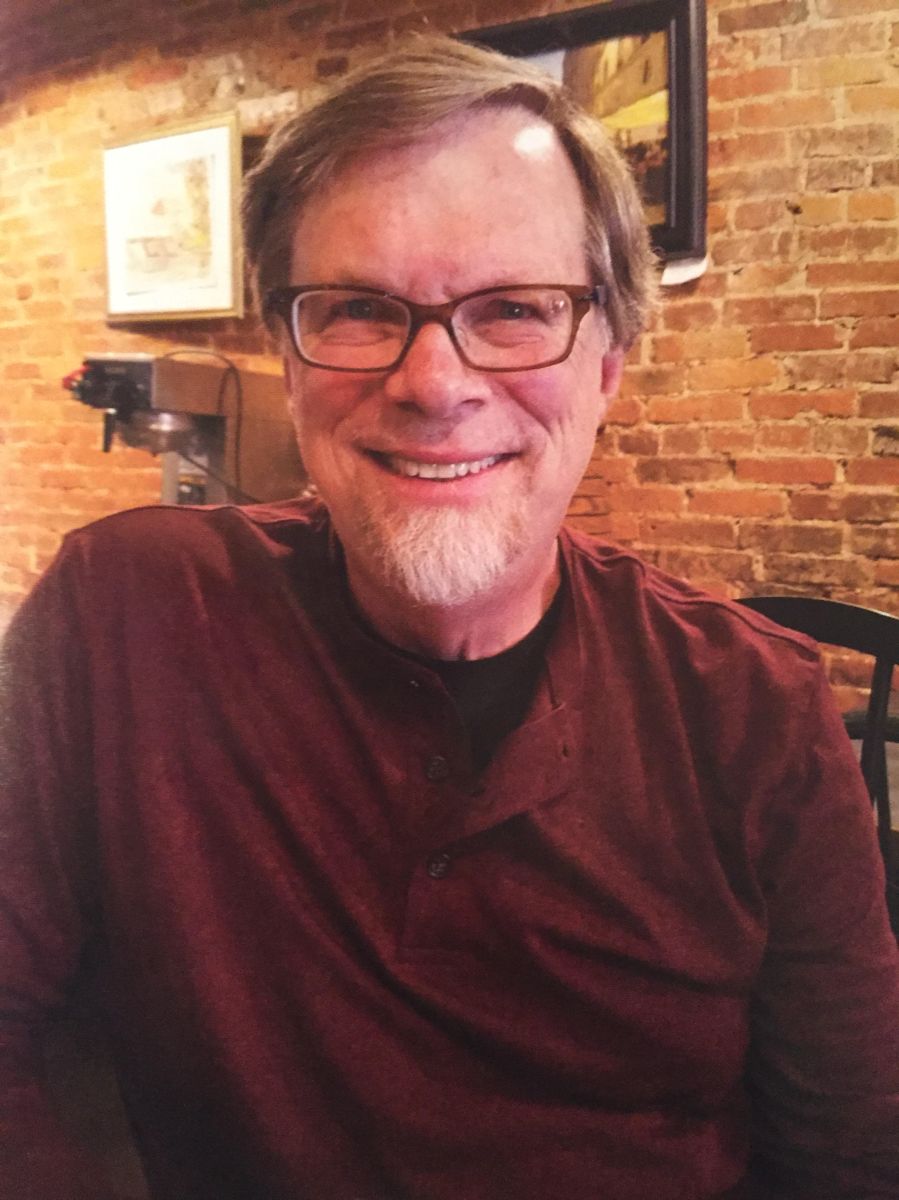
Interview with Author David B. Seaburn

1) Tell us a little bit about yourself. How did you get into writing?

I began my career as a Presbyterian minister serving a country church. I went back to school to get a degree in counseling and entered the mental health field. Eventually I got my PhD in psychology. I was an Assistant Professor of Psychiatry and Family Medicine at the University of Rochester Medical Center, where I directed the Family Therapy Training Program in Psychiatry and coordinated the Psychosocial Medicine Rotation in a family medicine residency program. Later I directed a free family counselling center in a local public school district. I started writing stories, poetry and personal essays when I was in the ministry. I wrote extensively at the Medical Center (two books, over sixty articles). It wasn’t until 2000 that I started writing long fiction. I had had an idea for ten years and finally took the leap. I published that first novel in 2005. I been writing novels ever since. Broken Pieces of God is my eighth novel. 

Advertisements

2) What inspired you to write your book?
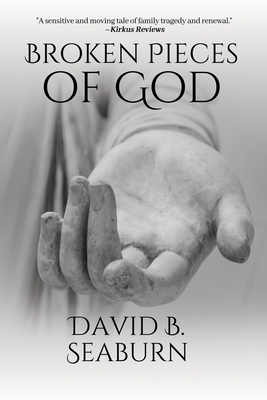
Eight years ago, I read an online news article about a man whose wife was gravely ill. He prayed to a statue of Jesus that she would be healed, and she was. To repay this blessing, he cleaned the old statue, only to have it fall on him, crushing his legs. I couldn’t let go of the story and finally created a broader narrative to go with it. 

3) What theme or message do you hope readers will take away from your book?

I am always interested in the extraordinary experiences of ordinary people. This novel is no different. It follows several characters coming to grips with tragic events in their lives (life threatening illness, job loss, rape, and more), some of which have been kept secret for many years. And though they may end up with scars, they find ways to emerge with hope and resilience. I think that’s a particularly important perspective in our current time. 

4) What drew you into this particular genre?

As a marriage and family therapist and a minister, I have always been fascinated with the stories that people have to tell, especially stories of hardship and triumph. Broken Pieces of God, like my other novels, is character driven. It delves into the deeply human foibles and strengths that we all have. I hope it speaks to the lives of my readers.

5) If you could sit down with any character in your book, what would you ask them and why?

This is a tough question. I think I would like to talk with Gayle Kimes, who is facing a terminal cancer diagnosis. She concocts an over-the-top solution to a problem that she and her unemployed husband face. I would like to ask her where she got the strength to face these problems simultaneously and gracefully. And—What happened next in their lives?

6) What social media site has been the most helpful in developing your readership?

I wish I were better at this. I use Facebook and Twitter mostly. Goodreads, Netgalley, and Reedsy have been useful. Email blasts have worked. I’ve used virtual book tours. A little bit of everything.

7) What advice would you give to aspiring or just starting authors out there?

Don’t worry if you don’t know exactly where your story is going or how it will end. Keep writing. Let the narrative, the characters, lead you.

8) What does the future hold in store for you? Any new books/projects on the horizon?

Usually, immediately after I’ve sent a manuscript to my publisher, I start a new novel. This time is no different. I am about half way through the next one, which will be entitled, Give Me Shelter.

Advertisements

About the Author

David B. Seaburn’s first novel, Darkness is as Light, was published in 2005. He followed with Pumpkin Hill (2007), Charlie No Face (2011), a Finalist for the National Indie Excellence Award in General Fiction, Chimney Bluffs (2012), More More Time (2015), and Parrot Talk (2017), which placed second in the TAZ Awards for Fiction (2017) and was short listed for the Somerset Award (2018). Seaburn’s latest novel, Gavin Goode (2019), was an American Book Fest Finalist for “Best Book” in General Fiction (2019) and Semi-Finalist in Literary, Contemporary and Satire Fiction for the Somerset Award (2019).

Seaburn is a retired marriage and family therapist, psychologist and Presbyterian minister who lives in Spencerport, NY with his wife, Bonnie. They have two daughters who are married and four wonderful grandchildren. After serving a rural parish for six years, Seaburn entered the mental health field. He was an Assistant Professor of Psychiatry and Family Medicine at the University of Rochester Medical Center for nearly twenty years. There he was Director of the Family Therapy Training Program (Psychiatry) and Coordinator of the Psychosocial Medicine Rotation (Family Medicine). He published over sixty academic papers and co-authored two books. In 2005, Seaburn left the Medical Center to become Director of the Family Support Center in the Spencerport Central School District, a free counseling center for students and their families. Seaburn is currently a writing instructor at Writers and Books in Rochester, NY.

Seaburn’s novels are available through Amazon, and can also be ordered through your favorite bookstore. He is available for readings and can be reached at dseaburn@gmail.com. Visit his website at www.davidbseaburn.com. Read his Psychology Today magazine blog at https://www.psychologytoday.com/us/blog/going-out-not-knowing.
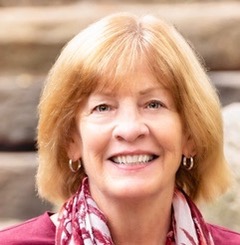
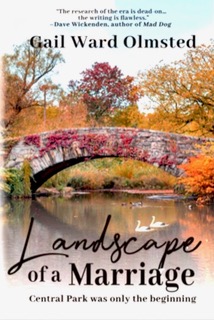
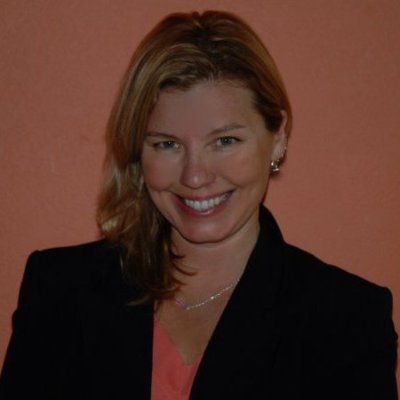
Interview with Author Gail Ward Olmsted

1) Tell us a little bit about yourself. How did you get into writing?

Writing is my third career. I worked  in marketing in the telecommunications field for a number of years, then switched to teaching marketing at the college level 25 years ago. My oldest friend swears that I told her I would write a book someday when we were just 14. Around 40 years later, I finally got serious and started writing Jeep Tour, my first novel inspired by a family trip  to Sedona, AZ. I truly love writing and am currently on book #6!

Advertisements

2) What inspired you to write your book?

The real life story of Frederick Law Olmsted (FLO) inspired me. FLO is an ancestor of my husband’s- they’re actually distant cousins- and we’ve always enjoyed visiting his parks in Boston and New York as well as the grounds of the private estates he designed, including the Biltmore Estate in Asheville, NC. I read a few of the well-written biographies about FLO  and discovered that, acting on a deathbed wish from his brother, Fred married his widow Mary, adopted her three children and together, they had four more. It got me thinking about Mary- what was her story? How did she feel about all of this? Was theirs a marriage in name only or something more? I couldn’t find a story to read, so I wrote it!

3) What theme or message do you hope readers will take away from your books?

All of my books carry a central theme: the importance of second chances, the ability to reinvent yourself, to seek a do-over in your life. My main characters vary in age, relationship status and professions, but they all are seeking an opportunity to get the ‘happy ever after’ that they each deserve.

4) What drew you into this particular genre?

My first four books are contemporary women’s fiction and my most recent one-  Landscape of a Marriage is historical, but each one describes quirky, imperfect women seeking to live their best possible lives. I am inspired by my daughter, my nieces  and my amazing women friends as I create these characters that I hope resonate with readers.

5) If you could sit down with any character in your book, what would you ask them and why?

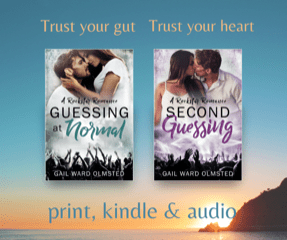
My favorite character so far is Jill Griffin. She was working at the front desk of a motel  when we first met her in Guessing at Normal. James Sheridan and his band check in while on tour and he steals Jill’s heart. While not the ideal boyfriend/husband (a wandering eye when it comes to female groupies and some substance abuse issues) he inspires Jill to start her career as a songwriter. Jill returns as an older and wiser woman in Second Guessing. Now wildly successful and the mother of a teenager, Jill seeks a second chance at love and finds it with a young pop star. I would love to talk with her about her life, her choices and the inspiration for her songs. 

6) What social media site has been the most helpful in developing your readership?

I am a huge fan of Goodreads. The readers are passionate and are seeking the best books they can find and the platform is relatively easy to navigate. As an author, you can post in groups made up of your target audiences, sponsor giveaways, trivia,  etc. I am also a fan of Facebook, but more for branding  and name recognition vs. sales.

7) What advice would you give to aspiring or just starting authors out there?

What I have learned in the eight years since I finished my first manuscript is that before you start sending out queries to line up an agent, publisher or even beta readers, be certain that your book is as good as you can possibly make it. Hire an editor and/or a proofreader and make the changes they recommend. Know your genre- what is your target audience expecting re: cover designs, storylines and page counts? I’ve heard too many of my peers struggle to describe their books in just a  sentence or two, but that is all the time you’ll ever have when communicating with a potential reader.  

8) What does the future hold in store for you? Any new books/projects on the horizon?

I am working on two projects- the first is contemporary fiction- Miranda is a disgraced former Assistant State’s Attorney seeking a career comeback when a missing witness from the case that derailed her career resurfaces with a story of bribery and coverups involving Miranda’s ex. I am hoping to see it published within the year. The second is at the very early stages. It is biographical fiction set in the early 20th century, featuring the South’s original power couple. More to follow. 

Advertisements

About the Author

Gail Ward Olmsted was a marketing executive and a college professor before she began writing fiction on a fulltime basis. A trip to Sedona, AZ inspired her first novel Jeep Tour. Three more novels followed before she began Landscape of a Marriage, a biographical work of fiction featuring landscape architect Frederick Law Olmsted, a distant cousin of her husband’s, and his wife Mary.

For more information, please visit her on Facebook and at GailOlmsted.com.

Twitter https://www.twitter.com/gwolmsted

Facebook   www.facebook.com/gailolmstedauthor 

Email  gwolmsted@gmail.com

Amazon  www.amazon.com/author/gailolmsted

Goodreads   

https://www.goodreads.com/author/show/8158738.Gail_Ward_Olmsted

Interview with Author Kerry Hughes

Tell us a little bit about yourself. How did you get into writing?

I am an Ethnobotanist and Clinical Herbalist and I have long been inspired by the healing roles plants play for both humans and also our planet—and so I have built a career around this! I am incredibly lucky to have found my passion early in life and I have always just followed it, even though much of the times the path ahead seemed so unclear!  I got into writing because when I was doing my Master’s Thesis I had to do a lot of writing to prove my research was valid and in the process I had an awesome advisor (the late Dr. Thomas Ruehr from Cal Poly in San Luis Obispo, CA) who really helped edit my work and gently lead me into realizing this was something I could do!  Strangely, although I always hating writing classes in my school days, I ended up with one of my first jobs out of college being a Staff Writer for an alternative medicine publishing company!  From there, even though I never thought I would aspire to become a writer (in the least!) the projects kept coming and I have realized that it is SUCH an important medium in order to get my message about plants across!

Advertisements

What inspired you to write your book?

This series of books has been something long-simmering in my mind over the years. I have done a lot of research and writing that is heavy on the scientific side of things, but I really wanted to reach the common person who either had a garden or had some inclination that they were interested in plants. I feel it is so important for people to begin developing this relationship and to realize the potential healing role they can plan in our lives—even common garden plants that are right under our noses!

What theme or message do you hope readers will take away from your book?

I would like them to start wondering and looking at the plants that already exist in their lives, to develop a curiosity for what that plant is about.  It’s kind of like getting to know a person, we often develop some curiosity about them before we become friends…Plants are the same. Once someone learns one thing—maybe it is a plant that is useful in some aspect—they will never look at that plant the same again. They will always remember its name.

I would like people to stop looking at the amorphous “green carpet” that surrounds them and start realizing there are  individuals that make up that green carpet. Once people turn that corner in their minds, the world becomes a much richer place!!  People will also become more effective and interested in saving our precious biodiversity.

What drew you into this particular genre?

It was really my career and work with plants and herbs. I have a few other published books (from mainstream medical or educational publishers), but these books are pretty nerdy scientific type of books that aren’t focused at the general public. I wanted to write a beautiful book with colorful photos that people would enjoy looking at and could use to begin their interest in alternative garden uses.

What social media site has been the most helpful in developing your readership?

I suppose Facebook has been the most helpful in getting the word out, but I really could do more work to develop communities of people who are interested in my “Botanicals With Benefits” topic. In fact, I have just created a Facebook Group for Botanicals With Benefits which I hope can do this, and I would love people to come and check it out, become members of the group to swap their experiences with plants and their multiple uses.. if you have a unique or really useful way to use a plant in your garden, please join and share with us…Or just come to learn!

What advice would you give to aspiring or just starting authors out there?

I think it is just to do it –if you have an interest in writing, then create an outline, and start in small steps by tackling the topics in chunks—before you know it, you will be well underway in your writing!

What does the future hold in store for you? Any new books/projects on the horizon?

The Botanicals With Benefits volumes will be coming out over time.. there are about 6-7 of them planned, so I have my work cut out for me with those! Also, I am currently writing/Editor of a book in a new field called Decoloniality which will be published by the educational publisher Springer Nature. It will be called: Understanding Socio-Ecological Systems Through Decoloniality: Case Studies on Convergence of Indigenous and Western Knowledge. It is a mouthful ☺ and another nerdy scientific book. However, I feel this field is very important and relevant to plants because much of our plant knowledge comes from indigenous wisdom! That should be published in 2022.
I am also currently joining a friend of mine who is a Doctor in San Luis Obispo, and will have a limited herbal & Flower Essence practice alongside her integrative primary care practice, Dr. Lindsey Faucette at the SLO Health center. We will be planning a lot of activities to merge our experience and bring natural healing to people. Come join us!

Advertisements

About the Author

Ethnobotanist, Herbalist and Author, Kerry Hughes – with a 20-year record-of-
success in natural product development – is driven by a tenacious fascination
with the potential health enhancing role plants and nutrients can play, and her
purpose is Ethno-Botanical Discovery and strategically innovating and expanding
the boundaries of new natural product development. Through this, Kerry has
catalyzed significant phyto-product breakthroughs that have been applied to
bring to market new, efficacious and profitable products that not only heal people
but also protect our threatened global biodiversity.


Kerry’s love of natural products has compelled her to write and speak frequently
on a variety of subjects. Her writing includes the recently published Botanicals
With Benefits: Establish a New Relationship with your garden (2020), as well as
these in-depth text books: Understanding Socio-Ecological Systems through
Decoloniality: Convergence of Indigenous and Western Knowledge (in press);
The Incense Bible, Taylor & Francis (2007), one of the first scientific reviews &
examinations of incense, The Health Professionals Guide to Dietary
Supplements, Lippincott, Williams & Wilkins (2006), a peer-reviewed guide to
herbs and nutritional supplements, and Botanical Medicines: The Desk
Reference for Major Herbal Supplements, Haworth Press (2002) an in-depth text-
book on the medical aspects of many of our top supplements. Additionally, she
has authored over a dozen articles in peer-reviewed scientific journals on various
natural product topics.

Kerry is the Founder of EthnoPharm; a consulting business focused on Natural
Product Discovery and Development. She is also on the Scientific & Medical
Advisory Boards for Amare Global, Good Pharma and Hilma, and is on the
Advisory Board for Global Food Forums. Kerry has acted as a consultant to the
United Nations through the International Trade Centre (ITC) for international
development projects involving botanicals and authored essential oil and organic
reports for the Market News Service (MNS). As the Director of the US office of
The Institute for Market Ecology (IMO), an eco-product certifier, she helped to co-
develop and establish the Fair for Life Social & Fair Trade Certification in the US
market, the highest-bar global Fair Trade certification standard. Today, she
continues her work with standard development on the Certified Regenerative
standard by A Greener World, currently in its pilot phase.


Kerry has a background in Ethnobotany and Biochemistry, with a Bachelor of
Science degree in Biochemistry, and a Master of Science degree in Agriculture
with an emphasis in Ethnobotany and Soil Science from California Polytechnic
State University, San Luis Obispo, California. She is also a certified Clinical
Herbalist by the Berkeley Herbal Center, an Advanced Australian Bush Flower
Essence Advanced Practitioner, and teaches at the Berkeley Herbal Center &
The Herbal Academy of New England. Kerry also maintains a Clinical Herbal
practice at the SLO Health Center in San Luis Obispo, CA.

 Facebook

LinkedIN

Instagram

https://ethnopharm.com/

Interview with Author Noelle Ihli

1) Tell us a little bit about yourself. How did you get into writing?


I wrote and edited for other people long before writing under my own name. But after fifteen years in marketing content and editing (all while hurrying home to finish the latest thriller or horror novel on my nightstand) I decided it was time to tell my own stories.  

2) What inspired you to write your book?

I can’t get enough of scary things. And that includes haunted houses. The effects are sometimes so real that I couldn’t help but wonder if these attractions could be a real target for the right sociopath. If I screamed for help, would anyone really notice? After all, everyone around me was screaming. A couple of years ago, my husband and I went to a sprawling outdoor haunted attraction in Albion, Idaho (the inspiration for The Thicket“). The old buildings and history were supremely creepy. And there’s this image burned into my mind of a security officer looking down at his phone while a person with a chainsaw chased a screaming girl around the dark campus. They were actors, of course. But the screams sounded real to me. And of course, nobody did a thing. Because we all trusted it was part of the fun. 

3) What theme or message do you hope readers will take away from your book?


Sometimes there’s a very thin line between our fascination with horror and reality. One person’s scary story is another person’s actual nightmare. And in this novel, the two sides of this dynamic intersect: Norah’s horrifying tragedy becomes this mythical, exciting draw for horror-lovers and thrill seekers who want to attend the “real” haunted house.

Advertisements

4) What drew you into this particular genre?

I’ve loved scary stories for as long as I can remember. When I was in elementary school, I checked out every single book in the library’s “Scary Stories” section (there weren’t that many; it was an elementary school). And I’ve been reading horror and thrillers ever since. That said, I’m a total wimp and I check my locks three times every night. 

5) If you could sit down with any character in your book, what would you ask them and why?

That’s a hard one. I love Norah so much, so I’d have to choose her. But what to ask? I’d really like to know (given the scene at the cemetery) if Norah and Taylor rekindled their friendship. 

6) What social media site has been the most helpful in developing your readership?


Facebook is still such a great place to connect with other amazing authors and readers. I’m gathering the courage to venture onto BookTok (so watch out!) but for now, Facebook is where I’m at! 

7) What advice would you give to aspiring or just starting authors out there?


Just do the next thing. Don’t let the distance between where you’d like to be and where you are keep you from just taking the next step. 

Advertisements

8) What does the future hold in store for you? Any new books/projects on the horizon?

I’m hard at work on my next thriller/horror novel. Look for it in early 2022! 

About the Author

Noelle’s two great passions are murder and horses (separately, never together).

Noelle is a boy-mom to Luke and Max, and a cat-mom to Michelle. When she’s willing to wear pants (which is less often than she aspires to wear them), she can be found in mom jeans. Her husband Nate is the best person she knows.

Interview with Author L.M. French

1) Tell us a little bit about yourself. How did you get into writing?

I was always that kid with her nose in a book. Books were, in a lot of ways, my safe place. I saw my first computer in a library. I have fallen asleep in libraries. Now, I don’t advocate that as a habit, since it scares the pants off you when they close up but libraries really molded my youth.

When I was nine, I read Robinson Crusoe and I think it planted the seed for writing. Looking back, the subject matter was probably inappropriate, but surviving against all odds is a theme that never gets old for me. 

2) What inspired you to write your book?

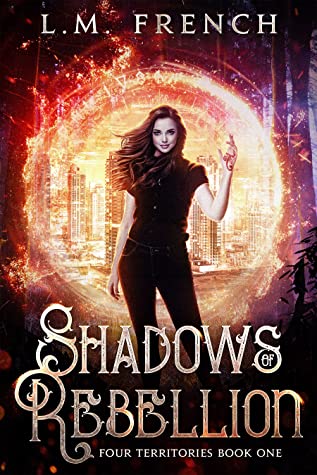
Insomnia. Anxiety. So much of 2020 left me feeling helpless and out of control of my life. My fate was not in my own hands and that chafed. I needed to do something-anything- and Shadows of Rebellion was born from that feeling. I started it in a spiral notebook and then transitioned to my laptop. 

3) What theme or message do you hope readers will take away from your book?

That the odds are often stacked against us, but you don’t have to be a hero to keep going. We all have monsters that chase us. Be they anxiety, depression, self-esteem or simply fear. Sometimes the monster is sneaky and disguises itself as a friend. Our monsters may not be literal and some of us have more than others, but we can no more lie down and give up than Veda could. If you do, the monster eats you. 

4) What drew you into this particular genre?

Fantasy is the bravest, most extraordinary genre in my humble opinion. It takes a lot of your soul to create a whole world, magic systems, histories and peoples. It’s the most terrifying and rewarding feeling. Fantasy offers the ultimate what if? I like finding the ordinary in the extraordinary. It makes me brave and bold and daring in a world when I am often not many of those things. 

5) If you could sit down with any character in your book, what would you ask them and why?

Denny. I have so many questions for this guy. Why a tophat? Why fringe? His role in Shadows of Rebellion was very, very disturbing but it seemed almost common and transactional for him. I would like to know if he ever does anything as mundane as comedy night or does he prefer wine to beer? I just need answers, man.

6) What social media site has been the most helpful in developing your readership?

Some cross between Tiktok and Instagram. I like Instagram because it’s so easy to interface with my Facebook page and group. I’m still learning to put myself out there on TikTok but I think it gives readers a place to be interactive and engaged with authors and their work without the commitment of a newsletter. 

7) What advice would you give to aspiring or just starting authors out there?

I guess I could say just write. It is the tried and true. But I won’t. What I am going to say is this: 

  1. Ask yourself what if? Why not? If you get stuck, plow through even if it sucks today cause you can fix it tomorrow. But. Never. Stop. Writing. Ever. 
  2. Read as much as you can because it is the tie that binds. 
  3. Don’t be scared to put yourself out there. Be awkward, embarrass yourself a little. 
  4. And never stop listening to your characters. They know your world better than you do. After all, they live there.

8) What does the future hold in store for you? Any new books/projects on the horizon?

Lots of writing, editing, and a hefty amount of daydreaming. I’m working on Fated Uprising, Four Territories Book Two. Denny will get his own book at some point and I’m excited about that, but it’s still marinating. I’m getting those answers, though. 

About the Author

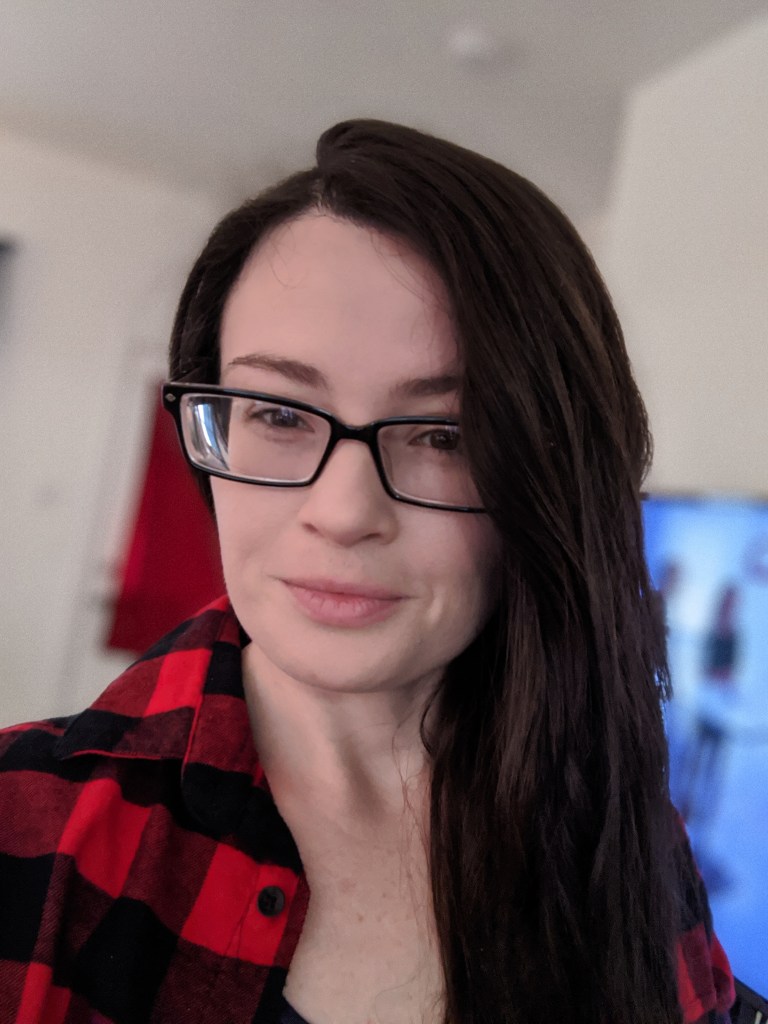
L.M. French is an indie author of urban fantasy residing in the Lone Star State with the love of her life, eight-year-old Jack. While she dreams up misadventures with uncooperative participants, he keeps her inspired with his own stories of villains and anti-heroes. Where they live, imagination is a superpower. Connect with them via Facebook, email, or carrier pigeon.

Just kidding.

Birds are mean.

Social Media and Website:

www.lmfrench.com

https://www.goodreads.com/author/show/21633981.L_M_French

https://www.instagram.com/authorlmfrench/

https://www.facebook.com/lmfrenchauthor/?ref=pages_you_manage

And on TikTok you can find my @authorlm_french

Interview with Author Dee Rose

Tell us a little bit about yourself. How did you get into writing?

I got into writing when I was a senior in high school. I entered a poetry contest, and even though I didn’t win, I received great reviews. From then on, I only wanted to write poetry. 

I went to the Navy two weeks after high school decided to turn poems into raps. I wasn’t bad, but obviously I wasn’t good enough to make a dent in the music industry. I called my style of rap, psycho rap, and made a song called The Hangman. 

When I got out of the Navy, four and a half years later, the writing bug hit me again. I wondered how I could make the Hangman into a novel. However, I wrote two other books before the Hangman, called Cloning Around and Forbidden Love. The love story was dedicated to my sister because she died of cancer, and I wanted to make sure it was the first book I published even though I’d finished Cloning Around first. 

I moved to Denver, Colorado and went to college to study creative writing. I got married and had two beautiful daughters, Nadia, and Nicole. I then wrote The Hangman but developed a serious case of writers bloc soon after. It lasted for years. Tragedy struck again when I was shot in the Aurora Theater Shooting. I was shot in the shoulder, which required a metal plate, and in the back, which caused nerve damage and I developed drop foot syndrome. 

I thought my life was over until I met a young man named Panhnha Tran and offered to write a book, based off his idea, Then I thought, “I want to finish my own books”. So, with his help, we developed a follow-up book to the Hangman called The Grand Librarian: Life of an Immortal. It was a standalone book, but I tied it to the Hangman story, and the Hangman Universe (HMU) was born. I couldn’t stop writing either. Eight books later, on March 21st, I published The Hangman: Vengeance, book ten, and ended the series. I had a blast.

Advertisements

What inspired you to write your book?

Susan Taki: The New Coven is the eighth book in the HMU series. I didn’t promote it as much as I should have. I always thought of it as just a gateway book between The Death Brothers: A Supernatural Awakening and The Hangman Vengeance. However, a brilliant voice actor named Jeremy Olivier narrated The Death Brothers book. I thought he did an amazing job! He convinced me to continue the audiobook story of the HMU and I agreed. So, Susan Taki lived through his words.

What theme or message do you hope readers will take away from your book?

The message I want people to take away from the book is that good can triumph over evil. Love doesn’t require specific genders. And hang the rules. Fantasy is just that…fantasy. If you have a good story to tell, then tell it the way you envisioned.

What drew you into this particular genre?

I’ve always loved fantasy with supernatural elements my whole life. I’m a huge comic book fan. Anyone with abilities or powers… I’m hooked.

If you could sit down with any character in your book, what would you ask them and why?

If I could sit down with any character in my book, it would Jericho Caine, the vampire slayer. I think he is badass. And I would ask them, why are you such a badass? I think he has the coolest one-liners, and his wit is unmatched.

What social media site has been the most helpful in developing your readership?

Facebook has been the social media site that has been most helpful in developing my audience. I think it’s because the readers from India and Columbia are the ones that contacted me first about my writing.

What advice would you give to aspiring or just starting authors out there?

My advice to aspiring or just starting authors would be to just get the story out of your head and on paper. Editing is important but save it for later. I can’t count how many times I got caught up so much into a scene I was writing that I smiled the entire time. That let’s me know that it’s a good scene.

What does the future hold in store for you? Any new books/projects on the horizon?

I believe my future is bright. Right now, I have just released a space opera on Kindle Vella entitled, Hut-Yo Cull: The Hunt Begins. I’m almost finished with the follow-up to Cloning Around called, Special Agent Robert Bassett: Accepting Commonology. I’m also working on another book about people with abilities called, The Bad Guys about a group of villains.

Advertisements

About the Author

Dee Rose was born on July 5th and resides in Denver, CO. He is the father of two daughters. “They are my life.” He says. He attended Metro State University of Denver, where he majored in Political Science. The Hangman is his third published novel and he plans to make it into a series. “Novels like the Hangman are the reason I started writing in the eleventh grade. I love taking readers on an incredible journey.”

https://www.facebook.com/DeeRoseBooks

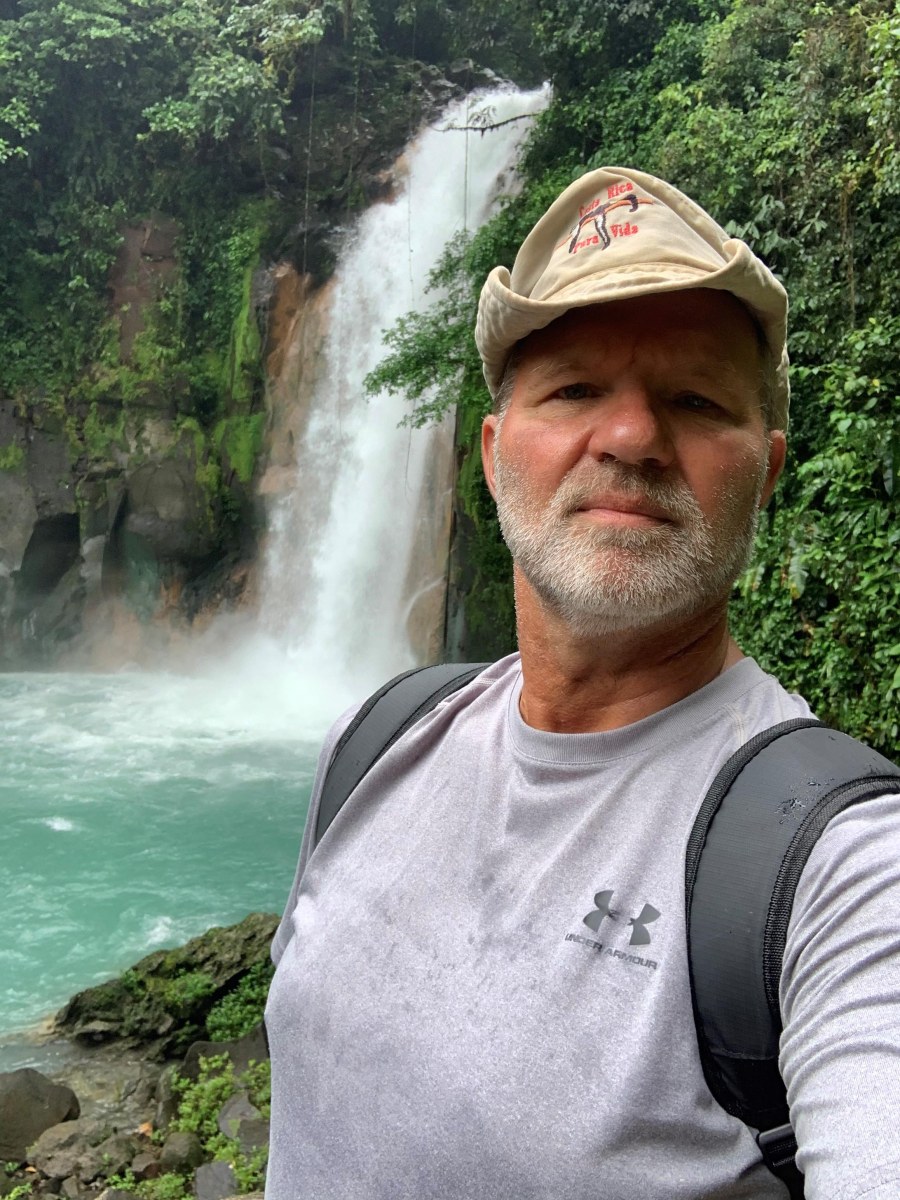
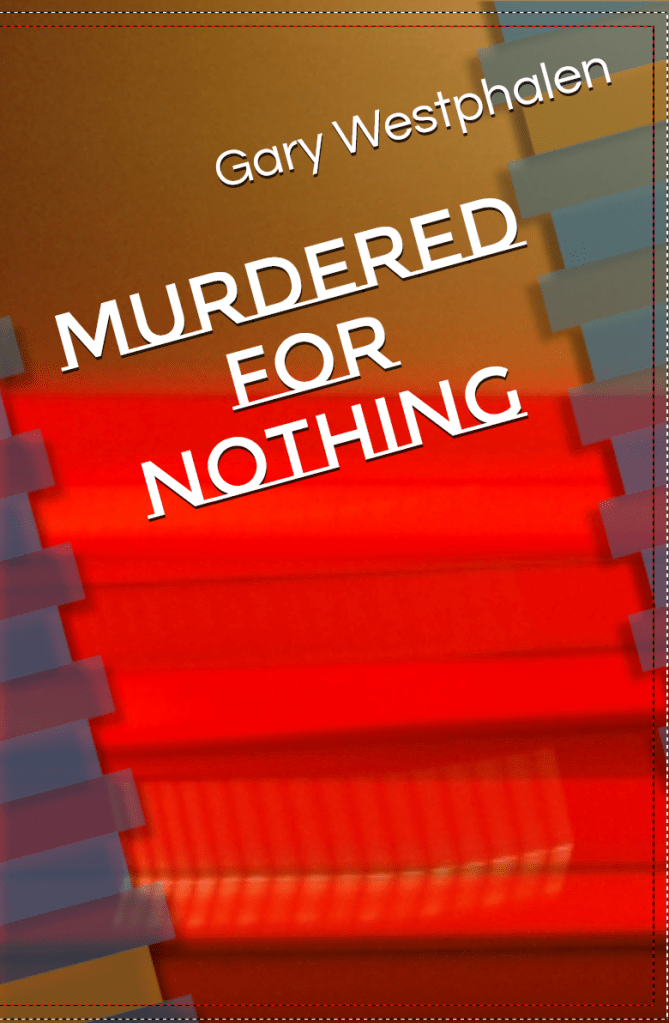
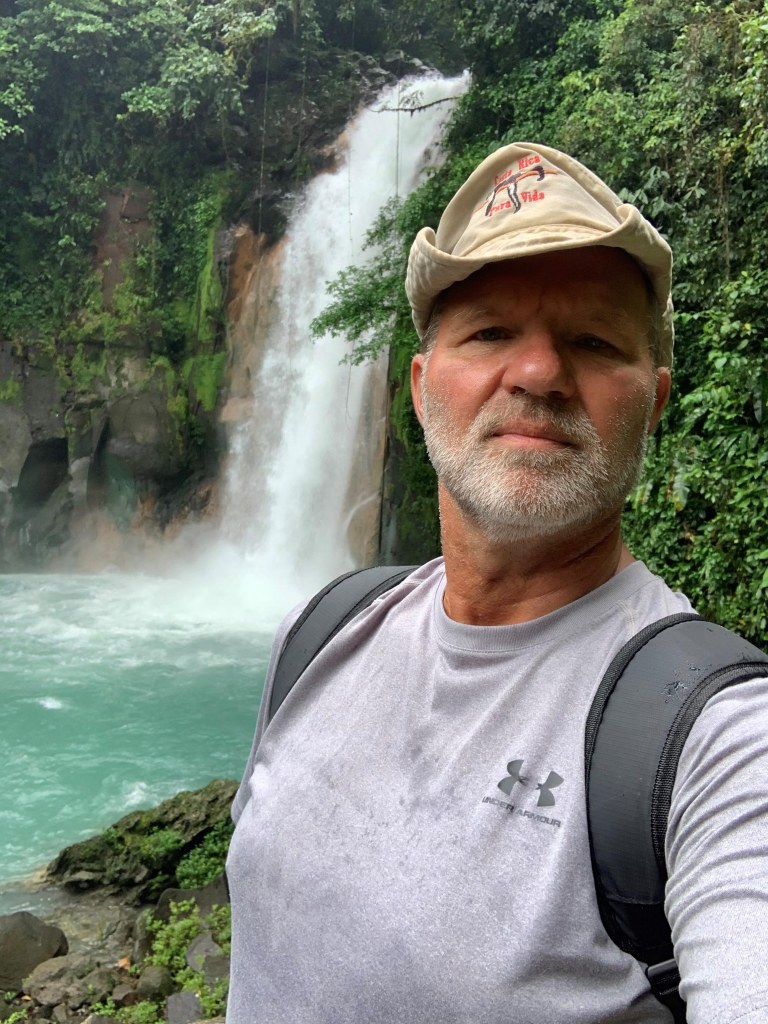
Interview with Author Gary Westphalen

Tell us a little bit about yourself. How did you get into writing?

I have been a journalist all of my life, so writing is just part of my DNA. I have been a news journalist for radio, TV, newspapers, and even my own regional magazine that I wrote and published for 4 years before selling it. I have also been a documentary film maker, garnering numerous prestigious awards for my work. I worked for one of the national television news organizations for years as a White House journalist, covering every President from Ronald Reagan to the first year of Donald Trump. All of that kept me so busy that I never had time to write for pleasure. But, now that I am semi-retired from that career, the books that I have pushed into a dark, dusty comer of my mind are starting to spill out.

Advertisements

What inspired you to write your book?

Murdered For Nothing was inspired by a real-life crime that I covered as a young journalist in Rochester, New York back in the late 1980’s. Over a 48 hour time span, two men killed five people in robberies that netted them less than a hundred dollars in cash and stolen items. It’s one of many chilling stories I covered over the years, and I’m finding that writing these stories is a sort of cathartic exercise for me. By putting these memories into written words, I am dealing with a head full of wild experiences I have had as a journalist.

What theme or message do you hope readers will take away from your book?

I think the message to be drawn from this story is that not only does crime not pay, but it leaves behind a trail of broken hopes and dreams for every one who is touched by the crime. Another theme in Murdered For Nothing is that everyone has a dark side that taints their actions. This might be a bit of a spoiler alert, but there are no “White Hat” characters in the book. Even the characters with the best of intentions are motivated by personal agendas. That doesn’t mean they don’t do the right thing in the end, but they don’t do it without thinking about themselves, too.

What drew you into this particular genre?

My personal experience as a journalist. I think it gives me a unique perspective on crime stories that most writers don’t have. It’s one thing to sit in front of your computer and create imaginary crimes. It’s quite another to write a story based on the personal experience of having been a front-line observer to a real crime. Although the characters in my book are works of fiction, they represent the real emotions and actions that played out in this story. This fictional account is very personal to me.

If you could sit down with any character in your book, what would you ask them and why?

This is a challenging question, because I have so many questions for every one of them. I think the most intriguing character is defense attorney Maxine Levine. Aggressive, driven, smart and sultry beyond reason, she’s the person everyone wants to be (or be with). Nicole Martin, the sister of one of the victims, displays a calm and insightful grasp on humanity that is beyond admirable. Homicide detective Dave Walters’ story leaves so many loose ends that the book raises more questions about him than it answers. Then, of course, there’s the television journalist caught up in the story from start to finish. Since the character is very loosely based on me (I wish I was as cool as he is), I have already been asking him questions for decades, never getting any clear answers. But in the end, I would want to (and actually did!) sit down with the two criminals to try to understand why they were willing to trade the lives of five people they knew for so little.

What social media site has been the most helpful in developing your readership?

Well, Facebook is still the elephant in the room. I am also partial to Linked In because I find it draws the kind of people who read books. It may be a smaller audience, but they are more likely to respond. It’s not exactly a social media site, but Goodreads is also a good place for writers and readers to get connected. I have an authors page on Goodreads, and anyone can ask me questions there. I don’t Tweet. I used to, but the excessive vitriol on that site drove me away.

What advice would you give to aspiring or just starting authors out there?

A writer writes. Sit down in front of the computer and write something. Every day. It doesn’t matter if, at the end of the session, you press the delete button and walk away. With every sentence you form, you improve your writing skills. Someday, that novel will pour forth from your head, and you will amaze yourself.

What does the future hold in store for you? Any new books/projects on the horizon?

My future holds many walks on the beach in Tamarindo, Costa Rica, which is where I now call “Home”. When the mid-day sun rises high in the sky, I make the ten-minute walk back to my domicile where it is cool. I sit down in front of the computer and write until the approaching sunset draws me back to the beach. Often, when I return from bidding adieu to the sun, I’ll sit down and write some more. Sometimes, all night.

Yes, there are many books to come. I have already written a book titled “Plan A Never Happens”. It’s the true story of how my wife Carmen and I completely upended our lives to move from the Washington, DC area to Costa Rica right in the middle of a worldwide Covid-19 pandemic. I’m currently working on another crime novel based on one of the most notorious crimes in US history. I actually started writing this one several years ago. Life got in the way of finishing it, but I am returning to it now. And, of course, there will be at least one more book based on some of the charcters in Murdered For Nothing. More will come beyond that, but they are mere thoughts at the moment. I will be writing until they pry my cold, dead fingers from the keyboard.

Advertisements

About the Author

I discovered my life’s mission by the time I was five years old. My parents bought me an instant print camera for my birthday, and the fact that I could freeze a moment in time and keep it forever was enthralling. It sent me on the path of journalism. In the all too numerous decades since then, I have fulfilled that calling as a television news journalist, documentary film maker, magazine publisher, web content writer, and now author.

My work has been seen on every major television network, on the silver screen, and in that little screen you carry in your pocket. I guarantee you have seen some of my work. I have won uncounted awards, including an EMMY, a Peabody, a Jules Verne International Scientific Documentary Award, and on and on. I also had the pleasure to produce two documentaries for NASA, one for the 40th Anniversary of the Apollo moon landings, and another one celebrating the 50th anniversary of the formation of NASA.

After all of those experiences…from crashing in a helicopter, being shot at, and threatened with arrest in places where I didn’t speak the language, to telling jokes with every President from Ronald Reagan to Barack Obama…I have realized that my brain is full. It is time for me to blend this amazing lifetime of memories with an overactive imagination in order to sweep some of this accumulation out of my mental attic. The result is my bold foray into the world of being an author. I have written millions of words before, but they have always been based in fact. Now, I’m blending fact with fiction in a unique way. I am writing ficticious novels based on real events in such a way that you, my dear reader, will be left wondering which part was fact, and which was fiction. To be honest, sometimes I’m not even sure.

Social Media Links:

https://www.facebook.com/gary.westphalen

https://www.linkedin.com/feed/

https://www.goodreads.com/author/show/18736977.Gary_Westphalen

https://garywestphalen.com/

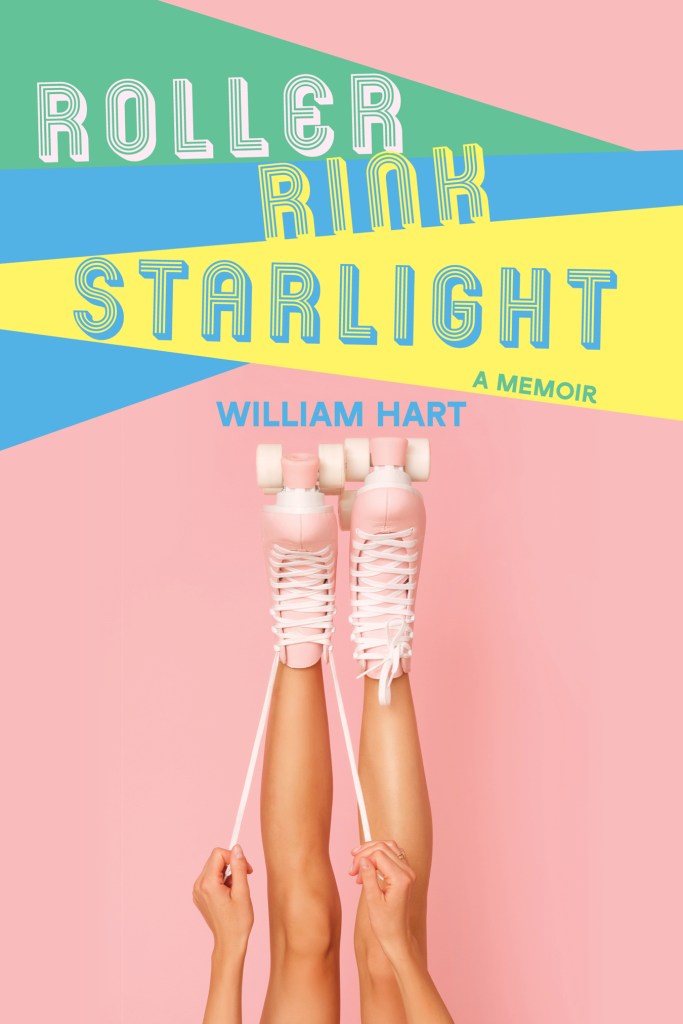
Interview with Author William Hart

1) How did you get into writing?

     I’m pretty sure it was my mother who inspired me to become a writer, when I was very young. She was a public school teacher responsible for kindergarten and first grade, and by the time my brother and I came along she had developed a most arresting manner of reading stories to her classes. She mimicked the character’s voices, adding her own highly amusing facial expressions to create entertainment at least as involving as the early television shows we were watching. The stories I remember best were taken from the Pooh Bear books, Winnie the Pooh and those that followed. Mom’s performances in our living room held my brother and I mesmerized—like her students must have been. The experience of her reading to us is unforgettable, and I believe it had much to do with both John and me becoming writers.

Advertisements

2) What inspired you to write your book?

     When I was fourteen, I joined a roller racing team at my local rink that turned out to be one of the best speed skating clubs in the country. Many of my teammates were national champions and so it was easy for me to set my goals high as I was developing as a skate racer. I was a varsity sprinter on my ninth grade track team, and those skills translated well to my new sport. Within a year I became one of the fastest roller racers my age in the country. As I was developing my skills, I attracted the attention of a very pretty girl my age who had taken second at nationals a week or two before she asked me to join her in a couple’s skate. Both of us, having found the mate of our dreams, fell in love for the first time, and for two intense, thrilling years that girl hung the moon for me. Both my new sport and my first romantic relationship made that period the most memorable of my life. Once I became a writer it was natural for me to want to write about those heady days of my youth, though it took me decades to figure out how to do it.

3) What theme or message do you hope readers will take away from your book?

     There were many pretty girls at our roller rink. In addition to my girlfriend, who was slow to develop physically, there was a second girl my age who developed a woman’s body a little early. When my girlfriend balked at pursuing a complete physical relationship, both because she didn’t feel ready and because she didn’t want to become a party girl like her quite irresponsible mother, I became frustrated and dropped her for the girl who was much more willing to give me what I thought I wanted. Later, I realized I’d made a terrible and costly mistake. I’ve felt guilty all my life for what I did when I was sixteen. The primary message of Roller Rink Starlight is that sex is a poor substitute for love. When confronted with a choice between the two, pick love, because it is more valuable, much rarer, and holds the promise of a relationship that is deep and long lasting. There are many other messages in my book, but that’s the main one.

4) What drew you into this particular genre?

     I’m usually a writer of fiction, and so it was natural for me to try to tell the story I most wanted to tell as a novel. Over many years, as I was writing other things, I tried three or four times to write my novel about love and sex at the roller rink. But every time what I produced seemed false to me, like music that is tinny, or an argument based on lies. Finally, as a senior citizen, I tried telling the story exactly as it happened, except that I changed some names to protect privacy and to avoid hurting people. Written as a memoir, the story came pouring out of me, true to life and I believe moving and meaningful. Apparently the story meant so much to me I had to tell it like it happened, full of the ecstasies and warts of real life. 

5) What social media site has been the most helpful in developing your readership?

     I’m not active on any social media. For example, I have a Facebook account and over 300 Facebook friends, but only rarely do I interact with them in that forum. Basically I’m reactive rather that proactive. That is, if one of my Facebook friends messages me, I answer. But I don’t often message others first or try to sell my literary works on Facebook.

6) What advice would you give to aspiring or just starting authors out there?

     I don’t have much advice, because each writer is unique in talent, so that what works for me probably won’t work for many others. But I do have one tip for those beginning on the writer’s career path. Most of us, at the start, are so fired up by our calling that we dream of our creativity providing our income, allowing us to write all the time. A very few are able to accomplish this. But most of us spend a long time developing the skills needed to earn significant money. In fact, the vast majority never become self-supporting from writing alone. Therefore, I advise finding other work that doesn’t conflict with the writing, but that pays the bills. I did this and received a bonus I didn’t expect. More than half my books have come from jobs I took in order to survive financially. 

7) What does the future hold in store for you? Any new books on the horizon?

     I’m currently working on a lightly fictionalized memoir about one of my friends, a quadriplegic marijuana dealer operating outside the law. He was my dealer for about twenty years before California passed medical marijuana legislation and I decided to go legal as a buyer. His story is interesting to me partly because his life is interesting, especially from the time his mother’s boyfriend accidentally sent a .38 caliber slug spinning through his fifth cervical vertebra, sentencing him to a wheelchair for life. My friend, needing caregivers daily, hired two undocumented immigrants from Tijuana, one a terribly attractive 18-year-old Chicana fashion model, the other her older sister, less attractive physically but an incredible workhorse, capable of succeeding at three outside jobs in addition to her work for my buddy As luck would have it, my friend fell head over heels in love with the beautiful sister, while the less beautiful sister fell in love with him. The story takes place in a south central L.A. neighborhood with street gangs and an assortment of unusual and entertaining characters, including two other paraplegics that my friend met and bonded with in his rehab hospital. If you think the paralyzed can’t live wild, turbulent, yet productive lives, read my book to find out how they can.

8) Are you a plotter or a puntster?

     Back when I was a teacher, I planned every course meeting in detail rather than “winging it,” so it shouldn’t be surprising that when my writer’s hat goes on I plot everything except short poems. I do let my creativity flow, but when I do it’s in the context of an established plot that I can modify while writing as I see better ways to tell the story than exist in my plans. For me, mixing carefully detailed planning with creativity is the best way to go, because it draws strength from two very different methods of accomplishing the job.

9) Do you read your reviews? Do you respond to them, good or bad? Do you have any advice on how to deal with the bad?

      I read every review I hear about and I try to thank every reviewer, even those who are negative. Generally speaking, reviewers provide the most effective promotion that books receive and it strikes me as wrong to bite the hands that are feeding me. I might feel differently if most of the reviews of my books hadn’t been quite positive. Overall reviewers have been kind to my literary efforts, and some of those who have been critical have helped me improve as a writer. It so happens that reviewers are writers too, and it seems silly on my part to be disrespectful to those I want to respect my work. I sometimes review books for other authors and from that I’ve learned reviewing isn’t easy, though it is usually easier than the creative act.

10) How important are names to you in your books? Do you choose the names based on liking the way they sound or the meaning?

     I believe names are important in anyone’s writing, and in fiction, which I write most of the time, I create the names of characters very carefully. That’s because I strive for realism, and nothing jars with that style more than names that sound made-up. Some writers create names with symbolic meaning, but I don’t. I rarely run across a symbolic name in real life. I do pick names that match a character’s national origins, and I pick names that suggest to me the character’s personality, though I can’t describe that process with any precision. I choose names I like for characters I like and names I don’t like for characters I dislike. It often takes a long time to get a name just right, but it’s worth the effort because it helps readers see the fictional person as real and hints at what that person is like. A character name that is on the money works not only for readers but for me as author, because it helps me buy into the fictional world I’m trying to establish.     

Advertisements

About the Author

William Hart is a novelist and poet living in Los Angeles. He writes while helping produce the documentaries of PBS filmmaker Jayasri Majumdar, his wife. Hart’s work has appeared in several hundred literary journals, commercial magazines, newspapers and anthologies, and fourteen books.

Interview with Author and Poet Jonathan Koven

1) Tell us a little bit about yourself. How did you get into writing?

I was raised on Long Island, NY. My first writings date back to when I was a child. Art always offered me comfort even at a young age. I graduated with a Bachelor’s in Literature from American University in Washington DC, where I then lived for seven years and met my fiancée, Delana. We’ve since moved to Philadelphia into a home with our two precious cats, Peanut Butter and Keebler.

Advertisements

2) What inspired you to write your book?

Palm Lines is largely influenced by my own experiences and relationships, with friends and family and with myself. Yet, more than anything, I hope others read and find something to latch onto themselves.

3) What theme or message do you hope readers will take away from your book?

Be kind to the lonely child waiting in your heart.

4) What drew you into this particular genre?

I’m drawn to poetry the way blood reaches my heart, the way wounds scab over.

5) What social media site has been the most helpful in developing your readership?

Maybe Instagram or Twitter, but mainly I’ve found my fans through other channels — workshops, open mics, journal events etc…

6) What advice would you give to aspiring or just starting authors out there?

Write more than you know what to do with, and never stop believing it is all worth the wait.

7) What does the future hold in store for you? Any new books/projects on the horizon?

My debut fiction novella Below Torrential Hill is a 2020 Electric Eclectic Novella Prize winner, and releases this December. What to expect? A supernatural comet, voices from the sink, a boy’s coming-of-age, a presence calling from the woods . . . Keep an eye out! I also have a few shorter poems and fiction pieces being published before then. Follow my Twitter or Instagram for updates @jonathankoven. You can also read all my work featured so far at this link.

Advertisements

About the Author

Jonathan Koven grew up on Long Island, NY, embraced by tree-speak, tide’s rush, and the love and support of his family. He holds a BA in Literature and Creative Writing from American University, works as a technical writer, and is Toho Journal’s head fiction editor and workshop coordinator. He lives in Philadelphia with his best friend and future wife Delana, and cats Peanut Butter and Keebler. Credits include Lindenwood Review, Night Picnic Press, Iris Literary, and more. His debut chapbook Palm Lines is available from Toho Publishing, and his award-winning novella Below Torrential Hill is expected winter 2021 from Electric Eclectic.

https://jonathanadamkoven.wixsite.com/portfolio