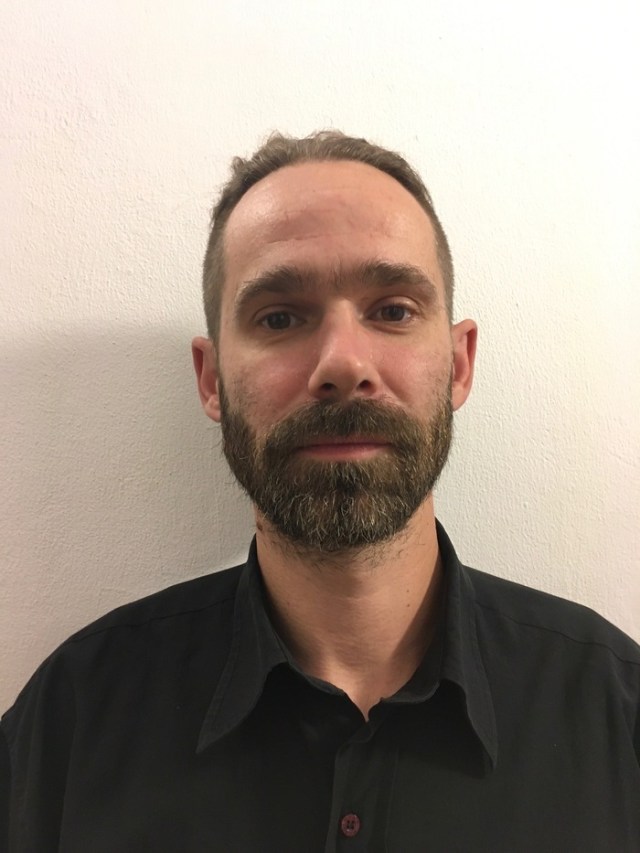
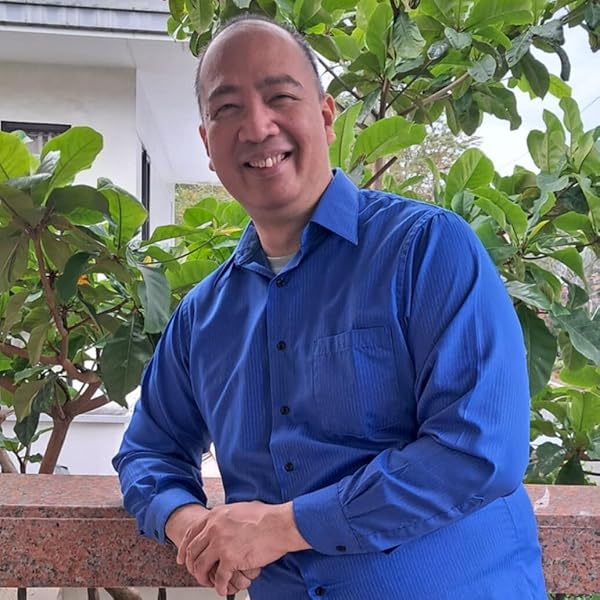
1) Tell us a little bit about yourself. How did you get into writing?
Reporting on business during the early days of the internet was one of my first writing jobs. I loved the fast pace, and soon transitioned into TV as a producer at a popular news outlet. I wrote broadcast copy for newscasts, and thrilled at paring back long sentences into crisp one-liners.
Journalism was already under fire way back then, and I made the switch to PR, where I’ve worked in corporate communications for 20 years. While many think business is boring, it’s full of invention and progress, driven by fascinating personalities.
Then, late last year, after years of telling other people’s stories, I wanted to tell one of my own.
Advertisements
2) What inspired you to write your book?
When I started the Serenity Acres Series, I planned five volumes, with a strong idea about volumes three, four and five. I was stumped on how to progress from Dinked until…
I fell prey to an age-old publishing scam, backed by a slick overseas operation.
When I discovered the duplicity, I was shocked. I went through all of the typical emotional stages of fraud.
I also laughed at the irony. Dinked already contained an Amazon phishing subplot. Life imitating art.
And what domestic thriller writer wouldn’t dream of taking revenge on the very people who burned her?
The more I learned about the people behind my fraud, the more I questioned their true identities. I don’t know who the real John Eden or Jordan Delgado is, or where they live. Certain things they said resonated when I read articles about people in Southeast Asia swept up into call centres and forced labour.
Was I catfished by prisoners? I don’t know and never will. But I got my frustrations out in Shafted.
3) What theme or message do you hope readers will take away from your book?
There are no takeaways of values in Serenity Acres! Everyone’s a hot mess with a secret. I do think the residents might benefit from self-reflection.
4) What drew you into this particular genre?
I grew up watching staples like Colombo and Murder She Wrote, where every camera zoom or lingering shot hinted at a clue to be placed into an orderly conclusion.
That, and a heavy dose of daytime soaps, which my Mom loved while ironing! I loved the absurd twists; double-lives, dramatic affairs and anything but domestic bliss.
5) If you could sit down with any character in your book, what would you ask them and why?
Daphne! I would love to know why she shops so much! She seems to have it all but is intent on throwing it away. Irwin is devoted to her and they have two great kids, but she’s focused on everything but, including her pet costume biz.
Oh, and Clara. But I might be afraid to get too into her head.
6) What social media site has been the most helpful in developing your readership?
Facebook. I’ve shared character cards and reels with great engagement. I know I should use TikTok but haven’t gotten to it yet. I sort of hate the idea of another platform.
7) What advice would you give to aspiring or just starting authors out there?
Stay true to your story; you know the way you want to tell it.
Most of my characters are quantifiable jerks, but with redeeming qualities. Much like real life: faulted, vulnerable and complex. Have a plan and move it forward with clarity. Keep details relevant and tied together at the end. No one cares what kind of cookie a character likes, unless they’re going to kill someone with it.
Advertisements
ABOUT THE AUTHOR
With over twenty years of spinning stories in corporate communications, Dinked: Serenity Acres. Where Secrets Barely Stay Hidden is Crystal Quast’s debut novel. When she’s not writing, Crystal loves playing pickleball and tennis, paddleboarding, hiking, and spending time with her family.
1) Tell us a little bit about yourself. How did you get into writing?
I started writing at the age of seven. We were given a poetry assignment in class, and I never stopped! My first poem was about a greyhound. I was fascinated with dogs and fairies, and the sighthounds (greyhounds, salukis, whippets, Irish wolfhounds, Scottish deerhounds), anything with those long, tapered legs that could run so fast.
My second poem was slightly better. Golden Fawn was the title; I composed it upon the death of my beautiful golden hamster. Writing about animals that I loved, or that were a part of my life, just came naturally to me. The imaginary kingdom that most people couldn’t see started weaving itself into my writing very young as well.
Advertisements
2) What inspired you to write your book?
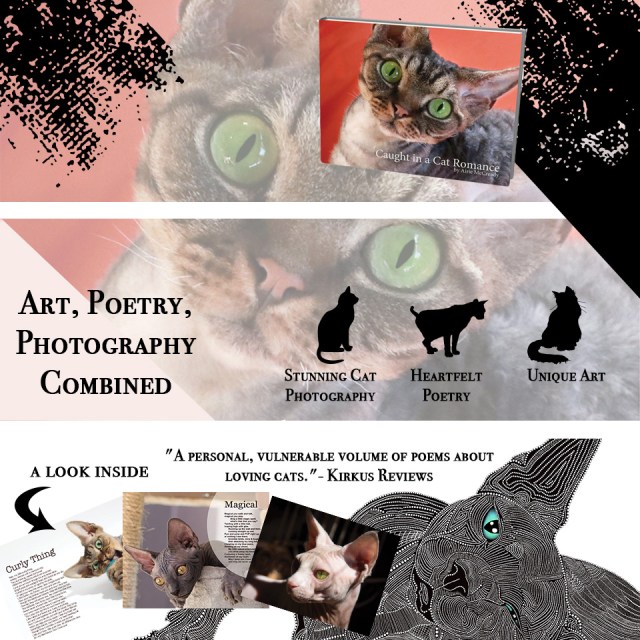
Every single poem or story, photograph, or drawing in this book is heartfelt. Again, my beautiful pets cross back and forth to the ether realm, making pictures of themselves in the sky or even in my bedroom. Their births, lives, and deaths are commemorated here. Often, instead of saying, “I wrote a poem,” I’ll say, “I poemed,” like giving birth to a piece of writing.
Inspiration comes from intense emotions, whether it’s about a pet or something I’ve experienced in my life — unfortunately, a lot of abuse — but out of that is born writing that can help others.
3) What theme or message do you hope readers will take away from your book?
That it’s okay to feel deeply about your pets, whether they’re a cat or a dog, hairless or furred, people are beginning to understand that it’s okay to grieve for a pet like you would for a person. A relationship between two species possesses inherent magic; so it’s okay to give voice to that magic and the love that you have for your cat, dog, horse, or whatever. Animals are children, too.
4) What drew you into this particular genre?
Initially, I frowned upon long writing assignments; writing a poem, a short essay, or a story was easier for me. Now I have the freedom to write whatever I wish, but I value poetry’s capacity to traverse lifetimes, periods, or annum, truly anything. I love finding the words to express exactly what I’m feeling or what I want others to feel.
5) What social media site has been the most helpful in developing your readership?
Facebook is number one for me. From 2013 to lockdown, I had a store online that made clothing for cats. My wish remained to write, though the garments rose in popularity, restricting my availability, leaving no time for writing. So, what I would do is, when I felt something forming in my mind, I would type it into my Facebook feed and see what kind of response it’d get. A lot of it got an excellent response. I waited, confirming that it was not simply loved ones offering praise, but those I admired and respected who offered honest praise. Then my Facebook followers kept saying that I should make a book or a coffee table book because they also liked my photography and art. This took years to bring together, so this debut is for my followers.
6) What advice would you give to aspiring or just starting authors out there?
This is one of the most challenging questions I get asked, because we’re all very different. I would say, find your voice first. Don’t copy others except if you like the cadence they’re using in their poem. You can use it in yours, but don’t steal. For instance, I tried to write a vampire story, and I love Anne Rice, but it started sounding too much like her voice and not mine. So, I stopped, and I do have a novella coming out now, working title: Bella and Lee and Me. It has immortal creatures, some that you’ve never heard of before, and a lot of spiritual, but differently stated storylines that are truly my own.
Find a Facebook group that has a lot in common with your tastes, and you can show them something that you’ve written, but be sure to write all rights reserved and your name underneath.
7) What does the future hold in store for you? Any new books/projects on the horizon?
I have several new books and development poetry books, one a novel, one a novella, all almost all the way finished. I have several chronic diseases, which limit me in my day-to-day life and in my writing as well. However, writing is something I continue to do, whether by typing or using speech to text.
Aber Stoat, my publisher, is wonderful for working with indie authors and has been great with me.
Advertisements
About the Author
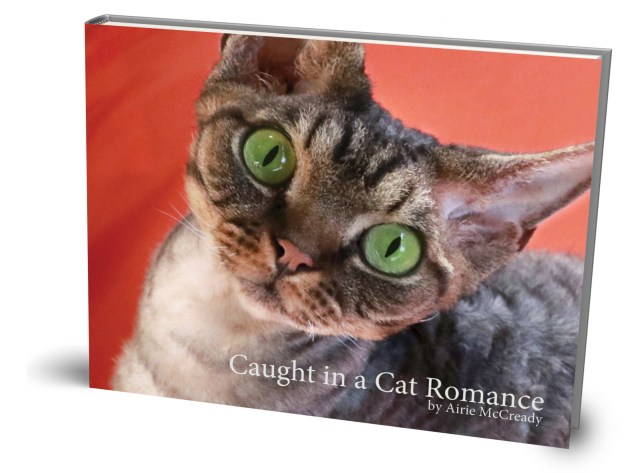
Airie McCready got her journalism degree, but spent her early years in fine art, computer graphics, and freelanced as an art director for photo shoots. After her marriage ended, she changed her name in order to get out from under the shadow of her ex-husband‘s writing and set out on a journey of self-discovery, which led to her mission today, helping people understand the love of cats. After observing cats’ behavior for over 20 years, Sphynx and Devon Rex specifically for over 10 years, she now shares her expert knowledge with others. She views her bond with her cats as deeply spiritual, describing it as a symbiotic unit.
Tell us a little bit about yourself. How did you get into writing?
As far back as I can remember, I have loved to write. Starting in high school, I earned praise from my teachers about my writing skills – which led me to focus more on my writing talents. In college, recognition of my writing abilities continued, and I earned the highest score in my Legal Research & Writing course during my first year of law school.
Advertisements
What inspired you to write your book?
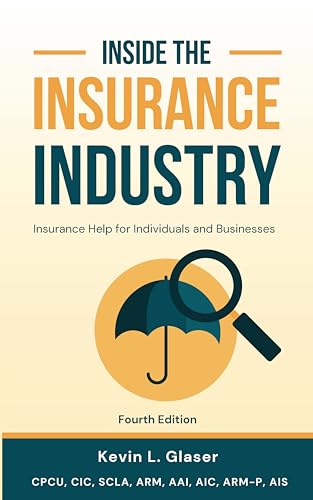
The first book that I wrote was Inside the Insurance Industry. I wrote it after encouragement I received from my oldest son. He wanted me to share things that I had learned during my insurance career and as the owner of a risk management consulting business. As an amateur songwriter, I can share that writing songs is like writing books. Sometimes the words come easy and sometimes they do not. My first book was an easy endeavor.
What theme or message do you hope readers will take away from your book?
My intent in writing each of my nonfiction books has been to provide information that is not available elsewhere. Readers learn useful things about the ins and outs of the insurance industry in my insurance-related books, and learn about the life and times of Tompall Glaser in my The Great Tompall: Forgotten Country Music Outlaw biography. This book about my uncle was so interesting to write since it shares stories about an interesting life and time that were so different than mine – and different than most other people, as well.
What drew you into this particular genre?
While I have dabbled in writing fiction – and most songs I have written contain fictional situations – I have always enjoyed learning and sharing facts. While many people write nonfiction books, I try to set myself apart by writing about things that others have not written about and doing so in a way that differs from others.
What social media site has been the most helpful in developing your readership?
Honestly, the area of social media is something that I need to work on. For now, I rely on my website (www.rtsidecreationsllc.com), my Author’s Page on Amazon, Baker & Taylor, and several eBook sites to promote my book. Social media is something that I intend to learn more about to take advantage of its wide potential.
What advice would you give to aspiring or just starting authors out there?
When people find out that I have written books, quite a few times they have told me either that they have always dreamed of writing a book themselves, or they will tell me that they are planning to do so. When I hear these types of comments, I chuckle to myself a little bit because most people have no idea of how difficult it is to become a successful author. While anyone can type words on a page, few finish a manuscript, and even fewer attempt to find an agent or publisher, or to otherwise try to actively promote their books themselves.
So, my first piece of advice to aspiring or new authors is not to underestimate the amount of work it will take to become a successful author. However, I realize that people have different aspirations and definitions of success. Some may want only to write a book and offer it for free on a website, which is a relatively low bar to jump over. While others want to sell thousands of book copies and to make book writing a career. If the later applies, just know it takes a lot of time, money and time spent learning about the industry.
What does the future hold in store for you? Any new books/projects on the horizon?
Since I just published Inside the Insurance Industry – Fourth Edition, I am spending a great deal of time promoting it and have not started working on anything new. But I do have some new book ideas rolling around in my head. So, there may be more books on the horizon for me…stay tuned!
Advertisements
About the Author
Inside the Insurance Industry – Fourth Edition: Insurance Help for Individuals and Businesses is Kevin Glaser’s most recent book. This edition expands prior topics, contains several new ideas to help readers save money, and assists with making informed decisions. Ultimately, it helps to avoid out-of-pocket payments resulting from inadequate coverage or failing to address uninsured risk exposures.
He has written other well-received books. Inside the Insurance Industry – Third Edition is a consumer-focused book that describes topics such as the inner workings of insurance companies and how insurance is sold. By better understanding the insurance process consumers can both save money and obtain broader coverages.
The Great Tompall: Forgotten Country Music Outlaw is an in-depth biography of Kevin’s uncle, Tompall Glaser, an iconic and influential country music performer and business owner during country music’s outlaw era. Tompall often stood alone in his fight for artistic freedom for Nashville musicians and he paid the price. While he became the “forgotten outlaw,” this book explains the significant roles he played in the development of country music during the 1950’s through the 1980’s.
Glaser’s primary occupation involves providing insurance and risk management consulting services, litigation support and expert witness testimony across the USA.
1) Tell us a little bit about yourself. How did you get into writing?
I’ve worked as a technical writer in IT, but honestly, there has always been a whole universe inside my head — thoughts, ideas, contemplations, tricky questions that still have no clear answers, and even problems humanity keeps wrestling with.
As a kid, I tried writing little stories. Sometimes I’d watch a TV series that inspired me so much, I just had to write my own version. But to be honest, I’m not great at writing fictional stories. My imagination is rich, but my plots never quite come together.
What I do have, though, is a very analytical mind. My real talent lies in looking at things from unique angles most people wouldn’t think of and wrapping those ideas in a fresh, non-standard format of storytelling. I also love finding solutions to problems (something I do daily in my analyst job).
That’s why I gravitate toward writing about life-related problems people struggle to solve, as well as big, hard-to-answer questions. The topics I choose are sometimes spicy, sometimes controversial, often emotional, and yes — sometimes they invite judgment or even hate from others. But I’m learning not to be afraid to speak up. And in fact, that’s what my first book (“The Shadow of Wealth”) is about.
Advertisements
2) What inspired you to write your book?
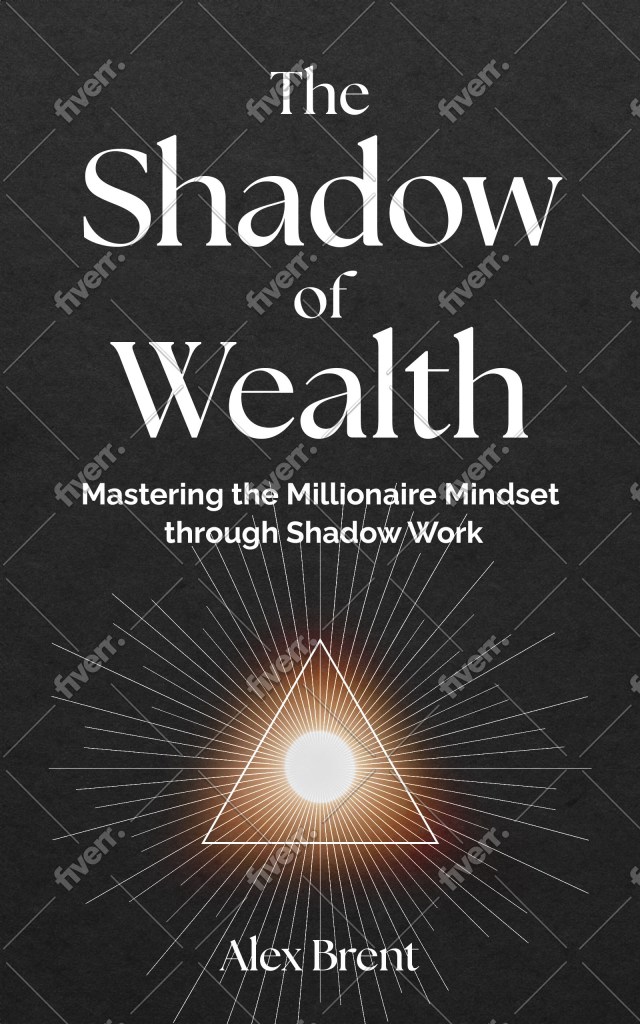
I wrote Shadow of Wealth by combining Jungian shadow work with millionaire mindset principles, because money mindset is one of those evergreen topics. Everyone needs money, and there should be no shame in admitting it.
But here’s the thing: I always hated most books in this genre. Too many of them talk about “magical ways to step into abundance,” with the core message being, “Just believe, and it will happen!”
The problem is, “Believe” isn’t a command you can simply follow. And it’s incredibly hard to believe you can be wealthy when your reality is screaming the opposite.
Sure, people get inspired by the idea of manifesting wealth through positive thinking. But years pass, and most of them stay exactly where they started. The only thing that changes is that their thoughts aren’t as positive anymore, and their faith in “abundance” is fading.
I analyzed ALL the bestseller books about money mindset and noticed that none of them were using shadow work as a tool to shift mindset and improve finances. I’ve personally used shadow work to transform many areas of my life — especially my financial situation — and the results are incredible if you approach it with curiosity and the courage to face what you’re not ready to admit about yourself.
3) What theme or message do you hope readers will take away from your book?
The main message I want readers to understand is this: no matter how hard you believe, manifest, or visualize, you won’t move into action unless you remove the inner resistance holding you back. Shadow work is one of the most effective ways to do this.
Inner resistance is like having your hands tied. You can’t untangle it with vision boards or positive affirmations, because it’s built from old traumas, fears, and painful emotions most of us don’t even realize we carry.
Another takeaway I want for readers is clarity on how to actually move forward with building wealth. In my book, the strict Shadow character doesn’t just help uncover emotions and insights — it also pushes readers to think about their next steps. Along the way, I’ve included practical guidance based on millionaire wisdom I’ve studied from many sources.
So instead of just saying, “Now you know you have a fear of failure, go deal with it,” the book frames it more like: “Here’s what millionaires do to succeed. Here’s what’s stopping you from doing the same. And here’s what you can actually do to change that and succeed too.”
By the end, the big question — “What do I actually need to do to build wealth right now?” — becomes a lot clearer.
4) What drew you into this particular genre?
It comes down to my willingness to solve problems for others in a way only I can — by offering perspectives and approaches that not many people have tried. I love suggesting alternative points of view that can shift the way someone thinks about their struggles.
5) What social media site has been the most helpful in developing your readership?
Oh, I wish someone had asked me that earlier!
You see, while working in IT, I never really had time to grow my social media presence. My days were filled with talking to customers, writing documentation, traveling for business trips, and helping build products.
Even now, I’m still engaged in those activities. But recently, I finally started an Instagram account: @shadowwork_money. Right now, it’s centered around my book, but eventually, I plan to branch out and share more personalized content on a variety of topics. I have so many ideas, and I can’t wait to bring them to life. It’s going to be an interesting journey.
6) What advice would you give to aspiring or just starting authors out there?
First, I’d say: enjoy the creative writing process. There’s nothing like watching something truly unique come to life from your imagination.
Second… study marketing. Being creative is one thing, but selling your work is a whole different story. Honestly, I was shocked at how many so-called marketers out there are actually scammers, ready to empty your pockets with promises of hundreds or thousands of sales. My painful experience cost me almost $6,000 (a story I’ll share in detail soon), and it almost made me want to give up on writing altogether.
Because of that, marketing has become both my obsession and my playground. My advice: beware of fake promises, because scammers are very convincing these days.
Right now, I’m actually writing a series of LinkedIn articles about marketing techniques that are genuinely useful for authors who want to sell more books. If you’re looking for knowledge or support, come join me there!
7) What does the future hold in store for you? Any new books/projects on the horizon?
Oh my, absolutely! New books are definitely on the horizon.
I already have a few topics waiting for their turn: infidelity, parenthood, the things we believe in, and even the genetic lottery. Each of these requires deep research before I start writing, but my notebooks are already bursting with ideas.
I truly hope to meet you again on the pages of my future books. And more than anything, I hope my stories don’t just resonate with you — I hope they spark useful revelations, provoke deep thoughts, and inspire lasting positive change in your life.
By day, I work in IT, but beyond my job, I have a deep passion for Jungian psychology and writing. I love expressing my thoughts and sharing powerful insights – and nothing lights me up more than hearing how those ideas have helped others grow or shift something in their lives.
I’m especially interested in the topic of wealth. And I’ll be honest – I feel no shame about it. Wanting more, desiring abundance, and striving to live your best life is a good thing. (Even if many of us were taught to feel guilty about it.)
At one point in my journey, I realized I was on a meaningful path toward building real wealth. That’s when I felt I had something valuable to share—something honest and hard-earned about how wealth is actually created.
But just to be clear: it hasn’t come from any magic trick or overnight success. It’s been the old-fashioned way – through years of working, creating, investing, and selling. It’s taken over 15 years, and the journey is still unfolding.
And honestly?
I believe it could have happened much faster if I had met my Shadow earlier.
Once I experienced the power of shadow work firsthand, I couldn’t keep it to myself. My creative side wouldn’t let me. I felt this undeniable urge to share what I had learned—in my own way, in my own voice.
1) Tell us a little bit about yourself. How did you get into writing?
I’m A. Pāj Turner, a retired U.S. Army Chief Warrant Officer 5 and Navy veteran who transitioned into storytelling after more than 30 years of service. My military career gave me discipline, perspective, and a deep sense of community responsibility. Writing became my way to channel those experiences into something creative, impactful, and lasting. What began as journaling and personal reflection evolved into a passion for crafting narratives that challenge, inspire, and provoke thought.
⸻
2) What inspired you to write your book?
I was inspired by the legacy of Tulsa’s Greenwood District, also known as Black Wall Street, and the broader history of communities that were dismantled by greed and systemic injustice. I wanted to reimagine what could happen if someone returned home determined to correct those injustices using unconventional strategies. My own experiences in leadership and logistics gave me insight into how systems work—and how they can be re-engineered to empower rather than oppress.
⸻
3) What theme or message do you hope readers will take away from your book?
The central theme is empowerment: the belief that ordinary people, when united with vision and purpose, can transform their communities. I also explore moral gray areas—what sacrifices are justified in pursuit of justice? Ultimately, I want readers to walk away questioning how far they themselves would go to address generational inequality and uplift those around them.
⸻
4) What drew you into this particular genre?
I’ve always been drawn to stories that mix social realism with elements of suspense, strategy, and moral dilemma. Blending historical possibilities with modern struggles allowed me to create a narrative that feels both grounded and cinematic. It’s a genre that gives space for action, intellect, and heart—while also carrying a message that matters.
⸻
5) If you could sit down with any character in your book, what would you ask them and why?
I’d sit down with Richie Tomlison, the protagonist. I’d ask him, “Do you ever worry that your sacrifices will cost you more than you gain?” Because his journey is one of heavy moral weight—balancing personal loss against the pursuit of community liberation. I think his answer would reveal not only his convictions, but also his humanity.
⸻
6) What social media site has been the most helpful in developing your readership?
Instagram has been the most effective for me. The visual nature of the platform allows me to share stills, teasers, and behind-the-scenes content that bring the story world to life. It’s also where collaboration with actors, influencers, and readers builds a sense of community around the project. Pairing visuals with storytelling really resonates with today’s audience.
⸻
7) What advice would you give to aspiring or just starting authors out there?
Don’t wait for perfect conditions—start writing and keep refining. Be disciplined like it’s a mission, but flexible enough to let your story evolve. Also, understand that writing is only half the journey; building an audience and sharing your story with the world requires just as much dedication. Believe in your voice, invest in your craft, and don’t let rejection discourage you.
⸻
8) What does the future hold in store for you? Any new books/projects on the horizon?
The novel The Emancipation of Limits has already been adapted into a pilot presentation, and we’re building it into a six-season TV series. It was recently selected for the Black Hollywood Film Festival, which is an exciting step forward. Beyond that, I’m developing additional novels and film projects, each centered on themes of justice, identity, and empowerment. My goal is to create a body of work that entertains while leaving a lasting impact.
Advertisements
About the Author
My name is A. PAJ Turner and I was born on the 29th of December, 1971, in Chicago, IL. My parents are Russell Leon Turner Sr. and Joann Turner. They divorced when I was two and he was an absent father to my brother and I. He died in 2002, of natural causes, but had two strokes that probably aided with his passing. He was fifty-two when he passed. My older brother, Russell Jr, took the role as my guardian and protector as he ensured if harm ever came our way, he would shield me at all cost. He was my first superhero and I looked up to him because he had abilities that I felt I could never obtain.
My early childhood was a typical middle-class environment in the 1970’s. My mom worked for Illinois Bell and my grandfather, Richard Watson Sr., who lived with us was my first and the example of what a man should be like. I did everything an inner-city kid would do for fun. Ring doorbells and run, play hide and go seek, kill-the-man, baseball, and other mischievous things. Snowball, rock and crabapple fights,was the thing to do in our neighborhood. When Michael Jordan touched down in Chicago, every child dream was to be like Mike, so basketball became my dream.
My mom did not want Public School education for my brother and I, so she sent us to catholic schools from Kindergarten through High School. I wasn’t the best student, I understood the work, but school just didn’t interest me. My grades showed it and my brother, my defense attorney pleaded his case to mom on why my grades was the way they were. I was proud that he would represent me. As my mom stood there, frowning with her hands on her hip with her leather belt folded in her right hand, she listened. When he told her, my F wasn’t really an F, what he did wrong was or trying to drag a teacher’s work ethic through the mud…. In short, he never won a case. It would have made more sense for my brother to tell her that I was adopted. He never hesitated to tell me that. He reasoning was because I didn’t have many baby pictures.
Eighth grade was the last straw for my mom and grandfather. I remember my grandfather and I was having a conversation about my grades. He said that he didn’t want to die knowing I was doing bad in school. That destroyed me! They last thing I ever wanted was for him to die and not showing him what I could become. I honor rolled in High School and went on to Kennedy King Jr. College on a basketball scholarship. One night, heading to a home game, I got held at gunpoint. I was at the wrong place at the wrong time. My uncle, Richard Watson Jr., convinced me to join the military and don’t look back. I did just that.
1) Tell us a little bit about yourself. How did you get into writing?
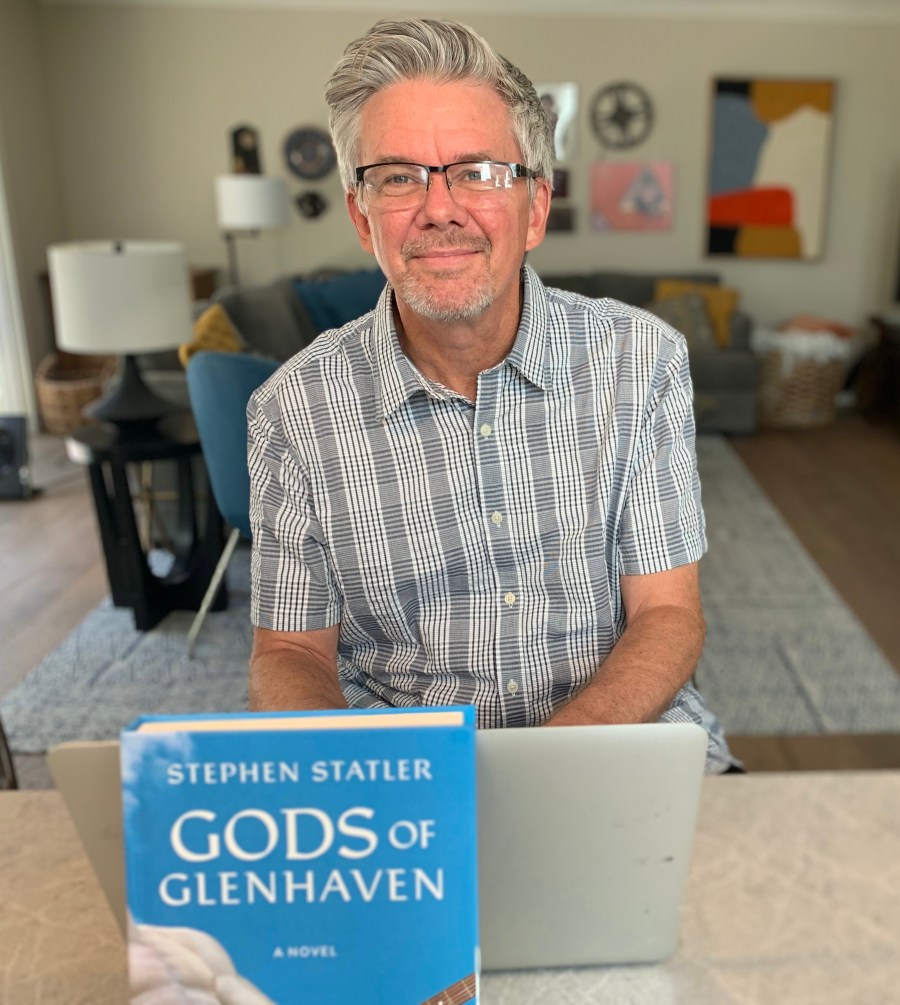
I went to film school at NYU. I worked with a screenwriting partner for many years but we were never able to make money at it. We still have representation and a script under option, so hope springs eternal. Recently, both of us have turned to fiction. I started by writing short funny pieces for McSweeney’s and other magazines and then decided to try my hand at a novel.
Advertisements
2) What inspired you to write your book?
I was looking for an entertaining way to write about the social contract: How is it that we all manage to co-exist (for the most part) without letting our self-interest and instinct for pleasure completely govern us?
3) What theme or message do you hope readers will take away from your book?
It’s possible to live both pleasurably and morally. Not easy, but possible.
4) What drew you into this particular genre?
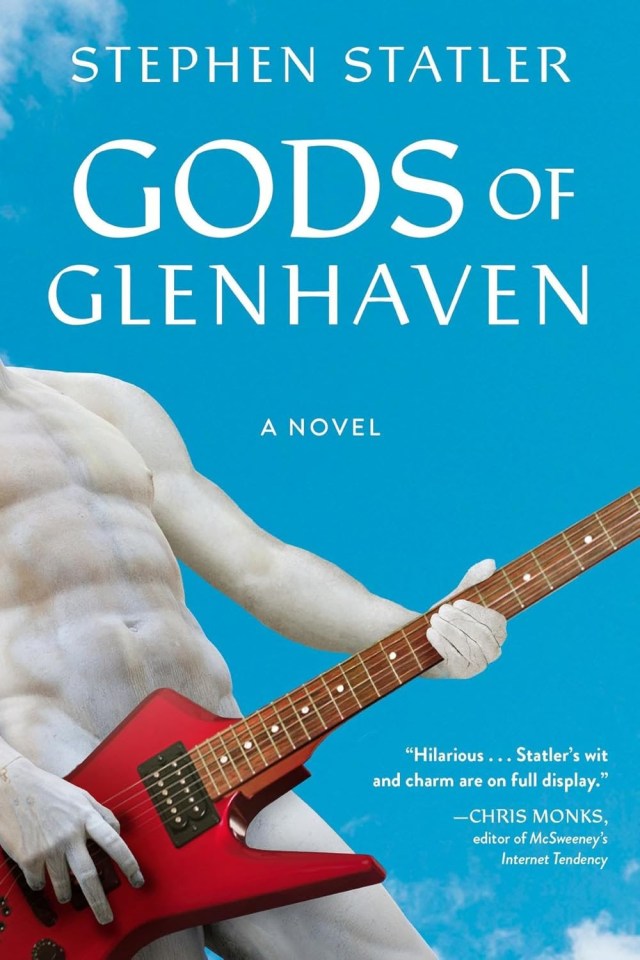
Once I decided to use Dionysus as the representation of pleasure and self-interest, I knew that I would have something of a fantasy book on my hand. But I also knew that the book wouldn’t be a straight fantasy, and that the Greek god stuff would constitute just a sprinkling of magic in an otherwise mundane suburban comedy.
5) If you could sit down with any character in your book, what would you ask them and why?
I would ask Dionysus why he has so much trouble controlling his impulse for chaos, and whether it’s because the Universe is actually chaotic and he’s trying to show us that truth by example.
6) What social media site has been the most helpful in developing your readership?
Probably Facebook. I got a lot of support from old friends when I debuted the book.
7) What advice would you give to aspiring or just starting authors out there?
Write something every day. If nothing else, just sit down and do some automatic writing. Type anything that comes off your fingers, without thinking, without stopping, for ten minutes. It’s like stretching before exercising. Everything you write after that will be better for it.
8) What does the future hold in store for you? Any new books/projects on the horizon?
I just finished the text for a children’s book called “Sadie and Truman,” and am working on a new novel as well as some more short comedy pieces.
Advertisements
About the Author
Stephen Statler is a comedy writer whose work has appeared in McSweeney’s Internet Tendency, Points in Case, and other magazines. The Breathing Show, a feature film he wrote and directed, was distributed by Film Threat. A screenplay, Big Time, co-authored with Mouncey Ferguson, is currently under option by Gulfstream Pictures. Statler lives in the Bay Area with his wife and two children.
1) Tell us a little bit about yourself. How did you get into writing?
I’ve always had the annoying habit of asking “why?” far too often, which usually results in either a headache or a story. Writing became my way of turning that endless curiosity — and occasional confusion — into something entertaining rather than just irritating to friends and family.
2) What inspired you to write your book?
The spark came from the idea that if planets could think, they might eventually get fed up with us treating them like clueless background props. Add a dash of dystopia, a sprinkle of absurdity, and a hefty nod to Douglas Adams, and suddenly I had a novel on my hands.
3) What theme or message do you hope readers will take away from your book?
That reality is often stranger, funnier, and more fragile than we think and questioning the system isn’t just allowed, it’s necessary. Also, never underestimate the comic value of an overworked, underappreciated bureaucrat. I hope readers will reflect on how our world is slowly ‘spoiling’ the entire plot before we even get to the ending. By that, I mean the dangerous amount of power handed to giant corporations and the not-so-charming, manipulative tendencies of AI. It worries me that some people are already treating it like a therapist — which is both hilarious and terrifying, and not in a good way.
4) What drew you into this particular genre?
I love the collision between the bleak seriousness of dystopian sci-fi and the irreverent humour of satire. When you mash them together, you get stories that can make readers laugh, cringe, and think all at the same time.
5) If you could sit down with any character in your book, what would you ask them and why?
Probably Mr. Smith, the man with the bear’s body. I’d ask: “How do you buy shirts?” Because let’s be honest, some mysteries are too big to leave unsolved.
6) What social media site has been the most helpful in developing your readership?
Goodreads has been great because it connects directly with readers who are already book-obsessed. Instagram is fun too—though I suspect most people are there for the cat photos, not my dystopian ramblings.
7) What advice would you give to aspiring or just starting authors out there?
Write the book you would love to read, not the one you think will sell. And finish it even if halfway through you’re convinced it’s terrible, because that’s usually the point where it starts to get interesting.
8) What does the future hold in store for you? Any new books/projects on the horizon?
Yes, my book is the beginning of a larger universe. I already have two more novels outlined, each diving deeper into the absurd machinery of our so-called “reality.” Whether the universe is ready for them is another question entirely.
Advertisements
Author Bio
Tamás Szikszai is a Hungarian author whose debut English-language novel, The Planet That Was Mistaken for a Fool, blends dystopian science fiction with sharp, satirical humour. Deeply inspired by George Orwell and Douglas Adams, Tamás aims to explore the absurdities of modern society while making readers laugh, think, and occasionally wonder if they’ve accidentally stepped on a Lego. When he’s not writing, he enjoys ska music, strange philosophical debates, and imagining planets with extreme opinions.
1) Tell us a little bit about yourself. How did you get into writing?
I’m an avid golfer with over 30 years of experience in the game, and I’ve always been passionate about sharing my love for golf and helping others improve. Over the years, I’ve seen how mental and strategic elements of the game can make all the difference, which led me to start writing about golf more seriously. Smart Golf – Play Golf More Intelligently is the culmination of my experiences and insights, meant to help players not only with their skills but also with their mindset. I’ve always had a knack for breaking down complex ideas into simpler, actionable steps, and that’s really what fueled my transition into writing. Over time, I realized I wanted to share what I’d learned — not just about the swing, but about thinking your way around the course. That’s what led me into writing.
Advertisements
2) What inspired you to write your book?
The inspiration for Smart Golf – Play Golf More Intelligently came from my own journey as a golfer. I’ve spent years working on both the mental and strategic side of the game, and I saw a real gap in resources for golfers who wanted to improve their mental game alongside their technique. I realized that too many golfers focus only on physical skills, missing out on the mental strategies that can elevate their game. My book provides practical advice, mental game techniques, and strategies to help golfers at all levels perform their best, not just physically but mentally.I’ve seen so many golfers — beginners and experienced players alike — struggle not because of their mechanics, but because they don’t have a clear game plan or mental strategy. Smart Golf – Play Golf More Intelligently was born out of the idea that you don’t need a perfect swing to play better golf. You need better decisions, better habits, and a smarter approach. I wanted to create a book that’s approachable, practical, and even a little inspiring — something that helps players enjoy the game more and score better.
3) What theme or message do you hope readers will take away from your book?
The central message of Smart Golf is that golf is as much a mental game as it is a physical one. I want readers to understand that by improving their mental approach — whether it’s focusing on the right strategies or managing emotions on the course — they can unlock a whole new level of performance. Golf is about making smart decisions, staying calm under pressure, and always thinking two or three shots ahead. This is the kind of thinking that transforms a good golfer into a great one. As I state in the book, the great Bobby Jones ones said,”Golf is played mainly on a 5 and 1/2 inch course ….the space between your ears”. In other words, master the mental game and you will achieve lower scores.
4) What drew you into this particular genre?
Golf instruction and strategy books have always fascinated me. But I noticed a gap between highly technical guides and books that speak to the everyday golfer. I wanted to bridge that gap — to create something thoughtful, accessible, and focused on real improvement. This genre allows me to combine personal experience, practical advice, and a bit of storytelling in a way that can truly help readers. I’m in the process of writing a second book that delves deeply around the emotional aspects of the game; for example, how to summon courage under pressure, grace in sportsmanship, determination and the sheer will to achieve etc. Golf requires both physical skill and mental acuity, and I wanted to write something that could truly help people with both aspects in Smart Golf and later with my second book.
5) What social media site has been the most helpful in developing your readership?
So far, Tiktok has been the most helpful — it’s a great platform for connecting with golf enthusiasts, sharing bite-sized tips, and showcasing visuals from the book. It allows for a more personal connection with readers and has helped grow interest organically. I’ve also started using LinkedIn, Instagram and Facebook Groups to engage with golfers through a marketing campaign.
6) What advice would you give to aspiring or just starting authors out there?
Start with a clear purpose. Know why you’re writing your book — not just what it’s about. That purpose will guide you through the moments when motivation dips. Also, don’t wait for everything to be perfect — clarity comes through writing. And finally, think of your readers. What do they need? What will they feel when they finish your book? That mindset changes everything.
7) What does the future hold in store for you? Any new books/projects on the horizon?
I’m really excited about the future! I’m currently working on a follow-up book (discussed above) that dives deeper into golf’s mental game and offers more advanced strategies for competitive golfers. It will most likely be titled ‘Smart Golf II’ In addition, I’m exploring ways to expand the Smart Golf brand with online courses and tools to help golfers implement the strategies in the book. I’m always looking for new ways to help golfers perform their best, and I can’t wait to see where these next projects will take me.
Advertisements
About the Author
Ronan Keene is a passionate golfer with over 30 years of experience playing the game. A lifelong student of golf strategy and course management, he has spent decades refining both the mental and physical sides of the sport. With a deep understanding of the challenges amateur golfers face, Ronan offers practical, real-world strategies to help others play smarter, lower their scores, and enjoy the game more. In Smart Golf, he shares clear, relatable advice that speaks to golfers of all skill levels—from weekend players to serious competitors. Ronan currently lives with his wife in Bluffton, SC near Hilton Head Island where great golf is never far away.
1) Tell us a little bit about yourself. How did you get into writing?
I was always a bookworm although I never thought I’d become an author. Because I’ve read so many books, I learned how to write reasonably well. But I mostly wrote essays and articles. It’s my first time writing a full-length book.
Advertisements
2) What inspired you to write your book?
I wanted to leave some sort of legacy behind. At the time, I also thought that it would be a good milestone achievement if I could publish a book by the time I was 50, which I did.
3) What theme or message do you hope readers will take away from your book?
I want those who are feeling lost to realize that despite life not coming with an instruction manual, simply being here has meaning enough. Even if a gold coin sits forgotten in an attic, it doesn’t take away the intrinsic value of gold. And it’s the same with all of us.
4) What drew you into this particular genre?
I have many interests but I’m not really an expert in anything. Initially, I wondered how I could even write a book if that’s the case. Then I came upon The Subtle Art of Not Giving a F*ck and came to realize that if there’s one thing in common, we all have a life to live. And you can always share your life experience with others, whether or not you’re an expert. And that’s what my book is all about.
5) What social media site has been the most helpful in developing your readership?
So far, I’ve been mainly using Facebook.
6) What advice would you give to aspiring or just starting authors out there?
If you have even just the germ of an idea, just roll with it. Just write. It’ll likely be messy at first, but it’s better than not expressing what’s trying to come out, like shaping a sculpture from a piece of rock. Just chisel away the rough parts bit by bit until it becomes coherent.
7) What does the future hold in store for you? Any new books/projects on the horizon?
At the moment, I’m happy enough to have published a book at all. I’m not yet sure if this is a one-off or if there will be follow-up projects.
Advertisements
About the Author
Nathaniel Malabonga grew up in Marikina City, Philippines. He is an avid gamer who plays tabletop roleplaying games and computer games. He also enjoys anime and manga. For a time, he was into airsoft and dabbled in various martial arts like arnis and BJJ. Eventually, he developed an interest in esoteric energy and healing systems like pranic healing and acupuncture.
A bookworm at heart, the first full-length book he read was the Bible and then Gone With The Wind before discovering Isaac Asimov’s The Foundation series, which ignited his interest in the sci-fi and fantasy genre.