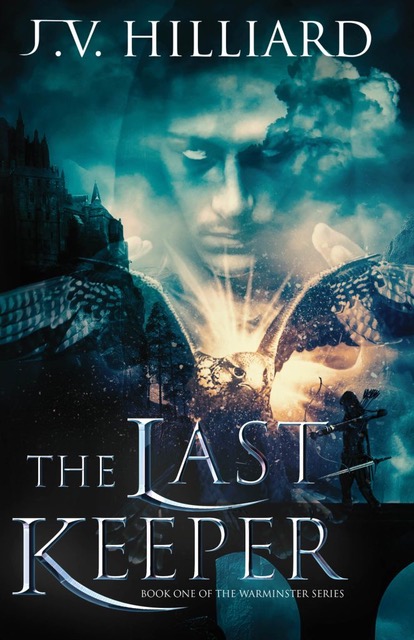
Interview with J.V. Hilliard 

Tell us a little bit about yourself. How did you get into writing?

Writing has been a passion since I was a child. In elementary school I was read The Hobbit by Tolkien in one of my English classes and the story opened my eyes to the fantasy world (and genre) in general. 

That Christmas I received my own copy of The Hobbit from my uncle—and the basic box set of TSR’s Dungeons & Dragons game. My family started playing the game and from that time on, my love of all things sword and sorcery grew. 

Over the years, I started to memorialize certain characters, campaigns, and unforgettable moments from my time as a player character and as a dungeon master in small, campaign-specific diaries. This collection of adventures and stories became the basis for many of the protagonists and villains in The Last Keeper—and make up various parts of the realm of Warminster.

Advertisements

What inspired you to write your book?

I started writing when I was very young. My uncle was paralyzed in the Vietnam War and when he returned home, my mother was his nurse. I practically grew up by his side and the kind of activities he could engage in were limited. But writing was something he could do, and so I started into creative writing and playing Dungeons & Dragons with him as a form of escapism from real life.

I eventually took some creative writing classes in high school and then again in college, but my focus was on government, so I ended up writing every day for a living. However, writing legislation, grants, and speeches tends to be a world away from crafting fiction. In many respects, I had to flip the switch and transition from non-fiction to fiction, so I struggled early with dialogue and story pacing.  But I think my professional career prepared me to be a descriptive writer and to make sure the plot lines were buttoned up.

What theme or message do you hope readers will take away from your book?

I find several themes run deep in my work including overcoming struggle and answering a call to duty. I think most people can identify with these themes in their own Well walk of life, whether it’s a physical struggle, and mental battle or even an emotional war. 

In my book, The Last Keeper, some of the main characters face these same struggles in times of war, in a forbidden romance or two, and in the way people of mixed blood in the realm are treated.

My hope is that readers will recognize that sometimes answering a call to duty or service your community is greater than selfish needs. And of course, the characters in the Last Keeper grow to understand these virtues through their own personal struggles.

What drew you into this particular genre?

Shared experiences from my various Dungeons & Dragons campaigns have always been at the heart of my work. If you are a TTRPGer, I’m sure you get this. Playing D&D with friends and family scattered through several decades really generated a lot of ideas that I could mesh into The Last Keeper, but also allowed me to go off script and away from D&D, creating unique monsters like the Antlered Man.

The D&D modules of the Ravenloft series and The Vault of the Drow were player and DM favorites and inspired many fun nights and memories, including the creation of one of the villains in The Last Keeper, Incanus Dru’Waith.

If you could sit down with any character in your book, what would you ask them and why?

I think I would sit down with Sir Ritter of Valkeneer. 

In truth, he’s based on an old Dungeons and Dragons character that I played to a high level and I modeled him after Aragorn from Lord of the Rings and mixed in more than a pinch of Salvatore’s dark elven ranger,  Drizzt Do’Urden of the Dark Elf series. 

I would want to know how he handled growing up in a society that looked at him as a “trollborn,” or aa person of mixed blood. Coupled with the fact that he’s also born a low noble, he does the unenviable task of defending a very dangerous borderland and yet he’s disrespected by both his human relatives and his relatives of elven blood.

Advertisements

What social media site has been the most helpful in developing your readership?

Twitter. The writing community there has been tremendously supportive and helpful. Most authors follow back and help with retweets, but and the marketplace for readers and buyers is very active. I receive advice, requests for autographed copies and opinions about my characters very frequently, including helpful constructive criticism from time to time. And if you have a thick skin and an open mind, most opinions and ideas are well intended. 

What advice would you give to aspiring or just starting authors out there?

Keep writing!

Even if it’s just an outline for a chapter or ideas that you’re memorializing in your notes. Making writing habitual by setting goals—no matter how small or large. You don’t want to fall off of pace and in this day and age of the marketplace, readers expect quicker turn-arounds and more releases than ever.

Also, remember this is supposed to be fun! People read for entertainment purposes and as a writer it shouldn’t be much different for you. Writing should be an outlet to funnel your creative spirit and ideas in the right direction, but you have to have fun with it. When you do, the product is so much better.

What does the future hold in store for you? Any new books/projects on the horizon?

Vorodin’s Lair is the second book in the Warminster series, a continuation of the story of Daemus Alaric, the low Keeper from the Cathedral of the Watchful Eye. It is due out in July or August of 2022, with the third book in the series due out around the holidays of 2022 or quarter one of 2023. 

Advertisements

About the Author

Born of steel, fire and black wind, J.V. Hilliard was raised as a highlander in the foothills of a once-great mountain chain on the confluence of the three mighty rivers that forged his realm’s wealth and power for generations.

His father, a peasant twerg, toiled away in industries of honest labor and instilled in him a work ethic that would shape his destiny. His mother, a local healer, cared for his elders and his warrior uncle, who helped to raise him during his formative years. His genius brother, whose wizardly prowess allowed him to master the art of the abacus and his own quill, trained with him for battles on fields of green and sheets of ice.

Hilliard’s earliest education took place in his warrior uncle’s tower, where he learned his first words. HIs uncle helped him to learn the basics of life—and, most importantly, creative writing.

Hilliard’s training and education readied him to lift a quill that would scribe the tale of the realm of Warminster, filled with brave knights, harrowing adventure and legendary struggles. He lives in the city of silver cups, hypocycloids and golden triangles with his wife, a ranger of the diamond. They built their castle not far into the countryside, guarded by his own two horsehounds, Thor and MacLeod, and resides there to this day.

https://www.jvhilliard.com/

Interview with Judy Croome 

Tell us a little bit about yourself. How did you get into writing?

I was born in Zimbabwe and now live in South Africa. I could never find my working niche, but the one constant in my life was my love of reading. From when I was a teenager, I’d always wanted to write but lacked confidence and discipline. In my late-30s I decided to finally write! My first novel took ten arduous years, but once I wrote The End, I knew I was doing what I wanted to do.

What inspired you to write your book?
The fear and panic that swept the world when the covid pandemic began made me consider that the modern generation has such mental, emotional and spiritual pressure in a world that is so uncertain and dangerous. I wanted to explore how the pandemic deepened these challenges.

What theme or message do you hope readers will take away from your book?

To inspire the belief that, no matter how bleak or dark life seems, the human spirit can face —and overcome — anything if we hold onto hope.

What drew you into this particular genre?

Poetry became my primary genre by accident. Like most authors, with ever-increasing daily demands on my time, I constantly struggled to find long periods of unfractured time to write. Wanting to write every day to keep my creative juices flowing, I discovered that I could write a poem a day until I had enough for a whole volume. 

What social media site has been the most helpful in developing your readership?

Leaving book reviews on Goodreads. Keeping active on Facebook and Twitter.

What advice would you give to aspiring or just starting authors out there?

Write every day –once you’ve started a new writing project, never miss a day of writing even if you only write 100 words a day. 

Be authentic. Try to avoid writing what you think will sell, what people say you must write. Whether you’re writing an entertaining genre novel or a literary masterpiece, leave your soul on the page.

What does the future hold in store for you? Any new books/projects on the horizon?

Currently working on a collection of short stories, predominantly magical realism, although some of the stories have no magical realism element. Barring any unforeseen delays (like writer’s block!) that book should hit the shelves in the South African summer 2022. After that I’m toying with the idea of another volume of poetry before tackling a long-held dream of mine – a trilogy of novels starting with the Anglo-Boer War, then the South African Border War and the final book will be set in post-1994 democratic South Africa.

Advertisements

About the Author

Judy Croome lives and writes in Johannesburg, South Africa. Shortlisted in the African Writing Flash Fiction 2011 competition, Judy’s short stories, poems and articles have appeared in various magazines, anthologies and newspapers, such as The Sunday Times, The Huffington Post (USA) and the University of the Witwatersrand’s Itch Magazine. In 2021 and 2016, Judy was the poetry judge for Writers2000’s Annual Writing Competition. In 2021, Judy presented an hour long workshop to Writers 2000 called “The Gift of Poetry”

Judy loves her family, cats, exploring the meaning of life, chocolate, cats, rainy days, ancient churches with their ancient graveyards, cats, meditation and solitude. Oh, and cats. Judy loves cats (who already appear to have discovered the meaning of life.)

Her fiction and poetry books ‘the dust of hope: rune poems” (2021); “Drop by Drop: poems of loss” (2020); “a stranger in a strange land” (2015),”The Weight of a Feather & Other Stories” (2013), “a Lamp at Midday” (2012) and “Dancing in the Shadows of Love” (2011) are available from Aztar Press.

“Street Smart Taxpayers: A practical guide to your rights in South Africa” (Juta Law, 2017) was co-authored with her late husband Dr. Beric Croome (1960 – 2019). Follow her on GoodReadsFacebookTwitter, and Instagram.

Blog Tour Schedule:

Jan. 27: The Book Lover’s Boudoir (review)

Feb. 3: Anthony Avina Blog (review)

Feb. 8: Wall-to-Wall Books (review)

Feb. 9: Little Miss Star (review)

Feb. 17: Necromancy Never Pays (review)

Feb. 22: Review Tales by Jeyran Main (review)

March 2: Anthony Avina Blog (Interview)

March 8: True Book Addict (review)

March 17: Pages for Sanity (review)

March 22: the bookworm (review)

Follow the blog tour with the hashtag #dustofhope and @judy_croome

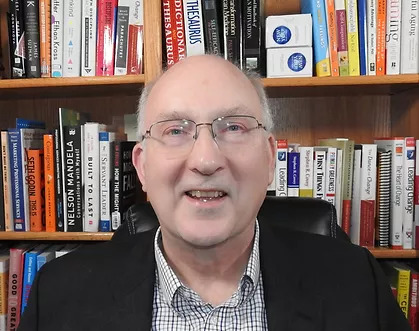
Interview with David Edwards

Tell us a little bit about yourself. How did you get into writing?

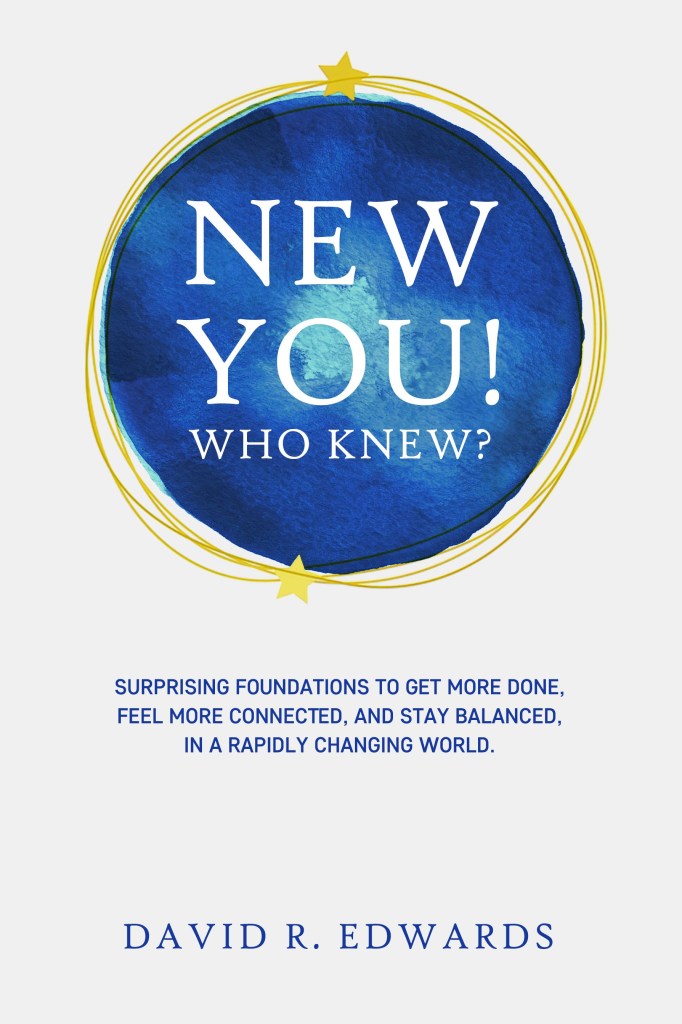
Honestly, it is a means to an end. While working with a multi-disciplinary team to create the most effective health center in the world I had an epiphany, a “wow” moment. I realized that our care model was built around the ability of the patient to be the captain of the team, to lead their own path to health and wellness. So really, even with the most amazing facility, technology, and staff success is dependent upon the patient. 

I asked, “What are we doing to help the patient be successful?” I studied change models and my “wow” came when I realized that all of them depend on personal motivation. This is not some bolted on motivational speech or habit but a deeply personal and individual experience. I spent the next two years studying, thinking, and writing. I realized that a book would be a great way to share what I had learned, and hopefully help the most people uncover their own motivation to their lasting benefit. 

Advertisements

What inspired you to write your book?

I suppose the previous paragraph mostly answers this question as well. As a Christian I hope that everything I do is motivated by my love. During the writing process there was a lot of academic research, but an equal amount of inspiration as I strove to both understand the material and make it understandable for my intended audience.

What theme or message do you hope readers will take away from your book?

If I may, there are three. First, your life is important. No matter your position or status, what you think, say, and do matters. Second, your personal motivation is a source of power for you. It can be discovered and developed throughout your life no matter what has happened to you, or what you have or have not done in the past. Third, where you think you fall on the line or ranking of famous, successful, rich or whatever else it does not matter. The only thing that matters is that you are making some progress. This is a life-long journey, whether you are starting it at 18 or 88.  

What drew you into this particular genre?

Self-help seemed obvious. I have read a lot of this genre whether with a personal, spiritual, or business lens. The writing that appeals to me the most is applicable to all domains of life.

What social media site has been the most helpful in developing your readership?

As I am just starting out that is yet to be determined. Since my target audience are people earning less than the median income, I am focusing on Facebook to start as my research showed that is the most common platform for this audience. 

What advice would you give to aspiring or just starting authors out there?

Again, I am just starting out, so take this with an appropriate level of skepticism. Know that if you want to earn money by writing you must mind both the writing side and the business side. Both are essential, and spending time on both is time well spent. If you really hate the business side, then become the best writer possible and get an agent and seek to partner with a publishing house that can bear a lot of that load for you. Finally, be patient and consistent. The first time, independently published, NYT best seller is a rare breed indeed. So be patient, persistent, and continuously improve. Good things will happen. If you find you are beating yourself up regularly, I encourage you to read my book and apply the principles, it could help with that. 

What does the future hold in store for you? Any new books/projects on the horizon?

Ah, the future. I don’t know, as none of us does. I am trying to influence my future in a few ways. I make daily work of promoting my book as it cannot help people if they don’t know about it. I am working on making a community college course out of the material, and lastly starting to plant the seeds of a version for Christians. I felt a lot of inspiration in the writing, as noted earlier, and there is great consistency between the 10 general enduring principles and principles of Christianity. Making those connections explicit could help people who would not otherwise be exposed to or pursue the book. 

Advertisements

About the Author

David R. Edwards worked his way through school, eventually achieving an MBA in Healthcare Administration.  He served mostly lower income people on 3 continents over the last 35 years and is familiar with the challenges and unfairness of life.  In 2018 while working with doctors, dentists, counselors, nurses, community health workers, and others he had an epiphany.  The core challenge most people have is to generate the personal drive to direct their own life, enduring principles to guide, and the most current science-based tools to assist them through a bumpy and messy life.  His first book “New You! Who Knew?” is an attempt to put in writing an easy to digest and implement guide that builds confidence, esteem, and self-compassion in balance. David lives in the Western U.S. with Linda, his wife of 36 years and their Golden Retriever, Jasper. Dave and Linda have 2 grown daughters.

www.davidredwards.com

https://www.facebook.com/David-R-Edwards-100356142253306

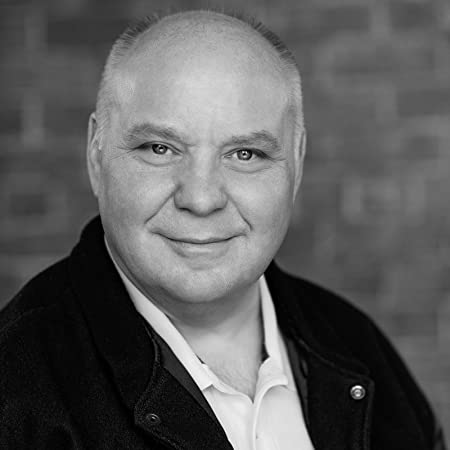
Interview with Author Marlon Buchanan

1) Tell us a little bit about yourself. How did you get into writing?

My name is Marlon Buchanan and I’m an IT Director in Seattle. Over my career, I’ve been a software engineer, a business analyst, a project manager, and a college instructor. I have worked in many industries and I have found that I like jobs and industries where I am directly helping people achieve their goals.

I’ve always been into writing. In my jobs, I’ve co-written books and written many technical documents. I started blogging (HomeTechHacker.com) a few years ago because I wanted to write more and help people by sharing my experiences with home technology.

Advertisements

2) What inspired you to write your book?

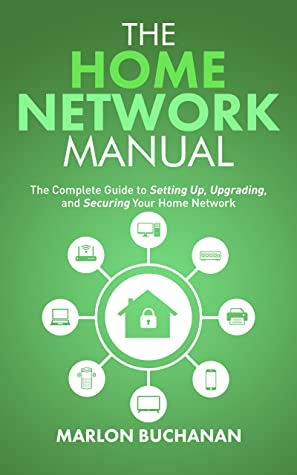
 It has been a lifelong dream of mine to publish a book. I’ve always had a love of books and a love of helping people and writing is one way for me to put these things together. I’ve researched writing a book many times over the years. But a couple of years ago I decided to truly commit to it and write The Smart Home Manual: How to Automate Your Home to Keep Your Family Entertained, Comfortable, and Safe. I learned a lot through that process and enjoyed it so I decided I’d keep writing books, which led to my current book, The Home Network Manual.

3) What theme or message do you hope readers will take away from your book?

I hope after readers finish reading The Home Network Manual they have the confidence to build a home computer network that meets or even exceeds their needs. I hope they have gained a full understanding of all the key components, how they work together, and which components are right for their situation.

4) What drew you into this particular genre?

I’ve worked in the IT industry for over 25 years. I’ve also always tinkered and improved my home network myself, and I’ve helped many other people do the same. Through my experiences as an instructor, giving many trainings, and previous writing I decided that my best genre would be making technical topics accessible to anyone, starting with something very important in today’s world: your home technology.

5) What social media site has been the most helpful in developing your readership?

I am primarily on Twitter (@HomeTechHacker). I get the most responses and interaction on this platform and I’ve been able to find and engage with many people who are interested in the same topics I am. Also, it doesn’t take much time to write a tweet!

6) What advice would you give to aspiring or just starting authors out there?

I can speak best to non-fiction authors. I would encourage them to commit the time and write in areas that they are experts or can easily learn based on their past experiences. I also encourage reading other similar books and writing a very good and detailed outline before writing. Everyone’s author mind works in different ways, but this is what works for me.

Also, they should be prepared to deal with a lot of things that aren’t writing. Finding and working with an editor, a cover designer, a book formatter, coming up with and executing a marketing plan — these take as much time as writing. But it is all worth it for the accomplishment! And, you can do it!

7) What does the future hold in store for you? Any new books/projects on the horizon?

I plan to keep blogging at HomeTechHacker.com. I have lots of reviews and how-to articles coming. I have started researching and outlining my next book topic, cybersecurity. I touch on home network security in The Home Network Manual, but I’m going to go cover cybersecurity more broadly in my next book. I think protecting your digital assets, your identity, and your online reputation are critical and everyone needs to take steps to do so. In my next book, I hope to lay out in plain language how to protect yourself from hackers and other bad actors.

Advertisements

About the Author

Marlon Buchanan’s genuine interest in home networks shines through in his writing. Taking what’s often considered a boring topic and making it palatable and even exciting is no small feat, yet Marlon manages to do this and more. His invaluable experience and expertise can help anyone from beginner to pro tackle and manage their home network concerns. He holds a bachelor’s in computer science and engineering from MIT and master’s degrees in business administration and software engineering from Seattle University. He works as an IT Director but was previously a software engineer, business analyst, and college instructor.

Marlon currently resides in Seattle with his wife and kids and hopes to make home technology topics common knowledge.

HomeTechHacker.com Blog: https://HomeTechHacker.com

Author Site: https://MarlonBuchanan.com

Twitter: https://twitter.com/HomeTechHacker

Pinterest: https://pinterest.com/HomeTechHacker

Instagram: https://instagram.com/HomeTechHacker

Facebook: https://facebook.com/HomeTechHacker

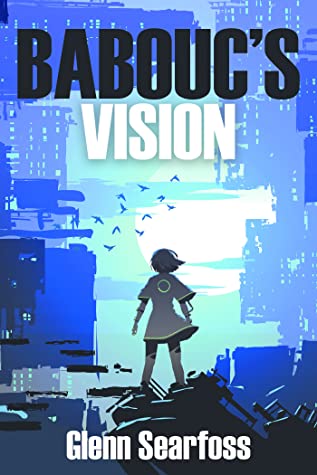
Interview with Author Glenn Searfoss

1) Tell us a little bit about yourself. How did you get into writing?

GS: The answer to that question is long and involved, but I’ll lean toward brevity. In college, I had an English writing professor who told me I didn’t know how to write, would never know how to write, and to just give up. Believing her, I spent the next fifteen years focused on living life in its many flavors. While working in a small company that developed desktop publishing software, for fun I began writing story snippets to use in software testing. Having gotten a taste, I started writing technical articles and moved from there into writing technical books and manuals. After receiving positive feedback from publishers (and many users), I realized the professor was wrong; not only could I write, but I enjoyed doing it. An avid reader of science fiction, mythology, and classic literature, I began expanding my writing into fiction, incorporating my life experiences, interest in natural sciences, and my surmises of future developments into short stories, then into novels. Here I am today.

Advertisements

2) What inspired you to write your book?

GS: Babouc’s Vision evolved from a series of short stories I had written about the world that was happening around me. Its dark tone reflects my overall pessimism at the time, coupled with a deep sadness (let me be honest, disgust) at world events. The glimmers of hope present in the book reflect the everyday kindnesses shown by a few – far too few – people I knew who continued to reach out and help others in need.

3) What theme or message do you hope readers will take away from your book?

GS: Hope exists, even in the darkest times, especially on the interpersonal level. Just be open to it.

4) What drew you into this particular genre?

GS: Happenstance, really. For me, the worldview under which I grew up means planning for the worst and hoping for the best. Since science fiction embodies both hopes for the future coupled with a dystopian fear of the future, it seemed a natural genre.

5) If you could sit down with any character in your book, what would you ask them and why?

GS: I guess that would be Iggy. My question would be, when things had begun spiraling down, why did you let pride override asking for help from close friends.

I want to understand the ego behind persons who prefer death to the perceived ignominy of asking for help, even from friends.

6) What social media site has been the most helpful in developing your readership?

GS: This area is still in early development. I have a presence on Amazon, Goodreads, Google, Booklife, and several other sites. It is difficult to say which site(s) has been most helpful.

7) What advice would you give to aspiring or just starting authors out there?

GS: I guess my advice is three-fold.

  • Listen to your characters as they develop. There will come a point where they speak to you in their own voice. Try to capture their sound, sense, and attitude.
  • Rewrite-Edit-Rewrite-Edit. When you think you have completed a project, set it aside for a few days, then come back and review it again with fresh eyes.
  • Grow a thick skin and persevere. Publishers, Agents, and book reviewers are inundated with submissions and cannot possibly respond to or accept all submissions. Expect many rejections and few responses. (Don’t be discouraged with no response; responses are rare. Be satisfied when you get a response. Be joyous when it is a positive response.)
  • Always be professional and courteous in your communications.

8) What does the future hold in store for you? Any new books/projects on the horizon?

GS: I have just completed A Question in Time and have begun the process of querying publishers. This novel pays homage to three great Victorian characters of literary fiction: Sir Arthur Conan Doyle’s Sherlock Holmes and Dr. James Watson—with a sly aside to a nefarious criminal—and the time traveler of H.G. Wells’ The Time Machine. Firmly rooted in Victorian London of the 1890s, this novel examines the reality of time travel by contrasting mentally relived past events against physically experienced future events.

Advertisements

About the Author

Glenn Searfoss is an American author of works in science fiction, mythology, computer science, and natural history. He lives in Colorado, USA with his wife.

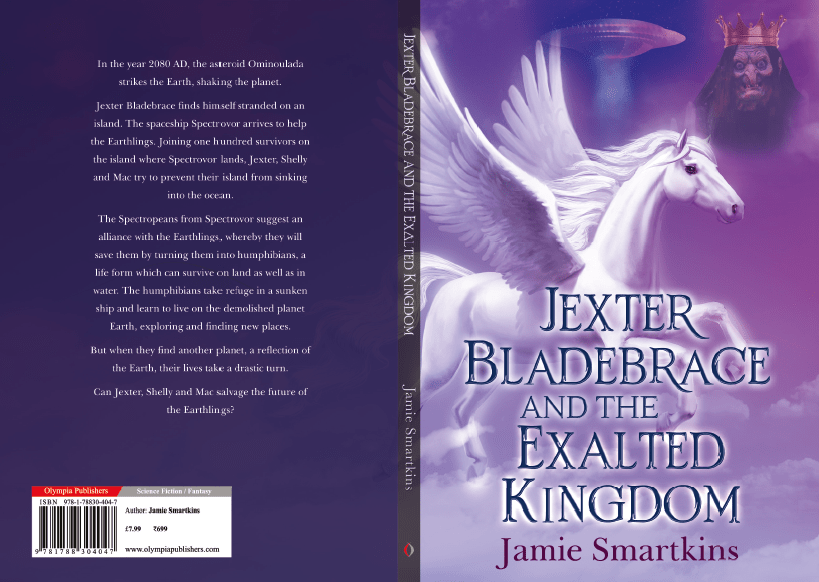
Interview with Author Jamie Smartkins

1) Tell us a little bit about yourself. How did you get into writing?

  I am an Indian science fiction author, blogger, and YouTuber. After having over a decade of experience in the software industry, I moved into the world of writing. I   also love studying astrology and palmistry in my spare time. I started writing fantasy stories as I believe creative art in any genre is the ultimate form of abstract science. 

  Writing is one of the best ways to express the creative skills of an individual. When I watched the movie Honey I Shrunk The Kids’, I wanted to be a fantasy sci-fi writer. I started writing poems as a kid which helped honing my writing skills. 

Advertisements

2) What inspired you to write your book?

  When I was a kid, I watched a sci fi show named Johnny Sokko And His Flying Robot, I was simply amazed. I envisioned that I will write a science fiction story   someday. And when I watched Honey I shrunk the kids, I decided that I will be a fantasy writer as well. But I got the real inspiration in writing when I started     reading books of Charles Dickens, Alexandre Dumas, R L Stevenson, R M Ballantine and Jules Verne.

3) What theme or message do you hope readers will take away from your book?

  In this day and age, people are so much busy in life. After reading my book, my readers should feel motivated, entertained, get to know some scientific concepts (soft scifi) and a fantasy theme blended together and get a positive message all the way.

4) What drew you into this particular genre?

  I love fantasy and scifi genre mainly because of the following elements which form the base of this genre. I get an opportunity to create fantasy world building with mystical, mythical creatures and characters. Also presence of magical element adds flavor to the story and finally the most       important point – this genre enlightens creativity not only to the author but also to the readers.

5) If you could sit down with any character in your book, what would you ask them and why?

   I would definitely like to meet my favorite character Sprinkle Sparkle and ask him to take me for a ride across the entire world. 

6) What social media site has been the most helpful in developing your readership?

   The site ‘Medium’ is very helpful. I generally read articles related to science, technology, books, motivation and personal development.

7) What advice would you give to aspiring or just starting authors out there?

  Start somewhere. It doesn’t matter if you are a kid, teenager, adult or a senior citizen. The biggest challenge lies in the motivation. It’s hard to feel motivated   after day’s work and then planning to write. Always feel motivated, dream high and whenever your mind gets inundated with creative ideas, just write it down on a   piece of paper. You can then write on that creative stuff later when you are free. Try to write at least 500 words a day whenever you are planning to write.

8) What does the future hold in store for you? Any new books/projects on the horizon?

  I don’t ponder too much upon the future. I am currently blogging and like making motivational videos. Yes, I started working on my the next fantasy scifi book.

Advertisements

About the Author

Jamie Smartkins ,a fiction author, voracious reader and a dreamer. He would like to take his audience on a journey to attain and empower knowledge and acumen that are quintessential forms of survival and success in this day and age through his writing , blogging and motivational thought process and make his the readers the smartest people around.

———————————————–

My Website      – https://jamiesmartkins.com

Youtube channel – https://www.youtube.com/c/Tipsverse

Twitter         – https://twitter.com/jamiesmartkins

Facebook        – https://www.facebook.com/AuthorJamieS

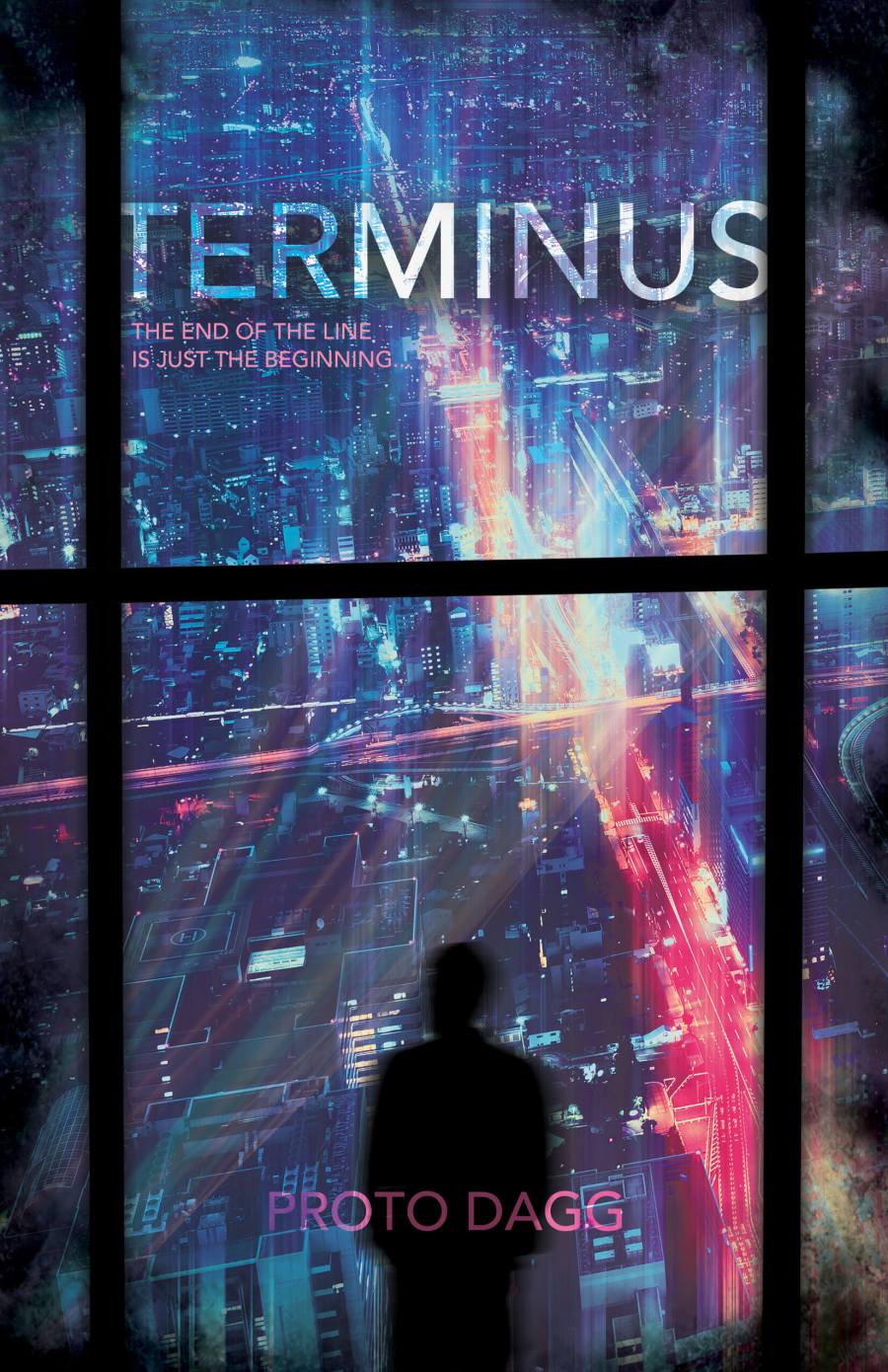
Interview with Author Proto Dagg

1) Tell us a little bit about yourself. How did you get into writing?  

I’ve pretty much always loved reading and writing. I wrote spec screenplays for a while.  While I won a contest and got an agent, I still didn’t sell anything.  Never-the-less, screenwriting taught me the importance of developing your characters while keeping the story moving forward.  

Advertisements

2) What inspired you to write your book?  

Having had a religious upbringing, I’ve always been interested in the origins of religions and what their earliest ceremonies might have looked like.  In Greece, for example, the Eleusinian Mystery religion most likely had some sort of hallucinogen at their annual festival.  This sacrament enabled their faithful to actually have a firsthand mystical experience.  (Sidenote: medical researchers are now discovering that hallucinogens are having positive results with patients with trauma, addictions, depression.  It turns out, having a mystical experience can change one’s perspective in healthy ways.)   Anyway, I really liked the idea of a shaman bringing a cure into a fragmented modern world.  That was the impetus.  

3) What theme or message do you hope readers will take away from your book? 

It is possible to cut the cords of addiction, find acceptance/healing from traumatic memories, and discover your own spiritual path. 

4) What drew you into this particular genre?  

I fell into speculative fiction because it’s where the story took me.  With speculative fiction, you have the ability to really let your imagination go.  I have always admired futuristic authors who can also work with spiritual ideas; writers like Philip K. Dick, Arthur C. Clarke, Aldous Huxley, and Herman Hesse.   

5) If you could sit down with any character in your book, what would you ask them and why?  

While I identify with the protagonist (Matt), I think the “Peacemaker” is the most interesting character.  A chameleon, he can be whoever he needs to be in the moment.  He also seems to have access to ancient esoteric wisdom.  Not only does he know about sacred plants, he also comprehends their chemistry and sees no conflict between the scientific and the spiritual.  In fact, he finds a way to merge the two worlds.  This book allowed me to ask him most of the questions I have, but I think he still has more to tell me.  

6) What social media site has been the most helpful in developing your readership?  

I do not have much of a social media presence so I’m probably not the right person to ask.  

7) What advice would you give to aspiring or just starting authors out there?  

If you write in a specific genre, learn its rules.   Whatever you write, do it because you truly enjoy the process.  Obviously, it’s hard work and can be a grind at times.   However, I think it’s important to find the fun and creativity in telling your story – a story that you would want to read.   

Advertisements

8) What does the future hold in store for you? Are any new books/projects on the horizon?  

Yes, I’m working on a second ‘Peacemaker’ book that takes place a couple of years after the last one ends. It is set in another fictionalized city and has many of the same characters and several new ones. 

http://bit.ly/ThePeacemakers

Interview with Author Devi Nina Bingham 

1,) Tell us a little bit about yourself. How did you get into writing?

One of my fondest memories from childhood was an “ah ha” writing moment. My 4th grade teacher chose my story for the class reading circle, but she didn’t tell the class I’d written it. At the end she revealed one of thier classmate had written it. The class gasped in appreciation and burst into applause. From that moment I was hooked on writing! I had loads of natural creativity, but my teacher got after me grammar and spelling. She explained how important these two things would be if I was going to be a good writer, so thereafter I became a meticulous spelling, punctuation and grammar-checker, which made me a proficient editor. I have a good teacher to thank for her encouragement, but also for requiring me to push myself to master the difficulties of the English language. 

As an adult, my life coaching clients inspired me to write my recovery workbook, “Never Enough”, while a lost love inspired me to write “Aphrodite’s Cup: Passionate Poems”. “God on Fire: Spiritual Poems” was written after discovering Rumi’s spiritual poetry; I’m a big Rumi fan! “Once The Storm Is Over: From Grieving To Healing After The Suicide of My Daughter” was written so I could share my journey from grief to healing with other suicide survivors, and with teens and young adults struggling with depression. 

Advertisements

2) What inspired you to write your book?

After 4 years of struggling with serious depression my 15 year old teen daughter secretly took herself off of her depression medication. It proved to be a deadly decision, because 3 days later she took her own life in the next room as I slept. I wrote about my journey through grief in my autobiography, “Once The Storm Is Over: From Grieving To Healing After The Suicide Of My Daughter” (Big Table Publishing, 2015). Walking had become like therapy for me, so several years later I was walking my dog when I distinctly heard my daughter’s voice. It startled me so much that I came to a complete halt. All she said was: “Mama, listen for the voice.” I thought maybe my mind was playing tricks on me. The 2nd anniversary of her death was fast approaching, and I had been thinking as I walked that day of how Moriyah might look in the afterlife, her face glowing and celestial. I didn’t know what voice she was talking about, but I promised her that I would be listening for it. It was several weeks later that I received the first message from Archangel Metatron. It took me 3 years to compile all 30 messages, and I added a study guide with 30 lessons. “Messages From Metatron” is a powerful curriculum for those seeking to achieve spiritual transformation.

3) What theme or message do you hope readers will take away from your book?

I have taken what I was told and tried to stitch it together to present a unified explanation of how the universe is structured. The book answers larger existential questions, including, who is God and what is our purpose? All the messages have one theme in common, that of unity. They all seem to be stressing: we are one. Another favorite theme is that of reality. I found myself asking, what is real? From an angel’s perspective, reality is not only the world of matter, but the world of thought and feeling. Lastly, the book reminds us that we are a piece of the universal tapestry that affects the entire fabric of the cosmos. Without your contribution the world wouldn’t be whole. 

4) What drew you into this particular genre?

All of my books are nonfiction indies except for my autobiography. In my opinion, fiction requires a publisher’s hand in shaping the storyline and characters, while nonfiction can often stand alone because it is the truth, and this is a plus if you want to self-publish. The other advantage of being an andie author is that you retain the lion’s share of the royalties, and you can choose how to best market your book. Being an indie author doesn’t pay like having a fulltime job does; I advise people to do it on the side because in the book market, competition is fierce. I became a writer because I have to do it; something compels me to keep writing. If you cannot not do it, then you’re meant to write.

5) What social media site has been the most helpful in developing your readership?

I am most active in posting to my Facebook and Twitter accounts because I can interact more with the readers there. It’s more “personal.” Something I was surprised to find is how readers want to know something about you before buying your books. I started my blog in 2011 and have seen it’s readership grow over time, but most visitors to my blog heard of it through a social media posting. I don’t use other popular forums because I’ve only got so much time to devote to social media, so I focus on Facebook and Twitter because of their interactivity. 

6) What advice would you give to aspiring or just starting authors out there?

Just keep writing. Be fluent in writing. Write when you feel like it and when you don’t. Get used to writing frequently. Don’t allow your mind to lie dormant for too long. Keep hammering away at your craft and someday you’re ganna surprise yourself. And I suggest writing through writer’s block. Sit and write whatever comes, whether it’s excellent material or it’s going to wind up in the trash. I don’t believe in writer’s block. There’s always something to say on any given day, it just may not be publishable. Plow through the blockage, don’t give it much of my attention or judge whether it’s good or bad writing. When I ignore blockages they tend to go away.

7) What does the future hold in store for you? Any new books/projects on the horizon?

Ten Archangels Teach You How to Live an Inspired Life is the second book in the Archangel series of a three-book curriculum, beginning with Messages From Metatron, thatteaches a non-denominational and universal spirituality. Celestial communications from ten Archangels of the Tree of Life including Michael, Gabriel, and Raphael. Their words of wisdom will help readers recover from life’s setbacks and find new strength and purpose. Publishing 2022. 

Advertisements

About the Author

Award-winning Author of 10 books including, “Messages From Metatron: A Course in Self-Transformation.” A Life Coach and Clinical Hypnotherapist of 18 years in Tucson, Arizona, Devi Nina is currently working as an Intuitive Counselor who channels the Archangel Metatron, providing intuitive readings for live audiences. Podcast host in 2022 of the “Messages From Metatron Podcast Study Group” on CView Quantum Network. To learn more about the virtual study group go to: http://tobtr.com/12016606

Author Links

YouTube: https://www.youtube.com/channel/UCWz7X2WpyGu4bQ6htdiXGwg

Website: https://ninabingham.blogspot.com/

Facebook: https://www.facebook.com/devininabingham

Twitter: https://twitter.com/liv_enlightened

Bookbub: https://www.bookbub.com/authors/nina-bingham

Amazon: https://www.amazon.com/Nina-Bingham/e/B008XEX2Z0

Goodreads: https://www.goodreads.com/author/show/

7434239.Nina_Bingham

Interview with Author Paul Francois

Q: Tell us a little bit about yourself. How did you get into writing?

A: My day job is being a computer geek for a global technology company. I’ve always been a geek and proud of it. Technology was always in my blood. My first job was an avionics system control specialist on F-111 fighters in the US Air Force. I started writing to quiet the voices in my head! Ok, seriously…I always felt I had better ideas for stories and movies than most. It was sometime in 2011 that I kept getting ideas waking me in my sleep and disrupting my day-to-day activities. Finally, I had to write. It was the only action that helped calm the voices.

Q: What inspired you to write your book?

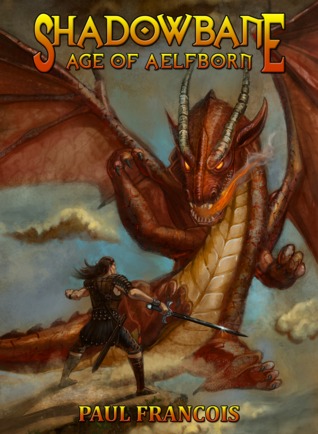
A: I used to play Shadowbane online and was intrigued by the lore. The game designers intertwined Greek, Celtic, and Nordic mythologies so well that I had to expand upon it. So many ideas rattled around in my mind until I just had to pour them out onto paper…or a computer to be precise. This was my second book but I kept writing and writing until I realized…this was my first full sized novel. I was horrible in high school English classes. I wanted to write creatively, but the teachers wanted uniformity, conformity, and structure. I felt as if they were drowning me with rules and restrictions.

Advertisements

Q: What theme or message do you hope readers will take away from your book?

A: I would like readers to feel that anything is possible. You never know where life will take you or what destiny may lie ahead of you, just waiting for you to discover it. 

Q: What drew you into this particular genre?

A: I’ve always loved the SciFi and Fantasy genre. I find everyday life boring and sometimes limited, but in the Fantasy genre you can create anything you like. Create a new realm, a new creature, or anything you can dream…your imagination is the only limitation.

Q: If you could sit down with any character in your book, what would you ask them and why?

A: It would choose Gaal. I loved creating this character and developing an arsenal of witty comebacks for him. I would ask how he felt about always being referred to as an abomination and what it was like growing up in the Carloon Outpost as a Shade. I always felt I could have elaborated on his life, but then again…I doubt the Shade would be very forthcoming with details.

Q: What social media site has been the most helpful in developing your readership?

A: Goodreads and BookBub. Most other sites would reach out to just any members, even if they did not know you were a writer. With my last name being French in origin I mostly received scammers speaking French wearing revealing clothing.

Q: What advice would you give to aspiring or just starting authors out there?

A: If you’re writing for a profit, find a new line of work. If you just care about publicity, then you can write what you “think” the public wants to hear. However, if the desire to express yourself and the yearning to create new worlds, stories, and characters just burns deep in your soul…write what you want, when you want, and how you want. If your one true desire is to be a creative writer, then write what you want. If they like it, great. If they don’t…then screw them! At the end of the day the only person you have to answer to, and that you can’t lie to, is yourself.

Q: What does the future hold in store for you? Any new books/projects on the horizon?

A: Due to life and health issues, I’ve had to take a hiatus from writing for a few years but I hope to get started on a trilogy series soon featuring a young female protagonist who is a strong leader and not afraid of showing it. I’m tired of some showing that females have to have a soft side and that they are so easily hurt, while the males are brave and fearless. It doesn’t always work like that in the real world. Also, I might write the prequels to the Shadowbane series, since I loved writing the Age of Aelfborn.

Advertisements

About the Author

By day, Paul Francois is a mild-mannered IT professional. He has been in the technology field for over 20 years. One day, in 2011, he started pondering story ideas until they leapt out of his brain and onto paper…onto the computer to be precise.

Join him as he discovers which genre suits his writing style best. Fantasy, Sci Fi, Thriller, or perhaps…all of the afore mentioned. The road is dreary and his journey long, sit back and enjoy a tale as we travel it together.

Facebook: www.facebook.com/AuthorPaulFrancois

Twitter: @AuthorFrancois

www.crusaderscrypt.com