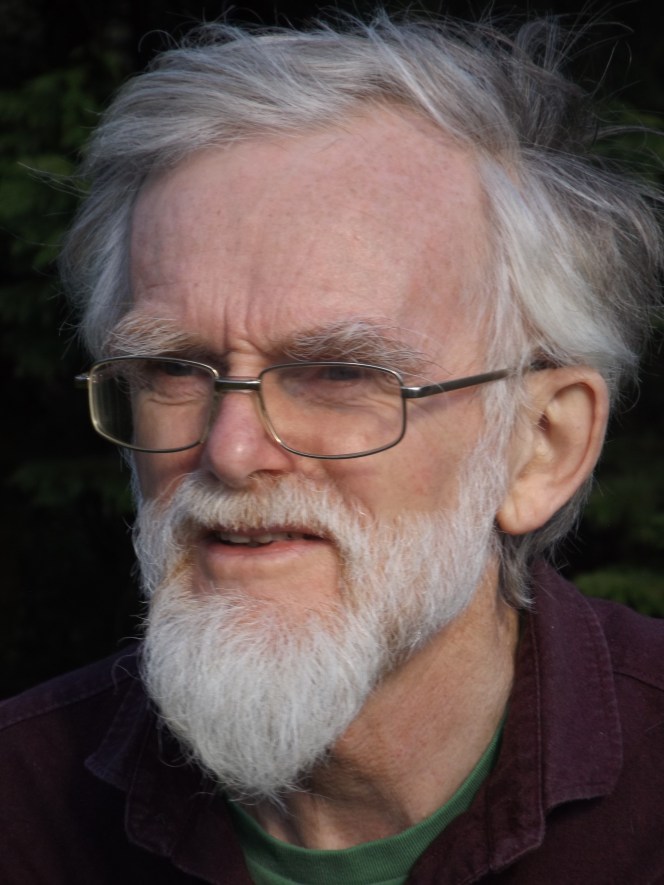
Interview with Author Anthony Avina

1) Tell us a little bit about yourself. How did you get into writing?

From a young age, say around 12, I always thought writing is what I would end up doing. And it did start that way, writing scripts, adaptations, mostly, while crewing on film and television productions. While I was doing this, I started making short films on the side, and on the strength of one of these, an adaptation of Alistair MacLeod’s short story, ‘The Lost Salt Gift of Blood’, I began directing commercials. From there, I moved into directing and producing extreme sports. It wasn’t until 2012 that I came back to writing, however, this time, instead of scripts, it was narrative fiction and essays. 

Advertisements

2) What inspired you to write your book?

Life changed. And on a very specific day, at 4 am, how I wrote changed. I had been a good writer – paid to write, but this was different. And I began to explore that. This was in 2010. By 2012, I realized, okay, this is it now, this me. And so I started to work on the book, The Fiddler in the Night, but then, a different story idea would come to me, and I’d explore that. And so, that’s what happened, I’d work on the novel, leave it, and write a short story or two, then go back to the novel. While this was happening, one of these other story ideas turned out to be bigger than a short story, and so there I was – writing short stories and two novels. Probably not the most expedient way to write a book, but then again, here I am now, eight years later, with three books done, which to me, I consider to be a trilogy, The Real and the ImaginedThe Fiddler in the Night being Book Two. Torrents of Our Time, the collection of stories, Book One.  

3) What theme or message do you hope readers will take away from your book?

I guess, keep moving forward. Not always easy, and at times, not always possible. But it is the goal. That, and embrace change, when it comes. Listen to it, which often means, finding a deeper level of faith and trust in yourself. 

4) What drew you into this particular genre?

I’ve never thought in terms of genre as a writer. I just write, and try to be a better writer each day. I suppose though, the books I gravitated to as a reader, have influenced me, to a degree, in terms of how I write. Or perhaps, what I write. Although, I side more with Toni Morrison on that question, in that, I think reading, although it can be an influence on a writer, that influence is greatly overestimated.  

5) If you could sit down with any character in your book, what would you ask them, and why?

Oh man …. idk? Rachael, I guess. And I’d ask her – or rather, say to her, please don’t hold it against me that I placed you in such a strange place. Fictional characters that you write – it’s a mystery, really, how they become what they become. And why. But I would certainly want these conversations to be me asking questions, and not the other way around.

6) What social media site has been the most helpful in developing your readership?

Helpful? I’m a social media … if not failure, call it – just not good at it. I’d like to get to the place where I don’t bring the one to the other. 

7) What advice would you give to aspiring or just starting authors out there?

One, there are no absolutes. Nothing is true. And this, especially when you’re young, is so important to understand. Two, it’s going to take a long time, and I don’t care who you are, it just is. And so my advice would be to work somewhere and make as much bank as you can, as quickly as you can, while you first explore writing, and then – take off. Travel, or find a cheap place to live somewhere you love, and go at it, hard. But whatever you do, and this applies only to fiction writers, and those wanting to make a living from fiction, do not give that money to an institution, of any kind. Just don’t. Stay out on your own, and go at it like that … it’s the truest way of getting there, IMO. 

8) What does the future hold in store for you? Any new books/projects on the horizon?

I’m finishing up now, Book Three, tentatively called Isidore, of the trilogy The Real and the Imagined. It’s scheduled to come out in the Spring of 2021. After that, it depends if the world gets back to where it once was, and travel becomes a thing again. If so, with these three books out, I think a bookstores and beaches tour could be in order. Perhaps, stop in and visit with some other artists and writers along the way.

Advertisements

About the Author

Christian Fennell writes literary fiction and essays. His short story collection, Torrents of Our Time, is scheduled to be released by Firenze Books, October 6, 2020. His novel, The Fiddler in the Night, January 2021.

Christian’s short stories and essays have appeared in a number of international magazines, literary journals, and collected works, including: Chaleur Magazine, Litro Magazine, XRAY Literary Magazine, Dreamers Magazine, Spark: A Creative Anthology, Kind Writers Anthology, Liars’ League London, Wilderness House Literary Review, and .Cent Magazine, among others.

Christian was a columnist and the fiction editor at the Prague Revue. He is currently working on his second novel.

https://www.christianfennell.com/

https://www.instagram.com/christianfennell_/

https://www.facebook.com/Christian-Fennell-103446968171343

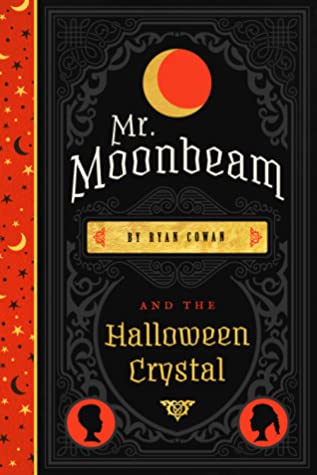
Interview with Author Ryan Cowan


1) Tell us a little bit about yourself. How did you get into writing?  

I started writing poems when I was 16 years old.  Throughout my life, I’ve always written poems and songs, but I never really thought about writing a book.  As a graduate student at UCLA, I was heavily immersed in the writing process for my thesis.  After my program finished (2011), I sat down at the computer and began The Halloween Crystal on a whim.  

I worked at it and revised it a lot and the story grew.  Then, I put it away for about 7 years and completed it during the summer of 2018.  I immediately self-published my book on Amazon.  

I’ve been very happy with the reviews and success my story has achieved, and I can’t wait to expand the story by writing more books!  

Advertisements

2) What inspired you to write your book?  

My career as a teacher inspired me to write Mr. Moonbeam and the Halloween Crystal.  I wanted to write a book about the difficulties of teaching and present Sloan Moonbeam as a hero/teacher!  

Halloween inspired my book.  I love Halloween, so I wanted to write a fun, spooky Halloween story that people could enjoy every fall.    

3) What theme or message do you hope readers will take away from your book?  

I hope that young people and adults who choose to read my story reflect afterwards on the complexities of teaching and the sacrifices teachers make for the communities they serve.  Perseverance is a big theme throughout the book.  With guidance and support from Mr. Moonbeam, Elliott learns to believe in himself and improve his magic.  I hope that kids will enjoy Elliott’s success and see him as an inspirational character for their own lives.  

Halloween is presented as a magical time of year – not a gory, macabre event.  I think that is important too.  As a society, we need to bring innocence and magic back to Halloween.     

4) What drew you into this particular genre?  

I was inspired by a cartoon I used to watch as a child called, He-Man and the Masters of the Universe.  The He-Man cartoons were written with action, excitement, and magic, but they were also written to teach kids important lessons.  I wanted to create a magical world with magical beings and adventures that also taught kids valuable lessons similar to the He-Man stories.    

5) If you could sit down with any character in your book, what would you ask them and why?  

I would also ask Elliott to predict where he thinks he’s headed in the series… 

I would ask Sloan Moonbeam for his advice on how to make the stories even better!  

6) What social media site has been the most helpful in developing your readership? 

Facebook!  I love my Facebook fans.  They always support me.  

7) What advice would you give to aspiring or just starting authors out there?  

Give your manuscript to a few people you trust and ask for their honest opinion before publishing.  Then, make changes if you need to.  I’m new to this, but I believe it is good to hear the viewpoints of others.  I also think it is good to step-away from the project from time to time.  For me, writing should be a combination of work and enjoyment.  I get my best ideas when I walk 10,000 steps!    

8) What does the future hold in store for you? Any new books/projects on the horizon? 

 I am busy planning and writing the sequel to Mr. Moonbeam and the Halloween Crystal tentatively titled, The Legends of Moonstone.  I would also like to publish my collection of poems.  

I am hopeful that my books will make a difference in the world of children’s literature.  ☺ 

Advertisements

About the Author

Ryan Cowan grew up in a small town called Middleport, Ohio. He currently lives in Hawthorne, CA. As a teacher with almost 20 years of experience, Ryan has taught all grades from K-6th. He currently works as an assistant principal for the Los Angeles Unified School District.

Mr. Moonbeam and the Halloween Crystal is his first children’s book. A magical story with complex themes, Mr. Moonbeam and the Halloween Crystal highlights the difficulties of teaching while also chronicling the important problem solving relationship between a teacher and his student. A sequel is currently in the works.

Ryan has degrees and/or credentials in education from the following universities: Marshall University (BFA Music Theory), UCLA (M.Ed. Urban Education), California State University Los Angeles (Multiple Subject Teaching Credential), and California State University Dominguez Hills (Administrative Services Credential).

Interview with Author Cat Rambo

 1) Tell us a little bit about yourself. How did you get into writing?

My family always assumed I would be a writer for two reasons. One is that I was an early and extremely avid reader. My babysitter Bernadette started reading The Hobbit to me when I was in second grade and I got so caught up in Bilbo’s adventures that I started sneaking chapters in between babysitting visits — and then got my grandmother to buy me the trilogy. She was always happy to buy me books, because of the second reason my family thought I’d become a writer: she was a writer herself, and wrote a number of young adults sports novels as well as a mystery. She often brought me books that had been signed to me by the author, because she’d met them at book conferences. One of those books, which was a kid’s book about creative writing called Turn Not Pale, Beloved Snail by Jacqueline Jackson, I read over and over. It had a suggested reading list at the back that I devoted myself to reading every item on as well. I’ve still got the book on my shelf.

Advertisements

2) What inspired you to write your book?

With this book, it was because Harry came and asked if I would come play. Good collaborations are always a joy, challenge, and learning experience — hopefully to a somewhat similar degree — and this was certainly one.

It was particularly challenging because I was writing with two amazingly talented co-writers! Not only that, but they gave me wildly dissimilar acts one and two for me to write a third act from. I had to spend a week or so just thinking about how I wanted to handle it.

At the same time, this project came with yet another challenge, which was to write a book that (hopefully) helps people see how much danger America is in if we don’t vote in this election — not just at the national but the local level — and continue to push back when the forces that have weaponized hatred, racism, misogyny, and other fear-based drives to put themselves in power try to extend their hold even farther. I can’t overstate this. While I don’t think the events we’ve portrayed will happen, I fear less entertaining ones will, and that they will kill America as we know it in the process. Actually, they’re trying to kill it right now.

Wow, that started lighthearted and skewed serious fast. But these are serious times.

3) What theme or message do you hope readers will take away from your book?

I’ve been talking about this a lot lately, and I’m going to take the liberty of quoting something I said in my most recent newsletter: As we come into these final days before the election, you will see unprecedented efforts to spread mistruths, to distract and confuse, and to divide us. Stay strong and focused. Maintain your own health and take a breather when you need to. Factcheck before you spread information. Encourage and enable those on the front lines of this fight.

And be kind. Be loving. Be generous and honest and open in your vulnerabilities, because in these days, that is a rebellious act. Be gentle when you can and fierce when you need to be. Know that you are loved. Know that we are all in this together.

4) What drew you into this particular genre?

I have always loved escaping into other worlds! Not just Middle Earth but later Narnia and Pern, Perelandra and Barsoom. In high school I started playing games at a local book and game store and wallowed happily in fantasy and science fiction from there as well as from my local library. That was the 70s, and so I read a lot of New Wave as well as the classics. Lots of Michael Moorcock, Andre Norton, Fritz Leiber… so much great stuff! I also babysat for a family that happened to have The Science Fiction Hall of Fame on their bookshelf and so I read that a number of times.

5) If you could sit down with any character in your book, what would you ask them and why?

I’d ask Natalie why they followed their friend into the heart of darkness, Kansas City, because I think there’s another story lurking there.

6) What social media site has been the most helpful in developing your readership?

I enjoy Twitter and I’ve made a lot of connections through it, but social media is certainly a double-edged sword for writers in that it provides a pretty alluring form of procrastination! I actually wrote a book on writers and online presence a few years back (it’s due for an update) and so I try new platforms when they come out, and have a presence on most of them. I would say writers should find one that they enjoy using and go with that. If you’re having a good time, it shows through. If you’re tweeting out of a sense of duty and not having fun, that also shows through.

7) What advice would you give to aspiring or just starting authors out there?

Don’t get discouraged. Butt in chair and writing is the best thing you can do. I sometimes suggest that people look at writers who are where they would like to be in 3-5 years and see how they got there. But the most important thing is the writing. Unless you’re doing that, you have nothing to sell.

8) What does the future hold in store for you? Any new books/projects on the horizon?

So much stuff! I just turned in Exiles of Tabat,  the third volume of my fantasy series, the Tabat Quartet, and am about to start the last book of that, . I’ve also got a space opera, You Sexy Thing, coming out with Tor Macmillan next year that is the start of a series that I am super stoked about and I’m finishing up book 2 of that, which is tentatively entitled Devil’s Gun.. I’m also editing a science fiction anthology, The Reinvented Heart, which will come out next summer, and continuing to produce serial fiction through my Patreon. So lots of new stuff, all the time. 🙂

Advertisements

About the Author

Cat Rambo is a prolific science fiction and fantasy writer of short stories. Her two hundred plus stories have appeared in many anthologies and magazines including Asimov’sClarkesworld, and Tor.com.

She has been nominated for the Nebula and the World Fantasy Award, and been a finalist for the Million Writers and the Compton Crook Awards, as well as been on the Locus Recommended Reading List.

Cat was the co-editor of Fantasy Magazine from 2007 to 2011 and is a past President (two terms) of the Science Fiction and Fantasy Writers of America (SFWA). She lives and teaches in the Pacific Northwest.

Interview with Author Sea Gudinski

1) Tell us a little bit about yourself. How did you get into writing?

     I’ve been writing for as long as I can remember. As a means of expression, storytelling has always far surpassed any other creative outlet I’ve encountered and has allowed me to explore both myself and the world around me. I first became enamored with the idea of being an writer at ten years old and began seriously pursuing my career as an author at that time. During the intervening years I have considerably refined my craft, dedicating my focus to historical fiction and examination of the human condition—the forces that make us who and what we are, those tenants of experience that are perennial, and the merits and follies that shape our species’ journey toward self-actualization.

2) What inspired you to write your book?

     Both of my parents lived through the 1960s, and I grew up listening to both the music and the stories of the era. My father was a musician as well as a soldier in the Vietnam War and his accounts of the decade and the counterculture always deeply fascinated me as a child. While researching for an earlier novel set in the same period, I read a book called The Electric Kool Aid Acid Test by Tom Wolfe. In addition to defining the genre we now called ‘new journalism’ Wolfe’s work recounted the escapades of Ken Kesey, a major figure in the counterculture of the 1960s. I was completely captivated by the book, both stylistically and comprehensively—and read it twice before I realized that the author had not actually been present for any of the events he recorded. The level of immersion that Wolfe provided to readers in his work inspired me to write a novel in which I could transport readers back into time and present to them an objective examination of the era with both the wisdom of hindsight and the intensity of firsthand experience.

Advertisements

3) What theme or message do you hope readers will take away from your book?

     My intent behind 1969 was to recapture the spirit of that time half a century ago and preserve for history a record of the message, meaning, and legacy of the era, as well as to provide an entertaining, accurate, and objective perspective of the decade that could be enjoyed by those who lived through it as well as those who learned about it in school.     

     To a great degree, the passion and intensity with which I researched and wrote 1969 was due to the fact that I felt that there was something extremely important to be learned from that era of human history—something deep and instinctive that eludes most academic accounts and can quite possibly be swallowed by the gaping maw of time. The spiritual values that were embraced by so many during that time prompted a resurgence of raw humanity that was unprecedented in our recent history and so greatly impacted those who experienced it and the future they thus created that it is criminal to let its influence be lost. I wanted to capture and convey that to readers so that they have the opportunity to be enriched by those values and experiences that have sharped our world today in a more personal and firsthand way.
     Most importantly, I wanted all readers to be able to take something away from the story that stays with them long after they’ve closed the covers. Books have shaped my perspective immensely, and some of the most influential pearls of knowledge in my life have been conveyed to me through literature. Whether it’s simply a fact about the time that they hadn’t known before, or a quote they find inspirational, I’d be greatly humbled if everyone who reads it can say that they learned something from it—either about the time or about themselves.

4) What drew you into this particular genre?

I have always loved history—and as the old cliché says, truth is certainly stranger than fiction, so there is no shortage of inspiration. Many times when I tell people that I write historical fiction, I am greeted with an interesting reaction. “Boy, that’s a lot of work, why don’t you leave the historical bit to the biographers and textbook writers and just write pure fiction,” is a response that I receive quite often. However, I continue to pursue this genre because I believe there is a great deal of value inherent in it. As every history teacher always urges at the beginning of the school year, history is extremely important. Our time and every single one us living in it are the latest products of millions of years of history. Each new day is carved under the shadow of yesterday in the light of our hope for tomorrow. Our environment, society, and culture are forged and shaped by memories, some more recent than others. I feel that by understanding the struggles and triumphs that defined the lifetimes of our predecessors, we can understand more about ourselves and in turn better our own lives and the lives of future generations.

5) If you could sit down with any character in your book, what would you ask them and why?

I really enjoyed thinking about and answering this question. As is the case with most authors, when I develop characters, their backstories are fully fleshed out—even more so than is delved into within the context of the storyline. In this way they become real. It makes their actions, their dialogue, and their expressions far more consistent. Therefore, there really isn’t really anything that I would need to ask one of my characters in terms of their past that I am not already abreast of as the author. However, because 1969 does not have a definite ‘ending’ per sae, I would be quite interested in sitting down with my narrator, Rhiannon, after the novel ends and discovering what happens. I always ask readers their take on how they think the story develops following the final page, but in all honesty, even as the author, I do not know myself. And as several years have passed since I’ve concluded writing 1969, I wonder how Rhiannon’s life decisions would have stacked up against mine and how the profundity and self-discovery that she underwent as a youth transformed her life as she continued on her journey to adulthood and beyond.

6) What social media site has been the most helpful in developing your readership?

Facebook has been by far the most instrumental in gaining traction and exposure. Due to the fact that my novel is set in the recent past and delves into Woodstock and other defining events as well as the music of the late 1960s, I was able to introduce my work to a number of groups of likeminded individuals dedicated to sharing and discussing this era. I feel it is the most accessible social media site, especially for the older generations who are the target audience for my work, and offers the most opportunities for advertising and networking.

7) What advice would you give to aspiring or just starting authors out there?

There are two pieces of advice that I would offer an aspiring author. The first would be never give up. The process of publication is extremely daunting. There are likely more scams and frauds aimed at authors than there are in just about any other field—so be cautious, be attentive. Do not let the excitement of future success detract from your vigilance. Secondly, stick to it. There are many disappointments in publication, and if you are looking to become an indie or self-published author, you must realize that writing the book is the easiest part of the process. During and after publication, not only will you be an author, you’ll be your own publisher, agent, marketing team, receptionist, accountant, etc. Your hobby WILL quickly become work—it will constantly lead you out of your comfort zone and at times it will be frustrating and exhausting. If you do not have the time or the energy to dedicate to marketing your work after it is published, do not self publish; instead, pursue traditional publication—it may take longer and result in more rejection, but you will not be saddled with all the procedural work that goes on behind the scenes in the life of an author. Self-publishing is a fantastic alternative that allows you a great deal of creative freedom, but it is not the best option for everyone, so choose your method wisely!

Advertisements

8) What does the future hold in store for you? Any new books/projects on the horizon?

Due to the fact that I have been writing prolifically for over a decade but only became a published author last year, I have an imposing backlog of work that will keep me busy for several years to come. I recently created my own publishing imprint, Art Of Telling Publications, and in due time will be releasing a second edition of 1969 as well as all five of my previously written novels. More immediately, I have a book of poetry and short prose, A Collection of Words that will be published in the fall of 2020 and a new historical fiction novel that is in the works!

For updates on new releases, deals, and giveaways follow me on social media!

Facebook: https://www.facebook.com/SeaGud/
Twitter: https://twitter.com/seagudinski
Instagram: https://www.instagram.com/sea_gudinski/

Interview with Author Liz Butcher: September 16th, 2020

Tell us a little bit about yourself. How did you get into writing?

I’ve loved writing ever since I was a little girl, but it wasn’t until my late twenties that the desire to put pen to paper again became strong enough to focus on it.

Advertisements

What inspired you to write your book?

The concept of déjà vu has always fascinated me, especially in relation to old places and buildings. That’s how the original concept formed—a place you feel in your bones know, yet you’ve never been there. It grew darker from there!

What theme or message do you hope readers will take away from your book?

Curisoity killed the cat? Ha ha! Probably that things aren’t always as they seem, and that life—and time—aren’t black and white concepts.

What drew you into this particular genre?

I’ve held a fascination with all things paranormal since I was a little girl, so it comes naturally as an adult to write about other worldly things. 

If you could sit down with any character in your book, what would you ask them and why?

I would sit down with Mena. She’s such a complex character that you don’t really get to see a lot of beyond Camille’s perception of her. I would ask her if she had any regrets, or, given what she now knows about the Manor and her family line, would she do everything exactly the same?

What social media site has been the most helpful in developing your readership?

Hmm, I don’t know that one has really garnered more readers than the other. Though twitter is certainly a great platform for connecting with the writing community as a whole. 

What advice would you give to aspiring or just starting authors out there?

Don’t waste time perfecting your draft. It’s okay to write rubbish the first time around, just get the story down. That’s why we edit! Obtain as much constructive feedback as you can, but also trust your instincts. Most importantly, do it for the love of it!

Advertisements

What does the future hold in store for you? Any new books/projects on the horizon?

I’m working on switching to writing as a full-time job which is so exciting. I’m in the process of querying my next book, working on a serial and have three other novels in the plotting stages. I’m keeping busy!

About the Author

Liz Butcher resides in Australia, with her husband, daughter, and their two cats. She’s a self-confessed nerd with a BA in psychology and an insatiable fascination for learning. When she’s not writing or spending time with her family, Liz enjoys road trips, astronomy, music and knitting.

https://lizbutcherauthor.wixsite.com/lizbutcher

Interview with Author Vali Benson

1) Tell us a little bit about yourself. How did you get into writing?

I grew up in the Midwest, an imaginative but rather solitary child and from the time I could write, I did. Much of it was nonsense but I didn’t care. Later I wrote stories and articles. After college, life happened (as it tends to do). It was years, after early retirement, that I picked it up again. I do it because I love it and because it seems a shame to keep all the crazy characters running around my head to myself.    

Advertisements

2) What inspired you to write your book?

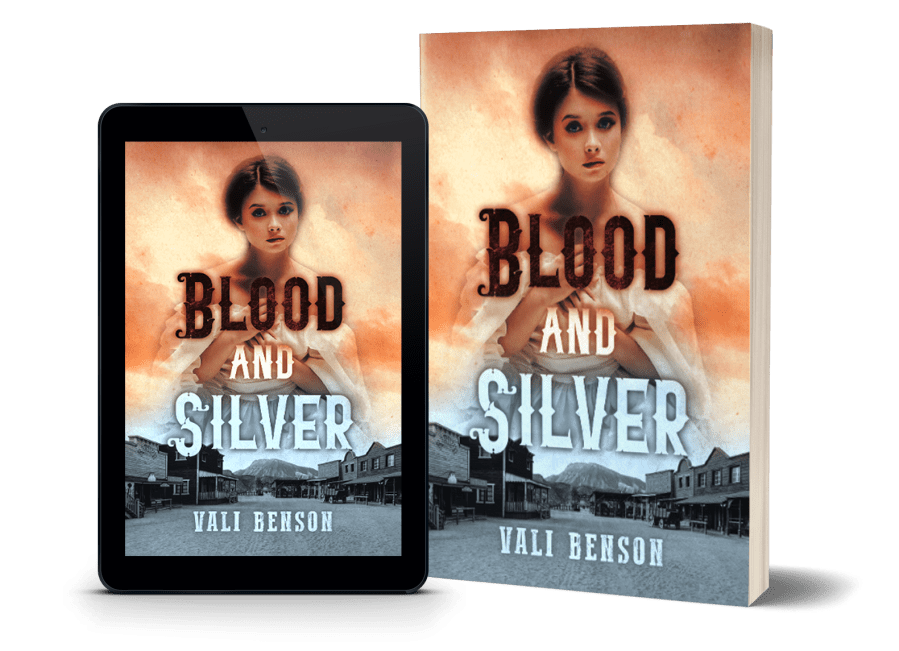
My new book, “Blood and Silver”, was inspired by my many visits to Tombstone, AZ. We live less than an hour away and I became increasingly curious about what was now a town of thirteen hundred people. In 1884, Tombstone was a roaring metropolis and was the largest city between St. Louis and San Francisco.  

3) What theme or message do you hope readers will take away from your book?

I hope my readers realize that you often have to ask for help to receive it. Also, that many issues which affect society presently are not new ones. Racism, for example, was a problem in the 1880s as it has been for thousands of years and continues to this day. 

4) What drew you into this particular genre?

I am fascinated with history; from fiction, to non-fiction, to textbooks, to mythology. History is the world’s greatest teacher and it creates a perfect launch point for a writer’s imagination.  

Advertisements

5) If you could sit down with any character in your book, what would you ask them and why?

If I could sit down with any character in my book, “Blood and Silver”, it would be China Mary. I would love to hear about her life in her own words. But China Mary was an actual person so as far as a fictional character, I would like to talk to Mai and find out what she thinks of her new friends and their crazy western ways. 

6) What social media site has been the most helpful in developing your readership?

I would say that Facebook has been the most helpful in developing my readership because it allows me to reach a specific demographic. It also allows me to cast a wide net to people who are strictly interested in the written word. 

7) What advice would you give to aspiring or just starting authors out there?

My advice to anyone who wants to write a book is to ask yourself if you have a passion for writing. If you do, sit down and write, write, write! There is no magic formula. You have to just have to do it. You have to determine where you want to take your reader and put words on the page until you arrive at your destination. 

8) What does the future hold in store for you? Any new books/projects on the horizon?

I have two more books in pre production right now, but first I am planning a sequel to “Blood and Silver” for my many fans who love the book.  

Advertisements

About the Author

Vali grew up in the Midwest. She now lives in Tucson with her husband, two sons and grandchildren.After graduating from the University of Illinois, Vali started and sold two successful businesses before she decided to pursue her real passion of writing. She published several articles in a variety of periodicals, including History Magazine before she decided to try her hand at fiction.
In April of 2020, Vali published her first novel, “Blood and Silver”. That same month, she was also made a member of the Western Writers of America.

Links:
Website:http://valibenson.com/
Amazon:https://www.amazon.com/Blood-Silver-Vali-Benson-ebook/dp/B086R4RBF3

Facebook:https://www.facebook.com/RealValiBenson/?modal=admin_todo_tour

Twitter:https://twitter.com/BensonVali
@BensonVali

Author Interview with Andrew (A.G.) Rivett

1) Tell us a little bit about yourself. How did you get into writing?

I think rather, writing got into me. At school I found writing a good way of expressing my imagination, while reading showed me how to do it. My father was always one for good speech. He taught physics, but he told his pupils that all they knew about physics was worthless if they couldn’t express it in English.

2) What inspired you to write your book?

Two huge literary influences on me as I was growing up were JRR Tolkien and CS Lewis. Of course they have a lot in common, not least that they worked together at Oxford. And also they have this: an imagination to create other worlds – many other worlds in Lewis’ case, and worlds where some sort of passage between is, rarely, possible.

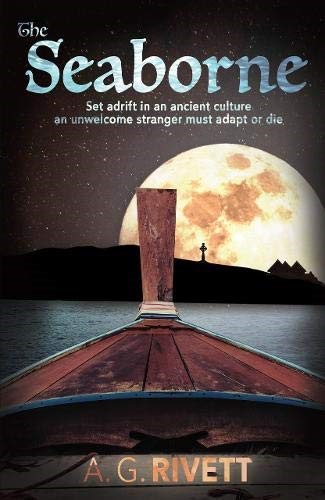
Placing my own new world in a Celtic setting I blame on the last holiday my first wife, Janice, and I had together, on the west coast of Ireland, maybe twenty years ago. The untamed landscape and rugged coast; the self-contained, straightforward nature of the people; the transient weather. I had several chapters written – later to be torn up – long before I moved to the croft on Scoraig.

3) What theme or message do you hope readers will take away from your book?

If nothing else, I hope people will gain a glimpse that the prevailing materialist world-view is very limited: that there is so much more to life. Organised religion has done us no service in this regard, with a quite undue emphasis on rigid dogma and rules: dogmas that are too often taken too literally, causing many intelligent people to reject spirituality en bloc.

I don’t apologise at all for the spirituality in Seaborne. Not only is it appropriate that such a people would have a highly developed spiritual sense, but also this is so much what I want to express.

4) What drew you into this particular genre?

Mostly, laziness. A fantasy genre means that you can invent your own world, and needn’t be too tied down by research. The only catch is that if you want your world to be believable, you find you then have to research what a parallel culture in our own world would look like, and make your world something like that. I take my guidance from Jill Paton-Walsh’s Knowledge of Angels, set on an island ‘somewhat like Mallorca, but not Mallorca.’

Advertisements

So I had to do a fair amount of research into what life was like in the eleventh century on the Western Isles, and I have Cathy Dagg, a former neighbour and archaeologist, to thank for much of that. Among many other points, she picked out that houses on the Western Isles in the eleventh century didn’t have the chimneys that I had alluded to. Of course I could just say, for instance, that in my world they do; but every time you say that before someone who knows otherwise, you lose some credibility and distance yourself further from our world, the one that you want to speak to.

5) If you could sit down with any character in your book, what would you ask them and why?

I thought a lot about this question: which character? There are many candidates. Eventually I settled on my hero, John (or Dhion). I think I’d like to ask him, maybe a few years after the book ends, ‘Do you think you made the right choice? Or have you thrown away a life that you could have returned to and lived it with a deeper wisdom, long, comfortable and secure. Have you thrown that away for (as Conchis in John Fowles’ The Magus puts it) ‘the satisfaction of a passing sexual attraction’?

The John whom we first meet, running away from his failures, could not have answered that question, and felt he didn’t have a choice. But as the story progresses he grows in depth: he becomes Dhion. 

I think he would answer that this is no passing sexual attraction. He is not choosing Shinane instead of Helen: in the end he is choosing the self he has come to be with Shinane, and with that a world that seems more real than the one he left behind, in which he had felt driven by the demands of his work to betray everything else, and everyone else, of value in his life. It is a choice between two world views. I think of Archbishop Thomas A’Becket in TS Eliot’s Murder in the Cathedral. His first three tempters offer him material advantage in various ways, but he knew, as Dhion knows now, that there is more, so much more, than mere materialism.

Will Dhion regret his choice when he lies dying? I think he might, for more than a moment. But, as Shinane says of herself, who knows what he will think in the future. The point is to live most authentically, now. I think of Robert Jordan in Hemingway’s For Whom the Bell Tolls as he lies dying, casualty of the Spanish Civil War. And yet, with Maria, for a fleeting few hours, he had known something that Pilar, the wise older woman of the novel, says most people never experience. Who is to say that wasn’t worth it.

6) What social media site has been the most helpful in developing your readership?

For six months or so, while Seaborne was coming up to launch and after, I kept a Facebook page going, and this was helpful in building up an audience for a book-launch tour. But I’m not someone who engages with social media, or enjoys it, and I’ve totally ignored my Facebook page for a few months now. There always seems to be something I’d much rather be doing, out in the field with my hands – or getting on with my next novel.

However, my wife, Gillian Paschkes-Bell, and I do have it in mind to set up a website to include the books we write or edit, with an added blog content about what we’ve been reading or thinking. Probably next year, when we’ve finished the self-build we’re currently working on. Perhaps then I can re-awaken my Facebook page and link it in with that.

7) What advice would you give to aspiring or just starting authors out there?

Study English grammar, syntax and punctuation, and cultivate a deep enjoyment of the sound of language. It’s only when you thoroughly understand the rules of good writing that you can begin to break them, appreciating the cost of doing so.

Study people – their appearance, mannerisms, ways of talking, unconscious leaks of feeling in facial or bodily expression.

Play with ideas – the ‘what if?’ sort of ideas. What if the world was flat? If the Russian Revolution had never happened? If the Civil War had been won by the South? If there really are fairies at the bottom of your garden? Or what would it be like to be an unmarried mother in the Puritan colonies back in the seventeenth century? A fisherman in the westernmost parts of the British Isles of the eleventh century?

And read. See how the experts do it. Read anything but trash.

8) What does the future hold in store for you? Any new books/projects on the horizon?

I think I’m clear about what the future doesn’t hold for me: fame, wealth, best-sellers, Booker Prizes. I write because I love writing and I love the worlds I can create with my writing, and I’m grateful that enough people have appreciated what I’ve written, first to publish it and then to purchase the book and read it – and say they found the readingworthwhile and make complimentary comments about it after.

I want to complete the trilogy of which Seaborne is the first book, and I have a first draft completed of Book II; but I alsohave lots of other things I want to do. I’m an inveterate fixer – I can’t stand anything that doesn’t work without taking it to pieces and putting it together again. Between us, Gillian and I have built our house – with a lot of help from people who actually knew what they were doing – and there are still many things both inside and outside the house that need finishing. And a whole eco-system that needs encouraging out there on the field where we have the privilege to live.

Finally, I am myself a project that needs finishing – and probably won’t be finished in this lifetime. I have a lot of flaws, and side-shoots that need to be pruned away, and branches that must be encouraged and brought to fruition. When all’s said and done, that’s the most important project for each of us – and the most exciting.

Advertisements

About the Author

Andrew (A.G.) Rivett was born in London. He has lived in England, Nigeria, Scotland (where The Seaborne was drafted) and now in Wales.

The inspiration for The Seaborne, his debut novel, came twenty years ago on holiday in Ireland, at which time he wrote some opening chapters, relics of which remain in the published book. The Seaborne, the first book of the planned Island trilogy, was published in November 2019.

Interview with Author J. Scott Coatsworth

Tell us a little bit about yourself. How did you get into writing?

My mom got me into reading sci fi and fantasy in elementary, and by the end of third grade I’d read the Lord of the Rings cover to cover. I remember my teacher saying I read at the twelfth grade level LOL…

I always wanted to do what those authors did – painting whole worlds that other people could escape into. Pern, Trantor, Majipoor… so many pretty worlds to visit. Only there were no gay characters – no one like me. Well, there were those green dragon riders…

So I decided to write sci fi and fantasy that included a real diversity of characters.

Advertisements

What inspired you to write your book?

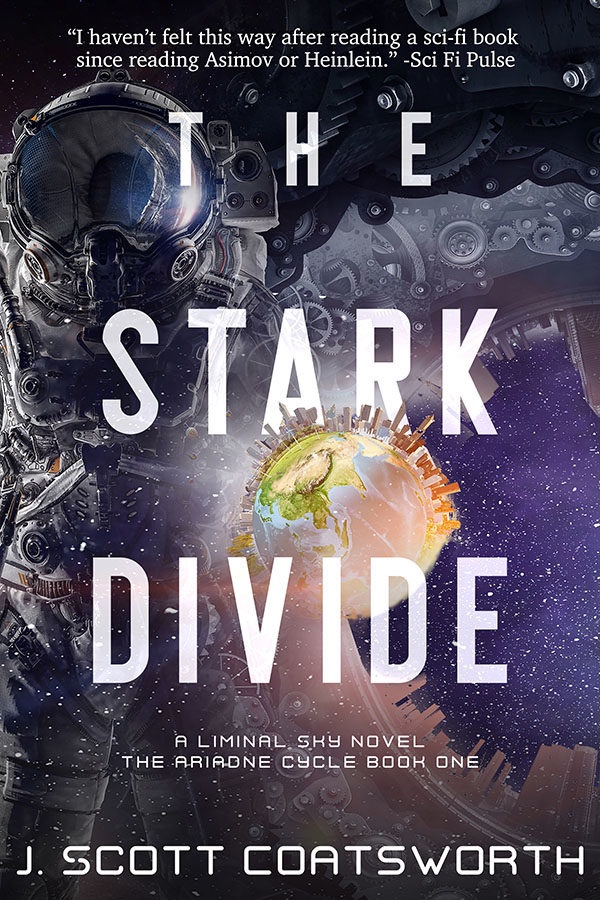
I wrote my first novel just out of high school, and it will NEVER see the light of day. LOL… But my second one did get sent out to ten big NYC publishers. It was a fantasy/sci fi hybrid story about a world called Forever, and it was roundly rejected. I kinda stopped writing for a couple decades. When I finally ventured back into the waters, I picked up the story, and decided to tell the origin tale of Forever. And so “The Stark Divide” was born.

What theme or message do you hope readers will take away from your book?

The main theme that runs through book one is redemption. This is especially true for Ana’s journey from ship’s doctor to villain to almost godlike status. But the book is also about hope – that somehow we will find a way to go on, even if everything seems lost. That’s a recurring theme in a lot of my work.

What drew you into this particular genre?

My mom’s sci fi shelf. She was a member of the Science Fiction book club, and new sci fi and fantasy books arrived at our home with an alarming regularity. She has these big shelves in what we called the spare bedroom, and they were double-stacked with her books. After I finished Lord of the Rings, I devoured Pern and then the Foundation, and just about everything else she had. I was hooked.

If you could sit down with any character in your book, what would you ask them and why?

Oooh. I’d ask Jackson what he found out about the Divine. He was the first religious character I included in one of my books, and he was less so than his wife Glory. But he was also the first to make the leap to seeing the Divine in the bio minds that ran the Dressler and eventually all of Forever. I’m a bit of an agnostic myself, but I remain open to the possibility of something greater than us, and this was my way of exploring that possibility.

What social media site has been the most helpful in developing your readership?

Facebook. I’m on Twitter and Instagram, but I’ve never been able to reach the numbers of folks in the way I can with the site. That said, we have a bit of a love-hate relationship. I don’t like a number of their company policies, and have been in Facebook jail a fair number of times. But at the moment it’s the best way to reach people in the way that I need to grow my readership.

I also like Prolific Works, specifically for growing my email list.

What advice would you give to aspiring or just starting authors out there?

Stick with it. I wish I had never stopped. At World Con in 2018, I attended a panel with an author who started when I did but never stopped, and who now has an amazing career as a sci fi/fantasy author. It was a wake-up moment, but despite my best efforts, I haven’t been able to build a time machine yet. So I have to make the best of where I am now.

What does the future hold in store for you? Any new books/projects on the horizon?

So many things. I am currently shopping my novel Dropnauts to a bunch of agents with an eye to finally snagging one of those NYC publishers. It’s set in the same universe as The Stark Divide, and tells the tale of what happened back on Earth after the Crash.

I’m also writing a new novel tentatively titled “Twin Moons Rising.” It’s set in the same universe as “The Last Run” and is another fantasy/sci fi hybrid. My short story “Tharassan Rain” (out on sub to a number of spec fic mags) is also set on this world.

And I’m subbing a bunch of other shorts as well.

Once I finish this book, I’ll probably return to Liminal Sky (The Stark Divide’s universe) and start telling the “middle” stories – the ones between the Ariadne Cycle (The Stark Divide, The Rising Tide and The Shoreless Sea) and the Oberon Cycle (Skythane, Lander, and Ithani).

Thanks so much for having me on your blog!

Advertisements

About the Author

Scott spends his time between the here and now and the what could be. Ushered into fantasy and sci-fi at the tender age of nine by his mother, he devoured her library of Asimovs, Clarkes, and McCaffreys. But as he grew up, he wondered where the gay people were in speculative fiction.

He decided it was time to create the kinds of stories he couldn’t find at Waldenbooks. If there weren’t queer characters in his favorite genres, he would write them himself.

His friends say Scott’s brain works a little differently–he sees relationships between things that others miss, and often gets more done in a day than most folks manage in a week. He transforms traditional sci-fi, fantasy, and contemporary worlds into something unexpected.

He also runs Queer Sci Fi and QueeRomance Ink with his husband, Mark, sites that bring LGBTIQA communities together to celebrate fiction that reflects queer life and love.

Facebook Profile: www.facebook.com/jscottcoatsworth

Facebook Author Page: www.facebook.com/jscottcoatsworthauthor/

Author Website/Blog: www.jscottcoatsworth.com

Dreamspinner Page: www.dreamspinnerpress.com/store/index.php?cPath=55_1189

QueeRomance Ink Author Page: www.queeromanceink.com/mbm-book-author/j-scott-coatsworth/

Goodreads Author Page: www.goodreads.com/author/show/8392709.J_Scott_Coatsworth

Amazon Author Page: www.amazon.com/J.-Scott-Coatsworth/e/B011AFO4OQ

Interview with Author Rita Pomade

Tell us a little bit about yourself. How did you get into writing?

I think I’ve been writing since the day I learned how letters combined for words. I had quite a collection of poetry before I graduated high school. Later, in order to support myself as a single parent, I took contract work with Funk and Wagnalls Encyclopedia editing down articles for their year book. They sent me galleys enabling me to be home with my children. Years later, while living in Mexico I was hired by Mexico This Month, an English language monthly tourist magazine, to do interviews. From then on, I continued freelancing to supplement my income as an English Second Language teacher.

Advertisements

What inspired you to write your book?

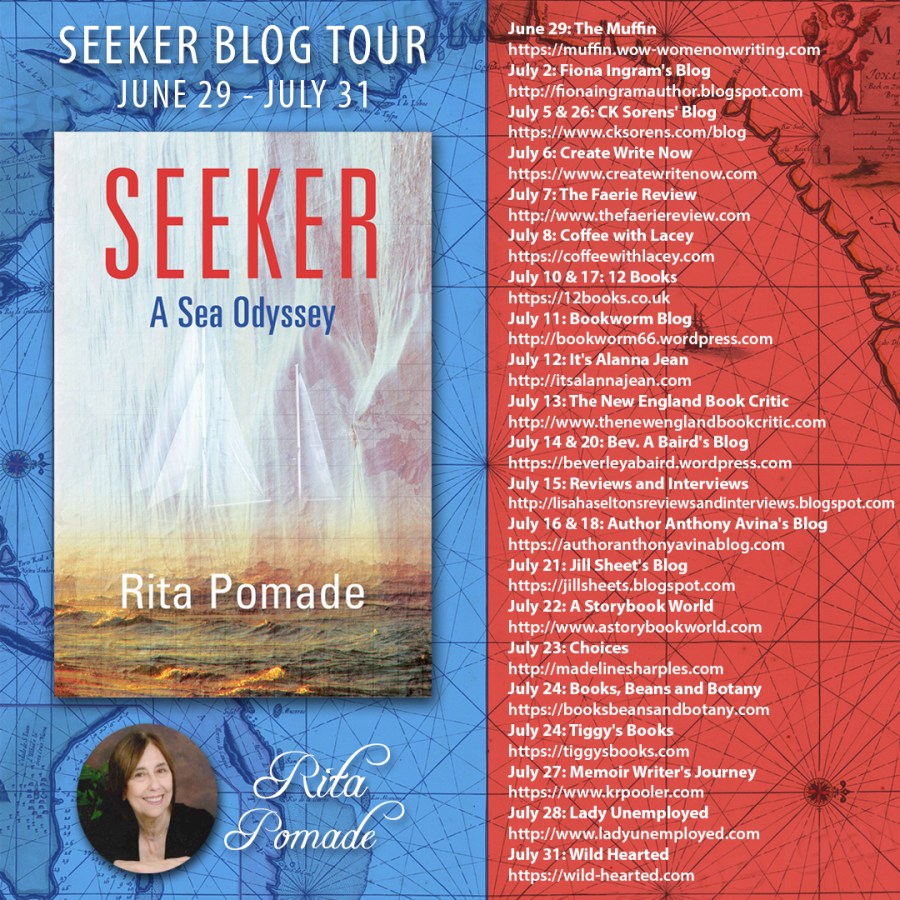
I met my second husband in Mexico. We talked about a sea voyage together. The idea of writing about it was part of my motivation for setting sail with him. Life at sea was harder and more precarious than I could have anticipated, and I didn’t have the mental space to do it. Some thirty years later he asked me if I’d sail with him again—this time from Tunisia to Tahiti. I told him I’d think about it, and wrote a childhood friend in Belgium about his offer. She mailed me all the letters I had written her during those years. Reading the letters triggered insights I didn’t have back then. I wanted to share my unique story and all I had learned from it. Had I written Seeker at the time, it would have not gained from the expansion that hindsight brought.

What theme or message do you hope readers will take away from your book?

On one level Seeker: A Sea Odyssey is an adventure story filled with pirates, monsoons and raging seas. But it’s also a story of love, betrayal and forgiveness. I dealt with challenges and survival on many levels, healed wounds and found my voice. I hope readers can relate to my insights and find their own strengths through reading my journey.

What drew you to this particular genre? 

In the sixth grade I had written the class poem for graduation, but it was given to another child to read as though it was her poem. I seethed at the injustice, and thought about other unfair situations I had seen. At that moment I decided I wanted write about them, so the world would know and put things right. I remember thinking I didn’t have enough life experiences to make a difference, and knew I’d have to grow up and experience as much of life as I could. I actually did that, and writing and sharing insights about what I have learned through life experience lends itself to memoir writing. 

If you could sit down with any character in your book, what would you ask them and why?

I met many people at sea who had interesting stories—interesting pasts. Some traumatic or life changing experience caused them to drop out of society. One such character was Johnny. We first met Johnny in the Philippines and met up with him again in Cypress. He had been in Hitler youth, but was never deprogrammed after the war though many others were. At one point, he told us his father had denounced and stolen the property of a Jewish friend.  His mother had a nervous breakdown over the event and never fully recuperated. He carried the burden of parents’ story, felt at home nowhere and drank too much. I’d like to ask him why he refused to be deprogrammed, preferring to carry guilt and needing to share this part of his family story with others. The writer in me always wants to know the interior conflicts that define character and motivate behavior.

What social media has been most helpful in developing your readership?

I’m a bit of a luddite, and don’t use much social media though I’m on Facebook, Instagram, and Twitter. Seeker: A Sea Odyssey has received good reviews and was shortlisted by the Quebec Writers’ Federation as the best first book for 2019. I’m hoping word of mouth, combined with readings and interviews will bring readers to the memoir.

What advice would you give to aspiring writers or just starting authors out there?

 Don’t give up. Rejection is part of the process. If you aren’t receiving rejections, you aren’t sending out your work. But don’t send indiscriminately. Research and know what each publisher or publication is asking for so that you pinpoint your market.

What does the future hold in store for you? Any new books on the horizon?

 I’m working on a childhood memoir tentatively titled Genesis. It covers the period of my life from embryo to eleven years old. Research in the field of epigenetics is lending credence to the idea that trauma passes down through the genes. We come into the world innocent, but we carry family history from earlier generations. It’s a fascinating discovery, and I’d like to show how it relates to my childhood and how I believe it shaped my early development. 

Seeker: A Sea Odyssey is available to purchase at Amazon.comBarnes and Noble, and Books-a-Million. You can also add this to your Goodreads reading list.

Advertisements

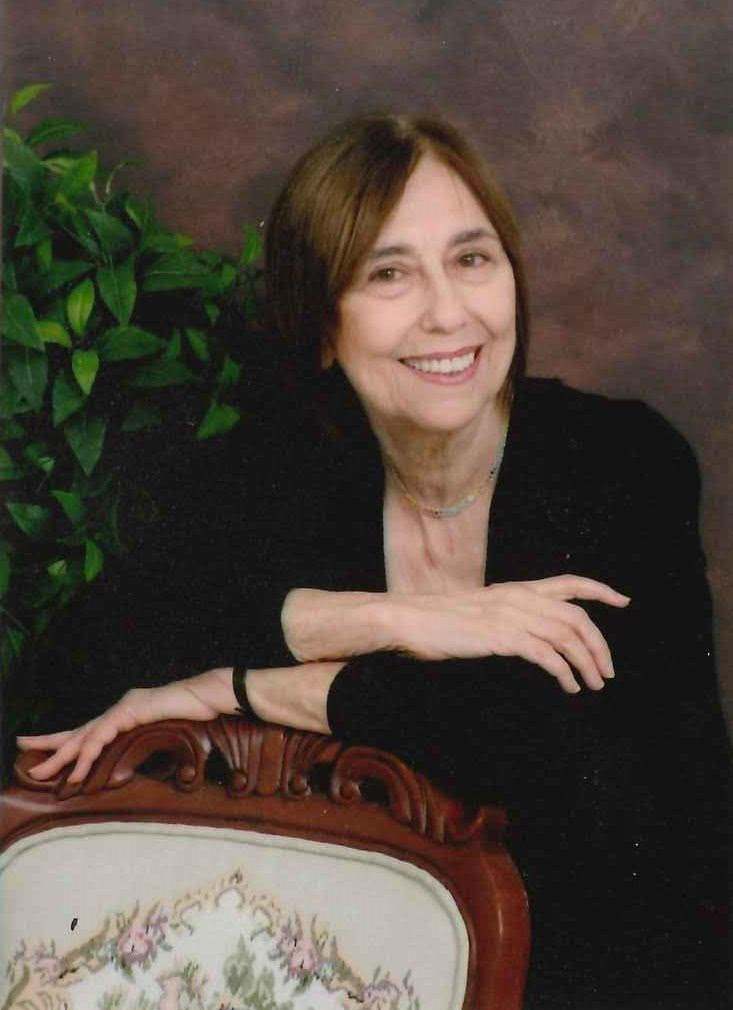
About the Author Rita Pomade

Rita Pomade— teacher, poet, memoirist—lived six years aboard a small yacht that took her from Taiwan to the Suez to Mallorca, dropping anchor in 22 countries. She and her husband navigated through raging monsoons, encountered real-life pirates, and experienced cultures that profoundly changed them. Seeker: A Sea Odyssey, published by Guernica Editions under the Miroland label tells her story. 

Rita Pomade, a native New Yorker, first settled in Mexico before immigrating to Quebec. During her time in Mexico, she taught English, wrote articles and book reviews for Mexconnect, an ezine devoted to Mexican culture, and had a Dear Rita monthly column on handwriting analysis in the Chapala Review. In Montreal she taught English as a Second Language at Concordia University and McGill University until her retirement. She is a two-time Moondance International Film Festival award winner, once for a film script and again for a short story deemed film worthy. Her work is represented in the Monologues Bank, a storehouse of monologues for actors in need of material for auditions, in several anthologies, and in literary reviews. Her travel biography, Seeker: A Sea Odyssey, was shortlisted for the 2019 Concordia University First Book Award. .

Advertisements

— Blog Tour Dates


June 29th @ The Muffin

What goes better in the morning than a muffin? Grab your coffee and join us in celebrating the launch of Rita Pomade’s book Seeker: A Sea Odyssey. You can read an interview with the author and enter to win a copy of the book.
https://muffin.wow-womenonwriting.com/

July 2nd @ Fiona Ingram’s Blog
Visit Fiona’s blog and you can read a guest post by the author about how she could have enriched her journey at sea.
http://fionaingramauthor.blogspot.com/


July 5th @ CK Sorens’ Blog
Visit Carrie’s blog today and you can read her review of Rita Pomade’s memoir Seeker.
https://www.cksorens.com/blog


July 6th @ Create Write Now
Visit Mari L. McCarthy’s blog where you can read author Rita Pomade’s guest post about what she learned about herself through writing.
https://www.createwritenow.com/


July 7th @ The Faerie Review
Make sure you visit Lily’s blog and read a guest post by the author about cooking on a shoestring at sea.
http://www.thefaeriereview.com/


July 8th @ Coffee with Lacey
Visit Lacey’s blog today and read her review of Rita Pomade’s book Seeker: A Sea Odyssey.
https://coffeewithlacey.com/


July 10th @ 12 Books
Visit Louise’s blog and read her review of Rita Pomade’s book Seeker: A Sea Odyssey.
https://12books.co.uk/


July 11th @ Bookworm Blog
Visit Anjanette’s blog today and you can read her review of Rita Pomade’s book Seeker: A Sea Odyssey.
http://bookworm66.wordpress.com/

July 12th @ It’s Alanna Jean
Visit Alanna’s blog today and you can read a guest post by author Rita Pomade about the ten best traits you need for living aboard a yacht.
http://itsalannajean.com/

July 13th @ The New England Book Critic
Join Vickie as she reviews Rita Pomade’s book Seeker: A Sea Odyssey.
http://www.thenewenglandbookcritic.com/


July 14th @ Bev. A Baird’s Blog
Visit Bev’s blog today and read her review of Rita Pomade’s book Seeker: A Sea Odyssey.
https://beverleyabaird.wordpress.com/


July 15th @ Reviews and Interviews
Visit Lisa’s blog today where she interviews author Rita Pomade about her book Seeker: A Sea Odyssey.
http://lisahaseltonsreviewsandinterviews.blogspot.com/


July 16th @ Author Anthony Avina’s Blog
Visit Anthony’s blog where he reviews Rita Pomade’s book Seeker: A Sea Odyssey.
https://authoranthonyavinablog.wordpress.com/


July 17th @ 12 Books
Visit Louise’s blog and read author Rita Pomade’s guest post discussing sailing myths.
https://12books.co.uk/


July 18th @ Author Anthon Avina’s Blog
Visit Anthony’s blog today and read his interview with author Rita Pomade.
https://www.authoranthonyavinablog.com


July 20th @ Bev. A Baird’s Blog
Visit Bev’s blog again and you can read author Rita Pomade’s guest post featuring her advice on writing a memoir.
https://beverleyabaird.wordpress.com/


July 21st @ Jill Sheet’s Blog
Visit Jill’s blog where you can read a guest post by author Rita Pomade about how her handwriting analysis skills made her a better writer.
https://jillsheets.blogspot.com/


July 22nd @ A Storybook World
Visit Deirdra’s blog today and you can checkout her spotlight of Rita Pomade’s book Seeker: A Sea Odyssey.
http://www.astorybookworld.com/


July 23rd @ Choices
Visit Madeline’s blog today and you can read a guest post by author Rita Pomade about the benefits of spending time abroad.
http://madelinesharples.com/


July 24th @ Books, Beans and Botany
Visit Ashley’s blog today where she reviews Rita Pomade’s book Seeker: A Sea Odyssey.
https://booksbeansandbotany.com/


July 24th @ Tiggy’s Books
Visit Tiggy’s blog today and read her review of Rita Pomade’s book Seeker: A Sea Odyssey. She’ll also be chatting a bit with the author!
https://tiggysbooks.com/


July 26th @ CK Sorens Blog
Visit Carrie’s blog today and you can read a guest post by author Rita Pomade about how she jumpstart her writing process.
https://www.cksorens.com/blog


July 27th @ Memoir Writer’s Journey
Visit Kathleen’s blog today and read her review of Rita Pomade’s book Seeker.
https://www.krpooler.com/


July 28th @ Lady Unemployed
Visit Nicole’s blog today where you can read a guest post by author Rita Pomade talking about stepping outside of one’s comfort zone.
http://www.ladyunemployed.com


July 31st @ Wild Hearted
Visit Ashley’s blog where you can read a guest post by author Rita Pomade about why she jumped at the chance to go to sea.
https://wild-hearted.com/