I received a free copy of this book in exchange for a fair and honest review. All opinions are my own.
A young widow, her 9-year old autistic son and a former military man travel together towards the epicenter of the massive eruption of the Yellowstone supervolcano in hopes of finding her youngest son and her brother in author Jean M. Grant’s “Will Rise From Ashes”.
The Synopsis
Living is more than mere survival.
Young widow AJ Sinclair has persevered through much heartache. Has she met her match when the Yellowstone supervolcano erupts, leaving her separated from her youngest son and her brother? Tens of thousands are dead or missing in a swath of massive destruction. She and her nine-year-old autistic son, Will, embark on a risky road trip from Maine to the epicenter to find her family. She can’t lose another loved one.
Along the way, they meet Reid Gregory, who travels his own road to perdition looking for his sister. Drawn together by AJ’s fear of driving and Reid’s military and local expertise, their journey to Colorado is fraught with the chaotic aftermath of the eruption. AJ’s anxiety and faith in humanity are put to the test as she heals her past, accepts her family’s present, and embraces uncertainty as Will and Reid show her a world she had almost forgotten.
The Review
A truly remarkable read, this apocalyptic, disaster-driven drama immediately draws the reader in with shocking events that would terrify and challenge any of us. The author does an excellent job of blending in-depth character growth with realism in the face of a tragic event such as the eruption of a supervolcano with a writing style that immediately conjures up a strong sense of imagery, bringing the action of this narrative to life in a brilliant way.
What stands out in this audiobook is that the story doesn’t necessarily focus as much on any sense of mystery, as the main plot of the story involves an already erupted volcano, but instead on the characters as they face this disaster together and must work to find one another. The author delves into themes of grief, loss, trust, and family as the main protagonist, AJ, deals with the loss of a loved one and the challenge of raising two sons, one of which is autistic, and must find the rest of her family in the face of disaster. Along the way, AJ’s struggle to trust anyone again comes to life through Reid, as a hint of possible romance and survival come through early on in their meeting one another.
The Verdict
An engaging, emotional, and thoughtful audiobook, author Jean M. Grant’s “Will Rise From Ashes” is a must-read (listen) audiobook. The narrators really capture the emotional core of these characters and their world, while the writing itself brings to life the chaos and upheaval such a powerful event would have on our nation and world as a whole. With a cast of memorable characters, this is not a book you want to miss. Be sure to grab your copy today!
I received a free copy of this book in exchange for a fair and honest review. All opinions are my own.
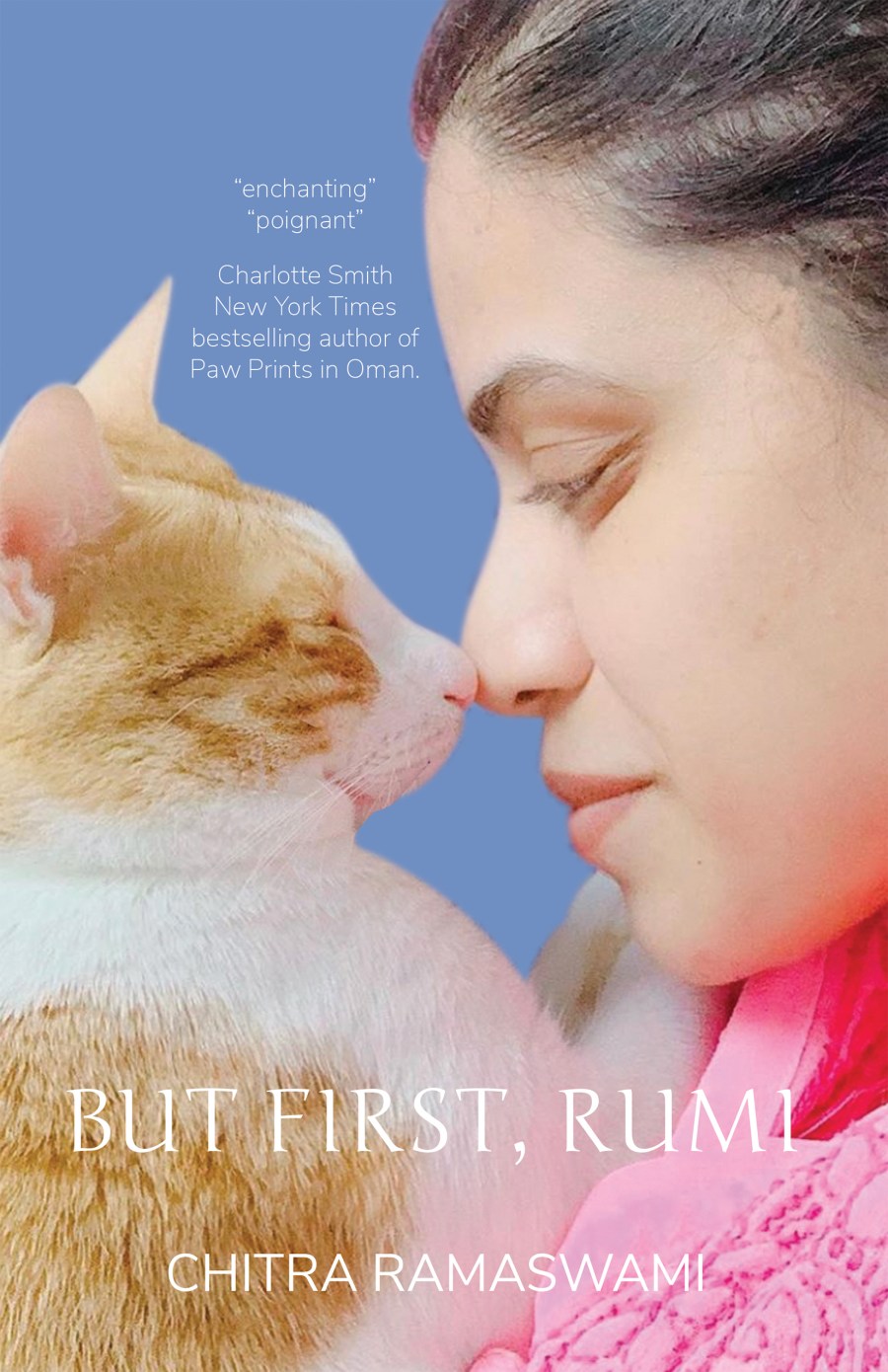
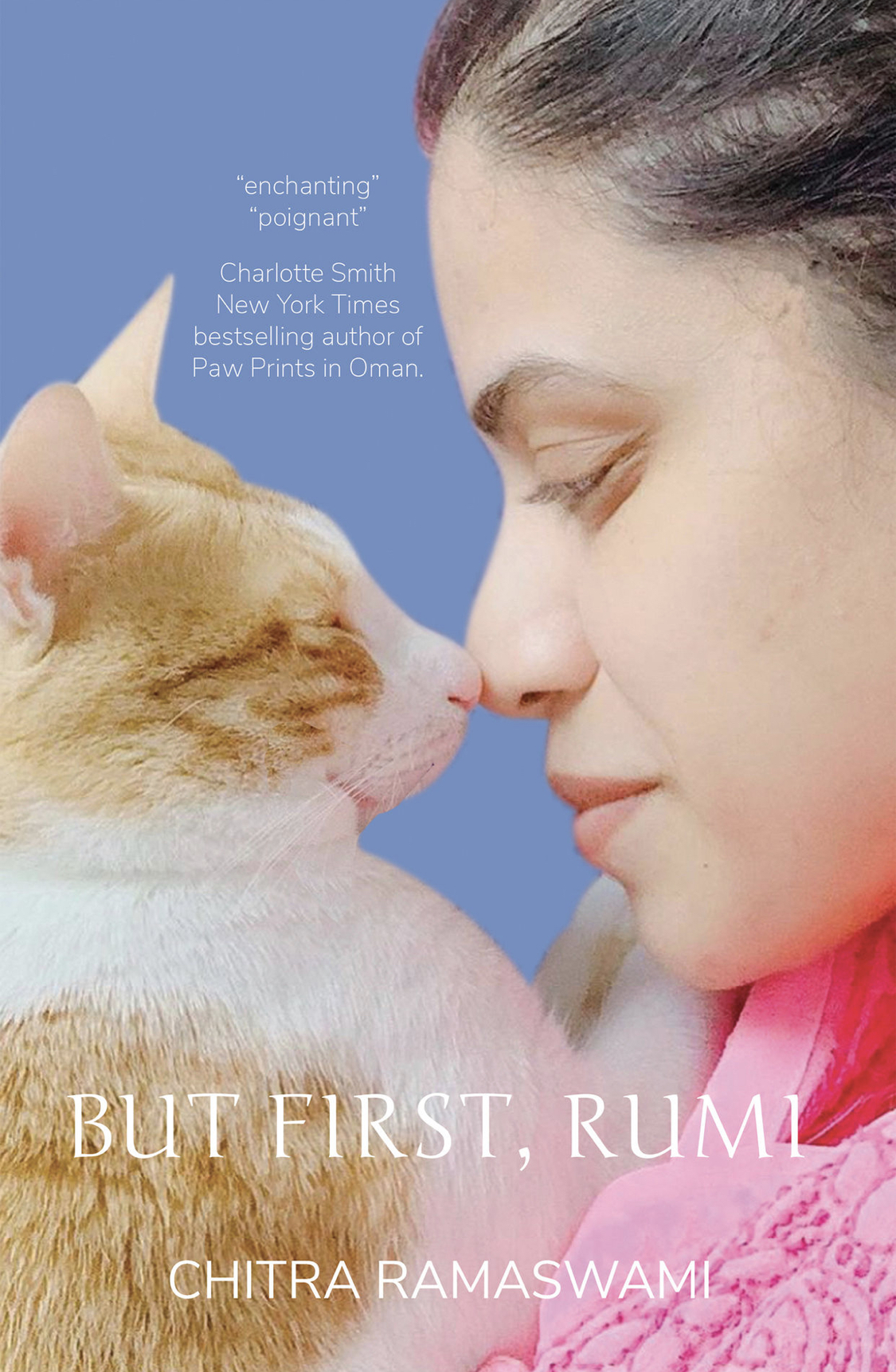
A woman searching for answers after a shocking medical diagnosis meets a stray cat in need of help find one another and helps the woman find answers she didn’t even realize she was seeking in author Chitra Ramaswami’s “But First, Rumi”.
Advertisements
The Synopsis
When Chitra discovered a stray cat in need of help, she never thought they’d wind up saving each other. Struggling to come to terms with an unexpected diagnosis, Chitra returned home to Oman seeking a sense of familiarity. What she discovered instead was a very special cat who changed her life. But First, Rumi is the story of how, day by day, Rumi and Chitra got to know one another, and as she learned to love the little stray, she began to see greater life lessons about herself, her family, her home country and her place in the world.
What unfolds when girl and cat meet? What happens when you follow your heart? What if the world is not as it seems? Is it worth taking a chance?
The Review
This was an emotional, heartfelt read that the author has shared with us. This memoir immediately clicked with me from the start, as someone who has experienced autoimmune disease and sudden health scares, I found myself identifying with the author. The balance of memoir and reflection the author implements into the narrative are not only well-written but speak of an honest approach to life itself that many of us can either identify with or seek to include in our lives moving forward.
The other half of this amazing story is the impact of finding and opening her heart up to this stray cat. Rumi’s story is paired with the reality of stray cats within Oman, showcasing how different felines are viewed there as opposed to the West. Trying to peel back the layers of superstitions and fear that many people have of the animals, the author showcases how love and compassion for these creatures are not only essential to their survival and perseverance within Oman, but how beneficial pets, in general, can be to a person’s physical and emotional well-being also.
The Verdict
A remarkable, emotional, and engaging memoir, author Chitra Ramaswami’s “But First, Rumi” is a must-read book. An honest look into themes such as health, both physical and mental, and the impact pets can have on a person’s life, this story is heartfelt and speaks to many readers out there, making this a truly remarkable, short yet powerful read. If you haven’t yet, make sure you grab your own copy of “But First, Rumi” today!
Rating: 10/10
But First, Rumi is available to purchase now on Amazon.com.
Advertisements
About the Author, Chitra Ramaswami
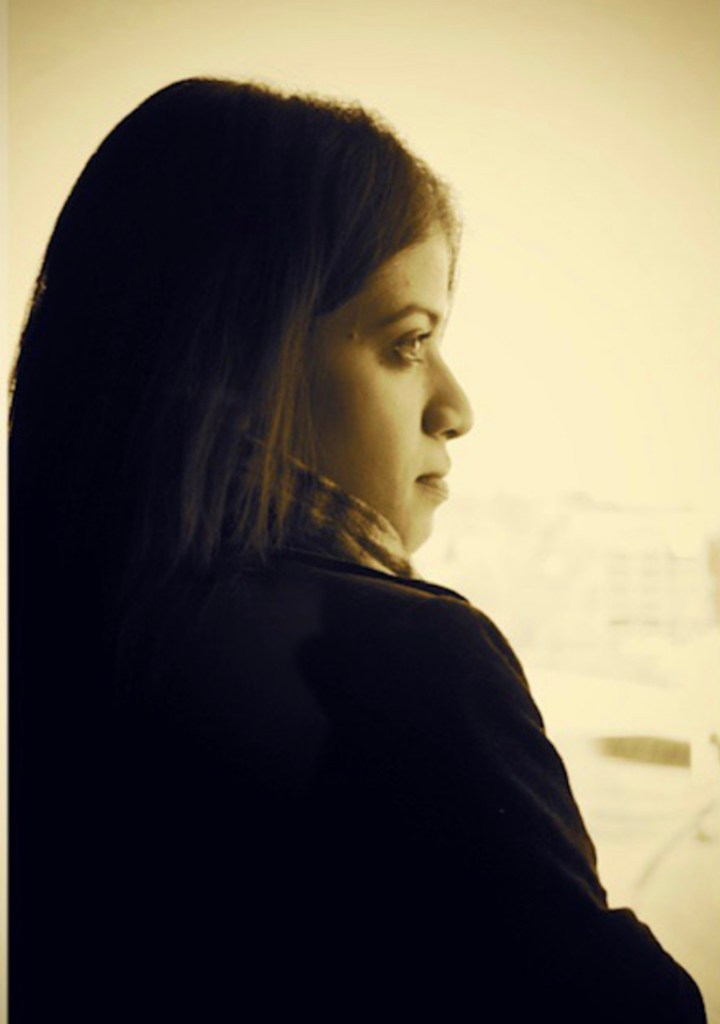
Chitra Ramaswami was born and raised in the Middle East by Indian parents, and her childhood was spent reading every book she could lay her hands on or writing stories and lines of poetry. As a result of traveling the world extensively and being a natural linguist, she is an amalgamation of many cultures and tastes and is constantly looking for the next experience she can immerse herself in. When she isn’t writing, Chitra rides horses, climbs mountains and is a passionate advocate for the Omani Mau/ street cat. She currently lives in New York with her husband and a very spoiled cat and hamster duo.
Author Chitra Ramaswami’s Guest Blog Post: The Purrfect therapist
With the best PR in place, dogs are the title holders of therapy animals with more Google search results and more therapy programs working exclusively with them. Say the words “Therapy animal” and a ready image of a dog wearing a vest comes to mind.
But what about Cats?
Meh. Aloof. Unexpressive. Anti-social. Want you only if they need you.
Hmmm. Aren’t we being a tad bit unfair?
I say we have a closer look at what contribution our feline friends have made to people’s psychological health, shall we?
Let’s start with:
Abner, an Abyssinian ispopularly known as the rockstar of pet therapy cats. His daily duties consist of visiting the retirement community at Bayview, Queen Anne in Seattle. His superpower is the ability to make seniors live in the present, forget their loneliness or lack of family, and focus their attention on him. Works like a charm for all parties involved!
Thula, a water-loving Maine coon changed the life of Iris, a 6-year-old autistic girl for the better after her failed interactions with therapy dogs, horses, and rabbits. Before Thula, Iris’s crippling anxiety instilled a fear of water in her. This however changed and Iris took to swimming with Thula accompanying her in the pool. Thula also helped Iris relax enough to resume her normal sleep cycle which was nonexistent before her arrival. Besides, Iris also resumed homeschooling activities and reached verbal milestones. The duo has been inseparable since their first meeting.
The Meow mates & Mutt mates program in the Allendale correctional institute in South Carolina pairs dogs and you heard right – CATS with inmates and accompany them 24/7. Sharing common life experiences like having lived on the streets, abuse, etc. with their assigned feline helps the inmates experience hope and companionship like never before.
Duke Ellington is a rescue cat who regularly visits the ICU at USCF and is eagerly awaited by both staff and patients alike. His calm demeanor has a great impact on alleviating symptoms of stress and depression of the inpatients. Also, seeing a cat being wheeled around in a hospital never fails to bring a smile to onlookers!
However, are these cats few and far between?
Let’s see what science has to say about the feline-mental health link:
Anti-social – Think again: Contrary to popular belief, cats are social animals. They have the ability to be just as attached to humans as dogs. Unfortunately, lesser studies are done on this bond with felines.
Precious Purrs: Cat purrs have a gamma-ray frequency same as meditation waves, thereby lending a calming effect to those beside them. Cats have a calming effect on people with Alzheimer’s disease too and serve as a mood booster too.
Research catching up: According to various recent studies, there’s increasing evidence showing cat owners of various ages being happier, focused, and feeling less isolated.
Pet away: Stroking a cat rhythmically aids in emotional regulation and subconsciously teach those suffering with anxiety, panic disorders or PTSD to calm themselves down.
ESA advantage: If your cat qualifies as your emotional support animal (ESA), they get to accompany you on the flight without a ticket and live in apartments where pets may not be allowed otherwise. All you need is a letter from your mental health professional.
So, are some cat breeds better suited to play therapists? We don’t have all the answers yet. But The good news is more research is on its way.
In the meanwhile, would you like to read the story of a special feline named Rumi? By the way, he has all the qualities of the purrfect therapist!
To read the memoir, But First, Rumi – please click on the link below:
But First, Rumi is available worldwide on Amazon as e-book and paperback. Also available in select bookstores.
Advertisements
– Blog Tour Dates
March 15th @ WOW! Women on Writing
Join us at the WOW blog, The Muffin, to celebrate the launch of Chitra Ramaswami’s book But First, Rumi. You can read an interview with the author, find out more information about this touching memoir, and win a copy for yourself!
I received a free copy of this book in exchange for a fair and honest review. All opinions are my own.
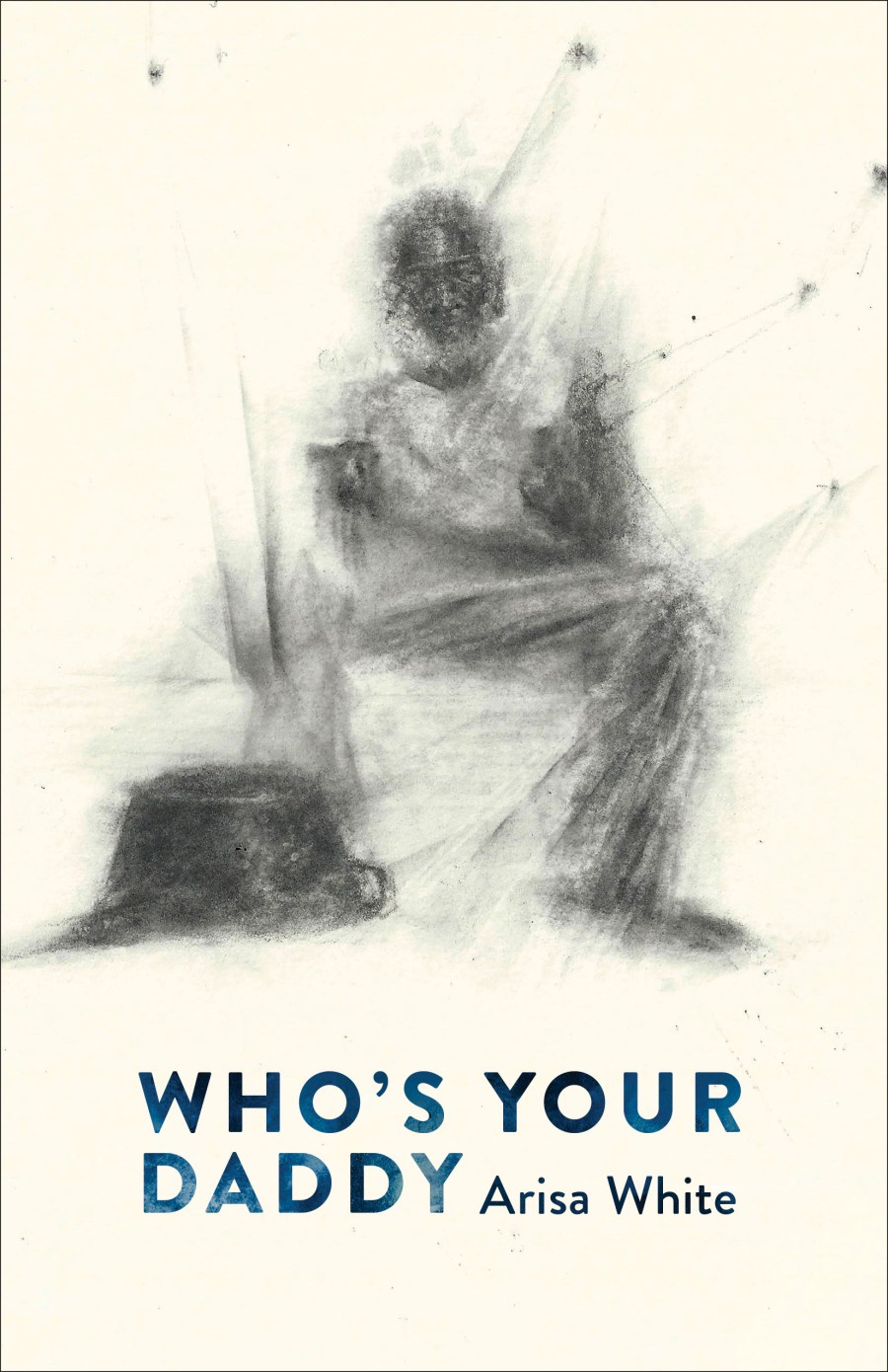
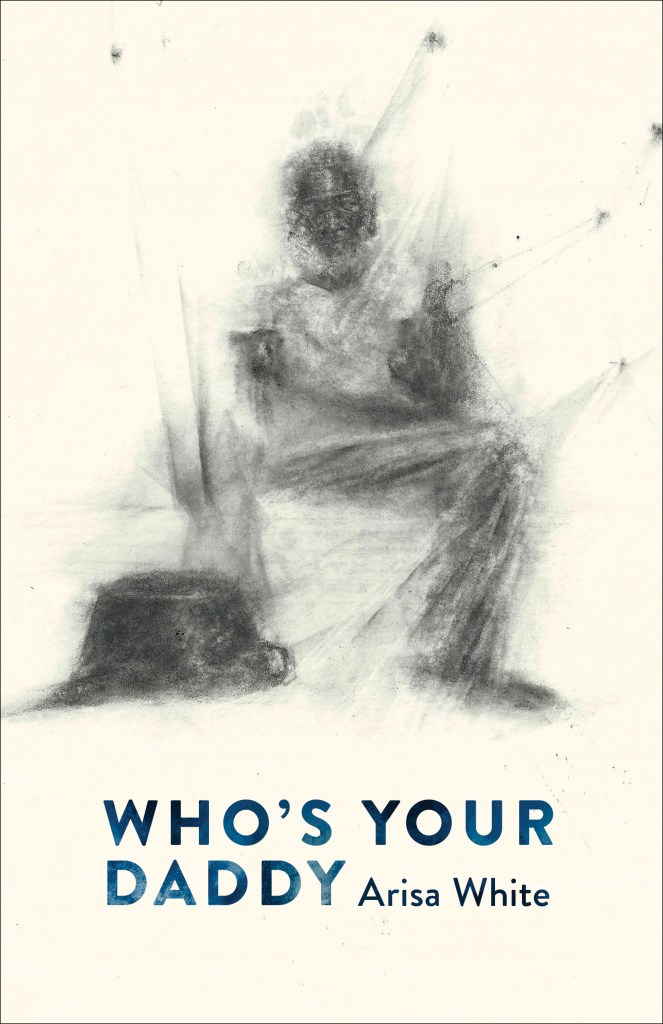
Author and Poet Arisa White uses poetry and creative nonfiction to tackle important topics such as paternal absences and toxic masculinity in her book, “Who’s Your Daddy”.
Advertisements
The Synopsis
Who’s Your Daddy?, a hybrid memoir combining poetry and creative nonfiction, is a meditation on paternal absences, intergenerational trauma, and toxic masculinity. Who’s Your Daddy? asks us to consider how the relationships we are born into can govern us, even through absence, and shape the dynamics we find and forge as we grow. White lyrically moves across distance and time, from Brooklyn to California to Guyana. Her book enacts rituals that plumb the interior reaches of the heart to assemble disconnected and estranged parts into something whole, tender, and strong.
The Review
This was a truly powerful and moving read. The author takes readers on an emotional journey through her life, yet captures the important moments through some incredibly captivating prose and poetry. The journey for the author to learn more about her father and subsequently herself was felt in every passage and every page of this book.
The author’s way of writing is not only inviting and engaging with the reader but feels like a natural conversation throughout a lot of this book. Readers can really get a sense of the author’s life as a young, queer, black-Guyanese/American woman through some intimate and personal passages that speak of many hardships the author and so many others have had to endure. From the childhood, the author lived in the United States to the journey to find an absent father and even having to hide who she is while in a nation that condemns those who don’t love the people that the nation says they should love, this book packs a lot of important topics and themes into such a short read, yet still makes for a powerful impact.
The Verdict
A must-read memoir and poetry book, author Arisa White’s “Who’s Your Daddy” is memorable, impactful, and heartfelt all at once. An insightful look into the journey to discover the author’s past, their parentage, and who they are, readers will not be able to put this book down and will be returning to it long after they have finished reading it. Be sure to grab your copy today!
Rating: 10/10
Advertisements
About the Author
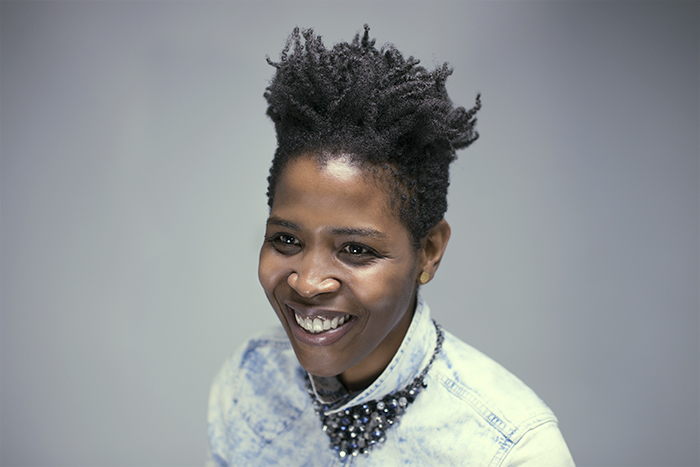
ARISA WHITE is a Cave Canem fellow, Sarah Lawrence College alumna, an MFA graduate from the University of Massachusetts, Amherst, and author of the poetry chapbooks Disposition for Shininess, Post Pardon, Black Pearl, Perfect on Accident, and “Fish Walking” & Other Bedtime Stories for My Wife won the inaugural Per Diem Poetry Prize. Published by Virtual Artists Collective, her debut full-length collection, Hurrah’s Nest, was a finalist for the 2013 Wheatley Book Awards, 82nd California Book Awards, and nominated for a 44th NAACP Image Awards. Her second collection, A Penny Saved, inspired by the true-life story of Polly Mitchell, was published by Willow Books, an imprint of Aquarius Press in 2012. Her latest full-length collection, You’re the Most Beautiful Thing That Happened, was published by Augury Books and nominated for the 29th Lambda Literary Awards. Most recently, Arisa co-authored, with Laura Atkins, Biddy Mason Speaks Up, a middle-grade biography in verse on the midwife and philanthropist Bridget “Biddy” Mason, which is the second book in the Fighting for Justice series. She is currently co-editing, with Miah Jeffra and Monique Mero, the anthology Home is Where You Queer Your Heart, which will be published by Foglifter Press in 2021. And forthcoming in February 2021, from Augury Books, her poetic memoir Who’s Your Daddy.
I am happy to share this amazing guest blog post from author and poet Arisa White, who is here to share with us some insight into her latest release, “Who’s Your Daddy”. Look for the review of this amazing book soon. Now enjoy this great post from the writer.
Advertisements
In February 2015, in a blog I was keeping to document the writing process of dear Gerald, which later developed into Who’s Your Daddy, I was thinking about the following as I prepared for my trip to Guyana:
Today is the day we hit the air for Guyana.
This week, or maybe it was last week–time just seems to be blending–I was talking to my friend Amber and from the conversation we concluded that I’m going to meet my masculine (my maker). It all seems so biblical at times . . .
But the conversation didn’t stop there: we made some connections to the way that society treats and incarcerate Black men . . . my father has been sent to his homeland as correctional punishment, and the last three dear Gerald lettersI’ve received have come from inmates at San Quentin. The letters are so touching and they reflect on the cycle of violence, neglect, and abandonment–and these men recognize that they are not present as fathers for their children.
What happens when our masculine energies are imprisoned, literally and figuratively? What is amped up in our performance of masculinity, what is downplayed? And who/what in the end benefits from all this absence and negative expression?
As a woman, with strong feminine energy, how do I integrate my masculine energy? How do I not imprison that masculine force within in, but allow it to have its freedom of expression, without fear of punishment?
All interesting questions to be felt through . . . .
Now, I understand why the title, Who’s Your Daddy, which was first a tongue-and-cheek placeholder, became the actual title of the book. The whole book project was driven by an interrogative mode—this desire to know my father and understand who I am.
As my publisher, editor, and I decided whether or not to keep the question mark after Who’s Your Daddy, we concluded it was best without it.
The implied question, which I was signaling with my usage of ellipsis in the entry above, continues to ask. And the asking interrogates along different layers of meaning. It lingers in and around you, resonating. So once I was able to personally respond, there was a need to turn outward and question patriarchy and its role in our social and political institutions, how we are governed by what is there and not there, how our consciousness functions around the ways we identify (and often those identities are defined through systems of power). Who’s your daddy is one of those questions that can ripple throughout you, if you allow it.
Advertisements
About the Poet
ARISA WHITE is a Cave Canem fellow, Sarah Lawrence College alumna, an MFA graduate from the University of Massachusetts, Amherst, and author of the poetry chapbooks Disposition for Shininess, Post Pardon, Black Pearl, Perfect on Accident, and “Fish Walking” & Other Bedtime Stories for My Wife won the inaugural Per Diem Poetry Prize. Published by Virtual Artists Collective, her debut full-length collection, Hurrah’s Nest, was a finalist for the 2013 Wheatley Book Awards, 82nd California Book Awards, and nominated for a 44th NAACP Image Awards. Her second collection, A Penny Saved, inspired by the true-life story of Polly Mitchell, was published by Willow Books, an imprint of Aquarius Press in 2012. Her latest full-length collection, You’re the Most Beautiful Thing That Happened, was published by Augury Books and nominated for the 29th Lambda Literary Awards. Most recently, Arisa co-authored, with Laura Atkins, Biddy Mason Speaks Up, a middle-grade biography in verse on the midwife and philanthropist Bridget “Biddy” Mason, which is the second book in the Fighting for Justice series. She is currently co-editing, with Miah Jeffra and Monique Mero, the anthology Home is Where You Queer Your Heart, which will be published by Foglifter Press in 2021. And forthcoming in February 2021, from Augury Books, her poetic memoir Who’s Your Daddy.
“Potentially the difference between a blockbuster and a flop, kid!” Hollywood answered, chewing on a cigar and pouring two fingers of scotch.
In all seriousness, it is unfortunately true that more than a few cinematic gems have been buried by their lackluster titles. A good title, by contrast, can get someone to click on a trailer, read a two-sentence description that can clinch the deal, or fill a theater seat on the power of the curiosity it has inspired alone.
At the very least, a good title gets a moviegoer to ask, “tell me more”… and a really good title gets a moviegoer to say, “Okay, show me.”
And this is why Blake Snyder emphasizes in Save the Cat! – his methodology that revolutionized the language of storytelling – that you are not tasked with simply coming up with a title for your movie.
You’re tasked with giving your movie a killer title.
It’s a mission so important—so absolutely paramount—that we hammer it home in great detail in the “Cracking the Beat Sheet” online course. We also offer an arsenal of tips and pointers because, after all, imagine pouring your heart and soul into writing a story for the ages, pulling every string to get it into the hands of a decision-maker (or at least an intern) at a production company or major studio, only to have them look at the title, and with a “meh,” toss it onto the “maybe later” (maybe never) pile.
Tragedy! One that would ruffle even Shakespeare’s… ruffles! So let’s prevent it!
“Legally Blond”
“The Good, the Bad, and the Ugly”
“Fight Club”
We all know a good title when we read one. But what makes a title good?
Years ago, Blake offered us an important clue to cracking that case. He pointed out that “a good title must say what it is! and yet give us a fresh, intriguing invitation to your party that gives us a hint of the type and tone of the festivities we’re about to attend. And that’s some tight writing right there.“
So as you can see—and as many of us have had the displeasure of experiencing—it’s no easy task, nor is it a small one. And to prove that it’s a task on which even the biggest films may stumble and fall, allow me to share the example we use in the Save the Cat! “Cracking the Beat Sheet” course:
In 2014, Tom Cruise starred in a movie called Edge of Tomorrow, which was phenomenal by both audience and critics’ accounts with a 90% fresh rating on Rotten Tomatoes. The premise was basically Groundhog’s Day in the middle of an alien invasion. A man with no combat experience is forced to relive the same day over and over again until he can figure out how to thwart a devastating extraterrestrial attack.
The problem was, none of the excitement of that premise was hinted at or captured with the title “Edge of Tomorrow,” slick as it sounded. And one of the most vocal lamenters of the title’s failure was Doug Liman, the film’s director. He openly blamed this title, which was forced on the film, for the movie’s disappointing box office returns.
“I ended up having to call the person (the Warner Bros. executive) and apologize for pointing out that they were wrong,” he said. “And they started titling it the title I always thought it should have, which is Live Die Repeat. But they tiptoed around it, and when we make the sequel, it’ll be permanently titled Live Die Repeat. The sequel will be Live Die Repeat and Repeat.”
Guess what? That’s a title that says what the movie is.
Hopefully, you’re now fully convinced that a title matters a great deal, and you’re mentally running the “Say What It Is” test on your current script titles.
And if you still only find yourself on the edge of inspiration, we’ve packed our online course with wisdom and tricks to tip you over.
Happy writing! Or shall we say… live, write, repeat!
Advertisements
BIO:
Jennifer Zhang is a screenwriter and filmmaker who wrote, produced and sold her award-winning debut feature “The Evil Inside” shortly after working with Blake Snyder and adopting Save the Cat! storytelling principles in her screenwriting. She is the instructor featured in the “Cracking the Beat Sheet” online course, and has most recently garnered early festival buzz for her feature-length independent thriller “Charon” which has picked up multiple official selections and “Best Writer” nominations.
About Save the Cat!
Save the Cat!® is the bestselling story methodology introduced by screenwriter Blake Snyder in 2005 with his first book, Save the Cat!. Snyder’s acclaimed ideas, methods, and software have provided thousands of writers with the resources they need to develop their screenplays and novels.
Save the Cat!’s
WOW! WOMEN ON WRITING TOUROFCracking the Beat Sheet
&
Story Development Cards
Tour Begins February 22nd
First, what is Save the Cat!®?
Save the Cat! provides writers the resources they need to develop their screenplays and novels based on a series of best-selling books, primarily written by Blake Snyder (1957- 2009). Blake’s method is based on 10 distinctive genres and his 15 story beats (the Blake Snyder Beat Sheet). Our books, workshops, story structure software, apps, and story coaching teach you everything you need to unlock the fundamentals and mechanics of plot and character transformation.
About the Save the Cat! Cracking the Beat Sheet Online Course
This course is designed for writers to turn their idea into a movie or novel. This learn-at-your-own-pace online class helps you develop the 15 key “beats” or “plot points” of your story. Strung together, in the right order, these 15 beats make up the blueprint to a successful screenplay or novel.
You’ll Turn an Idea into a Story by Learning to…
• Create a solid beat sheet that will serve as the road map, and “backbone” of your story
• Identify and know the key components of your story genre • Learn the clichés of your genre so that you can break them like an artist
• Plot your hero’s journey and “transformation” • Troubleshoot your story idea for viability
• Write a compelling logline or elevator pitch
This Course Is for Those Who…
• Want to troubleshoot an existing story
• Have so many great ideas and struggle to choose “the one”
• Are ready to write but not sure how to start
• Are determined to finish a half-written story
• Want to learn
This Course Includes…
• Over 3 hours and 17 minutes of original video production
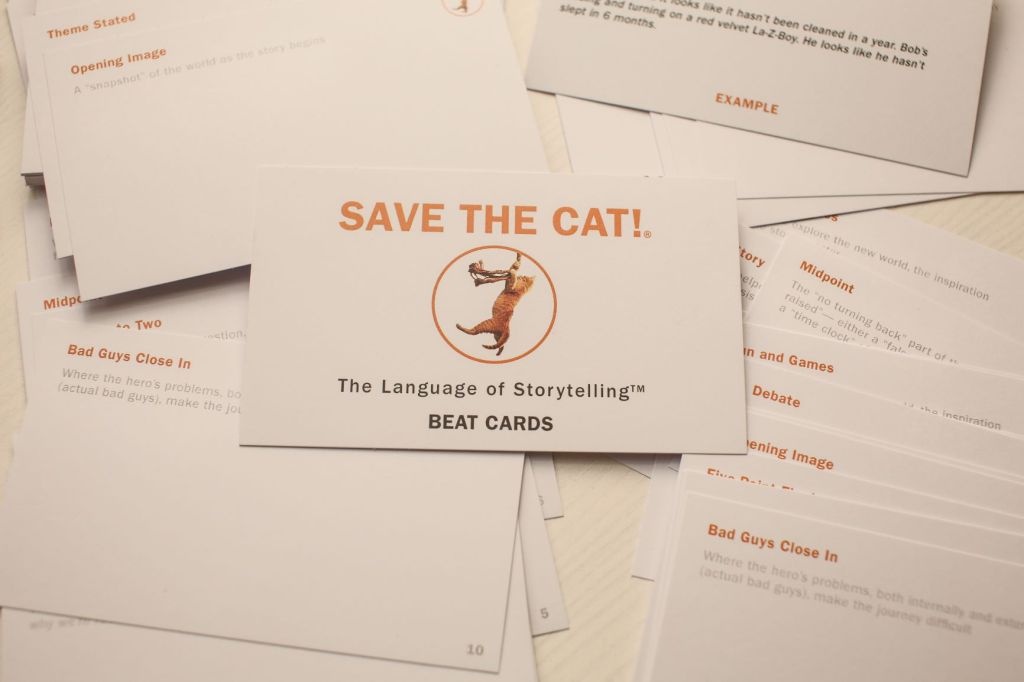
Introducing Save the Cat!®Story Cards, consisting of Save the Cat! Beat Cards and Save the Cat! Scene Cards, all designed to outline and develop your story.
Save the Cat! Beat Cards
Crack your story from the “Opening Image” to the “Final Image.” Save the Cat!® Beat Cards provide writers with the 15 key plot points to map out your script or novel. Every set contains 15 individual index cards with helpful explanations of each beat to form the foundation of your story.
Save the Cat! Scene Cards
Every scene of your story needs to communicate “place,” “basic action,” “emotional transformation,” and “outcome.” The Save the Cat!® Scene Cards help writers nail the purpose of every scene. Each set of cards contains 40 color-coded cards broken down by act, with 10 extra cards because we know you’ll need them.
What goes better in the morning than a muffin? Grab your coffee and join us today over at our blog, where we launch another blog tour for Save the Cat! We talk about their online course and their story cards, interview the Save the Cat team, and host a special giveaway you don’t want to miss.
Guest writer, Stephanie Anne, reviews the Save the Cat! Cracking the Beat Sheet course and Save the Cat! Story Cards on Nicole’s blog World of My Imagination.
1) Tell us a little bit about yourself. How did you get into writing?
I started my career as a volunteer teacher in Sabah, Malaysia (North Borneo) during 1968-70. There, I became an international filmmaker and later a multimedia producer, working for development agencies and living in or traveling to countries in Asia, Africa, Latin America, the Caribbean and Russia until 2013. I had written three technical books and many journal articles during my career, for example on the role of communication in defeating the HIV/AIDS epidemic. But I never had time to write creatively until I retired. After my wife and I moved to Albuquerque in 2015, I began by attending Master’s-level workshops in creative nonfiction and poetry at the University of New Mexico. That’s when I started writing my Borneo memoir, Finding Myself in Borneo, https://www.neillmckeeauthor.com/finding-myself-in-borneo and Guns and Gods in My Genes https://www.neillmckeeauthor.com/guns-and-gods-in-my-genes. I drafted short pieces for review by my professor and fellow students in those workshops, and revised them after feedback. I also joined another evening workshop at the university on writing an outline for Guns and Gods in My Genes. This was helpful in focusing the manuscript on those very themes.
2) What inspired you to write your book?
After I retired from my main career, I visited my aging mother in Ontario, traveling from our home in Maryland a few times a year. My dad, who died in 2007, was always interested in family history but never had the time nor the skills to do much research or writing. I discovered the beginnings of interesting stories in his old files, and I reached out to cousins, one living uncle, and three remaining aunts. I found many leads on both sides of the family and interviewed family members, picking up more stories, photos, and records. One cousin, to whom the book is dedicated, had done a lot of the research leading to the Mayflower connection in the US. That’s when I knew I had another book to write, but I had to do or commission a lot more research to determine if the genetic connections were correct. Many more interesting ancestors emerged as I progressed, especially through the female lineage.
I wanted to write a book with wide appeal to anyone interested in genealogy and history, or searching their own family’s roots. I decided to do it on the theme of “guns and gods” and by “gods” I mean different interpretations of religion – largely Christianity – in North American history, and my discovery of some “godly” ancestors in my genes, as well as a real “rowdy man” and some who killed and enslaved Indians in New England in the 1600s. I believe focusing on some themes, such as these, is important. There are a lot of family stories that I left out. They are entertaining but not part of the themes I chose.
3) What theme or message do you hope readers will take away from your book?
One theme or message I would like readers to take away is that history and genealogy does not have to be boring if you reveal stories bit by bit and don’t overwhelm readers with long lists and many names of “who begat whom” in the first chapter. Besides online research, I dug up real stories of my ancestors and traveled to the places where they lived to meet historians and distant cousins who had more records and stories. I also read many historical works of interesting events that happened at the time my ancestors lived. For instance, I went to the actual location where my great-grandfather, Lafayette Haskins, was wounded in the Battle of the Wilderness in the Civil War. I walked beside the remains of Confederate trenches on a hill from which my ancestor was fired upon as he and his comrades were advancing up a hill. He was hit in the leg, thus ending his three years in the Union Army’s 7th Wisconsin Regiment. By going to the place where that happened, and walking down the hill into the woods, an eerie feeling came over me, allowing me to feel something of the pain and bewilderment he must have felt. This kind of experience happened many times during my travels.
4) What drew you into this particular genre?
By genre, I believe you mean creative nonfiction memoir. I became involved because I have had such a rich and varied experience in life, both in my childhood and my 45-year career traveling and working all around the globe. In my mid-70s, I am lucky to have the health and good memory to write about experiences in a creative, nonlinear way. During my career, I wrote technical books and articles in my field and wanted to do something different during my final years. Creative nonfiction seemed to be a natural thing for me. I was never much interested in fiction, except for watching movies for relaxation.
5) What advice would you give to aspiring or just starting authors out there?
1) Be prepared for very hard work. I put in about seven hours of research, writing, corresponding, and promotion per day and seldom take a day off (especially now with Covid-19 lockdown – a surprisingly good time for concentrated work since few distractions are possible).
2) Get reviews from readers and other writers before you publish, and make revisions accordingly, if you feel they are helpful. After all, readers should know. In my former communication work we call it “pretesting.”
3) If you have five or more years to wait, you can try to get a publisher. I had a couple of late offers for my Borneo memoir but the companies involved wanted to start over on the editing and didn’t want to put any money into promotion. With a good literary editor, copy editor, and designer, I set up my own publishing company, and print and distribute through IngramSpark https://www.ingramspark.com/. This company sends out your book and e-book files to many distributors: Amazon, Barnes & Noble, etc. https://www.ingramspark.com/how-it-works/distribute. It is one way to begin no matter what age you are. You have to be prepared to put a lot of time into promotion, however. I think that is the case for any author, for about 1,000 new titles are released in all genres in North American each day.
6) What does the future hold in store for you? Any new books/projects on the horizon?
Since 2015, I have been working on another title as well, a prequel to my Borneo memoir, the manuscript of which is presently out for review and I expect it to be released later this year. Here’s a description:
Kid on the Go! Memoir of my life before Borneo is Neill McKee’s third work in creative nonfiction. It is a prequel to his first work in the genre, the award-winning Finding Myself in Borneo: Sojourns in Sabah. In this short book, McKee takes readers on a journey through his childhood, early adolescence, and teenage years, while growing up in the small industrially-polluted town of Elmira in Southern Ontario, Canada—now infamous as one of the centers for production of Agent Orange during the Vietnam War. Each chapter is set to a different theme on how he learned to keep “on the go” to escape the smells coming from the town’s chemical factory and other pollutants, including manure from surrounding farms. McKee’s vivid descriptions, dialog, and self-drawn illustrations, provide much humor and poignant moments in his stories of growing up in a loving family. In a way, the book is a travel memoir through both mental and physical space—a study of a young boy’s learning to observe and avoid dangers; to cope with death in the family; to fish, hunt, play cowboys; to learn the value of work and how to build and repair “escape” vehicles. The memoir explores his experiences with exploding hormones, his first attraction to girls, dealing with bullying, how he rebelled against religion and authority and survived the conformist teenager “rock & roll” culture of the early 1960s, coming out the other side with the help of influential teachers and mentors. After finally leaving his hometown, McKee describes his rather directionless but intensely searching years at university. Except for an emotional and revealing postscript, the story ends when he departs to become a volunteer teacher on the Island of Borneo—truly a “kid on the go!”
WOW! WOMEN ON WRITING TOUR
OF
Guns and Gods in My Genes
Tour Begins February 15th
Book Summary
Neill McKee, author of the award-winning travel memoir Finding Myself in Borneo, takes the reader through 400 years and 15,000 miles of an on-the-road adventure, discovering stories of his Scots-Irish ancestors in Canada, while uncovering their attitudes towards religion and guns.
His adventure turns south and west as he follows the trail of his maternal grandfather, a Canadian preacher who married an American woman in Wisconsin, and braved the American Wild West from 1904 to 1907, finding a two-story brothel across from one of his churches and a sheriff who owned a saloon and dance hall, while carrying a gun with 20 notches, one for each man he had killed.
Much to his surprise, McKee finds his American ancestors were involved in every major conflict on North American soil: the Civil War, the American Revolution, and the French and Indian War. In the last chapters, McKee discovers and documents his Pilgrim ancestors who arrived on the Mayflower, landing at Plymouth in 1620, and their Puritan descendants who fought in the early Indian Wars of New England.
With the help of professional genealogical research, he tracks down and tells the stories of the heroes, villains, rascals, as well as, the godly and ordinary folk in his genes, discovering many facts and exposing myths. He also lets readers in on a personal struggle: whether to apply for Canadian-United States dual citizenship or remain only a Canadian.
Print Length: 352 Pages
Genre: Historical Travel Memoir
ISBN-13: 9781732945739
Guns and Gods in My Genes is available to purchase now on Amazon.com.
About the Author, Neill McKee
Neill McKee is a creative nonfiction writer based in Albuquerque, New Mexico. His first travel memoir, Finding Myself in Borneo, won a bronze medal in the Independent Publishers Book Awards, 2020, as well as other awards. McKee holds a Bachelor’s Degree, from the University of Calgary and a Master’s Degree in Communication from Florida State University. He worked internationally for 45 years, becoming an expert in the field of communication for social change. He directed and produced a number of award-winning documentary films/videos and multimedia initiatives, and has written numerous articles and books in the field of development communication. During his international career, McKee worked for Canadian University Service Overseas (CUSO); Canada’s International Development Research Centre (IDRC); UNICEF; Johns Hopkins University, Baltimore, Maryland; Academy for Educational Development and FHI 360, Washington, DC. He worked and lived in Malaysia, Bangladesh, Kenya, Uganda, and Russia for a total of 18 years and traveled to over 80 countries on short-term assignments. In 2015, he settled in New Mexico, using his varied experiences, memories, and imagination in creative writing.
What goes better in the morning than a muffin? Grab your coffee and join us as we talk to author Neill McKee and celebrate the launch of his blog tour for his travel memoir, Guns and Gods in My Genes. You can also enter to win a copy of the book yourself!
Turn lemons into lemonade by visiting Crystal’s blog today, where you can read her honest review of Neill McKees insightful memoir, Guns and Gods in My Genes.
Join Linda as she treats us to an interview with author Neill McKee and chats with him about his memoir Guns and Gods in My Genes. She also shares some insights about the book!
Set your reading list on fire with Mindy McGinnis as she spotlights Neil McKee’s memoir Guns and Gods in My Genes. You also have the chance to win a copy of this fascinating book!
I received a free copy of this book in exchange for a fair and honest review. All opinions are my own.
The history of iconic fashion designer Coco Chanel is shown through a new lens as her sister Antoinette takes center stage in author Judithe Little’s “The Chanel Sisters”.
Advertisements
The Synopsis
A novel of survival, love, loss, triumph—and the sisters who changed fashion forever
Antoinette and Gabrielle “Coco” Chanel know they’re destined for something better. Abandoned by their family years before, they’ve grown up under the guidance of pious nuns preparing them for simple lives as the wives of tradesmen or shopkeepers. At night, their secret stash of romantic novels and magazine cutouts beneath the floorboards are all they have to keep their dreams of the future alive.
The walls of the convent can’t shield them forever, and when they’re finally of age, the Chanel sisters set out together with a fierce determination to prove themselves worthy to a society that has never accepted them. Their journey propels them out of poverty and to the stylish cafés of Moulins, the dazzling performance halls of Vichy—and to a small hat shop on the rue Cambon in Paris, where a business takes hold and expands to the glamorous French resort towns. But when World War I breaks out, their lives are irrevocably changed, and the sisters must gather the courage to fashion their own places in the world, even if apart from each other.
The Review
A truly fascinating look into the life and challenges of Coco Chanel, the author brilliantly places the less well-known sister of Coco, Antoinette, into the shoes of the protagonist, giving readers a perspective of the iconic French fashion designer that few probably had. The blending of known facts from the icon’s life with fiction helps to fill in some of the mysterious gaps in Coco’s life. From an early life spent at a convent as a child, where she learned to sew and began her steps into the world of fashion, to the rise of her stardom and even the early beginnings of her infamous scent, the author shows the icon and her sisters as dreamers who sought “chic” to contrast the mundane, everyday life they were forced to lead as orphans at this convent.
As a fan of history, it was fascinating to see Coco’s life through Antoinette’s eyes. It has been said that the designer herself was known to embellish or change the story of her past as her fame grew, so to see the history through her own sister’s eyes was an inspired choice creatively. Antoinette herself managed to become the emotional core of this story, despite her sister’s rising fame, and how events like WWI impacted both the business side of things and their lives personally was definitely an emotional driving force in the book’s closing chapters.
The Verdict
A mesmerizing historical fiction like no other, author Judithe Little’s “The Chanel Sisters” is a must-read. Impactful imagery used early on in the book to showcase the harsh reality of the girl’s lives after losing their mother and being abandoned by their father made for an early emotional start, and the shocking and heartfelt finale to this tale will leave readers breathless. If you haven’t yet, be sure to grab your copy of this amazing read today!
Rating: 8/10
Advertisements
About the Author
JUDITHE LITTLE is the award-winning author of Wickwythe Hall. She earned a BA in foreign affairs from the University of Virginia and a law degree from the University of Virginia School of Law. She grew up in Virginia and now lives with her husband, three teenagers, and three dogs in Houston, Texas. Find her on Instagram, @judithelittle, and on Facebook, facebook.com/judithelittle.
Q: I didn’t know Coco had a sister. How did you come up with the idea for your novel?
A: When I read in a biography of Coco that she had a sister, I knew right away I wanted to write about her. A lot of books have been written about Coco, but none have been written from the point of view of Antoinette. I thought that the sister of Coco Chanel might have an interesting story to tell, and it turns out that she did.
Q: Explain the staying power and interest in (anything) Chanel?
A: I think that Chanel is the symbol for reinvention and the idea that you can be whoever you want to be and that has a universal appeal.
Q: Do you plan your books in advance or let them develop as you write?
A: They are planned in the sense that they’re based on historical events so there’s already a timeline in place and I know generally what happens. The characters themselves develop as I write.
Q: Have you ever had a character take over a story, and if so, who was it and why?
A: I’ve had minor characters take over small parts of a story such as the baron at Royallieu (I attribute the kite dance idea to him). Arturo also seemed to take over the scenes he was in and tell me what he was going to do instead of vice-versa.
Q: Which one of The Chanel Sisters’s characters was the hardest to write and why?
A: Julia-Berthe was the hardest to write because of the three sisters, she’s the one about whom the least is known.
Q: What does a day in the life of Judithe Little look like?
A: Busy! I’m a lawyer so during the day I take care of my law firm work and in the evenings I typically write or do other book-related activities. Mixed in is typical stuff like grocery shopping, errands, and driving my youngest who is a high school sophomore here and there.
Q: What do you use to inspire you when you get Writer’s Block?
A: This may sound strange but I rearrange furniture or shelves or redecorate in some way. Maybe it’s the new perspective but changing my surroundings seems to get the juices flowing again.
Q: Do you have stories on the back burner that are just waiting to be written?
A: I usually have one or two waiting in the wings.
Q: What advice would you give budding authors about publishing?
A: I think it’s important to have critique partners or a critique group. Mine has been invaluable to me. Persistence and thick skin help too.
Q: What was the last thing you read?
A: Bryn Turnball’s The Woman Before Wallis which I loved.
Q: Book you’ve bought just for the cover?
A: Susan Meissner’s Secrets of a Charmed Life because I loved the color of the green dress and the way the figure of the woman was interposed with the river and London. More recently, Jane Smiley’s Perestroika because it has a horse and the Eiffel Tower on the cover–two of my favorite things.
Q: Tell us about what you’re working on now.
A: I’m working on a new novel that takes place in Paris in the 1920s and 1930s and is told from the perspective once again of someone close to Coco Chanel but who was famous in her own right.
Advertisements
Excerpt From “The Chanel Sisters”
IN LATER YEARS, I WOULD THINK BACK TO THAT COLD MARCH day in 1897 at the convent orphanage in Aubazine.
We orphelines sat in a circle practicing our stitches, the hush of the workroom interrupted only by my occasional mindless chatter to the girls nearby. When I felt Sister Xavier’s gaze, I quieted, looking down at my work as if in deep concentration. I expected her to scold me as she usually did: Custody of the tongue, Mademoiselle Chanel. Instead, she drew closer to my place near the stove, moving, as all the nuns did, as if she were floating. The smell of incense and the ages fluttered out from the folds of her black wool skirt. Her starched headdress planed unnaturally toward heaven as if she might be lifted up at any moment. I prayed that she would be, a ray of light breaking through the pitched roof and raising her to the clouds in a shining beam of holy salvation.
But such miracles only happened in paintings of angels and saints. She stopped at my shoulder, dark and looming like a storm cloud over the sloping forests of the Massif Central outside the window. She cleared her throat and, as if she were the Holy Roman Emperor himself, made her grim pronouncement.
“You, Antoinette Chanel, talk too much. Your sewing is slovenly. You are always daydreaming. If you don’t take heed, I fear you will turn out to be just like your mother.”
My stomach twisted like a knot. I had to bite the inside of my mouth to keep from arguing back. I looked over at my sister Gabrielle sitting on the other side of the room with the older girls and rolled my eyes.
“Don’t listen to the nuns, Ninette,” Gabrielle said once we’d been dismissed to the courtyard for recreation.
We sat on a bench, surrounded by bare-limbed trees that appeared as frozen as we felt. Why did they lose their leaves in the season they needed them most? Beside us, our oldest sister, Julia-Berthe, tossed bread crumbs from her pockets to a flock of crows that squawked and fought for position.
I pulled my hands into my sleeves, trying to warm them. “I’m not going to be like our mother. I’m not going to be anything the nuns say I’m going to be. I’m not even going to be what they say I can’t be.”
We laughed at this, a bitter laugh. As the temporary keepers of our souls, the nuns thought constantly about the day we would be ready to go out and live in the world. What would become of us? What was to be our place?
We’d been at the convent for two years and by now were used to the nuns’ declarations in the middle of choir practice or as we worked on our handwriting or recited the kings of France.
You, Ondine, with your penmanship, will never be the wife of a tradesman.
You, Pierrette, with your clumsy hands, will never find work with a farm woman.
You, Hélène, with your weak stomach, will never be the wife of a butcher.
You, Gabrielle, must hope to make an adequate living as a seamstress.
You, Julia-Berthe, must pray for a calling. Girls with figures like yours should keep to a nunnery.
I was told that if I was lucky, I could convince a plowman to marry me.
I pushed my hands back out of my sleeves and blew on them. “I’m not going to marry a plowman,” I said.
“I’m not going to be a seamstress,” Gabrielle said. “I hate sewing.”
“Then what will you be?” Julia-Berthe gazed at us with wide, questioning eyes. She was considered slow, “touched,” people said. To her everything was simple, black and white like the tunics and veils of the nuns’ habits. If the nuns said it, we would be it.
“Something better,” I said.
“What’s something better?” Julia-Berthe said.
“It’s…” Gabrielle started but didn’t finish.
She didn’t know what Something Better was any more than I did, but I knew she felt it just the same, a tingling in her bones. Restlessness was in our blood.
The nuns said we should be content with our station in life, that it was God-pleasing. But we could never be content where we were, with what we had. We came from a long line of peddlers, of dreamers traveling down winding roads, sure that Something Better was just ahead.
I received a free copy of this book in exchange for a fair and honest review. All opinions are my own.
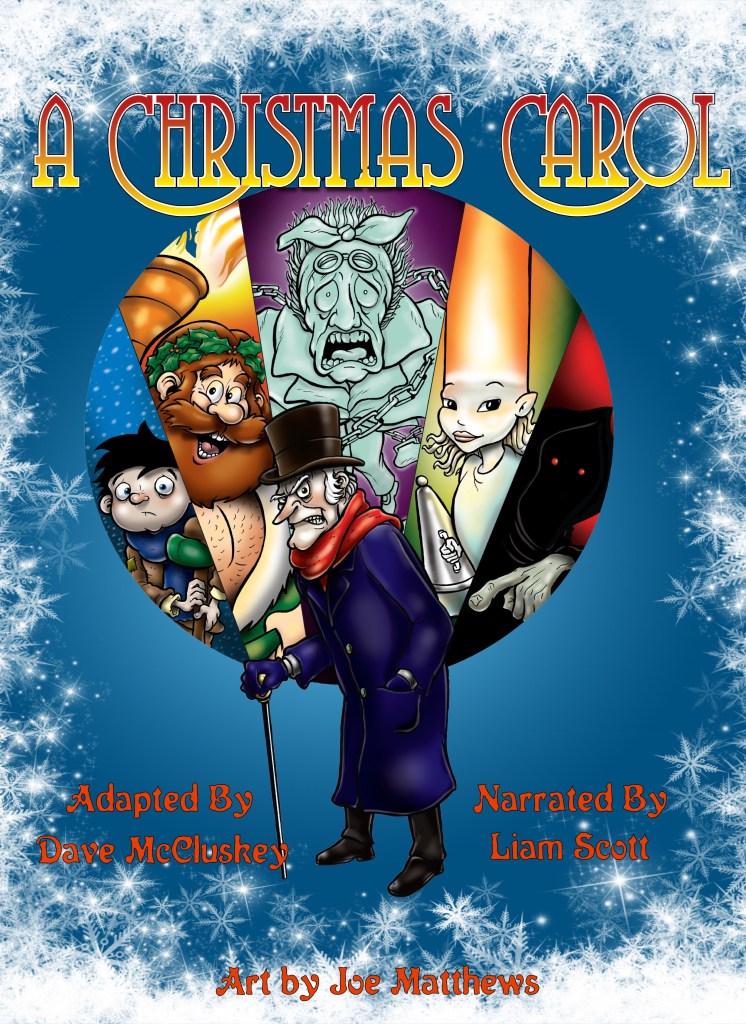
Author Dave McCluskey and narrator Liam Scott help bring back the classic tale of Charles Dickens’ acclaimed hit story in the audiobook hit, “A Christmas Carol – in rhyme, an audiobook suitable for all ages”.
Advertisements
The Synopsis
A classic Christmas tale, lovingly recreated in this beautiful audio book.
The reviled Scrooge is visited by three spirits who teach him the real meaning of life.
The tale has been turned into rhyme, making this a delightful new twist to the story you know so well. Could it be a new addition to your Christmas traditions?
The Review
An incredibly beautiful retelling of the iconic story, both author and narrator worked well together to help the source material shine for a whole new generation of readers and Christmas lovers alike. The story is both haunting and heartwarming, just as Dickens intended it, bringing to life the chilling tale of Scrooge as he walks the path to find redemption during the holiday season.
The narrator does a great job of not only bringing to life the story and characters themselves but helped craft an atmosphere befitting the Victorian-era story that Dickens wrote in. This story rings even more true in our modern times, as the gap between the wealthy and the middle and lower classes has never been further apart, and a global pandemic and economic crisis have pushed everyone to their limits. A heartfelt tale of finding one’s humanity once more and working to the true meaning of Christmas has never been more important.
The Verdict
A brilliant retelling of a truly iconic and memorable Christmas story, author Dave McCluskey and narrator Liam Scott’s “A Christmas Carol – in rhyme, an audiobook suitable for all ages” is a must-read and must-listen this holiday season. From memorable characters like Scrooge and Tiny Tim to a hauntingly beautiful atmosphere delivered through the narration, this is a fantastic audiobook you won’t want to miss. Be sure to grab your copy today!



 Continue reading “Will Rise From Ashes by Jean M. Grant (Narrated by Caroline Hewitt and Andrew Perkins Audiobook Tour And Review”