I received a free copy of this book in exchange for a fair and honest review. All opinions are my own.
A short collection of stories brings about three mysteries that delve into the various motivations behind taking a life in author Joseph Amiel’s Death Can Delight: A Trio of Mysteries. Here is the synopsis:
The Synopsis
3 murderous mysteries! 3 mystifying murders! A trio of stories imbued with the wit, drama, complexity, and surprises that characterize author Joseph Amiel’s novels.
In “The Girl Who Spoke Ventriloquism”, a U.S. army vet intent on killing a man who committed a vicious crime meets an enchanting violinist performing in a Killarney pub. She can’t speak but, oh, does he get an earful from her talkative friends! Their next stop: Ireland’s Charlie Chaplin Comedy Film Festival.
“Judgement Day” centers on Kyra and P.B., teenage girls raised by lesbian moms who have been a couple all the girls’ lives—until P.B.’s mom walks out with her to marry a man! And not just any man, the one everyone in town would kill if they could. But some things should be kept within the family.
In “Deadline Divorce” a billionaire divorces his wife just before the expiration of their pre-nuptial agreement, cutting her off without a cent. When hubby dies without a will and his now ex-wife stands to inherit nothing, her hustling lawyer swings into action. He hasn’t got a clue.
The Review
While a short read, the novel hits readers from the first pages as the character driven stories of murder bring the reader to attention. Exploring the motivations that drive people to murder, themes of passion, love, family and greed take center stage as the reader finds themsleves going back and forth between hating the victim and challenging the killer’s morality.
The author does a fantastic job of questioning what, if anything, justifies death. While society cannot allow itself to condone murder, are there people in this world who deserve death? The author forces the reader to ask these questions and see the lengths these characters are willing to go to in order to exact their own form of “justice”. The buildup to the deaths is emotional and inviting as it allows readers to get to know the would be killers, and in the aftermath of the crime either readers will find themselves empathizing with the killer or killers, or shouting in frustration and shock as the true motivations are revealed.
The Verdict
A novel of questioning morality and intense crime thrillers, the author really does a masterful job of creating memorable murder mysteries that will keep readers engaged and talking well after the stories end. An intriguing look into the crimes that often go unreported and the people who take it upon themselves to right wrongs, “Death Can Delight” is a masterful murder mystery short story collection that deserves to be read. Be sure to pick up your copy of Joseph Amiel’s novel today!
Rating: 8/10
About the Author
Joseph Amiel is a novelist and screenwriter, as well as a lawyer. His novels include: HAWKS, BIRTHRIGHT, DEEDS, STAR TIME, and A QUESTION OF PROOF, which have been translated into over a dozen languages. His screenplay GAMES has recently been honored at several film festivals, as has his comedy series for the web AIN’T THAT LIFE.
He was graduated from Amherst College, where he studied English and creative writing, and from Yale Law School. He is married and has two children.
I received a free copy of this book in exchange for a fair and honest review. All opinions are my own.
A cop seeking a life of relative peace by taking a job in his former hometown in North Carolina finds horror when a gruesome murder teases the arrival of a serial killer in author Layton Green’s “Written in Blood”. Here is the synopsis.
The Synopsis
Detective Joe “Preach” Everson, a prison chaplain turned police officer, is coming home. After a decade tracking down killers in Atlanta, and with a reputation as one of the finest homicide detectives in the city, his career derailed when he suffered a mental breakdown during the investigation of a serial killer who was targeting children.
No sooner does Preach arrive at home in Creekville, North Carolina–a bohemian community near Chapel Hill–than a local bookstore owner is brutally killed, the first murder in a decade. The only officer with homicide experience, Preach is assigned to the case and makes a shocking discovery: the bookstore owner has been murdered in exactly the same manner as the pawnbroker in Dostoevsky’s Crime and Punishment.
With the help of Ariana Hale, a law student and bibliophile who knew the victim, Preach investigates the local writer’s community. As their questions increase, a second body is found, this time eerily resembling the crime scene in a famous Edgar Allan Poe novella. Preach and Ariana realize that their adversary is an intelligent, literate killer with a mind as devious as it is disturbed–and one or both of them may be his next target.
The Review
The author has truly captured the serial killer thriller and classic “whodunnit” storytelling theme that has defined crime thrillers. The emergence of a disturbed serial killer with a penchant for literary based crime scenes immediately grips readers in a tight embrace as the investigation takes twists and turns the reader will never see coming.
While the characters really provided the insight and emotion of the investigation, it was the setting that really captivated me in this story. As I lived in North Carolina for a number of years, not only did I feel personally connected to the location of the story, but the concept of a small town harboring the same level of deceit, crime and seedy underbelly that one would normally expect in a large city was truly fascinating to play out. We see this often in the novel reflected in the protagonist, as Preach sees the hard hitting criminal underworld setting he thought he left behind show itself throughout the investigation inside this seemingly peaceful small town, something many people are beginning to see in our world today.
The Verdict
This was a truly captivating read. Heart-pounding action and shocking character twists that will leave readers hanging off of the author’s every word, this is a must read novel in the crime thriller genre. If you haven’t yet, be sure to grab your copy of the novel “Written in Blood” by Layton Green today.
Rating: 10/10
About the Author
Layton is a bestselling author who writes across multiple genres, including mystery, thriller, suspense, horror, and fantasy. He is the author of the popular Dominic Grey series, as well as other works of fiction. His novels have topped numerous lists (including a #2 overall Amazon bestseller) and have been nominated for major awards, including two finalists for an International Thriller Writers award. Layton is also the co-editor of International Thrills, the online magazine of ITW (International Thriller Writers).
In addition to writing, Layton attended law school in New Orleans and was a practicing attorney for the better part of a decade (even though he still resents having cut his hair for that first interview). He has also been an intern for the United Nations, an ESL teacher in Central America, a bartender in London, a seller of cheap knives on the streets of Brixton, a door-to-door phone book deliverer in Florida, and the list goes downhill from there. Currently based in Durham, North Carolina, Layton has traveled to more than sixty countries, lived in a number of them, and has a burning desire to see every country, city, beach, moor, castle, cemetery, twisted street and far flung dot on the map.
I received a free copy of this book in exchange for a fair and honest review. All opinions are my own.
TRIGGER WARNING: This novel contains story elements involving physical and mental abuse (including those involving children), as well as themes of domestic abuse. If these things are too upsetting or triggering for readers, reader discretion is advised.
A young man begins the painful journey of recovery by sharing the gristly details of a hellish childhood that changed him forever in author Stephen Ross’ novel “Memoir From Hell”. Here is the synopsis.
The Synopsis
A child’s life should be idyllic: filled with friends, abundant joy, and carefree days of endless possibility. But that was not to be for Jake Malloy and his little sister, Dory. Their lives traversed paths upon which no child should tread.As a young adult trying to overcome the past, Jake chronicles the events that destroyed the possibilities and turned life for the Malloys into a living hell. Will Jake and Dory ever be able to lead normal lives? Only time will tell.A fictional memoir not for the faint of heart.
The Review
This is a painful yet important and well written novel. A top read contender for best literary fiction/drama/thriller, author Stephen Ross has expertly brought the heartbreaking reality of domestic abuse and childhood trauma to life. Studying the effects of abuse on the mind a young person who grew up in a truly harmful environment, the author creates realistic and relatable characters that bring the raw emotions of that situation to the forefront, instantly connecting with readers.
The themes and story elements of the story are both powerful and hard to read at times. Yet in this very quick read, the message that comes through has never been more important than it is today, as violence (especially violence against children and domestic violence), seems to be getting worse and more rampant, and the need for the laws to change have never been more apparent.
The Verdict
This is an emotionally charged novel that needs to be read. Haunting and painfully relevant, this novel is a horror story that challenges the concept of monsters, as it proves that the true monsters are often hiding in plain sight, and could be hiding inside the people we should be able to trust the most. If you haven’t yet, be sure to grab your copy of “Memoir From Hell” by Stephen Ross today!
Rating: 10/10
About the Author
Stephen Ross was born in LeMars, Iowa, in 1948. He lived in Fremont, Nebraska, from the age of five until he left home to attend the University of Nebraska at Lincoln. After college, Stephen taught business courses at Nebraska Technical College for two years prior to moving to Los Angeles, California, to pursue an acting career.
During his eight years in Los Angeles, he not only acted, but gained extensive experience as a waiter. He moved to San Diego, California, in 1981 to attend law school at the University of San Diego, and practiced law there until retiring in 2017.
I received a free copy of this book in exchange for a fair and honest review. All opinions are my own.
A larger than life adventure through space brings one group of explorers to an uncharted world, and the untold dangers it holds in author William R. Harris’s novel “Sworld: The Chronicles of Malick”. Here is the synopsis.
The Synopsis
Forced to flee his homeworld, Oberus, the genetically re-engineered Malick leads a scientific expedition to the far reaches of the solar system. A distress call from an alien ship with a mysterious cargo leaves the team marooned on the arcane planet Sworld. Plunged into a quest for answers that ultimately leads them to their genesis, Malick and the crew must solve the enigmas of Sworld or perish.
The Review
This was a truly masterful space exploration/sci-fi novel. The truly original storytelling by the author was fantastic, as was the incredible detail that went into the various creatures, technologies and mythologies built upon during the story as the explorers ventured further and further into the world of Sworld.
What really shined through however was the character development in this novel. Not only was the protagonist Malick an ever evolving hero and leader in the story, but each chapter introduced new characters that allowed Malick to further expand the group’s exploration as they survive in this new and unfamiliar world. From the crew of the ship that began the journey with him to the new creatures who he either befriends or is forced to fight, and even the newcomer who begins to capture the hero’s heart, this novel is built upon character growth and helps the narrative flow smoothly during this expansive story.
This is a must read for any sci-fi fan out there. If you enjoy science fiction in all it’s glory, long and detailed stories of space exploration and new mythologies surrounding mysterious creatures, this is the novel for you. The true grabber though is the shocking ending that will leave readers breathless and eager for a sequel, as it leaves the protagonist in a shocking situation that you never saw coming. If you haven’t yet, be sure to grab your copy of William R. Harris’s novel “Sworld: The Chronicles of Malick” by either pre-ordering it or grabbing your own copy on May 3rd, 2019.
I received a free copy of this book in exchange for a fair and honest review. All opinions are my own.
A mysterious attack leads to a world changing event in author Lachlan Walter’s We Call It Monster. Here is the synopsis.
The Synopsis
One ordinary day, an enormous creature dragged itself out of the ocean and laid waste to a city. In the months and years that followed, more and more creatures appeared, until not a single country remained untouched. At first, people tried to fight them. In the end, all they could do was try and stay alive.
We Call It Monster is a story of forces beyond our control, of immense and impossible creatures that make plain how small we really are. It is the story of our fight for survival and our discovery of that which truly matters: community and compassion, love and family, hope and faith.
The Review
This is by far one of the most original and “human” stories set in a world filled with larger than life monsters. Bringing the large scale destruction of any Godzilla or King Kong style film and blending it in with the character development and connectivity of a film like Crash, the novel explores a sudden war with mysterious monsters that threatens to end the world as we know it. The author changed the formula up however by focusing not on the monster’s origins or larger than life battles, but instead the relationships and struggles of those affected by these events.
Each section of the novel focuses on specific years in this “war”, from the creatures emergence across the world to the economic struggles and loss of life felt by the people around the world. Each chapter focuses on a character introduced in the previous chapter, allowing readers to see how connected we all are to one another, and allowing us to see how the monster’s arrival affects everyone differently. The emotional impact of these creature’s destruction and the slow decline the planet faces brings a new focus on the monster genre, and creates a truly impactful story like no other.
The Verdict
A true must read novel of 2019, author Lachlan Walter has exceeded the expectations of the genre and created a narrative that is truly original. Exploring the affects the monsters have on our society, on the planet and the people left behind in their wake, the heart of this novel rests in it’s fantastic character development, and will leave readers on the edge of their seat as they witness the slow ride into the end of the world as we know it. If you haven’t yet, be sure to pick up your copy of We Call It Monster today!
Lachlan Walter is a writer, science-fiction critic and nursery-hand (the garden kind, not the baby kind), and is the author of two books: the deeply Australian post-apocalyptic tale The Rain Never Came, and the giant-monster story-cycle We Call It Monster. He also writes science fiction criticism for Aurealis magazine and reviews for the independent ‘weird music’ website Cyclic Defrost, his short fiction can be found floating around online, and he has completed a PhD that critically and creatively explored the relationship between Australian post-apocalyptic fiction and Australian notions of national identity.
He loves all things music-related, the Australian environment, overlooked genres and playing in the garden. He hopes that you’re having a nice day.
AN EXTRACT
The old man shuffled out to the balcony, dusted off an outdoor chair and
then made himself comfortable. The sky was a shade of blue that painters
only dream about; it was a beautiful sight. The old man drank it in,
leaning back in his chair. He sipped at his coffee and smoked a cigarette.
He was happy to wait as long as was necessary – he had all the time in
the world and he wasn’t going anywhere.
The monster finally appeared, a blurry smudge in the distance.
Slowly, but not as slowly as he would have thought, it grew both
closer and more distinct. The old man laughed out loud; it looked like
nothing more than a child’s drawing of something that might have been a
lobster or might have been a spider or might have been both, propped up
on flagpole-like legs that supported a wetly-shining carapace, a beaked
head, and a tail as long as a bus.
It was enormous and ridiculous in equal measure. The old man was
surprised to find that it failed to frighten him.
It drew closer to the city. It stopped suddenly and bit a great chunk
out of a stately old tree lining a boulevard. Chewing slowly and
methodically, it worked its way through the mass of wood and foliage
before throwing its head back and opening its mouth wide. Despite his
deafness, the old man felt the monster’s keening in his bones and in the
pit of his stomach.
He pulled his hearing aid from his pocket, turned it on then slipped it
in place.
The beast’s cry was low and mournful, more a melancholy bellow
than a ferocious roar. Thankfully, the klaxon-blare of the evacuation
alarms had stopped. The monster cried out again and it shook the old
man, both literally and metaphorically. The beast shifted its legs,
presumably adjusting its weight, and destroyed an office building in the
process.
Almost comically, it looked down at the destruction it had wrought
and seemed to shake its head.
It looked back up and cried out a third time, and then started walking
again. It seemed to meet the old man’s eye. Without breaking its gaze, the
old man took another sip of coffee before lighting another cigarette.
Slowly-slowly-slowly, the monster drew closer. You could almost see
a smile on the old man’s face.
A Q&A WITH THE AUTHOR
What is it about giant monsters that appeals to you?
Initially, it was a childish fascination with things being smashed. Let’s face it: Every little kid has thrown a tantrum for reasons they can’t explain, broken something and then experienced relief at the wordless release this brings. A giant monster barging through a city for no fathomable reason can reflect our own difficulties in articulating and making sense of our emotions at that age.
This fascination soon turned to awe and wonder at their scale and mystery, a reflection of the feelings inspired in me by my discovery of dinosaurs and cryptozoology (the study of creatures such as the Loch Ness Monster, Bigfoot, Yetis and the like). My love of dinosaurs is easy to explain – show me a kid who hasn’t at some point gone through a ‘dinosaur’ phase’ and I’ll eat my hat – while my love of cryptozoology was inspired by a book entitled Creatures From Elsewhere, which my parents gave me and which is actually still sitting on my bookshelf.
Beginning in my teenage years and continuing on into the present day, I’ve loved the metaphorical and symbolic potential that giant monsters possess, and the ways in which they can ‘stand in’ for so many different problems that seem beyond our control and almost impossible to deal with. Nuclear war, our negative impact on the environment, international terrorism, industrial pollution, climate change, the staggering number of displaced people around the world – giant monsters have represented them all.
Why did you decide to write about giant monsters?
As mentioned, I’ve always been fascinated by them. But I’ve also always been a voracious reader, and sometimes an obsessive one. I’ve been known to occasionally get my nerd on for a particular sub or micro-genre, looking up ‘similar title’ and ‘you might also like’ lists online when I should be doing better things with my time. But I still keep searching, because there can’t just be one example of Mystery Sub/Micro-genre X out there.
Giant monster fiction was one such obsession that carried me away, the timing of which coincided with the completion of my first book. I binged on literally anything I could find, looking for something that took giant monsters as seriously as some of the movies do, something that was more than just capital-A action. I found lots of fun, post-modern stuff out there – some of which could even be described as zany – but not much that approached giant monsters with a serious eye.
Looking for a new book to throw myself into writing – a book that I wanted to be distinctly different from my first book – I decided upon a piece of serious giant monster fiction. In other words, I decided to write the book that I wanted to read. Isn’t that what an author does?
Do you need to be a fan of giant monsters to appreciate We Call It Monster?
Nope, but it probably helps… In all seriousness, though – no, you don’t need to be a fan. My aim with We Call It Monster wasn’t only to write a serious piece of giant monster fiction because giant monsters have, historically, rarely been written about in such a way. Instead, I also wanted to write a piece of speculative fiction that does what all good speculative fiction should: Use the speculative element within to make us look at ourselves and our place in the world with fresh eyes.
Despite its title, We Call It Monster is more concerned with people than monsters. It isn’t a ‘wham-bam, shoot-em-up’ but instead a serious look at how we might react to forces beyond our control, and to forces that illuminate the precariousness of our position as world-conquerors sitting atop the food chain. And ultimately, it’s the story of what really matters: community and compassion, love and family and friendship, hope and faith. Anyone that appreciates such people-centric stories should find something within We Call It Monster that they can enjoy.
Why did you decide to write We Call It Monster as a story-cycle/novel-in-stories?
To me, one of reading’s biggest attractions has always been in my sense of engagement with the world being built on the page (a process even more absorbing when reading science fiction and speculative fiction). I think this enjoyment of engagement applies to most people. We all ‘see’ things in written worlds that the author didn’t actually write, even at the most mundane level: we populate a footpath with pedestrians, a street with cars.
A story-cycle/novel-in-stories can increase this sense of engagement to an incredibly strong degree, and their traditional structures allow writers to work magic. They can give us different perspectives on the same events, blocks of ‘missing time’ that exist between stories/chapters, events that are only alluded to rather than seen first-hand, a multiplicity of narrative “voices”, and so much more. But ‘missing time’ begs to be filled; events only alluded to tantalise us; we can’t know the truth when presented with different perspectives, or even if the truth exists. And so our minds do this work for us, conjuring up and giving life to parts of the story the writer has withheld.
The way story-cycles/novels-in-stories allow us to create the world right alongside the writer is a beautiful thing. However, the structures behind them aren’t just beautiful, but also incredibly practical. They can allow a story to cover a span of time longer than a regular person’s life; and help do away with the inevitable and repetitive ‘amazing coincidences’ that prop-up stories where one single character guides us through an incredible sequence of events covering an incredible amount of time; and enable a wider representation of voices from a wider variety of countries and cultures, without also falling back on the aforementioned trope of inevitable and repetitive ‘amazing coincidences’.
I received a free copy of this book in exchange for a fair and honest review. All opinions are my own.
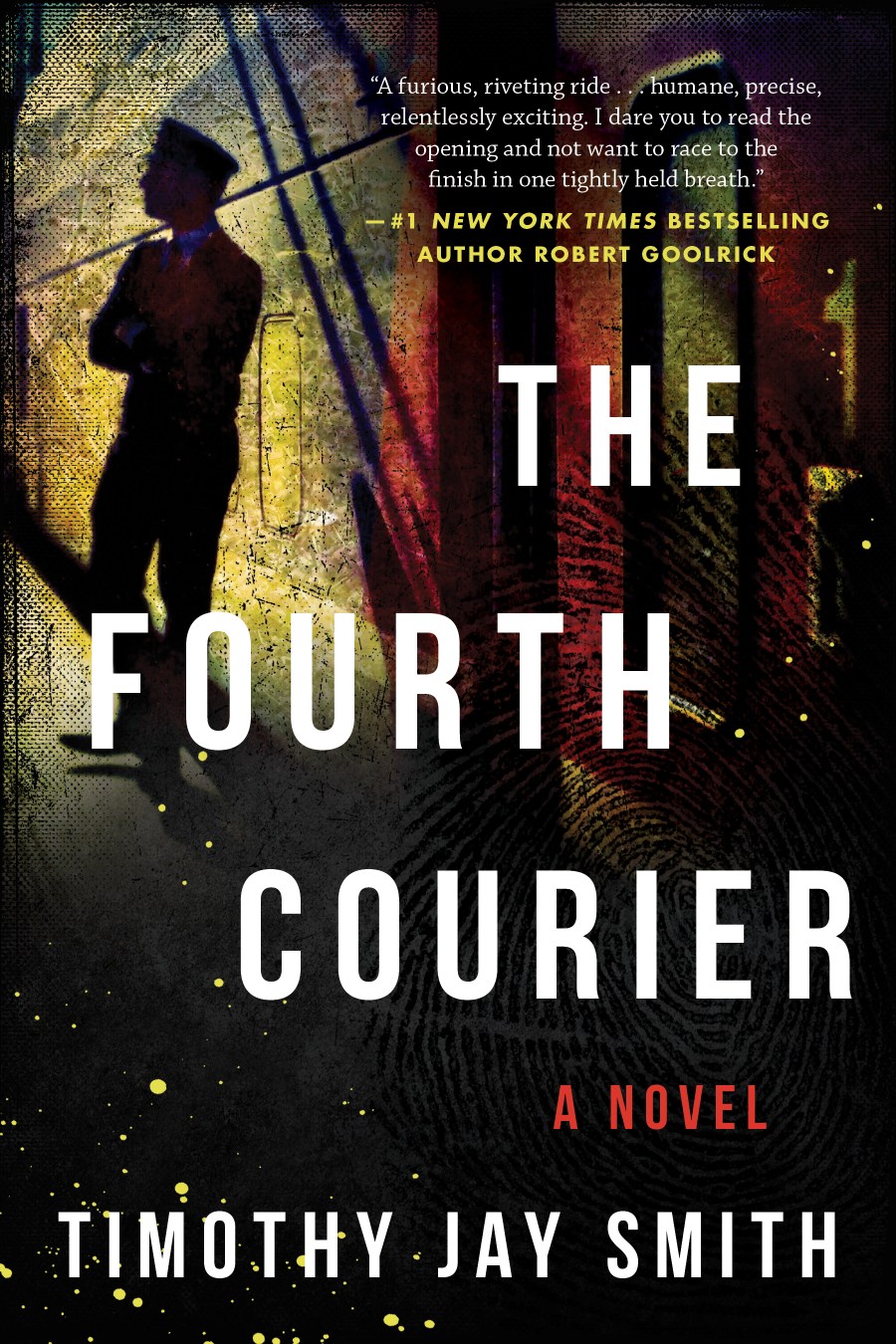
A hunt for a killer leads to a high octane thriller filled with drugs, power hungry military leaders and a missing atomic weapon that threatens the security of the free world in author Timothy Jay Smith’s The Fourth Courier. Here is the synopsis.
The Synopsis
A Fast Paced Espionage Thriller for Alan Furst Fans Set In Post-Cold War Poland.
It is 1992 in Warsaw, Poland, and the communist era has just ended. A series of grisly murders suddenly becomes an international case when it’s feared that the victims may have been couriers smuggling nuclear material out of the defunct Soviet Union. The FBI sends an agent to help with the investigation. When he learns that a Russian physicist who designed a portable atomic bomb has disappeared, the race is on to find him—and the bomb—before it ends up in the wrong hands.
Smith’s depiction of post-cold war Poland is gloomily atmospheric and murky in a world where nothing is quite as it seems. Suspenseful, thrilling, and smart, The Fourth Courier brings together a straight white FBI agent and gay black CIA officer as they team up to uncover a gruesome plot involving murder, radioactive contraband, narcissistic government leaders, and unconscionable greed.
The Review
A powerful espionage thriller, this novel pushes the envelope and brings a balanced mix of action, suspense and fantastic character development that will instantly make readers fall in love with this story. This novel perfectly explored the post-communism era of Poland as families struggle to make a daily living, shops and restaurants fail to gain the daily resources many take for granted, and drugs begin to filter into the city at a much faster rate.
The duality of the characters reflects the dual nature of the narrative perfectly. An FBI agent who works to balance his case with a possible romance; a power hungry military leader who hides a truth about himself; a cop who finds themselves crossing the line one too many times. All of these characters bring with them heavy pasts and showcase that everyone has secrets, and everyone is fighting to find the balance between those secrets and daily life. Blended with the larger than life drama and action of this murder mystery and missing nuclear device, and the novel plays out like a must read spring thriller that cannot be missed.
The Verdict
A must read 2019 novel! Perfectly capturing the espionage thriller genre, author Timothy Jay Smith has brought a rarely seen era in post-communism history to life in a perfect way. The writing is so crystal clear and descriptive that the reader instantly pictures the events like a movie in their own mind, and as the twists and turns in the plot continue to play out in this evenly paced novel, the characters find themselves in the race of their lives as all of their lives begin to converge upon one another. If you haven’t yet, be sure to grab your copy of “The Fourth Courier” today!
Rating: 10/10
ABOUT THE AUTHOR
Raised crisscrossing America pulling a small green trailer behind the family car, Timothy Jay Smith developed a ceaseless wanderlust that has taken him around the world many times. Polish cops and Greek fishermen, mercenaries and arms dealers, child prostitutes and wannabe terrorists, Indian Chiefs and Indian tailors: he hung with them all in an unparalleled international career that saw him smuggle banned plays from behind the Iron Curtain, maneuver through Occupied Territories, represent the U.S. at the highest levels of foreign governments, and stowaway aboard a “devil’s barge” for a three-days crossing from Cape Verde that landed him in an African jail.
These experiences explain the unique breadth and sensibility of Tim’s work, for which he’s won top honors. Fire on the Island won the Gold Medal in the 2017 Faulkner-Wisdom Competition for the Novel. He won the Paris Prize for Fiction (now the Paris Literary Prize) for his novel, A Vision of Angels. Kirkus Reviews called Cooper’s Promise “literary dynamite” and selected it as one of the Best Books of 2012. Tim was nominated for the 2018 Pushcart Prize. His screenplays have won numerous competitions. His first stage play, How High the Moon, won the prestigious Stanley Drama Award. He is the founder of the Smith Prize for Political Theater.
About Arcade Publishing Arcade has been an imprint of Skyhorse Publishing since 2010. We continue doing incredible work discovering, publishing, and promoting new and brilliant voices in literature from around the world. Arcade has published literary giants such as Samuel Beckett, E. M. Cioran, and Leo Tolstoy, alongside new voices such as Ismail Kadar and Andrei Makine. In 2012, Mo Yan won the Nobel Prize for Literature, an exciting achievement for Arcade which had published five of his novels.
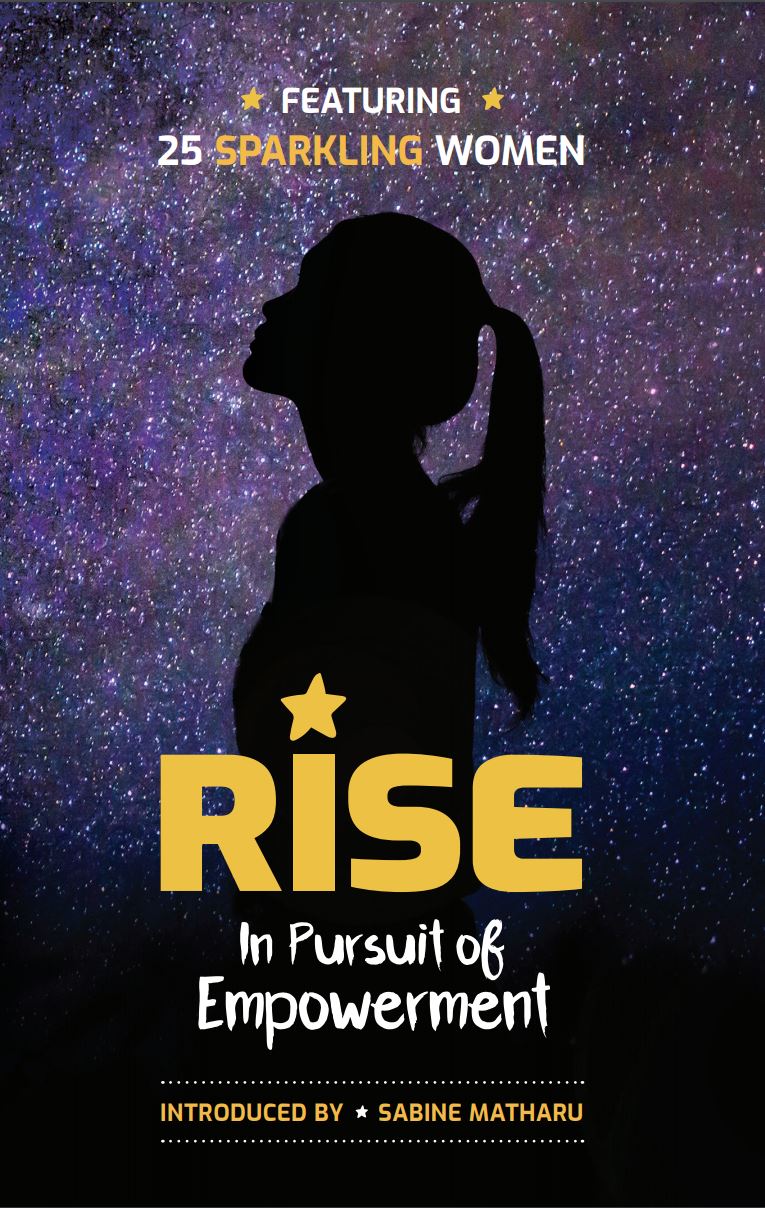
Written for and by inspirational entrepreneurial women whose hidden creativity and business acumen is eager to come out despite facing an array of traumatic experiences, mindset and domestic battles, RISE – In Pursuit of Empowerment, published by Reach for Greatness Ltd., is a beacon of hope for all women. Through the incredible stories of 25 women, you will learn that while obstacles are a given, you also have what it takes to rise above challenges, create a space and niche for yourself and turn impossible experiences into incredible opportunities that are profitable and fulfilling at the same time. RISE – In Pursuit of Empowerment, the first in a series of 4 books, will teach you:- How to tap into your intuition and inner strength to overcome stress, grief and trauma – How to take the challenges you have and turn them into opportunities – How to rise above the noise and come out victorious – Why your inner woman is a force to be reckoned with and – How to overcome substantial obstacles to live a more fulfilling and well-balanced life.
GRAB YOUR COPY FROM
KNOW ABOUT THE AUTHOR
Sabine Matharu is a passionate business start-up and growth strategist, who specializes in helping women find their purpose and monetize their unique skills so that they can build a thriving business.
Her signature program is “The Business Accelerator Mastermind”, that teaches and supports entrepreneurs to implement an easy to follow methodology around how to build a long term profitable business without overwhelm and detours.
She also runs “The Greatness Club”, which complements the work she does in her Mastermind and provides women a platform and springboard for visibility, networking and lead generation. Sabine comes with years of experience as a corporate leadership consultant and has worked with over 1000 people
in senior positions.
She firmly believes that it is possible to reach for the greatness that is within ourselves.
1) Tell us a little bit about yourself. How did you get into writing?
Born and raised in New York City, I left to see the world at age 24 as a water engineer in the Peace Corps. For most of my life, I had never entertained the idea of becoming an author. My career as a groundwater specialist kept me busy enough, filled with both adventure and satisfaction with my job. However, while in Kenya I fell in love with a woman, and this relationship was doomed from the start. As a kind of catharsis, I began to write a semi-autobiographical story which became Journey Towards a Falling Sun. As I said, it was the need to purge my emotions that drove me, without immediate plans for publishing, as I was in the prime of life as regards to my vocation. But in 1985, I did manage to get an agent who was very enthusiastic over the manuscript. After fifteen rejections by big publishing houses, however, I gave up and shelved it, abandoning any thoughts about being a writer. It wasn’t published until 30 years later.
In 1996, while working in Laos, I learned of the secret war that the US conducted for 9 years, and resulted in the aerial bombardment that has given that country the dubious distinction of being the most heavily bombed country of all time. As an American, I was ashamed of my ignorance of this matter, for I had never known of this secret war. I was so moved, I decided I would write an epic novel that would illustrate the consequences of that war which became The Plain of Jars, released in 2013. And from there my path as a writer began.
2) What inspired you to write your book?
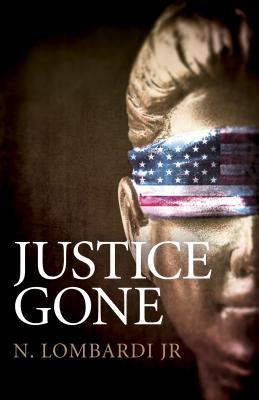
The idea for Justice Gone came from a true incident – the fatal beating of a homeless man in California. It was such an outrageous act, recorded on video and uploaded to YouTube, that I wondered what would happen if someone who saw the gruesome video would mete out their own version of justice to the police officers involved.
The novel then, is a tale of what happens in a small town following the fatal beating of a homeless Iraqi war vet at the hands of police. A cascading series of events, from street protests to a vigilante shooting of three police officers leads to a multi-state manhunt for the vet’s war time buddy. A controversial trial attracting nationwide attention dominates the second half of the novel. The story ends with a twist revealing the identity of the cop-killer
3) What theme or message do you hope readers will take away from your book?
Although deaths at the hands of law enforcement officers disturb me, I tried to avoid taking too strong a stand against the police, and just presented a possible (albeit extreme) scenario if this issue is not addressed. I also wanted readers to have a detailed look at the legal system in the US, i.e. the importance of lawyer tactics on both sides of the bench and of jury sentiment in deciding a case.
First of all, I don’t consider myself a genre writer, I just write about things that move me. Having said that, as a reader I do enjoy mystery/thriller/suspense/crime, so I may be writing more of this kind of fiction from now on. It is much easier to write this sort of stuff than cross-cultural adventure novels such as my first two books, The Plain of Jars, set in Laos, and Journey Towards a Falling Sun, set in Kenya.
5) If you could sit down with any character in your book, what would you ask them and why?
I would have to say, the policemen that beat Jay Felson to death – Why, when he was unarmed, did it take 6 cops to bring him down and beat him till he died?
6) What social media site has been the most helpful in developing your readership?
I’m really not active in the social media scene, so I would have to say Goodreads, despite the fact I find Goodreads a bit exploitive and disdainful of independent authors. As a reader, it is pretty good. I tried Facebook, but it isn’t focused enough and being an old fart, I’m mistrustful of Twitter. I love book bloggers, thank god for them!
7) What advice would you give to aspiring or just starting authors out there?
Although it sounds cliché, the first thing is to write well. Many independent authors, particularly those who self-publish, write with a quality barely above a high school student. You don’t have to be a wordsmith, but the book should not sound stilted. Read passages from a book by an acclaimed author than read your stuff. How does it compare?
Secondly, unless you’re with a big publishing house, be prepared to market your work. You should have a budget of $2,000 for this, even if you are very active on social media, because it’s always better for someone else to tout your book than you as the author. That means reviews, which can only result from exposure.
8) What does the future hold in store for you? Any new books/projects on the horizon?
I’m in the process of fine-tuning another Tessa Thorpe novel, Woman in the Shadow. It takes place several years prior to the setting of Justice Gone, and is considerably darker, more of a psychological/suspense thriller. I actually wrote this before Justice Gone, but I was disappointed with the publisher’s reaction to it so I shelved it. Directly related to this, I’m looking for another publisher, so I hope it doesn’t take too long for the book to come out.
1) Tell us a little bit about yourself. How did you get into writing?
I started writing around the age of 12. I’d been quite illiterate to begin with because I missed out on a lot of schooling. I wrote indecipherable poetry filled with angst—stream-of-consciousness diary entries about wanting to get away from my abusive situation. It wasn’t until I started reading my favorite writers before I’d make any attempt at any real writing. I never wrote full time because I also played the drums and painted. I was most serious about music at the very start.
I fell in love with authors like JD Salinger, Tom Robbins, and Charles Bukowski and buried my nose in everything they wrote. Salinger’s Nine Stories made me want to be a short story writer. Then, I read Bukowski’s Ham on Rye and that truly changed my life forever. He gave me a lot of freedom to be myself as an artist. Then came John Fante, He’s now just about my favorite writer.
2) What inspired you to write your book?
I always knew I’d write this book. I just didn’t know if I’d ever publish it. Not as nonfiction anyway. I’ve always written autobiographical fiction and wrote a lot of dark comedy stories about my family. I figured I’d put them together as a collection or something, but I didn’t think I could string them into one long book. I didn’t believe in myself enough. I’d tried to write whole novels in the past and failed. Eventually, I wanted to try again. And again. And again. It took me almost a decade to finish this book, and as the years went on,Shrapnel took several different directions.
3) What theme or message do you hope readers will take away from your book?
I really don’t have a direct intention for what my readers should or shouldn’t take away. This is the same philosophy I have with putting any of my art out on display. The work has two lives; the one it’s lived with me during its process, then the life it lives once it’s completed. It now lives with the audience and becomes their personal, individual experience. I can only hope people can identify with it on some level.
Interestingly enough, I’d mostly been inspired by fictional stories that were written in a nonfiction, first-person format, such as Alice Walker’s The Color Purple, Pushby Sapphire, Bastard Out of Carolina by Dorothy Alison, and Bee Season by Myla Goldberg. Dorothy Allison’s book is based on her real life and I originally wanted to take this approach, but my partner, Michael Phillips (also a writer), got me to change it to nonfiction. He got me to see how much more powerful it could be. I didn’t think anyone would believe it, and frankly I was fearful of putting my story out there. Now I’m grateful for his encouragement because it’s made me a stronger person.
5) There were quite a few different sides to your story that were heartfelt, emotional and powerful enough to convey your struggle to the reader. In regards to your experience within Scientology, if you could sit down and ask any of the leaders of the group a question or confront them in any way, what would you want to say to them?
I do not think anything I could ask or say to the leader, David Miscavage, that would ultimately change anything. As far as I’m concerned, and as the public continues to hear evidence of the stories regarding his abuse and destruction, he is a megalomaniac with blinders on. He has no conscious when making his ends meet, whatever they may be. Challenging his motives would only make things worse for his enemies and Scientologists alike.
Having once been a devout Scientologist, I’d rather address Scientologists in general and ask that they try to consult their gut. I would tell them that people that speak out against religions that abuse their members are not evil. Cutting off a dialogue with them doesn’t fix the situation. Disconnecting from people labeled “suppressive” only further isolates your mind to stick with like-minded Scientology kin. How will you find understanding with the rest of the world that way? And are you really the one who controls your communication?
6) What social media site has been the most helpful in developing your readership?
Keeping a blog is key, as well as slowly adding to my mailing list. I put out a newsletter a few times a year and am careful not to “spam” my list with too many superfluous email blasts. I make sure I announce my blog posts on all my social media outlets. Facebook and ello are my most successful.
7) What advice would you give to aspiring or just starting authors out there?
You can always get better at writing by reading. Read a lot and a wide range of genre. Don’t give up, but don’t try too hard either. Try not to listen to other people’s opinions—that may possibly kill the best thing about your style and voice. Just be mindful of it anyway, because not everyone knows what they’re talking about. Strunk & White’s Elements of Style is almost the only thing you’ll ever need. But if you like spending $100K on college, do what you like.
The most important piece of advice I have is: despite rejection at seemingly every turn, you can do this. We are all stronger than we think.
On a separate note, if you were to be able to speak to anyone who has questioned the practices of Scientology or has been approached to possibly join the group, what would you want to say to them or what advice would you want to give them based on your own experiences?
I feel I’ve pretty much answered this and choose not to dig a deeper hole. But I would refer current members of Scientologists to Dr. Robert J. Lifton’s Eight Criteria to reevaluate their situation.
8) What does the future hold in store for you? Any new books/projects on the horizon?
Right now I am finishing up new artwork for my big book launch and solo exhibit at the gallery that represents me in Los Angeles, Craig Krull Gallery. The show opens Saturday April 13th, 2019 at 4pm with a reading and a short Q&A. I will then sign books until the artist’s reception that goes from 5-8pm. The show runs until May 25.
I’m also putting the finishing touches on the special lettered edition of Shrapnel in the San Fernando Valley, which is limited to 30 copies only. It is hard-bound in linen and comes with original artwork inside.
I plan to take a short hiatus over the summer and begin working on a book of short stories in the fall. I’d like to publish them with watercolor illustrations by 2020.
Looking for help to take control of your own mental health and seek the help you need? I’m happy to share this amazing link to BetterHelp for advice on where you can turn if you are feeling sad. Just click the link below!
Carol Es is a self-taught artist, writer, and musician born in Los Angeles. Using a wide variety of media, she is known for creating personal narratives that transform a broken history into a positive resolution. Her paintings, drawings, installations, videos, and books have been exhibited nationwide in venues such as Riverside Art Museum, Torrance Art Museum, Lancaster Museum of Art and History, and Craft Contemporary in Los Angeles. Some of her works can be found in the collections at the Getty and the National Museum of Women in the Arts in Washington, DC. Her collaborative film was also featured in the 2015 Jerusalem Biennale.
Awarded many honors, including several grants from the National Arts and Disability Center and California Arts Council, she is a two-time recipient of the ARC Grant from the Durfee Foundation, a Pollock-Krasner Fellowship, and the Wynn Newhouse Award. She has written articles of art critique for the Huffington Post and Coagula Art Journal, as well as having poetry published with small presses. She also received a writing grant from Asylum-Arts—a Global Network for Jewish Culture.