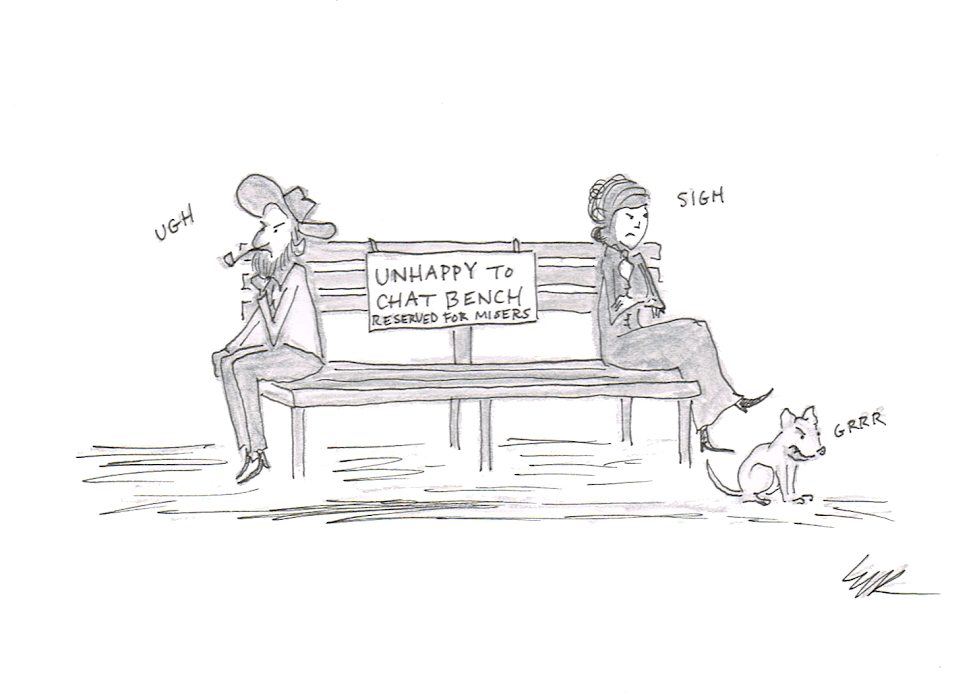
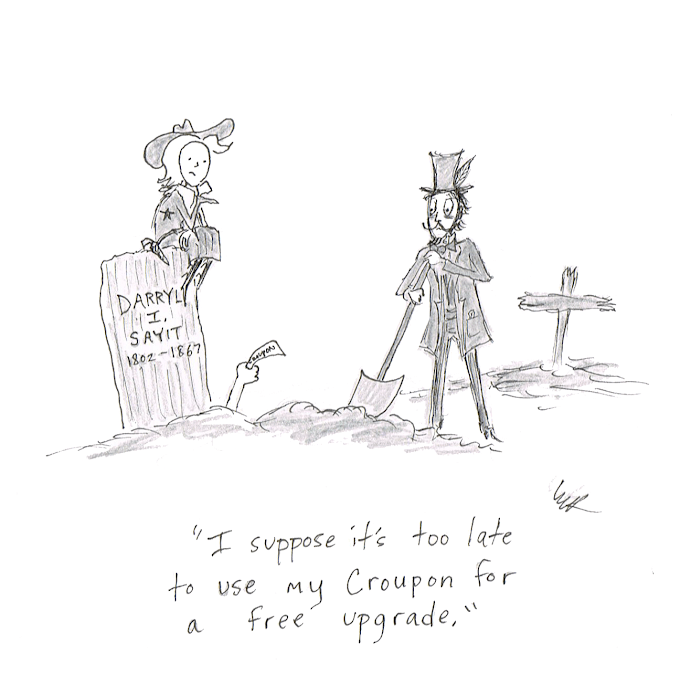
Tell us a little bit about yourself. How did you get into writing?
I am a corporate trainer and subject matter expert and so research and writing, creating lesson plans and giving written opinion in magazines etc is a big part of what I do every day. It just turned into books…I never really planned to write a book and now I am on book 16.
Advertisements
What inspired you to write your book?
I really believe in the topic. Civility is who/what I strive to be every day all day and I am passionate about the positive outcomes and so the writing comes easily to me.
What theme or message do you hope readers will take away from your book?
The key message is that when we change how we look at things, the things we look at change…(I think that was Wayne Dyer original quote) – and so we need to change how we see people, how we value human interactions, how we treat ourselves and each other. Civility is its own reward.
What drew you into this particular genre?
I have had very hard jobs in various sectors, retail, hospitality, communications etc and it was upsetting to me that everyone talked about how terribly we treat each other but no one was able to provide good solid structured strategies and techniques for doing better.
What was the process like when compiling research and organizing the information you wanted to include in your book?
Honestly I feel compelled to write on this topic. It seems like articles and sources and ideas just land in my lap. I think the universe is guiding me- most often I don’t know what I will write or say when I sit down.
What social media site has been the most helpful in developing your readership?
I would say linkedin. LinkedIn is full of professionals and people who like to think, they ask questions, and they are change ready. Being better humans is about being change ready.
What advice would you give to aspiring or just starting authors out there?
Just do it, don’t over think it. Let yourself enjoy the process. Don’t plan to publish. Don’t write for anyone but yourself in the beginning. Just pour your heart out onto the page. Come back and judge the content and decide what to do with it later.
What does the future hold in store for you? Any new books/projects on the horizon?
just published Manufacturing Civility with Christian Masotti. We have another book, Lean on Civility coming out in end of Nov. And my 16 book, Civility Works is out Jan.
Lew believes that Civility is its own reward . She suggests that In choosing civility, people find their best self, and in doing so, they experience the grace, courage, generosity, humanity and the humility that civility engenders. For 17 years Lew Bayer has been internationally recognized as North America s leading expert on Civility at WorkTM with focus on social intelligence and culturally-competent communication. She is CEO of multinational civility training group Civility Experts Worldwide, President of the International Civility Trainers Consortium, Executive Director of The Center for Cultural Competence, and Founder of the In Good Company Etiquette Academy Franchise Group. With the release of her new book slated for late 2015, Lew will be a 9-time published author. She is on the board for the National Civility Center, a proud Mentor for The Etiquette House, a member of the Advisory Board for A Civil Tongue, a national magazine columnist, and a frequent expert commentary contributor to over 60 online, print, and television publications. Lew is a distance faculty member at Georgetown University Center for Cultural Competence, has trained for the American Management Center in New York and is a long-term facilitator at the Canadian Management Center in Toronto Canada. Lew is a Master trainer for the Canadian School of Service, and a certified Culture Coach who also holds credentials in Intercultural Communications, Essential Skills, and Occupational Language Assessment. Lew is a 6-time nominee for the RBC Canadian Woman Entrepreneur of the year. She was previously awarded Manitoba Woman Entrepreneur in International Business and she was the first Canadian to receive the prestigious AICI International Civility Star Award.
Tell us a little bit about yourself. How did you get into writing?
Ha! There are a lot of things that led me to writing, but I started as a hobby while in university as a way to self-care (and you know, not run down the quad screaming and pulling on my hair). ^_^
Advertisements
What inspired you to write your book?
Weirdly, In the Key of Nira Ghani began as another book, but I was struggling with it…and put it down…then tried again. But instead of trying to force the story, I took a breath and listened to what the story wanted instead of what I wanted, and Nira was created. It was a great lesson that (1) each book has its own growth rate and (2) sometimes writing is less about getting words on the page and more about listening to that quiet, creative voice.
What theme or message do you hope readers will take away from your book?
I hope they take what they’d like. When it comes to writing, I liken it to building a playground. I’m going to put in swings and a slide, and all the other good stuff. But how you play and where you go is up to you. I just want to give you a space to play. ☺
What drew you into this particular genre?
I’m lucky because I get to write in a lot of different genres. Nira’s story was contemporary fiction because that’s what the story and character arc required.
If you could sit down with any character in your book, what would you ask them and why?
Ha! I love this question. By the time my book is complete, I’ve spent a lot of time with my characters and asked them all the questions I can. (Honestly, I think they’re happy when I’m done writing because they’ll finally get some peace and quiet!).
What social media site has been the most helpful in developing your readership?
Ohhh, great question—maybe Twitter?
What advice would you give to aspiring or just starting authors out there?
Write.
8) What does the future hold in store for you? Any new books/projects on the horizon?
I have a MG book coming out with Capstone Publishing in their Girls Survive line that I’m super excited about! Maria and the Plague of Florence is all about Maria, living in Italy and doing all she can to save herself and her family after the Black Plague invades Florence in 1347.
Natasha Deen’s family moved from Guyana, South America to Canada to escape the country’s political & racial violence. She loved growing up in a country of snow & flannel, but often felt out of place. Thank goodness for books that showed her being different could also mean being awesome. Natasha lives in Edmonton, Alberta with her family where she spends A LOT of time arguing with her cats and dogs about who’s the boss of the house. Visit her at www.natashadeen.com.
Tell us a little bit about yourself. How did you get into writing?
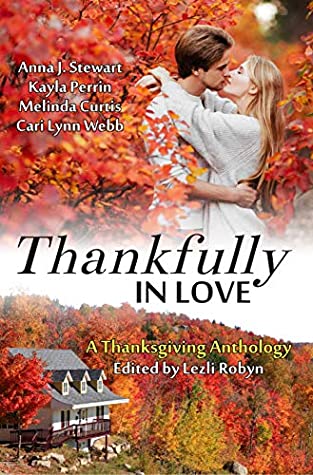
I am an avid reader with a large TBR pile (my to-be-read pile is always ambitious). But there was a weekend where every book I started was a DNF (did not finish). I thought I could do better. Four years and lots of study later and my first book was published by Harlequin.
Advertisements
What inspired you to write your book?
I am always looking to the lighter side of life and I have a firm belief that I can “talk” to the animals. That is, understand what it is their various sounds mean. I thought it’d be fun to write a book about someone who thinks they hear a dog talking.
What theme or message do you hope readers will take away from your book?
I write a lot of self-forgiveness books. We’ve all made mistakes in our past and need to be kinder to ourselves and others as we move forward.
What drew you into this particular genre?
I believe in stories with a happy ending. Romance always has a happy ending. If there’s love and no happy ending, that’s a tragedy and you won’t find me writing it.
If you could sit down with any character in your book, what would you ask them and why?
I would love to hear what Snowflake has to say about my Thanksgiving dinner. He’s a dog but he’s a picky eater.
What social media site has been the most helpful in developing your readership?
Facebook. I write a lot of small town romances and that seems to be where my readers are.
What advice would you give to aspiring or just starting authors out there?
Study the genre. Everyone has a unique storytelling voice but if you write genre fiction, you need to understand story structure. Structure allows your voice to shine while giving readers of the genre what they came for.
What does the future hold in store for you? Any new books/projects on the horizon?
I am continuing to write in a few of my longer series – The Mountain Monroes, The Kissing Test, Sunshine Valley – with releases in 2021. But I’m also shopping two new series – a new small town series and a cozy mystery series.
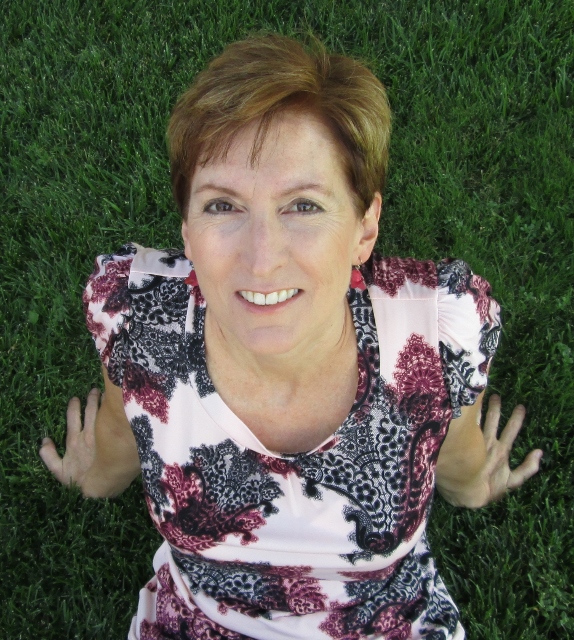
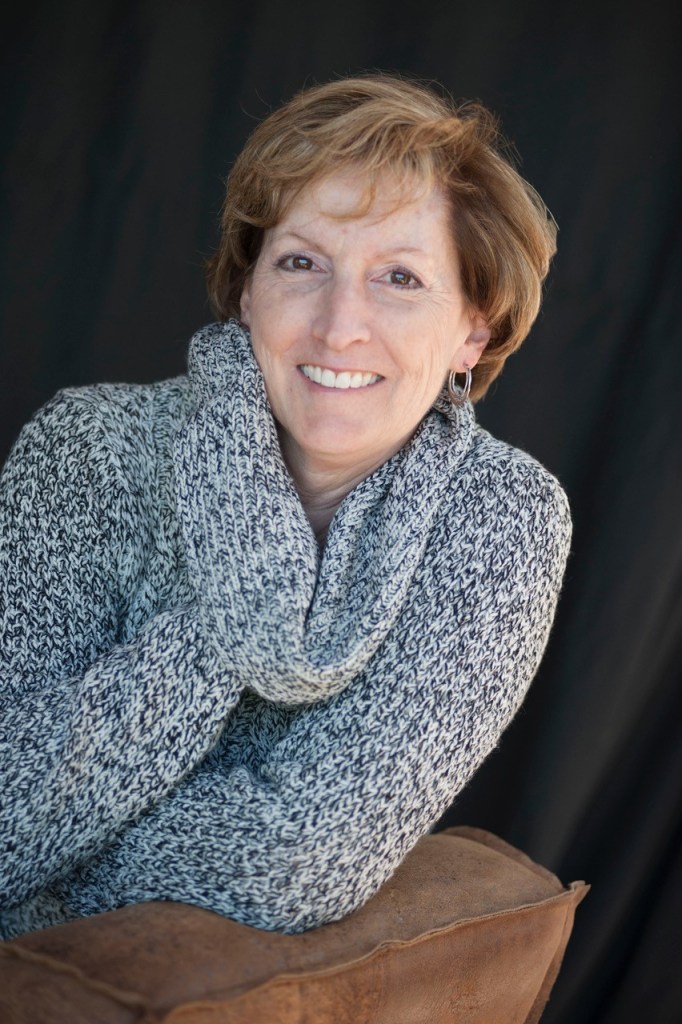
Prior to writing romance, award-winning, USA Today Bestseller Melinda Curtis was a junior manager for a Fortune 500 company, which meant when she flew on the private jet she was relegated to the jump seat—otherwise known as the potty. After grabbing her pen (and a parachute) she made the jump to full-time writer. Between writing sweet romance and sweet romantic comedy, Melinda finds time to bond with her husband over home remodeling projects. She recently came to grips with the fact that she’s an empty nester and a grandma, concepts easier to grasp than jet-setting on a potty.
Sign up for her newsletter on her website to receive two free reads.
Tell us a little bit about yourself. How did you get into writing?
I’ve wanted to write for as long as I can remember. I think I penned my first story when I was ten, perhaps eleven and never stopped. I was inspired by Star Wars and developed a love of science-fiction, fantasy genres ever since.
Advertisements
What inspired you to write your book?
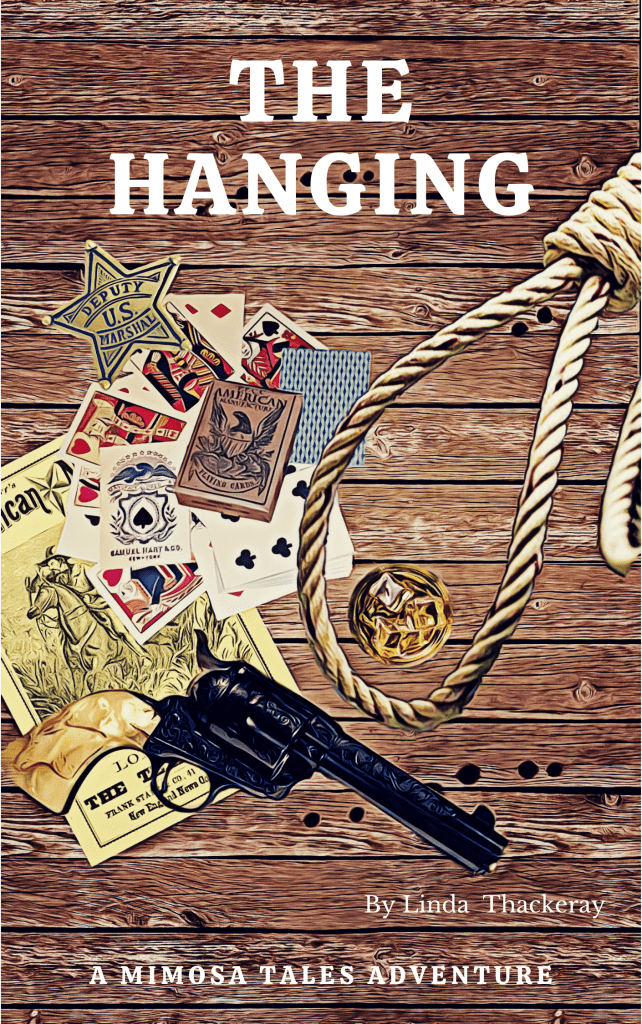
In the case of The Hanging, I wanted to try a completely different genre and historical fiction or westerns seemed to be something challenging. I wanted to test myself.
What theme or message do you hope readers will take away from your book?
Well I hope they are entertained, that the characters grab them and they’re interested in seeing what else in store for these folks down the line.
What drew you into this particular genre?
It is a genre that’s very different from the science fiction and fantasy I write, but then again, also very similar because there is a lot of world building involved and adventure is a main staple of the genre like sci-fic and fantasy. After all, so many of our great science fiction shows started out with elements present in western films.
If you could sit down with any character in your book, what would you ask them and why?
I would probably sit down and ask what it is like for Holly Davis to be independent woman in the 1880s, trying to make her way in a man’s world, while staying through to herself.
What social media site has been the most helpful in developing your readership?
I’m finding Facebook is the best so far, but I’m not used to the marketing aspects so for now it seems to be the platform that gives me access to reach my audience directly.
What advice would you give to aspiring or just starting authors out there?
Write for yourself and no one else. Even if you never became rich and famous, or become a best-selling novelist, doing what you love will still make you soar.
What does the future hold in store for you? Any new books/projects on the horizon?
I have just finished a new fantasy novel called the Patient, it’s currently sitting with an editor. I’m working on the third installment of my Mimosa western series, and then I’ll be completing a science-fiction novel that’s been sitting dormant for too long, and writing a sequel to a book I co-authored with a friend called Savage World.
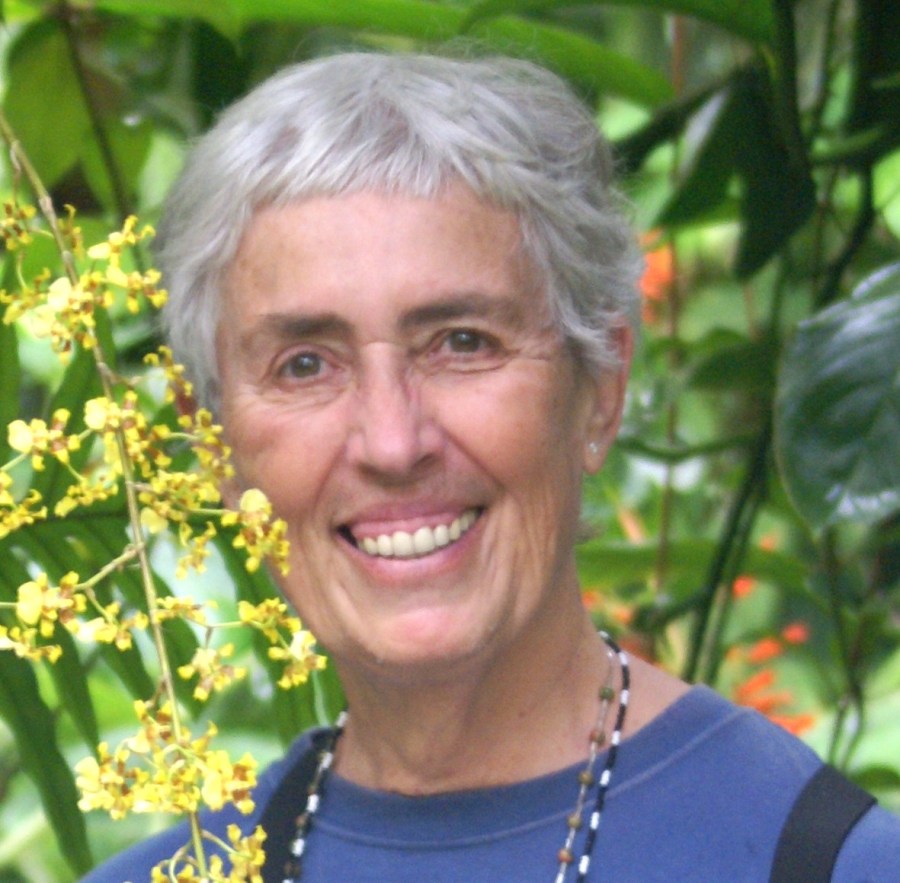
Born in a village in Malaysia and delivered by underpaid midwife, and Ann, an irritable new mother (who wouldn’t be after 48 hours in labour?), X was named by a deranged grandmother with too much creativity for her own good. Once out of her pain-induced stupor, Ann decided to give her new daughter a proper middle name to avoid the risk of being put into a home later in life.
And so, she was called Linda.
Linda was an unremarkable child, save a few notable incidents, the discovery that a pot lid is not a substitute for Wonder Woman’s tiara (five stitches), four-year old don’t need to shave (no stitches but lots of toilet paper) and utility truck drivers are not necessarily qualified operators of their vehicles (seventy stitches).
At eight, Linda received religious enlightenment when she saw Star Wars at the Odeon Theatre and hence began her writing career.
For many years, the cages of various pets in the Thackeray household were littered with pages from Linda’s scribblings. Subjects usually ranged from whatever science fiction show was on television or at the movies. There was lots of Star Wars.
At 17, Linda moved to Sydney, Australia and was disappointed it was not occupied by Paul Hogan types with big knives and croc skin jackets but pot-bellied blokes with zinc cream and terry towel hats. Linda’s father (also known as that bloke who buys me stuff to piss mum off when she’s mad at him) settled in the town of Young, a community of 6000 people with no movie theatre.
Linda survived this period in the wilderness by raising kangaroos and writing original works but eventually got saddled down with the necessities of life and though she continued to write, work came first. Work, HBO, comic books and rent. It’s a kaleidoscope.
Even the kangaroos left out of boredom.
In 2014, Linda decided to start writing seriously again. Mostly because Australia’s strict gun laws make it very difficult to ‘go postal’ in the workplace. Moving to Woy Woy, which is Aboriginal for ‘Big Water’, she’s dipped her toes into the Indie pool and found she needs a pedicure. Her books are labours of love and championed by her friends on Facebook.
Eventually Creativia Publishers, appalled by Linda’s inability to conduct any marketing, offered to publish her books out of sheer exasperation.
Supported by two cats named Newt and Humphrey, she spends her days trying to write novels while having unclean thoughts about Michael Fassbender and Jason Statham, sometimes together.
1) Tell us a little bit about yourself. How did you get into writing?
I just finished my 25th (and easily my most unusual) year as a teacher. I teach history, psychology, and philosophy. These disciplines definitely influence my writing, as does the act of being a teacher! I believe the best way for a student to learn and appreciate history is to engage, what I call, their historic imaginations. There is a lot of creative energy generated in my class and I know that rekindled my desire to write…a desire I was first aware of in the third grade.
Advertisements
2) What inspired you to write your book?
As you know, Anthony, that question is always a bit harder to answer than people think. There’s a full pie chart of inspirations for this story. When I teach history I always view it as a grand narrative of big and small stories that revolve around suffering, struggling, and – hopefully – overcoming. In psychology, which I also teach, we see a grand array of suffering, struggling, and overcoming. When writing this story I clearly wanted to continue that classroom motif. I believe that comes through clearly to readers. You stated in your review of Out of the Basement that one of the book’s strengths is the ability to highlight “…the inner demons so many people must face and yet hide behind a carefully orchestrated mask to hide the pain,…” To me, that is a key to the book…you don’t have to personally know the protagonist’s pain to connect to the idea of suffering and struggle. There is an exploration of a core concept of our shared humanity at play in the story, an aspect of the human condition that any reader can connect with.
3) What theme or message do you hope readers will take away from your book?
The back cover of the book has the phrase “Find Hope in the Darkness.” That is definitely one theme at work in the book, the idea that even at the worst of times hope exists. It may be obscured or seem unavailable, but it is there if we can look past our pain and find it. That’s definitely one of the many themes embedded in the pages of Out of the Basement.
4) What drew you into this particular genre?
I teach psychology and a class called P3: Philosophy, Psychology, and Pop-Culture. The P3 class evaluates and utilizes movies, music, and television shows to illuminate psychological and philosophical theories. My interest in those topics in my classroom strengthened my interest in those types of stories.
5) If you could sit down with any character in your book, what would you ask them and why?
Ha! That’s a great question. I think I would like to walk a few laps around the park with Father Sylvan. That character has a deep well of insight, compassion, and patience. I think I could learn a thing or two from him!
6) What social media site has been the most helpful in developing your readership?
Thus far, Facebook. I’m new to the social media marketing game so that’s where I started.
7) What advice would you give to aspiring or just starting authors out there?
Write and be open to suggestions from thoughtful readers. You don’t have to take every suggestion to heart, but listening to people’s reaction to your manuscript can be very helpful. We all have blind spots when we write so extra eyes can be helpful. A group of creative people sharing ideas and their work can also help you maintain a writing schedule.
Speaking of writing schedules, don’t try to adopt someone else’s or feel guilty if you don’t write every day as some stress you must. I am a full time teacher, I teach in an evening program, and have four children. Some days I don’t write a word. Sometimes days on end. I do, however, take notes and record thoughts on my cell phone to refer back to when I carve out my writing time.
8) What does the future hold in store for you? Any new books/projects on the horizon?
Book sales, I hope! I am holding some online book events and trying to be creative in the promotion of Out of the Basement. I have a dystopian manuscript, Stone Souls, that I hope to have released in the near, and hopefully post-COVID-19, future.
James Rourke has been a high school of teacher of history, psychology, and philosophy for twenty-five years. His commitment to the idea that these three disciplines can assist his students to connect not only with his material, but to the unifying aspects of humanity, also guides his writing. “The Comic Book Curriculum” is praised for revealing”how major superheroes and their stories raise some of the deepest and most important ethical and psychological questions we all need to ask and answer.” This aspect of storytelling, the quest to tell stories that entertain, challenge, and uplift the reader, inspires James in his fiction as well.
When I was very young and my mother read stories to me, I decided that someday, I wanted to write stories like those. As I grew older, I thought about the stories I was reading, and tried to imagine stories I might write.
Later, it was mysteries that I enjoyed reading so when I retired, (I’d been a math and science teacher).what I wanted to write was a mystery – not what I called a “shoot-em-up, but a mystery that made you feel good.
Advertisements
2) If you could sit down with any character in your book, what would you ask them and why?
I’d like to talk to many of them, but most of all I’d like to talk to Jeenya Birdsong, the main character. She would greet me with a long, warm hug. Then she would offer me something good to eat. Finally, she would listen quietly to hear what I had to say. I’d want to thank Jeenya for helping me write this book.
How did she do this, you ask. Well, fifteen years ago I started to write the book – the way I thought a mystery should be written. It was really awful, so I put it away and wrote a couple books on study skills (Straight A’s Are NOT Enough).
Finally, last year, I went back to this book. This time, Jeenya appeared in my dreams. It’s hard to remember dreams, but after having these dreams, my writing improved. Sometimes I’d think about a problem I had, and in the morning, I’d know what to do. It was like letting a character decide what was best for them to do.
Sometimes, I say Jeenya Birdsong is my spiritual advisor.
3) What advice would you give to aspiring or just starting authors out there?
There are a lot of great books on how to write. Find one you like and read it at least once every year. As you read, take notes on things you need to do. Each time, you are likely to find new ideas that will help your reading.
4) What does the future hold in store for you? Any new books/projects on the horizon?
My son, Anthony, and I are working together on a book, “How Tony Learned to Read. For each chapter, I write my reflections and he writes his reflections. When Tony was 8 years old, and still not reading or writing, we visited a neurologist. After several hours of tests, the neurologist said, “Tony, you are extremely intelligent. You are also severely dyslexic. You might never learn to read or write.” But he did say “Might.” Some people who are severely dyslexic do learn to read. Tony and I hope our book will inspire other dyslexic parents and students.
Judy Fishel grew up in Florida, just across the river from Palm City. She and her grandfather often looked for wildflowers along the citrus groves. She also remembers the terrible freezes that killed the citrus trees. It made sense to set her story there. She started work on this book fifteen years ago but it just wasn’t working. She then wrote Straight A’s Are NOT Enough – study skills for college students. Finally, last summer she returned working on Murder of the Obeah Man. When one of her characters, Jeenya Birdsong, began appearing in her dreams, all the pieces began fitting together. Now, Judy likes to say that Jeenya is her spiritual advisor.
1) Tell us a little bit about yourself. How did you get into writing?
From a young age, say around 12, I always thought writing is what I would end up doing. And it did start that way, writing scripts, adaptations, mostly, while crewing on film and television productions. While I was doing this, I started making short films on the side, and on the strength of one of these, an adaptation of Alistair MacLeod’s short story, ‘The Lost Salt Gift of Blood’, I began directing commercials. From there, I moved into directing and producing extreme sports. It wasn’t until 2012 that I came back to writing, however, this time, instead of scripts, it was narrative fiction and essays.
Advertisements
2) What inspired you to write your book?
Life changed. And on a very specific day, at 4 am, how I wrote changed. I had been a good writer – paid to write, but this was different. And I began to explore that. This was in 2010. By 2012, I realized, okay, this is it now, this me. And so I started to work on the book, The Fiddler in the Night, but then, a different story idea would come to me, and I’d explore that. And so, that’s what happened, I’d work on the novel, leave it, and write a short story or two, then go back to the novel. While this was happening, one of these other story ideas turned out to be bigger than a short story, and so there I was – writing short stories and two novels. Probably not the most expedient way to write a book, but then again, here I am now, eight years later, with three books done, which to me, I consider to be a trilogy, The Real and the Imagined. The Fiddler in the Night being Book Two. Torrents of Our Time, the collection of stories, Book One.
3) What theme or message do you hope readers will take away from your book?
I guess, keep moving forward. Not always easy, and at times, not always possible. But it is the goal. That, and embrace change, when it comes. Listen to it, which often means, finding a deeper level of faith and trust in yourself.
4) What drew you into this particular genre?
I’ve never thought in terms of genre as a writer. I just write, and try to be a better writer each day. I suppose though, the books I gravitated to as a reader, have influenced me, to a degree, in terms of how I write. Or perhaps, what I write. Although, I side more with Toni Morrison on that question, in that, I think reading, although it can be an influence on a writer, that influence is greatly overestimated.
5) If you could sit down with any character in your book, what would you ask them, and why?
Oh man …. idk? Rachael, I guess. And I’d ask her – or rather, say to her, please don’t hold it against me that I placed you in such a strange place. Fictional characters that you write – it’s a mystery, really, how they become what they become. And why. But I would certainly want these conversations to be me asking questions, and not the other way around.
6) What social media site has been the most helpful in developing your readership?
Helpful? I’m a social media … if not failure, call it – just not good at it. I’d like to get to the place where I don’t bring the one to the other.
7) What advice would you give to aspiring or just starting authors out there?
One, there are no absolutes. Nothing is true. And this, especially when you’re young, is so important to understand. Two, it’s going to take a long time, and I don’t care who you are, it just is. And so my advice would be to work somewhere and make as much bank as you can, as quickly as you can, while you first explore writing, and then – take off. Travel, or find a cheap place to live somewhere you love, and go at it, hard. But whatever you do, and this applies only to fiction writers, and those wanting to make a living from fiction, do not give that money to an institution, of any kind. Just don’t. Stay out on your own, and go at it like that … it’s the truest way of getting there, IMO.
8) What does the future hold in store for you? Any new books/projects on the horizon?
I’m finishing up now, Book Three, tentatively called Isidore, of the trilogy The Real and the Imagined. It’s scheduled to come out in the Spring of 2021. After that, it depends if the world gets back to where it once was, and travel becomes a thing again. If so, with these three books out, I think a bookstores and beaches tour could be in order. Perhaps, stop in and visit with some other artists and writers along the way.
Christian Fennell writes literary fiction and essays. His short story collection, Torrents of Our Time, is scheduled to be released by Firenze Books, October 6, 2020. His novel, The Fiddler in the Night, January 2021.
Christian’s short stories and essays have appeared in a number of international magazines, literary journals, and collected works, including: Chaleur Magazine, Litro Magazine, XRAY Literary Magazine, Dreamers Magazine, Spark: A Creative Anthology, Kind Writers Anthology, Liars’ League London, Wilderness House Literary Review, and .Cent Magazine, among others.
Christian was a columnist and the fiction editor at the Prague Revue. He is currently working on his second novel.
1) Tell us a little bit about yourself. How did you get into writing?
I think rather, writing got into me. At school I found writing a good way of expressing my imagination, while reading showed me how to do it. My father was always one for good speech. He taught physics, but he told his pupils that all they knew about physics was worthless if they couldn’t express it in English.
2) What inspired you to write your book?
Two huge literary influences on me as I was growing up were JRR Tolkien and CS Lewis. Of course they have a lot in common, not least that they worked together at Oxford. And also they have this: an imagination to create other worlds – many other worlds in Lewis’ case, and worlds where some sort of passage between is, rarely, possible.
Placing my own new world in a Celtic setting I blame on the last holiday my first wife, Janice, and I had together, on the west coast of Ireland, maybe twenty years ago. The untamed landscape and rugged coast; the self-contained, straightforward nature of the people; the transient weather. I had several chapters written – later to be torn up – long before I moved to the croft on Scoraig.
3) What theme or message do you hope readers will take away from your book?
If nothing else, I hope people will gain a glimpse that the prevailing materialist world-view is very limited: that there is so much more to life. Organised religion has done us no service in this regard, with a quite undue emphasis on rigid dogma and rules: dogmas that are too often taken too literally, causing many intelligent people to reject spirituality en bloc.
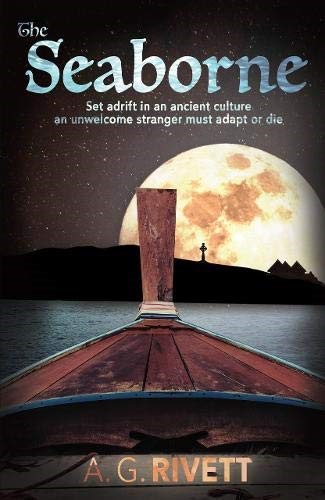
I don’t apologise at all for the spirituality in Seaborne. Not only is it appropriate that such a people would have a highly developed spiritual sense, but also this is so much what I want to express.
4) What drew you into this particular genre?
Mostly, laziness. A fantasy genre means that you can invent your own world, and needn’t be too tied down by research. The only catch is that if you want your world to be believable, you find you then have to research what a parallel culture in our own world would look like, and make your world something like that. I take my guidance from Jill Paton-Walsh’s Knowledge of Angels, set on an island ‘somewhat like Mallorca, but not Mallorca.’
Advertisements
So I had to do a fair amount of research into what life was like in the eleventh century on the Western Isles, and I have Cathy Dagg, a former neighbour and archaeologist, to thank for much of that. Among many other points, she picked out that houses on the Western Isles in the eleventh century didn’t have the chimneys that I had alluded to. Of course I could just say, for instance, that in my world they do; but every time you say that before someone who knows otherwise, you lose some credibility and distance yourself further from our world, the one that you want to speak to.
5) If you could sit down with any character in your book, what would you ask them and why?
I thought a lot about this question: which character? There are many candidates. Eventually I settled on my hero, John (or Dhion). I think I’d like to ask him, maybe a few years after the book ends, ‘Do you think you made the right choice? Or have you thrown away a life that you could have returned to and lived it with a deeper wisdom, long, comfortable and secure. Have you thrown that away for (as Conchis in John Fowles’ The Magus puts it) ‘the satisfaction of a passing sexual attraction’?
The John whom we first meet, running away from his failures, could not have answered that question, and felt he didn’t have a choice. But as the story progresses he grows in depth: he becomes Dhion.
I think he would answer that this is no passing sexual attraction. He is not choosing Shinane instead of Helen: in the end he is choosing the self he has come to be with Shinane, and with that a world that seems more real than the one he left behind, in which he had felt driven by the demands of his work to betray everything else, and everyone else, of value in his life. It is a choice between two world views. I think of Archbishop Thomas A’Becket in TS Eliot’s Murder in the Cathedral. His first three tempters offer him material advantage in various ways, but he knew, as Dhion knows now, that there is more, so much more, than mere materialism.
Will Dhion regret his choice when he lies dying? I think he might, for more than a moment. But, as Shinane says of herself, who knows what he will think in the future. The point is to live most authentically, now. I think of Robert Jordan in Hemingway’s For Whom the Bell Tolls as he lies dying, casualty of the Spanish Civil War. And yet, with Maria, for a fleeting few hours, he had known something that Pilar, the wise older woman of the novel, says most people never experience. Who is to say that wasn’t worth it.
6) What social media site has been the most helpful in developing your readership?
For six months or so, while Seaborne was coming up to launch and after, I kept a Facebook page going, and this was helpful in building up an audience for a book-launch tour. But I’m not someone who engages with social media, or enjoys it, and I’ve totally ignored my Facebook page for a few months now. There always seems to be something I’d much rather be doing, out in the field with my hands – or getting on with my next novel.
However, my wife, Gillian Paschkes-Bell, and I do have it in mind to set up a website to include the books we write or edit, with an added blog content about what we’ve been reading or thinking. Probably next year, when we’ve finished the self-build we’re currently working on. Perhaps then I can re-awaken my Facebook page and link it in with that.
7) What advice would you give to aspiring or just starting authors out there?
Study English grammar, syntax and punctuation, and cultivate a deep enjoyment of the sound of language. It’s only when you thoroughly understand the rules of good writing that you can begin to break them, appreciating the cost of doing so.
Study people – their appearance, mannerisms, ways of talking, unconscious leaks of feeling in facial or bodily expression.
Play with ideas – the ‘what if?’ sort of ideas. What if the world was flat? If the Russian Revolution had never happened? If the Civil War had been won by the South? If there really are fairies at the bottom of your garden? Or what would it be like to be an unmarried mother in the Puritan colonies back in the seventeenth century? A fisherman in the westernmost parts of the British Isles of the eleventh century?
And read. See how the experts do it. Read anything but trash.
8) What does the future hold in store for you? Any new books/projects on the horizon?
I think I’m clear about what the future doesn’t hold for me: fame, wealth, best-sellers, Booker Prizes. I write because I love writing and I love the worlds I can create with my writing, and I’m grateful that enough people have appreciated what I’ve written, first to publish it and then to purchase the book and read it – and say they found the readingworthwhile and make complimentary comments about it after.
I want to complete the trilogy of which Seaborne is the first book, and I have a first draft completed of Book II; but I alsohave lots of other things I want to do. I’m an inveterate fixer – I can’t stand anything that doesn’t work without taking it to pieces and putting it together again. Between us, Gillian and I have built our house – with a lot of help from people who actually knew what they were doing – and there are still many things both inside and outside the house that need finishing. And a whole eco-system that needs encouraging out there on the field where we have the privilege to live.
Finally, I am myself a project that needs finishing – and probably won’t be finished in this lifetime. I have a lot of flaws, and side-shoots that need to be pruned away, and branches that must be encouraged and brought to fruition. When all’s said and done, that’s the most important project for each of us – and the most exciting.
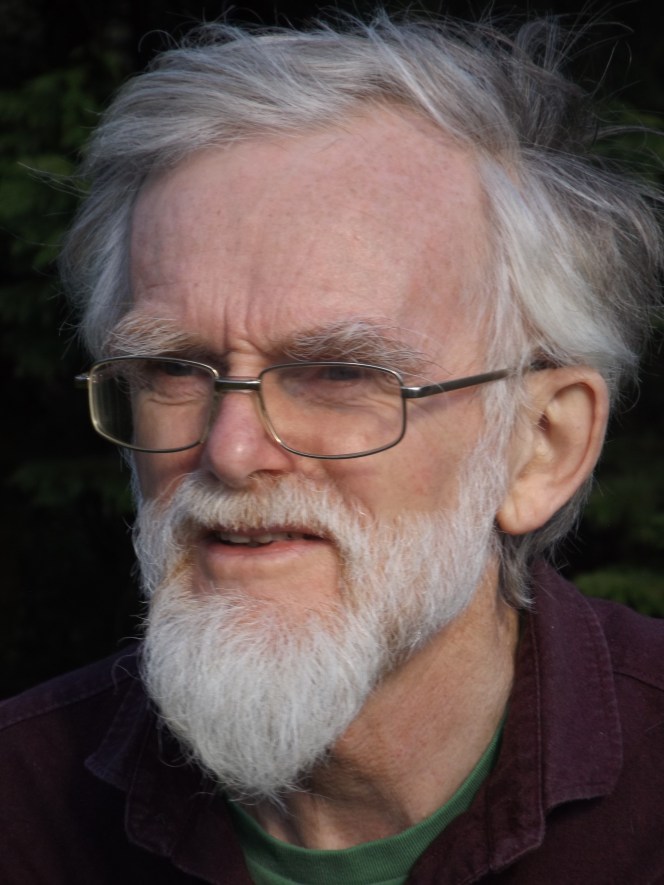
Andrew (A.G.) Rivett was born in London. He has lived in England, Nigeria, Scotland (where The Seaborne was drafted) and now in Wales.
The inspiration for The Seaborne, his debut novel, came twenty years ago on holiday in Ireland, at which time he wrote some opening chapters, relics of which remain in the published book. The Seaborne, the first book of the planned Island trilogy, was published in November 2019.
1. Tell us a little bit about yourself. How did you get into writing?
I grew up in a place called Beebetown, Ohio, at the corner of four counties. When I was a kid, it had a lot of old buildings from the 1800s. I lived in an old converted schoolhouse with a well for water. The old blacksmith shop was across the street and used by the neighbor as a barn. Fields and horses were nearby, and a little creek to sail wood boats along was down a hill with a giant pear tree. My parents had plenty of animals to care for, and I would spend many hours drawing them into my stories. Though I struggled with dyslexia, it did not prevent me from being creative. So doodling in class was familiar, but with the help of a tutor and plenty of reading, I eventually gravitated towards highly imaginative works by Lewis Carroll, L. Frank Baum, Edward Lear, and others.
Advertisements
2. What inspired you to write your book?
The Goodbye Family and The Great Mountain, is the second novel in the Great Mountain series, about eccentric undertakers living in the Old Weird West. It follows Me’ ma and the Great Mountain that focuses on an Indigenous child named Me’ma who uses her traditional knowledge to battle a tyrant of the land. Shockwaves of this conflict are felt in the community of Nicklesworth, where the goodbyes have their business.
Back in 2009, my wife Valerie and I visited parts of the United Kingdom and later Paris. We always have had a morbid curiosity and interest in the Victorian era, spirit, and funerary customs. After all, my wife and I met at a Gothic club in 1996. So we visited as much of these places as we could, and I took to writing down ideas and a diary of our trip. On the streets of Paris, I began doodling the Goodbye family and their traits.
3. What theme or message do you hope readers will take away from your book?
The readers will find it full of laughs, adventure, and quirkiness that all together makes the Goodbye family so oddly unique. I will let the readers find their messages and takeaways from the book. I will say, though, that an underlying theme of my series is that you can fulfill your goals in life by being yourself and taking that first step outside the norm.
4. What drew you into this particular genre?
If the genre is Weird West, Gothic, Western, or Dark Humor, I suppose a lifetime of interest in it did the trick. However, I don’t think anyone of these quite describes what it is by itself. It’s dark, humorous, weird, and western. At one time, I thought Down West was a good moniker until people started calling it a Gothic Western, but then that sounds maybe too serious for the series? I’m not sure what to call it, but I guess a Western Gothic may be plausible. Now, what was the question? Oh yes, as a child, I wanted to be like Robert Conrad from the series The Wild Wild West and sought out every book I could on the subject of Native Americans and the Old West. I sometimes would wear a wool poncho to school and even made a Cowboy movie about the OK Corral in my early teens. I guess it all solidified for me with family trips visiting the Native American reservations, historic parks, Mexican American areas, and ghost towns in New Mexico, Colorado, Utah, and Arizona. I lived in New York City for a time but knew I had to be out west. My wife and I moved across the country, visiting many more of the same on our way, and landed in Los Angeles where I worked at the Southwest Museum of the American Indian/the Autry Museum of the American West while receiving a bachelors in Anthropology. Then after, I started a Native American film series with some friends. I now live across from the CBS Lot where they filmed many TV Westerns including, you guessed it, The Wild Wild West.
Advertisements
5. If you could sit down with any character in your book, what would you ask them and why?
What an interesting question. In my novels, there is one character that has appeared throughout, Frank Thorne, and we slowly understand his complexities. He will be unraveling more in my third novel, for better or worse. However, if I had a chance to ask him anything, I think I’d pass for fear of being shot.
6. What social media site has been the most helpful in developing your readership?
Unfortunately, social media comes and goes. So you have to be on the tip of just about everything to some degree. All platforms should go back to one site. For me, it is lorinrichards.com. Facebook has been around the longest for me, so I have invested more time in it than others. But around the corner will be something new, and like any company/brand, I’ll need to put on my glasses and look into it (all while sighing, of course).
7. What advice would you give to aspiring or just starting authors out there?
Just be yourself, don’t waste time, work routinely on your craft, explore new avenues, and find your niche. Once you find it, don’t take yourself too seriously and be open to accepting everyone as a potential reader.
8. What does the future hold in store for you? Any new books/projects on the horizon?
As mentioned, I am writing my next novel called Hollis Sorrow and the Great Mountain. It continues the story of Hollis Sorrow and Madeline Sage, whom readers that are familiar with the first book know their adventure to find Hollis’ old pals during the war is still ongoing. The story will take them into the sky world for answers. For fans of The Goodbye Family, I work daily on telling their stories through my comic series that appears on my social media and Tapas, a comic syndicate. Also, I am gradually putting together an animated series about their lives. I partnered with The Heathen Apostles for the series theme song.
Please visit lorinrichards.com if you’d like to learn more about my stories.
Advertisements
About the Author
Lorin Morgan-Richards is an author and illustrator, known mostly for his YA fiction. A fan favorite is his daily comic series The Goodbye Family about a family of eccentric undertakers living in the Old Weird West with their daughter Orphie who oversees the town of Nicklesworth as their sheriff. Richards writing career started in 2009, with his latest novel The Goodbye Family and the Great Mountain (2020) being his thirteenth release. In addition to writing and illustrating, Richards colorizes Old West and Victorian-era photography.
The Goodbye Family and the Great Mountain follows the lives of Weird West undertakers Otis, Pyridine, and their daughter Orphie. Pyridine is a witch and matriarch mortician, Otis is a brainless but bold hearse driver, and Orphie is appointed grave digger for her strength of twenty men. Through bumbling, Otis discovers his neighbors are turning into zombies, a mystery that is directly affecting their burial business. In their backyard cemetery, they travel to the underworld for answers and uncover a plot to surface the evil entities that would otherwise burn in the Lake of Fire, have risen again through oil pumps that are bottled up as a tonic medicine for the ground above. The tonic goes fast, and the host takes over the body when the body perishes. Can the Goodbyes hilarious gaffes and revelations plug up the works?