I received a free copy of this book in exchange for a fair and honest review. All opinions are my own.
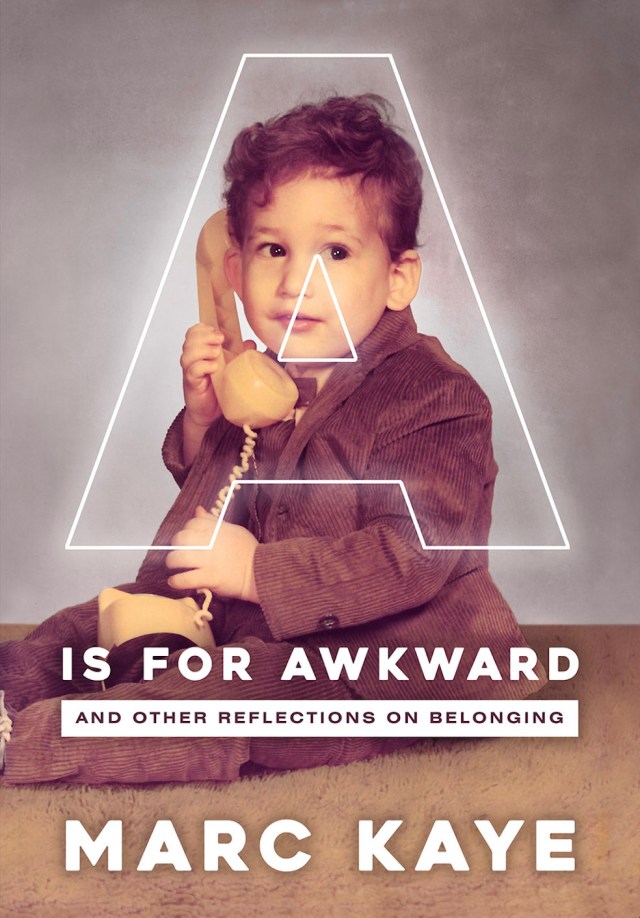
Author Marc Kaye shares a series of essays reflecting on the need and definition of belonging in the book “A Is For Awkward (and Other Reflections on Belonging).”
Advertisements
The Synopsis
Screenshot
“Why I remember the events that I do will always remain a mystery. The only plausible reason I can muster is that it asks of me to find what I couldn’t when the experience was happening – a sort of rationale and dignity in the awkwardness.” – Marc Kaye
Some people navigate the world with aplomb and poise. Others take a more circuitous route. In “A is for Awkward: and Other Reflections on Belonging”, Kaye summons a renewed perspective and healthier relationship with the idea of belonging – one where, through his reflections, he connects to people, place, setting and emotion with an affinity that may not originally apparent. In doing so, awkwardness becomes a portal to understanding, not to mention a series of humorous encounters.
From his earliest days as a newborn in Germany through a brace-filled adolescence and onto navigating sludge, fatherhood and aging, Kaye delicately blends wit and sentiment to better understand himself and the world he is a part of. In doing so, we find ourselves a part of his story and our compassion for ourselves, as well.
The Review
This is a compelling and insightful collection of personal essays and nonfiction memoirs that readers can easily identify with. The author’s personable, honest, and reflective writing style allows readers to feel immersed in their memories and culture, and the level of detail and balance of humor, wit, and heart the author pours into this book make the reading experience feel much more connected.
The theme of this collection is what feels most powerful in the book. The idea that everyone has several aspects of themselves that make them feel isolated or different, and the need to feel like they belong with someone or to something, is a powerful motivator for self-reflection. Yet the heart and connection that occurs when a person finds themselves and realizes those differences come with communities all their own, and it is the journey and the path of learning to love ourselves in the process that makes the reader truly connect with the author’s message.
The Verdict
Heartfelt, insightful, and engaging, author Marc Kaye’s “A Is For Awkward” is a must-read nonfiction memoir and collection of essays readers won’t be able to put down. The powerful connection readers form to the author and his life experiences, the relatability and the compassion that comes with the emotional journey the author goes on, and the humorous look back on their life make this a comfortable and introspective read that readers won’t be able to put down. If you haven’t yet, be sure to check out this book when it arrives in June 2026!
I received a free copy of this book in exchange for a fair and honest review. All opinions are my own.
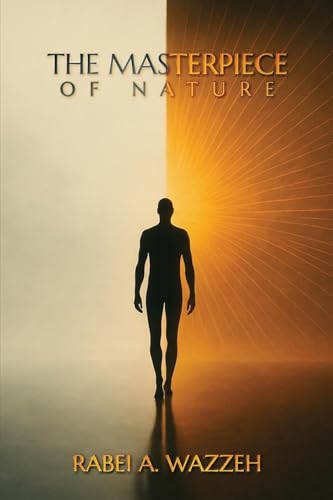
Author Rabei A. Wazzeh shares how everyone has a story and a voice that matters in the book “The Masterpiece of Nature.”
Advertisements
The Synopsis
The Masterpiece of Nature is a quietly powerful exploration of what it means to grow, endure, and live meaningfully in a world that often demands noise over presence, certainty over curiosity, and speed over depth.
Through poetic reflections, real-life stories, and a compassionate voice that meets the reader like a trusted friend, this book reframes resilience not as forceful triumph, but as steady return. Not as perfection, but as honesty. Each chapter is a gentle invitation – to stand inside your own questions, to reimagine courage, to find strength in softness, and to keep moving even when the path disappears beneath your feet.
From the silent determination of Viola Davis to the devoted practice of Kobe Bryant, from the handwritten code of Masako Wakamiya to the return of Diana Nyad to the sea at sixty, this book brings to life the quiet human choices that shape not only our days – but who we become.
You won’t find loud formulas or self-help demands here. What you will find is a steady companion for the in-between spaces – the invisible steps, the tender thresholds, the places where meaning begins.
This is not a guide to becoming extraordinary.
It’s a gentle remembering that you already are.
The Review
This is such a unique and inspiring book. The balance not only in writing style, moving from poetic prose to essays and engaging dialogue with the reader, but also in the use of historical and public figures as examples for each chapter, was spot on in every respect. The emotive and connective way the author writes will leave a lasting impact on readers as the book delves into questions of existence and philosophy with ease.
The heart of this book, the idea that friendship and connection are nature’s version of a masterpiece, is such a thought-provoking and heartfelt ideal to strive for and to accept in our hearts. The stories range, of course, but each packs a punch that resonates with readers, from the origins of McDonald’s, starting with one single store, showcasing how a forest begins with just a seed. It matters not how early or late in life you start, but that you start to begin with, to the story of a renowned cellist who showed that daily returns, who continues to improve on one’s craft, is not a means of becoming great, but of showing our love and respect for what moves us daily.
The Verdict
Inspiring, heartfelt, and engaging, author Rabei A. Wazzeh’s “The Masterpiece of Nature” is a must-read book. The inspiring stories don’t leave readers with questions to ponder or steps to follow, but instead engage them on an emotional and philosophical level, allowing the reader to feel the weight of these people’s choices and how one small act can change the world, making everyone not only connected but also proving that everyone truly matters. If you haven’t yet, be sure to grab your copy today!
Rating: 10/10
Advertisements
About the Author
Rabei A. Wazzeh writes from the quiet center of a life shaped by listening -not only to people and systems, but to the deeper questions that live beneath both. Though his professional path has led him across boardrooms and ministries, his truest work has always been quieter: noticing what matters, holding space for what’s unfolding, and walking with people through the uncertain middle of change. At heart, he is a humanist -drawn to psychology, to philosophy, and to the soft strength that emerges when presence is given time to speak. His writing does not seek to impress, but to companion. It offers no grand solutions – only a steady hand on the shoulder and a quiet reminder: your life still holds meaning. You are still becoming. The Masterpiece of Nature is not a presentation of what he knows. It is an offering of what he’s still learning about resilience, about tenderness, and about the quiet power of staying close to what is true.
I received a free copy of this book in exchange for a fair and honest review. All opinions are my own.
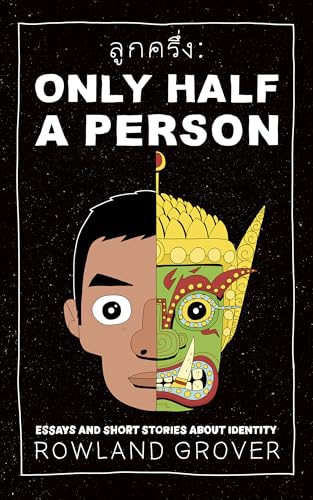
Author Rowland Grover shares a collection of essays and short stories that speak to topics of culture, faith, and identity in the book “ลูกครึ่ง: Only Half a Person: Essays and Short Stories about Identity.”
Advertisements
The Synopsis
When Rowland Grover asked his preschool teacher if he could ฉี่ (chi), she looked at him like he wasn’t speaking English. After holding it for too long, he peed his pants and realized he was different from everyone around him.
As a half-Thai/half-white kid raised Mormon in Idaho, shame, guilt, and confusion were normal for Rowland. He didn’t understand why he took off his shoes at his house, but his friends could keep theirs on and drag dog poop all over the floor. When Rowland lived in Thailand, Thai people said he looked farang, but white people called him Mexican. This made him wonder who he was and where he belonged.
ลูกครึ่ง: Only Half a Person is an captivating and hilarious collection of essays and short stories that explores culture, faith, and identity. The stories range from “stinky lunches” to a talking lizard questioning Rowland’s religion. Others are more serious such as when a stranger called the cops because Rowland looked threatening riding an old beach cruiser bike. Tackled with humor and heart, Rowland dives into the depths to find himself and wonders if he’ll come up for air.
The Review
This was an incredibly insightful and engaging story that is so reflective of the American experience in this day and age. Far too often, people in the United States forget just how much of a cultural melting pot the nation has become, especially when cruel actions and judgments dominate the news cycle most of the time. The honesty and relatability in the author’s writing style allowed the personal experiences and lessons the author learned throughout their life to resonate deeply as the reader delved further into this book.
The rich cultural examination presented in the author’s book was the prominent driving force behind these essays and short stories. The everyday experiences the author brought to life, from a childhood of misidentification, differing customs, and a lingering sense of otherness that children often inadvertently foster, to shared faith and much more, showcased both the differences and shared life that families of differing cultures can form, while also bringing an awareness of what makes us all different at the same time.
The Verdict
Thought-provoking, engaging, and with a sense of heart and humor, author Rowland Grover’s “ลูกครึ่ง: Only Half a Person: Essays and Short Stories about Identity” is a must-read memoir meets nonfiction essay collection. The witty style of writing the author employs and the depth of introspective honesty that the author’s experiences bring to life on the page will stay with readers long after the book ends. If you haven’t yet, be sure to preorder your copy today!
Rating: 10/10
Advertisements
About the Author
Since he was young, Rowland has loved to create stories. Whether that was using stuffed animals to portray the horror of war and class division or writing and drawing maps in a notebook for a fantasy story that was not a rip-off of any other popular series. Rowland’s debut book, ลูกครึ่ง: Only Half a Person, utilizes his love of story-telling to reflect on and analyze his life, race and ethnicity, culture, faith, family, and more.
Rowland Grover was born and raised in Idaho, which, believe it or not, is a real place in the United States. Starting in his late teens, he lived on and off in Thailand, China, and Taiwan for several years. Rowland graduated with a B.A. in International Studies because he had no life plan. Then, he enrolled at Chulalongkorn University to study Southeast Asia Area Studies, but he had to drop out because, quote, “no money.”
He currently lives in Taiwan with his wife, two children, and two cats. Besides unromantic walks on the beach, he enjoys playing video games and studying languages.
I received a free copy of this book in exchange for a fair and honest review. All opinions are my own.
Advertisements
A collection of essays help shape the impact that cinema’s greatest female-led comedies have had in the book “Isn’t She Great: Writers on Women-Led Comedies from 9 to 5 to Booksmart”.
The Synopsis
A love letter to women-led comedies.
Based on Elizabeth Teets’s program series called “Isn’t She Great” at the Hollywood Theater, this anthology is a collection of the most beloved female-centric comedies and the audiences who adore them. From 9 to 5 to Romy and Michelle to the iconic Elle Woods, the essays in this collection build on our devotion to these films and continue the conversation around funny women and how these characters have shaped so many talented writers.
As Elizabeth Teets reminds us, there is a specific power in a funny woman. A woman who dares to laugh at the world and at herself. These movies made us strong and smart and sexy (and bend and snap a lot). At the end of the day, we remind ourselves when the world only tries to let us have a little, a little money, a little confidence, a little joy to go out and get the whole enchilada.
Isn’t She Great is for anyone who loves movies and feels the glamour in pink. Cult cinema and film criticism will never be the same.
The Review
This was an insightful and powerful read. The honesty and relatability that each writer exuded in their essay were refreshing to read, and the detail that went into bringing each film’s story to the forefront was great to read, as it helped illustrate the power of the message each film brought to life amid all the humor and wit.
Yet the impact on the writers themselves made this book shine. The way the authors were able to incorporate events and memories of their own lives and how they related to the films they spoke of made this a much more in-depth and heartfelt read. In particular, one essay that stood out was Michelle Theil’s “I Wanted to Bring it On,” an essay on the film Bring it On and its significance to her and so many other young women and people of color in general, which felt so compelling and engaging as a reader to get lost in.
The Verdict
Heartfelt, compelling, and engaging, “Isn’t She Great” is a mustered collection of essays on female-driven comedy films and their significance in these writers’ lives. The thoughtful approach to these films and the detailed way the films played out balance out the raw, emotional, and even humorous moments of these writer’s lives that made these films feel so impactful. If you haven’t yet, be sure to grab your copy today!
I received a free copy of this book in exchange for a fair and honest review. All opinions are my own.
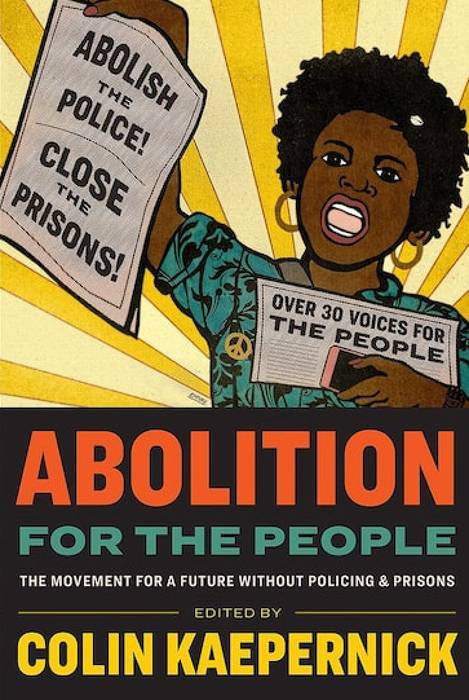
Activist Colin Kaepernick shares a collection of powerful essays to fight against the institutions that allow violent policing and prison systems to continually oppress people, especially people of color, in the book “Abolition for the People: The Movement for a Future without Policing & Prisons”.
Advertisements
The Synopsis
Edited by activist and former San Francisco 49ers super bowl quarterback Colin Kaepernick, Abolition for the People is a manifesto calling for a world beyond prisons and policing.
Abolition for the People brings together thirty essays representing a diversity of voices―political prisoners, grassroots organizers, scholars, and relatives of those killed by the anti-Black terrorism of policing and prisons. This collection presents readers with a moral choice: “Will you continue to be actively complicit in the perpetuation of these systems,” Kaepernick asks in his introduction, “or will you take action to dismantle them for the benefit of a just future?”
Powered by courageous hope and imagination, Abolition for the People provides a blueprint and vision for creating an abolitionist future where communities can be safe, valued, and truly free. “Another world is possible,” Kaepernick writes, “a world grounded in love, justice, and accountability, a world grounded in safety and good health, a world grounded in meeting the needs of the people.”
The complexity of abolitionist concepts and the enormity of the task at hand can be overwhelming. To help readers on their journey toward a greater understanding, each essay in the collection is followed by a reader’s guide that offers further provocations on the subject.
Newcomers to these ideas might ask: Is the abolition of the prison industrial complex too drastic? Can we really get rid of prisons and policing altogether? As writes organizer and New York Times bestselling author Mariame Kaba, “The short answer: We can. We must. We are.”
Abolition for the People begins by uncovering the lethal anti-Black histories of policing and incarceration in the United States. Juxtaposing today’s moment with 19th-century movements for the abolition of slavery, freedom fighter Angela Y. Davis writes “Just as we hear calls today for a more humane policing, people then called for a more humane slavery.” Drawing on decades of scholarship and personal experience, each author deftly refutes the notion that police and prisons can be made fairer and more humane through piecemeal reformation. As Derecka Purnell argues, “reforms do not make the criminal legal system more just, but obscure its violence more efficiently.”
Blending rigorous analysis with first-person narratives, Abolition for the People definitively makes the case that the only political future worth building is one without and beyond police and prisons.
You won’t find all the answers here, but you will find the right questions–questions that open up radical possibilities for a future where all communities can thrive.
The Review
This was an absolutely moving and thought-provoking read. These essays really dived deep into the shocking realities for people of color, and the need for police and prison reform in the United States. The racism that has embedded itself into nearly every fiber and nook of the institutions of this nation, from the field of entertainment and athletics to politics and law enforcement, is staggering.
Yet it was the compelling words and powerful emotions of the writers of these essays and their subject matter. One story that really brought a tear to my eyes and expanded upon my understanding of this topic greatly was My Son Was Executed by an Ideal, based on a conversation with Gwendolyn Woods, the mother of Mario Woods, a young man executed in the streets of San Francisco in 2015, and the writer Kiese Laymon. The honesty and heartbreak of this mother’s story and the shocking realities of the legal system and the protections that the police enjoy, even those who get away with these crimes, will keep the reader engaged yet stunned as this eyewitness event takes center stage.
The Verdict
Engaging, heartbreaking, and thought-provoking, QB turned activist Colin Kaepernick presents a stunning collection of extraordinary writers and their unique perspectives on modern justice in today’s world in the book “Abolition for the People. The shocking realities that not everyone experiences in this nation and the fight for real change are presented perfectly in this book, and everyone in this world should take the time to read this work. If you haven’t yet, be sure to grab your copy today!
Rating: 10/10
Advertisements
About the Author
Holder of the all-time NFL record for most rushing yards in a game by a quarterback, Super Bowl QB Colin Kaepernick took a knee during the playing of “The Star Spangled Banner” in 2016 to bring attention to systemic oppressions, specifically police terrorism against Black and Brown people. For his stance, he has been denied employment by the league. Since 2016, he has founded and helped to fund three organizations―Know Your Rights Camp, Ra Vision Media, and Kaepernick Publishing―that together advance the liberation of Black and Brown people through storytelling, systems change, and political education. Kaepernick sits on Medium’s board and is the winner of numerous prestigious honors including Amnesty International’s Ambassador of Conscience Award, the Robert F. Kennedy Human Rights Ripple of Hope honor, GQ magazine’s Citizen of the Year, the NFL’s Len Eshmont Award, the Sports Illustrated Muhammad Ali Legacy Award, the ACLU’s Eason Monroe Courageous Advocate Award, and the Puffin/Nation Institute’s Prize for Creative Citizenship. In 2019, Kaepernick helped Nike to win an Emmy for its “Dream Crazy” commercial.
I received a free copy of this book in exchange for a fair and honest review. All opinions are my own.
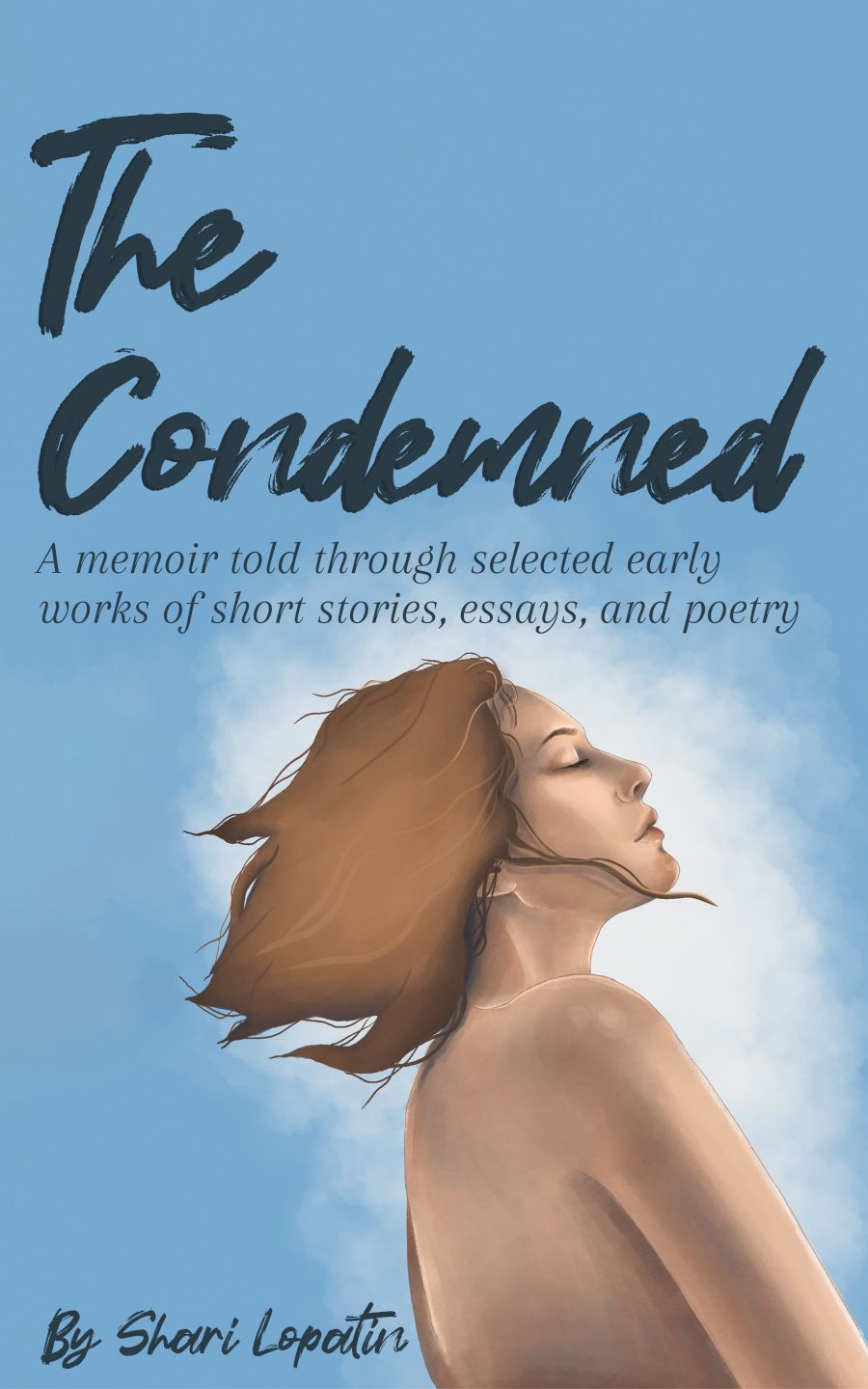
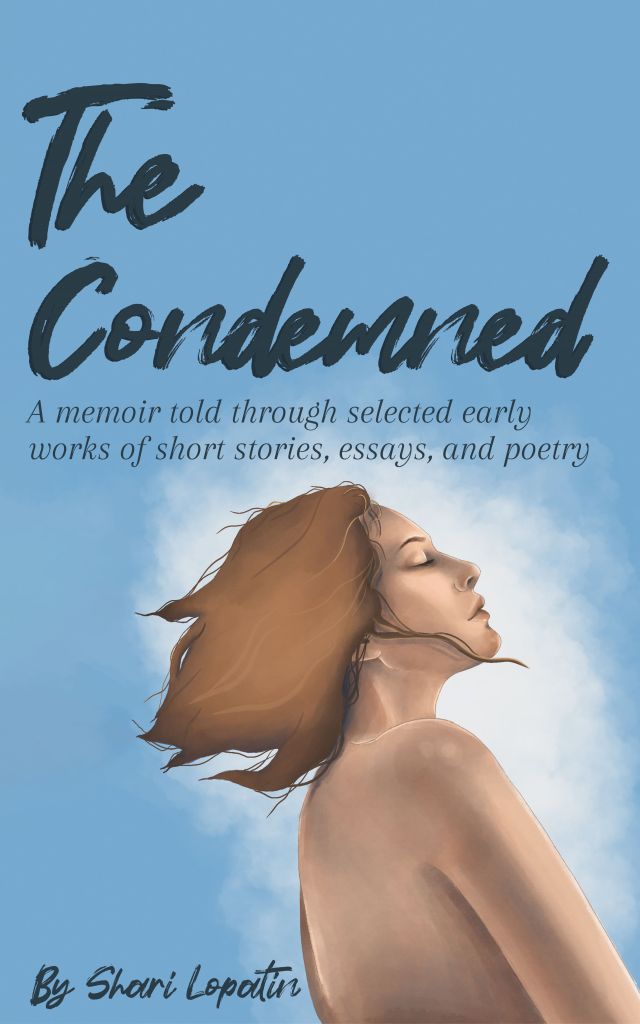
Author Shari Lopatin shares a collection of both fiction and non-fiction stories, as well as essays and poems, to share the story of a young woman trying to find herself in the book “The Condemned”.
Advertisements
The Synopsis
In this special memoir told through a collection of earlier works including fictional short stories, non-fiction essays, and poetry, Shari Lopatin tells the story of her younger self—a millennial coming of age through the 1990s and 2000s while fighting to make sense of a world rapidly changing amidst The Great Recession and September 11. Touching on themes still relevant today, Shari shares deeply emotional pieces from her formative years about mental health, the search for home, the awkwardness of dating, love and heartbreak, and the effects of Antisemitism.
Included in this hand-selected collection are the fictional short stories “Pomegranates” about the power of kindness and connection; “A Call from Paris” about a young marriage falling apart; “Stone from HELL” about the effects of a monstrous society; and the namesake of this book, “The Condemned” about finding self-acceptance. Shari also included other personal essays and poems never before seen.
Ultimately, The Condemned: A memoir told through selected early works of short stories, essays, and poetry reveals one young woman’s struggle to find herself within a confusing and sometimes ostracizing world, and the messages of love, hope, and truth she now brings to others.
The Review
What an emotional and captivating collection of stories. The author found a great balance between her fiction and nonfiction works, with each story doing an exemplary job of conveying the raw emotions and pivotal moments that defined her life. The imagery and the heart that the author poured into the story and essays were remarkable, really bringing the reader into these moments and in the case of the fiction work, allowing the reader to embrace the characters outright.
The poetry was also so moving and conveyed the honesty and passion of the author’s writing so eloquently. The quick pace of the book and the variety of the collection gave the author ample opportunity to really connect to a wide range of different readers and gave an intimate look into the author’s life in a creative and moving way.
The Verdict
Insightful, thoughtful, and engaging, author Shari Lopatin’s “The Condemned” is a memorable and thought-provoking memoir filled with creativity and heart. The powerful messaging of the stories in this collection brings to life a beautiful and emotional story of triumph in the face of adversity, and the journey to find life and purpose. If you haven’t yet, be sure to grab your copy today!
Rating: 10/10
Advertisements
About the Author
Shari Lopatin tells stories that matter. An award-winning journalist in her earlier years, she now writes novels that tie into modern-day social issues, short stories, serialized fiction, essays, and poetry. Shari has worked as a newspaper reporter, magazine writer, public relations professional, social media manager, and earned the title of “Cat Mom of the Year.” Read more of Shari’s work and get updates on her latest books by signing up as a free or paid subscriber for her Substack newsletter, Rogue Writer, at sharilopatin.substack.com.
I received a free copy of this book in exchange for a fair and honest review. All opinions are my own.
Author Lloyd Ratzlaff takes readers on a journey through a series of essays to see how the experiences and lessons we learn in childhood can shape our adult philosophy in the book “Backwater Mystic Blues”.
Advertisements
The Synopsis
“Between the voids at the deepest and farthest reaches of our science, there is this eternal now…”
In this second suite of intimate essays, Lloyd Ratzlaff summons the secret hiding spots, makeshift rafts, and uncomplicated childhood joys that lay the foundations for adult philosophy. In tune with the vivid simplicities of the sensuous world and the honour of unassuming people, Ratzlaff explores the disguises shaped by religion, family, and memory as he recreates the discovery and illumination that his past has offered.
Whether you sit back and savour the ribald yarns of Sandra Dee or pick up a bit of Christian dating advice circa 1950s, remember, the tombstones are talking, and the child’s cookie box found in the river may contain miracle or misery—but you won’t know until you open it.
The Review
This was a really well-developed, engaging, and insightful read. The author immediately draws the reader in with experiences and stories of their childhood and the events that helped shape their outlook on life. The way the author was able to layer these memories and experiences with the lessons that they impart to the reader in a very layered and powerful way was great to see come to life on the pages of this book.
These essays and the themes they touch upon, from the power of religion and faith and how they can mask people and their intentions, to the power of discovery that comes from analyzing our past and the outcomes that came from particular experiences, made the reader feel connected to the author and their message. The real power of the author’s work comes in the aftermath of the reading itself, for the author’s words stick with the reader long after the essays are finished and the philosophical discussions that they draw out of the reader showcase the depth of the author’s words.
The Verdict
Memorable, thoughtful, and enlightening, author Lloyd Ratzlaff’s “Backwater Mystic Blues” is a must-read collection of essays that will keep readers engaged to the final page. The grand concepts and important themes the author draws upon and the relatability of the author’s memories will keep readers invested as the lessons and discussions that these essays bring out of us all keep the mind and heart racing. If you haven’t yet, be sure to grab your copy today!
Rating: 10/10
Advertisements
About the Author
Lloyd Ratzlaff is the author of the literary nonfiction titles The Crow Who Tampered With Time, Backwater Mystic Blues, and Bindy’s Moon. His essays are also featured in several anthologies, including Sons and Mothers: Stories From Mennonite Men; Reading the River: A Traveller’s Companion to the North Saskatchewan River; and apart: a year of pandemic poetry and prose. A former minister, counsellor, and lecturer at the University of Saskatchewan, he has taught writing classes for READ Saskatoon, the Western Development Museum, and the University of Saskatchewan Certificate of Art and Design. He was a columnist for Prairie Messenger Catholic Journal through its last nineteen years of publication. He lives in Saskatoon.
I received a free copy of this book in exchange for a fair and honest review. All opinions are my own.
Author Lloyd Ratzlaff shares profound and moving thoughts on life through powerful essays in his book “The Crow Who Tampered with Time”.
Advertisements
The Synopsis
Lloyd Ratzlaff brings the prairie landscape to life through a capacious imagination charged with wonder and the gentle irony of an awareness tempered by time and love. A remarkable new talent in the burgeoning field of literary non-fiction, Ratzlaff connects with the challenges posed by scepticism and belief, countering both the cynicism and doctrinairism of contemporary life with a renewed praise of the profound depths of the spirit and the natural world.
The Review
This was a profound and thought-provoking read. The author did an incredible job of capturing some pretty strong themes, from faith and nature as more general themes to more intricate themes like the nature of reality itself and the need to focus on the here and now rather than the future constantly. The thoughtful atmosphere the author crafted balanced the personal nature of the author’s writing style.
The heart of this narrative was in the author’s personal and heartfelt delivery of each essay. The connection the author shares to his homeland of Saskatchewan in Canada and how the land doesn’t connect to bodies of water made for powerful imagery and a great way to input imagery into the author’s writing style. The wonderment and spiritual nature o the author’s experiences and views will resonate greatly with many readers.
The Verdict
Heartfelt, captivating, and engaging, author Lloyd Ratzlaff’s “The Crow Who Tampered with Time” is a memorable collection of essays that readers will want to identify with. The emotional weight of this author’s experiences and the personal nature of each essay will allow readers to connect to the author’s messages and themes in a great way. If you haven’t yet, be sure to grab your copy today!
Rating: 10/10
Advertisements
About the Author
Lloyd Ratzlaff is the author of a triptych of personal literary essays, the editor of an anthology of seniors’ writings published by READ Saskatoon, and a monthly columnist for Prairie Messenger Catholic Journal. He has served on the boards of several writing organizations and has taught writing classes for the University of Saskatchewan Certificate of Art & Design (USCAD) and the Western Development Museum. Both his creative non-fiction and professional pieces have been widely published throughout Canada and the United States. Ratzlaff lives in Saskatoon.
1) Tell us a little bit about yourself. How did you get into writing?
I’ve also been interested in stories, although until a few years ago most of my storytelling was done visually. I believe stories are a great way to understand other people – their experiences, their perspectives on the world – and so developing an anthology as a collection of people’s stories seemed a natural fit.
Advertisements
2) What inspired you to write your book?
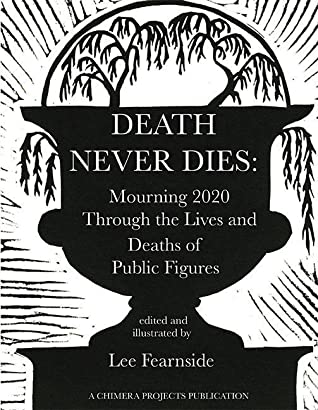
Let’s be honest – 2020 sucked. It pretty much sucked for everyone. We were all affected by a pandemic the likes of which our world hadn’t seen in 100 years, America was increasingly polarized, there was a tidal wave of protests against racial injustice, we had a tumultuous presidential election, and it feels like the list goes on and on. Developing this anthology and making the portraits of public figures who died was both obsession (I made a lino cut portrait every week, and I think I gave myself carpel tunnel) and balm. I wanted to try to make sense of my own grief by understanding others’ grief.
3) What theme or message do you hope readers will take away from your book?
My hope is that even amidst despair we can find hope in our collective experience. That even though 2020 sucked, the way through was together. That somehow by mourning these people, these celebrities and public figures and our complicated relationships with them, we could find connection.
4) What drew you into this particular genre?
In many ways this book is an extension of an anthology I edited and illustrated with my brother, published in 2018, that mourned celebrities who died in 2016. Perhaps these books serve as bookends to each other.
5) What social media site has been the most helpful in developing your readership?
Instagram is a way that I connect with other artists, and have been able to share work in progress from this and other projects.
6) What advice would you give to aspiring or just starting authors out there?
Just keep making. If you have a story to tell, you’ll find your audience. Yes, it’s a lot of work but your story is important, so keep using your voice.
7) What does the future hold in store for you? Any new books/projects on the horizon?
I’m working on a project about community. I’ve been interviewing people from all over the country and in all different fields about how they define community and how they work to create change. To date, the participants include a political candidate and Trump accuser, an urban planner, a human trafficking victims advocate, an immigration lawyer, a poet, a Franciscan nun, and more. Collectively the book creates a portrait of a community in America today. I hope to finish the book sometime later this year.
Advertisements
About the Author
Lee Fearnside is an artist and curator. Her photographic work has been exhibited in galleries and museums in New England, the Midwest and in national juried shows, including the Toledo Museum of Art, the Reece Museum and the New York Hall of Science. She published O! Relentless Death: Celebrity, Loss and Mourning with her brother in 2018, and the book won the Independent Voice Award gold medal from the Independent Publishers Book Awards and was a finalist in American Book Fest. She has curated group exhibitions around themes of sustainability, diversity, food systems and art from Ohio prisons, funded in part by grants from the Ohio Arts Council and the Ohio Humanities Council. Fearnside earned a BA from Smith College, a M.F.A in Photography from the Rhode Island School of Design, and a M.S. in Arts Administration from Drexel University.