
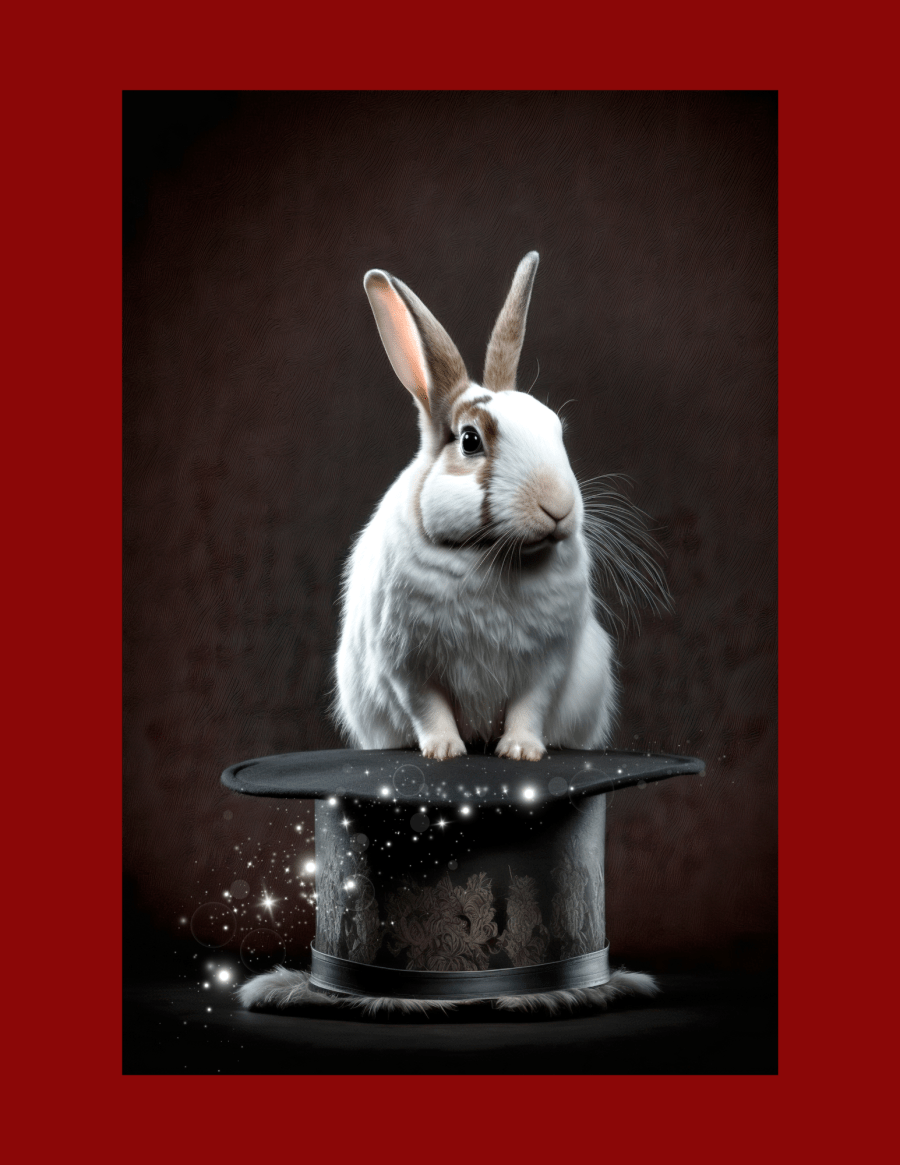
Guest Article: The Rabbit is Out by Julie Rogers

Untitled design (1).png

The Rabbit is Out

 So—some of the traditional lore around Lewis Carroll’s March Hare and the whole March Madness thing got me stewing.

Can writing (or reading, for that matter) exist as a purely magical experience or in a purely magical space?

I’d like to think so, even for those text-book yawners or codified how-tos on industrial intelligence, for example.

It’s just too damn hard otherwise.

But before we go down that rabbit hole, what exactly compels any of us to learn to read or write at all?
The list, of course, grew longer than I anticipated, even after condensing all the reasons we read into an E-list:
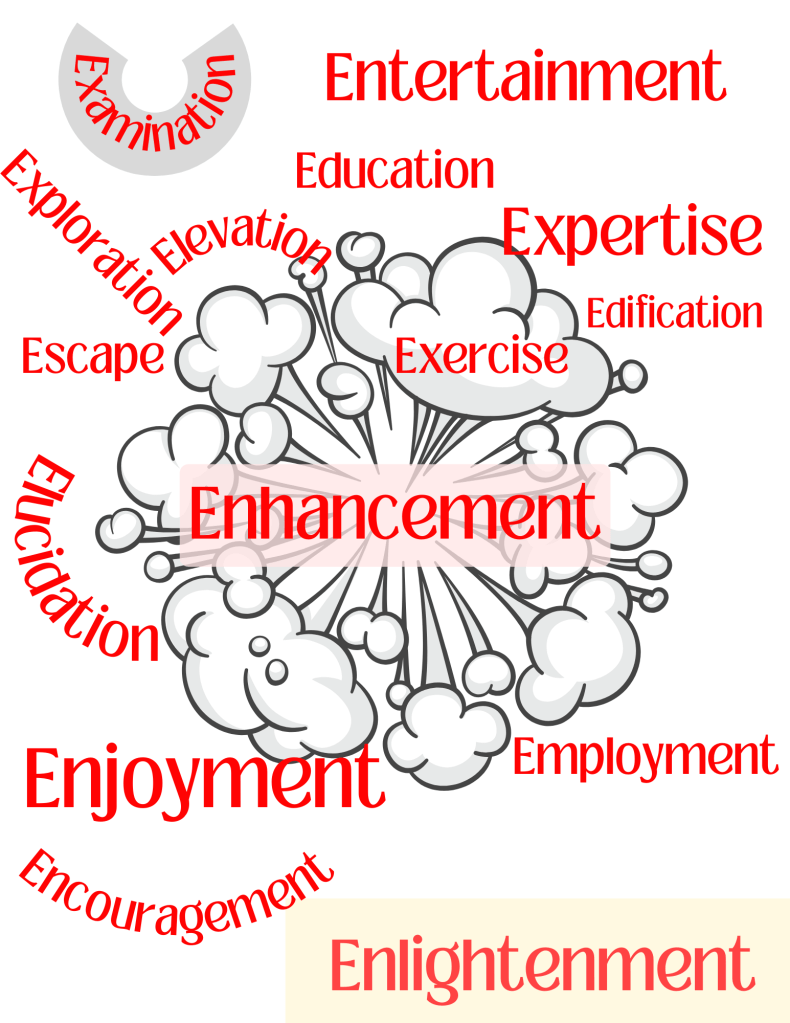
Likely there are more, but those are a few of the big ones. And while the lifeblood of traditional publishing continues to require someone(s) to successfully predict which books we’ll read (and for which reasons), I like to think about reading trends another way.

Maybe I’m old school. I look at all those E’s and to me, it still comes back around to this: writing and reading must ultimately touch our hearts in some way. So, we can cite reading trends until the cows come home, but the stories that stay with us (as a reader or a writer) talk to our hearts. Heart-stuff, the way you feel after digesting what you just read.

  • Did it help you in any way?
  • Did it raise questions?
  • Did you feel joy?
  • Did you find peace?
  • Did you make a new or stronger connection with something important to you?

I can spew out statistics as quickly as the next guy. Here they are:

1. Kindle hit its stride with electronic books in 2010.
2. YA dystopian fare rebounded in 2014. (Hunger Games, anyone?)
3. Audiobooks surged (again) in 2016. (Age Spoiler: I read audiobooks as early as 1994, on cassette.)
4. Tik Tok became the next go-to book resource in 2022. (Move over, Amazon?)

There’s the rub, though. Even if the rabbit is out about tomorrow’s reading trends, this still doesn’t tell me how to reach inside someone’s heart. Or how to reach inside my own.

Part of reaching the heart begins with recognizing that the heart is more than just a blood mover, more than just a pump. It’s a seine that strains through measured amounts of logic and emotional undercurrents clickety-clack every freaking minute of the day. Sometimes it pitches the sieve aside while we dream. The old ticker is always factoring and fidgeting, and occasionally it puts up defenses (I just can’t take on one more thing!) and tries to declare the kitchen closed.

We get stuck when writing because we don’t have confidence about what our heart really wants to say in the first place. If we don’t feel like reading a particular book, it’s because . . . our heart’s not in it at the moment.

When writing and reading move beyond skill sets, innate creativity, or art appreciation though—they’re going toward the level of the heart.

And at that level, there is magic.

Why, sometimes I’ve believed as many as six impossible things before breakfast.

The reason I think of writing as coming from a magical place is because it is an act of creating something from nothing.

Both the processes of writing and reading are entertaining ideas not yet manifest.

Until they are.

Pulling the rabbit out of the hat.

An activity that produces something living and viable outside of ourselves—that is creative magic. At times, we may even have to act as if in order to set the stage for what is, the reality we desire.
 
The part we can’t seem to get around: the magus inside also likes to imagine how life would be if anything could be done differently. As the magic in us stares down the daily mundane and those pesky, limiting laws of cause and effect, the heart is also innately considering how we might manipulate those realities for more desirable results . . .  if we could.

What if we could?

What if?


Your heart holds the paradigm shift from just writing to real writing and just reading to real reading.

But before you try to pull a rabbit out of a hat, you need time to set the stage. And, no worries. Your heart already has the ability to see things not only as what they are, but also as what they can be.

Yep, there’s a rabbit down there. I see it.

Sign up to receive Julie’s quarterly newsletter here.

Advertisements

About the Author

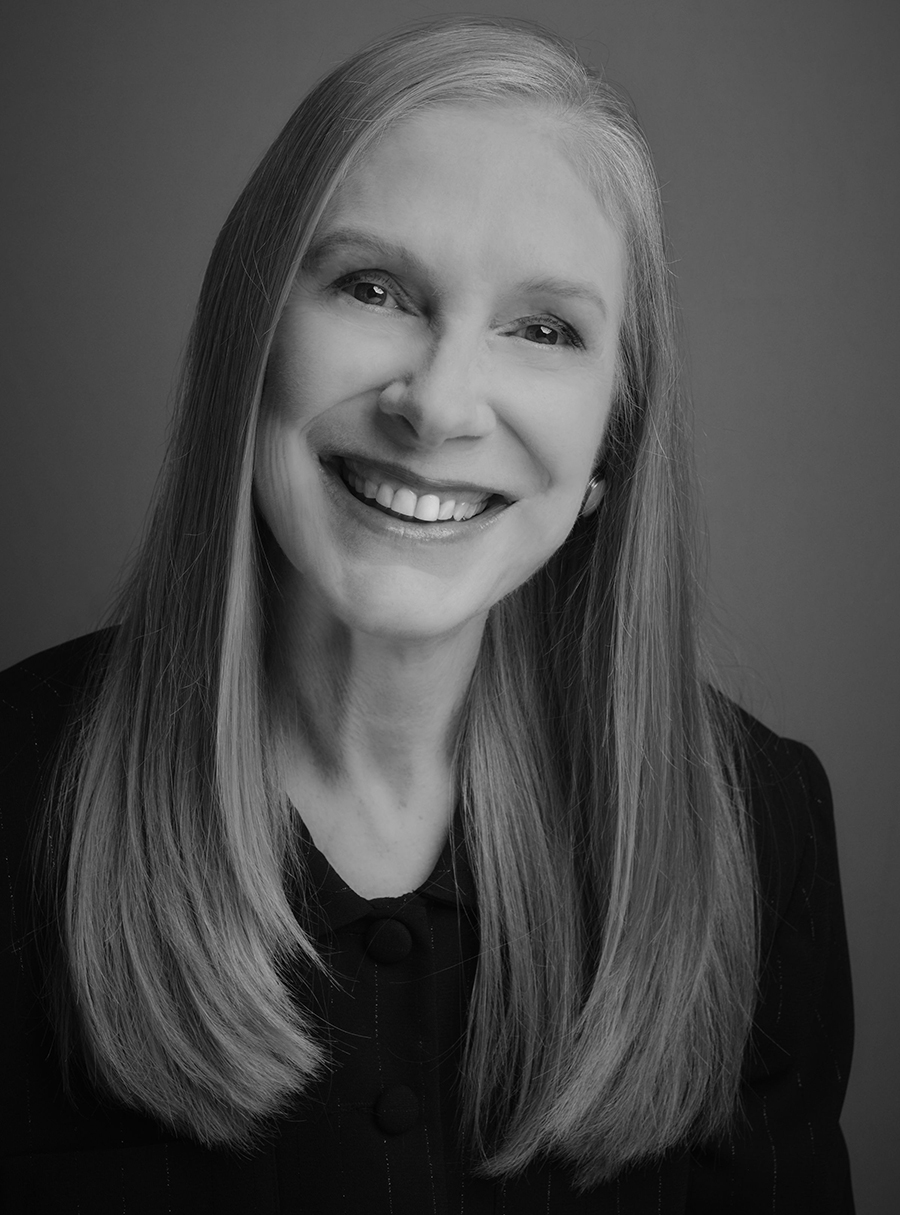
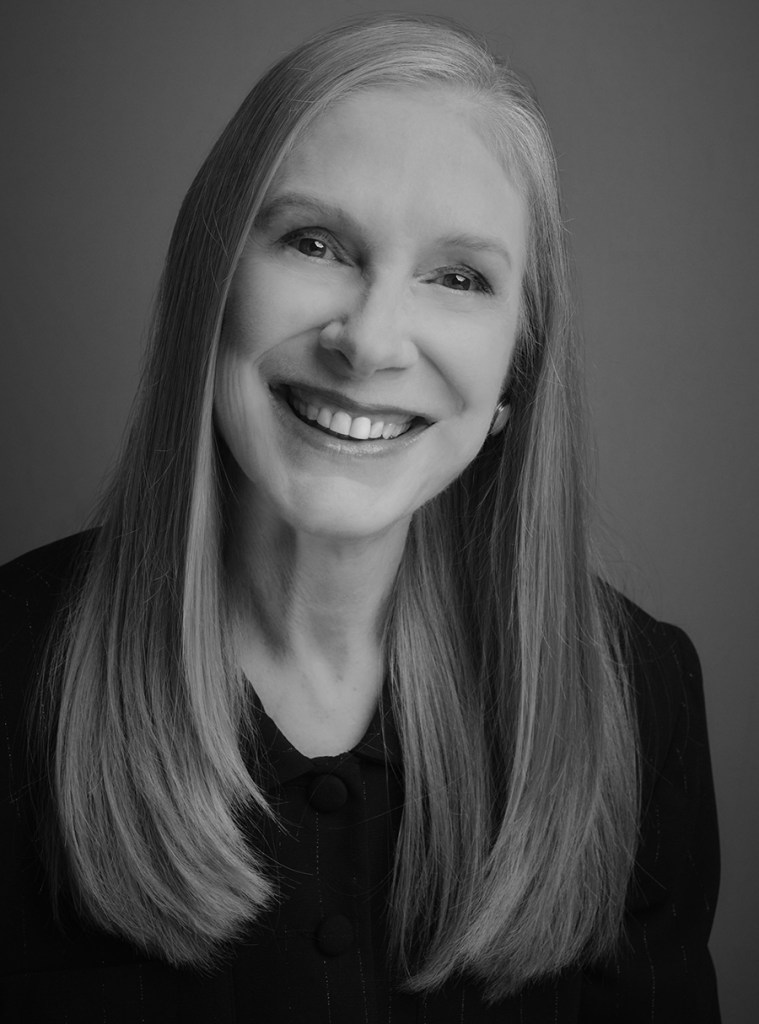
Julie is a multi-genre author. Her articles and stories are featured in self-help, inspirational, trade, and fiction publications including Writer’s DigestCoping With CancerComplete Woman, and Daily Meditation.

She is the 1999 Writer’s Digest Writing Competition Grand Prize Winner for her horror short story, “House Call.”

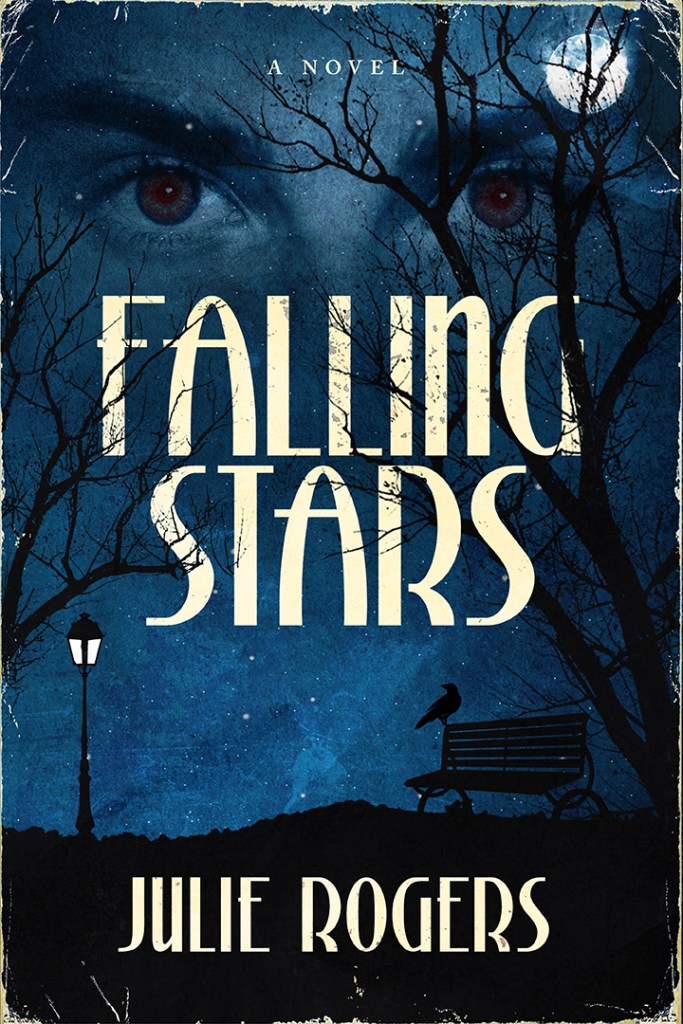
Her seventh novel,  Falling Stars, is an eleven-time award winner, including the 2023 International Firebird Awards First Place in Urban Fantasy, the 2023 Pinnacle Book Awards Best Book in Fantasy, and the 2023 Outstanding Creator Awards First Place in Medical Fiction.

Other awards include Fade In magazine’s 2005 Screenplay Semi-Finalist for the thriller, Grave Jumper, and the 1998 Writer’s Digest Writing Competition First for her stage play comedy, Garage Sale.Julie works as a remote freelance ghostwriter and editor for julierogersbooks.com and authorsassistant.com in Eureka Springs, Arkansas, the setting of her seventh book, Falling Stars. She lives there with her husband, Jim, a primary care physician, their furry children Madison, Kate, Sukie, and mollusks Dewey, Decimal, and System. She has one son, Seth, who works as a video game level designer in Austin.
Interview with Author Julie Rogers

1)    Tell us a little bit about yourself. How did you get into writing?


Growing up with several disabilities from Rubella (including a hearing impairment) was hard. Reading and studying music helped me understand speech patterns, idioms, and vernacular I might’ve otherwise missed. I started taking writing seriously after I won a themed essay competition in high school, which prompted me to consider an education in writing at Southern Methodist University—where I somehow managed to survive David and Betty Lynn McHam’s school of journalism. Upon graduation, however, my day job was an athletic trainer, and writing remained a side-hustle until my first book was hybrid published when I was forty. I’d decided to indie publish because most of my books color outside the lines—cross-genre and one-off projects that don’t fall within standard marketing comps.

In 2014, I began freelancing as a ghostwriter and editor with Upwork and James Innes Group. I later signed on with Edioak in New York City, an in-house editing partner for fourteen houses across the globe, publishers like Gamahouse Publishing and Simon & Schuster. Currently, I freelance as a developmental editor for authorsassistant.com and my own company, julierogersbooks.com. This type of work opens up literary avenues way beyond my own titles—projects from novellas to novel series, self-help, how-to, inspirational, spiritual, blog, technical, academic, resumes, and LinkedIn profile enhancements. Genres I write include YA, children’s, adult fantasy, stories based upon or inspired by true events, as well as contemporary, paranormal, and sci-fi romance, thriller, horror, and action adventure. I’ve also done some screenplays and screenplay doctoring along the way.

I enjoy helping indie authors from idea to launch, those who want to get quality books on board while avoiding some of the costly missteps I made.

Advertisements

2)    What inspired you to write your book?


Twenty years ago I had a story rolling around in my head, one with the depth and breadth of a classic. That was the goal I had in mind, you know—the situations, characters, and worlds converging into—well, this big book. Not commercial fiction (once again!) Also, I wanted a dilemma that avoided anything gratuitous, just the bare bones of two unbeatable issues: terminal illness and individual mortality. What do we do when we outlive someone, for example? That sort of stuff. These nemeses were challenging for me because they’re not your two-dimensional bad guys. Illness can be a nemesis, and cancer, a monster—but how do we show those in a compelling way?

Another idea came along and paired with the first one, remembering the boy in my third-grade class who was an avid fan of the TV cult classic Dark Shadows. This was in the daytime soap’s heyday after Canadian actor Jonathan Frid joined the show and its ratings went through the roof. I still wonder why my classmate chose live action role-playing, really before LARPing was a thing. I think he did it because he loved the TV show, and his theatrics were fun and games when school got boring.

He could’ve passed for a vampire himself, the complete package with the dark hair and eyes, the long cuspids—and his ability to act the part. He had a flashy cape too, not just any old cheap one, with which he regularly entertained our classroom performing Barnabas Collins impersonations. But it posed a question to me: what if a young boy roleplayed a vampire for a much more serious reason, and where would that take us?

I originally wrote Falling Stars as a screenplay and pitched it at the Maui Writers’ Convention in 2001 to Alison Rosenzweig, one of the producers of Windtalkers. I put it away with all the other pitches that weren’t greenlighted at the time and pulled it out again in 2021. In a novel, I had more room to weave in some of the incredible Eureka Springs’ history and develop the whole Claudius Fallon persona, this vampire-human hybrid who struggles with his own disease process, and how he integrates a successful art gallery into a tourist destination without being discovered.

3)    What theme or message do you hope readers will take away from your book?


A deeper exploration of our own biological mortality and the dilemma of outliving someone you love. I decided to take the risk of stepping outside boilerplate language, even if this created a circuitous narrative of sorts.

4) What drew you into this particular genre?


An education in journalism instills a love of learning and an openness to receive stories of all shapes and forms. Truth be told, Falling Stars is cross-genre—a mixture of urban fantasy, magical realism, historical fiction, and family drama.

5) If you could sit down with any character in your book, what would you ask them and why?

I think I’d choose Tommy Lucas because I found myself intrigued with his snarky little personality. As I wrote Tommy, I kept asking what he’d hope to gain from such aberrant behavior. Did it give him an edge? Courage to live another day? And how would he manage to carry on with such an attitude—so annoying, yet so loveable? I think I could easily get caught up in youthful bitterness because that kind of pluckiness seems to carry more innocence and hope.

Advertisements

6) What social media site has been the most helpful in developing your readership?

There are two: Tina Hogan’s Cuppa & A Natter Facebook group, and Story Origin.

7) What advice would you give to aspiring or just starting authors out there?

Trust the stories that inspire and intrigue you, what shows up at your heart’s door. Use all the writing resources available to you both locally and online. Friends and family who will take a first look should never be discounted. If anything, it’s easy for a new writer today to become overwhelmed and confused by the excess of resources available. Every writer will make a different journey, and no one journey is better than the other. All of us are a mix of mastery and mistakes. Study the language. Get used to getting back up and dusting yourself off.

8) What does the future hold in store for you? Any new books/projects on the horizon?

I’m currently shopping two screenplays, one I co-wrote with Nashville musician Bart Bryars, as well as my own screen adaptation of Falling Stars. An audiobook version of Falling Stars will be available soon, narrated by actor Keith Michael Pinault.

I also feel like it’s time to dust off my backlist with new covers, content, and whatnot. I’m noodling on a trilogy in the magical realism vein and plan to continue working as a freelance editor and ghostwriter. I’ve recently begun hosting the Write Now podcast for the Writers’ Colony at Dairy Hollow. And of course, there’s a new time-management breakout I enjoy sharing with other creatives at workshops, The New Time Paradigm.

FB: https://www.facebook.com/profile.php?id=100089579155275

Instagram: https://www.instagram.com/julierogersbooks/

X: https://twitter.com/BooksRogers

Website: https://julierogersbooks.com

TikTok: www.tiktok.com/@julierogersbooks

LinkedIn: https://www.linkedin.com/in/julierogersbooks/

YouTube: http://www.youtube.com/@authorjulierogers6645

Advertisements

About the Author

Julie is a multi-genre author. Her articles and stories are featured in self-help, inspirational, trade, and fiction publications including Writer’s DigestCoping With CancerComplete Woman, and Daily Meditation.

She is the 1999 Writer’s Digest Writing Competition Grand Prize Winner for her horror short story, “House Call.”

Her seventh novel,  Falling Stars, is an eleven-time award winner, including the 2023 International Firebird Awards First Place in Urban Fantasy, the 2023 Pinnacle Book Awards Best Book in Fantasy, and the 2023 Outstanding Creator Awards First Place in Medical Fiction.

Other awards include Fade In magazine’s 2005 Screenplay Semi-Finalist for the thriller, Grave Jumper, and the 1998 Writer’s Digest Writing Competition First for her stage play comedy, Garage Sale.

Julie works as a remote freelance ghostwriter and editor for julierogersbooks.com and authorsassistant.com in Eureka Springs, Arkansas, the setting of her seventh book, Falling Stars. She lives there with her husband, Jim, a primary care physician, their furry children Madison, Kate, Sukie, and mollusks Dewey, Decimal, and System. She has one son, Seth, who works as a video game level designer in Austin.
Falling Stars by Julie Rogers Review

I received a free copy of this book in exchange for a fair and honest review. All opinions are my own. 

A young boy seeking a magic cure to his illness befriends a local artist, who may hold the secret to the boy’s journey as he falls for the boy’s mother at the same time in author Julie Rogers’s “Falling Stars”. 

Advertisements

The Synopsis

Everyone says vampires aren’t real. Tommy Lucas isn’t so sure.

Nine-year-old Tommy Lucas needs a bone marrow transplant to survive. But he’s convinced his disease is a curse on his bloodline, that he’s a vampire. His mother’s an oncologist, but Tommy believes only magic can cure him—or the same synthetic blood substitute developed for urban legend Viscount Claudius Fallon.

Tommy is stoked when he discovers a five-part series about Fallon in an online pulp fiction magazine called Philly’s Argosy. Descended from a ruling class of vampires in Cardiff, legend has it that Fallon traveled to Eureka Springs, Arkansas seeking a cure for his own leukemia during WWII.

Tommy’s quest leads him to befriend local artist and gallery owner Callan Masters, who struggles with his growing affection for Tommy’s mom, June—for he is Fallon, cured in 1939 at Norman G. Baker Cure-for-Cancer Hospital.

Dedicated to living off-grid and as a human, Callan must decide whether he will take the risk involved in helping Tommy or falling in love with June. His bite is no longer capable of turning anyone—or so he thinks.

New Logo

The Review

This was such a compelling read. The author did a wonderful job of weaving together fantasy and historical fiction elements, taking readers on a journey between magic and reality. The story’s profound atmospheric nature and the imagery of the author’s writing style brought the reader into the narrative, keeping them brilliantly immersed in the characters’ lives.

Yet despite the fantastic depths of the fantasy and magical realism that the author imbued this story with, the true heart of this novel was the immense and profound humanity found within these characters. The themes of family, love, and what we are willing to sacrifice to save or protect those we love all play a vital role in the story. These characters’ relatable nature and journey made the story feel tangible and heartfelt.

Summer 2023

The Verdict

Memorable, engaging, and thoughtfully written author Julie Rogers’s “Falling Stars” is a must-read fantasy meets historical fiction and magical realism novel. The heart and compassion found within these characters and their struggles balanced the narrative’s more fantastic elements, keeping readers invested until the book’s final pages. If you haven’t yet, be sure to grab your copy today!

Rating: 10/10

Advertisements

About the Author

Julie Rogers’s award-winning articles and stories have been featured in trade, self-help, inspirational, and fiction publications including Writer’s Digest, Coping With Cancer, Daily Meditation, Mocha Memoirs, Anotherealm, Horsethief’s Journal, Images Inscript, Complete Woman, and the annual anthology Writes of Passage: Every Woman has a Story!

She is the author of the the urban fantasy Falling Stars, the self-help books Happy Tails: How Pets Can Help You Survive Divorce and Simeon: A Greater Reality, the ghost story collection Seven Shorts, the inspirational upper-elementary reader, Hootie, the romantic comedy When Pigs Fly Over The Moon, and co-author of the existential teen guide Letters: Sidereal Insight for a 21st Century Mystic.

Julie currently ghostwrites creative fiction for clients through Julie Rogers’s Books, Edioak, and The Authors’ Assistant.

julierogersbooks.com

Follow me on Facebook and Instagram