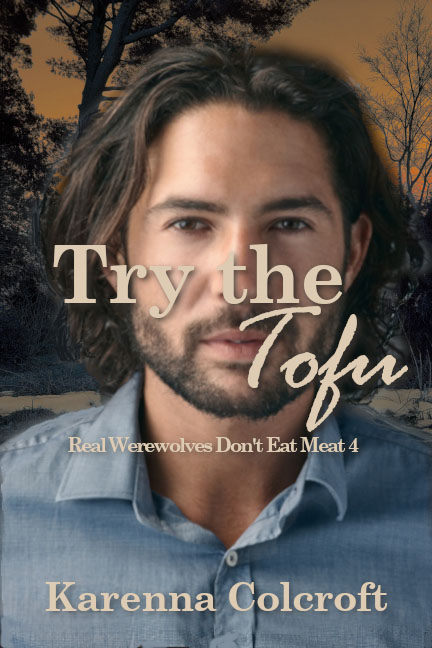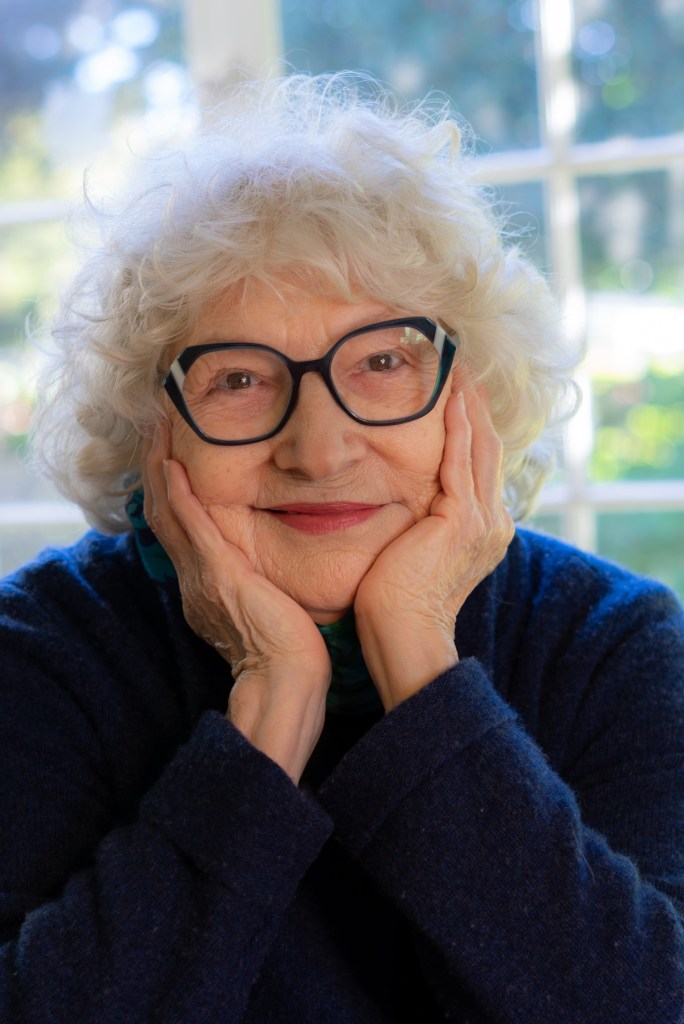
I am so thrilled to host author Allen Wyler as he discusses the inspiration behind his award-nominated novel, Dead End Deal!
My 2013 Thriller Award nominee, Dead End Deal, has recently been republished by Stairway Press and is available on Amazon in either paperback or Kindle format.
This fast-paced thriller was originally published by Astor+Blue (New York), but when they were sold to a London publishing house, I didn’t sign a contract with them for a variety of reasons. And so, without a publisher, the book simply stopped being sold and promoted. Then a year ago I pitched the idea of republishing it to Stairway Press, my present publisher. They jumped on it.
Got the idea for the story when I was a guest lecturer in Seoul and was writing stand-alone medical thrillers instead of my present cybercrime series. Here’s a thumbnail synopsis of Dead End Deal:
When top-gun neurosurgeon John Ritter is framed for the murder of patients in a Seoul Korea hospital he becomes the focus of an intense police manhunt in addition to being the target of an international hit man. Without a passport or friends, he must find a way to escape Korea and stay alive long enough to return safely to the United States to clear his name and eliminate the bounty on his life.
This book remains one of my favorite works. I hope that readers will download a free sample from Amazon and give the opening chapters a test read:
Allen’s thrillers have twice been nominated for the prestigious Thriller Award. He has served on the Board of Directors of the International Thriller Writers and is also an active member of the North American Crime Writers and Mystery Writers of America. He lives in Seattle.
Hey guys! Today I am happy to share this amazing guest post/article from writer Virginia Cooper, who is here to share some tips on how artists in all fields can get their work discovered. I hope you will all enjoy this and be sure to follow the author’s website to learn more.
From Sidelined to Spotlight: Tips for Artists to Get Discovered
Being a creative individual – whether it’s through writing, fashion design, art, or craft-making – can be a challenging and rewarding career path. However, getting your work discovered can be a daunting task for many creatives who are just starting out. Courtesy of Author Anthony Avina’s Blog, here are some creative ways for artists, makers, and fashion designers to get discovered.
Powerful Online Presence
One of the most effective ways for writers and creatives to get discovered is by building a strong online presence. Social media platforms can be incredibly helpful in getting your work in front of a wider audience. Posting high-quality photos of your work, creating engaging content, and using appropriate hashtags can help increase your chances of being discovered by potential customers and collaborators. Additionally, having a personal website or online portfolio that showcases your work in a professional manner can help you establish credibility and make a lasting impression on potential clients or collaborators.
Doing Business
Attending industry events such as trade shows, conferences, and exhibitions can be instrumental in getting your work viewed by industry professionals and potential buyers. These events offer opportunities to make new connections, learn about current trends, and gain exposure for your brand. Come prepared with business cards and a clear pitch about your work to make a lasting impression.
You might also want to consider setting up your own limited liability company (LLC) for the legal protections and tax benefits that come with it. If you aren’t sure how to start an LLC in California, try enlisting the help of an online formation service that’s already well-acquainted with local state business regulations.
Enter Competitions
Submitting your work to competitions and juried shows can be a great way to gain recognition and exposure for your work. Winning or placing in a competition can be a powerful tool for gaining credibility and attracting potential buyers or collaborators. Research the various competitions and shows that align with your artistic or design aesthetic, and be sure to submit your best work.
Work Together With Other Artists
Collaborating with other artists, makers, and fashion designers can help increase your exposure and generate new ideas and inspiration. Seek out like-minded individuals who share similar values and aesthetics, and explore opportunities for collaboration. Collaborating on a project or event can also help generate buzz and create excitement around your work.
Speaking of collaboration, if you set up your business and you’re looking for investors, it might be a good idea to take a moment and check your credit report first. After all, the last thing you want is an unwelcome surprise just as your business is starting to grow and catch some attention.
Traditional Marketing
While digital marketing strategies can provide great results, using traditional methods should not be underestimated. Creating and dispersing flyers or postcards can be a successful approach to promoting your work locally. To target the right audience, consider placing your flyers in establishments that cater to the same demographic.
Local Events and Pop-Ups
Participating in local events or pop-up shops can be a great way to gain exposure for your work. Research events in your area that align with your brand or aesthetic, and consider reserving a table or booth to showcase your work. Pop-ups are also becoming increasingly popular and can offer a low-risk way to test the waters and gain valuable feedback from potential customers.
Workshops and Courses
Participating in workshops or courses that align with your creative interests can help you learn new techniques and expand your network. Seek out opportunities to learn from experts in your field, and use these events as an opportunity to network and make new connections. By attending creative events, you can spark your creativity and find new inspiration for your work.
In conclusion, there are many creative ways for writers, artists, makers, and fashion designers to get discovered. Building a strong online presence, attending industry events, trying old-school marketing methods, and showcasing your work at local events or pop-up shops can all be effective strategies for gaining exposure and getting your work in front of potential customers and collaborators. Remember to stay true to your artistic vision and values, and don’t be afraid to put yourself out there.
I know I’m addressing you by your maiden name. Don’t panic. You’re not in the midst of a divorce. Your marriage is strong, even with the craziness of trying to wrangle five children, but in ten years, this is the name you will be using hundreds of times a week. There’s a good reason for it, one that I’m sure will shock you, but let’s not get ahead of ourselves.
Recently, you celebrated a big milestone—turning forty. I know it sounds old right now, but this is the best decade of your life. Some big changes are coming your way, and you’re about to accomplish something you didn’t realize or even know you wanted to do.
Your thirties were a rollercoaster. You were a bundle of nervous energy. A third pregnancy, the loss of beloved family members, a painful divorce, falling in love all over again, another marriage, and becoming a stepmother to two small children. But good news, you have a full and happy nest, though the decade is a blur of soccer games, carpool runs, homework, and never-ending trips to the grocery store. Feeding a household of seven can be exhausting. But you will start changing in your forties. Don’t get me wrong, you will still do all those things, but know this. Those little birds will fly away. Sooner than you think, and your realization of that fact sets you on a path that will change your life.
Now here’s another “don’t panic” moment, around forty-five, you’re going to have a little mid-life crisis. Don’t freak out. You won’t buy an expensive car or alter your appearance, though you will be going to the salon more often because your hair color will betray you, and you’ll start to question your choices.
What have I accomplished with my life other than being a wife and mother? When my children are gone, who will I be?
This will be on a continuous loop in your mind, and on your worst days, you’ll start regretting your decision to leave that corporate job to raise those wonderful, infuriating children. Most people would say to ignore that inner voice, but I’m telling you to listen to it because it will propel you into something unimaginable.
After reevaluating your life, you’ll start journaling. That lasts about a week because you’ll hate it. Then, you’ll do something extraordinary —you’ll develop a character, getting to know her through your imagination. You’ll spend countless hours with her, developing her backstory, creating her world, and fleshing out her fears. You’ll laugh, cry, and grow with her, and before you know it, you’ll type the words…THE END. Hope, you write a book! I know you’ve not written anything longer than an email since college, but somehow, you turned that mini-midlife crisis into a novel that will be published by Red Adept, with the audio rights being sold to Blackstone. Oh. And they make you change your name, but that’s okay because Cummiskey is hard to spell and Gibbs was your name first.
Now in your fifties, your days are filled with writing, and it’s wonderful. You need it as much as you need tennis. Don’t worry, you still play multiple times a week even though you’ll have three knee surgeries in the next ten years. It’s okay, you have a great orthopedist. Every day you’re surrounded by a warm and welcoming community of writers and readers. You’ll also be the host of a monthly Facebook Live program for over 5,000 bibliophiles and start a podcast. I’ll explain what that is later.
The next ten years will define you. Enjoy every second of it. And remember, you’re never too old to follow your dreams.
P.S. Your two stepchildren will ask you to officially adopt them on Christmas morning in 2020. You’ll cry your eyes out.
Advertisements
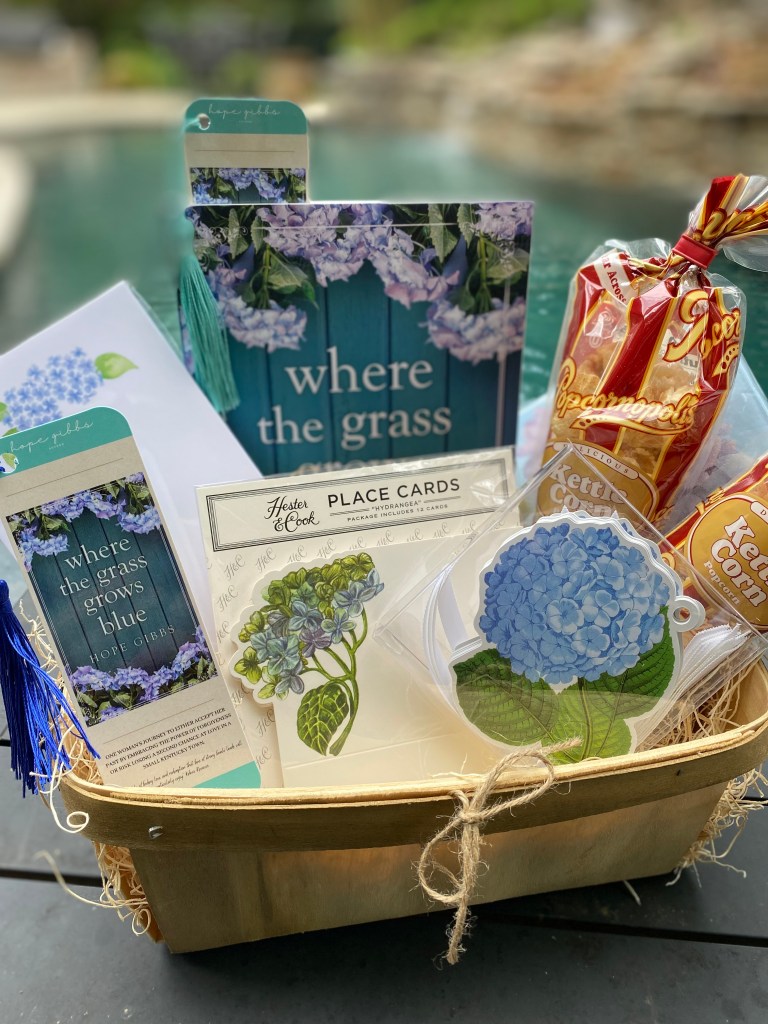
Synopsis (from Amazon):
Penny Crenshaw’s divorce and her husband’s swift remarriage to a much younger woman have been hot topics around Atlanta’s social circles. After a year of enduring the cruel gossip, Penny leaps from the frying pan into the fire by heading back to Kentucky to settle her grandmother’s estate.
Reluctantly, Penny travels to her hometown of Camden, knowing she will be stirring up all the ghosts from her turbulent childhood. But not all her problems stem from a dysfunctional family.
One of Penny’s greatest sources of pain lives just down the street: Bradley Hitchens, her childhood best friend, the keeper of her darkest secrets, and the boy who shattered her heart.
As Penny struggles with sorting through her grandmother’s house and her own memories, a colorful group of friends drifts back into her life, reminding her of the unique warmth, fellowship, and romance that only the Bluegrass state can provide. Now that fate has forced Penny back, she must either let go of the scars of her past or risk losing a second chance at love.
Hope Gibbs grew up in rural Scottsville, Kentucky. As the daughter of an English teacher, she was raised to value the importance of good storytelling from an early age. Today, she’s an avid reader of women’s fiction. Drawn to multi-generational family sagas, relationship issues, and the complexities of being a woman, she translates those themes into her own writing.
Hope lives in Tennessee with her husband and her persnickety Shih Tzu, Harley. She is also the mother of five. In her downtime, she loves playing tennis, poring over old church cookbooks, singing karaoke, curling up on her favorite chair with a book, and playing board games. Hope has a B.A. from Western Kentucky University and is a member of the Women’s Fiction Writers Association.
“In Where the Grass Grows Blue, Hope Gibbs examines Penny Crenshaw’s journey to pick up the pieces and begin again after divorce. But this mother of three sons soon learns that if she wants to move forward, she’ll have to first go back to the start. Readers will enjoy this fast-paced southern story about second-chances, lifelong friendships, and the healing power of forgiveness.”–Julie Cantrell, New York Times and USA Today bestselling author of Perennials
“Where The Grass Grows Blue hit me in all the right places. Young lovers separated by a misunderstanding reunite twenty years later, only to discover that although their love never faded, their choices are insurmountable. Or are they? Gibbs skillfully weaves the dark side of life with the beauty of a love that has only grown stronger over time. Keep an eye on this author–she is one to watch!”–Barbara Conrey, USA Today Bestselling Author of Nowhere Near Goodbye
“Hope Gibbs’ debut, Where the Grass Grows Blue, is worthy of taking its place among true Southern fiction novels where the banter is witty and the women are true steel magnolias. It’s a delightful, engaging story about following your heart.”–Grace Sammon, Award-Winning Author ofThe Eves, and host of The Storytellers
“Where the Grass Grows Blue is the most authentic and endearing book I’ve read in ages. Penny’s difficult and heartbreaking rural background in Kentucky (the Bluegrass state) and her high society life in Atlanta could not be more different. But when she can’t hide from her past anymore, her life comes full circle. I think Penny is my new fictional best friend. There were times I wanted to read quickly to see how everything unfolds, but this story is to be savored. Don’t rush this Southern gem.”–Cindy Dorminy, author of The Foster Wife and In a Jam
“Hope Gibbs drops the reader into a colorful, southern, small-town setting where Penny Crenshaw—a divorced mother with a tumultuous childhood—is desperate to outrun her past. Where The Grass Grows Blue is one woman’s story of perseverance despite her painful past. A story of small-town living and second chances, romance and resilience, friendship and forgiveness. One you’ll think of long after you turn the last page.”–Jill Hannah Anderson, Author of A Life Unraveled, The To-Hell-And-Back Club, and Crazy Little Town Called Love
“Where The Grass Grows Blue is an evocative story with a Southern flair about going back to the place that brought so much pain for a second chance at love and redefining oneself. This is one you’ll fall in love with.”–Donna Norman-Carbone, Author of All That Is Sacred
Advertisements
Author Interview
On writing:
How did you do research for your book?
Where the Grass Grows Blue is set in Kentucky, where I was born and raised, so I was comfortable with most topics—food, dialogue, and setting. But I did write in flashbacks and had to study pop culture during those decades so as to not get the year wrong. I also had to do some serious research into genetic diseases, as they are a plot point for my protagonist.
Which was the hardest character to write? The easiest?
The hardest to write by far was the main character, Penny. She is a complicated and sometimes frustrating character by design.
The easiest was Bradley, her love interest. I might have developed a literary crush on him while writing.
Where do you get inspiration for your stories?
I want to bring the charm of the South to a wider community of readers. It’s my goal to immerse them in the culture, food, and characters, so I look around my surroundings or dig back to my upbringing to find inspiration.
What advice would you give budding writers?
In the words of Nike, “Just do it!” You’ll never know unless you try. Of course, there are going to be bumps, sometimes mountains, along the way, but if you believe in yourself, your voice, and find the right support system, you can make it happen too.
Your book is set in Kentucky. Have you ever been there?
I was born and raised in the Bluegrass State. I still consider it home, though I’ve been gone for decades.
If you could put yourself as a character in your book, who would you be?
Penny’s best friend, Dakota. She is a truth-teller and doesn’t worry about what anyone thinks of her. She’s also fiercely loyal.
Do you have another profession besides writing?
I was a stay-at-home mother of five for twenty-five years. A few years ago, I started re-evaluating my life. At that point, it hit me. My children would soon be leaving for college. So I started “journaling” on a laptop. That lasted about a week before I noticed I wasn’t writing about my feelings or goals—I was creating a character. Now that my children are grown, I’m writing full-time. But that’s only one part of my “writing life.” I’m also a tour guide for Bookish Road Trip, an upbeat community of book lovers, authors, and bibliophiles. You can find them on Facebook, Instagram, and on their website. I’m in charge of the Author Take the Wheel program.
How long have you been writing?
I started about five years ago. It’s been a wonderful creative outlet.
Do you ever get writer’s block? What helps you overcome it?
Of course. Music has been a huge part of my creative process. It really inspires me and allows my mind to go places, creating new worlds. Also, running and exercise helps. Some of my best ideas happen when I work out.
What is your next project?
I’m almost finished with my second book, Ashes to Ashes. It’s an upmarket fiction book, set in the South, of course, that focuses on a tight-knit group of women whose world is rocked after the unexpected death of their dear friend, Ellen, under mysterious circumstances. But before they can even process their grief, they stumble across a web of secrets and lies, unraveling Ellen’s perfect life—the one she tried so hard to project to the outside world. Now they must rely on each other to find out who the real Ellen Foster was while grappling with the idea that they never really knew her at all.
What genre do you write in?
Women’s fiction and contemporary romance. But my third book will be historical fiction because it’s set in the early 1970s. I don’t want to be boxed into one genre.
What is the last great book you’ve read?
On Gin Lane by Brooke Lea Foster. I can’t tell you how much I loved that book.
What is a favorite compliment you have received on your writing?
“The author’s writing was like paint on a canvas, creating a vibrant picture of life in Kentucky, so much so that I was easily transported there.” Reader Views review.
If your book were made into a movie, who would star in the leading roles?
This is fun! Because it has dual timelines (flashbacks to the 70s and 80s and a “current” timeline set in 2009), I would have to cast young and older actors.
For the adult Penny, Elizabeth Olsen would be the perfect choice and for the younger version, circa 1985–89, it would absolutely be Sadie Sink. The adult Bradley? It’s Henry Cavill all the way with Tanner Buchanan taking the younger role.
As for Ruby Ray, Penny’s beloved grandmother, she would be played by Laura Dern (in the 1970s flashback) and Diane Ladd as the older Ruby Ray. They are two of my favorite actresses of all time and they are mother and daughter.
And finally, Dakota, Penny’s best friend with a salty tongue, would be played by Rashida Jones while Margo Martindale would make a fine Miss Paulette, Camden, Kentucky’s premier town gossip.
Maybe I should be a casting agent!
If your book were made into a movie, what songs would be on the soundtrack?
It’s funny you should ask. I literally made a playlist for this book as I was writing it. Whenever I was in the car or exercising, I listened to it over and over again.
Name by Goo Goo Dolls
American Girl by Tom Petty
Heaven by Brian Adams
When the Roll is Called Up Yonder by Johnny Cash
Cruel Summer by Bananarama
Let It Be Me by Ray LaMontagne
Feels Like Home by Edwina Hayes
The Promise by Tracy Chapman
Fix You by Coldplay
All That You Are by Goo Goo Dolls
What were the biggest rewards and challenges with writing your book?
The biggest challenge was deciding where to start. To be honest with you, I had no idea what I was doing. I spent about three and a half years writing, rewriting, and editing my novel, Where the Grass Grows Blue completely by myself. This was the first book I had ever written, so there was a lot of trial and error involved.
What is one piece of advice you would give to an aspiring author?
Write, write, write. It’s the only way to get better. Also, I suggest joining writing groups. I’m a member of the WFWA (Women’s Fiction Writers Association). It’s been a wealth of knowledge and has connected me to so many authors and aspiring writers, who are the most generous people on the planet with their time and advice.
Which authors inspired you to write?
Elin Hilderbrand. She’s the reason I started writing in the first place. I adore her. I even traveled to Nantucket last fall with a group of girlfriends to have the Elin “experience.” It was an absolute blast, plus I met her! On my website, you can find a blog post I wrote about that trip.
On rituals:
Do you snack while writing? Favorite snack?
Since I can write anywhere, I grab whatever is available, but I am partial to milk chocolate and coffee. If I’m craving salt, Pringles and popcorn are my go-to foods.
Where do you write?
When I started writing, I was a busy mother with four children at home and one in college. Every free moment, I wrote when I had the chance. In the beginning, it was usually after dinner, when my children were busy with homework and my kitchen was clean. But that only got me so far. With a house full of active children who played multiple sports, I took every “free” opportunity I could get. I started toting around my laptop to basketball, football, lacrosse, and soccer games when there was a break in the action in case something struck me.
Do you write every day?
Yes.
What is your writing schedule?
I don’t have a “schedule” per se. I write whenever I can find the time.
In today’s tech savvy world, most writers use a computer or laptop. Have you ever written parts of your book on paper?
Not for Where the Grass Grows Blue, but for my third book, Tobacco Road, I plotted it out by hand.
Fun stuff:
If you could go back in time, where would you go?
I’d rather be transported to the future instead.
Favorite travel spot?
Sea Island, Georgia. It’s my happy place.
Favorite dessert?
That’s so hard! I have an incorrigible sweet tooth. I love crème brulee, but I’m also a sucker for a good old-fashioned peach cobbler with tons of ice cream.
If you were stuck on a deserted island, which 3 books would you want with you?
The Age of Innocence
Gone Girl
Any book on how to survive on a deserted island. If nothing else, I am practical.
What’s the strangest thing that ever happened to you?
A car literally ran into my house, missing me by inches. There were skid marks in my foyer. That was certainly a weird day.
Any hobbies?
I’m a tennis player. I’m currently on seven teams. Wait, did you ask if I had an obsession?
If there is one thing you want readers to remember about you, what would it be?
I’m proof that it’s never too late to follow a dream.
What TV series are you currently binge watching?
Queen Charlotte: A Bridgerton Story on Netflix.
What is your theme song?
My Life by Billy Joel or the Theme Song to Rudy…I’m short but determined.
What is your favorite holiday tradition?
Easy. Making my grandmother’s bunny cakes every Easter. She taught me, and now I’ve passed it down to my daughter. I’ve made hundreds of them since I was a little girl.
What song is currently playing on a loop in your head?
The Promise by Tracy Chapman. It reminds me of Penny and Bradley’s story.
What is your go-to breakfast item?
One scrambled egg, black coffee, and skim milk. I LOVE milk.
What is the oldest item of clothing you own?
My navy blue Kentucky sweatshirt that’s over three decades old…but it’s still holding up. I wear it weekly, no matter the season.
Tell us about your longest friendship.
I met her on the first day of first grade. She’s still one of my dearest friends, after forty-six years.
Who was your childhood celebrity crush?
Jason Bateman, hands down. Still not a bad choice today.
I have never been dogless. When I was a child, my family had a succession of pooches of various breeds. As an adult, my kids and I adopted a string of dogs, including two incorrigible beagles and a lovely golden retriever named Juliet.
After my children were grown, I decided to trade the cold winters of upstate New York for the endless summer of coastal Florida, where I could enjoy the sunshine and write more books. There was a hitch, though—faithful Juliet disliked hot weather, so my son gladly took her in.
Being dogless gave me the freedom to pursue new pastimes in my new home: paddling my kayak, exploring the beaches, and planning my next novel. But then, an emptiness hit me. No damp doggy nose nudging me awake in the morning, nobody wagging their fanny off in greeting when I arrived home. My beach walks were solitary, and the space next to me on the couch was sadly vacant when I curled up to read in the evening. My writing suffered, too. With all the disruption of moving, the daily writing routine I’d worked so hard to cultivate was in danger of falling apart.
What to do? I wasn’t sure at first. Then one day, while sorting through my boxes, I came across a photo of a house I’d lived in twenty years ago. I recalled the wintry day when my young family moved in. The driveway was so long and narrow that the moving van had to park on the road, and the crew schlepped our belongings up to the house by hand. The cheerful driver wasn’t fazed though, because he had a secret power hidden inside his truck. “Mind if I let my dog out to play with yours?” he asked, and of course I agreed.
Next thing, a little dude named Edgar came bounding through the gate. He had short, stumpy legs, a ridiculously long back, and tall, pointy ears like satellite dishes. Where his tail should have been, there was only a fluffy pair of buns that resembled oven-browned loaves of bread. Edgar launched himself across the snowy backyard like a ping pong ball on steroids. “He’s a corgi,” his owner informed me, and I was instantly smitten.
As I sat there with my memories, a realization dawned: I need to get a dog. A month later, I acquired Pekoe, a 10-week-old Pembroke Welsh Corgi, and all heck broke loose. Having a puppy forced me to rise with the birds in the morning, for urgent potty and walkies. The vet had warned me that corgis tend to think they’re the boss of the world, so I worked diligently on Pekoe’s obedience training. Needless to say, she wasn’t too psyched about the whole doing-what-you’re-told thing, but I persevered. I developed a daily routine with a healthy blend of play time, training and naps, and structured my writing time around it.
The discipline of a daily schedule worked wonders with my pup, and it also jump-started my stalled writing life. The four basic commands I taught Pekoe—COME, SIT, STAY, FETCH—were essential to her training; and in a happy coincidence, I found they could be applied to my writing as well.
Take COME, for instance. When the muse knocks, the writer must come to greet her, or risk her disappearing into the dreaded maw of writer’s block. Then there’s SIT. Your book won’t get written if your butt is traipsing around town, instead of at home in that desk chair where it belongs. And once you’re seated at the keyboard, you must STAY. Silence those pesky notifications and close the door, because it’s writin’ time! The last command you must master is FETCH. Your book ain’t gonna write itself, so let’s get after it! Clamp those needle-like puppy teeth around your story, give the muse a ferocious growl, and don’t let go until it’s done.
I’m happy to report that Pekoe has grown into a happy, healthy, and reasonably obedient corgi who only occasionally indulges her fantasy of being the supreme leader of the universe. With plenty of loving care, I hope to have Her Royal Corginess by my side for many more years and books to come. If you’d like a glimpse of Pekoe’s life of leisure, she’d be delighted to have you follow her on Instagram at #pekoecorgi.
Advertisements
About the Author
Regina is a registered nurse-turned-writer who was raised in beautiful upstate New York, where she spent many happy years exploring the winding back roads and scenic hiking trails of the Adirondack mountain region. She recently traded the snowy northern winters for the tropical breezes of the Sunshine State, where her favorite pastimes are kayaking among the mangroves, strolling the gorgeous beaches, and attempting to teach tricks to her boisterous corgi.
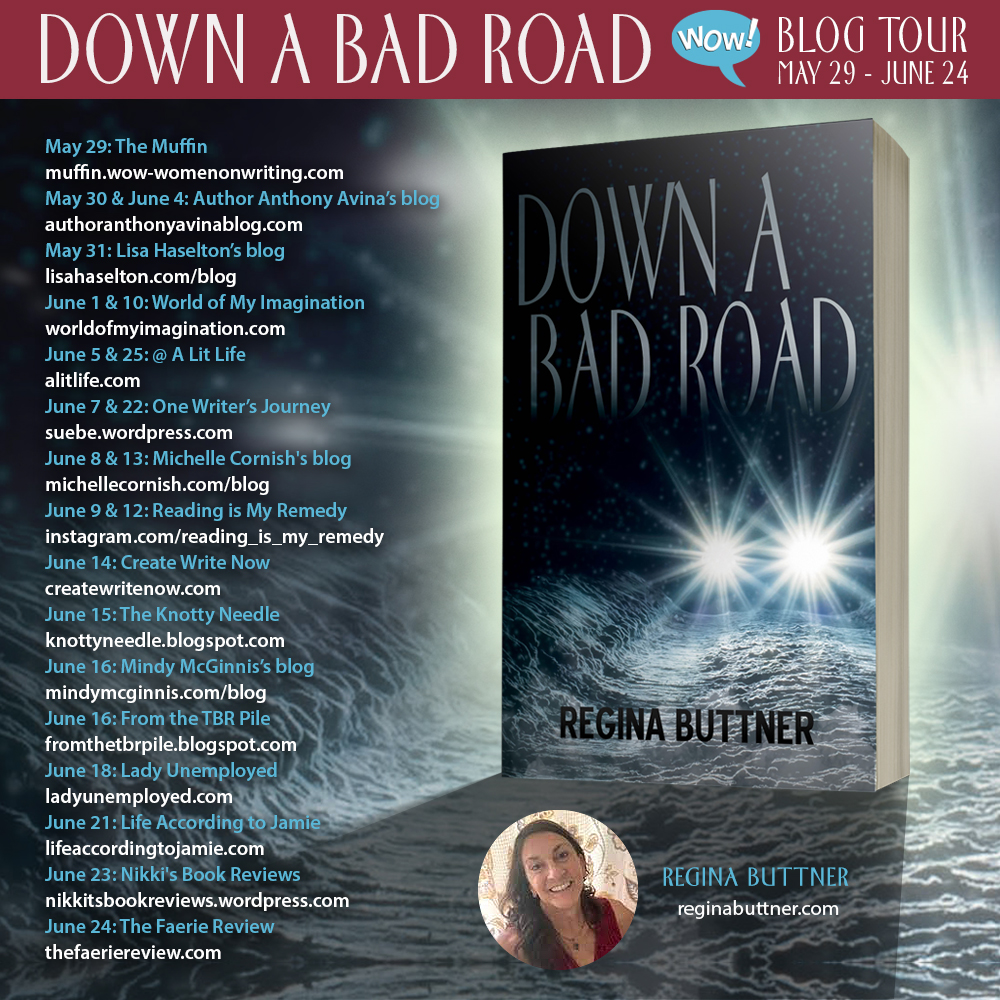
Join us as we celebrate the blog tour launch of Down a Bad Road by Regina Buttner. You’ll have the chance to read an interview with the author and win a copy of the book.
Return to A Lit Life to read a guest post from Regina Buttner about how a visit to the Stillwater Hotel in Upstate New York inspired the setting for Down a Bad Road.
Publishing is just another trial as part of the writer’s journey. When we cross the threshold from the known world into the unknown world, answering the call to adventure, entering OZ, Wonderland, the Athenian Forest…into our dreamworld, “somewhere over the rainbow,” we follow the yellow brick road, follow gold bricks in the form of words to counter the white space on the page and, perhaps, in our life. The perfect word(s). This word and not that word. We pass through the abyss, reach the Emerald City, and eventually come back home. But before we can reach the city, earn our gift, tap our heels together, and share it with the known world, the trial of publishing confronts us.
Publishing is not the end of the journey nor is it a gift. When my first book, Sunshine Special, was published, I thought the world would change. It didn’t. I did, however, reach a revelation…publishing isn’t the key to a magical door that opens a garden of poppies and avenues. When my current book, Raw Flesh Flash: The Incomplete, Unfinished Documenting Of, won a publishing contest and was published by Uncollected Press, I understood that the work had just begun. And I think understanding is crucial. Writers, especially poets, should understand that there may be many times we hear the word NO. It feels personal. It’s not. But when you write and write, edit, and write some more then finally build the strength to submit your work, placing your work on display for someone to just cut it open until it bleeds seems pretty damn personal to me. And, simultaneously, impersonal, since most of the time you receive a cookie cutter rejection from the publisher like they didn’t even bother to read it.
Advertisements
On a side note, if you receive a personalized rejection, cherish it.
Understand that publishing is a business like any other business and your success as a writer is not dependent on publishing. I just received a rejection through Submittable just the other day for one of my poems. I place it in a folder titled “submissions,” forget it and move on. Publishing is not an enemy; it is just a necessary hurdle along the way.
My advice, then, is to keep writing, and one day you may become published (if that is what you are striving for). It will feel good. It will be exciting. Someone out there appreciating your work as much as you do. Your hard work will finally be on display for others. You can stop plucking rose petals, wondering if they love you or if they love you not (maybe). Also, understand that the journey is not over. You will need to work just as hard for the next thing, to conquer the next trial.
It took a long time for me to truly think about publishing—decades. As a younger poet, I wasn’t that interested in publishing. I would submit a poem here or there. But it wasn’t until I crafted my art to a point where I wanted, no, felt like I needed to share it with more than my wife that publishing seemed like the next logical step. So, I put my stuff out there. Scary and exciting. I received rejections. Dejected. I received acceptances. Elated. Some won contests. Some still have never seen the light of day.
I am at a place, now, in my writing career that I know my talents, I know my successes, and they don’t depend on those publications. But it sure does feel nice. My writings are like my tattoos, on public display for all that I encounter, simultaneously, holding a personal meaning no one else will ever know, unless you ask. Every writer’s journey is unique; some trials along the way may come easy, some may never be conquered, but know the real gift is that you wrote something, you created new, you crafted art for a world where the “dreams that you dare to dream really do come true.”
Advertisements
About the Book
Donovan Hufnagle has assembled a careful poetic ethnography of tattooed bodies and the stories that they tell. Just as the tattoo inscribes meaning on the body, this book elegantly reveals the stories that only the body can tell. It is a book that connects tattoo adorned bodies to a profound human truth: we are each other’s mirrors, and the artful inscriptions of our bodies connect us to each other in ways that transcend political and social divides. This is an urgent book that does what only the best poetry can do; it opens spaces for conversation, connection, and healing.-Kristin Prevallet, author of “I, Afterlife: Essay in Mourning Time”.
Advertisements
About the Author
Donovan Hufnagle is a husband, a father of three, and a professor of English and Humanities. He moved from Southern California to Prescott, Arizona to Fort Worth, Texas. His new poetry collection, Raw Flesh Flash: The Incomplete, Unfinished Of, is a poetic scrapbook of interviews, poetry, and documents about the universal narrative of tattoos.
He also has three other poetry collections: The Sunshine Special, a “part personal narrative, epic poem, and historical artifact;” Shoebox, an epistolary, poetic narrative about Juliana’s “past and present, love and lack, in language that startles;” and 30 Days of 19, inverted Haiku poems juxtaposed to Trump tweets, capturing the first thirty days of the Covid 19 quarantine.
Other recent writings have appeared in The Closed Eye Open, Tempered Runes Press, Solum Literary Press, Poetry Box, Beyond Words, Wingless Dreamer, Subprimal Poetry Art, Americana Popular Culture Magazine, Shufpoetry, Kitty Litter Press, Carbon Culture, Amarillo Bay, Borderlands, Tattoo Highway, The New York Quarterly, Rougarou, and others.
I started writing poetry when I was a kid. My mother let me borrow her college poetry textbook (circa 1969), and so I learned about T.S. Eliot, e.e. cummings, poetic forms, metaphors, and such things way before we would get around to them in school. I won a couple of poetry recitation contests in 5th and 6th grade, and the prizes were the collected works of Emily Dickinson and Carl Sandburg (I still have both). I think the first book of poetry I bought myself was the collected Edna St. Vincent Millay, when I was about 11.
My first degree was in Pre-Med Biology. I meant to become a doctor—but I took creative writing classes on the side. When I graduated, my immunologist told me there was no way my health would allow me to complete medical school, as grueling as it was in the early nineties. So I decided to set my sights elsewhere. Soon I started my MA in English, where I was introduced to formalism, deconstruction, and other -isms (and made some good friends). When I graduated, looking to be able to support myself, I took a job as a technical writer. I was still writing poetry, but not seriously trying to publish, until a health crisis struck and I had to quit my tech job. My husband suggested pursuing my earlier dream of being a writer.
Advertisements
Starting my Journey as a Poet
I tried out some local writer’s conferences (on scholarship) and seriously researching the literary magazine scene, volunteering for a few local literary magazines, and sending out work. I put together enough published poems for a chapbook, and got it published—my first little collection of poems, called Female Comic Book Superheroes. I applied to a few low-residency MFA programs, and started one, taking a semester off in the middle for (once again) health issues. During that off semester, I sent out my first book manuscript and had it accepted, which was Becoming the Villainess, published by a (then-brand-new) press called Steel Toe Books in Kentucky. The chapbook and book were considered “speculative” poetry at that time, not very common—poems about video game characters and superheroines were not common in the mainstream literary magazines, certainly not represented in the prizes. So I was a little out there. But it had a very positive response from young people, which I was very happy to see. If you can’t read and enjoy a few poems about comic book story arcs or mythological women turned to dragons when you’re young, then when can you?
Journey from First Book to Sixth
I felt very lucky with that first book—I had some modest success for a very new small publisher and a very small new poet. I was still able to travel more easily back then—making 20-hour car trips between Western Kentucky, Akron, and upstate New York.
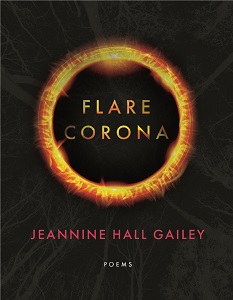
Now that I’m on my sixth book, Flare, Corona, with a great publisher, BOA Editions, I’m a little older, with a little more in terms of health challenges (MS among them), and I’m not physically able to do what I used to. However, with the pandemic, I learned some new skillsets—photography and gardening among them—and I read a lot. During the first months of the pandemic, I tried writing a few personal essays – and got them published in Salon. This book is the most vulnerable and more autobiographical than all my previous books. My previous books: Becoming the Villainess, She Returns to the Floating World, and Unexplained Fevers, I frequently wrote in persona—characters from mythology, fairy tales, anime, and traditional folk tales. In Field Guide to the End of the World, I created a fictional character navigating a fictional apocalyptic landscape (though it didn’t feel fictional in 2020!), so at least there was a little differentiation between the main speaker and myself. In Flare, Corona the speaker is essentially me, describing some incredibly difficult experiences. I had to figure out a way to write these poems in a way that was direct but felt comfortable. I found myself writing a kind of “mutant sonnet” as well as prose poems—forms that helped me hold difficult subject matter in place, so to speak. Some themes from previous books return—a supervillain perspective on coronavirus, apocalypse poems, writing about growing up in Oak Ridge and its radioactive contamination—and those poems allowed me to, for instance, address what I refer to in the book as “the plague years” in a way that felt real and not cliché.
I’ve learned over the 20 or so years of publishing poetry books that one of the best things about the poetry world is making friends with the people in it—my publishers were, to the person, excellent human beings, and I consider many of them real friends and I truly grieved when I lost one of the them to cancer. I am very lucky to now have a bigger press—BOA Editions, who published some of my poetry heroes, like Dorianne Laux and Lucille Clifton—take my latest book, and I really am enjoying working with them as the book comes out into the world. Kindness to people becomes really important, and supporting other poets and writers as we go through our literary life is something I cannot recommend enough. I’ve been doing poetry book reviews for 20 years, and even if there is little monetary reward in it, I’m happy to have done it. Meeting friends I’ve made at a conference or a reading twenty years ago remains a great pleasure, even if I can’t travel as much as I used to. Community is important as a structure to support you and a structure to support other writers.
My work itself continues to evolve—as I play around with form, and language, and persona. My next book must be impacted by the last few years, but I don’t want it to be purely about that, and may also involve some of the ideas that appeared in Flare, Corona—the desire or will to survive despite difficult conditions. There will probably be dragons in it.
Advertisements
About the Author
Jeannine Hall Gailey is a poet with multiple sclerosis who served as the 2nd Poet Laureate of Redmond, Washington. She’s the author of six books of poetry: Becoming the Villainess, She Returns to the Floating World, Unexplained Fevers,The Robot Scientist’s Daughter, Field Guide to the End of the World, winner of the Moon City Press Book Prize and the Elgin Award, and the newest, Flare, Corona from BOA Editions. She has a B.S. in Biology and M.A. in English from the University of Cincinnati and an MFA from Pacific University. Her work appeared in The American Poetry Review, Ploughshares, and Poetry. Her web site is www.webbish6.com.
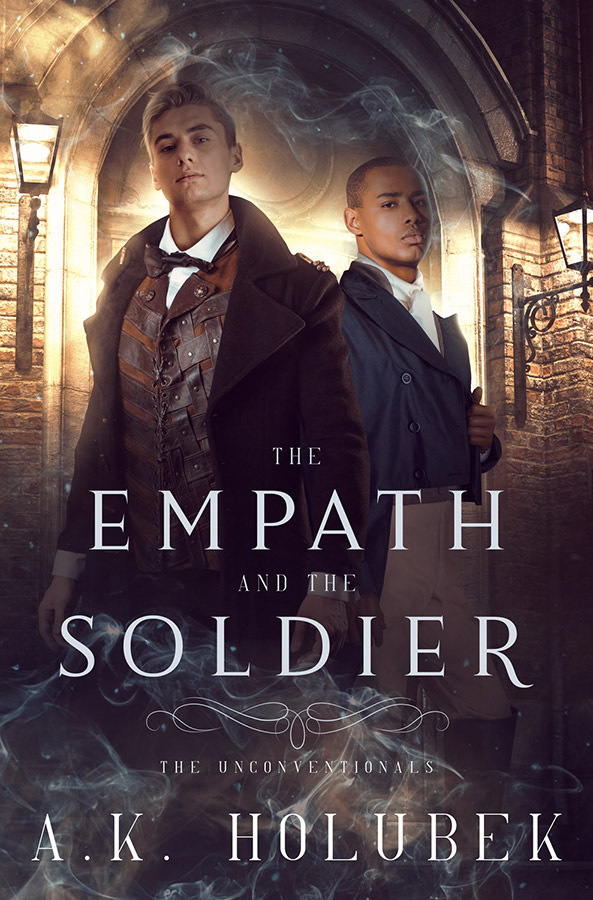
Thanks for the opportunity to talk a little about my new book. In this post, I’d like to discuss one of the central themes of The Empath and the Soldier and where it originated.
Growing up, I was obsessed with the movie Stand by Me. As a lonely tween and adolescent, I longed, almost ached, for the kind of friendship shared by the four main characters. In the middle of my fourth-grade year, my dad had moved us from Indiana, where I had multiple close friends, to Colorado, where I had none. For some reason I had quite a bit of trouble making new friends in our new home, and for many years I was a lonely, reclusive kid who spent hours either reading or creating imaginary worlds. So the camaraderie between the four boys in the movie was a glimpse into a world I felt I was missing out on.
Actually, looking back, I can guess why making friends was so difficult for me. I think even my pre-pubescent self knew that I was different from other boys. And it wasn’t just that I didn’t care much for sports and loved musical theater. Deep down, I knew that somehow my feelings for other boys were different than what they felt for me. I also knew that these feelings would be considered grotesque by other kids my age. I kept my distance from everyone else in order to keep them from finding out who I really was and because I didn’t think they’d like me anyway. Who wants to be around a gay kid who’d rather watch The Sound of Music than a football game?
In junior high and high school, I did hang out with people, but I never really was myself with them. It was more like I was playing the part of a typically straight, male teenager. With other boys, I pretended to like girls and be interested in “typical boy stuff.” But I wasn’t very good at this pretense, so I mostly kept quiet, earning a reputation as the tall, quiet guy who was maybe a little boring, but at least harmless.
I felt much more comfortable with my female friends. At least with them I didn’t have to feign excitement for things that were of no interest to me. But still, I held some part of me back. I was certain even they would think less of me if they knew who I truly was.
It wasn’t until my senior year of high school and into college that I finally began to make friends with whom I felt I really belonged. People who I somehow knew would accept all of me, not just a filtered version. Eventually, I came out to these friends and my instincts were proved correct; they didn’t think any less or any different of me.
It would be impossible to adequately describe the absolute elation and contentment I felt after finding a group of friends that fit me. I finally had a crew, a squad, that I could count on, and who counted on me. I finally had what the kids in Stand by Me had. These friendships would become the benchmark against which I would measure all future friendships. I won’t call anyone a real friend until I reach the same level of comfort with them that I felt with my first group of close friends.
Finally finding “my people” in high school was such a significant point in my life, that I made it one of the central themes in The Empath and the Soldier. In the book we see the main character, Tyrran, really start to blossom as a person after finally finding a group of people with whom he feels he can relate. It’s through them that he learns self-confidence and gains self-esteem because they value him for who he is.
When I tell people about books that inspired my novel, I usually mention other fantasy books like Lord of the Rings or even the novels of Jane Austen, upon which the book’s setting is modeled. But I often forget to mention that, outside all the fantastical elements and the Bridgerton-esque backdrop, this novel is really about friendship, inspired by books and movies like Stand by Me, but also by my own experiences. One core message I hope readers take away from The Empath and the Soldier is that there’s a group out there for everyone, and if you’re at a particularly lonely or friendless point in life, know that you can and will eventually find people that fit you. It may take some time, but they’re out there.
Advertisements
A.K. Holubek has a new MM Regency period fantasy book out, The Unconventionals book 1: The Empath and the Soldier. And there’s a giveaway.
The situation seemed hopeless. But Tyrran couldn’t pretend to be ignorant of the danger and just wait for his home to disintegrate around him.
As a Favored male, Tyrran belongs to a select group of men born with one of the Four Gifts, a blessing usually reserved for women. Quiet, introverted, and filled with self-doubt, Tyrran has always struggled with living up to the responsibilities that come with being Gifted. Still, he had managed to achieve the near impossible — admission to the prestigious Lyceum Institute in Corvit, the Coarian Sovereignty’s bustling capital city. With this success, Tyrran’s future seems clear: the best education, a position in a Temple, and, one day, marriage to a young man of good fortune.
That is, until sinister forces intervene to shove him down a much bleaker path. Tyrran’s plans are thrown into upheaval when a deadly attack reveals the existence of an insidious evil festering within the ranks of the Sovereignty’s elite.
Now, he must use the privileges afforded him as a Lyceum student to uncover the secrets of a corrupt government. Targeted by relentless assassins and trying to ignore his growing attachment to the handsome exchange student Adwin, Tyrran must gather trustworthy allies to face the dangers that threaten to tear apart his nation and his home.
Bridgerton meets The Magicians in this fantasy novel about the importance of confidence and the strength of friendship.
At that moment they stopped suddenly, startled by someone crawling out of the pond almost directly in front of them. The someone turned out to be a man—an East Silacian, Tyrran noted right away, due to his black skin. He was shirtless, wearing only white tights, and he looked about Tyrran’s age. He was shorter than Tyrran and his chest, stomach, and arms were muscular—sculpted was the more appropriate term, his skin stretched tight over every muscle. His physique was compact rather than large, he had deep brown eyes, and his black hair was cut close to his head.
Tyrran had always suspected that the Silacian reputation for beauty was exaggerated, stemming from the inferiority complex Coarians held towards Silacians, whose empire was much larger, wealthier, and more advanced than the Sovereignty. But if Nyri and this man were any indication, then their reputed good looks were understated if anything.
“Good morning, soldier,” the man said, addressing Lena as he wiped water from his face with his hands. He spoke the Common Tongue with a sophisticated accent that sounded very similar to Nyri’s.
“Good morning, Adwin,” Lena replied, looking puzzled. “Did you, uh, fall in the pond?”
“Not at all. I was just going for a morning swim.” He smiled as if it was the most natural thing in the world.
“In public? In the middle of campus?”
“But of course. This appears to be the closest body of water to our college. However, by your expressions, I assume Coarian notions of decorum discourage public bathing. I did swim wearing my tights, since I know public nudity is frowned upon.”
He may as well have removed them, for what little use they were in covering his nudity. The material clung to his skin, revealing bulging leg muscles as well as other bulges that Tyrran was making a concerted effort not to stare at.
“We do tend to prefer bathing in secluded areas,” Lena said. “Spaces set aside for bathing. Like the bathhouse next to the Barracks House, for instance.”
“I did try the bathhouse, but the water is heated. Quite uncomfortable on a warm day like today. Do you suppose I shall be sent packing back to Silacia for this breach of conduct?” An impudent grin spread across his face.
“It’s early enough that I’m sure no one but us has seen you. Though I do suggest you put the rest of your clothes back on soon. Where are they, by the by?”
“My clothes? I left them further down the trail. In truth, I was swimming about the pond for exercise rather than for bathing, then I saw the two of you and thought to come greet you. And now I think I have finished with swimming. Would you mind accompanying me to fetch my clothes?”
Tyrran could see that Lena was annoyed by the request and had every intention of replying in the negative. But Tyrran didn’t want Adwin to be offended, so he quickly spoke up.
“We would be happy to.”
That earned him an evil look from Lena.
Adwin offered his arm to Tyrran. “Adwin Mekalbe, at your service.”
Tyrran grasped his forearm, “Tyrran Kens, at yours,” he replied, trying to keep his voice from squeaking.
“I assume you do not attend the Military College,” Adwin continued, as the three of them resumed walking along the trail.
“No, I’m at Roothe College. Lena and I are friends from Temple Academy.”
“Ah, yes. In Hifield City. I am truly sorry about the attacks. I do hope you were not directly affected.”
Author Bio
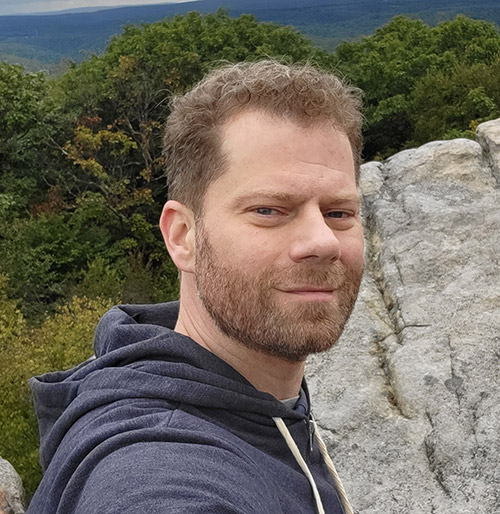
The moment A.K. Holubek stumbled across a ragged copy of The Fellowship of the Ring in his elementary school library, his life changed forever. The rest of his childhood, his adolescence, and even his college years were spent living only part time in the real world. He much preferred spending time in the fantasy lands of his imagination than in the reality of life as a closeted gay kid. As real life got better, he left his fantasy worlds behind. But a few years ago, those worlds called him to return, and to share his created worlds with others who might also need a place to escape. He now endeavors to carry out this mission from his home in Baltimore, supported by his husband and two ridiculous cats.
In the mid-twentieth century, women were encouraged to sacrifice freedom for marriage, and discouraged from ever sacrificing that marriage for freedom. I have written about both.
Growing up in the South, we noticed the rules early: white people ruled over Blacks and men over women. My father certainly ruled our house; we feared his anger and obeyed his commands. By we, I mean his three daughters and our mother (whose cardinal sin became not giving him a son).
During the years covered in my novel In Common, men had careers and women did not, or at least proper white women in northeast Jackson, Mississippi, did not. Women were to serve by supporting their men, making sure a drink awaited when they got home, along with a nice, hot meal, and obedient children. Support meant not bothering the man with trivial household problems or asking for money. It meant not getting in the way of his work, his dinner, or his rest.
Properly brought up young women absorbed these lessons. We were sent to college primarily to find a man like our fathers, one who would go out and earn the living. In return for the great freedom of staying home, we were to keep quiet, run a good house, and give birth to at least one son. We were not to complain of boredom or purposelessness.
In my novel, two extremely capable women, Lillian and Velma, (Lillian could run an entire hotel; Velma was a superb secretary), sacrifice their talents for the love of a man who hardly appears to notice. Today, their choices look absurd, but we forget how little agency women possessed in those days. A married woman could not get a credit card in her own name, nor own property, or serve on a jury. If she complained too much, she could be declared a hysteric and institutionalized.
My first memoir, The Last Resort, is about one young female’s quest for freedom. The protagonist (me) looks for it initially by following the rules: find a man, marry him, give birth. In each instance, the promise of freedom turns out to be hollow. The man (in the middle of the civil rights troubles) is not the tolerant person she’d believed. Marriage brought a boring, poorly paid job and equally boring, unpaid household chores. Childbirth freed her from the job, but exponentially increased the chores.
In the end, she gives up home, husband, children, and reputation in exchange for autonomy—the freedom to think, and enough education to acquire a job she loves. The sequel, That Woman from Mississippi, shows the consequences of that bolt for freedom.
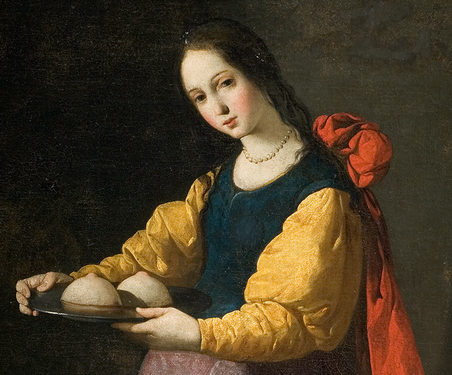
Literature (and life) are filled with far more dire sacrifices than mine. Saint Agatha, a high-born Sicilian beauty, lived during Roman rule in the middle of the third century. The Prefect wanted to possess her, but she refused his advances. She desired only the freedom to remain chaste and devote her life to the church. Outraged, he had her breasts torn off and she was sent to a dungeon to die. According to legend, the Lord sent an angel to heal her. Hearing this, the furious governor had Agatha dragged over hot coals until she died. In Sicily, February 5 is St. Agatha day, and bakeries sell breast-shaped buns in her memory.
Freedom is a moving target. Be careful of your choices.
Advertisements
Book Summary
Lillian Creekmore grows up at her family’s popular rural spa. She successfully runs an entire hotel, yet longs for a husband. Then she meets Will Hughes.
Velma Vernon accepts life on a small, struggling farm until a boy she barely tolerates proposes marriage. To accept means duplicating her parents’ hard life. Alone, she leaves for the city and triumphs, not as a wife, but by being the best at her job. Velma is content until the most beautiful man she has ever seen walks into her office.
This moving and darkly humorous novel follows the intertwined lives of women willing to surrender everything to a man.
Raised in the South during the civil rights struggles, Norma Watkins is the author of In Common and two memoirs: The Last Resort, Taking the Mississippi Cure (2011), which won a gold medal for best nonfiction published in the South by an independent press; and That Woman from Mississippi (2017). She lives in northern California with her woodworker husband and three cats.
Join us as we celebrate the blog tour launch of In Common by Norma Watkins. You’ll have the chance to read an interview with the author and win a copy of the book.
I write how I read, in multiples. I typically have several writing projects going on at once, usually a picture book, middle grade, and a YA (and then the occasional non-fiction piece for work). Switching between genres helps keep my brain fresh. If I have been working on one piece for a while, and writer’s block looms, I switch to another project for a while to maintain momentum.
The variance in my approach to writing picture books versus novels isn’t necessarily intentional, but rather the formats of the genres lend themselves to different paths. Of course, every author must discover their own writing groove, and the following is what works for me.
Picture Books
Picture books are recommended to be 1000 words or less, with the emphasis on or less. To keep focused, I have to be methodical. The limited word count requires every word to have purpose. After the idea hits me, I list all the page spread numbers first. I favor writing picture books in short bursts, mirroring the brevity of the picture book’s page length.
First, I determine the climax and hook and which page spread the climax will fall. Of course, this spread is moveable, but I like to have a target to build toward. My current books all contain back matter, as they are addressing facts about the natural world and yoga. I calculate in the back matter to my page count, as to not go over the recommended page length. All of the back matter is referenced or connected to the book content, so I ensure to use consistent terminology through the book.
Also as illustrations are involved, I think about which pages lend themselves to full page spreads and which are single-page illustrations. Having a vision for the overall book concept helps me to balance the text. Of course the editor might suggest moving things around, but my picture book editor likes for me to have some vision for the illustrations before we start.
Picture books consist of many moving parts!
YA Novels
With picture books, I tend to write more than required and then cut back on the unnecessary details; however, with novels I do the opposite. For the first draft, I focus on assembling the skeleton, which for me means dialogue and the major plot points. I add descriptive details and the “color” in subsequent drafts.
For novels, I have the exposition, climax, and resolution determined first, and then figure out how to get there. After writing the exposition, I formulate a timeline of major plotline events. I never know how many chapters a book will have until it’s finished.
I prefer to write novels in longer strides, so if I don’t have at least time to knock out a chapter I wait and work on something else. When I get stuck, I take a break (notice I said when and not if, blocks happen to every writer). Often my breakthrough ideas come when I’m doing something else, like driving, gardening, and particularly after teaching a yoga class!
Understanding your typical patterns will help you to be a more efficient and productive writer; however, most importantly, know how to take a quality break.
When Daddy Shows Me the Sky (picture book) from Belle Isle Books, released 11.19.21
Whispering Through Water (YA) from Monarch Educational Services, released 1.4.23
When Mama Grows with Me (picture book) from Belle Isle Books (releases Summer 2023)
Rebecca Wenrich Wheeler was raised in West Point, a small town in the Tidewater region of Virginia. From the moment she submitted her first short story to a young author’s contest in second grade, Rebecca knew she wanted to be a writer. Her love of writing led her to earn a BA in English and an MEd in English education. She spent several years as a high school teacher, during which she also developed a passion for mental health advocacy. Rebecca completed an MA in professional counseling and now works in the school-based mental health field and as a college adjunct psychology instructor. Rebecca also teaches yoga for the young and the young at heart, and she likes to infuse yoga and breathwork in her counseling practice wherever she can.
She believes the most valuable use of her time is teaching youth how to love and care for each other and the world around them. Her stories share her focus on positive relationships and a love of nature. Rebecca now lives in Durham, North Carolina, with her husband, two children, and two spoiled Siamese cats.
Whispering Through Water is her first YA novel and second book. Her picture book When Daddy Shows Me the Sky was released November 2021. You can follow Rebecca on Instagram @rebeccawwheeler_author and www.rebeccawwheeler.com.
Advertisements
Blog Tour Calendar
January 9th @ The Muffin
Join us as we celebrate the launch of Whispering Through Water by Rebecca Wenrich Wheeler. We interview the author and give away a copy of the book to one lucky reader.
Join Angela as she reviews Whispering Through Water. She also shares a guest post by Rebecca Wenrich Wheeler about simple things to do at home to be more eco-friendly.