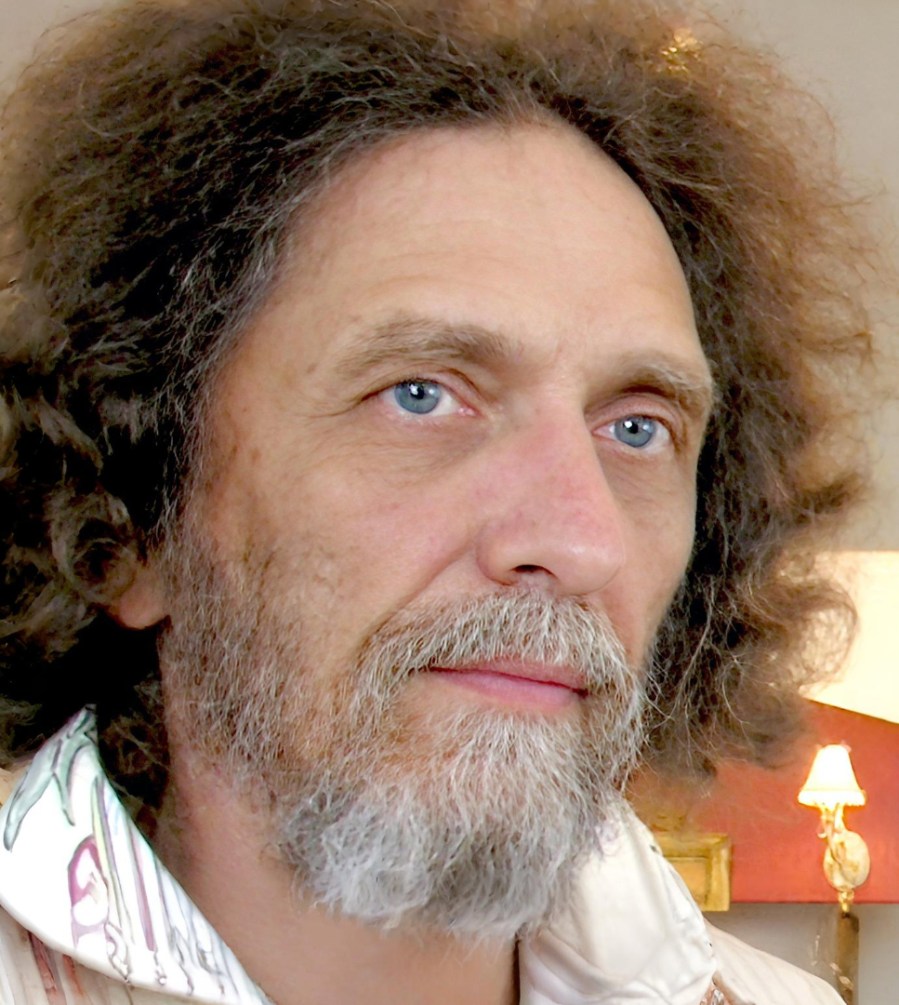
1) Tell us a little bit about yourself. How did you get into writing?
I began writing because I enjoyed it and found I was good at it. The fact that major publishers agreed is scarcely pertinent. In the end, I do this better than anything else, and it’s easy. It’s easy to give utter effort to writing day after day, year after year, because that is how magic is made, not by casting spells or incanting charms.
Advertisements
2) What inspired you to write your book?
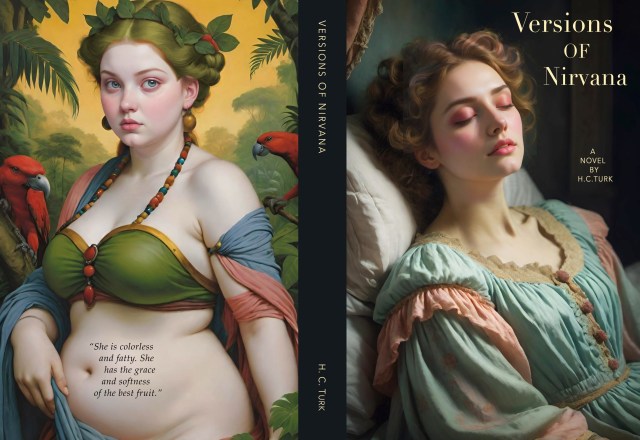
I wanted to write a novel that is warmer in the emotions the characters experience than is my norm. That entails developing settings and scenes less intense than my usual, but no less involving.
3) What theme or message do you hope readers will take away from your book?
“Pay forward” is a profound idea. If you’re a witch, you can extend the substance of your spirit centuries ahead to find a subject worthy of your suicide.
4) What drew you into this particular genre?
See #2. Above and beyond that, the genre is literary fiction, the only type of writing I know, even when working on a kids’ book.
Advertisements
5) If you could sit down with any character in your book, what would you ask them and why?
Screenshot
I would ask Connie if she thinks she’s a brat, because a lot of people feel that way about her, including the murderous jungle denizens who keep her alive. If I asked her that, however, it would make her cry; and I would hold her hand and say that things are just fine, because she may be a brat, but absolutely she is a hero. Then she would cry again, but she would be smiling now.
6) What social media site has been the most helpful in developing your readership?
The answer is none. I hate social media, and they hate me. If it weren’t made of pixels, I would like to burn SocialMedia down to the ground.
7) What advice would you give to aspiring or just starting authors out there?
First, read more. More than that. Read books and plays and poetry that are unfamiliar to you. Then, ask yourself why you want to be a writer. Because you want to do something pretty much like the last something you read? Because you can add to the world of expression and understanding? Because you grasp that the word “literature” wasn’t coined by authors who have created the most vital and valuable writings of their eras, but by their admirers? Because you wanna make a buck? The most important thing I can say is this: If you are truly a writer, you were born a writer. It has nothing to do with publishing.
8) What does the future hold in store for you? Any new books/projects on the horizon?
I’m working on a series of children’s picture books starting with COLORBLIND DOGS: a kids’ book that kids would buy for their parents.
Advertisements
About the Author
H. C. Turk is a writer, sound artist, and visual artist. His novels have been published by Villard and Tor. His short fiction, sound pieces, movies, and visual art have appeared in numerous magazines, web-sites, podcasts, and film festivals. He used to paint houses (not as an art form.)
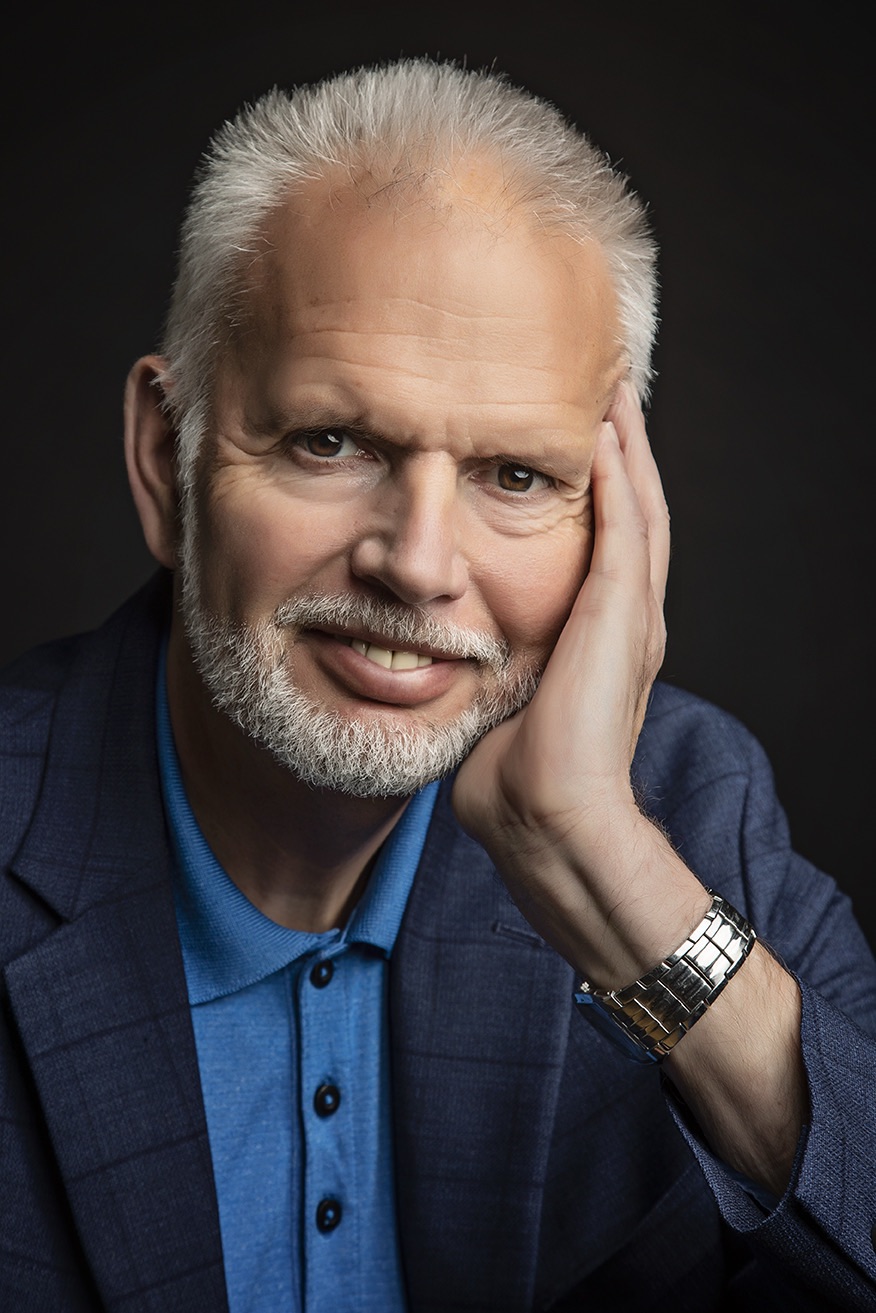
1) Tell us a little bit about yourself. How did you get into writing?
My writing started at the suggestion of a troopmate of mine from Royal Canadian Mounted Police days. He would write inspirational messages to his children on a daily basis. I had been writing articles for a blog that dealt with mentoring. He suggested bringing all that together in a book. That was the beginning of “The Gift of Mentoring”.
Doug Lawrence is the founder of TalentC® and is focused on all things mentoring as a solution provider. Doug Lawrence is an International Certified Mentor and holds two Mentor Certifications; Certificate of Practice – Mentor and the Certificate of Practice – Journey Mentor from the International Mentoring Community. Doug is the only one to hold the Certificate of Practice – Journey Mentor in the world today.
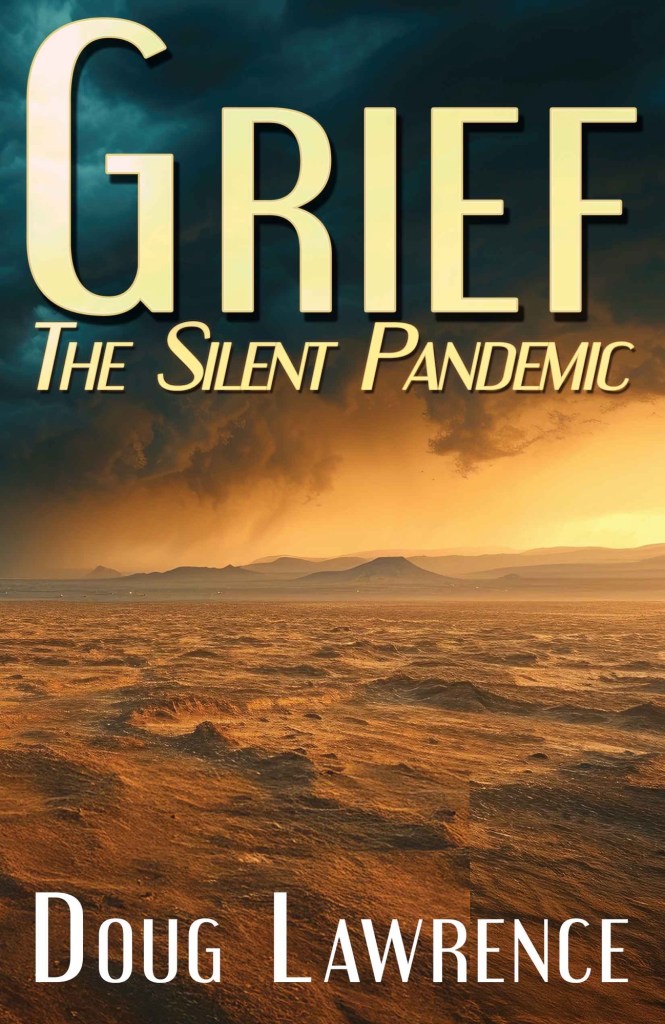
He has over 30 years of mentoring and leadership experience and is recognized as a thought leader in the mentoring space. Doug authored the book entitled, “The Gift of Mentoring” and his second book entitled, “You Are Not Alone” became an Amazon #1 Best Seller in North America and the UK and is a Bronze medal recipient in the Global Book Awards. Doug’s third book, “Grief, The Silent Pandemic) was published April 20th, 2025 and was the recipient of two bronze and one silver Global Book Awards. Doug is an International Best – Selling Author.
Doug’s Practice of Mentoring continues to grow and has resulted in his accumulation of 3,400 hours of mentoring (in person and virtual), 235 hours of speaking opportunities and 672 hours teaching others how to effectively mentor. Doug has been the guest on approximately 200 podcasts in the past year on the topics of mentoring, mental health and grief.
Advertisements
2) What inspired you to write your book?
My book entitled “Grief – The Silent Pandemic” was my dealing with the loss of my wife, Debra to cancer and the grieving process.
3) What theme or message do you hope readers will take away from your book?
That it is okay to reach out for help. There is no need to go on your healing journey on your own.
4) What drew you into this particular genre?
I want to make the world a better place to be and when I look at the number of people that are grieving there are lots of cries for help. There is a shortage of help for those that are struggling.
5) What social media site has been the most helpful in developing your readership?
I have found that LinkedIn has been the best so far.
6) What advice would you give to aspiring or just starting authors out there?
Know why you are writing and to whom. If you are focused you can and will make a difference in the world as we know it today.
Advertisements
About the Author
Doug Lawrence is the founder of TalentC® and is focused on all things mentoring as a solution provider. Doug Lawrence is an International Certified Mentor and holds two Mentor Certifications; Certificate of Practice – Mentor and the Certificate of Practice – Journey Mentor from the International Mentoring Community. Doug is the only one to hold the Certificate of Practice – Journey Mentor in the world today.
He has over 30 years of mentoring and leadership experience and is recognized as a thought leader in the mentoring space. Doug authored the book entitled, “The Gift of Mentoring” and his second book entitled, “You Are Not Alone” became an Amazon #1 Best Seller in North America and the UK and is a Bronzemedal recipient in the Global Book Awards. Doug is an International Best – Selling Author.
Doug’s Practice of Mentoring continues to grow and has resulted in his accumulation of 3,400 hours of mentoring (in person and virtual), 235 hours of speaking opportunities and 672 hours teaching others how to effectively mentor. Doug has been the guest on approximately 150 podcasts in the past year on the topics of mentoring, mental health and grief.
Tell us a little bit about yourself. How did you get into writing?
After being interviewed on the radio alongside several crime reporters, a few magazines took notice — and that unexpected exposure marked the beginning of my writing journey. About a year later, Toronto publisher RJ Parker approached me with an opportunity to contribute four titles to a 22-book short-read series. One of those books became a hit, and I haven’t stopped writing since.
Advertisements
2) What inspired you to write your book?
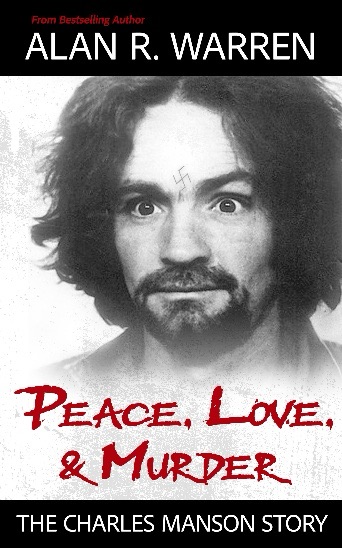
I’ve always been a history enthusiast, and my writing tends to focus on specific places and time periods. With Peace, Love, & Murder, that meant immersing myself in the mid-to-late 1960s — a cultural moment unlike any other. Charles Manson’s crimes didn’t happen in a vacuum; they were deeply tied to the atmosphere, attitudes, and social upheaval of that era. To tell the story honestly, the book had to explore the culture and daily life of that time and place, because the setting was as much a part of the story as the people themselves.
3) What theme or message do you hope readers will take away from your book?
There wasn’t an intentional message when I started the book, but one emerged naturally as I wrote. History, especially within our culture, has a way of repeating itself. During my research, I was struck by how many of the social issues people were protesting and debating in the 1960s are still at the center of conversations today. The parallels were impossible to ignore, and that realization quietly shaped the tone of the story.
4) What drew you into this particular genre?
I tend to immerse myself deeply in the history of a particular place and time, and often a murder or major event rises to the surface — something that left a lasting mark on society and is still felt today. The true crime element isn’t something I force; it’s simply part of the human story, a reflection of what people do and how those actions echo through history.
5) What social media site has been the most helpful in developing your readership?
I am not sure if there is one in particular, as they all seem to capture a different audience. So, books that I have written on cults or conspiracies, such as the JFK Assassination, do really well on YouTube or X, while True Crime or History have a better following on Instagram or Facebook.
6) What advice would you give to aspiring or just starting authors out there?
Avoid as much of the noise out there as you can. Today is especially worse than years ago because of social media. There’s always somebody watching you, or so it seems. There will end up being so many comments made about you or what you’re trying to do, and if you get caught up in the noise, it’ll take you off the track and your goals.
Advertisements
About the Author
Alan R. Warren is a Canadian bestselling true crime author, producer, and lead host of the internationally syndicated radio show and podcast House of Mystery. The show airs across North America on multiple stations, including Los Angeles, Riverside, Palm Springs, Salt Lake City, Seattle/Tacoma, and Phoenix, reaching a wide audience of mystery and true crime listeners.
A respected authority in true crime nonfiction, Warren has authored 38 books covering serial killers, cults, human trafficking, history, and memoir. His work is published by major true crime publishers including RJ Parker/Vronksy Publishing (Canada) and WildBlue Press (USA). He has been a contributor to True Case Files Magazine since 2013 and continues to write for Serial Killer Magazine.
Warren’s bestselling titles have been featured on major television networks, including CNN, Oxygen, Reelz, Vice TV, and Sundance Channel documentaries. Notable works include Beyond Suspicion: The True Story of Colonel Russell Williams, The Killing Game: Serial Killer Rodney Alcala, and Doomsday Cults: The Devil’s Hostages. In 2024, he received the Lifetime Achievement Award in Writing from Reader’s House in London, UK.
Alan R. Warren is frequently sought out by media outlets for expert commentary on true crime cases, serial killers, cult behavior, and criminal psychology.
1) Tell us a little bit about yourself. How did you get into writing?
I’m a proud son of Baltimore, an electrician by trade, and now serve in the Maryland State Senate representing the 45th District. My journey started with an apprenticeship — it gave me not just a career, but a path to stability, leadership, and service. Writing wasn’t my first language; I was used to working with my hands. But over time, through op-eds, speeches, and listening to the stories in my community, I realized writing was another way to build — not with wire or tools, but with words that could help shape futures.
Advertisements
2) What inspired you to write your book?
The book grew out of a simple truth: apprenticeships saved my life. I wanted to create a guidebook that would demystify the process for parents, students, and mentors — to show them that the trades aren’t a fallback, they’re a way forward. I’ve seen too many young people miss opportunities because they didn’t have access or exposure. This book is my way of pulling back the curtain and saying, “Here’s how you can get there.”
3) What theme or message do you hope readers will take away from your book?
That second chances are real, and pathways to the middle class come in many forms. Apprenticeships are the other four-year degree. I want readers — whether they’re young people figuring out their path, parents trying to guide their kids, or counselors advising students — to walk away knowing that opportunity is closer than they think, and that hard work plus access can change everything.
4) What drew you into this particular genre?
Memoir with a “how-to” spine felt like the right fit. I wanted to tell my story honestly — the good and the challenges — but also leave readers with practical steps they can act on. It’s not just about my journey, it’s about creating a blueprint others can use.
Advertisements
5) What social media site has been the most helpful in developing your readership?
Instagram has been powerful — it allows me to share visual moments, connect with young people, and engage directly with readers who may not follow traditional political spaces. But I also lean on LinkedIn, because so much of this conversation is about workforce development, policy, and leadership, and that’s where those communities live.
6) What advice would you give to aspiring or just starting authors out there?
Stay true to your voice. Writing can feel intimidating, especially if it’s not your first craft, but authenticity is what resonates. Be disciplined about putting words down — even if it’s just a page at a time — and surround yourself with people who will push you to finish. Most importantly, write the book you wish you had in your hands years ago.
7) What does the future hold in store for you? Any new books/projects on the horizon?
Right now, I’m focused on bringing The Apprenticeship That Saved My Life into as many classrooms, libraries, and communities as possible. But I also see this book as just the beginning of a larger conversation.
On a personal level, I’ve got a 10- and 11-year-old in the house — both boys — and time is flying. Writing this book gave me space to reflect on the disciplines and lessons I’ve learned through life, and I want to make sure I pass them on early so they don’t fall into the same traps I did. With my wife, our focus is on raising our four children to be good human beings — the kind who contribute to making this world a better place.
So while I’m already thinking about ways to expand on this project — companion guides, lifting up more apprenticeship stories, and maybe another book down the road — my deepest priority is what’s happening inside my own home, and making sure my kids grow up with the tools, values, and exposure they need to thrive.
Advertisements
About the Author
Cory V. McCray is a husband and father of four from Baltimore who believes deeply in second chances and creating pathways to opportunity. An electrician by trade, he now serves as a Maryland State Senator, representing Baltimore’s 45th Legislative District. Cory is the author of The Apprenticeship That Saved My Life, a guidebook and memoir that shows how apprenticeships are “the other four-year degree.”
1) Tell us a little bit about yourself. How did you get into writing?
I always enjoyed creative writing throughout school. I took a class in high school that helped nurture that little spark. My mother was an unofficial editor—as a medical librarian, she would edit doctors’ papers for medical journals. She would sometimes edit my school papers too, and they were always so much better when she touched them. That’s how I learned how powerful editing can be.
Later in life, I became an editor at daily newspapers in the Midwest, and in that role, I started writing a weekly column. That continued for many years.
Advertisements
2) What inspired you to write your book?
I wrote a Christmas column one year, in 2012, which became this book, “Merry Christmas, Cosmos.” I remember waking up over and over one night as another line of text came to me. It sort of wrote itself that night. I was inspired by the idea of evolution and some of the books that were coming out around that time—“Evolutionaries” by Carter Phipps was one.
3) What theme or message do you hope readers will take away from your book?
I would love for people to recognize that we’re all one big family on this planet, evolved from tiny creatures swimming about in primordial pools. And that Earth is our common home. I would love for the divisiveness in the world to decrease and the understanding of our shared heritage to grow.
4) What drew you into this particular genre?
It grew out of the inspiration from the Christmas column I wrote. From that place, I just wanted to illustrate it. One of my favorite books is “Your Illustrated Guide to Becoming One With the Universe,” by Yumi Sakugawa. It came out a year after my book. I love short books with a powerful message.
5) What social media site has been the most helpful in developing your readership?
Social media? I haven’t even posted my book yet on Facebook. But I will. I don’t do much social media-ing.
6) What advice would you give to aspiring or just starting authors out there?
Read your writing out loud; that helps a lot with hearing the rhythm in your writing. And go with your heart, and edit, edit, edit until it feels just right.
7) What does the future hold in store for you? Any new books/projects on the horizon?
Since I published this book, I wrote a song to go with it: “Merry Christmas, Cosmos (the song).” I’ve gone into the studio and recorded my parts and have spent many hours tweaking it for release. It should be uploaded to streaming services any day now.
And I do have a book on the horizon, tentatively named “Your Big Self.” I hope to bring clarity to what people mean when they talk about a true self, higher self, unique self, local self, etc. It will probably be in the same kind of picture-book style.
Advertisements
About the Author
Roshana Ariel is a writer, editor, and musician who weaves wonder into everyday life. She’s the author of “Merry Christmas, Cosmos,” a holiday book for families that blends science, sacred storytelling, and a sense of belonging in the cosmos.
Her life’s path has taken her from playing in bands and as a solo performer across the United States, to working as a radio announcer, and eventually to journalism, where she worked her way up to managing editor at a daily newspaper.
Now living in North Carolina, she performs regularly at her local Unity fellowship and creates memes, meditations, and music that celebrate conscious living and our shared origins in a vast, unfolding universe—all in service to Goodness, Truth, and Beauty.
1) Tell us a little bit about yourself. How did you get into writing?
In fifth grade, my cousins and I sat in the back of my dad’s station wagon on the way to a birthday party. Throughout the entire drive, I told this story called “The Bunny Burglars” that I came up with on the spot. Telling stories in a compelling fashion has always come so easily to me, I took it for granted.
I wrote my first novel in 2006 in a spiral notebook. My marriage was struggling at the time and writing provided a healthy coping mechanism. I did end up typing that one out, but it’s still unpublished. Maybe one day.
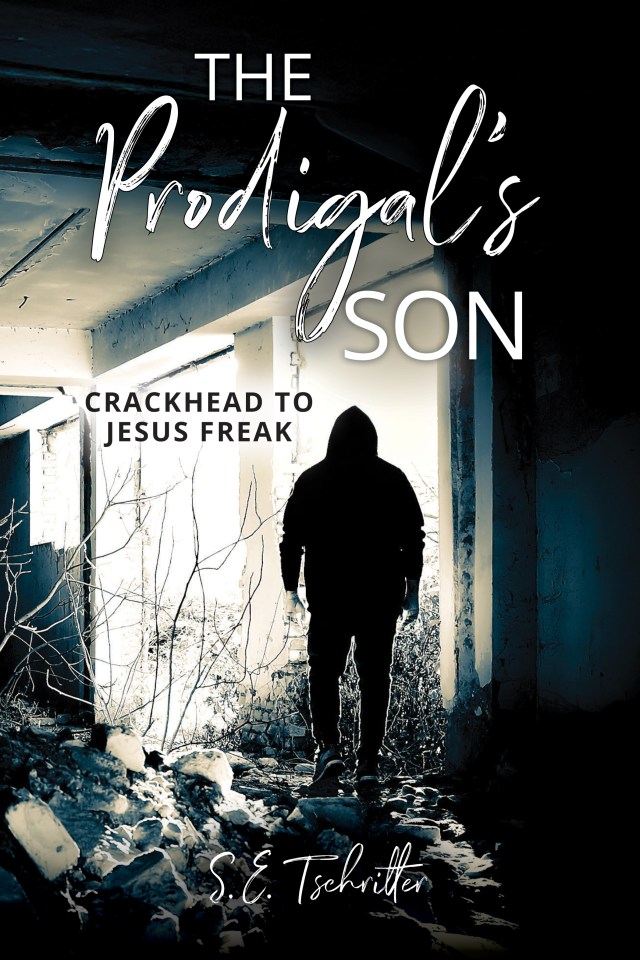
The Prodigal’s Son: Crackhead to Jesus Freak, a true story, releases January 1,2026, which was a huge undertaking. I’m excited to step back into fiction this year.
2) What inspired you to write your book?
I write stories for fun. I would rather write a book than read one. I’d rather write a book than watch TV. I love crafting stories. What I often tell people is, “I wanted to write quality fiction that I wasn’t embarrassed for my daughters to read.” As a mom, I know there are a ton of parents out there who feel the same way. A few months ago, Dressed in Love Press picked up my romantic suspense series. My debut novel, The Lakeshore’s Secret comes out in March 2026.
3) What theme or message do you hope readers will take away from your book?
The core message of The Lakehouse
4) What drew you into this particular genre?
Romantic suspense? I love a good Hallmark movie, first of all, and I have fun writing my characters into seemingly impossible situations and then trying to figure out how to get them out.
5) If you could sit down with any character in your book, what would you ask them and why?
I’d sit down with Grandma Millie and write down hers stories as she told them to me. I believe the older generations are walking around with buried treasure of life experience, wisdom, and stories in their memories.
6) What social media site has been the most helpful in developing your readership?
Reels that depict excerpts of the book are gaining momentum on Instagram and Tiktok. I haven’t tried this strategy much yet, but if you follow me @SETschritter, we can see how viewers respond together. My social media is a constant work-in-progress.
7) What advice would you give to aspiring or just starting authors out there?
Don’t quit. The ones who make it are the ones who don’t quit. Do at least one thing to promote yourself every single day.
8) What does the future hold in store for you? Any new books/projects on the horizon?
I’ve hired a voice actress to record an audio version of The Prodigal’s Son: Crackhead to Jesus Freak and I’m pretty excited to write books two and three of The Lakeshore Mysteries.
AND NOW THE AUTHOR’S ANSWERS FOR THEIR NON-FICTION WORK
1) Tell us a little bit about yourself. How did you get into writing?
On accident. I wasn’t paying attention. In third grade, teachers announced a poetry contest. I whipped up a poem in five minutes, submitted it, and won first place at district. Much later in life, when I had several books available for sale, friends told me ‘normal people don’t write books for fun.’ That’s when I discovered I was an author. The first version of Love Letters to Miscarriage Moms actually started out as journal entries I wrote while I processed the grief of my first infant loss experience. At first, I had no intention of writing a book. But after facing that loneliness and not being able to find great content on the subject, I adjusted the writing style and turned my journal entries into a book. The tag was “You are not alone. Written in the midst of my grief so you will not be alone in yours.”
Advertisements
2) What inspired you to write your book?
My late husband asked me to write his story. He asked, “What are the chances I’d be married to an author whose best work comes from wounds?” Phew. Glad that one’s written. The Prodigal’s Son: Crackhead to Jesus Freak was not cathartic. I tell people who’ve read the Harry Potter series that The Prodigal’s Son is my horcrux. Writing the story required me to dive into a very dark place that cost pieces of my soul. But for the sake of the people whose lives will change from reading that one, I would do it all again.
3) What theme or message do you hope readers will take away from your book?
You are worthy of love. You are not beyond redemption. Here’s part of the back cover copy: From gutter to pulpit to ditch to grace to grave, The Prodigal’s Son speaks volumes of a God who crawls into the darkest corners of humanity and redeems those who believe they aren’t worth saving.
4) What drew you into this particular genre?
There are a lot of people who battle shame who need to hear this story. I feel like there’s a lot of conservative Christian content and I’m seeing more liberal content, but there’s a huge group unrepresented in the middle. This story features two Christians who are vulnerably honest about their sin. Clint with his addiction battles and me with my self-righteous judgement. Here’s my target audience for The Prodigal’s Son: Crackhead to Jesus Freak. I nicknamed the audience Paul Simon, a moniker for The Prodigal’s Son:
Paul Simon is anyone who has ever uttered the words, “I am a piece of shit.” He believes he isn’t good enough, or suspects he might not be, and measures himself against an intangible line of his own creation. Coping with the Good Enough Demon presents itself differently. Paul might be an addict, an over-eater, a workaholic, a fitness fanatic, a mom over-involved in extracurriculars, a rights activist, or a couch potato who binges Hulu at the end of an exhausting workday.
Paul considers himself a Christian but confesses this with hesitancy. Church is reminiscent of the past, a long-lost friend he no longer feels connected to. Something about church makes Paul skittish —a church wound, skepticism of theology, disappointment regarding the church’s relevance to his daily life, or frustration toward the hypocrites and fakes he sees sitting in the pews.
Paul is both male and female, approximately ages late 20’s to early 60’s, and spends most of his social media time on Tiktok, Youtube, or Instagram. He resonates with edgy, authentic influencers such as Kevin Lawson, John B. Christ, and possibly Kelly K Ministries, who intermix their faith into the hilarious stories they share.
Paul listens to trending artists such as Jelly Roll, Brantly Gilbert, Katy Perry and Kelly Clarkson, who sing about overcoming addictions and trials. Jelly Roll songs such as “Hard Fought Hallelujah” and “Winning Streak” cause Paul to miss church, while Hozier’s “Take Me To Church” reminds him why he left.
He might be single, or married with children. Either way, Paul won’t waste time with disingenuous relationships. Trust comes hard for Paul because too many people have disappointed him. He craves more fulfillment in his life but doesn’t possess the energy or the knowledge to change. Paul knows there’s more to life than he sees and wishes there was more to God than the church suggests.
5) What social media site has been the most helpful in developing your readership?
Honestly? TikTok. I had one reel go viral and gained 21K followers from that reel, which translated into preorder sales. My newsletter numbers nearly tripled. But I think I’m an anomaly.
6) What advice would you give to aspiring or just starting authors out there?
You have to want it. Really want it. 82% of Americans say they want to write a book. Less than 3 percent actually do. And only about 1% actually publish a book. And then actually selling books? Marketing? Chop that 1% by another fraction. So, if you really want it, and you’re part of that 1%, here is my best advice:
1.) Attend a writers conference 2.) Promote yourself at least once/ day 3.) Don’t quit
Advertisements
About the Author
Multi-award-winning author Sam. E. Tschritter (pronounced Shridder) specializes in articulating grief and loss, leading grievers toward hope and healing. Whether poetry, fiction, or non-fiction, Tschritter writes content that will stick with readers long after they close the cover. Her 20-plus years of leadership experience and contributions to over 40 books enable her to serve others, speaking truth with transparency, humor, and love. Tschritter grew up in Chicagoland and has also lived in Minnesota and Oregon, granting her widespread views of people all over the country. She currently resides in Simpsonville, South Carolina with her husband, their three teen and preteen daughters, cats named Pitter and Patter, and their Siberian husky whom she lost the vote to name Onomatopoeia. Nothing refreshes Tschritter’s soul like gardening. She gardens to work through plot holes, writer’s block, character development, and book ideas. Tschritter spends a great deal of time gardening. Read more at https://loveunedited.com or Linktr.ee/LoveSamEvans.
1) Tell us a little bit about yourself. How did you get into writing?
Writing feeds my soul. I started putting particular words to paper when I was a young teenager, thirteen or fourteen; in fact, I still have my original notebook. It’s filled with angsty poems describing my torturous world. “It’s a maze, it’s a haze, it’s a crazy place. It’s the world each day I have to face.” My teenage years were challenging. For example, my father, who was a lay minister, set me up to be arrested for hosting a pot party when I was fourteen. He’d heard some kids talking about it at church. I was trying to get to know the boy I liked—who was the reason for the gathering—when police suddenly appeared, blocking my bedroom window and doorway. We were all drive down to the station in separate vehicles. I had to attend court and was sentenced to two years probation. It was a little like Footloose in rural Canada without Kevin Bacon) and it didn’t end well. Parents, do not do this to your children.
Later, I wrote a piece called “Bad Girl: Legacy of the Father-Daughter War.” I was never able to rectify that relationship, which is a shame. I think that’s why I’m drawn to writing Young Adult fiction. I want my characters to overcome their challenges and get their happy ending.
2) What inspired you to write your book?
In 2013-2014, I took a year leave from teaching high school English to work for the Canadian Coast Guard as a relief lighthouse keeper. I learned much about the rigors of lighthouse keeping from the principal keepers at various locations around Vancouver Island. I also heard stories of hauntings and experienced some strange incidents myself.
At times in my life, I’ve seen and felt the presence of spirits in my bedroom. Often, I’d wake up and feel that someone was staring at me. I’d reach out and flick on the light to find no one there. One Christmas Eve, I awoke to see a shadowy presence standing at the foot of my bed. And at one lighthouse where I worked I felt the spiritual presence of a lightkeeper who’d passed on. He wasn’t happy about me being in his house and wanted me gone as much as I wanted to be gone.
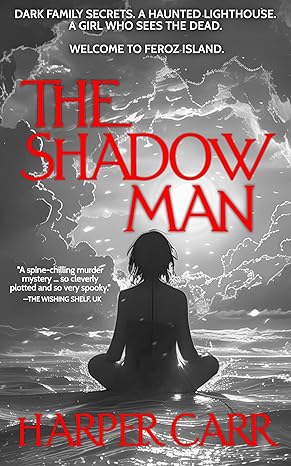
The Shadow Man combines family trauma with my lighthouse experiences and my interest in psychic phenomena and mediumship. Here’s the back cover blurb:
Seventeen-year-old Gracelyn Lassiter has been hiding in her aunt’s house for four years—since her mother plunged from the cliffs at Feroz Lighthouse, leaving her without her home, her best friend, or answers.
Now her father’s burned to death in his sailboat and left a confession: “Your mother didn’t jump, I pushed her.”
The trauma triggers Gracelyn’s ability to see spirits so real she can’t tell who’s human and who’s a ghost—except for the gray-veiled Shadow Man who begs her to return to Feroz Island and find her mother’s journal.
When her cruel cousin posts the confession on the Internet, Feroz seems like a safe place to escape. And if Gracelyn can see ghosts, she can conjure her mother’s spirit and hear the truth from her own lips.
But her lighthouse haven is crawling withs spirits, secrets, and lies—and the closer Gracelyn gets to the truth, the more she realizes the dead aren’t the only ones who want to keep the past in the past.
3) What theme or message do you hope readers will take away from your book?
When Gracelyn returns to Feroz Island, the old lighthouse keeper says, “Home is a place you love, where you know you belong. A place you never want to leave, and if you do, your heart’s not quite right until you return.” This theme resonates with me and many people, I think. We leave home for various reasons but it feels like there’s always something missing. Maybe it’s the place. Maybe it’s the people. Maybe it’s just that feeling of knowing you truly belong.
4) What drew you into this particular genre?
I was an at-risk teen who ended up working with teens. A big part of me is still that rebellious kid searching for truth and belonging. I also love YA because it’s exciting and there’s plenty of freedom to move between genres, settings, and time frames. The Shadow Man is contemporary, but I’ve just completed The Rum Runs Red, which is set in 1920s British Columbia during American Prohibition. I enjoy exploring how teens “lose their innocence” as they encounter people and situations that push them to the edge. YA is messy just like life is messy. It’s a maze of voices and shadows coming from all directions, while there you are trying to listen to your heart and find your truth.
5) If you could sit down with any character in your book, what would you ask them and why?
Amos Moses is a secondary character but he plays a huge part because he’s Caleb’s uncle and Caleb is the young man Gracelyn loves. We know some things about Amos—he’s Indigenous, he’s a master carpenter, he’s absolutely caring—but I’d like to know more. I’d ask him about his spirituality and his relationship with … Oops, I can’t give that away.
Advertisements
6) What social media site has been the most helpful in developing your readership?
I have a TikTok presence but I really love Instagram. I seem to be there the most, watching videos and posting photos. It’s my happy place so I hope my readers find me there @harpers_books.
7) What advice would you give to aspiring or just starting authors out there?
Read. Read. Read. Then, unfetter yourself and write. Write about your passions. Write about your fears. Write the book you’d like to read. (That’s how I wrote “The Man in Black” series. Write the best story you can, and then get other eyes on it. Not friends and family. Ask someone who will give you an honest opinion and don’t get defensive. I know it’s hard but when you’re learning it’s important to listen and learn your craft, and we only do that through experience.
8) What does the future hold in store for you? Any new books/projects on the horizon?
But of course. The Rum Runs Red will be my next YA release. I also write under another pen name, W. L. Hawkin. Next summer, I’m working with an Indigenous editor on a sequel to my romantic suspense novel, LURE. It’s called The Silent Girl. I’m very excited about that.
With three books written and awaiting publication, I find myself staring at a blank page. It’s a delicious feeling. Ideas are arising and I’m listening to my muses to see what develops. I love this time.
Thank you Anthony. Blessings.
Advertisements
About the Author
Harper Carr finds magic everywhere, so naturally it lands in her books. Her Man in Black series, combines genres—mystery/thriller, urban fantasy, sci-fi (time-travel), and historical fiction. The stories support the LGBTQ community, are edgy, and suit older teens (16+ and adults.)
The Shadow Man, her new YA paranormal mystery was a finalist in the Northwest Pacific Writers unpublished writing contest in fall 2024. Watch for the launch in February 2026. She’s also working on The Rum Runs Red, a YA historical novel set in the 1920’s Prohibition era near Victoria, B.C.
Harper writes reviews for books that affect her profoundly, but focuses on Teen books. You can find her reviews here and on Goodreads.
She loves to read aloud and would be happy to visit your school or local library. She enjoys presenting workshops about writing. Find descriptions here.
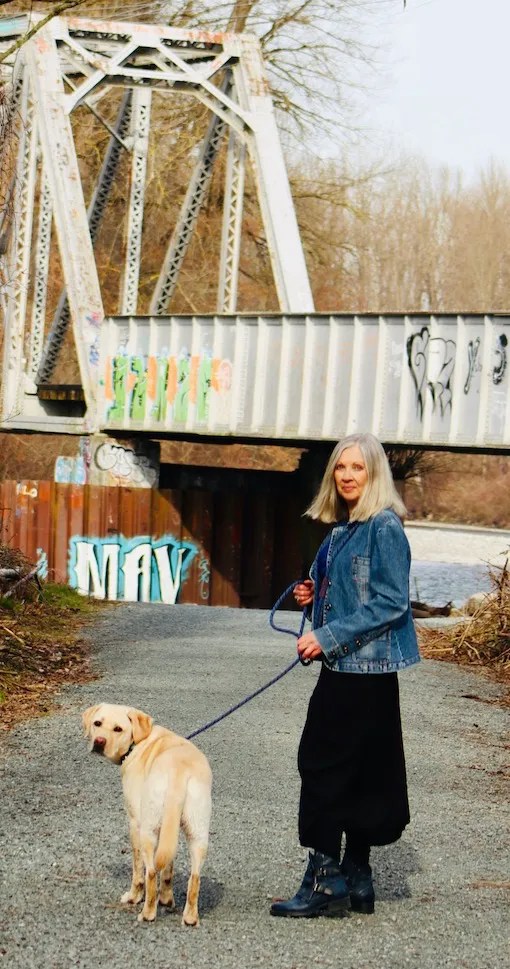
Harper finds inspiration in Nature. You’ll often finds her walking in woods or by water with her released therapy dog.
1) Tell us a little bit about yourself. How did you get into writing?
I am married and have three grown children, who are my greatest accomplishment, and I am quite proud of them, too. I’m a retired Nurse Practitioner and worked in mental health, OB/GYN, Hormones & Wellness, and owned my own Regenerative Aesthetics business before retiring in 2021. I’ve had a love for writing since my younger years, when I began journaling. Being retired afforded me lots of time to get back to doing things I love, like writing and traveling. I call California, Texas, and the Caribbean home. If I’m not in one of those places, I’m traveling the world and finding things that inspire me. My best writing is done at the beach.
Advertisements
2)What inspired you to write your book?
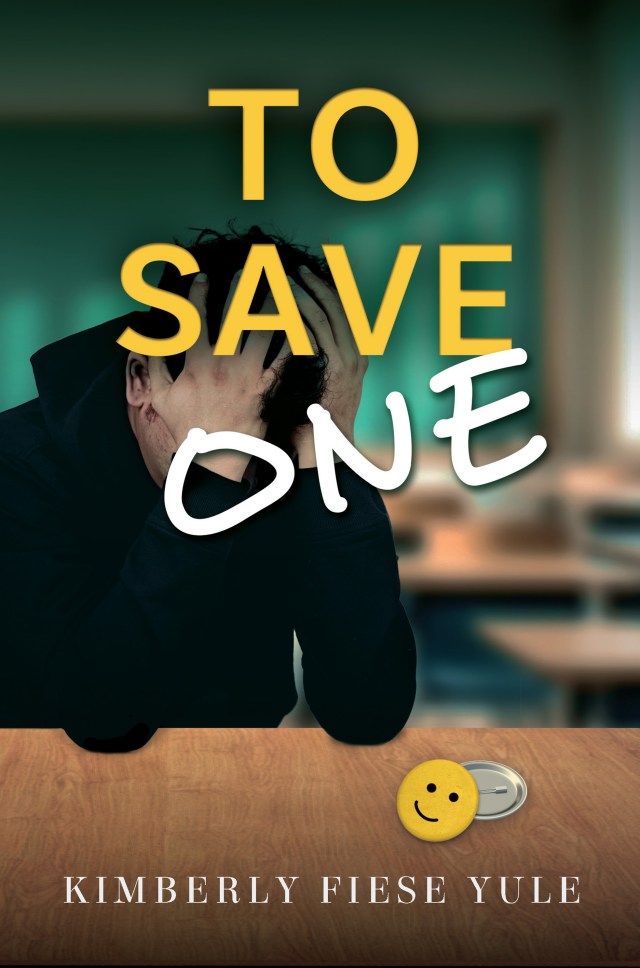
In many ways, this story is very personal to me. I had a family member who went through some very tough mental health issues, and by the grace of God, was able to reach out for help. What bothered me the most was that we never knew they were having problems. I wanted to write a book that brings mental health to the forefront and lets people know that there is help.
3)What theme or message do you hope readers will take away from your book?
I hope the reader finishes the book with a deeper understanding of how mental health affects people in many ways and that compassion or small gestures can be so powerful. Even if we don’t see it, people are carrying around grief, sadness, and quiet battles that they are fighting beneath the surface. Even in our darkest moments, connections and vulnerability with others can help to create unexpected pathways to healing. Let’s remove the taboo about mental health and make it a a subject that is comfortable to talk about.
4)What drew you into this particular genre?
Honestly, it was by accident. When the story came to me, I thought of my children, knowing how difficult life is for kids nowadays. I wanted to make an impact in the young adult age group that has a higher incidence of mental health issues. I felt like I could tell an important story from their viewpoint. The story is also a crossover to any age group that knows someone who suffers from mental health issues.
5) 5) If you could sit down with any character in your book, what would you ask them and why?
It would be Briggs. The story only allows for a glimpse into his life and there is so much to learn from him. I would want to have an honest conversation with him about who he is and how his mental health affects him, which would allow for a better understanding of him as a unique person. I’d ask him to describe his pain and how it affects his thoughts. What do you wish you could admit without feeling judged? What’s one message you wish others who struggle could hear from you?
Advertisements
6) What social media site has been the most helpful in developing your readership?
I would say Goodreads and Facebook
7)What advice would you give to aspiring or just starting authors out there?
The key is to believe in yourself and just start with writing down something. It took me a couple years to write my story. Maybe at first, I didn’t think I could do it. But the more I wrote, the easier it got, and slowly my story came together, as did the belief in myself that I could write.
8) What does the future hold in store for you? Any new books/projects on the horizon?
I plan to continue writing, as there are more stories of connection I want to tell. Travel is a huge source of inspiration for me. Every place I visit helps to spark new ideas, characters, and scenes. So yes, you will probably find me on a beach writing my next story.
Advertisements
About the Author
Kimberly Fiese Yule believes life is better with sand between your toes, music in your ears, and a story that makes you feel seen. A mother of three, her greatest pride and joy, she is also a former women’s health nurse practitioner and a lifelong wanderer. Depending on the day, she calls Texas, California, or the Caribbean home, always finding inspiration in sunshine, connection, and the beauty of everyday moments.
1) Tell us a little bit about yourself. How did you get into writing?
I’ve loved stories for as long as I can remember. I grew up as a theatre and music kid – the sort who memorised Shakespeare before he could understand a fraction of the themes at play – and performing off-Broadway at thirteen probably quietly set my course. Writing fiction became the place where all my interests and obsessions converged. Even when I swapped the theatre performances for swordplay (I fenced at international level for several years), drifted through a series of martial arts, and later studied film and comparative mythology, I always returned home to the page.
I was sixteen when I began writing my first novel that would eventually see both completion and publication – oftentimes during maths lectures, which explains where I found the time – and I’ve never really stopped. These days I divide my time between several disparate fields – engineering in the family business, a new venture in agriculture and wine-making, and occasionally teaching writing workshops at university – but a love of storytelling remains the constant. It’s why I founded Endangered Poet Productions: a small, fiercely independent studio devoted to narrative art in all its forms. That’s the centre of gravity I always return to.
Advertisements
2) What inspired you to write your book?
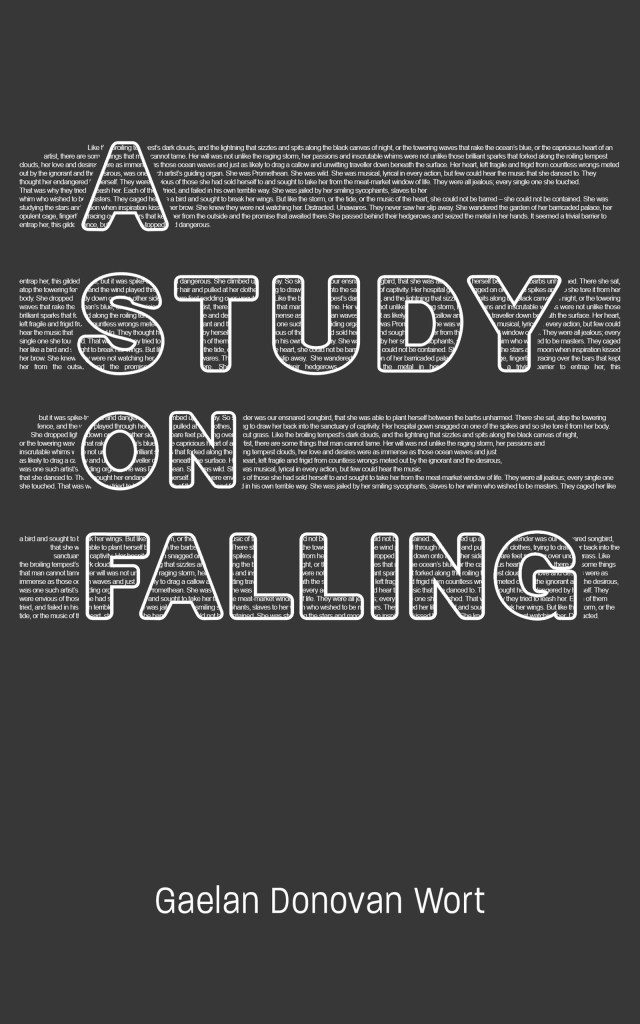
I began writing A Study on Falling while working on my honours thesis, drawing on narratology and comparative mythology, with a focus on the persistence of myth in contemporary storytelling. What struck me then is how little our myth-making impulse has changed, even in the increasingly secular culture of the modern West. We continue to shape our lives through narrative; allegory is how human beings construct meaning – it’s literally baked into the architecture of our brains. And we still reach instinctively for allegory whenever rote rationality inevitably fails to account for our fears, our griefs, or our sense of purpose.
That idea was the seed of the book. I wanted to explore the reciprocal relationship between fiction and the people who create and consume it: how stories shape us, and how we, in turn, inscribe ourselves into the stories that enter the cultural bloodstream. Filtering Henry Levi’s personal drama through the surreal metatext of The Shambling Lords felt like the most vivid way to show that exchange happening in real time; the author influencing the fiction, the fiction transforming the author – for good or ill.
My natural genre inclination leans toward the gothic, so some darkness inevitably crept in, but at its core the book is about something far simpler than the overt conflicts that unfold throughout: the human need to believe in something. To have a story to cling to, a myth to vest oneself in. The act of thought is a story told in the present tense; memory is a story told in the past; hope, fear, and anxiety are stories projected into the future. We build meaning through narrative. That gradual realisation was more than academic and it became the emotional engine that compelled the book into existence.
3) What theme or message do you hope readers will take away from your book?
The book is deliberately semi-open-ended, so I’m hesitant to prescribe a singular, overt lesson. If there’s something I hope readers come away with, it’s the idea that even when so much of life lies beyond our control, we’re never entirely powerless. We may not be able to choose the maze that we stray into, but we can choose how honestly we confront it.
One of the quiet touchstones for me was the Greek myth of Ariadne’s thread – the idea that there is always some guiding line back out of the darkness, if you’re willing to acknowledge the shape of the maze and depths of your descent first. Denial, fantasy, and self-deception only deepen the corridors. Clarity, however painful, creates orientation. The act of paying attention becomes an ethical choice.
At heart, the story suggests that meaning isn’t found by mastering the world, but by mastering the self. You can’t control the weather, the past, or the minds of others – but you can decide how you respond, what truths you refuse to look away from, and how you author the next page in the proverbial novel of your life. As meaning is constructed through allegory, it is through the stories that surround us that we learn how to refine our own in turn. That, to me, is where agency still lives.
4) What drew you into this particular genre?
I’ve never been bound to any single genre. While I have a natural affinity for gothic horror, I’m also drawn to exploring other modes and the spaces where genres overlap. In this case, part of the appeal was precisely that I was blending distinct traditions rather than settling into one.
What interested me most was the friction between the two narrative layers. A Study on Falling functions as literary fiction and psychological drama, while The Shambling Lords is dark fantasy and cosmic horror. Allowing those disparate genres to coexist and inform one another became a meaningful part of the book’s structure.
In that sense, writing the novel was also an exploration of genre itself: how different narrative forms shape our expectations, and how testing those boundaries can reveal new ways of telling a story.
Advertisements
5) If you could sit down with any character in your book, what would you ask them and why?
I’d choose to sit down with Henry Levi – a bit like holding up a mirror to a part of myself I haven’t visited in a while. But I wouldn’t ask him about the events of the book – he’s already told that story in his own way.
What I’d want to know is what came after. Whether things truly worked out for him once the narrative wrapped up; whether he managed to stay out of the maze, keep the light burning, and live honestly with what he discovered about himself. Not in any grand, redemptive sense, but in the ordinary, everyday way that actually matters.
I’d also ask him for an update on what he’s writing next. Admittedly, even I’ve been curious. An advance reader copy wouldn’t hurt either…
6) What social media site has been the most helpful in developing your readership?
Social media has never been my natural habitat, and I’ve learned not to pretend otherwise. I’m an analogue person at heart, far more comfortable with books, margins, and long-form work than with feeds and algorithms.
That said, as a studio we’ve come to recognise its importance, and we’re in the process of rebuilding our online presence more thoughtfully. You may start seeing more of me there – though I suspect I’ll always approach it a little more reluctantly than most.
7) What advice would you give to aspiring or just starting authors out there?
Read constantly and write more broadly than you think you should. Experiment, push yourself, try styles and voices far outside your comfort zone. Practical habits matter too. My personal work tradition: putting together a playlist that aligns with a project’s setting or emotional register. It helps to shut out distraction and keep you anchored in the work.
More broadly, I’d say learn to kill your darlings early, but also learn when not to. Listen to critique, but don’t let anyone talk you out of the plot, voice, or character that feels essential to you. A unique style is hard-won, so don’t compromise it lightly.
8) What does the future hold in store for you? Any new books/projects on the horizon?
My primary focus at the moment is the ongoing development of The Hollow Waltz – a long-form horror series conceived as a kind of “greatest hits” of the genre. Each entry stands alone, but together they form a subtle, shared mythology spanning different eras, cultures, and horror subgenres, from gothic and folkloric horror to cosmic, liminal and institutional dread. I have two exciting releases scheduled for February 2026, with another pair of brand-new titles already deep in development and nearing readiness for global distribution soon afterwards.
After that, I’m planning a brief shift away from horror to revisit Riftbreakers, a teenage and YA science-fiction comedy series I’m in the process of rebooting and re-releasing. It’s a project rooted in direct experience, aimed at that most elusive reader demographic of all: teenage boys. As a former one myself – and as someone with close friends who seem to have never really grown up – I’d sensed this gap for a while. More recently, through opportunities to mentor, teach, and simply listen, I’ve been able to ask teenage guys plainly why they aren’t reading. The answer is rarely hostility toward books themselves so much as it’s bewilderment. Much of what’s on offer feels either inaccessible, academically distant, or simply not written for them.
I understand that disconnect. I grew up on the classics, but I can see why works like The Odyssey or the Poetic Edda feel impenetrable as entry points for most young guys, just as I can see how much contemporary teen/YA fiction, centred on distinctly female interiority, just doesn’t appeal. Riftbreakers is my attempt to meet those readers where they are – with stories that are high-octane and unhinged – while still carrying the same foundational concerns about identity, responsibility, and higher meaning that have always shaped myth and literature.
Alongside the books, Endangered Poet Productions is also preparing to move further into interactive media later in the year. There are a few long-term projects in development that I shouldn’t divulge yet, but once our renewed online presence is up and running, we’ll be sharing previews and early material. Looking a little further ahead, we’re also exploring some unusual crossovers, like a fusion of literature and wine – because good stories and good shiraz are a match made in heaven.
All in all, it’s an unusually full creative season – and a very exciting one.
Advertisements
About the Author
Gaelan Donovan Wort penned his first novel, The Nature of Predation, at the age of seventeen, driven by a restless passion for storytelling that has since deepened into a lifelong craft. Since that early beginning, he has followed the shadows that gather between myth and memory, reverie and ruin – threads that continue to weave throughout his stories. His fiction drifts between genres – gothic horror, mythic tragedy, psychological thriller, speculative drama, and satirical science fiction – but is always drawn to the liminal, the haunted, and the human. Whether eerie or elegiac, his stories linger where the rational frays – and the unknowable begins.