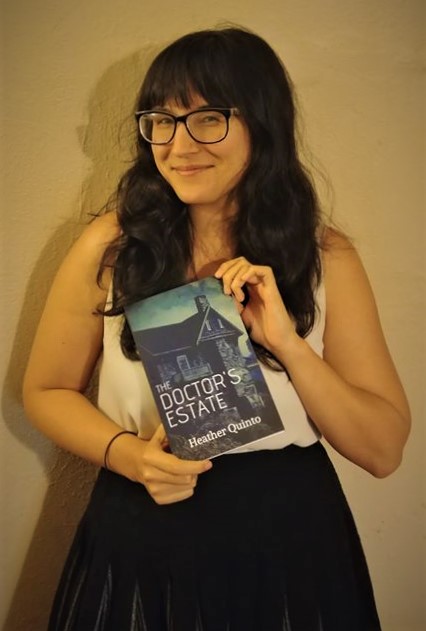
Interview with Author Heather Quinto

1) Tell us a little bit about yourself. How did you get into writing?

I grew up in a Catholic household, but being Native American, my Catholic upbringing was much different. We were more open-minded about communicating with spirit and feeling energy. We had a unique combination of both spirituality and religion. However, I never entirely agreed with the Catholic faith. I used to pick and choose what I believed in and put my own unique spin on things. For me, writing was something I enjoyed even at a small age, which I know is clichรฉd. Almost every writer will say they started writing stories the second they could pick up a pencil, but I had a harder time learning to read and write. I stuck to making picture stories because I barely knew how to formulate a simple sentence or how to write my name even at six-years-old. I got a grasp on my writing at eight, but my reading skills were much to be desired. However, writing helped with my reading because Iโ€™d read my own short stories to my uncle. I wrote my first novel at twelve, which was an awful time traveling story about ninjas (haha!). However, the novel I wrote at fifteen, I ended up publishing at twenty. Writing was something I always knew I was meant to do with my life.

Advertisements

2) What inspired you to write your book?
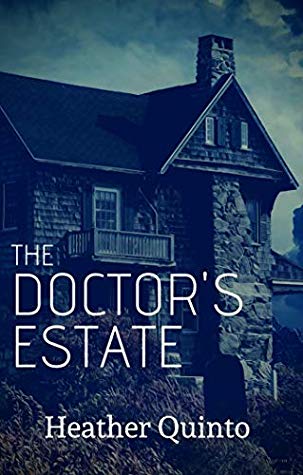

For The Doctorโ€™s Estate, it was actually the publisher and friend of mine, Jesus Martinez, who approached me about the plot. He was the original creator of the entire thing, and he wanted me to write the novel for him. I like to spin it as I was the ghost writer for a horror novel. We worked together before on a documentary about a local haunted house called the Wolfe Manor that was unfortunately demolished, so he was familiar with my writing. I added on to his original plot a bit because he allowed me to have complete creative control, but I needed to keep the essential theme the same. It was a collaborative effort, and none of this would have happened without him. 

Without giving too much away, my inspiration for the mental illness aspect of the book was that I wanted the reader to sympathize with Ted, and I wanted to add that struggling with any kind of mental illness is always far more gut-wrenching than a ghost in your house. At least in my experience. For myself, I found the fear of possibly losing your sanity to be far more horrifying, and I know there would be other readers who would feel the same. Struggling with your inner thoughts is no joke, and I wanted to stress the back-and-forth that some people go through. I wanted to leave the reader guessing if it was all real in the first place in order to open a discussion about reality and how bendable it is. Also, someone who is going through a neurodegenerative condition like Alzheimerโ€™s or a mental illness like depression, anxiety, or anything else isnโ€™t something to be fearful of. Like you said, they are far more likely to be the victim than the perpetrator. 

3) What theme or message do you hope readers will take away from your book?

The creator of the story, Jesus, wanted to stress the theme of the fight between the light and the dark. You canโ€™t have one without the other, and I too agree with that. You cannot know happiness without sadness. We need contrast in order to learn and grow, which is how Humans are. We live in a world of polarity. We are such creative creatures, but at the same time we can destructive. I wanted the readers to see the polarity we live with on a daily basis, and you decide which reality you want to live in. Like I said before, realities are entirely bendable depending on your perspective and how you choose to see life. Tedโ€™s struggle with his thoughts was one of my favorite parts of this story because it is something we can all relate to.ย 

4) What drew you into this particular genre?

Horror has always been a favorite of mine growing up. In fact, my favorite movie of all time when I was a kid was The Ring, and I would reenact all the scenes. I was a morbid child growing up since all I ever watched were horror movies. I never actually sat down to read the genre. I find that I donโ€™t write the genre that I read, and Iโ€™m not sure why that is. I read a few horror stories and thrillers as research for The Doctorโ€™s Estate because I needed to educate myself on the style. How do you write a scary scene with a ghost anyway? At the same time, I found what I wanted to change about the genre to make it more unique. I tend to combine genres into one, and each one of my works has a bit of a philosophical twist to it. At least, I try to implement that.ย 

5) If you could sit down with any character in your book, what would you ask them and why?

Thatโ€™s a tough one! I thought about Ted for a second, but honestly, I would talk to Monica. She jumped on board from the start about the possibility of the paranormal, and I would love to ask her how she could do that without second-guessing her sanity or thinking if it was at all real or not. For myself, I doubt so much. I second-guess every little thing in my life, and I have had bizarre experiences that I cannot explain. I get โ€œknowingsโ€ about things or people that I couldnโ€™t possibly know, and I struggle with knowing if it is a serious mental illness or if I am truly doing what I am doing. I am a lot like Ted in that I have to compartmentalize and explain everything logically, and sometimes that isnโ€™t possible. Thatโ€™s when I am shaken to the core. What advice can Monica give me for that?

6) What social media site has been the most helpful in developing your readership?

Aside from my own blog, I would say Facebook has helped me greatly. Mostly, because I spend the bulk of my time on there, so I am always plugging my novels. Being an author is a full-time gig, and you have to be prepared to market and promote not only your books, but yourself. Knowing your audience is key because maybe you write young adult contemporary novels, so your readership is on Instagram more than Facebook. Therefore, you would have better luck there.

7) What advice would you give to aspiring or just starting authors out there?

Honestly, I consider myself barely starting out despite my three publications. Only because I have yet to sign with a literary agent. That is my goal, but that takes time and a lot of hard work. My advice would be: be open to learning new unique ways to break into the industry. It can be unforgiving and harsh just like any other industry out there. You will develop a thick skin, trust me. You are going to have to, so never give up. Confide in other writers because they are going to be your lifeline, and connections are everything. Most writers have social anxiety like myself, but put yourself out there no matter how frightening it is. You never know what will happen, and I would know because that is how I was able to publish The Doctorโ€™s Estate. Building a writing career you can live off of is like building an empire. It takes time, so be patient. Acquire as much knowledge as you can, and when you feel you know everything, acquire more. There is always more to be learned and always room for growth in your writing. Writing is a form of art, and it is entirely subjective, so be patient with your work because the energy you put into it is worth it. No matter whether your go the traditional route or the self-publishing route, your art is always worth it. 

Advertisements

8) What does the future hold in store for you? Any new books/projects on the horizon?

I am currently in search of a literary agent for a dystopian novel I wrote. When I say dystopian, most think of the young adult novels like Hunger Games, but this is more of a literary piece with some commercialism in it called Upmarket fiction. Like The Doctorโ€™s Estate, it has a philosophical twist to it. It is an allegorical novel based off of the United Statesโ€™ political climate. Other than that, I am outlining a new novel, which is a sci-fi romance, and I am also applying to the MFA program at Fresno State. Fingers crossed I get in!ย 

About the Author

Heather Quinto is a Pascua Yaqui Native, and she resides in Fresno, California. She has a BA in Creative Writing/English with a minor in Marketing from Southern New Hampshire University. She is a self-published author of the paranormal/fantasy novel, Inhuman, and a spiritual/romance short story titled In Love and Death. Recently, she published a horror novel with TruRealm Media titled The Doctorโ€™s Estate. Currently, she is seeking representation for her unpublished novel, Eleutheria, which is an adult allegorical novel on todayโ€™s society that has universal truths deeply rooted within its themes.

โ€‹

Heather always had a strong urge to write and create imaginative stories ever since she could pick up a pencil. She started off by drawing picture books when she was four before transitioning to writing short stories when she was eight years old. Heatherโ€™s main inspiration behind writing is to be able to leave the greatest impact on whomever picks up one of her books by influencing a more positive and spiritual outlook on life. She strives to create fresh and original stories that grasps a readerโ€™s attention, and hooks them with her strong and compassionate characters. Heather brings in unique storylines that no one has ever read before, and this is what caters to her originality. Her writing uses humor to teach self-confidence by encouraging her readers to laugh at themselves every once in a while. She writes of relatable hardships that help her readers feel less alone, and makes them feel more accepted.

โ€‹

Although, Heatherโ€™s current target audience are teens, she doesnโ€™t stick to one given genre or age group. Her genre varies from book to book. She is currently working on a new science fiction novel, and has a mystery/romance novel sitting in her documents waiting to be edited. Heatherโ€™s ultimate goal is to be a major impact on the world for the better while teaching the morals and values passed down in her tribe. She hopes that her books challenge others to think both philosophically and spiritually like her tribal elders push her to do. She also strives to eventually make a comfortable living off of being a full time writer.


Author Website:  https://www.heatherquinto.com/

Publisher Website:  https://trurealmmedia.com/

Facebook: ย https://www.facebook.com/HeathertheQ/

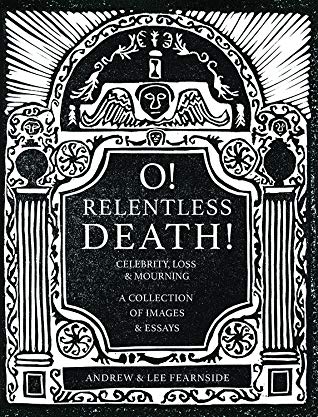
Interview with Author’s Lee and Andrew Fearnside, O! Relentless Death

Tell us a little bit about yourself. How did you get into writing?

LEE: When we started this project I was a professor, and so writing was a part of my daily life. In my art practice I almost always incorporate stories or ethnographic interviews, so connecting other peopleโ€™s writing to my images felt natural. 

ANDREW:
Writing thousands of pages of session notes as a psychotherapist made writing second nature. But more than that, learning about active listening and practicing compassion in every session helped me grow as an editor. Throughout the process of editing โ€œO! Relentless Death!โ€, I found the courage to ask risky questions, to listen deeply, and to stay focused on the heart of a written piece rather than its styleโ€”because Iโ€™d practiced interacting from those perspectives in thousands of counseling sessions.


Advertisements

2) What inspired you to write your book?


ANDREW:

Lee and I began collaborating in 2015. We gave each other โ€œassignments.โ€ Iโ€™d returned to making stuff just a couple years before that time; Lee had been making stuff for years and years, but was interested in stretching her creative practice with unfamiliar media. Partly, the โ€œassignmentsโ€ were just fun; and partly, they were a chance to apply some good old-fashioned psychological leverage to our individual processes. And they also made for more communication between us, which we both wanted.

So when we realized in mid-2016 that weโ€™d both been doing art-things about the landslide of celebrity deaths that were starting to accumulate at that point, we already had an established channel for communication and collaboration in place. We chose linocut as the medium, because like our โ€œassignments,โ€ it was a medium neither of us felt accomplished in. We were forced to figure out ways to adapt what could be a sprawling process to little plates. That, and weโ€™d both made linocuts with our mother, a lifelong printmaker.

After the 2016 election, the project became clear: there was a parallel between the losses of cultural heroes like Gwen Ifill and, as Progressives, the loss of the election. To us it felt like something died that day. 

LEE:

Our collaboration became a way to grieve together, with each other as brother and sister, and as artists/editors with the writers who participated in the project. It felt like sharing our grief was a way to create community.


3) What theme or message do you hope readers will take away from your book?

ANDREW:

While cultural heroes like George Michael and Gwen Ifill are larger than life within the context of global media, they are also containers for enormously powerful cultural forces. They deserve respect for their achievements, certainly, and we mourn their losses.

LEE:

But they also are entry points for peopleโ€™s experiences. We feel a connection to celebrities, even though weโ€™ve usually never met them, because of the role they play in out lives. I hope that readers will identify with the writersโ€™ reflections of their experiences with celebrities, and see some of their lives reflected in the words and images in the book. 


4) What drew you into this particular genre?

LEE: 

Portraits are both direct and interpretive. The relief prints show our understanding of the specific celebrities, as well as recognizable image, just as the writing show the individual authorโ€™s experiences as well as something we can all recognize. I really love working with other artists on projects as it can be energizing to play off of each othersโ€™ ideas, so this collaboration with my brother and the writers was a natural extension of what Iโ€™ve done before. 

ANDREW:

Art. A deep and abiding love of picture book genres like illustrated childrenโ€™s books, comics, and old encyclopedias. The grounded understanding that as artists, this book was something we could do that would literally draw real emotional connections between us and our readers, and that that is a powerful political act.


5) What was the one story or celebrity that you identified with the most in this book?

ANDREW:

George Michael. I hated Wham at the time, and didnโ€™t think much of his work as it progressed through the 80s and 90s. And to be honest, I still donโ€™t think he was a great artist, compared to luminaries like Prince. But learning about him in 2016-17, and then making an image of him, I found myself weeping for what he went through, what he carried for all of us. He was outed during a period of intense upheaval and change, and suffered for it. He was forced to be a figurehead for a movement he seemed to have been ambivalent about. And all in public, at the receiving end of a firehose of cultural venom no one, no one EVER, deserved.

LEE:

For me it was Prince, who was a big part of my early adulthood. I listened to his music in high school and college, which for me (and many people) was a time when I really figured out myself as a person. So listening to his music is nostalgic on a lot of levels for me. This also made his portrait the hardest for me to make. Which Prince did I want to show? Could my portrait really capture everything I felt about him? I think I made 3 or 4 images before I settled on the one that made it to the book. 


Advertisements

 6) What social media site has been the most helpful in developing your readership?

LEE: 

Facebook was where we connected with a lot of potential writers, showed people work in progress, and then launched the Kickstarter campaign that funded printing of the book. We use both Kickstarter and Facebook to keep in touch with our readership, and dabble in Instagram.

ANDREW:

Kickstarter, if weโ€™re going to be really literal about a social media platform. Then, at last, after everything else that we personally did with our own strategy and planning, itโ€™d be Facebook.


7) What advice would you give to aspiring or just starting authors out there?

LEE:

The old saying of 99% perspiration and 1% inspiration is so true. I used to tell my students that they had to make at least 10 bad things before they had the 1 good thing. You have to keep making, keep revising, and keep getting feedback. It can be a relentless process, being creative, but only by continuing even when it feels like youโ€™re making crap can you push through to the good stuff. 

ANDREW:

Keep tinkering with your daily creative practice, whatever it may be. Every time you do it, youโ€™re doing ITโ€”the big thing, the masterwork, the whole enchilada. Whatever it is for you, youโ€™re going to do it one TRILLION BILLION times. May your moments of inspiration become as common, and as miraculous, as breathing.


8) What does the future hold in store for you? Any new books/projects on the horizon?

ANDREW:

Iโ€™m focusing on building my practice and business as a muralist in Albuquerque, NM, where I live. 

LEE:

Iโ€™m working on a book about animal adaptations to human behavior and encroachment. The book is modeled after a field guide, but is really a series of stories paired with images just like our last book. The stories range from the absurd, like crocodiles in Florida using pool noodles as floatation devices or mountain goats in Olympic National Park becoming addicted to hikersโ€™ urine, to the disturbing and profoundly sad, like wildebeests in Botswana no longer migrating because of fenced off ranch land or cane toads taking over the Australian landscape and forcing out native fauna. My hope is that readers will laugh but also think about what we as humans are doing to the animals we share our world with. The book comes out this spring. If anyone is interested in learning more, follow our Facebook page โ€œFearnside and Fearnsideโ€ or our Kickstarter, โ€œLee and Andrew Fearnside.โ€

https://www.chimeraprojects.art/

Interview with Author Faramond Frie

1) Tell us a little bit about yourself. How did you get into writing?

I have always written, short stories and small standalone scenes just for myself and as storylines for artwork projects that I undertake but after my friend, author Jhedron Luckspar published his novel, Revenge of the Hrym, I was inspired to publish my own book and started with the short story Yankaiโ€™s Skull which I was writing at the time.


Advertisements

2) What inspired you to write your book?

I had recently visited the Ashmoleon Museum in Oxford, UK which is like Indiana Jonesโ€™s locker. There are all sorts of random exhibits from all over the world and jumbled together in such just such a way as to make it seem as if it were collected by groups of adventurers from a more romantic age. In one exhibit, there was a human skull that had been taken as a trophy after a brutal fight, the writing on the skull describes it as the skull of Yankai of the Nienching tribe somewhere in the Himalayan region. The story is my take on why Yankaiโ€™s Skull was removed from the rest of him and how it ended up in a museum.

3) What theme or message do you hope readers will take away from your book?

Thatโ€™s easy. If you look at the dark side, it looks back. I think that may have been a quote from Yoda but that is essentially the message of the book. Even those with good intentions who study the dark side of the world will end up getting corrupted.

4) What drew you into this particular genre?

The story unfolded itself and it turned out to be a mash up. I had no idea how to pigeon hole it but horror seemed closest and if you look at what Yankai experiences, that really is a horrific experience for him. Forget blood and guts, true horror likes in human behaviour and the demons that drive it.

5) If you could sit down with any character in your book, what would you ask them and why?

I would sit with The Poet and ask him about his experiences with Buddha. I would ask him what kind of man he was and what it was like to be around him.

6) What social media site has been the most helpful in developing your readership?

I have not done any traditional social media advertising as of yet so I canโ€™t answer that but looking at them all, I would say Facebook seems to be the best way to develop a targeted readership. My current approach is to send copies of the work to people who may say something good about it and I hope old fashioned word of mouth, on whatever medium will lead to a growth in readership. It may seem counter intuitive but Iโ€™m going to see what happens in this approach, it allows me more time to be creative.

7) What advice would you give to aspiring or just starting authors out there?

Write for yourself as an artist. It may not seem like it but there are people in the world who will love your work and that will connect with what you are doing. How they connect to it in the first place is a dfferent thing entirely but I believe that if you are writing from a place of truth, then the story will resonate as a truth and its core message or experience will shine through.


Advertisements

8) What does the future hold in store for you? Any new books/projects on the horizon?

I have just come back from the Gothenburg Book Festival which was a huge success for many independant authors and publishing houses so judging by that, the future is exciting. Creatively, there are a combination of art projects and more stories that I will continue to advertise in weird and wonderful ways. Astrum, has also been published and is available on Amazon and there are 3 more stories just waiting to be published once the proofing and art have been finalized. Itโ€™s all very exciting.


https://amzn.to/2oJzwsz

www.faramondfrie.com

Interview with Author Azariah Scott

1) Tell us a little bit about yourself. How did you get into writing?


My love for writing started when I was in elementary school. It happened after years of pushing by my mom to get me to read. I hated reading because I couldn’t read. She had to work really hard to teach me to read. We would practice. She would take me to a tutor. I would cry. She would push. Once I learned to read I fell in love with reading and would get into trouble for reading too much. I had to go to special reading classes until 6th grade, though.


Anyway, I wrote all kinds of stories. The stories, at that time, I wrote the most were ones that included my friends as characters.ย 


Everyone I knew was part of the story from us all being superheroes to murder mysteries about how one of my friends died and one of us did it. I would write a little bit every week and they would want me to read it to them because they got a kick out of it. It was like a TV series.ย 


Later when I was a waiter, I did the same thing. I wrote a stories with the people I worked with as heroes and villains. I also did that on a forum I spent a lot of time on. I took the people that frequented that form and wrote a huge epic superhero tale.ย 


I wrote poems, silly lyrics, short stories, and movie reviews. Then I decided to write a novel like story about sheep. I called it a fairy fable. Then I wrote Jeremiah Jericho: Allowance.ย 


Writing allows me to create a world with words. I like to read out loud when I read, so the sound of words creating worlds or displaying ideas or sharing a story is just without parallel. When I read an article, a book, or a simple post that elicits a feeling, I take note, because I think, wow, that was great writing. I can only hope my writing moves people as much as I am moved by other people’s writing.ย 


I like talking about how I couldn’t read and how hard it was for me to learn to read (it was frustrating for me and my mom) because it shows that hard work and pushing through does achieve something great. If she didn’t push me to read I could’ve been left to not knowing and I wouldn’t be where I am with how much I love to write and read.ย 


But I don’t like to (despite how long this answer is) talk about me because I would rather my writing be more famous than me. If my work could become famous and leave me in the dark, I would be quite happy with that.


Advertisements

ย 2) What inspired you to write your book?


This is a dark answer because it’s one of the darkest moments in the book. I don’t want to spoil it, but since it is referenced in the first chapter I can mention what the scene is about without spoiling too much.ย 
I wanted to create a scene that was so dark that would be a terrible thing for someone to be part of at a sensitive time during their life and them choosing to be better than that moment. It was a rape scene that begin the idea of this book. I thought what kind of person would be created because of that? I came up with Jeremiah’s personality after that.ย ย 


That’s as much as I can say about that scene without ruining the significance of it.ย 


I never wrote something like that and I wanted to see how difficult it would be to write it without being pornographic. I wanted to write something displaying evil without glorifying evil. It’s a fine line as is writing this answer. I couldn’t just say well a rape happened because that didn’t explain how terrible what happened was.ย 


What I wanted to create was a reluctant hero. Someone that didn’t want to be one, but is put in the position to be because of circumstances that just won’t leave him alone. The pushing and the prodding that would set people off to be bad, but making it where Jeremiah would pick good despite how tempting bad would make itself. Also, giving him so much power that he could create a path to win so easily, but chooses not to because morally it’s not right to take someone’s free will away.

3) What theme or message do you hope readers will take away from your book?


When we read books or short stories for class, I disliked when we would give an answer and the teacher would be like, well that’s not what the writer meant. This happened with Shakespeare’s work a lot.ย 


I touched on this already, but I made the villain in this book pure evil on purpose. There is not a single redeeming quality about him. Maybe he’s really good at his job, however, it’s at cost. I wanted a villain that was just evil. I was sick of reading how certain villains have redeeming qualities and how if you don’t write one like that, that your villain is going to be bleh.ย 
There has to be a reason why your villain chooses to be this way and maybe, maybe that reason will have your readers sympathize with him and at least undrstand why he’s the way he is. Not what I wanted.


I wanted there to be a good vs evil feel to this. But in reality it’s more like a well mannered boy vs evil. Proving you don’t have to be pure good to defeat evil. Which is the theme I would like people to see. There’s this monster that’s just out to ruin everything, who could stop this? Well just this average boy that just rather not be bothered can do it, anyone can do it.ย 
Sure he has abilities no one has, but it’s the power of the mind. He has to fight through many mental things to accomplish anything and anyone that has to deal with anything mentally understands how exhausting that is to do.ย 


I think that whatever the reader pulls from reading my book is valid. My idea may not be what anyone sees. It may be what a few see. It may be that the reader sees a totally different theme all together. That’s fine. I hope when they read my book they laugh, they cry a little, and they walk away thinking how cool it would be to have someone like Christopher talking to them in their head.


Advertisements

4) What drew you into this particular genre?


This is a really good question because I don’t have a specific answer. I’ve thought about why I was drawn to YA. I can’t totally clear it up.ย 


SciFi is easy. I love Star Trek. I’m not that smart in the sciences. I had to do a bit of research for what I did in this book. I didn’t go into this wanting to be super accurate with scientific things outside of the normal storytelling. I didn’t want to get detailed as to why the chip worked. But I didn’t have magic or anything that would label this a fantasy. I like SciFi because it is grounded more. It’s not super factual on every account, but it’s good enough.ย 


As for Young Adult, I guess that has to do with how interesting that time period is. I had a hard time as a teen for multiple reasons. It allows me to write about someone that isn’t well put together, but at least can go about life better than I did. It gives me a chance to do things better, but not perfect.ย 


Jeremiah goes about things differently than I did in high school, but he’s going about it in a way I wish I had done. He is braver than I was. He’s not more sure than I am, though. I think that that’s what I like about YA. The characters are more unsure because they are less experienced than their adult counterparts. I like writing characters that are young, inexperienced, and such. It’s fun. It’s like I know where they could go because I’m older than them. I think it keeps my mind young writing characters like this.
I wanted to make sure that my adult characters were treated with respect to their age and knowledge and not treated like secondary characters that were dumber than my main character. I dislike that about certain YA stories.ย 


Jeremiah is all of these negative aspects of that age and some good ones, but he is ultimately a teenager that respects adults to a point that they don’t cross a line.ย 

5) If you could sit down with any character in your book, what would you ask them and why?


I like all of my characters except for one. I purposefully made him someone not to like and I dislike him so much I wouldn’t wanna even talk to him let alone be near him.ย 


I would love to speak with Christopher and he was my initial answer. Then I thought about Jeremiah. He went through a lot prior to even getting to the first line in the book. I would ask him what he thought the difference between a villain and a hero is. I’d ask him that because his past could be the past of a villain, instead he became a reluctant hero.ย ย 

6) What social media site has been the most helpful in developing your readership?


I don’t have an answer for this.

7) What advice would you give to aspiring or just starting authors out there?


I went to a writers group every week for almost two years. Then I had a writers group that split from that one that I went to for every week for 9 months. Then I had an online writers group that we met on Google Hangout for almost 2 years.ย 


Those groups helped a lot. The unique formatting in my book came from a suggestion from a writers group. A lot of suggestions came from every writers group that helped form my novel into what it is now. I did do a lot of editing myself, but the help of other people was significant.ย 


The face to face contact matters and it works in helping you take criticism and to learn not to defend your writing. I witnessed other people defending their writing and it’s not pretty. It feels personal, but most people want to help and they are giving suggestions to strengthen your writing.ย 


Even if you think the suggestion is the dumbest suggestion the world over (and I thought this often) don’t reply. Just listen and think about it for a day before you form a thought on whether or not that was a good suggestion. Sometimes you realize that the suggestion was pretty awesome.


Most of the time the person that gave you the suggestion you end up not liking will never know if you implemented it. Therefore, there is no need to tell them their suggestion is stupid. You can just not use it.


As a writer you have to understand everyone isn’t going to like what you wrote and you have to have the ability to split from your writing and learn to accept suggestions, dismiss trash, and not take any of it too personally. If, while you’re in a writers group, you cannot take criticism from a few people, how are you going to be able to stand a book review that just tears into your book?ย 


Advertisements

8) What does the future hold in store for you? Any new books/projects on the horizon?

I am going through Jeremiah Jericho: Forty-Two (Book 2) at the moment. Once I go through it, then I’ll send it to get professionally edited and then work with the edits.ย 


Goodreads link

 Amazon link

Interview with Author Chandra Lahiri

1) Tell us a little bit about yourself. How did you get into writing?

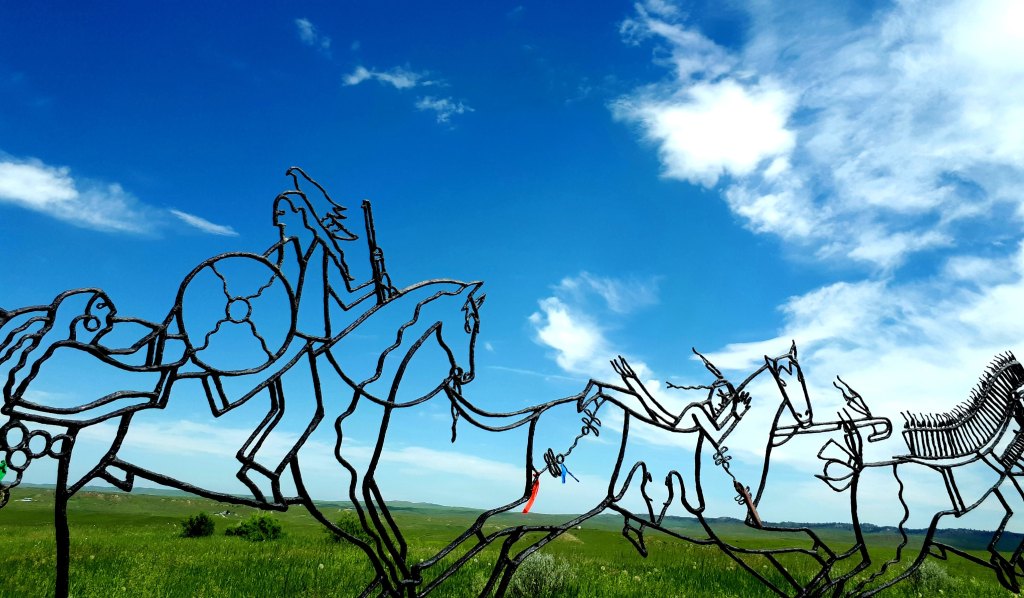
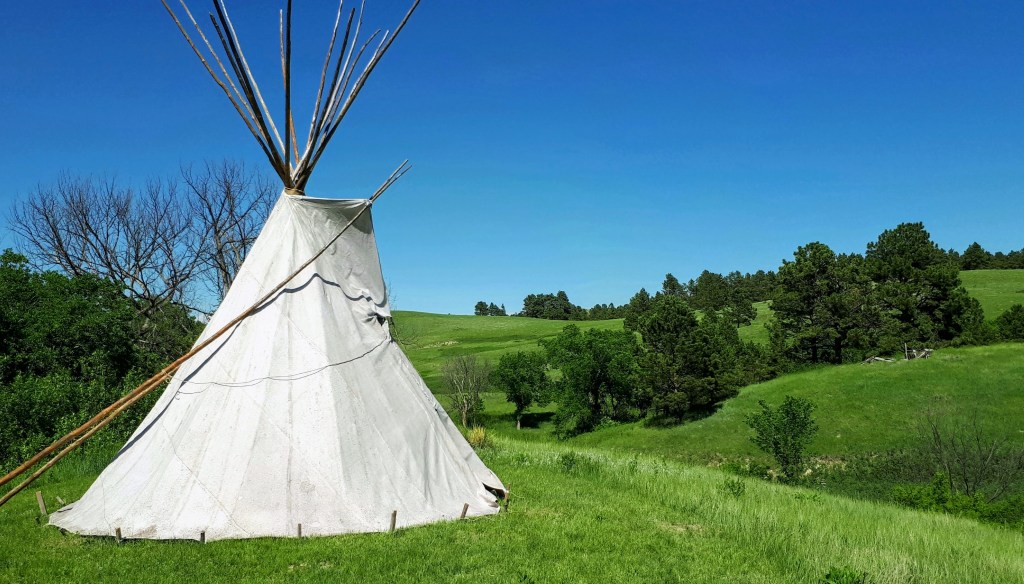
Purely by accident! I have always enjoyed writing the odd freelance article for a newspaper or magazine, but never even thought about writing a book – until now! I have spent over 45 years working for a variety of companies, from transnational giants like Unilever and Nivea, to small family-owned ones like the luxury perfumer Amouage. For a third of that time, I led those companies and, eventually, specialized in turning around sick companies. I have run businesses in over 40 countries around the world, dealing in a wide variety of products. However, all my life, I have had an inexplicable passion for the Native Americans, and read, researched and watched a mountain of material. Perhaps, the Great Mystery was gently preparing me, all my life, for this odyssey and the vicarious experience of re-living parts of their history, participating in their heritage. As is my habit, I made extensive notes in my diary during the trip – not least because I wrote a daily column from the road, for the leading English newspaper in the Sultanate of Oman. On my return home, I realized I had so much material that I simply had to try and turn it into a full-length book. And, I desperately wanted more people to know the real story of these remarkable people.


Advertisements

2) What inspired you to write your book?

The people I met, and their story. People like Carney Saupitty, Lisa Snell, Vernell White Thunder, Peter Catches, Mark St.Pierre and so many others. Theirs is a story of quiet heroism, of fighting impossible odds to regain their identity and proud heritage, of an elemental daily struggle. I realized they, perhaps more than anyone else, deserve a voice for the unborn generations. They must never be allowed to be forgotten or marginalized, but brought into the American mainstream instead.

3) What theme or message do you hope readers will take away from your book?

The thing that strikes me most powerfully is the sheer apathy (at best; frequently it is outright discrimination) of America, and the world, to them. The downright untruths of Hollywood created a fantasy savage, not even a noble one, while the media stereotypes present them as hopeless, violent, suicidal substance-abusers on miserable Reservations, subsisting on Government money. I hope my book will contribute something to showing people just how shamefully untrue and unjust this portrayal this is of a truly noble people winning small triumphs on their way to recovering their civilization from genocide. History cannot be true if written only by the victors.

4) What drew you into this particular genre?

Strangely, it was not a conscious choice! Looking back now, it seems some sort of cosmic Force seems to have guided my life to this experience and the decision to write about it. The whole effort is as mystifying and intriguing to me as was my completely unexplainable experience on their very sacred Bear Butte. To me, it seems to be more important than anything else to disseminate a knowledge and awareness of the Native Americans, so they are never consigned to the footnotes of history.

5) For those who aren’t as well acquainted with the history of the Native American people and their history, why do you think it’s so important to understand the history of the Native American people and what they endured during the formation of the United States? What are some of the biggest misconceptions people have from a historical standpoint from that time period and the history of the Native American tribes overall?

If even a part of humanity is destroyed, all of humanity is damaged. The creation of the United States was, without doubt, one of the greatest achievements in human history, creating the most powerful military and economic entity in just a couple of centuries, something never achieved before. While admiring the people, and effort, that made it possible, it is equally vital not to lose sight of the disastrous cost of that effort. And, above all, the fact that the genocide was, in reality, completely unnecessary.
People usually think “the West had to be won” because the “savage Indians” stood in the way of “civilization”. The truth is exactly the opposite. The Pilgrims survived only through the generosity and welcome shown them by the Wampanoag. In return, the settlers enslaved these friendly people, killed their chief, and sold his wife and children as slaves for thirty pieces of silver. In later years, the children of Native nations were forcibly removed to distant Christian schools to be “civilized” – under such terrible, abusive conditions that well over half of them actually committed suicide.
Perhaps the biggest misconception is that the West was “won” through the strength of American arms. In reality, the US Army lost most battles and frequently spun massacres of defenseless civilians into stories of victorious battles. Custer is the most famous such fantasy hero. In reality, about an equal number died on both sides, despite the overwhelming superiority of firepower and manpower with the Army. What actually defeated the Native Nations was the terrible scorched earth policy of General Sherman which almost entirely wiped out the buffalo, their only source of food, shelter, weapons, occupation, toys and everything else. Starvation, not bullets, brought them to their knees.

6) What social media site has been the most helpful in developing your readership?

Its early days yet, but so far I think Facebook and Instagram have been useful in getting the word out. I have also been fortunate to benefit from the massive distributive reach of Ingram. My social media links are:
www.dawnvoyager.com
www.facebook.com/redroadacrossthegreatplains
www.twitter.com/RoadPlains     
www.instagram.com/redroadacrossthegreatplains     
www.pinterest.com/redroadacrossthegreatplains 
www.youtube.com/channel/UCUcBgnPnoXltv0baXWAM8Qw/featured?view_as=public

7) What advice would you give to aspiring or just starting authors out there?

This is one of the steepest mountains you will ever climb, with huge amounts of pain – but it is worth it! Don’t lose heart and bash on. If you have something worth telling, there are people out there who are keen to hear it – it’s just a hard road reaching them! The only thing to do is enjoy the ride!


Advertisements

8) What does the future hold in store for you? Any new books/projects on the horizon?

Whew! After working on this book for well over a year, I am now going to pause for breath and see how it works out. I would, ideally, like to do another book on the same subject, as there is such a wealth of history and heritage to write about, and so many incredible misconceptions to try and uproot. Fingers crossed!

About the Author

Chandra Lahiri is an โ€œIndian from Indiaโ€ who lives in the Sultanate of Oman. After many years as a global CEO, he now focuses on his lifelong passion for Native American heritage. His wife is a Special Needs Educator in Oman, and his two sons live in the USA. He loves hearing from like-minded readers, at www.dawnvoyager.com

https://amzn.to/2Raojxj

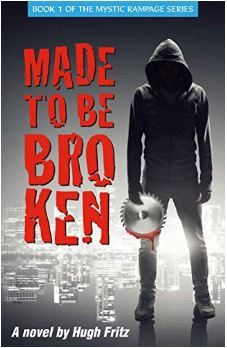
Interview with Author Hugh Fritz

Tell us a little bit about yourself. How did you get into writing?

Writing began as a way to meet people. There was a group of kids in high school who met to share short stories, poems, and songs. I joined them and brought scripts using everyone in the group as a character. After high school I kept writing on my own, but switched to narratives. 

Advertisements

What inspired you to write your book?

The idea for this story came after reading the Crucible for an English class. It sounds strange to say now, but that was the inspiration. The Mystic Rampage series started as an alternate history about a secret war between witches and genies. It went through a lot of changes because I was worried that if I ever tried to publish it the readers would be troubled by the lack of historical accuracy. It was also had a lot in common with the Crucible so another concern was fans of classic literature feeling I had disgraced a treasured piece. This might have been an overreaction on my part, but Iโ€™m satisfied with the final product even if it is completely different than the original concept.  

What theme or message do you hope readers will take away from your book?

I would like readers to focus on the message of teamwork. When the Genies work together theyโ€™re capable of saving lives but when they turn against one another it leads to unnecessary casualties and nobody gets what they want. 

What drew you into this particular genre?

Selecting a genre has been a struggle. It was fun basing a story on the Crucible but I was having trouble writing characters in that time period so I made it more modern. When I decided to have it take place in Chicago and introduced the gang I had every intention of making it a horror novel, but I became uncomfortable with the level of gore I was putting into some of the murder scenes. I cut back on the bloodshed and came up with the book I have now. I feel like Iโ€™m stumbling toward urban fantasy, but Made to Be Broken still has traces of the horror story I once wanted it to be, so in the end the publisher felt it was best to classify it as a fantasy thriller. 

If you could sit down with any character in your book, what would you ask them and why?

Iโ€™d like to ask Atalissa if she regrets not listening to her parents and if she would still marry Darren, knowing how their lives would play out. I made it clear that Darren is willing to do anything for Tyrell, but I donโ€™t feel like I focused on Atalissa enough and didnโ€™t establish whether or not her feelings for her family were as strong. 

Advertisements

What social media site has been the most helpful in developing your readership?

I have to say Facebook because itโ€™s the one Iโ€™ve used most often. I have accounts on a few social media sites but donโ€™t spend a lot of time on any of them so I donโ€™t have much insight about which one is the best to use. 

What advice would you give to aspiring or just starting authors out there?

Donโ€™t write a novel as a first project. Writing short stories in different genres is a great way to discover what kind of author you are and provides insight about your strengths and weaknesses. That personal awareness will help plan a longer piece. Iโ€™m better at describing scenery and actions than dialogue, so when I get stuck Iโ€™ll write a few chapters without anybody speaking. Once I have all my thoughts on paper, Iโ€™ll go back and figure out what the characters should say. Some people might prefer the opposite, and write a few chapters with just dialogue before going back to describe where the scene took place and what the characters were doing. Whatever the style, I feel like itโ€™s better to get a lot done quickly and then go back to tweak it than to try doing everything at once. 

What does the future hold in store for you? Any new books/projects on the horizon?

I have a story that I edit whenever I need a break from Mystic Rampage. It takes place in an imaginary kingdom and follows a dragon, a knight, and a farmer. A sorcerer casts a spell on each of them and they need to help one another to live with their curses, and possibly break them. Maybe Iโ€™ll see about getting that one published someday.ย 

Advertisements

About the Author

Hugh Fritz is a fan of monsters, mad scientists, sorcerers, and anything that involves being with incredible powers beating each other senseless. After years of writing research papers, he decided it was time to give reality a rest and let his imagination run wild. This is his first book, and it has been an illuminating experience making the transition from reader to author.

He was born in Chicago where he spent most of his life until moving to the Southwest in 2015. He finds inspiration bouncing ideas off other novelists in a critique group, but hours of television and finding the right songs to put him in the writing mood play an important role as well. He has no plans to end the Genies’ adventures here, so be on the lookout for more magical mischief in the next book of the Mystic Rampage series.

Advertisements

Find Hugh Fritz online:

https://www.facebook.com/Stories-by-Hugh-Fritz-397896477228957

Author’sย Website:ย http://www.hughfritz.com/

Made to be Broken ย is now available to purchase onย Amazon.com,ย Barnes and Noble, andย ย IndieBound.

Interview With Author Jessica Leed

1) Tell us a little bit about yourself. How did you get into writing?ย 

As far as I can remember I have loved story tellingโ€”in all forms. As a child I would spend every Saturday at the library, devouring books like there was no tomorrow! This quickly led to writing short stories wherever that had a surface! I think there is so much beauty in the world with many stories to tell and feel like there are endless possibilities of ways to communicate them. 

Advertisements

2) What inspired you to write your book? 

I love creating different worlds in my head. There is such a freedom in writing. A lot of inspiration was drawn from real life experiences, lived out by fictional characters, and of course, the fictional town of ‘Aringdale’. 

3) What theme or message do you hope readers will take away from your book? 

This book weaves together themes of self-identity and toxic relationshipsโ€” issues I feel are prevalent in society that many people can relate to. It is my hope that my readers know that who they are is enough, that no battlelife has thrown at them defines them or their worth. We are strong, brave, resilient and capable of anything we set our mind to. 

4) What drew you into this particular genre? 

I have always been a bit of romantic. In saying that I realise that life doesnโ€™t always end in โ€˜happily ever afterโ€™ the way most romance movies and fairy-tale books lead us to believe. Letโ€™s face it, Life is complicated, relationships are complicated. I wanted to create a story that highlights this, but in a way that stirs faith and hope within the reader. 

5) If you could sit down with any character in your book, what would you ask them and why? 

I think itโ€™s safe to say that there are a few readers that have been frustrated with Siennaโ€™s decision in tolerating a toxic relationship for so long. Instead of asking Sienna why she didnโ€™t leave, I would ask her what she would be most afraid about if she did. 

6) What social media site has been the most helpful in developing your readership? 

Facebook has been the most beneficial. I started promotion my book months before its release. I found that Facebook ads have really helped drive people to my website and subscribe to my newsletter which is wonderful. 

Advertisements

7) What advice would you give to aspiring or just starting authors out there? 

Read, read, read! The more you read, the better you will be able to refine your craft and gain a deeper insight into the genre that most inspires you. Also know that your writing will never be perfect and that there will always be someone who doesn’t like your work. You could be the juiciest, sweetest, ripest peach in the world, but not everyone likes peaches! This is true with writing, too. Understand that your debut book will not be your best, which is actually exciting because it means you will only continue to grow as a writer! 

8) What does the future hold in store for you? Any new books/projects on the horizon? 

I have very recently launched my debut novel NINE YEARS and about to embark on the sequel; HERE I STAND. I will be spending a lot of the summer in hibernation, writing! Stay tuned. ๐Ÿ™‚ย 

About the Author

Jessica is a 30-year-old school teacher, former fitness professional and dancer. She was born and raised in Bendigo, Victoria before moving to Melbourne in 2008. For as long as she can remember she has had a passion for storytellingโ€”in all forms. 

From writing countless short stories as a child to later completing a creative writing course, written by her favourite and best-selling author, Karen Kingsbury, Jessica was adamant to become a published author. NINE YEARS is the first book in the two-part series BENEATH THE CLOUDS.

AMAZON:https://www.amazon.com.au/Nine-Years-novel-Jessica-Leed/dp/0648679721/ref=sr_1_fkmr3_1?keywords=nine+years+jessica+lead&qid=1573102696&sr=8-1-fkmr3

GOOD READS: https://www.goodreads.com/book/show/48556916-nine-years

Website: http://jessleed.com

Facebook: https://www.facebook.com/jessicaleedaโ€ฆ

Instagram: @jessicaleedauthor  

Author Interview with Hans Joseph Fellmann

1) Tell us a little bit about yourself. How did you get into writing?

I didnโ€™t really get into writing; writing got into me. It happened for the first time when I was five years old. My folks and I went to visit my grandparents and my grandfather showed me his handgun. I asked him what it was for and he said, โ€œKilling bad guys.โ€ He didnโ€™t explain much more. I knew from cartoons that guns fired bullets. It didnโ€™t occur to my tiny brain that bullets could kill people. On our way home, we passed our local sewage treatment plant. It stunk like rotting bodies in a wet room. I asked my father why that was. He said, โ€œBecause thereโ€™s a river of shit running through it.โ€ We got home and I went to bed. The next morning, I went to school. I was teased ruthlessly, as usual. I came home in a foul mood. I ate dinner and went to my room. Instead of diddling myself or playing videogames, I decided to draw. I grabbed a pencil and a stack of paper. As I sat there scribbling, I let my mind go. I thought about the handgun and what my gramps had said. I thought about the kids who teased me and the sewage treatment plant. Suddenly, a force shot through me; I was like a metal rod pulling lightening from the clouds. When the sensation ceased, I looked down at the page. I had written and illustrated (albeit terribly) a story about a handgun that came to life, floated over to the sewage treatment plant, shot down the sign warning people of the โ€œriver of shit,โ€ so that when all the kids that bullied me at school walked by it, they didnโ€™t see it and thus fell in and drowned. I was immensely proud of my little story. I ran into the kitchen screaming and showed it to my mother. She smiled at first. As she read, her smile dropped. When she finished, she looked up at me. Her expression was one of pure terror. It was the most beautiful thing Iโ€™d ever seen. Iโ€™ve been writing ever since. 

Advertisements

2) What inspired you to write your book?

I wrote my book about a trip I took around the world with my childhood buddies in 2006. I guess you could say the trip is what inspired me to write the book. But the thing that pushed me to write it was a night of unprotected sex some three years later โ€ฆ Iโ€™d woken up the next morning and realized Iโ€™d forgotten to use a condom. I didnโ€™t know the woman Iโ€™d fucked, and I was hungover, and when Iโ€™m hungover, I get paranoid. I started thinking Iโ€™d contracted HIV. I worked myself into a frenzy and was huffing and panting and screaming the whole drive home. When I arrived, I ran upstairs and took a shower. As I was scrubbing my junk and banging my head against the tiles, I realized that it wasnโ€™t HIV I was afraid of, it was dying before I released all the words inside of me. I was 27 and set to go to grad school. I got out of the shower, called the director of my program, cancelled my enrollment, sat down at the computer, and wrote the first chapter of โ€œChuck Lifeโ€™s a Trip.โ€ 

3) What theme or message do you hope readers will take away from your book?

I donโ€™t want them to take away any theme or message in particular. All I ask is that they embark on the trip that is my book with an open mind and an open heart. 

4) What drew you into this particular genre?

My genre, if you could call it that, is โ€œfictionalized memoirs.โ€ I canโ€™t say what drew me into it. But I can say that I like the idea of writing about my past without the encumberment of sticking to the facts. 

5) If you could sit down with any character in your book, what would you ask them and why?

If I could sit down with any character in my book, I would sit down with the main character, whose name is Johann Klaus Felmanstien, and ask him why he chose to represent us with such a stupid fucking name. 

6) What social media site has been the most helpful in developing your readership?

Seeing as how Iโ€™ve only used Blogger and Facebook to promote my work, Iโ€™d have to say those two. I wish I could say I havenโ€™t used any social media sites to promote my work, and that my readership has grown strictly through reading and word-of-mouth, like in the good old days when people actually read books and then talked about them face-to-face with other people, but those days are dead, buried, and rotting, so yeah, Blogger and Facebook. 

Advertisements

7) What advice would you give to aspiring or just starting authors out there?

If youโ€™re doing this for money, fame, sex, or any combination of the three, kindly take your computer, and any other instruments of writing you may own, form a pyramid with them in your backyard, douse it with lighter fluid, strike a match, and toss it at the belly of that bitch so that it may go up in flames along with your dreams โ€ฆ However, if youโ€™re in this for the good fight, and by that I mean putting words on the page so that a decade from now they reach some poor bastard ready to stick a gun to his head, and he reads them and decides to give life one more shot so he can take his kid to the park, then write everyday with honesty and vigor and donโ€™t stop until you croak. 

8) What does the future hold in store for you? Any new books/projects on the horizon?

Iโ€™m currently editing my second novel, which is based on my service as a Peace Corps volunteer in the Central Asian republic of Turkmenistan. I have also written a compilation of poems and book of short stories, both of which I will release at a later date โ€ฆ As for my future, I have no idea what it holds. I only know that with writing, Iโ€™ve crossed the point of no return, and it scares the shit outta me.ย 

About the Author

Hans Joseph Fellmann currently lives between Prague, where he teaches to keep the lights on and writes to keep from going nuts, and Livermore in Northern California, where his funky little ass grew up. During the last twenty years, Hans has been tiptoeing the globe and scribbling it all down. To date, he has visited over eighty countries on six continents, and he continues to โ€œblow it upโ€ each summer.

By the skin of his teeth, Hans earned a BA degree from the University of California at San Diego in International Studies, with an emphasis on the Middle East. His articles and short stories have appeared (albeit not magically) in the UCSD Guardian, the San Diego Union-Tribune and The Prague Revue. To improve his craft, and to buy his folks keychains so they could claim their son went to grad school, he attended the Iowa Writersโ€™ Workshop in 2013.

His first novel โ€œChuck Lifeโ€™s a Trip,โ€ which is based on a trip he took around the world with his childhood buddies in 2006, is now available on Amazon. He recently completed a second semi-autobiographical novel which he is โ€œpolishing.โ€ It is about his pants-on-the-head-crazy experience as a Peace Corps volunteer in the Karakum Desert of Turkmenistan.

In his spare time, Hans likes to study languages, the more obscure the better. He speaks ten, including Czech, Turkmen, Farsi and Spanish, with varying degrees of proficiency. He is also a huge geography and book nerd. When heโ€™s not backpacking where he shouldnโ€™t be or rattling off in some foreign tongue, heโ€™s got his eyes crawling over a map of a long-forgotten Central Asian republic, or his nose buried deep in a book by a fellow B.A.M.F.

https://amzn.to/2Ox8f6b

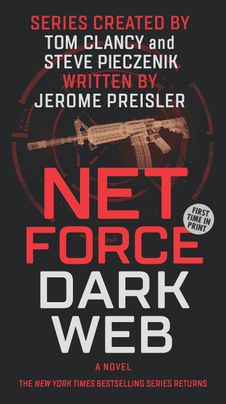
Interview With Author Jerome Preisler

1) Tell us a little bit about yourself. How did you get into writing?

When I was about ten or eleven I started writing a kind of science fiction/fantasy/horror novel. I suppose it was a kind of escape; I was not the happiest of kids. I wrote the beginning in longhand, but after a couple of months taught myself to type on an old manual typewriter that was sitting around in my room. The book wound up being exactly 138 pages, single-spaced. Iโ€™ve been writing ever since, with long lapses until I hit my late twenties and decided to really make a go at doing it professionally. 


2) What inspired you to write your book?

Well, in the case of Net Force, which was a previously existingโ€”if long dormantโ€”bestselling franchise,  itโ€™s kind of different from a novel I would conceive entirely on my own. I was initially asked to relaunch the series, but the whole process took a while, and there were extended lulls before it all came together. Finally I made a big push to convince everyone involved that the time was right to get it done, cybersecurity and the evolution of cyberspace being very much at the forefront of our collective awareness nowadays. It took a lot of work and patience, but here we are, happily!


Advertisements

3) What theme or message do you hope readers will take away from your book?

I have three epigraphs. One quote is from President John F. Kennedy: โ€œWhat unites us is far greater than what divides us.โ€

I like the word โ€œthemeโ€ better than โ€œmessage,โ€ and if the series does have a theme, JFK put it very succinctly. Weโ€™re living in a time of great challenge. Political, moral, ethical, environmental, technological, social … this is a hinge-point in terms of our very survival and evolution as a species.  If humanityโ€™s going to make it, weโ€™re going to need heroes of all nationalities and ethnicities and genders to stand up against the forces that threaten our freedom … and our existence.

Thatโ€™s where Net Force comes in.


4) What drew you into this particular genre?

Iโ€™ve written books of almost every type, and like working in many different genres. I donโ€™t think of Net Force as being one thing or another … to me itโ€™s just a thriller, with elements of mystery, suspense, cyberpunk and other categories. I get to use my whole toolkit, and thatโ€™s part of the fun.


5) If you could sit down with any character in your book, what would you ask them and why?

Hands down, itโ€™s Kali Alcazar. But I wouldnโ€™t ask her anything in particular. Iโ€™d just want to have a long conversation with lots of good, strong coffee for us to drink. Kali is 28 years or so and going on a thousand; an old, old soul. There are oceans of depth to her. You could know Kali for years and still feel sheโ€™s a mystery. But thereโ€™s a core certainty about her, a knowingness, thatโ€™s rock solid. Once Kali makes a decision, she never questions it, never second guesses herself. Thatโ€™s very different from how Iโ€™ve been most of my life, though Iโ€™ve gotten more like her in recent years. Kaliโ€™s someone you can depend on in extreme moments. At the same time, she isnโ€™t infallible. She is who she is by choice, and some of those choices have taken her down difficult roads. But sheโ€™s true to herself and her values and the things and people she cares about. If sheโ€™s on your side, sheโ€™ll stand with you through any hardship and danger … but donโ€™t cross her or youโ€™ll regret it!  


6) What social media site has been the most helpful in developing your readership?

To be completely honest, Iโ€™m not convinced social media works that well. It still seems to me that one good radio or tv appearance is worth any number of tweets or Facebook posts. But Iโ€™m keeping an open mind and staying at it, so letโ€™s say the verdictโ€™s still out.


7) What advice would you give to aspiring or just starting authors out there?

If you really want to write, be disciplined, and donโ€™t sit around waiting for inspiration. I love baseball and always use the analogy of a batter getting in his daily repetitions, or reps. Hitters need routine, they need steady, regular at-bats. Sit them for a few days, and they slip off their game. My father toiled in a factory most of his life, a garment sweatshop, and what I got from him was my work ethic. He never missed a day of work in his life and I admire that. You do it every day. Doesnโ€™t matter how you feel. You get up and go to work.


8) What does the future hold in store for you? Any new books/projects on the horizon? 

I finished the first Net Force enovellaโ€”a prequel that spotlights Kali and CIA manhunter Mike Carmodyโ€”last August. Itโ€™s called Eye of the Drone and will be out in June and it kicks butt. And Iโ€™m currently writing my second Net Force novel, which will be released in the autumn of 2020. Last but not least, I have a Civil Warย narrative history about a colorful character named Will Cushing thatโ€™s due out in October 2020. So, thankfully, Iโ€™m keeping busy!


Advertisements

About the Author

Jerome Preisler is the prolific author of almost forty books of fiction and narrative nonfiction, including all eight novels in the New York Times bestselling TOM CLANCYโ€™S POWER PLAYS series.

His latest book is NET FORCE:DARK WEB (November 2019), the first novel in a relaunch of the New York Times bestselling series co-created by Tom Clancy. Forthcoming in May 2020 is the enovella NET FORCE: EYE OF THE DRONE.

Among Jeromeโ€™s recent works of narrative history are CODE NAME CAESAR: The Secret Hunt for U-boat 864 During World War Two, and FIRST TO JUMP: How the Band of Brothers Was Aided by the Brave Paratroopers of Pathfinders Company. His next book of nonfiction, CIVIL WAR COMMANDO: William Cushingโ€™s Daring Raid to Sink the Invincible Ironclad C.S.S. Albemarle,will be published by Regnery Books in October 2020.

Jerome lives in New York City and coastal Maine.


Advertisements

https://www.jeromepreisler.com/

https://platform.twitter.com/widgets.js

https://amzn.to/2KB2EKG