Interview with Scott Kauffman 

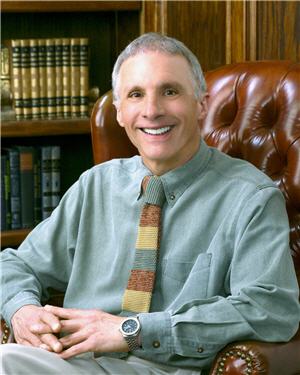
1) Tell us a little bit about yourself. How did you get into writing?

My fiction career began with an in-class book report written in Mrs. Baer’s eighth-grade English class when, due to a conflict of priorities, I failed to read the book, necessitating an exercise of the imagination. Not only was I not found out, but I snagged a B, better than the C that I received on my last report when I actually read the book. Thus began my life-long apprenticeship as a teller of tales and, some would snidely suggest, as a lawyer as well, but they would be cynics, a race Oscar Wilde warned us knew the price of everything and the value of nothing.

I am the author of the legal-suspense novel, In Deepest Consequences (Medallion Press), loosely drawn on two murder cases from earlier in my career, and the coming-of-age novel Revenants, The Odyssey Home (Moonshine Cove Publishing). I am a recipient of the Mighty River Short Story Contest and the Hackney Literary Award. My short fiction has appeared in Big Muddy, Adelaide Magazine, and Lascaux Review. I will admit to being an attorney in Irvine, California, where my practice focuses upon white-collar crime and tax litigation with my clients providing me endless story fodder. I graduated summa cum laude from Ohio University in Athens, Ohio, (where Walter Tevis, author of Queen’s Gambit, was my first fiction professor) and in the upper ten percent of my class from Lewis & Clark Law School in Portland, Oregon, where I was a member of the Environmental Law Review and received the American Jurisprudence Award in Conflict of Laws. I can be found at www.scottkauffman.net.

Advertisements

2) What inspired you to write your book?
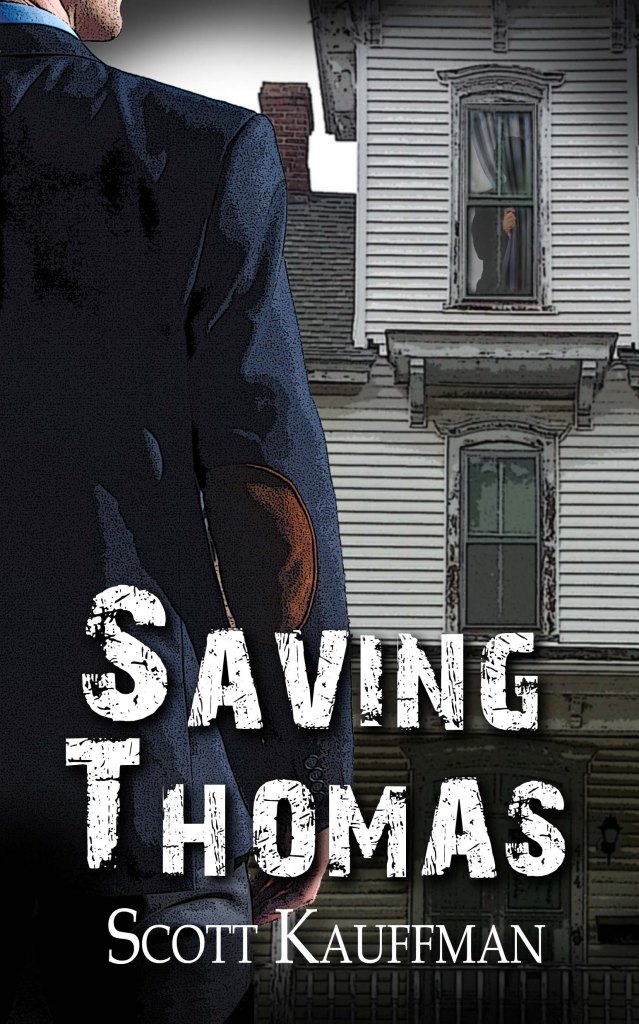
As I said above, my first novel In Deepest Consequences was loosely based upon two murder cases from earlier in my career. Revenants, The Odyssey Home, was drawn from the death of my late-wife’s uncle in Viet Nam, who is the only member of an MIA recovery team known to have died in combat. My inspiration for Saving Thomas was seeded in a general revulsion arising during some or another election campaign at those politicians who may have served but then try to get elected by trafficking in the dead who never came home. So I started to ask myself a series of what if questions. Such as what if someone had served and suffered but was honor bound never to reveal he had served and suffered and because of it suffered all the more? Which lead to more what if questions. The end result of all these what ifs the book you read and reviewed.

3) What theme or message do you hope readers will take away from your book?

Saving Thomas explores the age-old themes harking back to the Old Testament and Homer of betrayal, redemption, and ultimate forgiveness. All of us have been betrayed in our lives by those we love. All of us in turn have betrayed those we love. But if we are to come to terms with our betrayals, both those suffered and inflicted, we must move beyond a shattered trust to commence anew. Hope will reveal itself when we reaffirm those bonds of commitment, and it is in our finding a way forward where forgiveness will be found. 

4) What drew you into this particular genre?

I don’t consider myself a genre writer. When a story with legs comes to me, I write it not caring where Barnes & Noble will shelve it. Having said that, I think it was Nietzsche who said melodrama is right versus wrong whereas tragedy is right versus right with no good outcome. I am drawn to tragedies.

Advertisements

5) If you could sit down with any character in your book, what would you ask them and why?

My villain, Erec Renard. This guy has to have at least a dozen stories to keep a writer employed.

6) What social media site has been the most helpful in developing your readership?

Twitter and Instagram.

7) What advice would you give to aspiring or just starting authors out there?

Learn from other writers. Revise, revise, revise, then revise some more. Master the rules of Greek rhetoric passed on down to the Romans, lost in the Dark Ages, resurrected during the Renaissance, and rediscovered in England just about the time Shakespeare was penning his plays and King James’s scribes were translating the Bible into English and give their works so much power, mimicking the power of Bach and Handel through repetition and point/counter point. Power you can hear in Lincoln’s Gettysburg Address and Martin Luther King’s I Have a Dream. Perhaps most importantly, remember that being published is someone else’s call. It’s impossible to know what to write to please those someones and may not be where your writing comes from. But someone’s first book changed you. Know there are others waiting for yours.

8) What does the future hold in store for you? Are any new books/projects on the horizon?

Next up, Finding Forest: A death-row attorney walks the murderous streets of East Oakland by night searching for the family of the executed client he betrayed twenty-four years before.

Advertisements

About the Author

Scott is an attorney in Irvine, California, where his practice focuses upon white-collar crime with his clients providing him endless story fodder. His short story “Cat Dance” was short-listed for the 2018 Adelaide Literary Award. He is the author of the coming-of-age novel Revenants, The Odyssey Home (Moonshine Cove Publishing) and the legal-suspense novel, In Deepest Consequences (Medallion Press) and is the recipient of the Mighty River Short Story Contest and the Hackney Literary Award. His short fiction has appeared in Big Muddy, Adelaide Magazine, and Lascaux Review.

Website:www.scottkauffman.net 

Publisher: https://www.thewildrosepress.com/ 

Twitter: https://twitter.com/kauffman_scott 

Instagram: https://www.instagram.com/scottkauffmanauthor/ 

Facebook: https://www.facebook.com/Scott-Kauffman-Author-402186853680261/ 

Author Goodreads: https://www.goodreads.com/author/show/3234487.Scott_Kauffman 

Book Goodreads: https://www.goodreads.com/book/show/59610226-saving-thomas?ac=1&from_search=true&qid=81e5CNjnYi&rank=1 

Amazon: https://www.amazon.com/Saving-Thomas-Scott-Kauffman/dp/1509238638/ref=sr_1_2?adid=082VK13VJJCZTQYGWWCZ&campaign=211041&creative=374001&keywords=Saving+Thomas&qid=1646075976&s=books&sr=1-2 

Interview with Clarissa Pattern

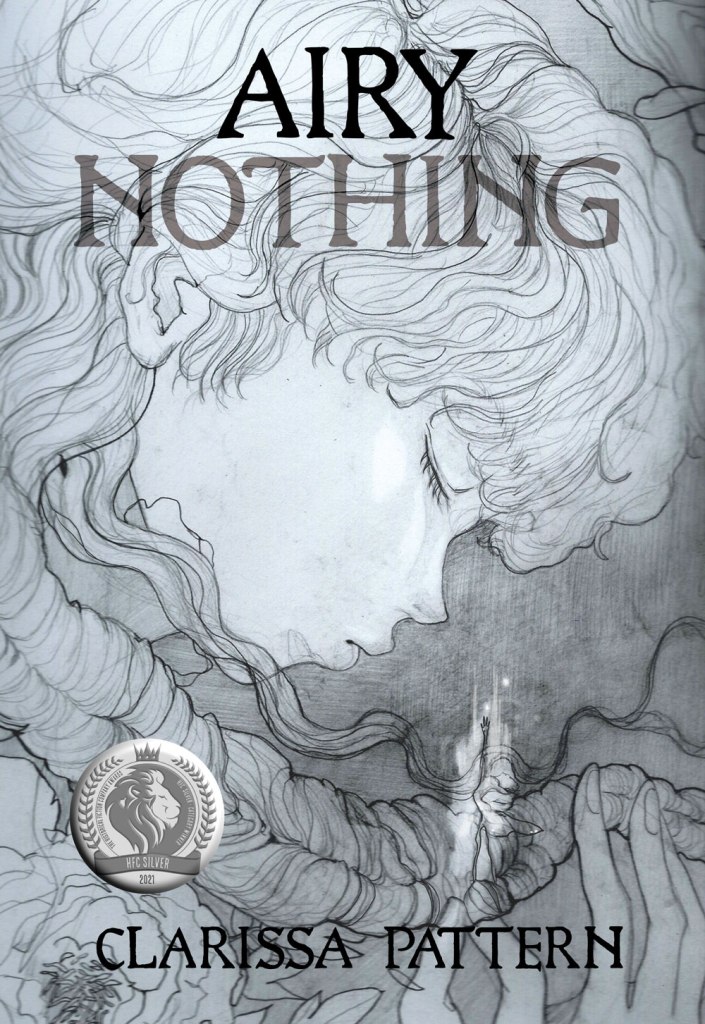
1) Tell us a little bit about yourself. How did you get into writing? 

As a kid I was in and out of hospital a fair bit, reading and writing were my escapes from the long hours of loneliness. My first stories were about dead things that came back to life; maybe one day I will have to revisit those early ideas, because I truly think what the world is missing is tales about reanimated egg shells! 

Advertisements

2) What inspired you to write your book? 

Because it took me many years to write, lots of different people and events have influenced the final published novel. My initial inspiration though, was a simple scene of a young pickpocket at Shakespeare’s Globe theatre being so enchanted by the actors on stage that a yearning for a different life sparkles in his heart. 

3) What theme or message do you hope readers will take away from your book? 

Something I’m always drawn to is the power of friendship and the importance of finding the right place in life. In essence it’s such a simple message that is contained in one of the best-known childhood stories we’re told: the ugly duckling needs to find his swan family instead of trying to fit in with the ducks who bully him. But it’s so easy, especially in this brave new world of social media, to be constantly comparing and contrasting yourself to the wrong people and feeling inadequate when you should be concentrating on what makes you as a unique and wonderful person shine.  

4) What drew you into this particular genre? 

The coming-of-age genre is so powerful and relatable as everything is felt so intensely in both its freshness and its rawness. I don’t know how true it is, but I read somewhere that because of how the brain develops and the random shooting off of hormones, that the love you experience as a teenager is the strongest love you’ll feel in your life.  

Advertisements

5) If you could sit down with any character in your book, what would you ask them and why? 

My characters are constantly chattering away in my mind, but it’s actually really strange thinking of having an actual conversation with them, they ignore me and just talk to each other all the time!  

A sneaky little voice in my head is saying that as William Shakespeare appears in my novel, I could choose him to yank into reality and ask him any number of literary conundrums. But I think it’s more in the spirit of the question to choose one of my purely fictional characters, so I will ask Black Jack if he believes that John can truly see faerie folk? Black Jack is a very practical person surviving in the dirt of Renaissance London, but I wonder if living and loving someone who is literally away with the faeries half the time, how his view of the universe would change. 

6) What social media site has been the most helpful in developing your readership? 

I am not sure if it counts as social media, but my publisher likes Booksirens, I personally have been exploring readersfavorite.com and have found some wonderful people there. I have to mention the Historical Fiction Company too as they gave me a 5-star medal and a silver award in their book of the year competition, so I obviously love them. A couple of readers have found me on Facebook and that has made me smile a lot, people from different countries liking my book enough to reach out to me is so validating for an insecure, self-doubting, introverted blob like me. 

7) What advice would you give to aspiring or just starting authors out there? 

Writing can be lonely and fraught with doubt, so find yourself some great beta readers, people who can give you honest feedback that you respect.  

There are a lot of places online to share your writing and to meet other authors, so spend the time to find the place where you feel like you fit and make those connections. I’ve heard from friends that a lot of writers in writing groups can be pretty selfish, they only want to share their stuff, but aren’t willing to give the time to other people’s work. Although we’re naturally deeply involved in our own creativity, make sure you are not one of those people, always be kind and attentive to what other writers are doing and you will attract the awesome people who will nourish your books.

8) What does the future hold in store for you? Any new books/projects on the horizon? 

Everything being well(ish) in these crazy times, I should have a novella coming out with tRaumbooks later this year.  It is a contemporary story about the mental torment of being a teenager. Beyond that, there may be some more stories in the Airy world. Or there might be a story about robots keeping humans as pets. My imagination is a weird place of glittery rainbows and murky half emerged krakens, I am never certain what will grab and take my muse hostage next.

Advertisements

About the Author

Clarissa Pattern studied English language and literature at the University of Oxford and has lived in the Oxfordshire area ever since. She has been writing ever since she could hold crayons and scribble across the wallpaper. Aside from writing, she spends as much time with her kids as they’ll put up with, ignores almost all the housework, and has an ever-increasing list of books she’s frantic to read. Her stories have been published in various anthologies over the years, and in August 2021, she released her first novel, a magical, historical YA called Airy Nothing.

Interview with John-Patrick Bayle

1) Tell us a little bit about yourself. 

Vocationally I am a writer, first and foremost.  I am also an adjunct professor at two universities (one in the U.S. and one in Canada), teaching both history and religious studies.  I enjoys traveling, since history is one of my true passions.  I enjoys visiting famous places that hold the spirit of the past.  Each place has millions of stories, and I want to imagine them all.  

I have written extensively for magazines and newspapers throughout my career, and I have also published some non-fiction work related to my teaching.  I live in Michigan with my wife and two children.

https://www.facebook.com/JohnPatrickBayle/

Advertisements

2) How did you get into writing?

When I was ten years old I was not a great student.  I was disinterested.  All I wanted to do was play sports.  Sitting in class was very difficult for me.  One day my teacher, Mr. Johnston, asked us to write a poem.  Something clicked.  I didn’t understand it at the time, but I found it easy and very natural.  While other students were complaining and struggling with the assignment (even the good students), I wrote several poems rather than the single poem that was assigned.  To my surprise, I received praise – in school.  That had never happened.  It changed the entire direction of my life.  I started writing and I couldn’t stop.  I had some poems published in the newspaper, and from there I branched out into short story writing, and eventually novels.  I write non-fiction also.  I’ve published articles in History Magazine, Encompass and others.  I’ve written some articles and one book relating to my “day job” as a professor as well.  Fiction, however, is my real passion.  I have so many stories inside me.  I just really want to share them with people.

3) What inspired you to write your book?

I get inspiration from history and from literature.  I also get inspiration from nature and from my faith.  I guess I get it from my life.  I don’t shut off any part of my experiences from offering up a story that might entertain and inspire someone.  I’m human, and my experiences are relevant to other humans.  If I can live them, and then communicate them within the context of an entertaining series of events, then I’m living my purpose by living my life.

4) What theme or message do you hope readers will take away from your book?

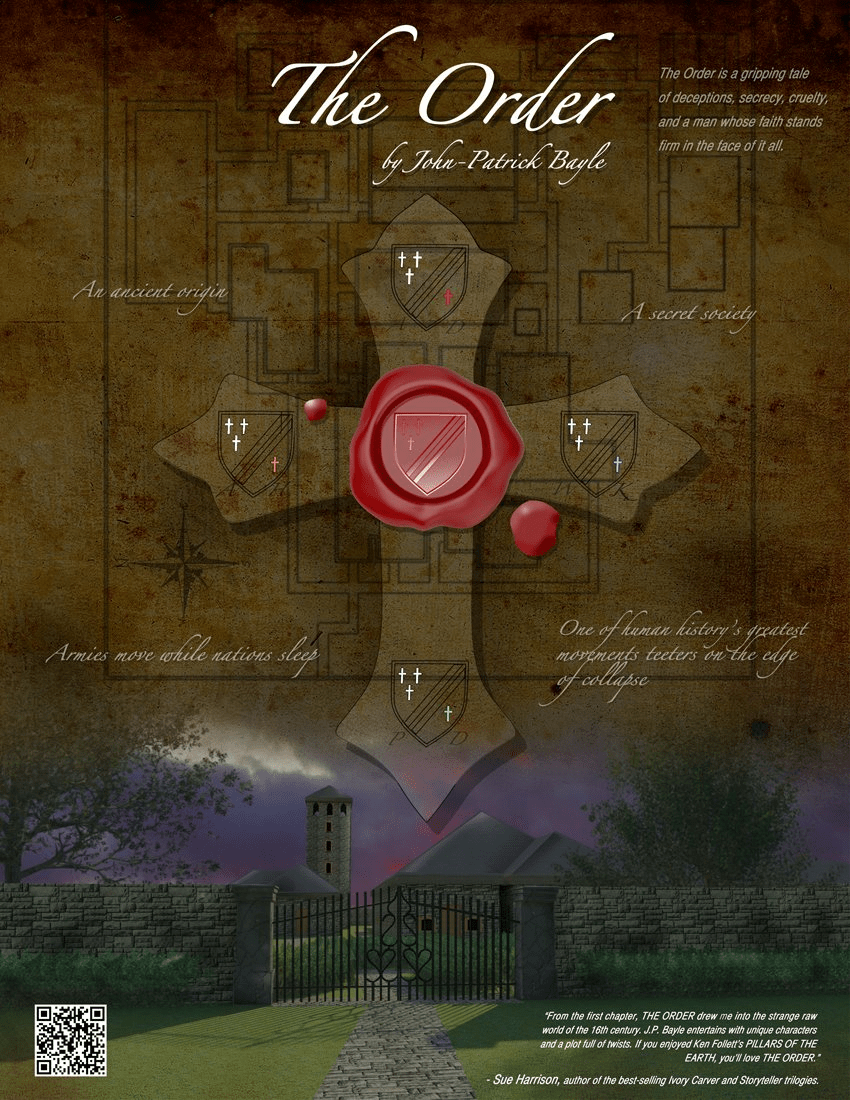
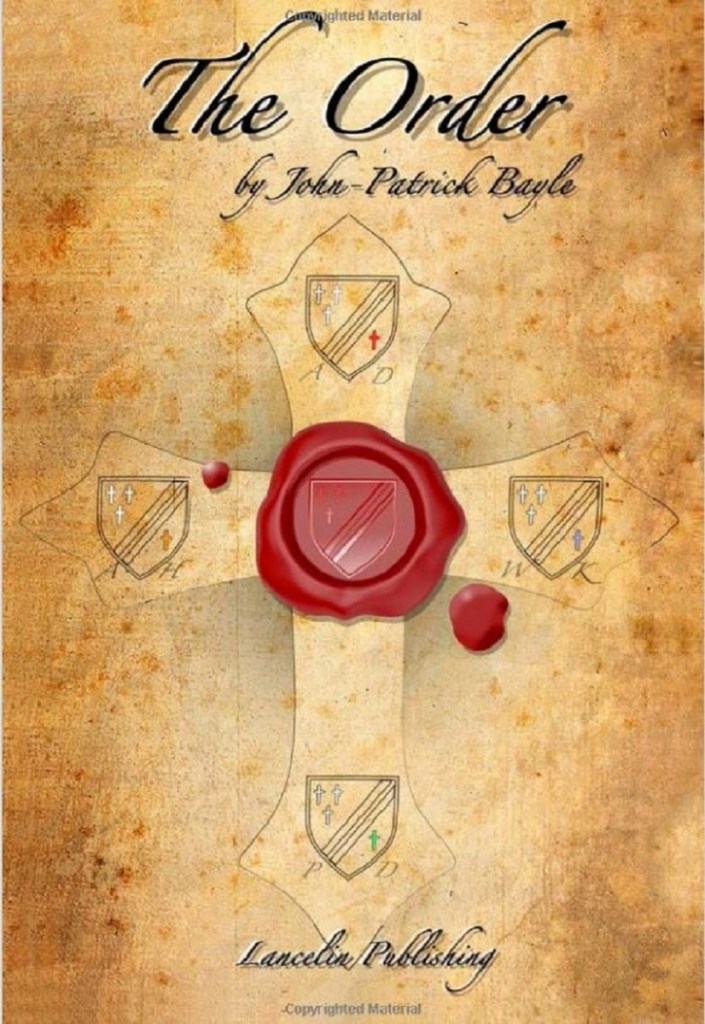
I’ve had this question before, and I found it a little tough to answer because the message of The Order is going to be a bit different for each reader.  We’re not all robots acting off of the same software.  We all have different needs, and we’ll all latch on to different stories within the story.  If I had to narrow it down to one universal theme it would probably be truth.  Truth is true, even if its bigger than we able to conceive of, as Brother Jan discovers when he is forced to confront truths he neither sought, nor wanted.  Truth is true, even if our own ignorance (not stupidity – an important distinction) does not allow us to see it just yet.  Truth is true, even if it does not appear to serve our purposes – and that’s important because truth does not bend to purpose, purpose must respond to truth and then decide if it will bend or not.  Truth is not a tyrant.  It requires a response, but it does not require agreement.  Our response can be to reject it and live a constructed truth that is not real, but only our perception, or it can conform and live within the truth and thrive within the power of something that is bigger than ourselves.  Some say that perception is reality, but that’s not exactly accurate.  Perception is our narrow view of a very broad reality, but if I perceive gravity to be a myth, this can create some real challenges for me when I try and put my perception to the test. Reality – “truth” cannot be only personal or it loses its power to unite and to connect.  The Order highlights the age-old human struggle to know what is true, and then to react to the truth when we find it.  No one has to accept the truth.  The truth is often extremely uncomfortable.  The truth within us – our real fears, prejudices, insecurities; these are true whether we deal with them or not.  These are true whether we accept them or not.  We can live outside of those truths and never escape the nagging weight upon our souls, or we can confront them and live free in the knowledge of our own imperfection and vulnerability.  The choice of our reaction to truth is very personal, and truth is the overarching reality that exposes who we are personally.  So, yes, truth is what the characters in this book are in search of, and it is what they must confront and react to.  I suppose my hope would be that this story will entertain, because it is, after all, a work of fiction, and not a metaphysical treatise, but I also hope that it will generate some deep thoughts about what it means to get what we want, or to not get what we want, and to recognize that truth is above both scenarios.  I hope this because we will all fail to get what we want sometimes, and that can be difficult, but it doesn’t have to be devastating.  There is truth within the disappointment that can bear fruit eventually – if we choose to react to the truth and not reject it because of our pain.

5) What drew you into this particular genre?

History.  I love history.  It is one of my greatest passions.  To know what happened, and the repercussions – that transports me to another place and I can imagine the emotions and the struggles.  History answers so many questions about why we are here, and where we might end up.  Billions of people have lived and died, and they all had real stories.  All those lives that have gone before, and many of them are directly responsible for the fact that I even exist.  There are also so many gray areas which, as a writer, are amazing.  I get to ask, “What if”, and then delve in and create a story where only murky details had once existed.  For a fiction writer, what could be better?

Advertisements

6) If you could sit down with any character in your book, what would you ask them and why?

My favorite character is Sigurd.  He doesn’t play a huge role, but he’s the man I wish I could be.  I can’t say much about him, but I found myself wishing I could just sit with this man and talk to him for hours.  I find myself wanting to talk about him now, but I really don’t want to give anything away.

7) What social media site has been the most helpful in developing your readership?

Probably Facebook, but really I haven’t been as active as I should be on any platform.  That’s a mistake, I know, but I tend to find my nose stuck in books a lot, both for work and pleasure.  I’m a writer, not a marketer, so that’s the part of the work I struggle with the most.  I know that in today’s market you have to be a self-promoter.  Publishers are doing less and less in this area, and more responsibility is being placed on the authors.  This is where people like you, Anthony, become so important.  We need reviewers who can help us do what needs to be done, but is (for me at least) pretty unnatural.  I’m very thankful that you’ve give me this opportunity to share a bit about my book with your readers.

8) What advice would you give to aspiring or just starting authors out there?

If you love writing, then write.  You don’t have to be published to be a writer.  Writing is a gift, and if you love it then do it.  If, however, you want to be published, then you need to write and practice writing.  You can write for the joy of it and not practice the craft of writing, but if you want to be published you need to practice the craft.  You can have a unique style.  I’m not saying you have to become Hemingway or Steinbeck, or Austen.  You can have a unique voice, but your story still needs to have a plot.  Your characters still need to be developed.  There are certain things that a story must have, and if it doesn’t, getting it published is going to be a challenge.  If you want writing to be your profession, then you need to do the work and be professional.  You can still write for the joy of it, but you have to accept the grind of it as well.  That doesn’t mean that you cannot ever flaunt convention.  Many successful writers have.  In the beginning, however, you need to prove that you can write a good story with all of the hallmarks of a skilled author.  From there, more doors open.  Above all – writers must have perseverance and thick skins.  Your writing will not resonate with everyone.  Some will not like your work, and they will be vocal about it.  Learn from the critique.  If it’s valid, use it as an education.  If it isn’t valid, put it behind you.  Don’t lose faith in your dream because someone else doesn’t like your work.  I hate Picasso’s work.  I prefer the impressionists.  Does that mean that Picasso doesn’t have an audience?  I think he did pretty well for himself.  Find your story, let your passion for writing fuel you, accept valid criticism, reject bad criticism, and keep fighting until you’ve shared your stories with as many people as you can.  If you’re really a writer – that’s why you’re here.  Stories are how you will impact the world.  Don’t quit.

Advertisements

9) What does the future hold in store for you? Any new books/projects on the horizon?

I have begun the prequel for The Order.  I’m really excited about it.  It details the story that is in the mysterious book found by Brother Jan.  I don’t have a release date yet, but I’m hoping early in 2023 – January or February.

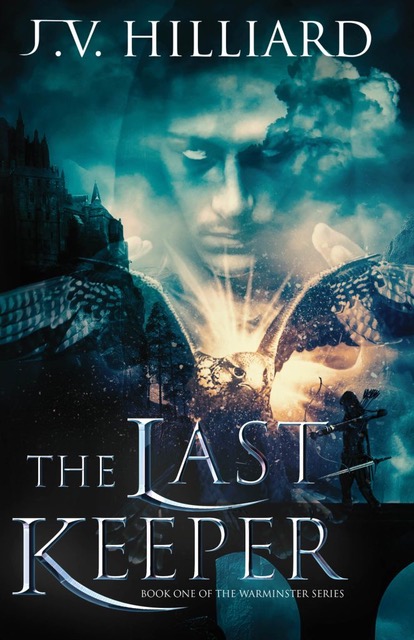
Interview with J.V. Hilliard 

Tell us a little bit about yourself. How did you get into writing?

Writing has been a passion since I was a child. In elementary school I was read The Hobbit by Tolkien in one of my English classes and the story opened my eyes to the fantasy world (and genre) in general. 

That Christmas I received my own copy of The Hobbit from my uncle—and the basic box set of TSR’s Dungeons & Dragons game. My family started playing the game and from that time on, my love of all things sword and sorcery grew. 

Over the years, I started to memorialize certain characters, campaigns, and unforgettable moments from my time as a player character and as a dungeon master in small, campaign-specific diaries. This collection of adventures and stories became the basis for many of the protagonists and villains in The Last Keeper—and make up various parts of the realm of Warminster.

Advertisements

What inspired you to write your book?

I started writing when I was very young. My uncle was paralyzed in the Vietnam War and when he returned home, my mother was his nurse. I practically grew up by his side and the kind of activities he could engage in were limited. But writing was something he could do, and so I started into creative writing and playing Dungeons & Dragons with him as a form of escapism from real life.

I eventually took some creative writing classes in high school and then again in college, but my focus was on government, so I ended up writing every day for a living. However, writing legislation, grants, and speeches tends to be a world away from crafting fiction. In many respects, I had to flip the switch and transition from non-fiction to fiction, so I struggled early with dialogue and story pacing.  But I think my professional career prepared me to be a descriptive writer and to make sure the plot lines were buttoned up.

What theme or message do you hope readers will take away from your book?

I find several themes run deep in my work including overcoming struggle and answering a call to duty. I think most people can identify with these themes in their own Well walk of life, whether it’s a physical struggle, and mental battle or even an emotional war. 

In my book, The Last Keeper, some of the main characters face these same struggles in times of war, in a forbidden romance or two, and in the way people of mixed blood in the realm are treated.

My hope is that readers will recognize that sometimes answering a call to duty or service your community is greater than selfish needs. And of course, the characters in the Last Keeper grow to understand these virtues through their own personal struggles.

What drew you into this particular genre?

Shared experiences from my various Dungeons & Dragons campaigns have always been at the heart of my work. If you are a TTRPGer, I’m sure you get this. Playing D&D with friends and family scattered through several decades really generated a lot of ideas that I could mesh into The Last Keeper, but also allowed me to go off script and away from D&D, creating unique monsters like the Antlered Man.

The D&D modules of the Ravenloft series and The Vault of the Drow were player and DM favorites and inspired many fun nights and memories, including the creation of one of the villains in The Last Keeper, Incanus Dru’Waith.

If you could sit down with any character in your book, what would you ask them and why?

I think I would sit down with Sir Ritter of Valkeneer. 

In truth, he’s based on an old Dungeons and Dragons character that I played to a high level and I modeled him after Aragorn from Lord of the Rings and mixed in more than a pinch of Salvatore’s dark elven ranger,  Drizzt Do’Urden of the Dark Elf series. 

I would want to know how he handled growing up in a society that looked at him as a “trollborn,” or aa person of mixed blood. Coupled with the fact that he’s also born a low noble, he does the unenviable task of defending a very dangerous borderland and yet he’s disrespected by both his human relatives and his relatives of elven blood.

Advertisements

What social media site has been the most helpful in developing your readership?

Twitter. The writing community there has been tremendously supportive and helpful. Most authors follow back and help with retweets, but and the marketplace for readers and buyers is very active. I receive advice, requests for autographed copies and opinions about my characters very frequently, including helpful constructive criticism from time to time. And if you have a thick skin and an open mind, most opinions and ideas are well intended. 

What advice would you give to aspiring or just starting authors out there?

Keep writing!

Even if it’s just an outline for a chapter or ideas that you’re memorializing in your notes. Making writing habitual by setting goals—no matter how small or large. You don’t want to fall off of pace and in this day and age of the marketplace, readers expect quicker turn-arounds and more releases than ever.

Also, remember this is supposed to be fun! People read for entertainment purposes and as a writer it shouldn’t be much different for you. Writing should be an outlet to funnel your creative spirit and ideas in the right direction, but you have to have fun with it. When you do, the product is so much better.

What does the future hold in store for you? Any new books/projects on the horizon?

Vorodin’s Lair is the second book in the Warminster series, a continuation of the story of Daemus Alaric, the low Keeper from the Cathedral of the Watchful Eye. It is due out in July or August of 2022, with the third book in the series due out around the holidays of 2022 or quarter one of 2023. 

Advertisements

About the Author

Born of steel, fire and black wind, J.V. Hilliard was raised as a highlander in the foothills of a once-great mountain chain on the confluence of the three mighty rivers that forged his realm’s wealth and power for generations.

His father, a peasant twerg, toiled away in industries of honest labor and instilled in him a work ethic that would shape his destiny. His mother, a local healer, cared for his elders and his warrior uncle, who helped to raise him during his formative years. His genius brother, whose wizardly prowess allowed him to master the art of the abacus and his own quill, trained with him for battles on fields of green and sheets of ice.

Hilliard’s earliest education took place in his warrior uncle’s tower, where he learned his first words. HIs uncle helped him to learn the basics of life—and, most importantly, creative writing.

Hilliard’s training and education readied him to lift a quill that would scribe the tale of the realm of Warminster, filled with brave knights, harrowing adventure and legendary struggles. He lives in the city of silver cups, hypocycloids and golden triangles with his wife, a ranger of the diamond. They built their castle not far into the countryside, guarded by his own two horsehounds, Thor and MacLeod, and resides there to this day.

https://www.jvhilliard.com/

Interview with Judy Croome 

Tell us a little bit about yourself. How did you get into writing?

I was born in Zimbabwe and now live in South Africa. I could never find my working niche, but the one constant in my life was my love of reading. From when I was a teenager, I’d always wanted to write but lacked confidence and discipline. In my late-30s I decided to finally write! My first novel took ten arduous years, but once I wrote The End, I knew I was doing what I wanted to do.

What inspired you to write your book?

The fear and panic that swept the world when the covid pandemic began made me consider that the modern generation has such mental, emotional and spiritual pressure in a world that is so uncertain and dangerous. I wanted to explore how the pandemic deepened these challenges.

What theme or message do you hope readers will take away from your book?

To inspire the belief that, no matter how bleak or dark life seems, the human spirit can face —and overcome — anything if we hold onto hope.

What drew you into this particular genre?

Poetry became my primary genre by accident. Like most authors, with ever-increasing daily demands on my time, I constantly struggled to find long periods of unfractured time to write. Wanting to write every day to keep my creative juices flowing, I discovered that I could write a poem a day until I had enough for a whole volume. 

What social media site has been the most helpful in developing your readership?

Leaving book reviews on Goodreads. Keeping active on Facebook and Twitter.

What advice would you give to aspiring or just starting authors out there?

Write every day –once you’ve started a new writing project, never miss a day of writing even if you only write 100 words a day. 

Be authentic. Try to avoid writing what you think will sell, what people say you must write. Whether you’re writing an entertaining genre novel or a literary masterpiece, leave your soul on the page.

What does the future hold in store for you? Any new books/projects on the horizon?

Currently working on a collection of short stories, predominantly magical realism, although some of the stories have no magical realism element. Barring any unforeseen delays (like writer’s block!) that book should hit the shelves in the South African summer 2022. After that I’m toying with the idea of another volume of poetry before tackling a long-held dream of mine – a trilogy of novels starting with the Anglo-Boer War, then the South African Border War and the final book will be set in post-1994 democratic South Africa.

Advertisements

About the Author

Judy Croome lives and writes in Johannesburg, South Africa. Shortlisted in the African Writing Flash Fiction 2011 competition, Judy’s short stories, poems and articles have appeared in various magazines, anthologies and newspapers, such as The Sunday Times, The Huffington Post (USA) and the University of the Witwatersrand’s Itch Magazine. In 2021 and 2016, Judy was the poetry judge for Writers2000’s Annual Writing Competition. In 2021, Judy presented an hour long workshop to Writers 2000 called “The Gift of Poetry”

Judy loves her family, cats, exploring the meaning of life, chocolate, cats, rainy days, ancient churches with their ancient graveyards, cats, meditation and solitude. Oh, and cats. Judy loves cats (who already appear to have discovered the meaning of life.)

Her fiction and poetry books ‘the dust of hope: rune poems” (2021); “Drop by Drop: poems of loss” (2020); “a stranger in a strange land” (2015),”The Weight of a Feather & Other Stories” (2013), “a Lamp at Midday” (2012) and “Dancing in the Shadows of Love” (2011) are available from Aztar Press.

“Street Smart Taxpayers: A practical guide to your rights in South Africa” (Juta Law, 2017) was co-authored with her late husband Dr. Beric Croome (1960 – 2019). Follow her on GoodReadsFacebookTwitter, and Instagram.

Blog Tour Schedule:

Jan. 27: The Book Lover’s Boudoir (review)

Feb. 3: Anthony Avina Blog (review)

Feb. 8: Wall-to-Wall Books (review)

Feb. 9: Little Miss Star (review)

Feb. 17: Necromancy Never Pays (review)

Feb. 22: Review Tales by Jeyran Main (review)

March 2: Anthony Avina Blog (Interview)

March 8: True Book Addict (review)

March 17: Pages for Sanity (review)

March 22: the bookworm (review)

Follow the blog tour with the hashtag #dustofhope and @judy_croome

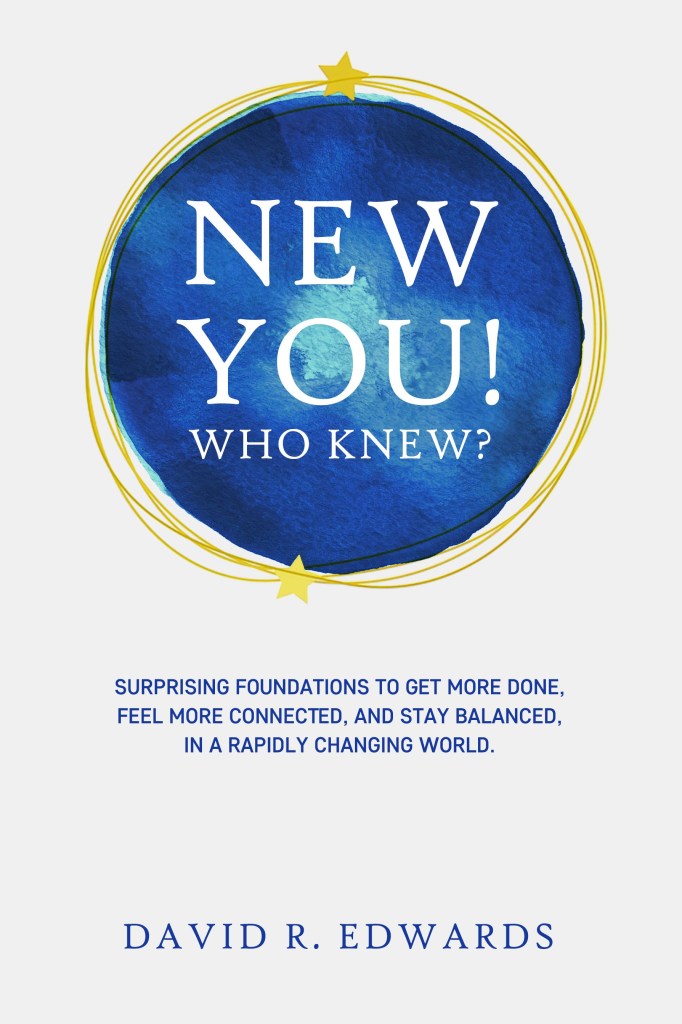
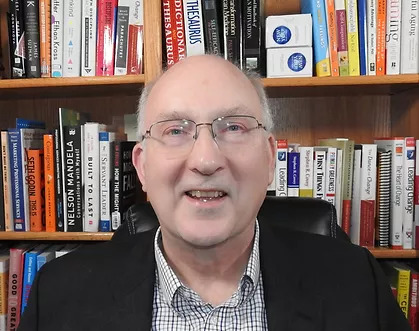
Interview with David Edwards

Tell us a little bit about yourself. How did you get into writing?

Honestly, it is a means to an end. While working with a multi-disciplinary team to create the most effective health center in the world I had an epiphany, a “wow” moment. I realized that our care model was built around the ability of the patient to be the captain of the team, to lead their own path to health and wellness. So really, even with the most amazing facility, technology, and staff success is dependent upon the patient. 

I asked, “What are we doing to help the patient be successful?” I studied change models and my “wow” came when I realized that all of them depend on personal motivation. This is not some bolted on motivational speech or habit but a deeply personal and individual experience. I spent the next two years studying, thinking, and writing. I realized that a book would be a great way to share what I had learned, and hopefully help the most people uncover their own motivation to their lasting benefit. 

Advertisements

What inspired you to write your book?

I suppose the previous paragraph mostly answers this question as well. As a Christian I hope that everything I do is motivated by my love. During the writing process there was a lot of academic research, but an equal amount of inspiration as I strove to both understand the material and make it understandable for my intended audience.

What theme or message do you hope readers will take away from your book?

If I may, there are three. First, your life is important. No matter your position or status, what you think, say, and do matters. Second, your personal motivation is a source of power for you. It can be discovered and developed throughout your life no matter what has happened to you, or what you have or have not done in the past. Third, where you think you fall on the line or ranking of famous, successful, rich or whatever else it does not matter. The only thing that matters is that you are making some progress. This is a life-long journey, whether you are starting it at 18 or 88.  

What drew you into this particular genre?

Self-help seemed obvious. I have read a lot of this genre whether with a personal, spiritual, or business lens. The writing that appeals to me the most is applicable to all domains of life.

What social media site has been the most helpful in developing your readership?

As I am just starting out that is yet to be determined. Since my target audience are people earning less than the median income, I am focusing on Facebook to start as my research showed that is the most common platform for this audience. 

What advice would you give to aspiring or just starting authors out there?

Again, I am just starting out, so take this with an appropriate level of skepticism. Know that if you want to earn money by writing you must mind both the writing side and the business side. Both are essential, and spending time on both is time well spent. If you really hate the business side, then become the best writer possible and get an agent and seek to partner with a publishing house that can bear a lot of that load for you. Finally, be patient and consistent. The first time, independently published, NYT best seller is a rare breed indeed. So be patient, persistent, and continuously improve. Good things will happen. If you find you are beating yourself up regularly, I encourage you to read my book and apply the principles, it could help with that. 

What does the future hold in store for you? Any new books/projects on the horizon?

Ah, the future. I don’t know, as none of us does. I am trying to influence my future in a few ways. I make daily work of promoting my book as it cannot help people if they don’t know about it. I am working on making a community college course out of the material, and lastly starting to plant the seeds of a version for Christians. I felt a lot of inspiration in the writing, as noted earlier, and there is great consistency between the 10 general enduring principles and principles of Christianity. Making those connections explicit could help people who would not otherwise be exposed to or pursue the book. 

Advertisements

About the Author

David R. Edwards worked his way through school, eventually achieving an MBA in Healthcare Administration.  He served mostly lower income people on 3 continents over the last 35 years and is familiar with the challenges and unfairness of life.  In 2018 while working with doctors, dentists, counselors, nurses, community health workers, and others he had an epiphany.  The core challenge most people have is to generate the personal drive to direct their own life, enduring principles to guide, and the most current science-based tools to assist them through a bumpy and messy life.  His first book “New You! Who Knew?” is an attempt to put in writing an easy to digest and implement guide that builds confidence, esteem, and self-compassion in balance. David lives in the Western U.S. with Linda, his wife of 36 years and their Golden Retriever, Jasper. Dave and Linda have 2 grown daughters.

www.davidredwards.com

https://www.facebook.com/David-R-Edwards-100356142253306

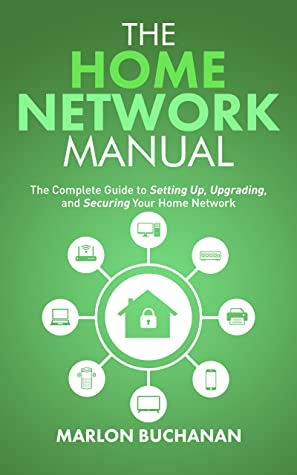
Interview with Author Marlon Buchanan

1) Tell us a little bit about yourself. How did you get into writing?

My name is Marlon Buchanan and I’m an IT Director in Seattle. Over my career, I’ve been a software engineer, a business analyst, a project manager, and a college instructor. I have worked in many industries and I have found that I like jobs and industries where I am directly helping people achieve their goals.

I’ve always been into writing. In my jobs, I’ve co-written books and written many technical documents. I started blogging (HomeTechHacker.com) a few years ago because I wanted to write more and help people by sharing my experiences with home technology.

Advertisements

2) What inspired you to write your book?

 It has been a lifelong dream of mine to publish a book. I’ve always had a love of books and a love of helping people and writing is one way for me to put these things together. I’ve researched writing a book many times over the years. But a couple of years ago I decided to truly commit to it and write The Smart Home Manual: How to Automate Your Home to Keep Your Family Entertained, Comfortable, and Safe. I learned a lot through that process and enjoyed it so I decided I’d keep writing books, which led to my current book, The Home Network Manual.

3) What theme or message do you hope readers will take away from your book?

I hope after readers finish reading The Home Network Manual they have the confidence to build a home computer network that meets or even exceeds their needs. I hope they have gained a full understanding of all the key components, how they work together, and which components are right for their situation.

4) What drew you into this particular genre?

I’ve worked in the IT industry for over 25 years. I’ve also always tinkered and improved my home network myself, and I’ve helped many other people do the same. Through my experiences as an instructor, giving many trainings, and previous writing I decided that my best genre would be making technical topics accessible to anyone, starting with something very important in today’s world: your home technology.

5) What social media site has been the most helpful in developing your readership?

I am primarily on Twitter (@HomeTechHacker). I get the most responses and interaction on this platform and I’ve been able to find and engage with many people who are interested in the same topics I am. Also, it doesn’t take much time to write a tweet!

6) What advice would you give to aspiring or just starting authors out there?

I can speak best to non-fiction authors. I would encourage them to commit the time and write in areas that they are experts or can easily learn based on their past experiences. I also encourage reading other similar books and writing a very good and detailed outline before writing. Everyone’s author mind works in different ways, but this is what works for me.

Also, they should be prepared to deal with a lot of things that aren’t writing. Finding and working with an editor, a cover designer, a book formatter, coming up with and executing a marketing plan — these take as much time as writing. But it is all worth it for the accomplishment! And, you can do it!

7) What does the future hold in store for you? Any new books/projects on the horizon?

I plan to keep blogging at HomeTechHacker.com. I have lots of reviews and how-to articles coming. I have started researching and outlining my next book topic, cybersecurity. I touch on home network security in The Home Network Manual, but I’m going to go cover cybersecurity more broadly in my next book. I think protecting your digital assets, your identity, and your online reputation are critical and everyone needs to take steps to do so. In my next book, I hope to lay out in plain language how to protect yourself from hackers and other bad actors.

Advertisements

About the Author

Marlon Buchanan’s genuine interest in home networks shines through in his writing. Taking what’s often considered a boring topic and making it palatable and even exciting is no small feat, yet Marlon manages to do this and more. His invaluable experience and expertise can help anyone from beginner to pro tackle and manage their home network concerns. He holds a bachelor’s in computer science and engineering from MIT and master’s degrees in business administration and software engineering from Seattle University. He works as an IT Director but was previously a software engineer, business analyst, and college instructor.

Marlon currently resides in Seattle with his wife and kids and hopes to make home technology topics common knowledge.

HomeTechHacker.com Blog: https://HomeTechHacker.com

Author Site: https://MarlonBuchanan.com

Twitter: https://twitter.com/HomeTechHacker

Pinterest: https://pinterest.com/HomeTechHacker

Instagram: https://instagram.com/HomeTechHacker

Facebook: https://facebook.com/HomeTechHacker

Interview with Author Glenn Searfoss

1) Tell us a little bit about yourself. How did you get into writing?

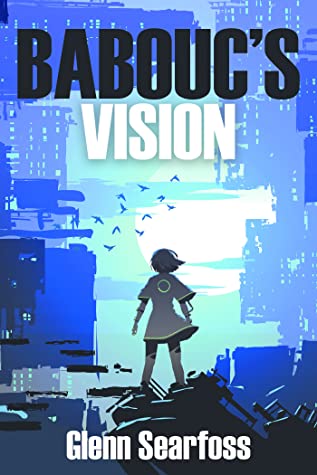
GS: The answer to that question is long and involved, but I’ll lean toward brevity. In college, I had an English writing professor who told me I didn’t know how to write, would never know how to write, and to just give up. Believing her, I spent the next fifteen years focused on living life in its many flavors. While working in a small company that developed desktop publishing software, for fun I began writing story snippets to use in software testing. Having gotten a taste, I started writing technical articles and moved from there into writing technical books and manuals. After receiving positive feedback from publishers (and many users), I realized the professor was wrong; not only could I write, but I enjoyed doing it. An avid reader of science fiction, mythology, and classic literature, I began expanding my writing into fiction, incorporating my life experiences, interest in natural sciences, and my surmises of future developments into short stories, then into novels. Here I am today.

Advertisements

2) What inspired you to write your book?

GS: Babouc’s Vision evolved from a series of short stories I had written about the world that was happening around me. Its dark tone reflects my overall pessimism at the time, coupled with a deep sadness (let me be honest, disgust) at world events. The glimmers of hope present in the book reflect the everyday kindnesses shown by a few – far too few – people I knew who continued to reach out and help others in need.

3) What theme or message do you hope readers will take away from your book?

GS: Hope exists, even in the darkest times, especially on the interpersonal level. Just be open to it.

4) What drew you into this particular genre?

GS: Happenstance, really. For me, the worldview under which I grew up means planning for the worst and hoping for the best. Since science fiction embodies both hopes for the future coupled with a dystopian fear of the future, it seemed a natural genre.

5) If you could sit down with any character in your book, what would you ask them and why?

GS: I guess that would be Iggy. My question would be, when things had begun spiraling down, why did you let pride override asking for help from close friends.

I want to understand the ego behind persons who prefer death to the perceived ignominy of asking for help, even from friends.

6) What social media site has been the most helpful in developing your readership?

GS: This area is still in early development. I have a presence on Amazon, Goodreads, Google, Booklife, and several other sites. It is difficult to say which site(s) has been most helpful.

7) What advice would you give to aspiring or just starting authors out there?

GS: I guess my advice is three-fold.

  • Listen to your characters as they develop. There will come a point where they speak to you in their own voice. Try to capture their sound, sense, and attitude.
  • Rewrite-Edit-Rewrite-Edit. When you think you have completed a project, set it aside for a few days, then come back and review it again with fresh eyes.
  • Grow a thick skin and persevere. Publishers, Agents, and book reviewers are inundated with submissions and cannot possibly respond to or accept all submissions. Expect many rejections and few responses. (Don’t be discouraged with no response; responses are rare. Be satisfied when you get a response. Be joyous when it is a positive response.)
  • Always be professional and courteous in your communications.

8) What does the future hold in store for you? Any new books/projects on the horizon?

GS: I have just completed A Question in Time and have begun the process of querying publishers. This novel pays homage to three great Victorian characters of literary fiction: Sir Arthur Conan Doyle’s Sherlock Holmes and Dr. James Watson—with a sly aside to a nefarious criminal—and the time traveler of H.G. Wells’ The Time Machine. Firmly rooted in Victorian London of the 1890s, this novel examines the reality of time travel by contrasting mentally relived past events against physically experienced future events.

Advertisements

About the Author

Glenn Searfoss is an American author of works in science fiction, mythology, computer science, and natural history. He lives in Colorado, USA with his wife.

Interview with Author Jamie Smartkins

1) Tell us a little bit about yourself. How did you get into writing?

  I am an Indian science fiction author, blogger, and YouTuber. After having over a decade of experience in the software industry, I moved into the world of writing. I   also love studying astrology and palmistry in my spare time. I started writing fantasy stories as I believe creative art in any genre is the ultimate form of abstract science. 

  Writing is one of the best ways to express the creative skills of an individual. When I watched the movie Honey I Shrunk The Kids’, I wanted to be a fantasy sci-fi writer. I started writing poems as a kid which helped honing my writing skills. 

Advertisements

2) What inspired you to write your book?

  When I was a kid, I watched a sci fi show named Johnny Sokko And His Flying Robot, I was simply amazed. I envisioned that I will write a science fiction story   someday. And when I watched Honey I shrunk the kids, I decided that I will be a fantasy writer as well. But I got the real inspiration in writing when I started     reading books of Charles Dickens, Alexandre Dumas, R L Stevenson, R M Ballantine and Jules Verne.

3) What theme or message do you hope readers will take away from your book?

  In this day and age, people are so much busy in life. After reading my book, my readers should feel motivated, entertained, get to know some scientific concepts (soft scifi) and a fantasy theme blended together and get a positive message all the way.

4) What drew you into this particular genre?

  I love fantasy and scifi genre mainly because of the following elements which form the base of this genre. I get an opportunity to create fantasy world building with mystical, mythical creatures and characters. Also presence of magical element adds flavor to the story and finally the most       important point – this genre enlightens creativity not only to the author but also to the readers.

5) If you could sit down with any character in your book, what would you ask them and why?

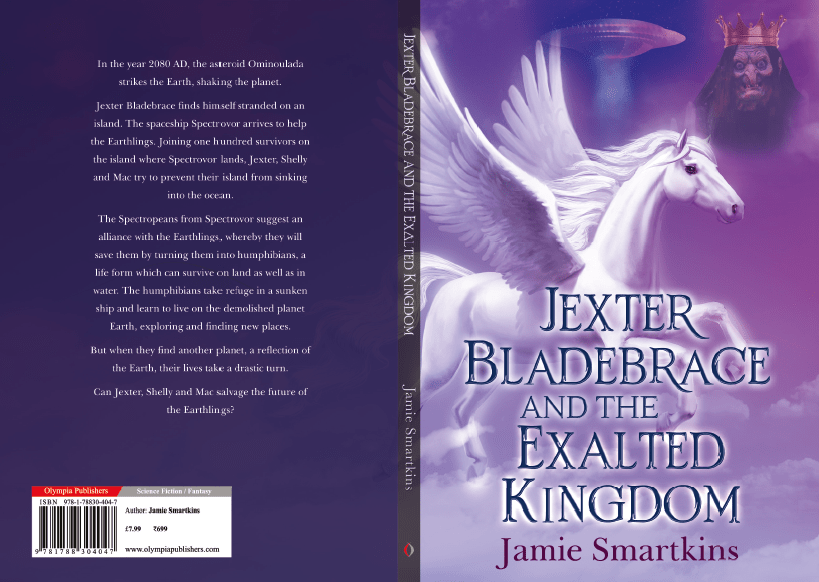
   I would definitely like to meet my favorite character Sprinkle Sparkle and ask him to take me for a ride across the entire world. 

6) What social media site has been the most helpful in developing your readership?

   The site ‘Medium’ is very helpful. I generally read articles related to science, technology, books, motivation and personal development.

7) What advice would you give to aspiring or just starting authors out there?

  Start somewhere. It doesn’t matter if you are a kid, teenager, adult or a senior citizen. The biggest challenge lies in the motivation. It’s hard to feel motivated   after day’s work and then planning to write. Always feel motivated, dream high and whenever your mind gets inundated with creative ideas, just write it down on a   piece of paper. You can then write on that creative stuff later when you are free. Try to write at least 500 words a day whenever you are planning to write.

8) What does the future hold in store for you? Any new books/projects on the horizon?

  I don’t ponder too much upon the future. I am currently blogging and like making motivational videos. Yes, I started working on my the next fantasy scifi book.

Advertisements

About the Author

Jamie Smartkins ,a fiction author, voracious reader and a dreamer. He would like to take his audience on a journey to attain and empower knowledge and acumen that are quintessential forms of survival and success in this day and age through his writing , blogging and motivational thought process and make his the readers the smartest people around.

———————————————–

My Website      – https://jamiesmartkins.com

Youtube channel – https://www.youtube.com/c/Tipsverse

Twitter         – https://twitter.com/jamiesmartkins

Facebook        – https://www.facebook.com/AuthorJamieS