Interview with Author David A. Wilson

1)    Tell us a little bit about yourself. How did you get into writing?


I was born in Oregon, raised in Alaska, and have a beautiful wife and five fun-loving children that I adore.  When I’m not writing, I’m probably at work where I am trying to make the world safer, or at home, hanging out with my family.


I’ve always wanted to write a book.  Always. I didn’t know what type of book it would be, but I assumed that someday I would do it.  As time marched on, my children grew up and stopped needing me so much. With the extra energy I had, I decided it would never be a better time to start, so I just started typing.


I probably should have taken a creative writing class, but I didn’t.  It may have been wise to write a few novellas first, but I didn’t do that either.  I’ve always been a, ‘go big or go home’ sort of person, so I just dived right into a giant epic fantasy novel prophetic super-project thing.  It was a great choice, and I don’t regret it for a minute.


2)    What inspired you to write your book?


In my day job, I work as a law enforcement officer here in Alaska.  Most of my career has been supervising major crimes investigations involving child exploitation.  In this kind of work, you come in contact with some pretty heartbreaking situations, where children have become victims of some selfish, broken person.  As I’ve chased these villains and sought to protect the wee ones, the journey has made the pathos of the human condition powerfully real for me.


Pain is a big part of life, and fear of pain seems to hold so many people back.  Selfish people spread the pain around, creating more pain. Faith, however, seems to have the power to overcome much of the negative aspects of these adverse experiences, often reversing, to some degree, the damage that is done.  I’m talking about faith done right, not faith done wrong. There are plenty of examples of the latter in our world. I hoped that my book could touch on these things, and maybe help heal some hearts.


3)    What theme or message do you hope readers will take away from your book?


I hope readers are encouraged, most of all.  When they see the characters struggling through difficult circumstances, encountering both victory and loss, I hope readers will take heart that their own circumstances might get better.  There is no joy that doesn’t come with a risk of pain and all suffering has the potential to become greatness. That’s the way the world works. I also hope that my readers see the value in faith.  I hope that they try it out, if they haven’t already, or at least that they don’t cast a skeptical eye on those who do. There is value when someone believes in something bigger than themselves, and we need all the help we can get.


4)    What drew you into this particular genre?


I have always loved fantasy novels.  Maybe it’s the escapism they allow, the complete freedom of participating in a completely different world, that breaks the chains of mundanity that hold us down.  I consumed fantasy novels regularly as a teenager, along with an occasional sci-fi novel, and it was a magical time for me.


Young adult fantasy is a great genre to write in, for a couple of reasons.  First, you get to write to the hearts of some very passionate human beings. As young adults, we seem to feel passion so much more strongly than we do when we’re older. That’s part of why we often get ourselves into trouble.  It is during this formative time that we develop our ideas about who we are, and what our values and goals should be. As we grow, we see more, we suffer more, and are weighed down by the responsibility of employment and family commitments.  It’s easy to close ourselves off to new ideas and stick to protecting what’s ours. In my opinion, the motivation to make positive changes in our world becomes gradually lost or at least more difficult.


There is no more fertile ground in which to plant hopeful ideas than the minds of our youth, and young-adult fantasy is, therefore, a very flexible genre to use as a foundation for such an ambition.


5)    If you could sit down with any character in your book, what would you ask them and why?


I was asked a very similar question recently, and I responded with a different answer than I am going to right now.  Odd how that works. I wonder if it was the particularly yummy cup of coffee I just drank that has me tilted just so.


I’d sit down with Nikolas Vorick.  He’s the main antagonist in the story, and a victim of some pretty horrific suffering, but his life doesn’t start off with him as a villain.  I’d ask Nikky why he let his suffering overwhelm him–why he let it change him so much. I’d ask what might have happened if he’d found a mentor, a kind benefactor to guide his ways; would that have made him kinder?  And I’d ask him what his mother’s name was. He never shared that with us in the story. I’m still curious.


6)    What social media site has been the most helpful in developing your readership?


Facebook.  Hands down.  I’m not much of a InstaTweetgrammer, and can’t snap any chats.  I’ve tried, and I’m terrible at it. But I like books, so I signed up with one that has faces on it, and we clicked right away.


7)    What advice would you give to aspiring or just starting authors out there?


Writers write, so just do it.  Write. Write a journal. Write a report at work.  Write a blog. Write something. Practice your craft. Get used to seeing how words fit together, how they inspire, what works and what doesn’t.  Get feedback. Don’t seek praise, because that doesn’t help you very much. Get critical feedback.  Get disappointed in yourself and then struggle through it.  I’ve never learned anything in life by doing it right the first time. Failure is your teacher, but you have to have the courage to fail.  The courage to learn.

And there is no better time to start than right now.  Don’t wait until you’re almost fifty years old (like me) to start doing what you always wanted to.  It’s a marvelous journey, and the highs and lows of building a story are hard to describe other than to say that if you don’t do it, you’ll regret it forever.


Don’t let fear hold you back from doing what you want to do.  Suffer. Heal. Grow. Then do it again. This isn’t just good advice on writing, this is good advice on how to live.


8)    What does the future hold in store for you? Any new books/projects on the horizon?


Looking for Dei has been built as the first story in a world I’ve called The Great Land.  Looking for Dei ends at a great stopping point but pretty obviously begs for a sequel. And probably a few more books after that.  I’ve already begun outlining the next book. I have a title, a cover, and have started writing it, but don’t have a specific timeline set out for completion.  Might be a couple years before it’s done; I have big ambitions for this one. Stay tuned.


Links:

Facebook
http://www.facebook.com/lookingfordei

Author Website
http://www.davidawillson.com

Goodreads
https://www.goodreads.com/dawillson

Author Bio:

David A. Willson has worked as a restauranteur, peace officer, and now, author. Taught by his mother to read at a young age, he spent his childhood exploring magic, spaceships, and other dimensions. In his writing, he strives to bring those worlds to his readers.

Much of his material is inspired by the “Great Land” of Alaska, which he has called home for over 30 years. He lives there with his wife, five children, and 2 dogs. He is passionate about technology, faith, and fiction—not necessarily in that order.

Looking for Dei is Willson’s debut novel, set in a land where many more adventures will take place. Stay up to date with his ongoing efforts through the Looking for Dei Facebook page or visiting the website at davidawillson.com.
Interview with Breakfast At Your Place

1) Tell us a little bit about yourselves. What brought you together for this project?


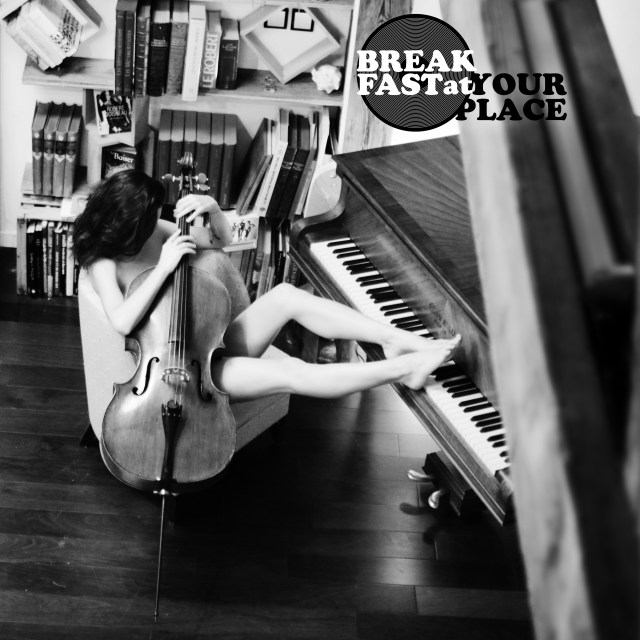
The band formed in 2013 in Paris. It initially consisted of a keyboardist and lead vocalist, a guitarist and a drummer. We put up an ad for a bassist, but a cellist answered by mistake. We gave it a try anyway and we loved the mash-up! Since then, cello has been at the heart of our sound. We have worked with several female singers through the years. For instance, our single Lost at Sea features a Californian pop singer and a French opera singer. Alexia, who joined the band in 2017, is now our lead singer.


2) What was the inspiration behind this single, “Visions”?


More than great causes, personal suffering is an important source of inspiration for us. That’s what’s affects us the most. We often observed how people sometimes seek refuge in dreams and fantasy worlds to escape reality or even their own thoughts. That’s what inspired us for Visions. In a way it’s the sequel of our song Lost at Sea, which was also about depression but with a more down-to-earth approach.


3) What theme or message do you hope your song conveys to the audience?


This song was written above all for people who feel hopeless or depressed, to make them feel understood and to soothe their minds. To show that we understand not only their distress but also their high sensitivity. That’s why we wanted the song to be dreamy and not too dark. If the song can help everyone else understand how it feels to be depressed it’s a great thing, but it was not our primary goal.


4) What genres or artists have inspired you with the development of your song?


Natacha Colmez, who wrote the cello solos, has been inspired mostly by classical pieces. We’ve also been listening to a lot of Irish music lately so it’s possible that it has influenced the single somehow! 


5) What advice would you give to any aspiring artists out there looking to put their music out there online?


From conception to distribution, all our songs are made entirely by us. We also produce our own music videos. Learning how to do everything ourselves has been obviously time consuming, but it’s all worth it in the end I think. Now we can produce exactly the sound we have in mind, and we can spend as much time as we need recording, mixing and shooting the videos. I’m not sure if it’s an advice to give every artist but it does work for us.


6) What are your future plans? Any new music or tours on the horizon?


We’ve always tried to find a balance between studio work and tours. We came up with a concept a few years ago that works well for us: we offer our fans to play live in their own living rooms, in a totally acoustic format. We really appreciate the proximity with the audience and the very warm atmosphere of these concerts. Of course, we also do shows in bigger venues, mostly in Paris. The next one is on April 27th at the Bus Palladium, which is a mythical place of the rock scene since the 60s. We’re really looking forward to this show!


BYP_Photo

Interview with Author Israfel Sivad

1)     Tell us a little bit about yourself. How did you get into writing?

For as long as I can remember, I’ve always written. The first story I ever wrote was a sequel to Return of the Jedi after I saw that film as a little kid. I didn’t want the story to end. So, I kept it going. After my parents divorced, I started writing song lyrics every night to help me fall asleep. That’s when I first discovered how cathartic writing could be. I based the structures on all the lyrics I read on the liner notes of my cassette tapes. But it wasn’t until I graduated from high school, when I realized I was sick of playing in punk rock bands that I started taking my writing very seriously. I realized writing was how I communicated with the world, and I wanted to do that directly. I didn’t want my audience to have a mediated experience. I’ve modified that stance since then, but I’ve never not considered myself a writer since then.

2)     What inspired you to write your book?

The Adversary’s Good News was inspired by seeing a copy of Dante’s Inferno one morning. A roommate of mine had left it on the kitchen table. I’d recently finished my first novel, and I was looking for a new project. I took one glance at that book, and I realized, I’ve had visions of the afterlife. I want to write that story.

3)     What theme or message do you hope readers will take away from your book?

I want readers of The Adversary’s Good News to think about life and love and the value of both.

4)     What drew you into this particular genre?

With The Adversary’s Good News, I didn’t start with any particular genre in mind. As the story went on, I realized more and more that it was a kind of horror story. Since that was where the writing had naturally taken me, I decided to embrace it. I went back and reread Stephen King, Clive Barker and Dean Koontz for inspiration (in addition to the classics I was reading to help me construct a literary version of hell – Dante’s Inferno and Milton’s Paradise Lost). Once it was done, and I took a closer look at it, I decided it was its own kind of genre, which I refer to as “Literary Horror.”

5)     If you could sit down with any character in your book, what would you ask them and why?

If I could sit down with any character in my book, I’d sit down with Evius. As the impetus for the entire cavorting story, I’d want to know what makes him tick, why he acts the way he does. Why does he lead Christian on this journey through the afterlife, and is there any reason to his rhymes? Also, I’d like to know who he actually is. What’s his name? Where does he come from? Who is he, really?

6)     What social media site has been the most helpful in developing your readership?

Facebook and Instagram have definitely been the most instrumental. Each site has its own values, and its own abilities. But I’ve heard back from specific readers on both sites who have discovered my books there.

7)     What advice would you give to aspiring or just starting authors out there?

Don’t give up. Find a story you believe in. Write it and promote it. It’s worth getting your voice out there. It’s what “we” do.

8)     What does the future hold in store for you? Any new books/projects on the horizon?

More writing. Always. I have a new collection of poetry scheduled for release this summer. It’s called We Are the Underground, and I’m very excited about this collection. It includes my “Zodiac” cycle, which contains one poem for every sign in both the Western and Chinese zodiac systems; although, true to form for me, which one is which is not always the easiest to spot. That’s what I think makes the cycle so interesting, trying to figure out which poem represents you and your sign. Poems from this collection have recently appeared in The Stray Branch and Badlands Literary Journal. If this collection sounds like something you’re interested in, I urge you to join my mailing list at: https://tinyletter.com/IsrafelSivad. As a mailing list member, you’ll know precisely when We Are the Underground is released, and I’ll send you a link to purchase. Also, when you join, you’ll get a free copy of my selected poems in the member’s only collection Lunar Surfaces.

Author Bio:

Israfel Sivad is originally from Whittier, CA. He is the founder of Ursprung Collective, which has been referred to as “fantastic brain food” on ReverbNation. His first novel, Crossroads Blues, has been compared to the work of Fyodor Dostoevsky (Palmetto Review).​​ His second novel, The Adversary’s Good News, was a finalist for the 2016 Chanticleer Paranormal Book Award. His stories and poems have appeared in the Santa Fe Literary ReviewThe Stray Branch and Badlands Literary Journal.


Websites:
 
Israfel Sivad: www.IsrafelSivad.com
Mailing List/FREE Book: https://tinyletter.com/IsrafelSivad
Amazon Bookstore:  amazon.com/author/israfel-sivad

Interview with Mathias B. Freese

1) Tell us a little bit about yourself. How did you get into writing?

Never begin a sentence with “well.” [a writer should break rules.]Well, writing, for me, was characterological. It was a consequence of a repressed and depressed childhood and adulthood. It was the spume of a discontented and directionless youth, of misspent energies and unclear goals. It was the product of an outer directed self. Aimless, un-fathered and un-mothered, I was benign neglect incarnate. There is much truth in the adage that we grow old too soon and smart too late.

2) What inspired you to write your book?

All of my books are not inspired; they are made from moving trends in my own personal reflections. When my thoughts founder upon a reef, I take the wreckage and begin to make order from disorder. A writer shapes experience. This book is a second memoir; the first was youth and young adulthood, lunacy, foolishness and recklessness; a land of mischief and misbehavior. The second memoir is more reflective, an older man’s thoughts, hopefully wiser, perhaps not; we are all fools until the day we die.

3) What theme or message do you hope readers will take away from your book?

In my memoir I carry on an imaginary conversation with Thoreau; however, he says nothing as I speak to him about the issues of my life. I keep Thoreau silent, for the questions I ask and the answers I get are solely of my own creation. The latent message of this literary conceit is awareness, or the awakening of intelligence, to cite Krishnamurti. Thoreau, as I see him, was consumed by the meaning of experience, of how to live an aware existence. In many ways he was a scold, hectoring us, berating us, pushing and shoving us into assessing what we are doing as human lives from moment to moment. I have been obsessed, if that is the word, with understanding who I am, and how to deal with existence since a young man. And so my affinity for Thoreau. This is an old man’s memoir filled with a young man’s ardor and exuberance.

4) What drew you into this particular genre?

I am free. [“I hope for nothing. I fear nothing. I am free.”—Kazantzakis] I took an arrow from my quiver and it read memoir and I tried this genre free of whatever memoirs are supposed to be.

5) If you could sit down with any character in your book, what would you ask them and why?

All the characters in my stories and essays and novel and memoirs emanate from me., at the very least are projections of myself. The essential questions I ask are ones of meaning, intention and purpose in life. In the last essay of my memoir I ask all the questions I have ever asked of myself to an imaginary Thoreau. I would hope the reader attaches his kite to mine and sets flight.

6) What social media site has been the most helpful in developing your readership?

I am not interested in my readership. I have deconditioned myself from that. I have no interest in twitter and all the rest. I try to get my books reviewed or seen without going nuts over it. I write for my pleasure, to divine who I am. I write for no one else. To write for others is a kind of emptiness, or outer-directedness. Who said I had to have readers? Who said I have to be read? What is it I want is all that matters. I sell a smattering of books and engage a few people in literary discussion such as this piece, but that is all. I march to a different drummer.

7) What advice would you give to aspiring or just starting authors out there?

Advice is generally used or secondhand; use it sparingly. It must always be questioned. With that caveat, I’ll say the following. Constantly reference yourself; look up quaquaversal which appears in my memoir. It is the source from which other things emanate. Trust yourself. Techniques can be learned and schools can teach that; but since you are the last of your kind, and no one will be like you ever again, it’s best to discover all you can about yourself through mentors, philosophers, therapists and most importantly the awakening of intelligence. Continually decondition yourself of state, religion and authorities of any kind. When you are free, your writing will be a song.

8) What does the future hold in store for you? Any new books/projects on the horizon?

I may have written my last book. I am not sure. I hear fragments in my mind that may turn out to be stories. To wit, “It is here. Oh my…Oh my….” Strikes me ominously. I’ll see. I have no future. I have the moment, so why waste time on a future tense.


And Then I Am Gone: A Walk with Thoreau tells the Story of a New York City
man who becomes an Alabama man. Despite his radical migration to simpler
living and a late-life marriage to a saint of sorts, his persistent pet anxieties and
unanswerable questions follow him. Mathias Freese wants his retreat from the
societal “it” to be a brave safari for the self rather than cowardly avoidance, so
who better to guide him but Henry David Thoreau, the self-aware philosopher
who retreated to Walden Pond “to live deliberately” and cease “the hurry and
waste of life”? In this memoir, Freese wishes to share how and why he came to
Harvest, Alabama (both literally and figuratively), to impart his existential
impressions and concerns, and to leave his mark before he is gone.

Book Awards:
• The i Tetralogy: Allbooks Review Editor’s Choice Award 2007
• Down to a Sunless Sea: National Indie Excellence finalist Book Awards 2007 &
• Allbooks Reviews Editor’s Choice Award 2007.
• This Mobius Strip of Ifs: National Indie (Winner) Book Awards, 2012 & Global
Ebook Award finalist, 2012.
• I Truly Lament: Working Through the Holocaust: Finalist in the 2012 Leapfrog Press
Fiction Contest out of 424 submissions, Beverly Hills Book Awards, Winner;
• Readers’ Favorites, Five Stars; Indie Excellence Book Awards, Finalist; Readers’
• Favorite, Book Award Winner – Bronze medal
• Tesserae: A Memoir of Two Summers: 2016 Los Angeles Book Festival Honorable
Mention, Great Northwest Book Festival Winner in Biography/Autobiography
• Category, Runner-up in General Non-Fiction Category in the San Francisco Book
Festival, Winner for General Non-Fiction in The Beach Book Festival & Runner-Up
in General Non-Fiction in the Paris Book Festival


MATHIAS B. FREESE
is a multi-published,
award-winning author,
writer, teacher and
psychotherapist.

And Then I Am Gone teaser small

Blog Tour: The Pariah Child & The Ever-Giving Stone by Natasha D. Lane

Blurb:

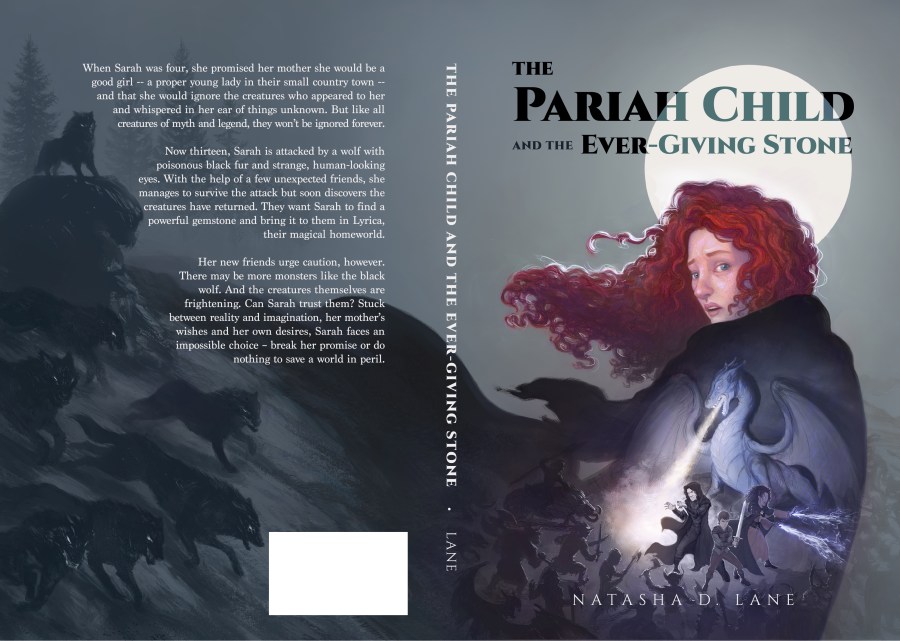
When Sarah was four, she promised her mother she would be a good girl — a proper young lady in their small country town — and that she would ignore the creatures who appeared to her and whispered in her ear of things unknown. But like all creatures of myth and legend, they won’t be ignored forever.

Now thirteen, Sarah is attacked by a wolf with poisonous black fur and strange, human-looking eyes. With the help of a few unexpected friends, she manages to survive the attack but soon discovers the creatures have returned. They want Sarah to find a powerful gemstone and bring it to them in Lyrica, their magical homeworld.

Her new friends urge caution, however. There may be more monsters like the black wolf. And the creatures themselves are frightening. Can Sarah trust them? Stuck between reality and imagination, her mother’s wishes and her own desires, Sarah faces an impossible choice – break her promise or do nothing to save a world in peril.

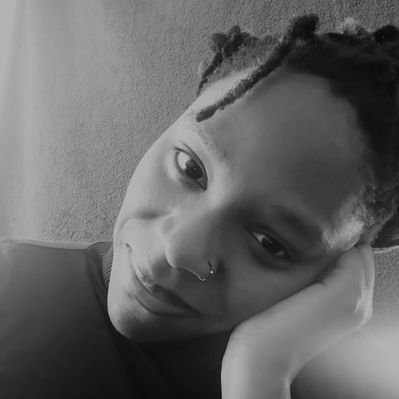
AUthor Photo B&W

Interview with Author Natasha D. Lane

1) Tell us a little bit about yourself. How did you get into writing?

I started writing as a kid. I was probably in elementary school when I realized how much I loved writing. Eventually, it became an outlet for me. I took everything I had to hold inside and put it on paper. It started with poetry,then eventually grew to short stories, before I started my first novel. My middle school teacher Ms. Snyder was the one who saw my talent and pushed me to write my first novel. It was called (get ready for this) “An Imperfect Utopia.” Great title, right?

Anyway, I never stopped writing. I was traditionally published as a romance author in college and did that for several years, before returning to the genre that always held a special place in my heart: fantasy. Now, here I am with one of the first fantasy novels I have ever written ready to be published.

2) What inspired you to write your book?

So much! Life experiences, other stories, and just a simple desire to write.

“The Chronicles of Narnia” and the movie “Eragon” (I know, I know, it was a horrible adaption) gave me a lot of fuel to write my novel. I love the sense of pure adventure both stories have and I wanted to write something like that, too. At that time, most of the fantasy novels I read had heavy aspects of romance in them which I didn’t mind but I began to wonder what it would be like to read a story that focused on the journey and less on some love triangle, ya know?

3) What theme or message do you hope readers will take away from your book?

Love yourself even when the world tells you that you’re somehow wrong or unlovable. Love yourself.

4) What drew you into this particular genre?

Fantasy is a genre known for escapism. I think as a kid I wanted to escape from a lot of the crap that was happening. I was bullied at school and had very few good relationships with the adults in my life, so everywhere I looked there was this chaos, this negativity, and so much stuff out of my control. When I read fantasy I got to leave all of that behind.

I also got to leave some of the things I used to hate about myself behind. When I read fantasy novels I wasn’t a nerd or loser. I was a warrior going on a journey to save the world or a magician with hidden powers that no one understood. I felt like an underdog and fantasy novels are famous for turning the underdogs into the heroes of the tales.

5) If you could sit down with any character in your book, what would you ask them and why?

Oh, good question! Hmmmm. If I had to pick, I think I’d sit down with Serwa. She’s one of the main characters in the story and a very powerful witch. I think I’d ask her how she manages to carry all the burdens she does and how she handles people’s misconceptions about her. I don’t want to go into too much detail because her background has more explanation in the sequel. However, I will say that Serwa is one of the most misunderstood characters in the series. She’s often viewed as mean or a monster when in reality she’s trying to do what she can to save everyone.

6) What social media site has been the most helpful in developing your readership?

Twitter and Instagram are my favorite platforms. Specifically, Insta for readership but Twitter is good for branding and networking. I like Insta because it’s such a positive sight. Seems to me like it has less drama than other social media platforms.

7) What advice would you give to aspiring or just starting authors out there?

“Write your way through life.” That’s my mantra because, like any form of art, writing is an outlet. When life gets tough (which it always does) write out all madness, the beauty, the good and the ugly. It’s a healthy form of expression.

Beyond that, I’d say take any marketing classes you can and build your platform now! The sooner you build your platform, the more opportunities you’ll have to test what works best for your brand and how best to develop it.

8) What does the future hold in store for you? Any new books/projects on the horizon?

Lots of new projects. After “The Pariah Child & the Ever-Giving Stone” is released into the world, I plan on publishing my second novel. It’s tentatively titled “The Woman In the Tree” and is an Arthurian legend retelling that takes a different spin on how Arthur became king. I’m already writing the book, so it won’t be too long a wait.

Once that’s done, the sequel to The Pariah Child is next on my list.

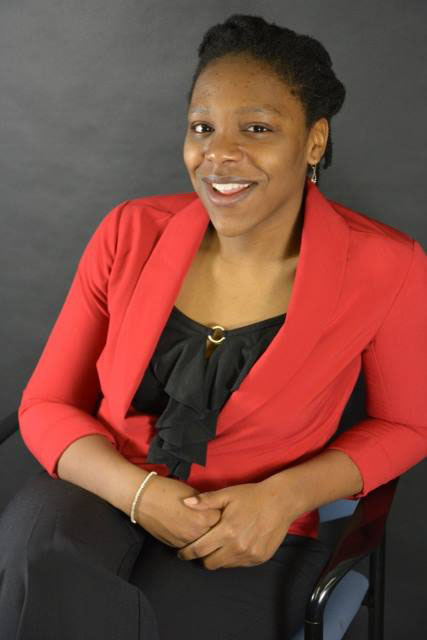
Author Photo Color

Author Bio

Natasha Lane enjoys reading a wide variety of genres, but fantasy has always been dear to her heart. After a brief stint in romance, Natasha’s returned to fantasy and currently has two works in the making. She plans on releasing her first fantasy novel “The Pariah Child & the Ever-Giving Stone” March 22, 2018.

Natasha hopes one day to be a well known published author, whose writing informs as well as entertains her reader.

Besides being a bookworm, Natasha is a documentary junkie, rom-com addict, health advocate, entrepreneur, and chef (in her own way).

She currently resides in Baltimore, MD. Despite where life may take her, one thing is certain. Natasha will always keep writing.

GoodReads: https://www.goodreads.com/author/show/8547000.Natasha_D_Lane

Twitter: https://twitter.com/natasha_lane1

Website: https://www.natashalanewrites.com/

Excerpt: https://www.natashalanewrites.com/excerpt/

Facebook: https://www.facebook.com/NatashaLaneWrites/

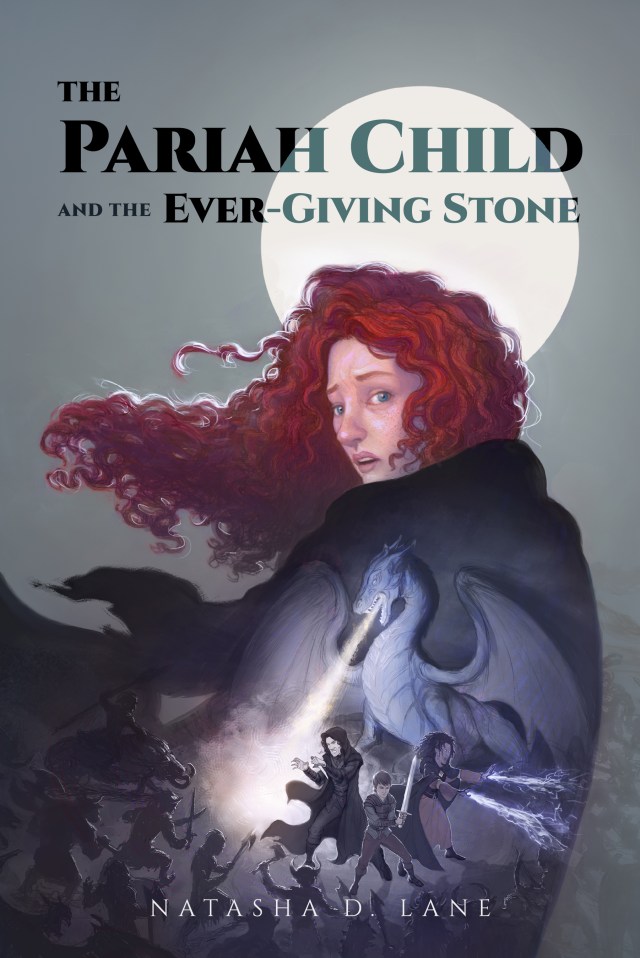
Copy of Pariah Child - Final Cover - front cover only - ebook rgb

Interview with Author(s) Two Sisters

1) Tell us a little bit about yourself. How did you get into writing?
My name is Steph (I wrote the book under the pseudonym Two Sisters), I live on a farm and I have a pet tortoise called Squirtle. I started writing for fun when I was fourteen, I enjoyed writing mini stories and because I loved books so much, writing became a hobby. My first book was about pirates but I never managed to finish it. I started to seriously get into writing when I went to university and I worked as a content writer for some digital marketing agencies. Since then, I’ve been writing feature film scripts (animation and horror) and fantasy stories.
2) What inspired you to write your book?
I absolutely love fairy tales so I wanted to write a collection of my own tales. What’s great about fairy tales is that they can be incredibly dark and provide important messages for readers too. As my sister loves to draw and is working to become an artist, I asked her to be my book’s illustrator and that gave me the push to write the book and get it published.
3) What theme or message do you hope readers will take away from your book?
Each short story in this collection has its own message so I want readers to interpret them in their own way. I do hope that readers will be inspired to look back at Brothers Grimm and Angela Carter fairy tales as most people believe fairy tales are animated and fun because of Disney. It’s insightful to look back and see that fairy tales were originally created to SCARE people and TEACH people lessons.
4) What drew you into this particular genre?
Darkness and evil fairies. When writing dark fairy tales, it’s fun to write about evil characters that don’t always get their comeuppance in the end, sometimes the heroes are the ones who are punished because they are unwilling to change. 
5) If you could sit down with any character in your book, what would you ask them and why?
This is a great question. If I only had to choose one character to speak to, it would be Princess Emelia. I would ask her: “If you had a chance to break your curse, would you take it? Even if it meant your mother would be unhappy forever.” Emelia is a sad character who still loves her mother even when she is cursed by an evil faerie because of her mother, at the end of the story it looks like she has accepted her fate.
6) What social media site has been the most helpful in developing your readership?
I would say Twitter but it’s been great talking to readers on Goodreads.
7) What advice would you give to aspiring or just starting authors out there?
Just write and be confident in your writing. I feel like I’ve wasted years with my writing because my confidence had been knocked down by nonconstructive feedback. If you love to write, keep writing and get your work out there.
8) What does the future hold in store for you? Any new books/projects on the horizon?
I’m currently working on an urban fantasy YA book series which I’m really excited about. I’m also writing a horror feature screenplay so I’m hoping in the next couple of months to start sending my work out and see what happens.

Interview with Author I. Ashmawey

1) Tell us a little bit about yourself. How did you get into writing?
Since a young age, I’ve always imagined the world differently. Asked strange questions. Pictured how things could be rather than how they are. Writing is my way of capturing that imagination and documenting it. When I have a thought, I write it. It’s my way of allowing that thought to leave my mind and instead, possibly go into the minds of others. If people like my thoughts, wonderful. If not, I have plenty others!
2) What inspired you to write your book?
I don’t know anyone who reads regularly in my circle of friends. Perhaps that means I need new friends 🙂 But it also means that in general, my generation is not one of readers. My generation gets a ridiculous amount of screen time. Whether it’s TV, YouTube, or whatever else, it’s all the same. First of all, it limits the kinds of opinions they will hear. Second, the mind simply doesn’t work when it is receiving content through a screen. It’s a lazy method, and breeds even more laziness. Even those who laud themselves as people who read the news, do they really read it? Or just the gist?
I wrote this book to encourage my generation to spend more time with an open book in front of them, rather than a screen. The hope is that with only five minutes a day, people can escape their lives and take a small glimpse into a life that once was, or could someday be. And perhaps they would gain something positive from this insight.
3) What theme or message do you hope readers will take away from your book?
The themes in the book are plenty, as every short story aims to take the reader somewhere different than the one before. If I was to summarize all the messages and concoct a common theme that connects them all, it would simply be: think differently. If society runs things in a certain way, that way may be entirely wrong. There may be a far better way that is waiting for someone to discover it. There may be a way far worse, that’s still worth trying in order to feel more assured of society’s way. There is always something to be gained when thinking differently and questioning everything.
4) What drew you into this particular genre or genres?
Writing a book of short stories was never my intention. I actually finished a sci-fi novel and had sent it to my editor for editing which usually takes a few months. In the meantime, I couldn’t sit idle. So I decided to put some ideas down, which turned into short stories. I then wanted to challenge my creativity: 30 stories in 30 days. I was able to do it, a story a day. Then I added ten more, and thought to myself, “Why not publish?”
5) If you could sit down with any character in your book, what would you ask them and why?
That’s an extremely tough one given that there are 40 shorts with 40 main characters. But I think I would choose Apolena Kipp from the story “Before the Beginning.” A space explorer who takes humanity’s first trip back to before the Big Bang. There was a moment while writing that story that I truly felt scared for her. I couldn’t imagine the courage it would need to take such a trip. Being the first to ever do anything requires courage, but especially to cross that threshold where there are no safety precautions, that’s something else. I would want to ask her what this trip means to her personally. Why does she so desperately want to know what happened before the Big Bang? And more importantly, how did she feel about what she found?
6) What social media site has been the most helpful in developing your readership?
I have to be honest, I don’t have social media. I used to. I was one of the first to join Facebook back when it required a .edu address and you needed to put in which classes you were taking. But on a specific day, I found myself with my 1-yrld daughter at Disneyland, and I was fighting with someone I didn’t know on Facebook about some political opinion. It hit me then, and then I deactivated my account, and vowed never to return.
I don’t deny however that social media can tremendously help marketing a book. So that’s something I’m currently working on, but without social media 🙂
7) What advice would you give to aspiring or just starting authors out there?
The most important thing any writer can do, is write. It doesn’t matter how bad the writing is initially. It doesn’t matter if t hey don’t have a fully fleshed story. Start writing, and write everyday. One’s writing is a muscle. If it’s not exercised it, it will become weak. To write is to find the characters, then the characters will build the story. Just start, that’s the most important thing. Start!
8) What does the future hold in store for you? Any new books/projects on the horizon?
The soft sci-fi is currently out with agents! The book is titled, “ETA: the Trial of Logan Gruver.” The story talks of Logan, a traveler on a commercialized time-travel trip to the Pliocene epoch, who finds purpose and love when he meets Giselle, a fellow traveler in the past. Together, they discover that humanity will mysteriously cease to exist in the future. The newly discovered Canvas of Time, a fabric that covers the universe and also lends way to time travel, will begin to deteriorate. Logan and Giselle understand their devotion, the consequences of their actions, and why humanity may have to pay the price.

My Interview with Author Claire Gem

I was fortunate enough to work with author Claire Gem recently on her novel Spirits of the Heart, and she was kind enough to offer me a chance to do an interview for her website as well. So be sure to check out my interview with Claire over on her website, and don’t forget to follow her while you’re there!


via Welcome Author Anthony Avina

Interview with Author Claire Gem


Interview for Claire Gem, multi-award-winning author of contemporary romance, women’s fiction, and supernatural suspense.


  • Tell us a little bit about yourself. How did you get into writing?


I’m a native New Yorker who grew up in a small town about 60 miles northwest of Manhattan. Mother of three, I’ve been married to the same wonderful man for 39 years. I think it’s why I chose romance as my genre—I’m living it, so I feel qualified to write about it.


I’ve always loved to write as a form of expression. Therapy, really. In the seventh grade I had an excellent English teacher who took me aside one day and said, “You have an exceptional talent for writing. Don’t waste it.” I never forgot her words, and they inspire me and give me confidence to this day.


But I’m dual-sided: by day, I work in the field of scientific research. When I come home from work, I let the creative side of my brain come out to play. I didn’t start writing seriously until about ten years ago, when the business of life and raising children allowed me the extra down time to nurture the passion.


  • What inspired you to write your book?


Spirits of the Heart is set on the grounds of an abandoned mental asylum that really exists in the town where I grew up. I remember as a child feeling very haunted by the majestic old buildings and wondering what went on inside them. When I was about eighteen, I dated a young man who was a nighttime security guard at the facility before it closed down in the 1990s. He became my inspiration for Miller, although he and Miller are nothing alike.


When I decided to write the book, my sister (who is a photographer and still lives in the same town) spent a day driving around the mostly abandoned campus, taking pictures for my cover and book trailer. That’s when I decided on Talcott Hall—mysteriously, two weeks after that photo session, the building caught fire and burned to the ground. A local fireman took the fire photos and gave me permission to use them.

SOTH_cover inspiration 12x18

  • What theme or message do you hope readers will take away from your book?


In every one of my books I try to address real life, big issues and show how my characters overcome them. Miller lives in the shadow of his alcoholic father and beats the addiction himself. Laura learns to accept her parents’ divorce and her father’s new choice of a mate. By the end of the book, both characters have not only fallen in love, but have grown as individuals.


  • What drew you into this particular genre?


I have always been fascinated by the paranormal, and really do believe in ghosts—spirits trapped between this world and the next. For some strange reason, I love to wander in old graveyards—it’s called taphophilia. The histories of the lives commemorated there intrigue me. So, it’s only natural I would choose to write supernatural suspense.


  • If you could sit down with any character in your book, what would you ask them and why?


That’s a difficult question because in developing my characters, I get to know them so well that I know what all their answers would be. It’s my way of making them real. To me, they become real people who I actually miss when I’ve finished writing the book. My process of character development involves me asking them every question I can think of—by the time I’ve written The End, I know them intimately.


6) What social media site has been the most helpful in developing your readership?


I’m active on many social media sites but have found Twitter to be my most helpful. I have 21.6K followers, and it’s easy for me to put up snippets from my books with buy links, or teasers from the book I’m working on next. I have my Twitter account linked to Facebook, so my ~1000 Facebook fans automatically see what I post on Twitter as well.


7) What advice would you give to aspiring or just starting authors out there?


READ. Whatever genre you want to write in, read as many books as you can. I also highly recommend listening to audiobooks. I always have three books going at the same time: one in print, one in eBook, and one on audio. I believe an aspiring author can learn something different from consuming the same book in different formats—what you see with your eyes will be different from what you hear with your ears. I have some titles I have listened to and read multiple times. I learn something different every time.


Also, write what you are passionate about. At one time an editor at a conference suggested I write something in the YA genre because it as “hot” at the time…I’m not a fan of YA, and just couldn’t muster up the enthusiasm to write something I didn’t love. If you are passionate about what you write, that passion comes through on the page. If you love it, there will be other readers who will love it too.


8) What does the future hold in store for you? Any new books/projects on the horizon?


I just completed another supernatural suspense, CIVIL HEARTS, which is set in an abandoned antebellum home in rural Alabama. The idea for this book came to me in a dream, as many of them do. My heroine is a widow whose husband died from a dreadful form of brain cancer, and the hero suffers from epilepsy. The house my heroine buys is haunted by a Confederate soldier who’s come home from war looking for his bride.


Next is Sirens of Salt, another idea that came to me in a dream. This one is set on the Atlantic coast of Florida and revolves around some theories I have about the mysterious underwater stones off the island of Bimini. I’m in the research process right now . . .

Author Links:

Website         Facebook        Twitter     Smashwords        Amazon       Book Gorilla

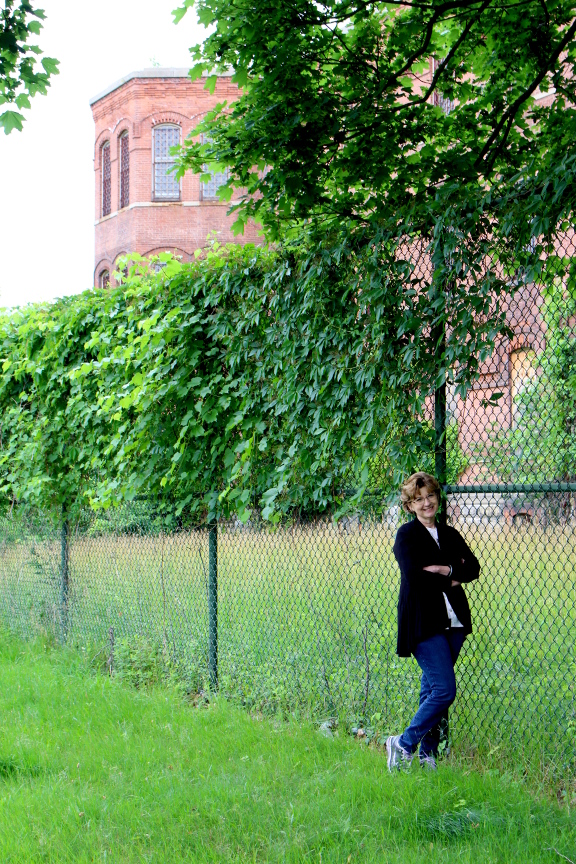
Fran_at_Talcott_Hall_6-27-15c.jpg