Tell us a little bit about yourself. How did you get into writing?
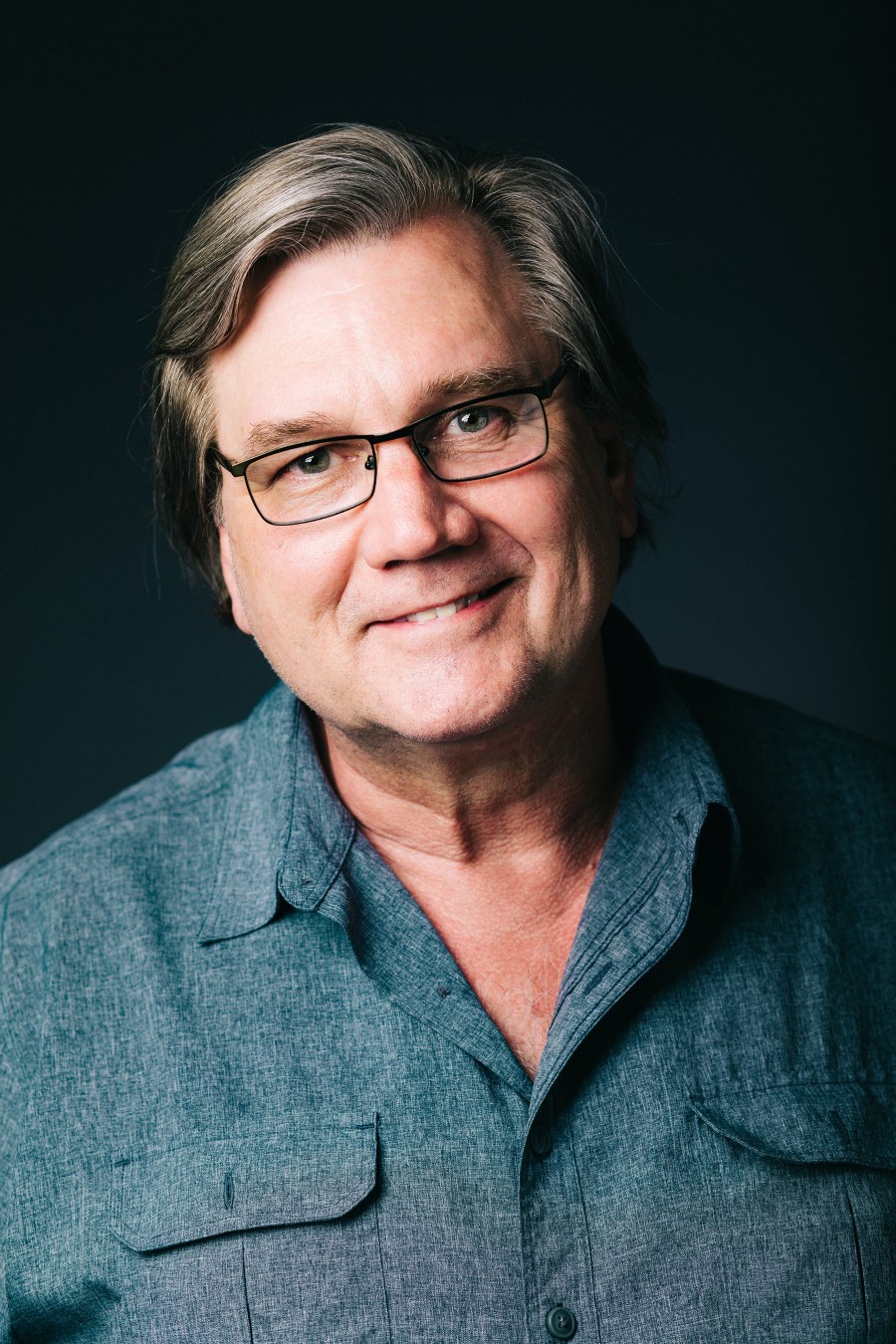
I have been an academic for almost 40 years, teaching in MFA programs all during that time. I did spend a decade as an industrial painter before I started university teaching, but teaching and writing are what I know best. I’ve been publishing poems in books and/or periodicals for forty years, as well. I became a poet accidentally, really. In sixth or seventh grade I had a teacher named Irma Schiele who saw some talent in me after doing a class metaphor clustering exercise. She had me stay after class and told me to go home, write a poem and have it on her desk in the morning. I did that. She marked it with an A in red ink and said write me another one. That was perhaps 55 years ago, and I have just kept at it. There were times when I concentrated on song lyrics or prose, but I have been writing poetry since that day in grade school.
What inspired you to write your book?

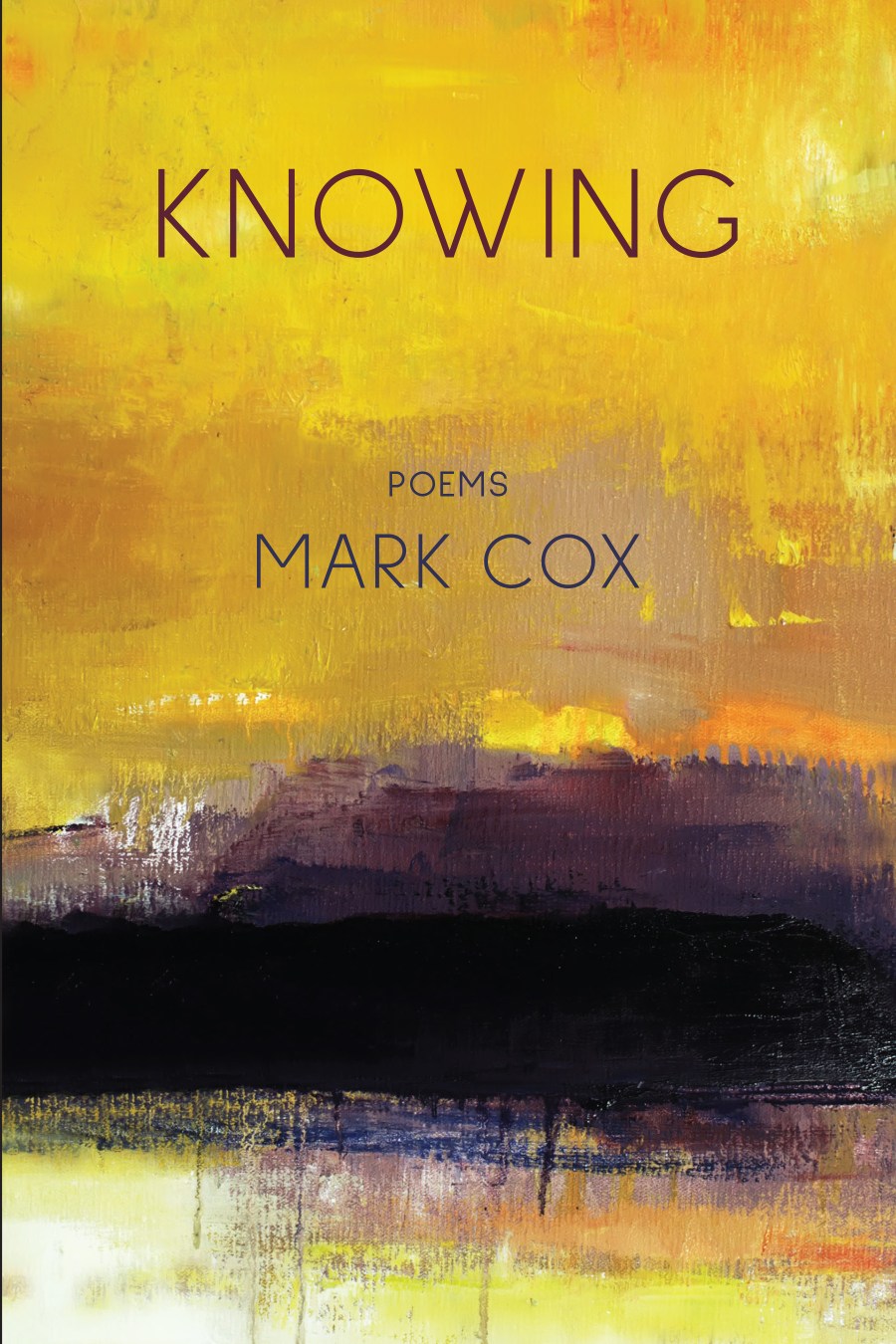
Writing books is just what I do. Although there are some older poems in it, most of the book was written in a five-year period between the publication of Readiness and Knowing. That’s probably a constant for me in terms of time. It takes between four and five years for a book to take shape. I revisit and revise heavily. When I was compiling my selected and new poems, Sorrow Bread, I very much had my three children in mind. I felt that I was leaving them a record of exactly who their father was. I feel the same way about many of the poems in Knowing. “Gasoline” is a complex poem that offers a perspective on the divorce that helped shape them. The poems that reference them like “The Song that Never Ends” and “Wonderbread” are particularly dear to my heart.
What theme or message do you hope readers will take away from your book?
I don’t feel it is my job to teach an audience something. I have no expectations of them. It is my job to share my experience, my psychic truth, as best I can with the hope that others might find some value in it. Poetry accomplishes varied things. It connects, it consoles, it challenges, it provokes, and so on. I guess my hope is that my poems connect with readers on the basic human level, making my perspectives known. Knowing, at its core, is about living comfortably with three facts we know for sure. That is, living involves loss, insists on change and ends in death. These constants give value to all human relationships, be they with other people or matters of the spirit. In this sense, the book is as much about not knowing as it is about knowing
What drew you into this particular genre?
Well, I answered this partially above. However, I became devoted to poetry because being a poet is a way of life, a way of being in, and interacting with, the world. Poetry is a demanding art. One learns to accept failure and understand that it is the ongoing process of failing that makes a few limited successes possible. You learn to undertake and enjoy the process of writing for its own sake and the perspective it gives you about your life experience.
What social media site has been the most helpful in developing your readership?
I am afraid I am pretty old school when it comes to social media; that is, I don’t have a clue! I do have an Instagram account that was helpful in announcing this latest book. And this blog tour the book is on is something very new to me. I hope it will help the book find new readers.
What advice would you give to aspiring or just starting authors out there?
We writers talk a lot about finding our voices, our authenticity. But I think the important thing is to worry about listening as opposed to speaking. We have to listen to, and trust, our inner voice–pay attention to the ways in which we perceive and experience the world. We need to discover innate patterns, recognize them as such, then be able to question and alter those filters for personal and creative evolution. I would also encourage writers to see themselves as artists and as part of that larger world of creative exploration and expression. Engage all the other arts seriously and learn what you can from them. Within writing, this is true of genre, as well. Don’t limit your exposure to one genre. Engage writing of all kinds as both a reader and practitioner.
What does the future hold in store for you? Any new books/projects on the horizon?
I have started some poems toward an eighth volume of poetry, but I am mostly working on a screenplay right now. Narrative comes naturally to me. I’ve found I have a knack for understanding the pacing of screenwriting. I enjoy it very much.
About the Author

Mark Cox has authored six other volumes of poetry, the most recent being Readiness (2018) and Sorrow Bread: Poems 1984-2015 (2017). He has a forty-year history of publication in prominent magazines and his honors include a Whiting Writers Award, a Pushcart Prize, the Oklahoma Book Award, and The Society of Midland Authors Poetry Prize. He chairs the Department of Creative Writing at UNC Wilmington and teaches in the Vermont College of Fine Arts MFA Program.
Available on Amazon and Bookshop.
Tour Schedule:
June 13: The Book Lover’s Boudoir (review)
June 18: Lavender Orchids (review)
June 20: Lavender Orchids (interview)
June 26: Wall-to-Wall Books (review)
July 1: Ashley’s Books (Instagram review)
July 2: Anthony Avina’s blog (review)
July 9: Anthony Avina’s blog (interview)
July 16: The Reading Bud (review)
July 18: The Reading Bud (interview)
July 24: Review Tales (review)
July 30: Savvy Verse & Wit (review)
Aug. 9: True Book Addict (Review)
Aug. 22: The Book Connection (Review)
Follow the tour with the hashtag #KnowingPoems