1) Tell us a little bit about yourself. How did you get into writing?
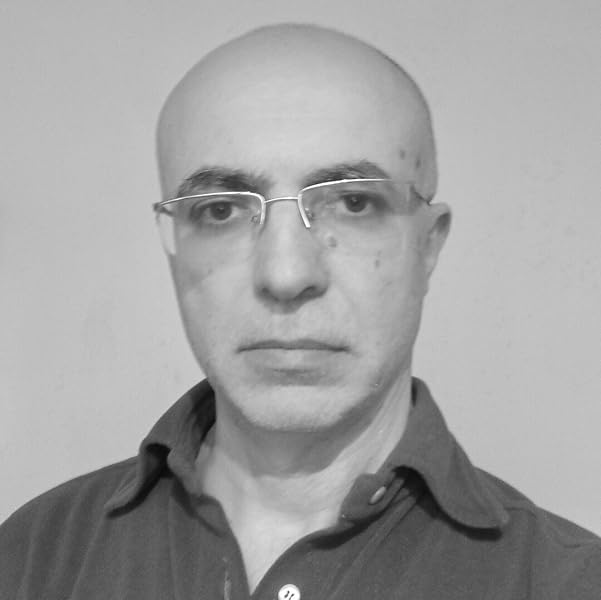
My name is Massimo Fantini, and I am an Italian author and free thinker, writing from my home in the hills just outside Bologna. In quiet moments, when I am neither writing nor working, I enjoy classical music, particularly orchestral works and Italian opera.
I graduated from a university in Bologna with a degree in civil engineering. However, the studies of my youth do not represent my life’s passion—that is, delving into the realities which unite all of humanity:
suffering, frustrations, conflicts, and the human reactions to these. These are the events that take every human as an innocent in the crib and twist and turn them into 8.1 billion unique (but intimately connected) forms.
In short, I am obsessed with exploring the intimate recesses of the human condition.
In 2018, entirely dissatisfied with my job, I sought a new form of expression. Thus, I began to write.
2) What inspired you to write your book?

I consider myself to be a keen observer, and my stories are inspired by the observation of reality.
After observation, comes analysis. Why did that person react that way? Why did they say those things?
Why don't they react to conditioning by developing their own critical sense?
Art is wonderful because it is a representation of what we otherwise cannot express. I seek not to provide myself and my readers with a mere distraction (what so often passes for “entertainment”). Not a hole in which to stick our heads for a few hours, only to emerge weakened and even less able to face our reality.
Rather, I offer up a representation of our shared condition.
The human condition.
3) What theme or message do you hope readers will take away from your book?
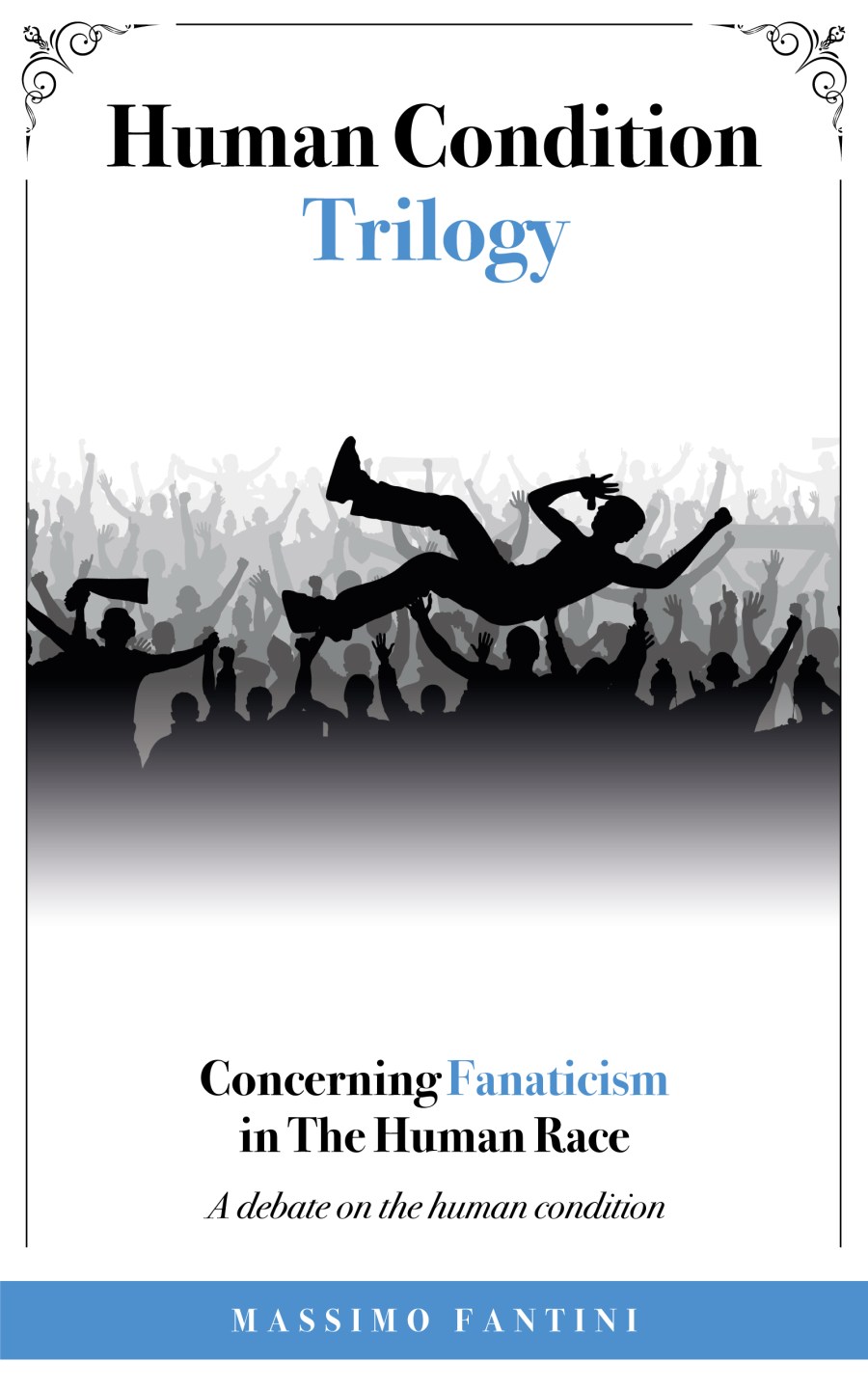
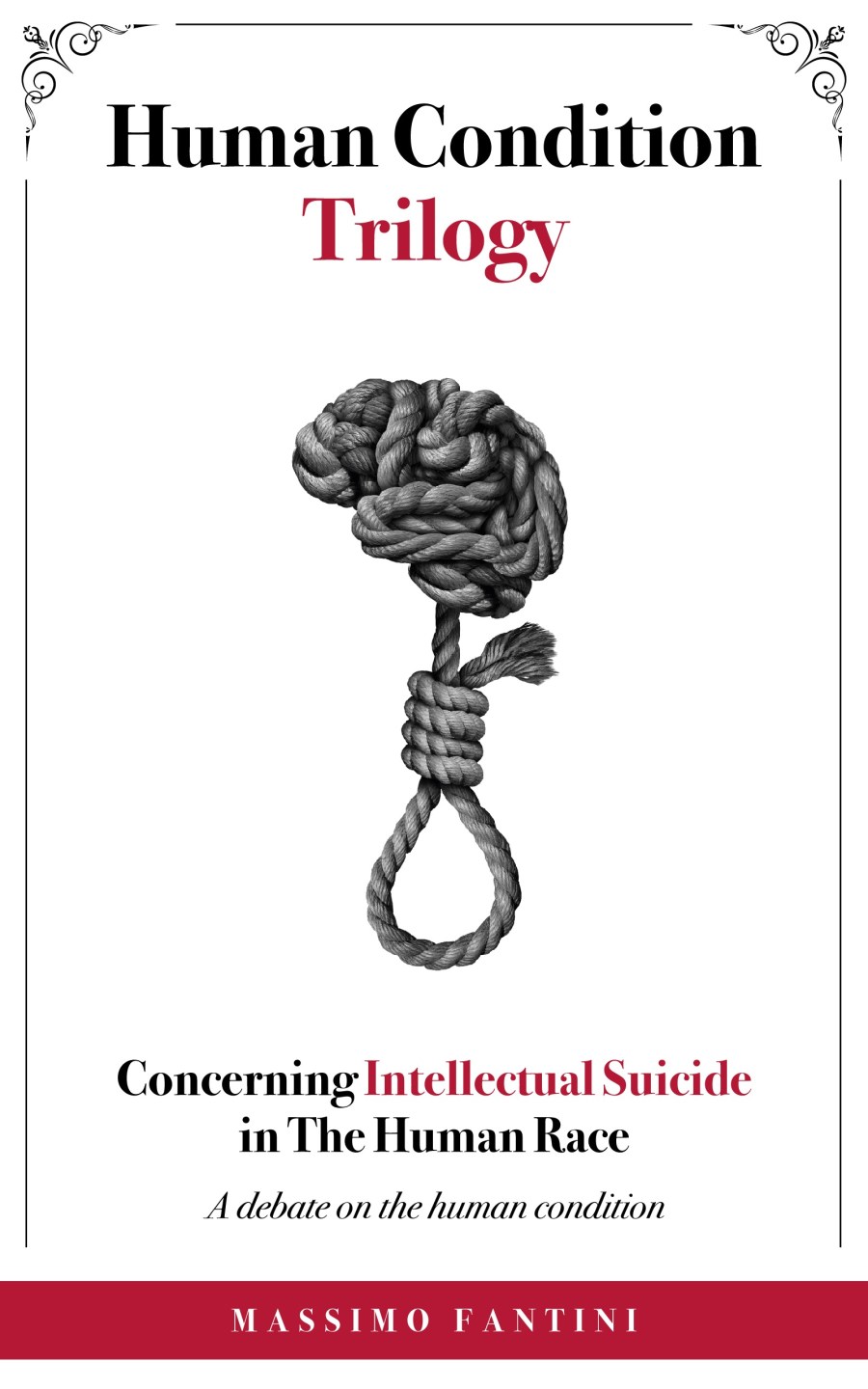
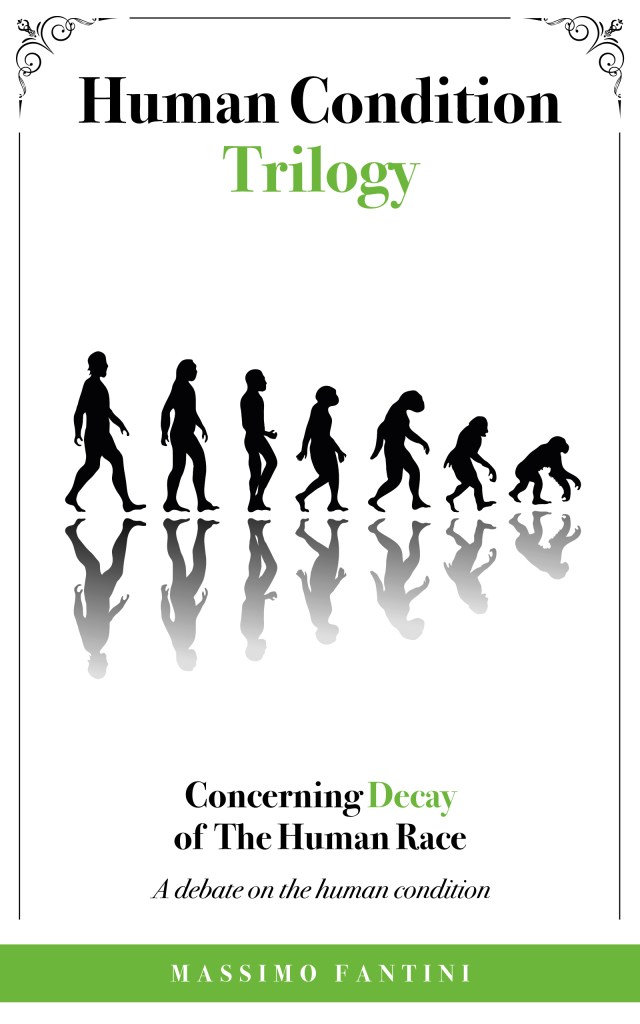
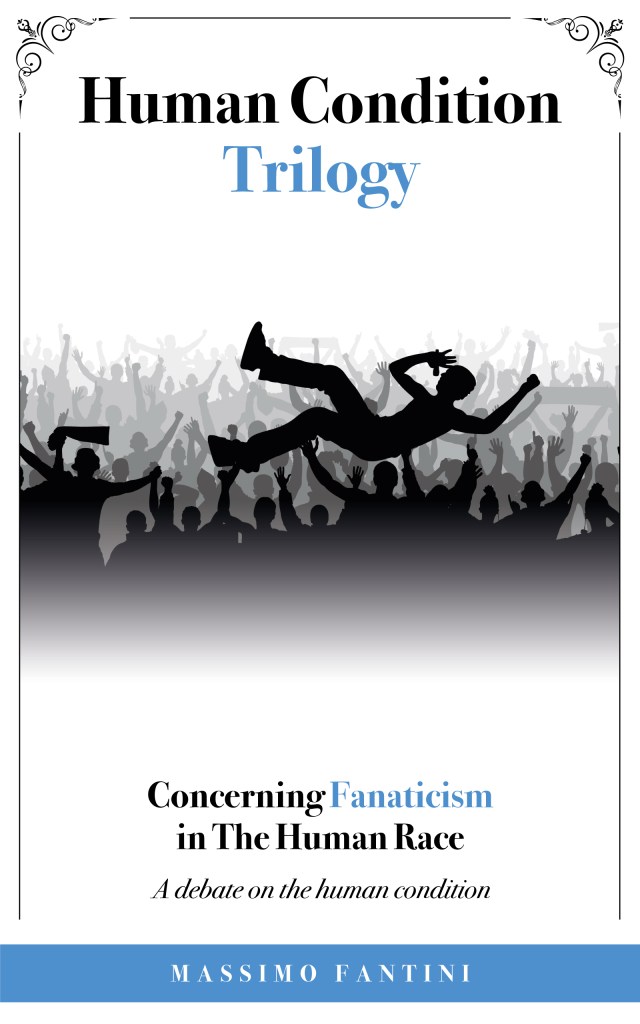
Echoing the sentiment of Heraclitus, no two people may look at the same problem the same way, because it is different to each. From the old and cynical Leonard in Concerning Fanaticism to young Tommaso (a character inspired by my own youth) in Concerning Intellectual Suicide, I tried to shed light on a path that is a constant part of our lives, but also constantly shifting.
Through my writing, I encourage readers to find their own perspective on life. Rather than embracing the comfortable mold that society provides, like a goldfish “free” to swim around in its little bowl, I hope my readers can use my books as a stepping stone toward their own unique way of thinking. And then, I wish them the freedom to pursue it.
4) What drew you into this particular genre?
The philosophical nature of my works lends itself to both the essay and fiction genres. However, I believe that the fiction genre is more easily accessible to the general public. The emotional strength of characters who live a story, who suffer, and who try to escape the grip of the human condition makes philosophical reasoning deeper and more effective.
Over time, I experimented with many kinds of writing, wondering how best to give my ideas form.
Finally, I found my voice through stories, giving life to characters who explore, triumph, and fail for us to watch.
5) What does the future hold in store for you? Any new books/projects on the horizon?
I must admit that writing is exhausting. I thought that once I completed my trilogy, I would have no more ideas to express. Instead, I have a Word document with dozens of ideas to develop, ideas suggested by the simple observation of the people around me. I’m currently working on my fourth manuscript. The story draws inspiration from the previous "Intellectual
Suicide" and brings to light aspects of human nature that I have not focused on in previous works.
I can’t wait to complete it!
About the Author

Greetings, readers.
I am Massimo Fantini, an Italian author and free thinker, writing from my home in the hills just outside Bologna. In quiet moments, when I am not writing, I enjoy classical music, particularly orchestral works for violin and the Italian opera.
I graduated from a university in Bologna with a degree in civil engineering. However, the studies of my youth do not represent my life’s obsession—that is, delving into those realities which unite all members of the human race: suffering, frustrations, conflicts, and the human reactions to these. They are the events and forces that take every human as an innocent in the crib and twist and turn them into 8.1 billion unique (but intimately connected) forms.
In short, I am obsessed with exploring the intimate recesses of the human condition.
In 2018, entirely dissatisfied with my job, I sought a new form of expression. Thus, I began to write. Incessantly.
I experimented with many kinds of writing. How best to give my ideas form? Then, I found my voice through stories, giving life to characters who explore, triumph, and fail for us to watch.
In each installment of my Human Condition Trilogy, these same all-encompassing issues are approached from different directions, under different circumstances, and by different characters.
Echoing the sentiment of Heraclitus, no two people may look at the same problem, because it is different to each. From the old cynical Leonard in Concerning Fanaticism to young Tommaso (a character inspired by my own youth) in Concerning Intellectual Suicide, I tried to cast a light on a path that is a constant part of our lives, but also constantly shifting.
Through my writing, I encourage readers to find their own perspective on life. Rather than embracing the comfortable mold which society provides, like a goldfish “free” to swim around in its little bowl, I hope my readers can use my books as a steppingstone toward their own unique way of thinking. And then, I wish them the freedom to pursue it.
Art is wonderful because it is a representation of what we otherwise cannot express. I seek not to provide myself and my readers with a mere distraction (what so often passes for “entertainment”). Not a hole in which to stick our heads for a few hours, only to emerge weakened and even less able to face our reality. Rather, I offer up a representation of our shared condition.
The Human Condition.