I received a free copy of this book in exchange for a fair and honest review. All opinions are my own.
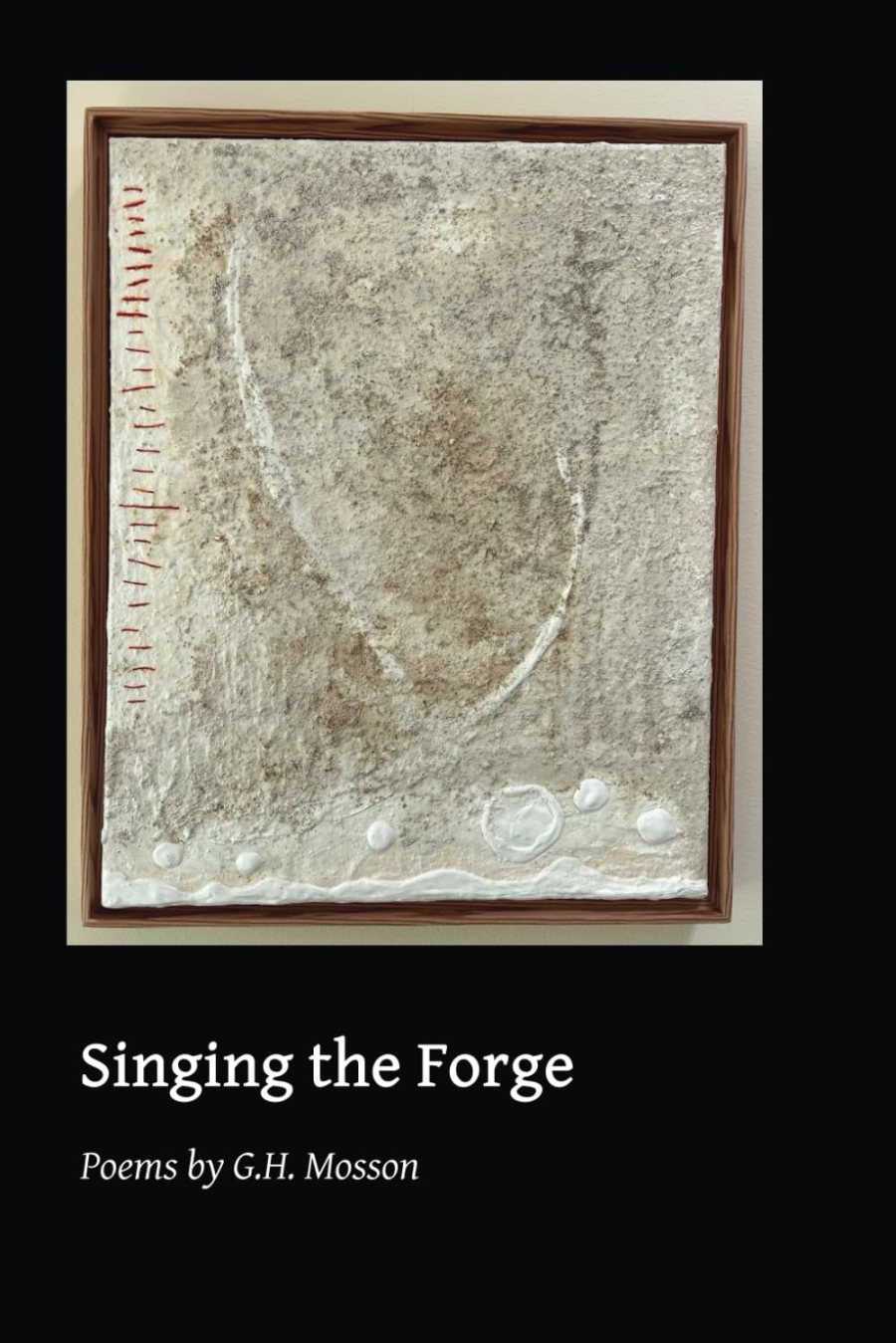
Author and poet G.H. Mosson shares poems and vignettes that explore the things that have shaped us in the book “Singing the Forge.”
Advertisements
The Synopsis
Version 1.0.0
Singing the Forge explores the singing of what’s shaped us and what we’ve shaped for ourselves. Through poems at times personal, plus vignettes from men and women of the past two centuries in the book’s middle section, these poems offer mirrors of becomings. Across free verse, meter, and poems of organic form, you might just see yourself.
The Review
Immediately, I was drawn to the author’s ability to create poems that felt very lyrical in nature, bringing a story-like quality to each poem that conveys a theme and evokes an emotional response in the reader. The powerful imagery these poems delve into is compelling, as seen in the poem “Domination of Tulips in Washington D.C.,” where Rock Creek Park comes alive on the page and petals become doorways to the heart of the flower.
The draw of this collection lies in the strong, powerful themes of forging and awakening that the poems explore. The concept of forging not only brings to mind the idea of creation, but the idea of reshaping things and reinforcing things through fire, a visual and visceral theme the author uses to connect readers with the raw poetry that calls for those moments o f personal change and growth through trials and tribulations, both on an individual scale and even some on much more cosmic scales, such as the idea of time and memory itself taking on whole new meanings.
The Verdict
Thoughtful, moving, and engaging, author G.H. Mosson’s “Singing the Forge” is a must-read collection of poetry. The deliberate, emotive, and introspective nature that the author brings to each poem, along with the almost lyrical and passionate style of writing, will stay with readers and keep them coming back time and again to delve into this collection. If you haven’t yet, be sure to grab your copy today!
Rating: 10/10
Advertisements
About the Author
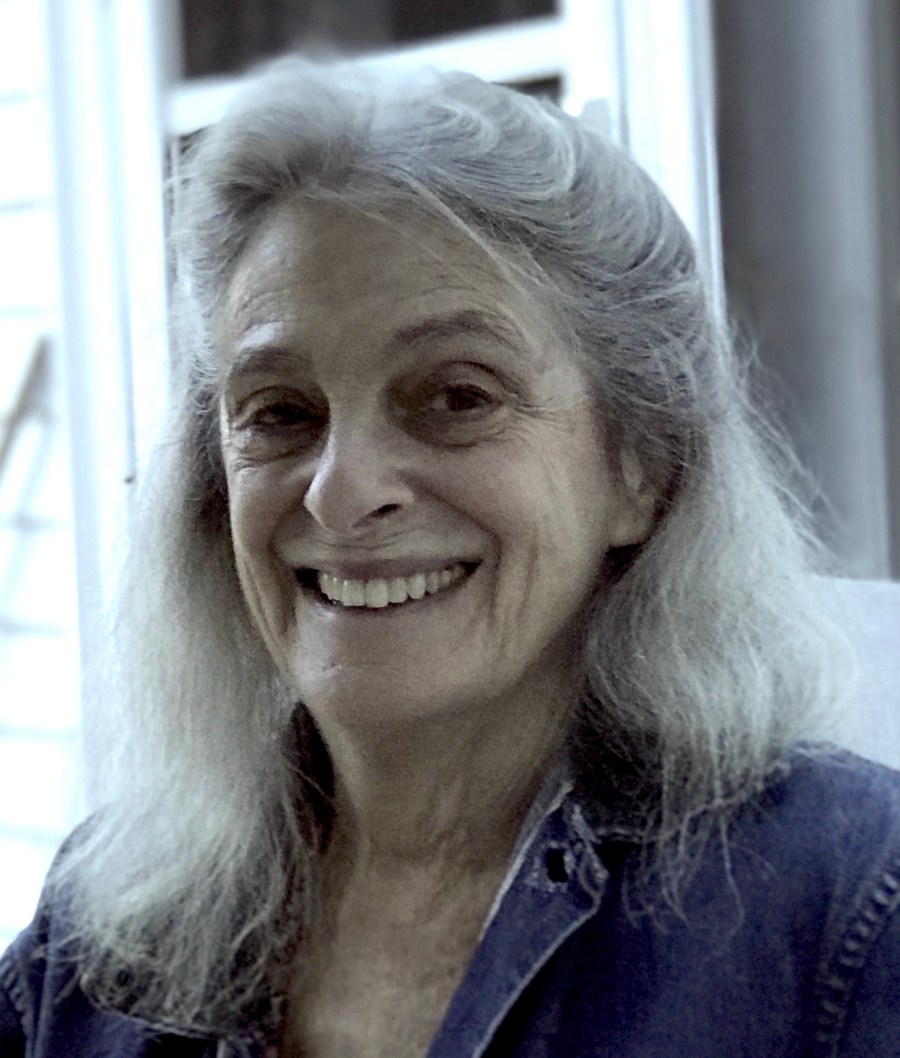
G. H. Mosson’s poetry has appeared in The Tampa Review, The Lyric,
Smartish Pace, California Quarterly, and has been nominated four times for the Pushcart Prize.
This is his sixth book of poetry. For more, see www.ghmosson.com
For almost forever, writers have been advised to “write what you know.” At this tricky moment in our culture, that phrase has gathered momentum. Writing what you know is often a tidy and effective way not to appropriate someone else’s identity.
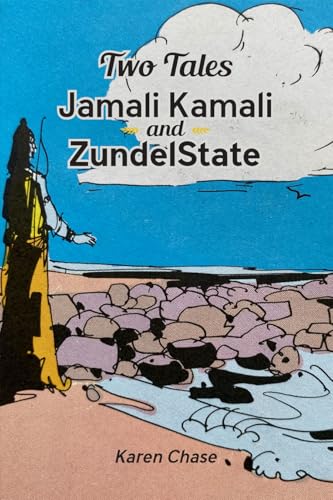
In my newly released book,Two Tales: Jamali Kamali and ZundelState, I have written two stories that did not grow from what I know but from what I don’t know. In these pages, I will talk about the first tale. Jamali and Kamali lived in sixteenth century India and are buried together in a small tomb in India. The poem is a fictional account of their love, separation, and death.
Here’s what happened. In 2004, I spent a month-long writing residency at the Sanskriti Foundation in Delhi. One morning, a week after I arrived – I hadn’t written a thing that first week and didn’t really care — the Sanskriti residents were told that later that day, we would have a chance to visit the newly restored Jamali Kamali Mosque and Tomb, which had been in the process of restoration for seven years.
Our bus arrived at the overgrown park entrance. We traipsed alongside a river full of plastic garbage, climbed through hills of brush, climbed over unrestored ruins, climbed through Balban’s Tomb, and finally arrived on top of a hill, a plateau, where the Jamali Kamali Mosque and Tomb stood. A brand-new sign at its entrance informed visitors that the Tomb held the remains of Jamali, a 16th century Sufi Court Poet and Saint and Kamali, whose identity, the sign said, was unknown.
When I entered the tomb, its beauty startled me. Looking at the two white marble graves, the conservator began to talk. He explained who Jamali was, then said, “It is believed, through Delhi’s oral tradition, that Kamali was his homosexual lover.” “What?” I blurted out, “But…. the new sign out front says his identity was unknown. I don’t understand. Why does the sign say that Kamali’s identity is unknown.” He explained that, in fact, no-one really knows for sure who Kamali was, and also the information that he may have been Jamali’s male lover would never be announced on a public sign, taking into account the beliefs of our large Muslim population.”
Deeply jarred by the disjuncture of that moment, when I returned to my Sanskriti desk, I began to write as if I were Jamali speaking to Kamali. I had nothing in mind. No direction. By the end of three weeks in Delhi, there was a draft of the first section of Jamali Kamali. Almost two years later, what began that moment in Delhi, had grown into a book-length poem.
Many people have asked me, “Why did YOU write this book? The answer is – I don’t really know.
I’m not a man. I’m not gay. I’m not Indian. I’m not Muslim. I’m not a Mughal scholar. I’m not an art historian. I’m a straight white American Jewish 21st century woman. I’ve crossed many lines here – gender, sexual orientation, time, hemisphere, religion, culture, etcetera. Without intention, I appropriated.
Since then, many people who have read Jamali Kamali, believe I was channeling the men. Others have mistaken it for a translation of Jamali’s poetry. And, strangely enough, in India, my poem has been cited numerous times as a historical record about the two men.
Opening oneself to the unknown paves the way for large-scale exploration rather than the up-close, confining details of “what I know.” The unknown is a wider plain—a vast place where options flourish. It expands the smallness of “what I know.”
Was I channeling these men? Is the poem an expression of my subconscious? Or is it the imagination at work? Are these three things separate, do they overlap, or are they the same thing? Who knows. What I do know is that when you open the mind’s flaps, leave behind what you know, and walk through a blank landscape, you may be taken aback by what you find.
Advertisements
About the Author
Karen Chase is the author of two collections of poems, Kazimierz Square and BEAR, as well as Jamali-Kamali: A Tale of Passion in Mughal India, a book-length homoerotic poem, published in India in 2011. Her award-winning book, Land of Stone, tells the story of her work with a silent young man in a psychiatric hospital where she was the hospital poet.
In her memoir Polio Boulevard, Chase brings the reader back to the polio outbreak of the 1950s that crippled our country. In her lively sickbed she experiences puppy love, applies to the Barbizon School of Modeling, and dreams of Franklin Delano Roosevelt. The Larooco Log: FDR on the Houseboat, a project that grew directly out of her memoir, follows Franklin Delano Roosevelt during a Florida winter when he lived on a houseboat, attempting to regain use of his paralyzed legs. History Is Embarrassing, her collection of essays, was published in 2024, and Two Tales: Jamali Kamali and ZundelState, in 2025.
Karen Chase’s poems, stories and essays have appeared in The New Yorker, The New Republic, The Gettysburg Review and Southwest Review, among others. Her poems have been anthologized in The Norton Introduction to Poetry, Andrei Codrescu’s An Exquisite Corpse Reader, and Billy Collins’ Poetry 180. Chase and her husband, the painter Paul Graubard, live in Western Massachusetts.
I received a free copy of this book in exchange for a fair and honest review. All opinions are my own.
Author and poet Andrew LaFlechce shares a heartfelt and honest poetry collection in the book “MedEvac.”
The Synopsis
From award-winning author and veteran Andrew Lafleche, MedEvac is a raw and reflective poetry collection. It delves into the harrowing realities of combat in Afghanistan, the anguish of divorce, the loss of a child, and the destructive force of alcoholism. With brutal honesty and unflinching introspection, Lafleche captures the weight of grief and the search for meaning, both in life and in faith. In MedEvac, poetry becomes a vehicle for self-examination and spiritual reflection, making it a powerful read for those familiar with trauma.
“I will not cry here, at least
I cannot let him see me cry in this place, even
though I’ve come to learn that being a man
isn’t the ability to hold back tears, rather,
understanding the things in life which matter
most when lost will make you weep. Still,
brave for him, faking it for me. “I knew you’d
come, daddy. They told me you might not
make it in time, whatever that meant. But
I knew you’d come.”
—MedEvac
Written with heartsick honesty, the collection concludes in collision with an acceptance that will break your heart. It offers refuge for those who wish to find peace:
The Review
The wellspring of emotion that this collection inspires is gut-wrenching and heartfelt, speaking with an intensity and honesty that is truly impactful. Each poem’s imagery paints an emotional picture in the reader’s mind, allowing these haunting themes to give beautiful life on the page.
The Themes, of course, are this collection’s driving force, covering everything from grief, war, alcoholism, divorce, and so much more. The personal and honest nature of the poems allows these themes to rise and delve into the heart of what it means to be human, never once shying away from the messy side of these painful memories yet using an artist’s mind to find beauty in the chaos. Through that chaos and beauty, the writer finds a universally beloved voice everyone can relate to, naturally connecting the author’s experiences to the reader.
The Verdict
Memorable, honest, and emotionally driven, author Andrew LaFleche’s “MedEvac” is a must-read poetry collection. The heartfelt delivery of each poem, the relatability of the poems and their powerful themes, and the way the author has given life to the buried pain and grief so many share in life made this a remarkable collection that is not to be missed. Be sure to grab your copy today!
Rating: 10/10
About the Author
Andrew LaFleche is the award-winning poet and novelist from St. Catharines, Ontario. He served under Operation Enduring Freedom during the Afghanistan War. Following his duty as an infantry soldier in the Canadian Armed Forces, Lafleche received an M.A. in Creative and Critical Writing from the University of Gloucestershire. He is inspired by the philosophy that when young men become readers, they become better men.
I received a free copy of this book in exchange for a fair and honest review. All opinions are my own.
In the book Faraway Tables, author and poet Eric D. Goodman shares a collection of poetry that showcases a world both familiar and just out of reach.
The Synopsis
Faraway Tables is a mesmerizing collection of poetry that captures the monumental and the mundane with eloquent precision. Written largely during the Covid pandemic, these poems are imbued with a reflective depth that explores the essence of human experience—ranging from the personal to the geopolitical.
The Review
What a powerful and engaging collection of poems! The author expertly crafts each poem to stand alone and add to the collective nature of life’s journey and what it means to be human. The imagery and tone each poem strikes with the reader will leave a lasting impact, and the poems do a remarkable job of connecting the reader to the poet’s intent and experiences overall.
The emotional connection with the poems and the overall themes became the heart of this collection. The author perfectly delves into social commentary on everything from the Pandemic to the war between Russia and Ukraine and the more personal, mundane aspects of daily life that speak of the love and connection we form in those everyday moments. The collection is written in a way that readers of all backgrounds can relate to and connect with, speaking to an accessibility that is sometimes missing from other collections that resonate here.
The Verdict
Memorable, honest, and passionately written author Eric D Goodman’s “Faraway Tables” is a must-read poetry collection. The way the poems evoke a strong emotional response, and the relatability of each poem’s message or theme will draw in many readers seeking to find a profound way of speaking to the experiences so many people have had in recent years. If you haven’t yet, be sure to grab your copy today!
Rating: 10/10
About the Author
Eric D. Goodman lives and writes in Maryland. He’s the author of six previously published books of fiction. More than a hundred of his short stories, articles, and travel stories have been published in literary journals, magazines, and periodicals. Eric’s recent poetry has been featured in more than twenty publications, including Gargoyle Magazine and The Main Street Rag.
1) Tell us a little bit about yourself. How did you get into writing?
I’m a child of the enlightenment. I believe in science, rational thought, and the value of knowledge. At the same time, I’m fascinated by philosophical questions that stubbornly reside outside the sphere of scientific truth: the phenomenon of consciousness; the origin of the universe; the nature of time; and the formation of the first living cell. In my later years, the limitations of logic and reasoning have left me more receptive to the numinous in our world — a novice in the realm of spirituality. Above all, I strive to perceive beauty wherever it may exist.
I began writing independently of schoolwork when I was nine. As was true for many children of my generation, I was introduced to the world of poetry through the work of Theodor Geisel, a.k.a. Dr. Seuss. His book “Yertle the Turtle” was a particularly strong influence (though I had no idea at the time that the story was allegorical, a satire of Adolf Hitler). Not surprisingly, all of the poems I scribbled on shirt cardboard rhymed.
In my sophomore year of high school, I maintained a poetry notebook as part of the curriculum. But my interest in poetry really blossomed at Amherst College where, as a biology major on the pre-medical track, I took four rigorous poetry courses. During the last of these, in what I like to describe as an act of love masquerading as mania, I stopped attending classes, isolated myself from friends, ate and slept reluctantly, and spent five straight weeks writing a metaphysical poem on the theme of subjective versus objective reality. This represented my first serious attempt to write poetry.
2) What inspired you to write your book?
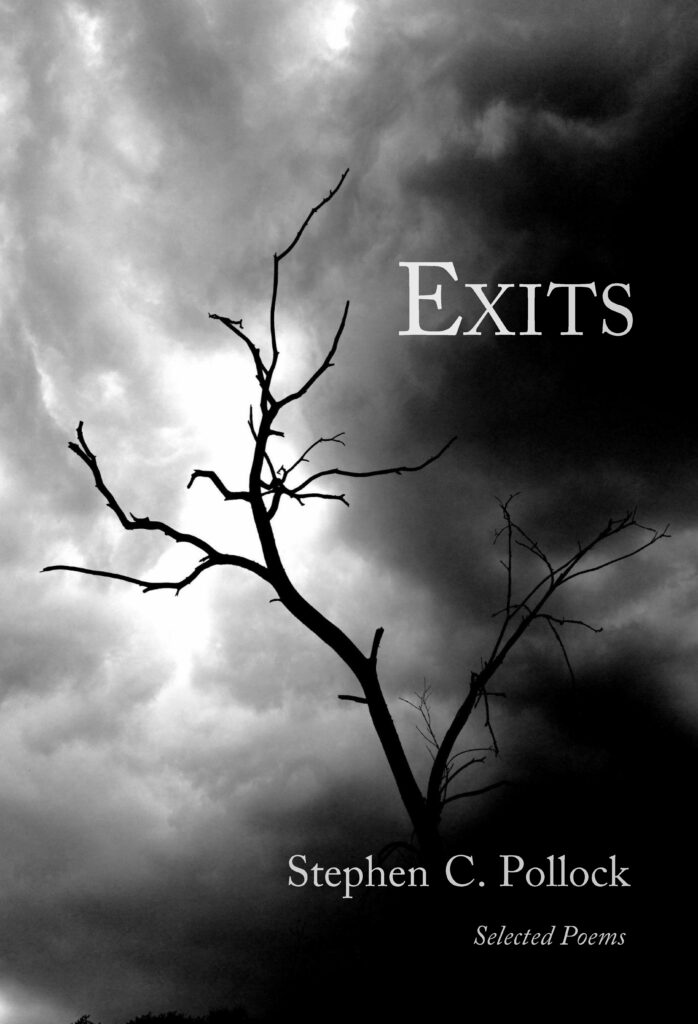
Most of the poems that appear in Exits were written between 2003 and 2021 without a book in mind. It wasn’t until two years ago that I decided to incorporate what I considered to be my best work into a book entitled Line Drawings. However,
during the process of reviewing my modest oeuvre, I noticed that a significant number of the poems were related to one or more aspects of mortality. This led me to curate a more concise, themed collection of poems, and Exits was born.
One might wonder where the focus on life’s transience derives from. In retrospect, I can identify three sources. First, I was raised without any religious training, so from a very young age, I was left on my own to ponder the enormity of the universe, time and eternity, and the meaning of existence. My fear of death was such that I often fought against falling asleep, which to me resembled nothing so much as a rehearsal. Second, as a physician and neuro-ophthalmologist, I’ve cared for numerous patients with serious and/or life-threatening diseases. And third, since 1999, I’ve had to deal with the spinal cord variant of multiple sclerosis and the ramifications of that disease for life expectancy.
3) What theme or message do you hope readers will take away from your book?
Death is an integral part of life. It exerts a profound influence on how we think about the limited time granted to us and the meaning we attach to it.
Exits will resonate with different people in different ways. Some readers will gravitate to the visual imagery and nature metaphors. Others will enjoy the wordplay. Still others will find satisfaction in the resurrection of formal elements.
It’s important to keep in mind that we live in a time of great uncertainty. War, climate disasters, and a recent pandemic have led many to contemplate the prospect of their own demise. Exits speaks to this anxiety and angst. It also may provide fresh perspective on mortality, the cycles of life, and the possibility of renewal.
4) What drew you into this particular genre?
My mom, now deceased, deserves a great deal of credit in this regard. A lifelong visual artist, she made it a point to instill in her young son a deep appreciation for
art. I recall sitting on her lap at age four or five as she paged through artbook after artbook. As a result, I could distinguish a Monet from a Cezanne before I could read!
Over the course of my life, I’ve written in multiple genres, including: engineering and technology (U.S. Patent 4,477,158); clinical research articles published in medical journals; chapters in neuro-ophthalmology textbooks; business papers; short fiction; and poetry.
My attraction to poetry is multifaceted:
The thrill of creating art with words
Permission to access the subconscious
The marriage of sound and sense
The fact that anything can appear in a poem
The fact that anything can happen in a poem
The surreal, dreamlike, associative way that poems move the mind
The surprising connections and juxtapositions
Fun with form
The paradoxical precision of poetic ambiguity
Metaphor and the multilayering of meaning
The sonic extravaganza of rhyme, alliteration, assonance, onomatopoeia, meter, and non-metrical rhythms
Non-linear narratives
Emotional intensity
The potential to enlighten
The potential to console
Oblique routes to ineffable truths
5) What social media site has been the most helpful in developing your readership?
None! I’ve never had an account on any social media platform. The lone survivor of the Jurassic Period, I tend to use long-forgotten methods of communication, mainly face-to-face chats, telephone calls, and handwritten letters.
6) What advice would you give to aspiring or just starting authors out there?
Write poems that represent your unique aesthetic sensibilities. Try not to be overly influenced by prevailing trends or by contemporary poetic styles.
Edit mercilessly over an extended period. Satisfying first drafts often begin to show their flaws only after sufficient time has elapsed to afford an objective assessment.
Begin your foray into publication by submitting poems to literary journals. This will help you determine which of your poems resonate with experienced reviewers. Before each submission, make sure that your poem is a good fit for the journal.
7) What does the future hold in store for you? Any new books/projects on the horizon?
Given my age, history of MS, and undisciplined writing process, I’m doubtful that any additional books are forthcoming. But you never know…
About the Author
Stephen C. Pollock is a recipient of the Rolfe Humphries Poetry Prize and a former associate professor at Duke University. His poems have appeared in a wide variety of literary journals, including “Blue Unicorn,” “The Road Not Taken,” “Live Canon Anthology,” “Pinesong,” “Coffin Bell,” and “Buddhist Poetry Review.” “Exits” is his first book.
I received a free copy of this book in exchange for a fair and honest review. All opinions are my own.
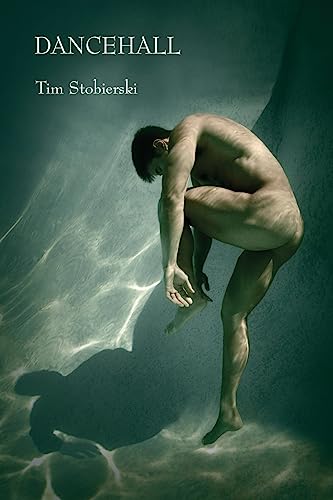
Author and poet Tim Stobierski share a beautiful queer love story through a collection of powerful poetry in the collection “Dancehall”.
Advertisements
The Synopsis
A queer love story in five acts, Dancehall follows the arc of a relationship from its earliest days to its final, somber conclusion.
In these 60 poems, you will join the speaker as they navigate the highs and the lows, the tranquility and the turbulence, the euphoria and the despair that comes with giving yourself fully to another.
Through language, imagery, and form at once universal and intimate, you are invited to take part in this love story – not as some distant observer, but as a central figure: The “you” to whom the speaker writes these poems.
Experienced poetry readers and poetry novices alike will enjoy the clean, simple style embodied in the majority of the poems.
Whether straight or queer, young or old, single or happily partnered, these poems are for anyone who has ever loved or longed for another.
The Review
This was a powerful and memorable story. The way the author was able to convey this relationship from start to finish through poetry produced an incredible and emotional read. The subtle yet powerful moments in this relationship really stand out, and the imagery the author used made the narrative these poems were telling feel alive on the page.
The heart of this book was in the main narrative itself, as the reader felt the strong pull of this emotional bond formed between two people. The closeness and the haunting memories of that closeness play a crucial role in the themes of love and loss, and the honest and important language the author uses to bring this queer love story to life was so passionate and engaging.
The Verdict
Thoughtful, emotional, and moving, author Tim Stobierski’s “Dancehall” is a must-read collection of poetry. The structure of this five-act play of sorts and the memorable imagery that captures those heartfelt moments both good and bad made this a compelling read. If you haven’t yet, be sure to grab your copy today!
Rating: 10/10
Advertisements
About the Author
Tim Stobierski writes about relationships. His work explores universal themes of love, lust, longing, and loss — presented through the lens of his own experiences as a queer man. His poetry has been published in a number of journals, including the Connecticut River Review, Midwest Quarterly, and Grey Sparrow.
His first book of poetry, Chronicles of a Bee Whisperer, was published by River Otter Press in 2012.
I received a free copy of this book in exchange for a fair and honest review. All opinions are my own.
Author and poet Stephen Pollock take readers on a journey to discover the root of mortality in the book “Exits”.
Advertisements
The Synopsis
Stephen C. Pollock’s debut collection, Exits, nods to the literary traditions of years past while simultaneously speaking to the present moment. Multilayered and musical, the poems in Pollock’s “Exits” (Windtree Press, June 29, 2023) have drawn comparisons to the work of Eavan Boland and Seamus Heaney. With bold imagery, attention to form, and a consistent throughline rooted in the theme of mortality, his collection responds to contemporary anxieties surrounding death and the universal search for meaning in life’s transience.
The Review
This was a compelling and moving read. The poetry was brilliant, each poem evoking a sense of powerful and gripping imagery that explores our connection to nature and our role in keeping it safe, while also delving into the idea of our own mortality and how the issues facing our world, such as war and disease, are impacting both nature and man’s mortality greatly.
The imagery and atmosphere the poems were able to achieve were greatly enhanced due to the author’s ability to infuse nature and the natural world as a whole into each poem, capturing the raw emotion and philosophical discussion that these themes bring out in us all. The passion and heart with which the author wrote these poems will speak to readers who not only enjoy poetry but poems that bring out the almost lyrical and relatable words we say and feel every day and yet rarely are able to put into practice.
The Verdict
Heartfelt, captivating, and engaging, author Stephen Pollock’s “Exits” is a must-read book of poetry. The succinct yet thoughtful approach to each poem and the moving words that brought this collection to life really will hit the reader in the heart, and the range of topics, from the passing of a loved one to toothpaste, will speak to both the mundane and valuable moments in life we take for granted, and yet need to remember. If you haven’t yet, be sure to grab your copy today!
Rating: 10/10
Advertisements
About the Author
Stephen C. Pollock is a recipient of the Rolfe Humphries Poetry Prize and a former associate professor at Duke University. His poems have appeared in a wide variety of literary journals, including “Blue Unicorn,” “The Road Not Taken,” “Live Canon Anthology,” “Pinesong,” “Coffin Bell,” and “Buddhist Poetry Review.” “Exits” is his first book.
Creative writing and poetry have been a part of my life since childhood; seeing my first poetry collection, The Unempty Spaces Between, come to life has been a dream come true.
From the time I first held a pen to write simple rhymes for both my grandmothers, I appreciated the power and beauty of the written word to move readers to laughter, tears, reflection, and action.
While the poems in The Unempty Spaces Between are all part of me, they are not unique to me. Rather, they reflect what it means to be human through an expression of purposeful words, vivid images, and intense emotions.
Some of the poems in this collection were seeded or written years ago, and others completed within weeks of publication. Collectively, they tell a story of fear, pain, loss, beauty, love, and the environment surrounding us.
My goal in poetry, writing, and this book is to bring to light the details and mechanics of the human experience missed in the process of living. My desire is to give readers a chance to stop and look between the distractions to appreciate all that exists in the spaces between, the essence and roots of life, drawing light through darkness.
While the poems in this collection grew out of my experiences and capture how they moved me at the time, our unique human experience is defined by how we each see what is before us. This is another beautiful element of the universality of art and why no two readers will be touched by the poetry in my book in the same way.
Whether “Reflection” capturing an unimaginable pandemic world, “God’s Garden” moved by a tear rolling down the cheek of a young woman, the elusive exploration of universal perfection “In the Eye of the Beholder,” or the serene yet tragic romance of two dancing flames in “A Candle with Two Wicks,” my collection is aimed at viewing the world in a profound way.
I hope The Unempty Spaces Between will meaningfully move you and bridge the plentiful void between us.
About the Author
Louis Efron is a poet and writer who has been featured in Forbes, Huffington Post, Chicago Tribune, POETiCA REViEW,The Orchards Poetry Journal, Academy of the Heart and Mind, Literary Yard, New Reader Magazine and over 100 other national and global publications. He is also the author of five books, including The Unempty Spaces Between, How to Find a Job, Career and Life You Love; Purpose Meets Execution; Beyond the Ink; as well as the children’s book What Kind of Bee Can I Be?
I received a free copy of this book in exchange for a fair and honest review. All opinions are my own.
Author and poet Louis Efron share his debut collection of poetry in the book “The Unempty Spaces Between”.
Advertisements
The Synopsis
A beautiful creation of song and scar, of emotional complexity and simple witness, Louis Efron’s debut collection The Unempty Spaces Between mingles the natural and human worlds in a series of accessible, personal, universal poems. From lush to bare, the landscapes he presents us with are so intertwined with and impacted by our actions that we realize the two have always been one. Brimming with meditations deep as winter snow and boundless compassion and curiosity, these vibrant poems remain grounded in a universal familiarity that opens us up to something greater.
The Review
This was quite a beautifully written and deeply introspective read. The author’s handle on imagery is felt immediately in this book, allowing the reader to become lost in the worlds and narratives that each poem brings to life as if they are caught in the emotional wave of creativity that spills across the blank canvas of life. The unique structuring of each poem speaks to the deep thoughts and the working world in which the author’s mind inhabits.
The poems themselves are quite engaging, allowing the reader to see pieces of themselves in the work, and even in the poems that don’t directly speak to them, the reader is able to contemplate and look inward at their own lives to the core of each poem’s meaning. The poem “Nicked Wedding Ring” is a particular favorite, exposing the depths of deep emotion in the wake of a loss and the juxtaposition of those who seek out that same death out of greed or power, revealing how death shows us our best and our worst.
The Verdict
Memorable, engaging, and thought-provoking, author Louis Efron’s “The Unempty Spaces Between” is a must-read poetry collection. The fast pace of the collection and the way readers can easily sit and read through this book in one sitting and yet return to it time and time again speak to the author’s powerful words and the heart behind them. If you haven’t yet be sure to grab your copy today!
Rating: 10/10
Advertisements
About the Author
Louis Efron is a poet and writer who has been featured in Forbes, Huffington Post, Chicago Tribune, POETiCA REViEW,The Orchards Poetry Journal, Academy of the Heart and Mind, Literary Yard, New Reader Magazine and over 100 other national and global publications. He is also the author of five books, including The Unempty Spaces Between, How to Find a Job, Career and Life You Love; Purpose Meets Execution; Beyond the Ink; as well as the children’s book What Kind of Bee Can I Be?