I received a free copy of this book in exchange for a fair and honest review. All opinions are my own.
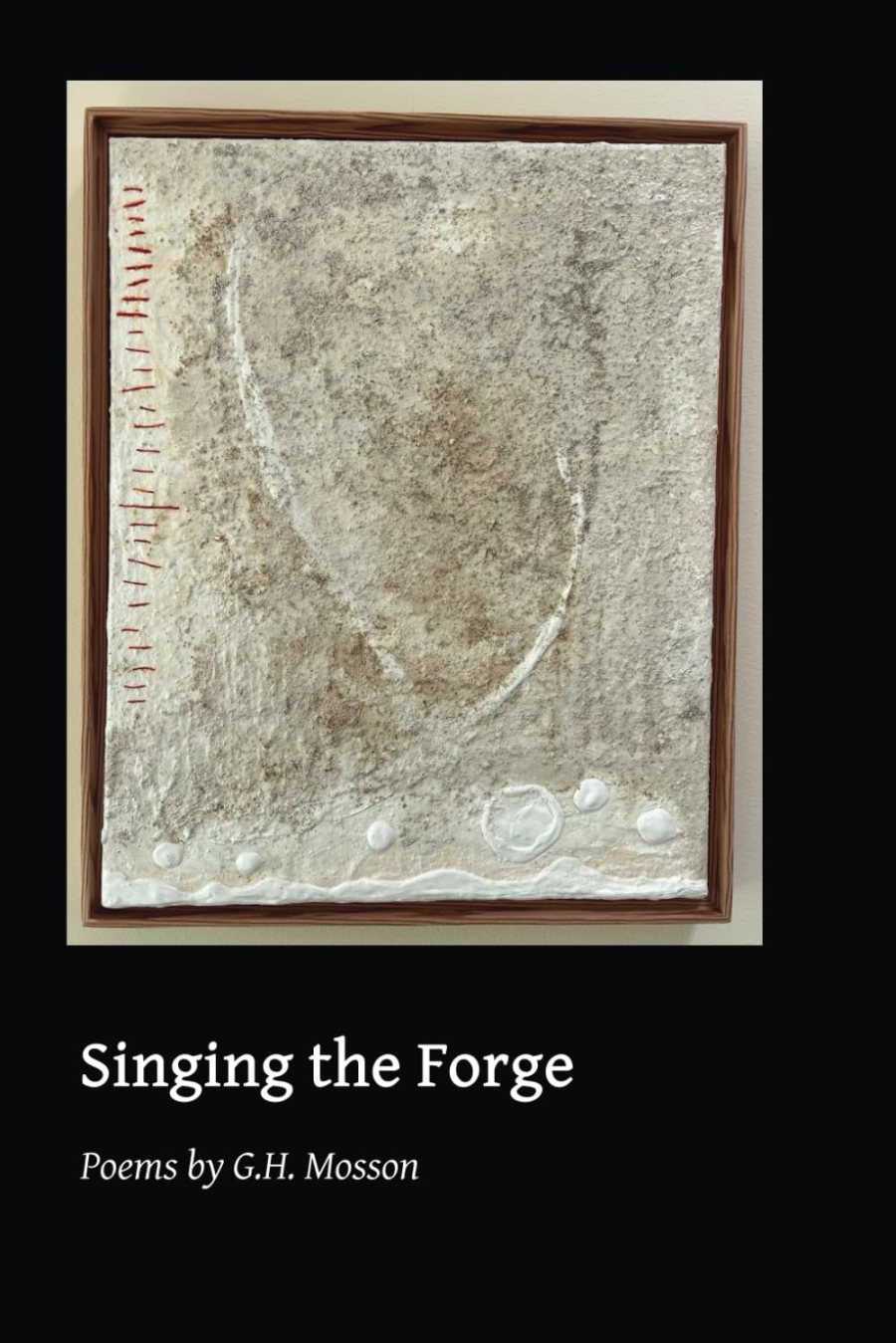
Author and poet G.H. Mosson shares poems and vignettes that explore the things that have shaped us in the book “Singing the Forge.”
Advertisements
The Synopsis
Version 1.0.0
Singing the Forge explores the singing of what’s shaped us and what we’ve shaped for ourselves. Through poems at times personal, plus vignettes from men and women of the past two centuries in the book’s middle section, these poems offer mirrors of becomings. Across free verse, meter, and poems of organic form, you might just see yourself.
The Review
Immediately, I was drawn to the author’s ability to create poems that felt very lyrical in nature, bringing a story-like quality to each poem that conveys a theme and evokes an emotional response in the reader. The powerful imagery these poems delve into is compelling, as seen in the poem “Domination of Tulips in Washington D.C.,” where Rock Creek Park comes alive on the page and petals become doorways to the heart of the flower.
The draw of this collection lies in the strong, powerful themes of forging and awakening that the poems explore. The concept of forging not only brings to mind the idea of creation, but the idea of reshaping things and reinforcing things through fire, a visual and visceral theme the author uses to connect readers with the raw poetry that calls for those moments o f personal change and growth through trials and tribulations, both on an individual scale and even some on much more cosmic scales, such as the idea of time and memory itself taking on whole new meanings.
The Verdict
Thoughtful, moving, and engaging, author G.H. Mosson’s “Singing the Forge” is a must-read collection of poetry. The deliberate, emotive, and introspective nature that the author brings to each poem, along with the almost lyrical and passionate style of writing, will stay with readers and keep them coming back time and again to delve into this collection. If you haven’t yet, be sure to grab your copy today!
Rating: 10/10
Advertisements
About the Author
G. H. Mosson’s poetry has appeared in The Tampa Review, The Lyric,
Smartish Pace, California Quarterly, and has been nominated four times for the Pushcart Prize.
This is his sixth book of poetry. For more, see www.ghmosson.com
I received a free copy of this book in exchange for a fair and honest review. All opinions are my own.
Author and poet Andrew LaFlechce shares a heartfelt and honest poetry collection in the book “MedEvac.”
The Synopsis
From award-winning author and veteran Andrew Lafleche, MedEvac is a raw and reflective poetry collection. It delves into the harrowing realities of combat in Afghanistan, the anguish of divorce, the loss of a child, and the destructive force of alcoholism. With brutal honesty and unflinching introspection, Lafleche captures the weight of grief and the search for meaning, both in life and in faith. In MedEvac, poetry becomes a vehicle for self-examination and spiritual reflection, making it a powerful read for those familiar with trauma.
“I will not cry here, at least
I cannot let him see me cry in this place, even
though I’ve come to learn that being a man
isn’t the ability to hold back tears, rather,
understanding the things in life which matter
most when lost will make you weep. Still,
brave for him, faking it for me. “I knew you’d
come, daddy. They told me you might not
make it in time, whatever that meant. But
I knew you’d come.”
—MedEvac
Written with heartsick honesty, the collection concludes in collision with an acceptance that will break your heart. It offers refuge for those who wish to find peace:
The Review
The wellspring of emotion that this collection inspires is gut-wrenching and heartfelt, speaking with an intensity and honesty that is truly impactful. Each poem’s imagery paints an emotional picture in the reader’s mind, allowing these haunting themes to give beautiful life on the page.
The Themes, of course, are this collection’s driving force, covering everything from grief, war, alcoholism, divorce, and so much more. The personal and honest nature of the poems allows these themes to rise and delve into the heart of what it means to be human, never once shying away from the messy side of these painful memories yet using an artist’s mind to find beauty in the chaos. Through that chaos and beauty, the writer finds a universally beloved voice everyone can relate to, naturally connecting the author’s experiences to the reader.
The Verdict
Memorable, honest, and emotionally driven, author Andrew LaFleche’s “MedEvac” is a must-read poetry collection. The heartfelt delivery of each poem, the relatability of the poems and their powerful themes, and the way the author has given life to the buried pain and grief so many share in life made this a remarkable collection that is not to be missed. Be sure to grab your copy today!
Rating: 10/10
About the Author
Andrew LaFleche is the award-winning poet and novelist from St. Catharines, Ontario. He served under Operation Enduring Freedom during the Afghanistan War. Following his duty as an infantry soldier in the Canadian Armed Forces, Lafleche received an M.A. in Creative and Critical Writing from the University of Gloucestershire. He is inspired by the philosophy that when young men become readers, they become better men.
I received a free copy of this book in exchange for a fair and honest review. All opinions are my own.
In the book Faraway Tables, author and poet Eric D. Goodman shares a collection of poetry that showcases a world both familiar and just out of reach.
The Synopsis
Faraway Tables is a mesmerizing collection of poetry that captures the monumental and the mundane with eloquent precision. Written largely during the Covid pandemic, these poems are imbued with a reflective depth that explores the essence of human experience—ranging from the personal to the geopolitical.
The Review
What a powerful and engaging collection of poems! The author expertly crafts each poem to stand alone and add to the collective nature of life’s journey and what it means to be human. The imagery and tone each poem strikes with the reader will leave a lasting impact, and the poems do a remarkable job of connecting the reader to the poet’s intent and experiences overall.
The emotional connection with the poems and the overall themes became the heart of this collection. The author perfectly delves into social commentary on everything from the Pandemic to the war between Russia and Ukraine and the more personal, mundane aspects of daily life that speak of the love and connection we form in those everyday moments. The collection is written in a way that readers of all backgrounds can relate to and connect with, speaking to an accessibility that is sometimes missing from other collections that resonate here.
The Verdict
Memorable, honest, and passionately written author Eric D Goodman’s “Faraway Tables” is a must-read poetry collection. The way the poems evoke a strong emotional response, and the relatability of each poem’s message or theme will draw in many readers seeking to find a profound way of speaking to the experiences so many people have had in recent years. If you haven’t yet, be sure to grab your copy today!
Rating: 10/10
About the Author
Eric D. Goodman lives and writes in Maryland. He’s the author of six previously published books of fiction. More than a hundred of his short stories, articles, and travel stories have been published in literary journals, magazines, and periodicals. Eric’s recent poetry has been featured in more than twenty publications, including Gargoyle Magazine and The Main Street Rag.
I received a free copy of this book in exchange for a fair and honest review. All opinions are my own.
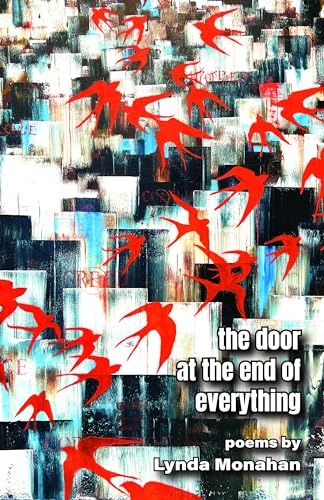
Author and poet Lynda Monahan shares a powerful collection of poetry in honor of the people who contend with mental health on a daily basis in the collection “The Door at the End of Everything”.
Advertisements
The Synopsis
Written while Lynda Monahan was hospital writer-in-residence at the Victoria Hospital in Prince Albert, working often on the adult and youth mental health wards, the tight, pared poems in The Door at the End of Everything give voice to and honour those living with mental illness, speaking to not only the suffering but also the courage and hope that is so clearly there as well.
Several of the poems and poetry sequences have seen publication in various literary journals, including Grain, The Society, The New Quarterly, Transition, Bareback, and Dalhousie Review, and in the poetry anthologies Writing Menopause (Inanna Publications), Lummox Anthology of Canadian Poetry, Worth More Standing (Caitlin Press), the Apart pandemic anthology (Saskatchewan Writers Guild), and Line Dance (Burton House Books), and in various tanka publications such as Atlas Poetica, A Hundred Gourds, and Gusts. A series of online readings from this collection, created with the help of a Canada Council grant, are available on YouTube.
The Review
What a profound and heartbreaking read! The author captures the voice and trauma of these individuals who suffer through and endure the pain of mental health trauma. The visceral nature of the poems’ themes and the thought-provoking imagery in the author’s writing style paint a picture of the turmoil so many feel inside, to the point that these feelings feel almost personified in the writing itself.
The emotional core of these poems and the powerful themes made this book what it is today: moving. The writing was indeed illuminating, as it allowed readers not only to feel and understand the internal struggles of so many people and the tragic reasoning for so many who make the hard decisions that impact their lives and the lives they leave behind, but it also allowed readers to see the promise of hope for those who fight through those struggles and search for the means of internal peace, in this case through the beauty and serenity of nature itself.
Advertisements
The Verdict
Overall, this was a moving and heartfelt read. The author did a brilliant job of capturing the heart and the passion that so many feel for developing this need to further the cause of mental health awareness. The imagery and atmosphere that the author creates through these poems and the emotional themes that the author explores make this a pivotal book that readers should return to time and time again. If you haven’t yet, be sure to grab your copy today!
Tell us a little bit about yourself. How did you get into writing?
I have been an academic for almost 40 years, teaching in MFA programs all during that time. I did spend a decade as an industrial painter before I started university teaching, but teaching and writing are what I know best. I’ve been publishing poems in books and/or periodicals for forty years, as well. I became a poet accidentally, really. In sixth or seventh grade I had a teacher named Irma Schiele who saw some talent in me after doing a class metaphor clustering exercise. She had me stay after class and told me to go home, write a poem and have it on her desk in the morning. I did that. She marked it with an A in red ink and said write me another one. That was perhaps 55 years ago, and I have just kept at it. There were times when I concentrated on song lyrics or prose, but I have been writing poetry since that day in grade school.
Advertisements
What inspired you to write your book?
Writing books is just what I do.Although there are some older poems in it, most of the book was written in a five-year period between the publication of Readiness and Knowing. That’s probably a constant for me in terms of time. It takes between four and five years for a book to take shape. I revisit and revise heavily. When I was compiling my selected and new poems, Sorrow Bread, I very much had my three children in mind. I felt that I was leaving them a record of exactly who their father was. I feel the same way about many of the poems in Knowing. “Gasoline” is a complex poem that offers a perspective on the divorce that helped shape them. The poems that reference them like “The Song that Never Ends” and “Wonderbread” are particularly dear to my heart.
What theme or message do you hope readers will take away from your book?
I don’t feel it is my job to teach an audience something. I have no expectations of them. It is my job to share my experience, my psychic truth, as best I can with the hope that others might find some value in it. Poetry accomplishes varied things. It connects, it consoles, it challenges, it provokes, and so on. I guess my hope is that my poems connect with readers on the basic human level, making my perspectives known. Knowing, at its core, is about living comfortably with three facts we know for sure. That is, living involves loss, insists on change and ends in death. These constants give value to all human relationships, be they with other people or matters of the spirit. In this sense, the book is as much about not knowing as it is about knowing
What drew you into this particular genre?
Well, I answered this partially above. However, I became devoted to poetry because being a poet is a way of life, a way of being in, and interacting with, the world. Poetry is a demanding art. One learns to accept failure and understand that it is the ongoing process of failing that makes a few limited successes possible. You learn to undertake and enjoy the process of writing for its own sake and the perspective it gives you about your life experience.
Advertisements
What social media site has been the most helpful in developing your readership?
I am afraid I am pretty old school when it comes to social media; that is, I don’t have a clue! I do have an Instagram account that was helpful in announcing this latest book. And this blog tour the book is on is something very new to me. I hope it will help the book find new readers.
What advice would you give to aspiring or just starting authors out there?
We writers talk a lot about finding our voices, our authenticity. But I think the important thing is to worry about listening as opposed to speaking. We have to listen to, and trust, our inner voice–pay attention to the ways in which we perceive and experience the world. We need to discover innate patterns, recognize them as such, then be able to question and alter those filters for personal and creative evolution. I would also encourage writers to see themselves as artists and as part of that larger world of creative exploration and expression. Engage all the other arts seriously and learn what you can from them. Within writing, this is true of genre, as well. Don’t limit your exposure to one genre. Engage writing of all kinds as both a reader and practitioner.
What does the future hold in store for you? Any new books/projects on the horizon?
I have started some poems toward an eighth volume of poetry, but I am mostly working on a screenplay right now. Narrative comes naturally to me. I’ve found I have a knack for understanding the pacing of screenwriting. I enjoy it very much.
Advertisements
About the Author
Mark Cox has authored six other volumes of poetry, the most recent being Readiness (2018) and Sorrow Bread: Poems 1984-2015 (2017). He has a forty-year history of publication in prominent magazines and his honors include a Whiting Writers Award, a Pushcart Prize, the Oklahoma Book Award, and The Society of Midland Authors Poetry Prize. He chairs the Department of Creative Writing at UNC Wilmington and teaches in the Vermont College of Fine Arts MFA Program.
I received a free copy of this book in exchange for a fair and honest review. All opinions are my own.
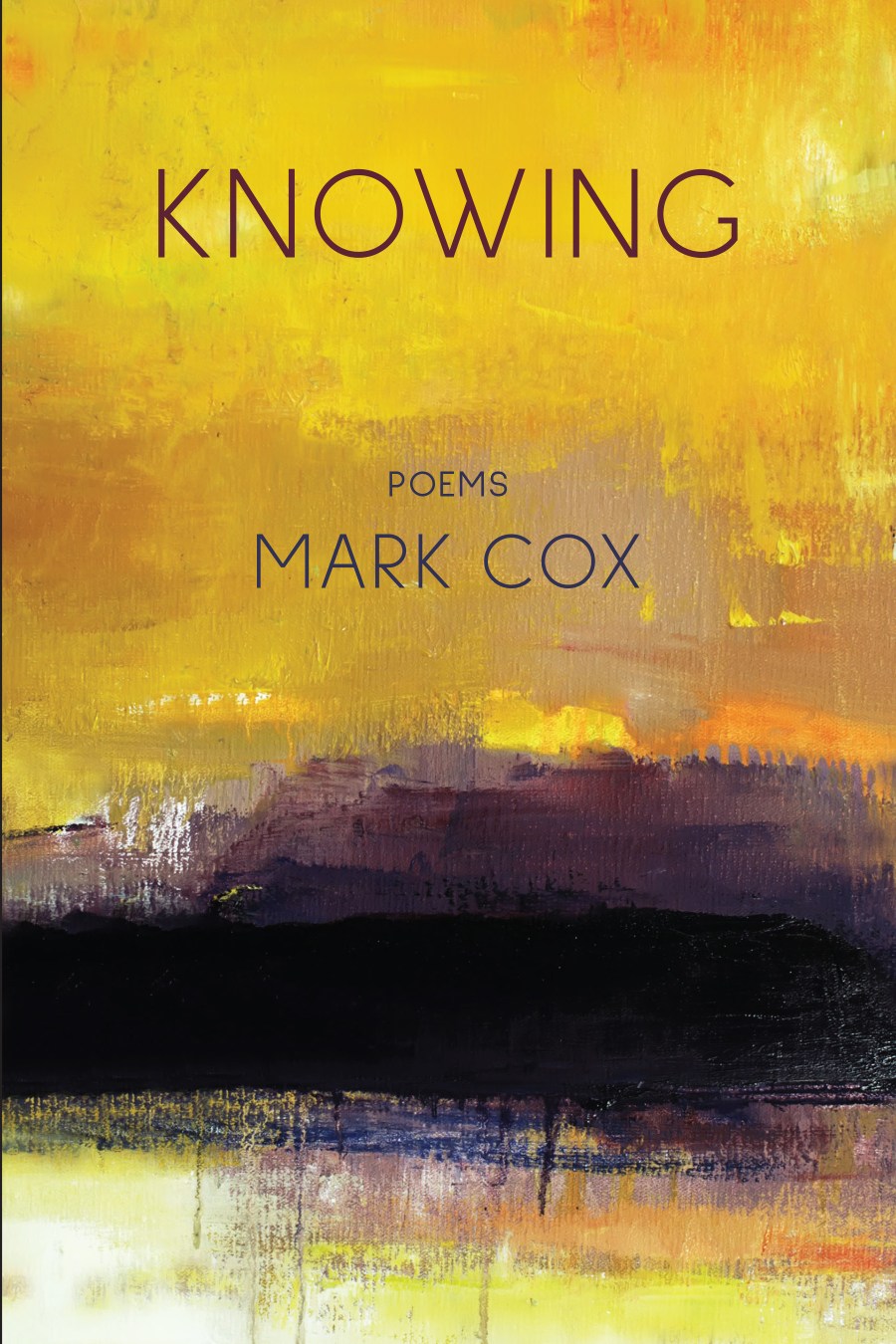
Author and poet Mark Cox shares the best and worst of the human condition through the poetry collection, “Knowing”.
Advertisements
The Synopsis
Mark Cox pulls no punches in these candid poems about family, relationships, loss, regret, growing older and our human condition, generally. “Looking back for a low point marking the worst of my insobriety, it might be that signal moment I put out my cigarette in the holy water font of St. Paul’s Catholic church, right in front of the priest, I might add. . . ” Sometimes wry, sometimes tender, always honest and thought provoking, this is the seventh volume of poetry from a lauded veteran poet who has been publishing prominently for almost forty years.
The Review
What immediately stands out from the author’s work is the honesty and depth with which they delve into the themes of this collection. The self-reflection and almost story-like writing style allow the reader to be drawn into each poem, and the author holds no punches as they bring the truth behind each theme that so many readers can identify with.
The themes that the author explores are truly remarkable. The poem True North, for instance, delves into the struggles and downfalls of insobriety, hitting when a person hits rock bottom or comes to see in themselves the narrow path they had put themselves on. Themes of family, divorce, grief, and loss all roll together, connecting the reader with the author profoundly.
The Verdict
Memorable, heartfelt, and honest author Mark Cox’s “Knowing” is a must-read poetry collection. The diverse nature of the themes and the compelling sense of empathy that the poems instill in the reader will stay with them long after the book’s final page. If you haven’t yet, be sure to grab your copy today!
Rating: 10/10
Advertisements
About the Author
MARK COX has authored six other volumes of poetry, the most recent being Readiness (2018) and Sorrow Bread: Poems 1984-2015 (2017). He has a forty-year history of publication in prominent magazines and his honors include a Whiting Writers’ Award, a Pushcart Prize, the Oklahoma Book Award, and The Society of Midland Authors Poetry Prize. He chairs the Department of Creative Writing at UNC Wilmington and teaches in the Vermont College of Fine Arts MFA Program.
I received a free copy of this book in exchange for a fair and honest review. All opinions are my own.
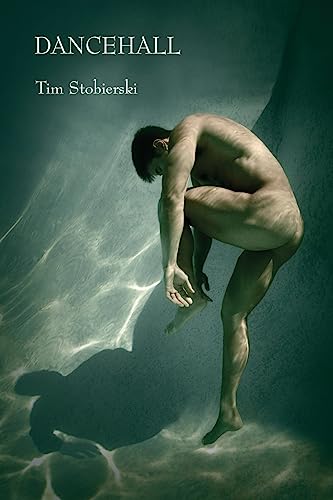
Author and poet Tim Stobierski share a beautiful queer love story through a collection of powerful poetry in the collection “Dancehall”.
Advertisements
The Synopsis
A queer love story in five acts, Dancehall follows the arc of a relationship from its earliest days to its final, somber conclusion.
In these 60 poems, you will join the speaker as they navigate the highs and the lows, the tranquility and the turbulence, the euphoria and the despair that comes with giving yourself fully to another.
Through language, imagery, and form at once universal and intimate, you are invited to take part in this love story – not as some distant observer, but as a central figure: The “you” to whom the speaker writes these poems.
Experienced poetry readers and poetry novices alike will enjoy the clean, simple style embodied in the majority of the poems.
Whether straight or queer, young or old, single or happily partnered, these poems are for anyone who has ever loved or longed for another.
The Review
This was a powerful and memorable story. The way the author was able to convey this relationship from start to finish through poetry produced an incredible and emotional read. The subtle yet powerful moments in this relationship really stand out, and the imagery the author used made the narrative these poems were telling feel alive on the page.
The heart of this book was in the main narrative itself, as the reader felt the strong pull of this emotional bond formed between two people. The closeness and the haunting memories of that closeness play a crucial role in the themes of love and loss, and the honest and important language the author uses to bring this queer love story to life was so passionate and engaging.
The Verdict
Thoughtful, emotional, and moving, author Tim Stobierski’s “Dancehall” is a must-read collection of poetry. The structure of this five-act play of sorts and the memorable imagery that captures those heartfelt moments both good and bad made this a compelling read. If you haven’t yet, be sure to grab your copy today!
Rating: 10/10
Advertisements
About the Author
Tim Stobierski writes about relationships. His work explores universal themes of love, lust, longing, and loss — presented through the lens of his own experiences as a queer man. His poetry has been published in a number of journals, including the Connecticut River Review, Midwest Quarterly, and Grey Sparrow.
His first book of poetry, Chronicles of a Bee Whisperer, was published by River Otter Press in 2012.
I received a free copy of this book in exchange for a fair and honest review. All opinions are my own.
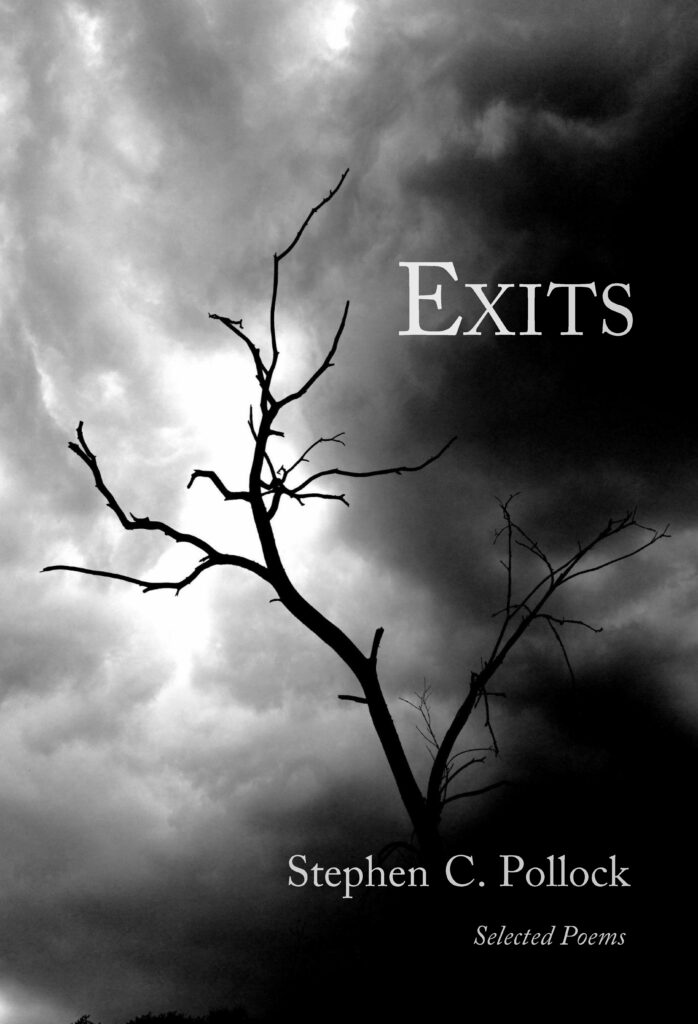
Author and poet Stephen Pollock take readers on a journey to discover the root of mortality in the book “Exits”.
Advertisements
The Synopsis
Stephen C. Pollock’s debut collection, Exits, nods to the literary traditions of years past while simultaneously speaking to the present moment. Multilayered and musical, the poems in Pollock’s “Exits” (Windtree Press, June 29, 2023) have drawn comparisons to the work of Eavan Boland and Seamus Heaney. With bold imagery, attention to form, and a consistent throughline rooted in the theme of mortality, his collection responds to contemporary anxieties surrounding death and the universal search for meaning in life’s transience.
The Review
This was a compelling and moving read. The poetry was brilliant, each poem evoking a sense of powerful and gripping imagery that explores our connection to nature and our role in keeping it safe, while also delving into the idea of our own mortality and how the issues facing our world, such as war and disease, are impacting both nature and man’s mortality greatly.
The imagery and atmosphere the poems were able to achieve were greatly enhanced due to the author’s ability to infuse nature and the natural world as a whole into each poem, capturing the raw emotion and philosophical discussion that these themes bring out in us all. The passion and heart with which the author wrote these poems will speak to readers who not only enjoy poetry but poems that bring out the almost lyrical and relatable words we say and feel every day and yet rarely are able to put into practice.
The Verdict
Heartfelt, captivating, and engaging, author Stephen Pollock’s “Exits” is a must-read book of poetry. The succinct yet thoughtful approach to each poem and the moving words that brought this collection to life really will hit the reader in the heart, and the range of topics, from the passing of a loved one to toothpaste, will speak to both the mundane and valuable moments in life we take for granted, and yet need to remember. If you haven’t yet, be sure to grab your copy today!
Rating: 10/10
Advertisements
About the Author
Stephen C. Pollock is a recipient of the Rolfe Humphries Poetry Prize and a former associate professor at Duke University. His poems have appeared in a wide variety of literary journals, including “Blue Unicorn,” “The Road Not Taken,” “Live Canon Anthology,” “Pinesong,” “Coffin Bell,” and “Buddhist Poetry Review.” “Exits” is his first book.
I received a free copy of this book in exchange for a fair and honest review. All opinions are my own.
Author and poet Louis Efron share his debut collection of poetry in the book “The Unempty Spaces Between”.
Advertisements
The Synopsis
A beautiful creation of song and scar, of emotional complexity and simple witness, Louis Efron’s debut collection The Unempty Spaces Between mingles the natural and human worlds in a series of accessible, personal, universal poems. From lush to bare, the landscapes he presents us with are so intertwined with and impacted by our actions that we realize the two have always been one. Brimming with meditations deep as winter snow and boundless compassion and curiosity, these vibrant poems remain grounded in a universal familiarity that opens us up to something greater.
The Review
This was quite a beautifully written and deeply introspective read. The author’s handle on imagery is felt immediately in this book, allowing the reader to become lost in the worlds and narratives that each poem brings to life as if they are caught in the emotional wave of creativity that spills across the blank canvas of life. The unique structuring of each poem speaks to the deep thoughts and the working world in which the author’s mind inhabits.
The poems themselves are quite engaging, allowing the reader to see pieces of themselves in the work, and even in the poems that don’t directly speak to them, the reader is able to contemplate and look inward at their own lives to the core of each poem’s meaning. The poem “Nicked Wedding Ring” is a particular favorite, exposing the depths of deep emotion in the wake of a loss and the juxtaposition of those who seek out that same death out of greed or power, revealing how death shows us our best and our worst.
The Verdict
Memorable, engaging, and thought-provoking, author Louis Efron’s “The Unempty Spaces Between” is a must-read poetry collection. The fast pace of the collection and the way readers can easily sit and read through this book in one sitting and yet return to it time and time again speak to the author’s powerful words and the heart behind them. If you haven’t yet be sure to grab your copy today!
Rating: 10/10
Advertisements
About the Author
Louis Efron is a poet and writer who has been featured in Forbes, Huffington Post, Chicago Tribune, POETiCA REViEW,The Orchards Poetry Journal, Academy of the Heart and Mind, Literary Yard, New Reader Magazine and over 100 other national and global publications. He is also the author of five books, including The Unempty Spaces Between, How to Find a Job, Career and Life You Love; Purpose Meets Execution; Beyond the Ink; as well as the children’s book What Kind of Bee Can I Be?