

1) Tell us a little bit about yourself. How did you get into writing?
I grew up in northern England, near Hadrian’s Wall, similar to the Wall in “Game of Thrones.” As a child, I loved storytelling and using my imagination to captivate others. In my twenties, I moved to America, where I continued my creative pursuits in writing, mainly in music. I’ve always been fascinated by the supernatural. At ten years old, I begged my mom for “Fright Night” by Tom Holland. I loved being scared, but it was never the gore or slashers that interested me. “Poltergeist” remains my all-time favorite movie, and it inspired me to start writing.
2) What inspired you to write your book?
In 2018, my father committed suicide. I wasn’t able to comprehend it but I was fascinated by it. Although skeptical, I talked to a medium for fun upon a friend’s recommendation. She claimed my father communicated through her, urging me to resume storytelling. My father had died by walking in front of a train, an incident unknown to anyone else, and it happened 5,000 miles away. When the medium said my fathers proof was showing her train tracks, it reignited my fascination with the supernatural.
3) What theme or message do you hope readers will take away from your book?
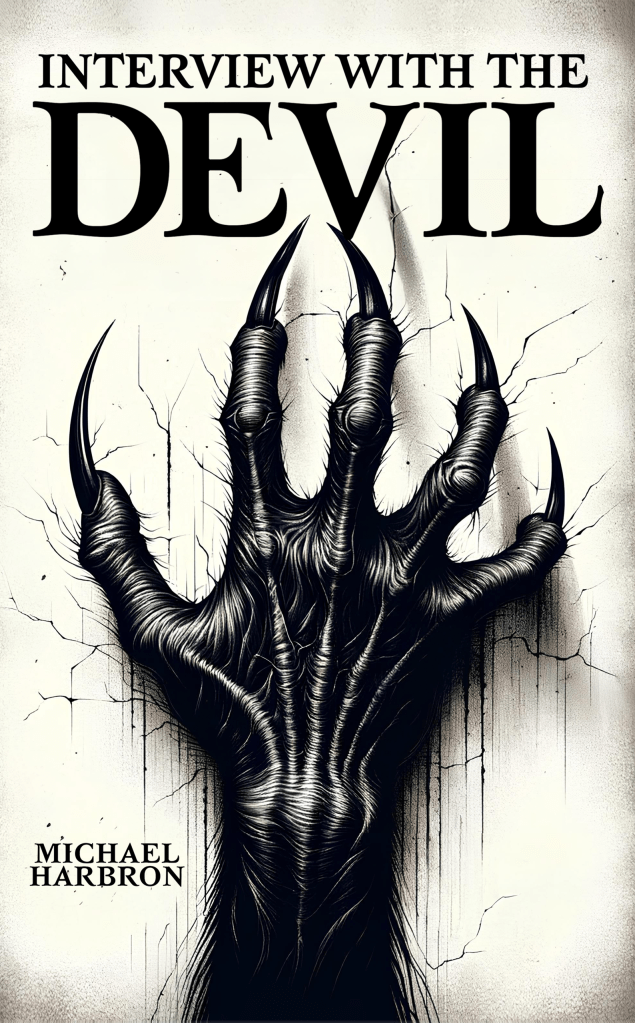
Horror is so much more than just shock value. The theme of “IWTD” was to develop characters in a way that allows readers to connect with them on a deeper level, without relying on simple scare tactics. It’s a story of love, isolation, greed, and, of course, horror. I believe everyone can relate to at least one character in the book.
4) What drew you into this particular genre?
I aim to write horror in a better way. I’m tired of going to the movies and seeing yet another exorcism movie that is rinse and repeat, followed the same formula, and inevitably received low ratings. No one is writing or producing great horror anymore, except perhaps people like M Night. I aim to blend the macabre of the 80s and drag it into the 21st century. I’m obsessed with plot twists, and those will always be a part of my stories.
5) If you could sit down with any character in your book, what would you ask them and why?
I’d ask Shaun why he’s such an asshole haha. But really, I’d sit down with Lucifer. I asked myself the same question when I sat down to write the interview chapters. There’s small elements of Joe in myself, so it was easy to have a conversation with the Devil. All the questions I’ve ever wanted to ask a higher being, I asked him. My version of how the universe and Lucifer came to be is revealed in the book.
6) What social media site has been the most helpful in developing your readership?
Facebook has been great in building awareness for the book and really helped me develop a following.
7) What advice would you give to aspiring or just starting authors out there?
Consistency is key, and when you get writer’s block, write vertically.
8) What does the future hold in store for you? Any new books/projects on the horizon?
“Epoch,” the final chapter in my trilogy, is set to be released later this month or in August. I’m also expanding the Devil Universe. Everything I wanted to tell can’t be done within one trilogy. I also love reader feedback and reviews, good or bad. It’s inspired spin-offs to explore backstories further. One of the most enjoyable characters to write about is Lilly, who will be the focus of the next spin-off, “The Witch.” Additionally, I’ll delve deeper into Elias Tomlinson’s story from Chapter 12 in “Resurrection.”
About the Author

Michael Harbron is an American fiction writer who brings a unique, yet traditional approach to the horror and supernatural genres. From a young age, Harbron was captivated by the eerie and unexplained, a fascination that has deeply influenced his writing. His works aim to unsettle readers through suspense and psychological depth, revisiting the shadowy corners of childhood fears. His debut novel, “Interview with the Devil,” exemplifies the blurred lines between reality and the unimaginable. Harbron’s storytelling resurrects dormant fears, proving that true horror lies not in what is seen, but in what is felt.

