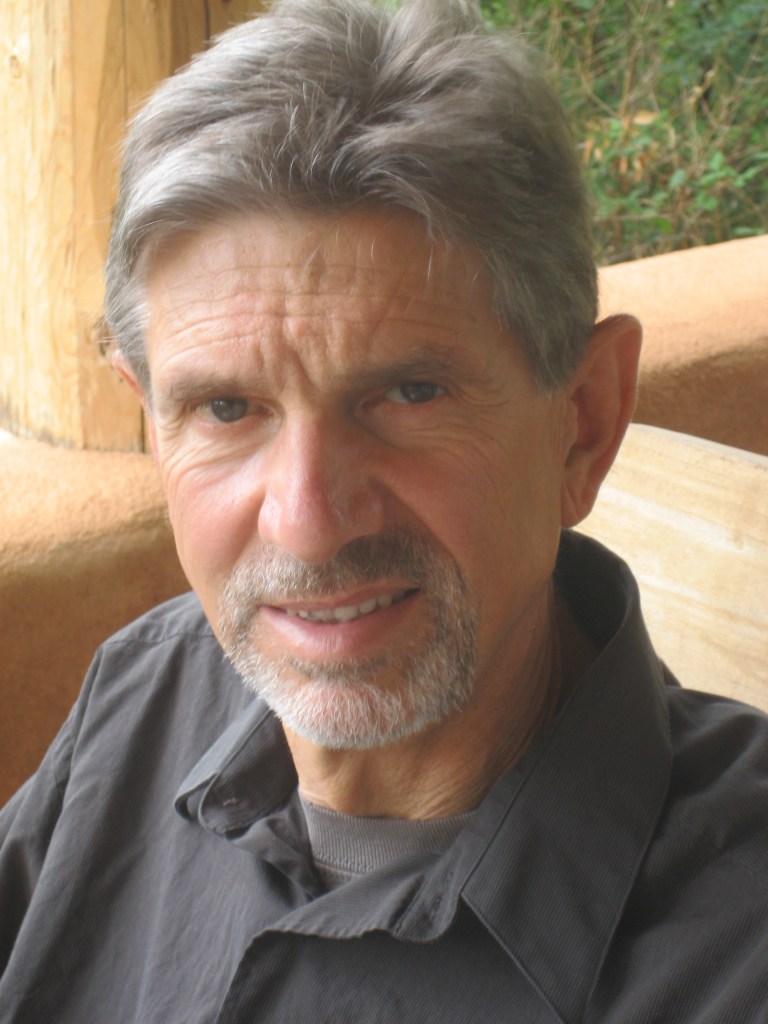
I received a free copy of this book in exchange for a fair and honest review. All opinions are my own.
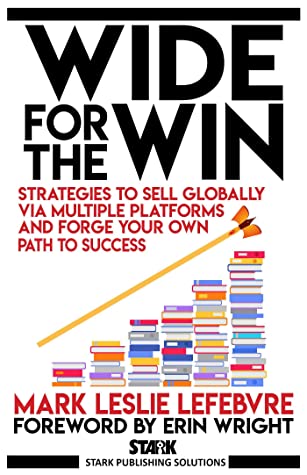
Author Mark Leslie Lefebvre shares inspirations and strategies to expand an author’s reach and install longterm success in the book “Wide for the Win: Strategies to Sell Globally Via Multiple Platforms and Forge Your Own Path to Success”.
Advertisements
The Synopsis
Are you looking for ways to stop being dependent upon only Amazon for your author earnings income?
Are you hoping to expand and grow your sales on multiple platforms in global territories?
Do you need strategies to help you get started NOW in terms of creating a successful “publish wide” author plan?
Would you like to increase and optimize your sales on Apple Books, Kobo, Nook, Google Play and more?
Then WIDE FOR THE WIN is the book for you.
Based on knowledge derived from decades of working within the publishing and bookselling landscape, Mark Leslie Lefebvre has compiled those learnings and in depth discussions, interviews, and insights shared from represenatives from the major publishing platforms along with tips, strategies, and pathways to success from hundreds of authors who have already discovered the thrill of forging their own unique pathways to success.
If you’re looking for a magic bullet, you’ve come to the wrong place. But if you’re looking for ideas, inspiration, and strategies for planning out your own long terms success as an author selling globally on multiple platforms, then you’re in luck.
WIDE FOR THE WIN prepares you not only with a fundamental understanding of the mindset required for long-term writing and publishing success, but also insights and proven processes that allow you to take full control of your intellectual property’s earning potential and reach more of the right readers for your work than ever before.
The Review
This was such a well-written and engaging read. The perfect reference and guide for any aspiring authors out there who are hoping to get a handle on the new directions that self-publishing and the electronic book era have brought, the author does an excellent job of balancing conversational tones that make up the majority of this book and the research that is evident in every chapter.
The thing that stood out to me immediately was the way the author delved into so many different facets of publishing in today’s market. From the exclusivity benefits and negative effects of Kindle exclusive releases to the discoverability of box sets for those who are seeking to release a series of books at once, this book has something for everyone. What is perfect about this book is that authors who have specific questions or concerns about their work and publishing can find something to help in here, with each chapter and section marked carefully to help pinpoint and allow the reader to find each detail carefully.
The Verdict
A remarkable, educational, and thought-provoking non-fiction read for readers and aspiring authors alike, author Mark Leslie Lefebvre’s “Wide for the Win” is a must-read book of 2021. The perfect tool and reference book for those who are hoping to crack into the complex world of self-publishing and marketing their work, this book will allow readers to weave their way through this complex market with finesse and knowledge that few are able to grasp within their first year or two in the market. If you haven’t yet, be sure to grab your copy today!
Rating: 10/10
Advertisements
About the Author
Mark Leslie Lefebvre has been writing since he was thirteen years old and discovered his mother’s Underwood typewriter collecting dust in a closet. He started submitting his work for publication at the age of fifteen and had his first story published in 1992, the same year he graduated from university.
Under the name Mark Leslie, he has published more than a dozen full length books. He pens a series of non-fiction paranormal explorations for Dundurn, Canada’s largest independent publisher. He also writes fiction (typically thrillers and horror) and has edits fiction anthologies, most recently as a regular editor for the WMG Publishing Fiction River anthology series.
The very same year, Mark saw his first short story in print he started working in to book industry as a part-time bookseller, and was bitten by the book-selling bug. He has worked in virtually every type of bookstore (independent, chain, large-format, online, academic and digital). He has thrived on innovation, particularly related to digital publishing, and enjoys interacting with the various people who make the book industry so dynamic.
Between 2011 and 2017, Mark worked at the Director of Self-Publishing and Author Relations for Kobo where he was the driving force behind the creation of Kobo Writing Life, a free and easy to use author/small-publisher friendly platform designed to publish directly to Kobo’s global catalog in 190 countries. By the end of 2016, Kobo Writing Life established itself as the #1 single source of weekly global unit sales for Kobo and, in primarily English language territories, responsible for 1 in every 4 eBooks sold.
Mark has spoken professionally in the United States and Canada, in the UK and across Europe, specializing in advances in digital publishing and the vast and incredible opportunities that exist for writers and publishers.
I received a free copy of this book and software in exchange for a fair and honest review. All opinions are my own.
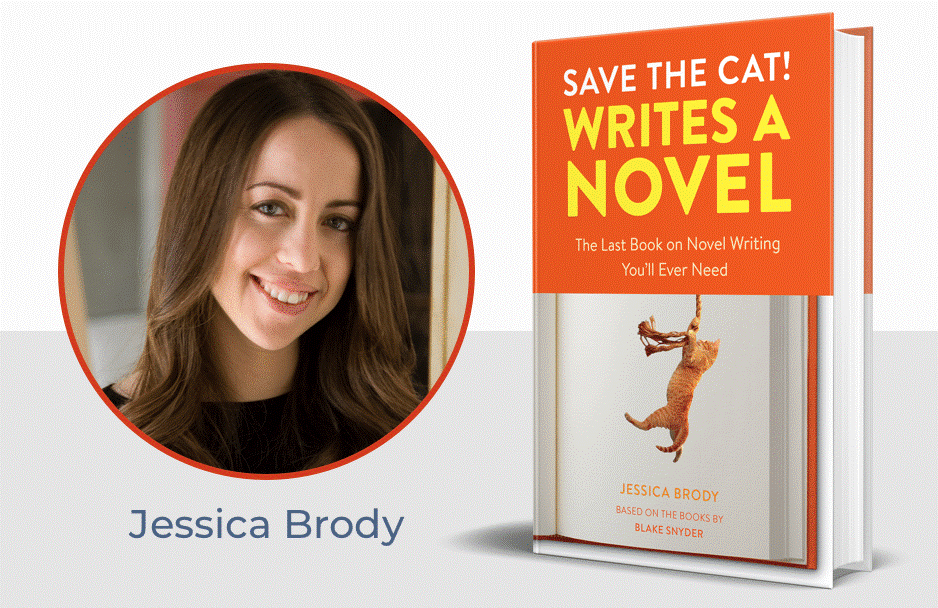
In a first here on my site, I have the unique opportunity to share my review of not only a book on writing that is considered to be a must-read for many aspiring writers and screenwriters, but to test out the amazing writing software that many use in their modern projects. Here are my thoughts on Save the Cat! Writes A Novel by Jessica Brody.
Advertisements
The Synopsis
SAVE THE CAT!® by Blake Snyder is a popular screenwriting book series and storytelling methodology used by screenwriters, directors, and studio execs across Hollywood. Now, for the first time ever, bestselling author and writing teacher, Jessica Brody, takes the beloved Save the Cat! plotting principals and applies them to the craft of novel writing in this exciting new “workshop style” guide, featuring over 20 full beat sheets from popular novels throughout time.
Whether you’re writing your first novel or your seventeenth, Save the Cat! breaks down plot in an easy-to-follow, step-by-step method so you can write stories that resonate! This book can help you with any of the following:
Outlining a new novel
Revising an existing novel
Breaking out of the dreaded “writer’s block”
Fixing a “broken” novel
Reviewing a completed novel
Fleshing out/test driving a new idea to see if it “has legs”
Implementing feedback from agents and/or editors
Helping give constructive feedback to other writers
But above all else, SAVE THE CAT! WRITES A NOVEL will help you better understand the fundamentals and mechanics of plot, character transformation, and what makes a story work!
The Review
What really spoke to me about the book was as a novelist it was great to see how the process of storytelling from a more modern lens looked and felt. Applying the pattern that was discovered and applied to successful novels and screenplays to our own works was unique, and showcased the things that worked and the things that didn’t.
On top of that, the author takes readers through the important steps of developing and nurturing a story, from identifying the “hero” of the story to the genres being explored, the pitch that you’ll want to sell the story to readers, and the beats that can be touched upon throughout the narrative. The novel is thorough, detailed, and does an amazing job of not necessarily declaring one writing style over another to be “superior”, but instead guiding the writer in the process of discovering their own voice while still following a pattern of success.
As for the software itself, the ability to utilize the program for screenplays, television shows, and novels was a treat, and could even divide the novel into larger series overall. I decided to utilize my novel “The Legend of Electric Fusion”, a book I wrote years ago I am in the process of rewriting and utilized it for this software.
The technology allowed me to start breaking down my characters more fully. Not only getting into more detailed descriptions of the characters, but their overall motivations and goals moving forward. This helped me to see a more clear path for the narrative to take moving forward. It is a truly organized, structured, and detailed path for those who follow the plotter style of writing than anything else.
The Verdict
A must-read book and fantastic software that writers and readers alike will fall in love with. Motivating and inspiring, the book helps foster creativity and bring stories more fully to life than ever before. It is a great step in helping to hone the writer’s craft and give readers a chance to see into the complex process of developing an engaging novel. Be sure to grab your copy today!
Rating: 10/10
Advertisements
About Save the Cat!®
Save the Cat! provides writers the resources they need to develop their screenplays and novels based on a series of best-selling books, primarily written by Blake Snyder (1957- 2009). Blake’s method is based on 10 distinctive genres and his 15 story beats (the Blake Snyder Beat Sheet). Our books, workshops, story structure software, apps, and story coaching teach you everything you need to unlock the fundamentals and mechanics of plot and character transformation.
Find out more about Save the Cat! by visiting their webpage at www.savethecat.com.
About the Save the Cat Structure Software
Save the Cat! Story Structure Software is adapted from the Save the Cat! methodology to help screenwriters and novelists unlock the fundamentals of plot and character transformation. The Story Structure Software is a virtual writer board with digital index cards to help map out your story against the 15 beats or plot points to your story. The software enables writers to track emotional shifts of characters from scene to scene, develop profiles and edit and version your story with ease.
You can purchase a subscription to the Save the Cat! Structure Software at Save the Cat’s website.
About Save the Cat! Writes a Novel
An Amazon #1 best seller with over 500 reviews, it’s the first novel-writing guide from the best-selling Save the Cat! story-structure series, reveals the 15 essential plot points needed to make any novel a success.
In this revolutionary novel-writing guide from the best-selling Save the Cat! series, novelist Jessica Brody demystifies each beat, making it simple to learn the complexities of storytelling. The best-seller also reveals the ten universal story genres to help you drill down into what makes your type of story work. Featuring sample “beat sheets” for hits from the likes of J. K. Rowling, Khaled Hosseini, and Stephen King, this practical guide also includes real-world advice on pitching your novel, plus the quirky, original insights (like the eponymous tip to “Save the Cat”) that make this series unique. By the end of this book, your own imaginative beats will combine to create a story that thrills readers from start to finish.
Print Length: 320 Pages
Genre: Writing References
Publisher: Ten Speed Press/Random House Publishing LLC
Jessica Brody worked for MGM Studios as manager of acquisitions and business development before becoming an internationally best-selling author of more than fifteen novels for adults and teens including The Geography of Lost Things, The Chaos of Standing Still, A Week of Mondays, and Better You Than Me. She travels the country teaching Save the Cat! workshops to novelists.
Advertisements
Blog Tour Dates
April 27th @ The Muffin
What goes better in the morning than a muffin? Visit the Muffin today and you can read an interview with the Save the Cat team as well as enter to win a copy of the book Save the Cat! Writes the Novel and a one-year subscription to their software Save the Cat! Structure Software.
Make sure you visit Jessica’s blog today and you can read her review of Save the Cat! Writes the Novel and her review of the Save the Cat! Structure Software.
Tell us a little bit about yourself. How did you get into writing?
LEE: When we started this project I was a professor, and so writing was a part of my daily life. In my art practice I almost always incorporate stories or ethnographic interviews, so connecting other people’s writing to my images felt natural.
ANDREW: Writing thousands of pages of session notes as a psychotherapist made writing second nature. But more than that, learning about active listening and practicing compassion in every session helped me grow as an editor. Throughout the process of editing “O! Relentless Death!”, I found the courage to ask risky questions, to listen deeply, and to stay focused on the heart of a written piece rather than its style—because I’d practiced interacting from those perspectives in thousands of counseling sessions.
Advertisements
2) What inspired you to write your book?
ANDREW:
Lee and I began collaborating in 2015. We gave each other “assignments.” I’d returned to making stuff just a couple years before that time; Lee had been making stuff for years and years, but was interested in stretching her creative practice with unfamiliar media. Partly, the “assignments” were just fun; and partly, they were a chance to apply some good old-fashioned psychological leverage to our individual processes. And they also made for more communication between us, which we both wanted.
So when we realized in mid-2016 that we’d both been doing art-things about the landslide of celebrity deaths that were starting to accumulate at that point, we already had an established channel for communication and collaboration in place. We chose linocut as the medium, because like our “assignments,” it was a medium neither of us felt accomplished in. We were forced to figure out ways to adapt what could be a sprawling process to little plates. That, and we’d both made linocuts with our mother, a lifelong printmaker.
After the 2016 election, the project became clear: there was a parallel between the losses of cultural heroes like Gwen Ifill and, as Progressives, the loss of the election. To us it felt like something died that day.
LEE:
Our collaboration became a way to grieve together, with each other as brother and sister, and as artists/editors with the writers who participated in the project. It felt like sharing our grief was a way to create community.
3) What theme or message do you hope readers will take away from your book?
ANDREW:
While cultural heroes like George Michael and Gwen Ifill are larger than life within the context of global media, they are also containers for enormously powerful cultural forces. They deserve respect for their achievements, certainly, and we mourn their losses.
LEE:
But they also are entry points for people’s experiences. We feel a connection to celebrities, even though we’ve usually never met them, because of the role they play in out lives. I hope that readers will identify with the writers’ reflections of their experiences with celebrities, and see some of their lives reflected in the words and images in the book.
4) What drew you into this particular genre?
LEE:
Portraits are both direct and interpretive. The relief prints show our understanding of the specific celebrities, as well as recognizable image, just as the writing show the individual author’s experiences as well as something we can all recognize. I really love working with other artists on projects as it can be energizing to play off of each others’ ideas, so this collaboration with my brother and the writers was a natural extension of what I’ve done before.
ANDREW:
Art. A deep and abiding love of picture book genres like illustrated children’s books, comics, and old encyclopedias. The grounded understanding that as artists, this book was something we could do that would literally draw real emotional connections between us and our readers, and that that is a powerful political act.
5) What was the one story or celebrity that you identified with the most in this book?
ANDREW:
George Michael. I hated Wham at the time, and didn’t think much of his work as it progressed through the 80s and 90s. And to be honest, I still don’t think he was a great artist, compared to luminaries like Prince. But learning about him in 2016-17, and then making an image of him, I found myself weeping for what he went through, what he carried for all of us. He was outed during a period of intense upheaval and change, and suffered for it. He was forced to be a figurehead for a movement he seemed to have been ambivalent about. And all in public, at the receiving end of a firehose of cultural venom no one, no one EVER, deserved.
LEE:
For me it was Prince, who was a big part of my early adulthood. I listened to his music in high school and college, which for me (and many people) was a time when I really figured out myself as a person. So listening to his music is nostalgic on a lot of levels for me. This also made his portrait the hardest for me to make. Which Prince did I want to show? Could my portrait really capture everything I felt about him? I think I made 3 or 4 images before I settled on the one that made it to the book.
Advertisements
6) What social media site has been the most helpful in developing your readership?
LEE:
Facebook was where we connected with a lot of potential writers, showed people work in progress, and then launched the Kickstarter campaign that funded printing of the book. We use both Kickstarter and Facebook to keep in touch with our readership, and dabble in Instagram.
ANDREW:
Kickstarter, if we’re going to be really literal about a social media platform. Then, at last, after everything else that we personally did with our own strategy and planning, it’d be Facebook.
7) What advice would you give to aspiring or just starting authors out there?
LEE:
The old saying of 99% perspiration and 1% inspiration is so true. I used to tell my students that they had to make at least 10 bad things before they had the 1 good thing. You have to keep making, keep revising, and keep getting feedback. It can be a relentless process, being creative, but only by continuing even when it feels like you’re making crap can you push through to the good stuff.
ANDREW:
Keep tinkering with your daily creative practice, whatever it may be. Every time you do it, you’re doing IT—the big thing, the masterwork, the whole enchilada. Whatever it is for you, you’re going to do it one TRILLION BILLION times. May your moments of inspiration become as common, and as miraculous, as breathing.
8) What does the future hold in store for you? Any new books/projects on the horizon?
ANDREW:
I’m focusing on building my practice and business as a muralist in Albuquerque, NM, where I live.
LEE:
I’m working on a book about animal adaptations to human behavior and encroachment. The book is modeled after a field guide, but is really a series of stories paired with images just like our last book. The stories range from the absurd, like crocodiles in Florida using pool noodles as floatation devices or mountain goats in Olympic National Park becoming addicted to hikers’ urine, to the disturbing and profoundly sad, like wildebeests in Botswana no longer migrating because of fenced off ranch land or cane toads taking over the Australian landscape and forcing out native fauna. My hope is that readers will laugh but also think about what we as humans are doing to the animals we share our world with. The book comes out this spring. If anyone is interested in learning more, follow our Facebook page “Fearnside and Fearnside” or our Kickstarter, “Lee and Andrew Fearnside.”
1) Tell us a little bit about yourself. How did you get into writing?
I have always written, short stories and small standalone scenes just for myself and as storylines for artwork projects that I undertake but after my friend, author Jhedron Luckspar published his novel, Revenge of the Hrym, I was inspired to publish my own book and started with the short story Yankai’s Skull which I was writing at the time.
Advertisements
2) What inspired you to write your book?
I had recently visited the Ashmoleon Museum in Oxford, UK which is like Indiana Jones’s locker. There are all sorts of random exhibits from all over the world and jumbled together in such just such a way as to make it seem as if it were collected by groups of adventurers from a more romantic age. In one exhibit, there was a human skull that had been taken as a trophy after a brutal fight, the writing on the skull describes it as the skull of Yankai of the Nienching tribe somewhere in the Himalayan region. The story is my take on why Yankai’s Skull was removed from the rest of him and how it ended up in a museum.
3) What theme or message do you hope readers will take away from your book?
That’s easy. If you look at the dark side, it looks back. I think that may have been a quote from Yoda but that is essentially the message of the book. Even those with good intentions who study the dark side of the world will end up getting corrupted.
4) What drew you into this particular genre?
The story unfolded itself and it turned out to be a mash up. I had no idea how to pigeon hole it but horror seemed closest and if you look at what Yankai experiences, that really is a horrific experience for him. Forget blood and guts, true horror likes in human behaviour and the demons that drive it.
5) If you could sit down with any character in your book, what would you ask them and why?
I would sit with The Poet and ask him about his experiences with Buddha. I would ask him what kind of man he was and what it was like to be around him.
6) What social media site has been the most helpful in developing your readership?
I have not done any traditional social media advertising as of yet so I can’t answer that but looking at them all, I would say Facebook seems to be the best way to develop a targeted readership. My current approach is to send copies of the work to people who may say something good about it and I hope old fashioned word of mouth, on whatever medium will lead to a growth in readership. It may seem counter intuitive but I’m going to see what happens in this approach, it allows me more time to be creative.
7) What advice would you give to aspiring or just starting authors out there?
Write for yourself as an artist. It may not seem like it but there are people in the world who will love your work and that will connect with what you are doing. How they connect to it in the first place is a dfferent thing entirely but I believe that if you are writing from a place of truth, then the story will resonate as a truth and its core message or experience will shine through.
Advertisements
8) What does the future hold in store for you? Any new books/projects on the horizon?
I have just come back from the Gothenburg Book Festival which was a huge success for many independant authors and publishing houses so judging by that, the future is exciting. Creatively, there are a combination of art projects and more stories that I will continue to advertise in weird and wonderful ways. Astrum, has also been published and is available on Amazon and there are 3 more stories just waiting to be published once the proofing and art have been finalized. It’s all very exciting.
Tell us a little bit about yourself. How did you get into writing?
Writing began as a way to meet people. There was a group of kids in high school who met to share short stories, poems, and songs. I joined them and brought scripts using everyone in the group as a character. After high school I kept writing on my own, but switched to narratives.
Advertisements
What inspired you to write your book?
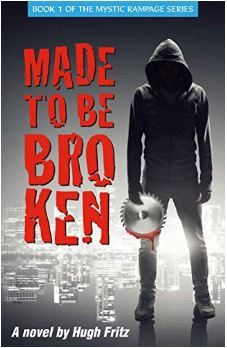
The idea for this story came after reading the Crucible for an English class. It sounds strange to say now, but that was the inspiration. The Mystic Rampage series started as an alternate history about a secret war between witches and genies. It went through a lot of changes because I was worried that if I ever tried to publish it the readers would be troubled by the lack of historical accuracy. It was also had a lot in common with the Crucible so another concern was fans of classic literature feeling I had disgraced a treasured piece. This might have been an overreaction on my part, but I’m satisfied with the final product even if it is completely different than the original concept.
What theme or message do you hope readers will take away from your book?
I would like readers to focus on the message of teamwork. When the Genies work together they’re capable of saving lives but when they turn against one another it leads to unnecessary casualties and nobody gets what they want.
What drew you into this particular genre?
Selecting a genre has been a struggle. It was fun basing a story on the Crucible but I was having trouble writing characters in that time period so I made it more modern. When I decided to have it take place in Chicago and introduced the gang I had every intention of making it a horror novel, but I became uncomfortable with the level of gore I was putting into some of the murder scenes. I cut back on the bloodshed and came up with the book I have now. I feel like I’m stumbling toward urban fantasy, but Made to Be Broken still has traces of the horror story I once wanted it to be, so in the end the publisher felt it was best to classify it as a fantasy thriller.
If you could sit down with any character in your book, what would you ask them and why?
I’d like to ask Atalissa if she regrets not listening to her parents and if she would still marry Darren, knowing how their lives would play out. I made it clear that Darren is willing to do anything for Tyrell, but I don’t feel like I focused on Atalissa enough and didn’t establish whether or not her feelings for her family were as strong.
Advertisements
What social media site has been the most helpful in developing your readership?
I have to say Facebook because it’s the one I’ve used most often. I have accounts on a few social media sites but don’t spend a lot of time on any of them so I don’t have much insight about which one is the best to use.
What advice would you give to aspiring or just starting authors out there?
Don’t write a novel as a first project. Writing short stories in different genres is a great way to discover what kind of author you are and provides insight about your strengths and weaknesses. That personal awareness will help plan a longer piece. I’m better at describing scenery and actions than dialogue, so when I get stuck I’ll write a few chapters without anybody speaking. Once I have all my thoughts on paper, I’ll go back and figure out what the characters should say. Some people might prefer the opposite, and write a few chapters with just dialogue before going back to describe where the scene took place and what the characters were doing. Whatever the style, I feel like it’s better to get a lot done quickly and then go back to tweak it than to try doing everything at once.
What does the future hold in store for you? Any new books/projects on the horizon?
I have a story that I edit whenever I need a break from Mystic Rampage. It takes place in an imaginary kingdom and follows a dragon, a knight, and a farmer. A sorcerer casts a spell on each of them and they need to help one another to live with their curses, and possibly break them. Maybe I’ll see about getting that one published someday.
Advertisements
About the Author
Hugh Fritz is a fan of monsters, mad scientists, sorcerers, and anything that involves being with incredible powers beating each other senseless. After years of writing research papers, he decided it was time to give reality a rest and let his imagination run wild. This is his first book, and it has been an illuminating experience making the transition from reader to author.
He was born in Chicago where he spent most of his life until moving to the Southwest in 2015. He finds inspiration bouncing ideas off other novelists in a critique group, but hours of television and finding the right songs to put him in the writing mood play an important role as well. He has no plans to end the Genies’ adventures here, so be on the lookout for more magical mischief in the next book of the Mystic Rampage series.
1) Tell us a little bit about yourself. How did you get into writing?
When I was about ten or eleven I started writing a kind of science fiction/fantasy/horror novel. I suppose it was a kind of escape; I was not the happiest of kids. I wrote the beginning in longhand, but after a couple of months taught myself to type on an old manual typewriter that was sitting around in my room. The book wound up being exactly 138 pages, single-spaced. I’ve been writing ever since, with long lapses until I hit my late twenties and decided to really make a go at doing it professionally.
2) What inspired you to write your book?
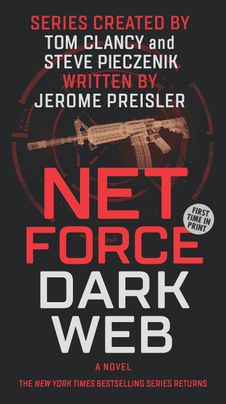
Well, in the case of Net Force, which was a previously existing—if long dormant—bestselling franchise, it’s kind of different from a novel I would conceive entirely on my own. I was initially asked to relaunch the series, but the whole process took a while, and there were extended lulls before it all came together. Finally I made a big push to convince everyone involved that the time was right to get it done, cybersecurity and the evolution of cyberspace being very much at the forefront of our collective awareness nowadays. It took a lot of work and patience, but here we are, happily!
Advertisements
3) What theme or message do you hope readers will take away from your book?
I have three epigraphs. One quote is from President John F. Kennedy: “What unites us is far greater than what divides us.”
I like the word “theme” better than “message,” and if the series does have a theme, JFK put it very succinctly. We’re living in a time of great challenge. Political, moral, ethical, environmental, technological, social … this is a hinge-point in terms of our very survival and evolution as a species. If humanity’s going to make it, we’re going to need heroes of all nationalities and ethnicities and genders to stand up against the forces that threaten our freedom … and our existence.
That’s where Net Force comes in.
4) What drew you into this particular genre?
I’ve written books of almost every type, and like working in many different genres. I don’t think of Net Force as being one thing or another … to me it’s just a thriller, with elements of mystery, suspense, cyberpunk and other categories. I get to use my whole toolkit, and that’s part of the fun.
5) If you could sit down with any character in your book, what would you ask them and why?
Hands down, it’s Kali Alcazar. But I wouldn’t ask her anything in particular. I’d just want to have a long conversation with lots of good, strong coffee for us to drink. Kali is 28 years or so and going on a thousand; an old, old soul. There are oceans of depth to her. You could know Kali for years and still feel she’s a mystery. But there’s a core certainty about her, a knowingness, that’s rock solid. Once Kali makes a decision, she never questions it, never second guesses herself. That’s very different from how I’ve been most of my life, though I’ve gotten more like her in recent years. Kali’s someone you can depend on in extreme moments. At the same time, she isn’t infallible. She is who she is by choice, and some of those choices have taken her down difficult roads. But she’s true to herself and her values and the things and people she cares about. If she’s on your side, she’ll stand with you through any hardship and danger … but don’t cross her or you’ll regret it!
6) What social media site has been the most helpful in developing your readership?
To be completely honest, I’m not convinced social media works that well. It still seems to me that one good radio or tv appearance is worth any number of tweets or Facebook posts. But I’m keeping an open mind and staying at it, so let’s say the verdict’s still out.
7) What advice would you give to aspiring or just starting authors out there?
If you really want to write, be disciplined, and don’t sit around waiting for inspiration. I love baseball and always use the analogy of a batter getting in his daily repetitions, or reps. Hitters need routine, they need steady, regular at-bats. Sit them for a few days, and they slip off their game. My father toiled in a factory most of his life, a garment sweatshop, and what I got from him was my work ethic. He never missed a day of work in his life and I admire that. You do it every day. Doesn’t matter how you feel. You get up and go to work.
8) What does the future hold in store for you? Any new books/projects on the horizon?
I finished the first Net Force enovella—a prequel that spotlights Kali and CIA manhunter Mike Carmody—last August. It’s called Eye of the Drone and will be out in June and it kicks butt. And I’m currently writing my second Net Force novel, which will be released in the autumn of 2020. Last but not least, I have a Civil War narrative history about a colorful character named Will Cushing that’s due out in October 2020. So, thankfully, I’m keeping busy!
Jerome Preisler is the prolific author of almost forty books of fiction and narrative nonfiction, including all eight novels in the New York Times bestselling TOM CLANCY’S POWER PLAYS series.
His latest book is NET FORCE:DARK WEB (November 2019), the first novel in a relaunch of the New York Times bestselling series co-created by Tom Clancy. Forthcoming in May 2020 is the enovella NET FORCE: EYE OF THE DRONE.
Among Jerome’s recent works of narrative history are CODE NAME CAESAR: The Secret Hunt for U-boat 864 During World War Two, and FIRST TO JUMP: How the Band of Brothers Was Aided by the Brave Paratroopers of Pathfinders Company. His next book of nonfiction, CIVIL WAR COMMANDO: William Cushing’s Daring Raid to Sink the Invincible Ironclad C.S.S. Albemarle,will be published by Regnery Books in October 2020.
As part of the amazing new Women on Writing Blog Tour for author Barbara Barth’s novel “The Unfaithful Widow Ten Years Later”, I am honored to shared this guest blog post from the author today on writing anthologies. I hope you all will enjoy this as much as I did.
Advertisements
I wish I planned better. I’ve always jumped right in doing something without much thought to it. The idea I can do this always crosses my mind first and then I ask myself, what was I thinking? Publishing anthologies (now I have done two with a third on its way early 2020) has been a learning process for me. I’m delighted to say you can teach an old dog new tricks and I’ve made progress in the planning department.
The first two anthologies A Cup of Christmas (2014) and A Cup of Love (Valentine’s 2018) were beasts to conquer in a short timeframe. I contacted writers I knew, sent guidelines for stories and formatting. I didn’t want to hinder anyone’s style, so I was open to memoir, fiction, recipes, and poetry. Some great things came in, some not so great. Some of the best writers sent in first drafts, not finished projects. I’m not an editor for punctuation, I’m more about continuity. The good news, many flushed out their stories, and for those that didn’t, well I did my own haphazard editing. The anthologies were to benefit a charity, First Book that does wonderful things for children in need with reading and learning materials. The writers pulled together and both anthologies, last-minute ideas, were completed in six weeks each. An awesome task but we got it done. I also have a wonderful book designer, my sister, who knows how to knock it out of the park with a fabulous looking product. Those two anthologies were eBooks only.
I joked, if I ever do this again, I’d call it A Cup of Cyanide. I was over all the work I’d brought on myself with the others, and you get my drift with the cyanide! Never crack a joke like that with a group of writers. They loved the title, and so a third anthology is in the works. A bit of murder and mayhem. This time it’s being done differently. It’s our Walton Writers project. We’re taking our time. The group members will design the cover and interior, edit the stories, and learn the book formatting process. It’s the focus of our monthly meetings. This anthology is a grand way for everyone to be involved, make the decisions, and ultimately have a book (both paper and eBook) that is their product. Our non-profit this time is The Monroe-Walton Center for the Arts, where we meet each month. We plan to have a big launch party at the Art Center when we finish.
The bottom line, it’s all been great. The writers (from never published to award-winning) gave freely and quickly to the first two anthologies. Writers giving back. I love that. And the excitement of our writing group for the new anthology is infectious. I learn something new myself at every meeting, because it’s all a learning process, to be better writers.
So, if you think you want to publish an anthology and don’t know how, I didn’t either. Don’t let that stop you.
Advertisements
The Unfaithful Widow Ten Years Later
Tour Begins November 11th
Book Summary
Picking up where The Unfaithful Widow ended, Ten Years Later continues the author’s journey from widow to a slightly askew woman. A memoir written with warmth and candor on being single again, aging, and finding a creative path surrounded by dogs, friends, laughter, and a bit of craziness. Barbara Barth shares stories on the adventures that followed her first year alone as she moved headfirst into a new life, listening to her heart, sometimes not so wisely, but always full speed ahead. Join her on the ride of her life, from owning an antique shop to moving to a Victorian cottage outside of Atlanta, and all the follies in between. Going into the next decade with six dogs by her side, the author proves you are only as old as you feel, and happiness begins with a grateful heart. A funny and engaging memoir for anyone who wants to be their own superhero facing life’s good and bad moments.
Print Length: 374 pages
Genre: Memoir
Publisher: Amazon Digital Services, LLC
ASIN: B07YBNHXZG
The Unfaithful widow Ten Years Later is available in print and as an ebook at Amazon.com
About the Author, Barbara Barth
Author, blogger, sometimes antique dealer, dog hoarder, bedazzled by life. Widowed ten years ago, Barth writes about finding a creative path back to happiness. Her recent move to a 1906 historic cottage brought many surprises, including discovering the Monroe–Walton Center for the Arts where she started the monthly Walton Writers group and is on the MWCA Board as Literary Arts Chair. Barth is a contributor to Walton Living Magazine and a former blogger for The Balancing Act, Lifetime Television’s morning show for women. Currently she lives with six dogs, rescue dogs that rescued her.
What goes better in the morning than a muffin? Grab your coffee and join us in celebrating the launch of Barbara Barth’s new book The Unfaithful Widow Ten Years Later. You can read an interview with the author and enter to win a copy of the book.
Stop by Lori’s blog today where you can read her interview with Barbara Barth and read her review of Barbara’s book The Unfaithful Widow Ten Years Later.
Be sure to stop by Deirdra’s blog today and check out her spotlight of the book The Unfaithful Widow Ten Years Later and enter to win a copy of the book!
Stop by the blog Women’s Writing Circle and you can read a guest post by Barbara Barth about adopting dogs while all her friends are having grandkids. Don’t miss this one!
1) Tell us a little bit about yourself. How did you get into writing?
I got into writing through journalism. For several years I wrote for newspapers and magazines as a freelancer. My specialty was music journalism, which is good training for writing fiction. Writing about music is almost impossible to do!
2) What inspired you to write your book?
I was (and am) inspired by the place where I live: the seasons, the people, the history. The material is very rich for writing.
3) What theme or message do you hope readers will take away from your book?
Live life to the fullest, and be tolerant of others. Also, have a sense of humor!
Advertisements
4) What drew you into this particular genre?
This book is not easily pegged to be a specific genre. For marketing purposes, it is called science fiction, and it does have sections of sci-fi, but there is more contemporary fiction in it than anything else.
5) If you could sit down with any character in your book, what would you ask them and why?
I’d love to talk to Tai-Keiko because she is from another millennium. I would ask her to describe life in her time to ours.
6) What social media site has been the most helpful in developing your readership?
The jury is out on this one. I think that the social media platform called “word of mouth” is the best of all.
7) What advice would you give to aspiring or just starting authors out there?
Don’t be afraid to take chances.
8) What does the future hold in store for you? Any new books/projects on the horizon?
Advertisements
I have just finished my next book, “Dangerous Crossing.” It takes place on the border between the US and Mexico, and is concerned with contemporary issues, such as immigration, drug smuggling, human trafficking and sports gambling. It is due out early in 2020.
R. Douglas Clark was born in Vermont, grew up in Colorado, attended college in Chicago, and received a Master’s degree in music from Brown University. Seeing no future for himself in academia, he spent a year in the Oregon woods, living in a primitive cabin, writing music reviews and cultural commentary for magazines and newspapers. Next stop, Eugene, Oregon where he spent 20 damp years as a bootstrap businessman, father and musician. On a vacation trip, he and his wife, Shelley, fell in love with sunny northern New Mexico and subsequently moved there. After four years running Boys and Girls Clubs in Chimayó and Abiquiú–and another four, running a U-pick raspberry farm–he retired to write fiction full time.
What goes better in the morning than a muffin? Join us as we celebrate the launch the blog tour for author R. Douglas Clark’s book Welcome to Maravilla. Read an interview with the author and win a copy of the book.
Middle Schooler Carmen Otto reviews R. Douglas Clark’s Welcome to Maravilla and explains to her friends why this is a great book for even young readers.
Nicole Pyles reviews Welcome to Maravilla by R. Douglas Clark and delights readers at World of My Imagination with an opportunity to learn more about this fast-paced sci-fi novel!
Today’s guest author at Memoir Writer’s Journey is R. Douglas Clark with an article about _________. Join Kathleen Pooler’s audience as they learn more about Clark and his latest book Welcome to Maravilla.
Sreevarsha reviews Welcome to Maravilla by R. Douglas Clarks and delights readers at To Write or Not To Write with her thoughts about this excellent novel!
Learn more about R. Douglas Clark and his new book Welcome to Maravilla as he shares a few thoughts in an interesting interview with Nicole Pyles at World of My Imagination.
Today’s Book Spotlight at Breakeven Books is Welcome to Maravilla by R. Douglas Clark – don’t miss this great opportunity to add this lovely new novel to your collection!
October 28th @ Lisa Haselton Reviews and Interviews
Lisa Haselton interviews R. Douglas Clark about his latest novel Welcome to Maravilla . Readers will delight in learning more about this science fiction story with it’s courageous characters!
I am honored to be able to share this next guest blog post with you all. Writer Greg Josselyn from Reedsy has reached out with a brand new post on the Blurb Factor to share with aspiring authors and writers out there. Enjoy and be sure to follow Greg’s work on Reedsy.
From botched to bestselling
When romance writer Alessandra Torre uploaded her first book on Amazon eight years ago, she only sold three on the first day. And for the next few months, she averaged a still-disappointing 15 – until one night, she looked at her book description and said: “I’m going to re-write this.”
That re-write sparked a renaissance. First, it was 100 books sold in one day. Then 300. Then 2,000. That’s when she started ranking as a top seller in the Romance category, and offers from agents and publishers came flooding in. Now, Torre is an Amazon International bestselling novelist, with over a dozen books to her name.
We can’t pin Torre’s success entirely on a book blurb – she is a good writer, after all! But we would be remiss not to poke around the subject, especially since this is a great Amazon self-publishing success story. The fact is, without the social credit and marketing budget of a big publishing house, the seemingly small things we usually save for last – like book descriptions – will make or break you.
If you’re a writer who’s planning to self-publish, this post will help improve your book description (or back cover text) and grow your profitability on Amazon. But even if you aren’t quite at that stage yet, you can apply these techniques to query letters and pitches for your book. After all, it’s never too early to start selling people on your ideas.
Step 1: Get a hook and bait
Hook, hook, hook. That seems to be all writers and editors ever talk about, and yet, most of us still wonder what it really means. When we say “hook”, we mean like a fish hook, with – you you guessed it – bait. This is particularly important in the sea of distractions that is Amazon.com. But what are the raw materials that will make up your hook and bait? You’ll require:
A brief – we cannot stress this enough – summary of the story (no spoilers, please!)
A question that the story poses (which, of course, makes the reader want to find the answer so much that they’re willing to pay $9.99 for it). What’s going to compel Suzie So-And-So to forgo her mocha lattes this week for your book?
A little typography dress-up. You don’t have to go to coding boot camp to try on bolds, italics, and colors when setting up your product page. For example, on Amazon, you can:
Make things bold: <b>Be Bold My Friend, Be Bold</b>
Italicize Things <i>don’t go overboard though here because sometimes readers breeze over italics </i>
Headline: <h1>This is a classier way to do all caps</h1>
Amazon Colors: <h2>Jeff Bezos will approve.</h2>
Indent: <blockquote>for anyone who likes a good old indent, you’re welcome. </blockquote>
Step 2: Blurb it out
Try to think of your book description in the most succinct terms possible. This isn’t a school book report; it’s like more like an elevator pitch. In other words, don’t blurt it out – blurb it out!
And when it comes to blurbs, our friend Torre is the master. If she didn’t revise the blurb for her first book, she may have switched careers instead of rising to the New York Times best seller list, which is why we always refer aspiring writers to her video tips on the subject. But in brief, she stresses these two essential facts:
The first three sentences of the blurb matter most. It’s like a teaser trailer – after those three sentences, users are going to have to click “Read More” to well, read more. To keep them scrolling, or get them to move onto the “full trailer,” as it were, those three sentences should stand out by utilizing the problem/question structure mentioned above.
One strong way to do that is to employ the classic proposition “but.” For example: “Will Byers lived a normal life in a boring suburban town. But when a mysterious alien creature shows up, his life turns upside down. Will it ever turn right side up again?” (Read More…)
Leave out unnecessary details. All too often, authors use their blurbs to share irrelevant details like character surnames, where they live, their professions, or other excess exposition to no end. Cut all of that out – just set up the problem and the stakes of the story. You can always go full-on Charles Dickens in the actual book. But don’t make your blurb into Bleak House, or you’ll send readers running for the hills.
Step 3: Demonstrate (and prove!) a social benefit
You’ve done it all so far: The blurb is short enough for a social media share. Your first three sentences set up a key question and further dilemma. You’ve omitted unnecessary details, like your character’s middle name or their township’s population.
And yet, potential readers are still scrolling to click on other book titles in your category. Yes, it could be other factors like book cover design and reviews, but still – there’s one last ingredient needed to seal the deal on your blurb. This is, of course, why the book matters to the potential buyer. What does your book provide for them? How will it make an impact on their life? Advertisements do it all the time, so why not utilize this technique to sell your book?
For example, if your book is self-help, be sure to mention that they’ll never think the same way about X problem ever again. Or if it’s fiction, show how your main character is relatable to readers, and how they overcome problems that many of us experience in our own lives.
If you have reviews or testimonials to prove this, even better: up the social proof to the max. And if you’re new to self-publishing, drawing comparisons to pre-existing works is one great way to do it (e.g. “This Gender Bending Historial Fantasy is Games of Thrones meets Queer Eye), or just stress how it’ll change the reader’s way of looking at the world (“fantasy fans and fashionistas will never be the same again…”).
Takeways
In order to make a successful book blurb, be sure to include:
An enticing lead to grab readers
A question that a reader can only answer by actually reading your book
Proof that the story will benefit the reader’s life – this might be pure entertainment, or genuine self-improvement
There are endless ways to play around with these elements. Try out different options – at least three – and test them with friends and family, as well as pro beta readers. Ask: which description pulls you in? Which one doesn’t do it for you? And why? Or, do an A/B test in Amazon: swap out the different descriptions and see which one performs the best.
Still no sales? Keep re-writing and testing until you do, like Alessandra Torre. Otherwise, accept that the marketplace just may not be ready for this particular book, and start re-examining your content from the ground up.
Greg Josselyn is a writer for Reedsy, a curated marketplace dedicated to empowering authors. When he’s not covering KDP Select, he writes short fiction and makes podcasts.