Embarking on the journey of writing your first science fiction novel is an exciting endeavor that blends imagination with storytelling. This genre, known for its boundless potential and exploration of the unknown, offers a unique canvas for writers. The key to success lies in understanding the nuances of the genre and mastering the craft of writing. Here’s a guide to set you on the right path.
Secure Your Creative Endeavors
In the process of crafting your first science fiction novel, prioritizing the security of your manuscript is essential. Your novel represents a unique blend of creativity and dedication, and it’s imperative to shield these intellectual efforts from potential compromise. Utilizing effective security measures, like password protection, is a practical approach to safeguard your documents. This strategy not only fortifies your work against unauthorized access but also provides the tranquility needed to concentrate on your creative endeavors. By learning how to password protect a PDF, you can ensure that your novel remains your exclusive creation. Remember, this novel is more than just a story; it also embodies valuable intellectual property that merits vigilant protection.
Anchor Your Novel in a Core Idea
A compelling science fiction novel is often anchored in a strong, clear core idea. This idea serves as the foundation of your story, guiding the narrative and giving it purpose. Whether it’s an exploration of an advanced technology, a unique take on time travel, or a vision of a dystopian future, your core concept should be intriguing and thought-provoking. It should captivate readers’ imaginations and set the stage for the narrative journey they are about to embark on.
Create Relatable Characters
Characters are the heart of any story, and in science fiction, they become the bridge between the reader and the fantastical elements of your world. Crafting well-rounded, relatable characters is essential. These characters, human or otherwise, should possess depth, flaws, and motivations that resonate with readers. They are the lenses through which your audience will experience the wonders and challenges of the sci-fi world you’ve created.
Weave an Immersive Setting
The setting in a science fiction novel is not just a backdrop; it’s a character in its own right. Your setting should be richly detailed and fully realized, immersing readers in a world that is both fantastic and believable. Whether it’s a distant planet, a futuristic city, or an altered version of our own world, your setting should captivate the reader’s imagination. It should be so vividly described that readers can effortlessly visualize and lose themselves in it.
Maintain Logical Consistency
While science fiction is a genre that thrives on imaginative and sometimes outlandish concepts, maintaining internal consistency is crucial. Establish logical rules for the science or technology in your story and adhere to them. This consistency anchors your story in a semblance of reality, making the unbelievable, believable. It encourages readers to suspend their disbelief and fully engage with your narrative.
Fuel Your Story with Tension
High stakes and constant tension keep readers turning pages. Introduce challenges and obstacles that your characters must navigate. These trials not only drive the plot but also facilitate character development, revealing their strengths, weaknesses, and true nature. The tension can stem from external threats, internal conflicts, or the very elements that make your world unique. It’s this tension that transforms a story from a simple narrative into a compelling journey.
Engage with Beta Readers
Feedback is a vital element in refining your novel. LinkedIn suggests sharing your work with beta readers, writing groups, and even friends and family for fresh perspectives and invaluable insights. These early readers can highlight strengths, pinpoint weaknesses, and suggest improvements. Their feedback provides a glimpse into how your novel might be received by a broader audience, allowing you to make necessary adjustments before the final publication.
Writing your first science fiction novel is a journey filled with challenges and rewards. Every great journey begins with a single step, and yours starts here. Let your imagination guide you, and may your novel not only reach the stars but also touch the hearts and minds of your readers.
Anthony Avina is an author, a journalist, and a blogger who seeks to use his creativity to entertain as well as inspire. He looks forward to hearing from you!
Hey guys! Today I am happy to share this amazing guest post/article from writer Virginia Cooper, who is here to share some tips on how artists in all fields can get their work discovered. I hope you will all enjoy this and be sure to follow the author’s website to learn more.
From Sidelined to Spotlight: Tips for Artists to Get Discovered
Being a creative individual – whether it’s through writing, fashion design, art, or craft-making – can be a challenging and rewarding career path. However, getting your work discovered can be a daunting task for many creatives who are just starting out. Courtesy of Author Anthony Avina’s Blog, here are some creative ways for artists, makers, and fashion designers to get discovered.
Powerful Online Presence
One of the most effective ways for writers and creatives to get discovered is by building a strong online presence. Social media platforms can be incredibly helpful in getting your work in front of a wider audience. Posting high-quality photos of your work, creating engaging content, and using appropriate hashtags can help increase your chances of being discovered by potential customers and collaborators. Additionally, having a personal website or online portfolio that showcases your work in a professional manner can help you establish credibility and make a lasting impression on potential clients or collaborators.
Doing Business
Attending industry events such as trade shows, conferences, and exhibitions can be instrumental in getting your work viewed by industry professionals and potential buyers. These events offer opportunities to make new connections, learn about current trends, and gain exposure for your brand. Come prepared with business cards and a clear pitch about your work to make a lasting impression.
You might also want to consider setting up your own limited liability company (LLC) for the legal protections and tax benefits that come with it. If you aren’t sure how to start an LLC in California, try enlisting the help of an online formation service that’s already well-acquainted with local state business regulations.
Enter Competitions
Submitting your work to competitions and juried shows can be a great way to gain recognition and exposure for your work. Winning or placing in a competition can be a powerful tool for gaining credibility and attracting potential buyers or collaborators. Research the various competitions and shows that align with your artistic or design aesthetic, and be sure to submit your best work.
Work Together With Other Artists
Collaborating with other artists, makers, and fashion designers can help increase your exposure and generate new ideas and inspiration. Seek out like-minded individuals who share similar values and aesthetics, and explore opportunities for collaboration. Collaborating on a project or event can also help generate buzz and create excitement around your work.
Speaking of collaboration, if you set up your business and you’re looking for investors, it might be a good idea to take a moment and check your credit report first. After all, the last thing you want is an unwelcome surprise just as your business is starting to grow and catch some attention.
Traditional Marketing
While digital marketing strategies can provide great results, using traditional methods should not be underestimated. Creating and dispersing flyers or postcards can be a successful approach to promoting your work locally. To target the right audience, consider placing your flyers in establishments that cater to the same demographic.
Local Events and Pop-Ups
Participating in local events or pop-up shops can be a great way to gain exposure for your work. Research events in your area that align with your brand or aesthetic, and consider reserving a table or booth to showcase your work. Pop-ups are also becoming increasingly popular and can offer a low-risk way to test the waters and gain valuable feedback from potential customers.
Workshops and Courses
Participating in workshops or courses that align with your creative interests can help you learn new techniques and expand your network. Seek out opportunities to learn from experts in your field, and use these events as an opportunity to network and make new connections. By attending creative events, you can spark your creativity and find new inspiration for your work.
In conclusion, there are many creative ways for writers, artists, makers, and fashion designers to get discovered. Building a strong online presence, attending industry events, trying old-school marketing methods, and showcasing your work at local events or pop-up shops can all be effective strategies for gaining exposure and getting your work in front of potential customers and collaborators. Remember to stay true to your artistic vision and values, and don’t be afraid to put yourself out there.
I received a free copy of this book in exchange for a fair and honest review. All opinions are my own.
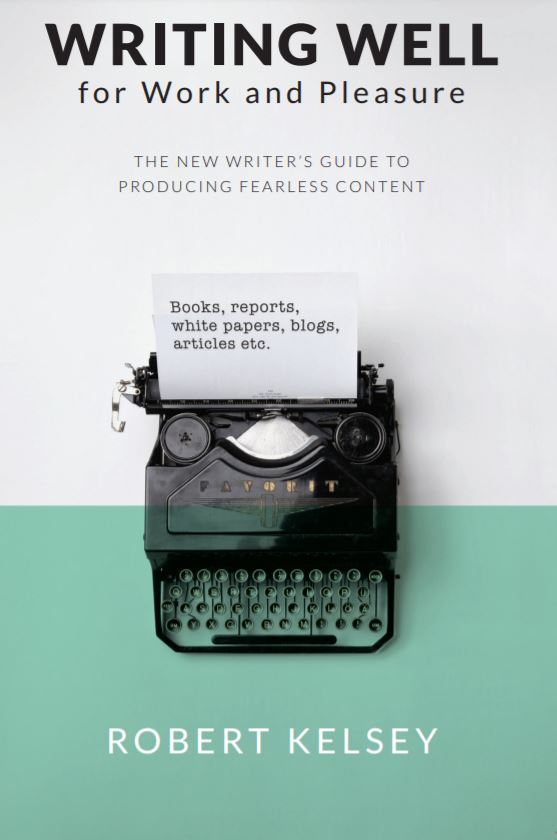
Author Robert Kelsey takes readers on a journey of discovery to learn the craft and skills needed to write the book you’ve always wanted to write in his book, “Writing Well for Work and Pleasure”.
Advertisements
The Synopsis
The New Writer’s Guide to Producing Fearless Content
Everyone has that fabled “book in them” but not everyone has the talent to write it. Right? Wrong. Great writing’s not a talent. It’s a craft. It can be taught and learnt, affording everyone the confidence to express themselves in words.
Writing Well for Work & Pleasureteaches you how to start your writing project and how to keep going. It deconstructs the elements of writing – creating a step-by-step process for generating content that’s ready for publication. With tips on style, eloquence and finding your voice, it also teaches you how to write for different audiences, including professionals, the public, students, customers and even your opponents. And it helps writers talk to editors, publishers and other industry insiders.
This book is for professionals and academics wanting to write that book; ambitious executives needing to write a white paper to accelerate their careers; managers being asked to write articles for publication; artisans and hobbyists with skills to convey; idealists and polemicists wanting to inspire and agitate; and anyone wanting to write well in order to improve their communications skills.
The Review
This was such a well-developed and inspiring read for writers and aspiring writers everywhere. The author did a fantastic job breaking down both the various types and styles of writing, as well as the process of writing in general. As a writer and reviewer who has always believed in the old adage that everyone has a story waiting to be told, it was great to see the author explore the path towards an educated and practiced way of making this a reality.
The research and development the author poured into this book were equally matched with the personal and charismatic way the author wrote the book. The balance of inspiring messages to encourage writers with the study and work that goes into understanding what writing entails is masterfully written here. I like the idea of taking the time to find the right path to finding a person’s writing outlet, for each format and style varies and will suit a person depending on their needs.
The Verdict
Engaging, thought-provoking, and truly inspiring, author Robert Kelsey’s “Writing Well For Work and Pleasure” is a must-read nonfiction book for writing. The eloquent way the author broke down the writing process, from writing styles and the different types of a writer’s audience to the specifics in content structure and writing practices, really made the book feel critical to an author and writer’s understanding of the craft. If you haven’t yet, be sure to grab your copy today!
Rating: 10/10
Advertisements
About the Author
Robert Kelsey is a bestselling author, a former magazine editor and journalist and a PR professional who’s worked for some of the world’s most prestigious organizations: helping them convert their expertise and knowledge into fantastic content. He’s also taught scores of young trainees how to write compelling copy.
John Wilkes is a new non-fiction publishing company targeting new authors (society, culture, history, politics, biography, business). This is our first book – also meant as an aid for new authors.
Hi guys! I know this isn’t the typical reviews you have come to know and love, but I wanted to share this little bit of news with you all. I was fortunate enough to be contacted by the lovely people on Porch.com, and they asked me to contribute to their recent article about book tips. They asked me about how to create the perfect reading nook, and the article is now live on their website. If you could go check it out and share the article online, (tag me on Twitter @AuthorAAvina or on IG & FB as AuthorAnthonyAvina), I would truly appreciate it, and be sure to follow the wonderful and amazing people at Porch.com!
Writing permeates every aspect of modern life and is an essential skill regardless of profession and interest. Even businesses cannot survive without good writing at their core and it is a vital part of effective online and print marketing and promotions. Teaching writing to children whether it is a report or technical writing or creative writing has a number of key benefits for their healthy development and prosperous future. Among other things, excellent writing skills mean they will learn to express themselves, consume more reading material and perform better in most academic parameters.
Advertisements
Atmosphere Dictates All
Writing is considered a challenging prospect by children especially if they are younger than middle grade because it seems complex and they might have trouble retaining good vocabulary or expressing themselves. As a parent, you need to identify issues (also ruling out the chance of dyslexia or other learning disorders) and solve them in imaginative and interesting ways. Create a safe space for the child to practice their writing like a desk or a spare room and incorporate inspiring décor ideas like scrabble tiles or framed quotes.
Next, buy them books on subjects they like such as sports or stories. As you build up their reading skills, ask them to jot down new words they have learned in a separate notebook. You can also test them on the meaning and uses of these words using colorful flashcards. Never underestimate the value of consistent practice as it often counts more than simply talent in a particular area.
Switch The Tables
One of the key aspects of being a great writer is the shifting of perspectives. Skilled writers can write for a variety of audiences to suit each and every purpose. Teaching tone and style is therefore very important. Encourage your child to imagine various scenarios and how writing would differ in all of them and help them to find examples online or in print as well. For example; writing a news report is different from someone writing a story and that is different from someone trying to sell you an item.
To Each His Own
Each child has their own favorite type of writing to read and therefore write. Is your child interested in keeping a journal or scrapbooking? Do they prefer to write travel logs? Do they like tales of fantastical lands and beasts? Encourage them to practice the kind of writing that makes their heart sing. When they are able to get a starting point this way, they’ll be more conducive to doing school work for types of writing they perhaps don’t enjoy as much such as reports or work assignments.
Equip Your Child
Make sure you have purchased all the equipment your child needs to become a formidable writer in their own right. Pencils, books, practice books, a desk, etc all matter and impart a sense of purpose. Furthermore, if you’ve consistently observed your child struggles with words and sentence formation and will benefit from English tuition, then that is a worthwhile investment. Not to mention good tutors can also be hired online with ease! You can also take them to libraries and bookshops and build up the reading habit which is in fact the greatest teacher when it comes to becoming a better writer.
Advertisements
Listening Helps
Listening to audiobooks or documentaries and even podcasts is a great way to better your writing. Listening translates into better sentence structure and formation when you sit down to write. Encourage your child to listen to educational and interesting material when they are playing outside, going for a walk, simply want to lie down, or are doing anything generally unproductive. This will add to their passive learning and impact their writing in the long run.
Templates And Tests
Writing is a skill like any other and part of developing it in children is periodic testing. Look up tests online you can either use as they are, or tailor to your requirements and have your children take those tests on weekends and so on. Make sure they are short and creative so they don’t add to the school workload each child has to undertake. You can come up with story prompts or even templates and give them to your children to work from. Seeing available examples and starting points always helps with writer’s block.
To make your child keen to practice their writing more, you can even consider starting a blog or something similar from where you and he/she can track how well you are progressing. Not to mention it is brilliant motivation to keep writing and improving.
I received a free copy of this course in exchange for a fair and honest review. All opinions are my own.
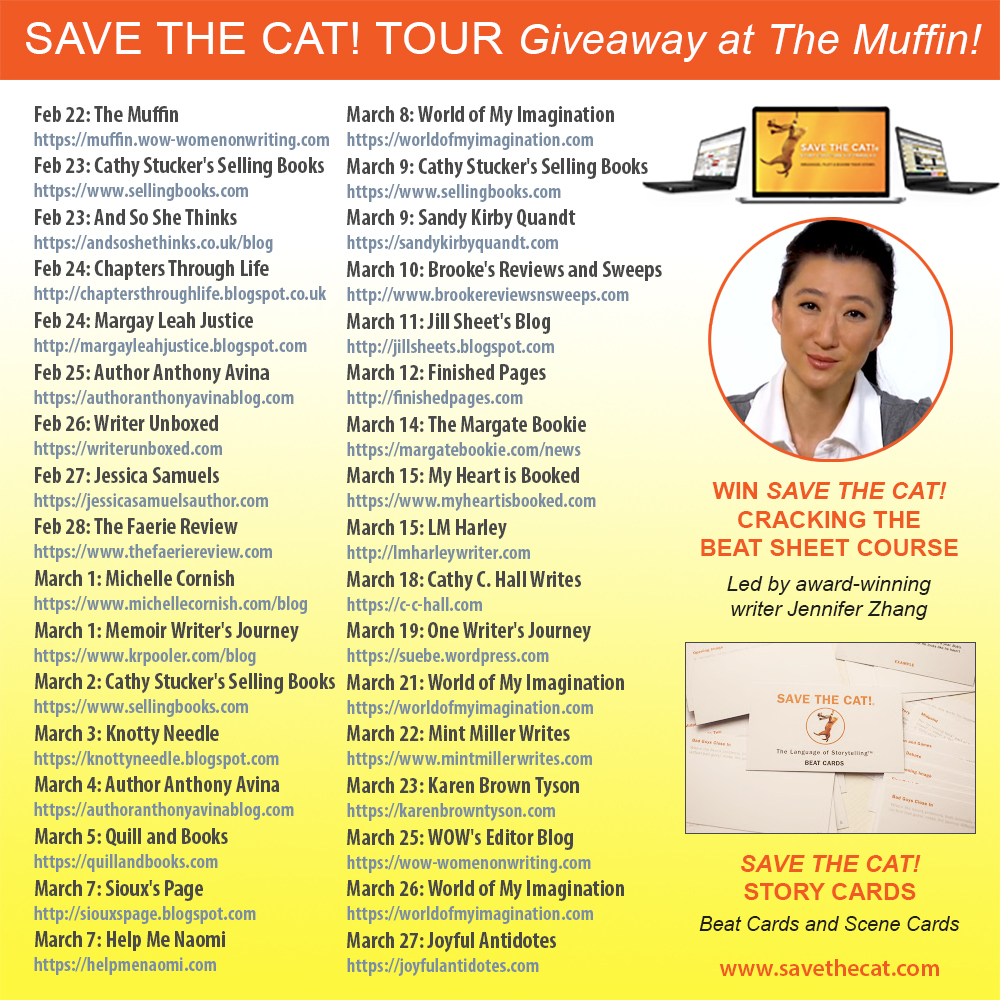
In a unique and exciting new chapter for my website, I am honored today to share with you my official review of the online writing course, Save the Cat! Cracking the Beat Sheet. First I will share with you a quick course outline and what you can expect, and then I will share with you my thoughts on the course overall. I want to thank the amazing team at Save the Cat!, for including me in this amazing tour. I was honored to learn and experience this course myself, and look forward to seeing what other courses you have to offer. I also would like to thank the amazing team at Women on Writing Blog Tours for always including me in their tours, and for giving me a chance to experience this amazing course for myself. Now, let’s get into what this course is all about.
First, what is Save the Cat!®?
Save the Cat! provides writers the resources they need to develop their screenplays and novels based on a series of best-selling books, primarily written by Blake Snyder (1957- 2009). Blake’s method is based on 10 distinctive genres and his 15 story beats (the Blake Snyder Beat Sheet). Our books, workshops, story structure software, apps, and story coaching teach you everything you need to unlock the fundamentals and mechanics of plot and character transformation.
About the Save the Cat! Cracking the Beat Sheet Online Course
This course is designed for writers to turn their idea into a movie or novel. This learn-at-your-own-pace online class helps you develop the 15 key “beats” or “plot points” of your story. Strung together, in the right order, these 15 beats make up the blueprint to a successful screenplay or novel.
You’ll Turn an Idea into a Story by Learning to…
• Create a solid beat sheet that will serve as the road map, and “backbone” of your story
• Identify and know the key components of your story genre • Learn the clichés of your genre so that you can break them like an artist
• Plot your hero’s journey and “transformation” • Troubleshoot your story idea for viability
• Write a compelling logline or elevator pitch
This Course Is for Those Who…
• Want to troubleshoot an existing story
• Have so many great ideas and struggle to choose “the one”
• Are ready to write but not sure how to start
• Are determined to finish a half-written story
• Want to learn
This Course Includes…
• Over 3 hours and 17 minutes of original video production
Introducing Save the Cat!®Story Cards, consisting of Save the Cat! Beat Cards and Save the Cat! Scene Cards, all designed to outline and develop your story.
Save the Cat! Beat Cards
Crack your story from the “Opening Image” to the “Final Image.” Save the Cat!® Beat Cards provide writers with the 15 key plot points to map out your script or novel. Every set contains 15 individual index cards with helpful explanations of each beat to form the foundation of your story.
Save the Cat! Scene Cards
Every scene of your story needs to communicate “place,” “basic action,” “emotional transformation,” and “outcome.” The Save the Cat!® Scene Cards help writers nail the purpose of every scene. Each set of cards contains 40 color-coded cards broken down by act, with 10 extra cards because we know you’ll need them.
This was such an engaging and powerful course for aspiring writers out there. Originally developed by Blake Snyder for screenwriters, the Save the Cat! tool has become an educational and remarkable thing for aspiring writers in all genres and formats. This latest course does a great job of highlighting the 15 beats that a writer should hit with their story. While I won’t share what each beat entails and what goes into them, writers can expect to learn about:
Opening Image
Theme Stated
Set-Up
Catalyst
Debate
Break Into Two
B Story
Fun and Games
Midpoint
Bad Guys Close In
All is Lost
Dark Night of the Soul
Break Into Three
Finale
Final Image
The course also delves into everything from loglines and titles to the various genres that can help formulate the beats one needs for their story. The course itself was not only easy to follow and educational, but course instructor Jennifer Zhang does a remarkable job of clearly lining out the steps one needs to take to capture these beats through a series of lectures that really keep those taking this course invested, making for a one of a kind learning experience.
The Verdict
A must-have course for any aspiring writers out there, Save the Cat! Cracking the Beat Sheet is a brilliant writing course that will dramatically change how you approach future writing projects. Whether you are looking for a way to help craft the perfect screenplay or perhaps are just looking for a way to outline your next great novel, this is a course that will help you gain the confidence and knowledge that your story is flowing smoothly. If you haven’t yet, be sure to sign up for this amazing course today!
Rating: 10/10
Advertisements
Blog Tour Dates
February 22nd @ The Muffin
What goes better in the morning than a muffin? Grab your coffee and join us today over at our blog, where we launch another blog tour for Save the Cat! We talk about their online course and their story cards, interview the Save the Cat team, and host a special giveaway you don’t want to miss.
Guest writer, Stephanie Anne, reviews the Save the Cat! Cracking the Beat Sheet course and Save the Cat! Story Cards on Nicole’s blog World of My Imagination.
Tell us a little bit about yourself. How did you get into writing?
I’ve loved writing ever since I was a little girl, but it wasn’t until my late twenties that the desire to put pen to paper again became strong enough to focus on it.
Advertisements
What inspired you to write your book?
The concept of déjà vu has always fascinated me, especially in relation to old places and buildings. That’s how the original concept formed—a place you feel in your bones know, yet you’ve never been there. It grew darker from there!
What theme or message do you hope readers will take away from your book?
Curisoity killed the cat? Ha ha! Probably that things aren’t always as they seem, and that life—and time—aren’t black and white concepts.
What drew you into this particular genre?
I’ve held a fascination with all things paranormal since I was a little girl, so it comes naturally as an adult to write about other worldly things.
If you could sit down with any character in your book, what would you ask them and why?
I would sit down with Mena. She’s such a complex character that you don’t really get to see a lot of beyond Camille’s perception of her. I would ask her if she had any regrets, or, given what she now knows about the Manor and her family line, would she do everything exactly the same?
What social media site has been the most helpful in developing your readership?
Hmm, I don’t know that one has really garnered more readers than the other. Though twitter is certainly a great platform for connecting with the writing community as a whole.
What advice would you give to aspiring or just starting authors out there?
Don’t waste time perfecting your draft. It’s okay to write rubbish the first time around, just get the story down. That’s why we edit! Obtain as much constructive feedback as you can, but also trust your instincts. Most importantly, do it for the love of it!
Advertisements
What does the future hold in store for you? Any new books/projects on the horizon?
I’m working on switching to writing as a full-time job which is so exciting. I’m in the process of querying my next book, working on a serial and have three other novels in the plotting stages. I’m keeping busy!
Liz Butcher resides in Australia, with her husband, daughter, and their two cats. She’s a self-confessed nerd with a BA in psychology and an insatiable fascination for learning. When she’s not writing or spending time with her family, Liz enjoys road trips, astronomy, music and knitting.
I received a free copy of this book and software in exchange for a fair and honest review. All opinions are my own.
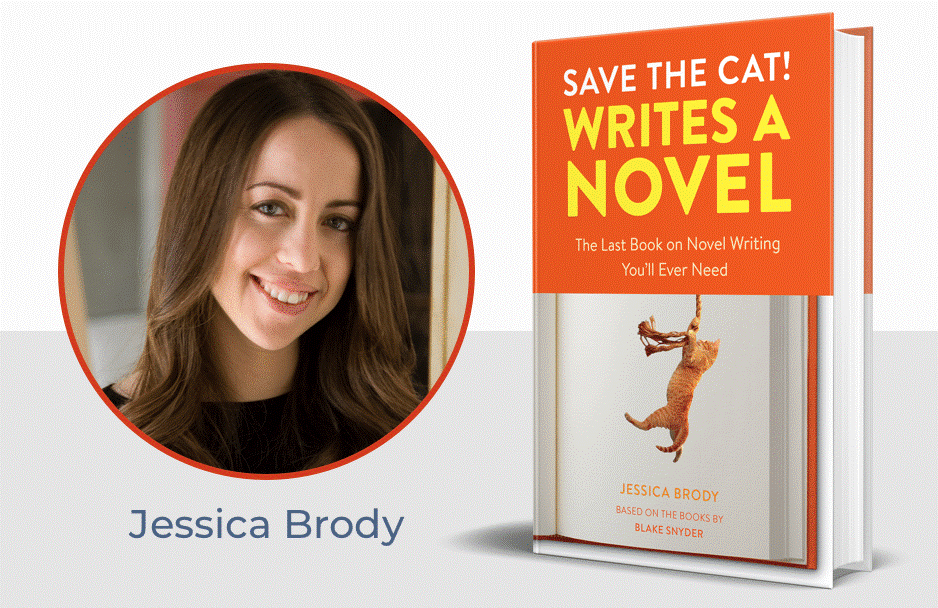
In a first here on my site, I have the unique opportunity to share my review of not only a book on writing that is considered to be a must-read for many aspiring writers and screenwriters, but to test out the amazing writing software that many use in their modern projects. Here are my thoughts on Save the Cat! Writes A Novel by Jessica Brody.
Advertisements
The Synopsis
SAVE THE CAT!® by Blake Snyder is a popular screenwriting book series and storytelling methodology used by screenwriters, directors, and studio execs across Hollywood. Now, for the first time ever, bestselling author and writing teacher, Jessica Brody, takes the beloved Save the Cat! plotting principals and applies them to the craft of novel writing in this exciting new “workshop style” guide, featuring over 20 full beat sheets from popular novels throughout time.
Whether you’re writing your first novel or your seventeenth, Save the Cat! breaks down plot in an easy-to-follow, step-by-step method so you can write stories that resonate! This book can help you with any of the following:
Outlining a new novel
Revising an existing novel
Breaking out of the dreaded “writer’s block”
Fixing a “broken” novel
Reviewing a completed novel
Fleshing out/test driving a new idea to see if it “has legs”
Implementing feedback from agents and/or editors
Helping give constructive feedback to other writers
But above all else, SAVE THE CAT! WRITES A NOVEL will help you better understand the fundamentals and mechanics of plot, character transformation, and what makes a story work!
The Review
What really spoke to me about the book was as a novelist it was great to see how the process of storytelling from a more modern lens looked and felt. Applying the pattern that was discovered and applied to successful novels and screenplays to our own works was unique, and showcased the things that worked and the things that didn’t.
On top of that, the author takes readers through the important steps of developing and nurturing a story, from identifying the “hero” of the story to the genres being explored, the pitch that you’ll want to sell the story to readers, and the beats that can be touched upon throughout the narrative. The novel is thorough, detailed, and does an amazing job of not necessarily declaring one writing style over another to be “superior”, but instead guiding the writer in the process of discovering their own voice while still following a pattern of success.
As for the software itself, the ability to utilize the program for screenplays, television shows, and novels was a treat, and could even divide the novel into larger series overall. I decided to utilize my novel “The Legend of Electric Fusion”, a book I wrote years ago I am in the process of rewriting and utilized it for this software.
The technology allowed me to start breaking down my characters more fully. Not only getting into more detailed descriptions of the characters, but their overall motivations and goals moving forward. This helped me to see a more clear path for the narrative to take moving forward. It is a truly organized, structured, and detailed path for those who follow the plotter style of writing than anything else.
The Verdict
A must-read book and fantastic software that writers and readers alike will fall in love with. Motivating and inspiring, the book helps foster creativity and bring stories more fully to life than ever before. It is a great step in helping to hone the writer’s craft and give readers a chance to see into the complex process of developing an engaging novel. Be sure to grab your copy today!
Rating: 10/10
Advertisements
About Save the Cat!®
Save the Cat! provides writers the resources they need to develop their screenplays and novels based on a series of best-selling books, primarily written by Blake Snyder (1957- 2009). Blake’s method is based on 10 distinctive genres and his 15 story beats (the Blake Snyder Beat Sheet). Our books, workshops, story structure software, apps, and story coaching teach you everything you need to unlock the fundamentals and mechanics of plot and character transformation.
Find out more about Save the Cat! by visiting their webpage at www.savethecat.com.
About the Save the Cat Structure Software
Save the Cat! Story Structure Software is adapted from the Save the Cat! methodology to help screenwriters and novelists unlock the fundamentals of plot and character transformation. The Story Structure Software is a virtual writer board with digital index cards to help map out your story against the 15 beats or plot points to your story. The software enables writers to track emotional shifts of characters from scene to scene, develop profiles and edit and version your story with ease.
You can purchase a subscription to the Save the Cat! Structure Software at Save the Cat’s website.
About Save the Cat! Writes a Novel
An Amazon #1 best seller with over 500 reviews, it’s the first novel-writing guide from the best-selling Save the Cat! story-structure series, reveals the 15 essential plot points needed to make any novel a success.
In this revolutionary novel-writing guide from the best-selling Save the Cat! series, novelist Jessica Brody demystifies each beat, making it simple to learn the complexities of storytelling. The best-seller also reveals the ten universal story genres to help you drill down into what makes your type of story work. Featuring sample “beat sheets” for hits from the likes of J. K. Rowling, Khaled Hosseini, and Stephen King, this practical guide also includes real-world advice on pitching your novel, plus the quirky, original insights (like the eponymous tip to “Save the Cat”) that make this series unique. By the end of this book, your own imaginative beats will combine to create a story that thrills readers from start to finish.
Print Length: 320 Pages
Genre: Writing References
Publisher: Ten Speed Press/Random House Publishing LLC
Jessica Brody worked for MGM Studios as manager of acquisitions and business development before becoming an internationally best-selling author of more than fifteen novels for adults and teens including The Geography of Lost Things, The Chaos of Standing Still, A Week of Mondays, and Better You Than Me. She travels the country teaching Save the Cat! workshops to novelists.
Advertisements
Blog Tour Dates
April 27th @ The Muffin
What goes better in the morning than a muffin? Visit the Muffin today and you can read an interview with the Save the Cat team as well as enter to win a copy of the book Save the Cat! Writes the Novel and a one-year subscription to their software Save the Cat! Structure Software.
Make sure you visit Jessica’s blog today and you can read her review of Save the Cat! Writes the Novel and her review of the Save the Cat! Structure Software.
Tell us a little bit about yourself. How did you get into writing?
Writing began as a way to meet people. There was a group of kids in high school who met to share short stories, poems, and songs. I joined them and brought scripts using everyone in the group as a character. After high school I kept writing on my own, but switched to narratives.
Advertisements
What inspired you to write your book?
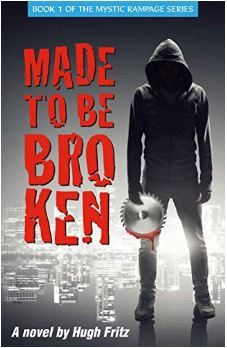
The idea for this story came after reading the Crucible for an English class. It sounds strange to say now, but that was the inspiration. The Mystic Rampage series started as an alternate history about a secret war between witches and genies. It went through a lot of changes because I was worried that if I ever tried to publish it the readers would be troubled by the lack of historical accuracy. It was also had a lot in common with the Crucible so another concern was fans of classic literature feeling I had disgraced a treasured piece. This might have been an overreaction on my part, but I’m satisfied with the final product even if it is completely different than the original concept.
What theme or message do you hope readers will take away from your book?
I would like readers to focus on the message of teamwork. When the Genies work together they’re capable of saving lives but when they turn against one another it leads to unnecessary casualties and nobody gets what they want.
What drew you into this particular genre?
Selecting a genre has been a struggle. It was fun basing a story on the Crucible but I was having trouble writing characters in that time period so I made it more modern. When I decided to have it take place in Chicago and introduced the gang I had every intention of making it a horror novel, but I became uncomfortable with the level of gore I was putting into some of the murder scenes. I cut back on the bloodshed and came up with the book I have now. I feel like I’m stumbling toward urban fantasy, but Made to Be Broken still has traces of the horror story I once wanted it to be, so in the end the publisher felt it was best to classify it as a fantasy thriller.
If you could sit down with any character in your book, what would you ask them and why?
I’d like to ask Atalissa if she regrets not listening to her parents and if she would still marry Darren, knowing how their lives would play out. I made it clear that Darren is willing to do anything for Tyrell, but I don’t feel like I focused on Atalissa enough and didn’t establish whether or not her feelings for her family were as strong.
Advertisements
What social media site has been the most helpful in developing your readership?
I have to say Facebook because it’s the one I’ve used most often. I have accounts on a few social media sites but don’t spend a lot of time on any of them so I don’t have much insight about which one is the best to use.
What advice would you give to aspiring or just starting authors out there?
Don’t write a novel as a first project. Writing short stories in different genres is a great way to discover what kind of author you are and provides insight about your strengths and weaknesses. That personal awareness will help plan a longer piece. I’m better at describing scenery and actions than dialogue, so when I get stuck I’ll write a few chapters without anybody speaking. Once I have all my thoughts on paper, I’ll go back and figure out what the characters should say. Some people might prefer the opposite, and write a few chapters with just dialogue before going back to describe where the scene took place and what the characters were doing. Whatever the style, I feel like it’s better to get a lot done quickly and then go back to tweak it than to try doing everything at once.
What does the future hold in store for you? Any new books/projects on the horizon?
I have a story that I edit whenever I need a break from Mystic Rampage. It takes place in an imaginary kingdom and follows a dragon, a knight, and a farmer. A sorcerer casts a spell on each of them and they need to help one another to live with their curses, and possibly break them. Maybe I’ll see about getting that one published someday.
Advertisements
About the Author
Hugh Fritz is a fan of monsters, mad scientists, sorcerers, and anything that involves being with incredible powers beating each other senseless. After years of writing research papers, he decided it was time to give reality a rest and let his imagination run wild. This is his first book, and it has been an illuminating experience making the transition from reader to author.
He was born in Chicago where he spent most of his life until moving to the Southwest in 2015. He finds inspiration bouncing ideas off other novelists in a critique group, but hours of television and finding the right songs to put him in the writing mood play an important role as well. He has no plans to end the Genies’ adventures here, so be on the lookout for more magical mischief in the next book of the Mystic Rampage series.