1) Tell us a little bit about yourself. How did you get into writing?
When I was about ten or eleven I started writing a kind of science fiction/fantasy/horror novel. I suppose it was a kind of escape; I was not the happiest of kids. I wrote the beginning in longhand, but after a couple of months taught myself to type on an old manual typewriter that was sitting around in my room. The book wound up being exactly 138 pages, single-spaced. I’ve been writing ever since, with long lapses until I hit my late twenties and decided to really make a go at doing it professionally.
2) What inspired you to write your book?
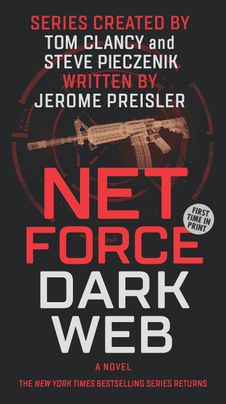
Well, in the case of Net Force, which was a previously existing—if long dormant—bestselling franchise, it’s kind of different from a novel I would conceive entirely on my own. I was initially asked to relaunch the series, but the whole process took a while, and there were extended lulls before it all came together. Finally I made a big push to convince everyone involved that the time was right to get it done, cybersecurity and the evolution of cyberspace being very much at the forefront of our collective awareness nowadays. It took a lot of work and patience, but here we are, happily!
Advertisements
3) What theme or message do you hope readers will take away from your book?
I have three epigraphs. One quote is from President John F. Kennedy: “What unites us is far greater than what divides us.”
I like the word “theme” better than “message,” and if the series does have a theme, JFK put it very succinctly. We’re living in a time of great challenge. Political, moral, ethical, environmental, technological, social … this is a hinge-point in terms of our very survival and evolution as a species. If humanity’s going to make it, we’re going to need heroes of all nationalities and ethnicities and genders to stand up against the forces that threaten our freedom … and our existence.
That’s where Net Force comes in.
4) What drew you into this particular genre?
I’ve written books of almost every type, and like working in many different genres. I don’t think of Net Force as being one thing or another … to me it’s just a thriller, with elements of mystery, suspense, cyberpunk and other categories. I get to use my whole toolkit, and that’s part of the fun.
5) If you could sit down with any character in your book, what would you ask them and why?
Hands down, it’s Kali Alcazar. But I wouldn’t ask her anything in particular. I’d just want to have a long conversation with lots of good, strong coffee for us to drink. Kali is 28 years or so and going on a thousand; an old, old soul. There are oceans of depth to her. You could know Kali for years and still feel she’s a mystery. But there’s a core certainty about her, a knowingness, that’s rock solid. Once Kali makes a decision, she never questions it, never second guesses herself. That’s very different from how I’ve been most of my life, though I’ve gotten more like her in recent years. Kali’s someone you can depend on in extreme moments. At the same time, she isn’t infallible. She is who she is by choice, and some of those choices have taken her down difficult roads. But she’s true to herself and her values and the things and people she cares about. If she’s on your side, she’ll stand with you through any hardship and danger … but don’t cross her or you’ll regret it!
6) What social media site has been the most helpful in developing your readership?
To be completely honest, I’m not convinced social media works that well. It still seems to me that one good radio or tv appearance is worth any number of tweets or Facebook posts. But I’m keeping an open mind and staying at it, so let’s say the verdict’s still out.
7) What advice would you give to aspiring or just starting authors out there?
If you really want to write, be disciplined, and don’t sit around waiting for inspiration. I love baseball and always use the analogy of a batter getting in his daily repetitions, or reps. Hitters need routine, they need steady, regular at-bats. Sit them for a few days, and they slip off their game. My father toiled in a factory most of his life, a garment sweatshop, and what I got from him was my work ethic. He never missed a day of work in his life and I admire that. You do it every day. Doesn’t matter how you feel. You get up and go to work.
8) What does the future hold in store for you? Any new books/projects on the horizon?
I finished the first Net Force enovella—a prequel that spotlights Kali and CIA manhunter Mike Carmody—last August. It’s called Eye of the Drone and will be out in June and it kicks butt. And I’m currently writing my second Net Force novel, which will be released in the autumn of 2020. Last but not least, I have a Civil War narrative history about a colorful character named Will Cushing that’s due out in October 2020. So, thankfully, I’m keeping busy!
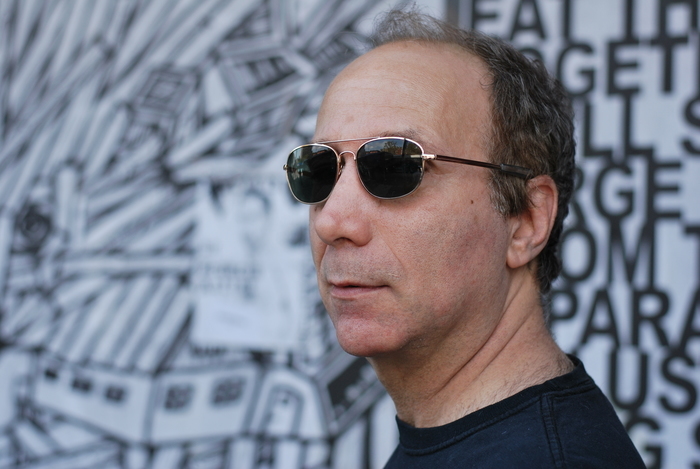
Jerome Preisler is the prolific author of almost forty books of fiction and narrative nonfiction, including all eight novels in the New York Times bestselling TOM CLANCY’S POWER PLAYS series.
His latest book is NET FORCE:DARK WEB (November 2019), the first novel in a relaunch of the New York Times bestselling series co-created by Tom Clancy. Forthcoming in May 2020 is the enovella NET FORCE: EYE OF THE DRONE.
Among Jerome’s recent works of narrative history are CODE NAME CAESAR: The Secret Hunt for U-boat 864 During World War Two, and FIRST TO JUMP: How the Band of Brothers Was Aided by the Brave Paratroopers of Pathfinders Company. His next book of nonfiction, CIVIL WAR COMMANDO: William Cushing’s Daring Raid to Sink the Invincible Ironclad C.S.S. Albemarle,will be published by Regnery Books in October 2020.
As part of the amazing new Women on Writing Blog Tour for author Barbara Barth’s novel “The Unfaithful Widow Ten Years Later”, I am honored to shared this guest blog post from the author today on writing anthologies. I hope you all will enjoy this as much as I did.
Advertisements
I wish I planned better. I’ve always jumped right in doing something without much thought to it. The idea I can do this always crosses my mind first and then I ask myself, what was I thinking? Publishing anthologies (now I have done two with a third on its way early 2020) has been a learning process for me. I’m delighted to say you can teach an old dog new tricks and I’ve made progress in the planning department.
The first two anthologies A Cup of Christmas (2014) and A Cup of Love (Valentine’s 2018) were beasts to conquer in a short timeframe. I contacted writers I knew, sent guidelines for stories and formatting. I didn’t want to hinder anyone’s style, so I was open to memoir, fiction, recipes, and poetry. Some great things came in, some not so great. Some of the best writers sent in first drafts, not finished projects. I’m not an editor for punctuation, I’m more about continuity. The good news, many flushed out their stories, and for those that didn’t, well I did my own haphazard editing. The anthologies were to benefit a charity, First Book that does wonderful things for children in need with reading and learning materials. The writers pulled together and both anthologies, last-minute ideas, were completed in six weeks each. An awesome task but we got it done. I also have a wonderful book designer, my sister, who knows how to knock it out of the park with a fabulous looking product. Those two anthologies were eBooks only.
I joked, if I ever do this again, I’d call it A Cup of Cyanide. I was over all the work I’d brought on myself with the others, and you get my drift with the cyanide! Never crack a joke like that with a group of writers. They loved the title, and so a third anthology is in the works. A bit of murder and mayhem. This time it’s being done differently. It’s our Walton Writers project. We’re taking our time. The group members will design the cover and interior, edit the stories, and learn the book formatting process. It’s the focus of our monthly meetings. This anthology is a grand way for everyone to be involved, make the decisions, and ultimately have a book (both paper and eBook) that is their product. Our non-profit this time is The Monroe-Walton Center for the Arts, where we meet each month. We plan to have a big launch party at the Art Center when we finish.
The bottom line, it’s all been great. The writers (from never published to award-winning) gave freely and quickly to the first two anthologies. Writers giving back. I love that. And the excitement of our writing group for the new anthology is infectious. I learn something new myself at every meeting, because it’s all a learning process, to be better writers.
So, if you think you want to publish an anthology and don’t know how, I didn’t either. Don’t let that stop you.
Advertisements
The Unfaithful Widow Ten Years Later
Tour Begins November 11th
Book Summary
Picking up where The Unfaithful Widow ended, Ten Years Later continues the author’s journey from widow to a slightly askew woman. A memoir written with warmth and candor on being single again, aging, and finding a creative path surrounded by dogs, friends, laughter, and a bit of craziness. Barbara Barth shares stories on the adventures that followed her first year alone as she moved headfirst into a new life, listening to her heart, sometimes not so wisely, but always full speed ahead. Join her on the ride of her life, from owning an antique shop to moving to a Victorian cottage outside of Atlanta, and all the follies in between. Going into the next decade with six dogs by her side, the author proves you are only as old as you feel, and happiness begins with a grateful heart. A funny and engaging memoir for anyone who wants to be their own superhero facing life’s good and bad moments.
Print Length: 374 pages
Genre: Memoir
Publisher: Amazon Digital Services, LLC
ASIN: B07YBNHXZG
The Unfaithful widow Ten Years Later is available in print and as an ebook at Amazon.com
About the Author, Barbara Barth
Author, blogger, sometimes antique dealer, dog hoarder, bedazzled by life. Widowed ten years ago, Barth writes about finding a creative path back to happiness. Her recent move to a 1906 historic cottage brought many surprises, including discovering the Monroe–Walton Center for the Arts where she started the monthly Walton Writers group and is on the MWCA Board as Literary Arts Chair. Barth is a contributor to Walton Living Magazine and a former blogger for The Balancing Act, Lifetime Television’s morning show for women. Currently she lives with six dogs, rescue dogs that rescued her.
What goes better in the morning than a muffin? Grab your coffee and join us in celebrating the launch of Barbara Barth’s new book The Unfaithful Widow Ten Years Later. You can read an interview with the author and enter to win a copy of the book.
Stop by Lori’s blog today where you can read her interview with Barbara Barth and read her review of Barbara’s book The Unfaithful Widow Ten Years Later.
Be sure to stop by Deirdra’s blog today and check out her spotlight of the book The Unfaithful Widow Ten Years Later and enter to win a copy of the book!
Stop by the blog Women’s Writing Circle and you can read a guest post by Barbara Barth about adopting dogs while all her friends are having grandkids. Don’t miss this one!
1) Tell us a little bit about yourself. How did you get into writing?
I got into writing through journalism. For several years I wrote for newspapers and magazines as a freelancer. My specialty was music journalism, which is good training for writing fiction. Writing about music is almost impossible to do!
2) What inspired you to write your book?
I was (and am) inspired by the place where I live: the seasons, the people, the history. The material is very rich for writing.
3) What theme or message do you hope readers will take away from your book?
Live life to the fullest, and be tolerant of others. Also, have a sense of humor!
Advertisements
4) What drew you into this particular genre?
This book is not easily pegged to be a specific genre. For marketing purposes, it is called science fiction, and it does have sections of sci-fi, but there is more contemporary fiction in it than anything else.
5) If you could sit down with any character in your book, what would you ask them and why?
I’d love to talk to Tai-Keiko because she is from another millennium. I would ask her to describe life in her time to ours.
6) What social media site has been the most helpful in developing your readership?
The jury is out on this one. I think that the social media platform called “word of mouth” is the best of all.
7) What advice would you give to aspiring or just starting authors out there?
Don’t be afraid to take chances.
8) What does the future hold in store for you? Any new books/projects on the horizon?
Advertisements
I have just finished my next book, “Dangerous Crossing.” It takes place on the border between the US and Mexico, and is concerned with contemporary issues, such as immigration, drug smuggling, human trafficking and sports gambling. It is due out early in 2020.
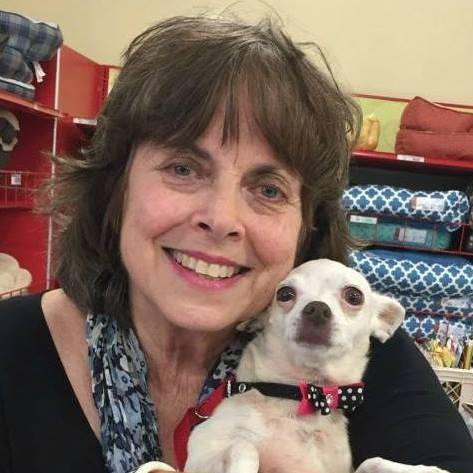
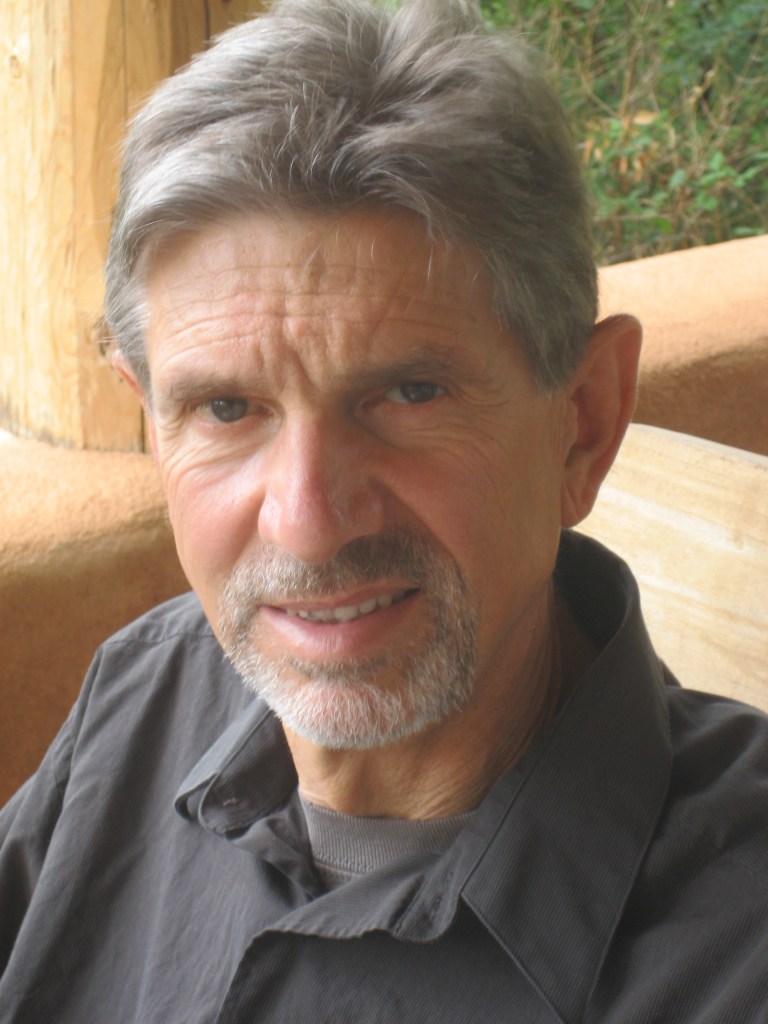
R. Douglas Clark was born in Vermont, grew up in Colorado, attended college in Chicago, and received a Master’s degree in music from Brown University. Seeing no future for himself in academia, he spent a year in the Oregon woods, living in a primitive cabin, writing music reviews and cultural commentary for magazines and newspapers. Next stop, Eugene, Oregon where he spent 20 damp years as a bootstrap businessman, father and musician. On a vacation trip, he and his wife, Shelley, fell in love with sunny northern New Mexico and subsequently moved there. After four years running Boys and Girls Clubs in Chimayó and Abiquiú–and another four, running a U-pick raspberry farm–he retired to write fiction full time.
What goes better in the morning than a muffin? Join us as we celebrate the launch the blog tour for author R. Douglas Clark’s book Welcome to Maravilla. Read an interview with the author and win a copy of the book.
Middle Schooler Carmen Otto reviews R. Douglas Clark’s Welcome to Maravilla and explains to her friends why this is a great book for even young readers.
Nicole Pyles reviews Welcome to Maravilla by R. Douglas Clark and delights readers at World of My Imagination with an opportunity to learn more about this fast-paced sci-fi novel!
Today’s guest author at Memoir Writer’s Journey is R. Douglas Clark with an article about _________. Join Kathleen Pooler’s audience as they learn more about Clark and his latest book Welcome to Maravilla.
Sreevarsha reviews Welcome to Maravilla by R. Douglas Clarks and delights readers at To Write or Not To Write with her thoughts about this excellent novel!
Learn more about R. Douglas Clark and his new book Welcome to Maravilla as he shares a few thoughts in an interesting interview with Nicole Pyles at World of My Imagination.
Today’s Book Spotlight at Breakeven Books is Welcome to Maravilla by R. Douglas Clark – don’t miss this great opportunity to add this lovely new novel to your collection!
October 28th @ Lisa Haselton Reviews and Interviews
Lisa Haselton interviews R. Douglas Clark about his latest novel Welcome to Maravilla . Readers will delight in learning more about this science fiction story with it’s courageous characters!
I am honored to be able to share this next guest blog post with you all. Writer Greg Josselyn from Reedsy has reached out with a brand new post on the Blurb Factor to share with aspiring authors and writers out there. Enjoy and be sure to follow Greg’s work on Reedsy.
From botched to bestselling
When romance writer Alessandra Torre uploaded her first book on Amazon eight years ago, she only sold three on the first day. And for the next few months, she averaged a still-disappointing 15 – until one night, she looked at her book description and said: “I’m going to re-write this.”
That re-write sparked a renaissance. First, it was 100 books sold in one day. Then 300. Then 2,000. That’s when she started ranking as a top seller in the Romance category, and offers from agents and publishers came flooding in. Now, Torre is an Amazon International bestselling novelist, with over a dozen books to her name.
We can’t pin Torre’s success entirely on a book blurb – she is a good writer, after all! But we would be remiss not to poke around the subject, especially since this is a great Amazon self-publishing success story. The fact is, without the social credit and marketing budget of a big publishing house, the seemingly small things we usually save for last – like book descriptions – will make or break you.
If you’re a writer who’s planning to self-publish, this post will help improve your book description (or back cover text) and grow your profitability on Amazon. But even if you aren’t quite at that stage yet, you can apply these techniques to query letters and pitches for your book. After all, it’s never too early to start selling people on your ideas.
Step 1: Get a hook and bait
Hook, hook, hook. That seems to be all writers and editors ever talk about, and yet, most of us still wonder what it really means. When we say “hook”, we mean like a fish hook, with – you you guessed it – bait. This is particularly important in the sea of distractions that is Amazon.com. But what are the raw materials that will make up your hook and bait? You’ll require:
A brief – we cannot stress this enough – summary of the story (no spoilers, please!)
A question that the story poses (which, of course, makes the reader want to find the answer so much that they’re willing to pay $9.99 for it). What’s going to compel Suzie So-And-So to forgo her mocha lattes this week for your book?
A little typography dress-up. You don’t have to go to coding boot camp to try on bolds, italics, and colors when setting up your product page. For example, on Amazon, you can:
Make things bold: <b>Be Bold My Friend, Be Bold</b>
Italicize Things <i>don’t go overboard though here because sometimes readers breeze over italics </i>
Headline: <h1>This is a classier way to do all caps</h1>
Amazon Colors: <h2>Jeff Bezos will approve.</h2>
Indent: <blockquote>for anyone who likes a good old indent, you’re welcome. </blockquote>
Step 2: Blurb it out
Try to think of your book description in the most succinct terms possible. This isn’t a school book report; it’s like more like an elevator pitch. In other words, don’t blurt it out – blurb it out!
And when it comes to blurbs, our friend Torre is the master. If she didn’t revise the blurb for her first book, she may have switched careers instead of rising to the New York Times best seller list, which is why we always refer aspiring writers to her video tips on the subject. But in brief, she stresses these two essential facts:
The first three sentences of the blurb matter most. It’s like a teaser trailer – after those three sentences, users are going to have to click “Read More” to well, read more. To keep them scrolling, or get them to move onto the “full trailer,” as it were, those three sentences should stand out by utilizing the problem/question structure mentioned above.
One strong way to do that is to employ the classic proposition “but.” For example: “Will Byers lived a normal life in a boring suburban town. But when a mysterious alien creature shows up, his life turns upside down. Will it ever turn right side up again?” (Read More…)
Leave out unnecessary details. All too often, authors use their blurbs to share irrelevant details like character surnames, where they live, their professions, or other excess exposition to no end. Cut all of that out – just set up the problem and the stakes of the story. You can always go full-on Charles Dickens in the actual book. But don’t make your blurb into Bleak House, or you’ll send readers running for the hills.
Step 3: Demonstrate (and prove!) a social benefit
You’ve done it all so far: The blurb is short enough for a social media share. Your first three sentences set up a key question and further dilemma. You’ve omitted unnecessary details, like your character’s middle name or their township’s population.
And yet, potential readers are still scrolling to click on other book titles in your category. Yes, it could be other factors like book cover design and reviews, but still – there’s one last ingredient needed to seal the deal on your blurb. This is, of course, why the book matters to the potential buyer. What does your book provide for them? How will it make an impact on their life? Advertisements do it all the time, so why not utilize this technique to sell your book?
For example, if your book is self-help, be sure to mention that they’ll never think the same way about X problem ever again. Or if it’s fiction, show how your main character is relatable to readers, and how they overcome problems that many of us experience in our own lives.
If you have reviews or testimonials to prove this, even better: up the social proof to the max. And if you’re new to self-publishing, drawing comparisons to pre-existing works is one great way to do it (e.g. “This Gender Bending Historial Fantasy is Games of Thrones meets Queer Eye), or just stress how it’ll change the reader’s way of looking at the world (“fantasy fans and fashionistas will never be the same again…”).
Takeways
In order to make a successful book blurb, be sure to include:
An enticing lead to grab readers
A question that a reader can only answer by actually reading your book
Proof that the story will benefit the reader’s life – this might be pure entertainment, or genuine self-improvement
There are endless ways to play around with these elements. Try out different options – at least three – and test them with friends and family, as well as pro beta readers. Ask: which description pulls you in? Which one doesn’t do it for you? And why? Or, do an A/B test in Amazon: swap out the different descriptions and see which one performs the best.
Still no sales? Keep re-writing and testing until you do, like Alessandra Torre. Otherwise, accept that the marketplace just may not be ready for this particular book, and start re-examining your content from the ground up.
Greg Josselyn is a writer for Reedsy, a curated marketplace dedicated to empowering authors. When he’s not covering KDP Select, he writes short fiction and makes podcasts.
Hey everyone, Author Anthony Avina here. I’m honored today to be sharing with you this guest blog post from author Madeline Sharples, author of the recently reviewed book, Papa’s Shoes, in association with Women on Writing Tours. I hope you all will enjoy it and please make sure to comment on this post and share it as well. Enjoy everyone.
I didn’t think I had another book in me after I finished my novel, Papa’s Shoes. Writing that took a long time even though I didn’t work on it straight through all those nine years. But when I had finished the tenth revision, I felt my book writing days were over.
However, I started to get itchy to write something else when I started querying publishers – exactly what I did in 2010. I started my novel while I was querying publishers for my memoir, Leaving the Hall Light On.
I took one look in the mirror and realized from my aging face that I’m at that stage in my life when I have almost all of it to look back on. I just turned seventy-nine, and my mirror told me I looked it.
So I thought I could write a memoir from an old wise woman’s approach to turning eighty. I could write about the secrets of staying married to the same man for forty-nine years and living in the same house for forty years. Really where have all those years gone? And really that brings up another big question – how much time do my husband and I have left anyway, and what are we doing to prepare for our last years? Or better yet, how we’re handling our lives right now as we age – each at a different paces. Yes, I decided another memoir or even two are a real possibility. The options are endless: how we’re still working at surviving the loss of our son in 1999, what we eat, how we sleep, my health and exercise program, about our travels, and what do we do all day at our age.
Another thing that triggered my decision to write this new memoir is the many people my age who are sick or have died. Just yesterday I heard about the death of a wonderful work colleague and friend much younger than me who died of a massive heart attack. With those facts in mind I decided to bring aging healthy into the book. I am very fit for my age. I workout every day and eat healthy. Why couldn’t I write a memoir about aging healthy?
I hope readers will take a good look at themselves and what they are doing to live the rest of their lives successfully. I hope they will take my examples about what to do and what not to do as I age seriously. For example, I recently spent a few days with my cousin who is four years younger than I. She is out of shape and doesn’t eat very healthy. But while I was with her we took long, fast walks every day, and she’s still taking them even though I’m not with her. She says I was an inspiration to her. I hope to be an inspiration to all my readers.
I also have to contend with the hardest parts to write: 1) the lasting effects of our older son’s suicide death in 1999, 2) my married son and daughter-in-law’s decision to live a married life without children, and 3) some regrets about decisions I’ve made over the years. I know all of us have life experiences that are hard to write and talk about. We also have regrets. Hopefully my writing about these things will engage my readers in thinking how they’ve lived their own lives and what they can improve on for their futures.
So far, I’ve written the first draft to this brief outline:
PART ONE
What stage of life I am in right now
A little looking back – maybe incorporate my reunion experiences of seeing old classmates and being in the neighborhoods where I grew up
What I see when I look in the mirror
My daily routine
What I do to take care of myself
How much I like my privacy and alone time
My physical maladies
My emotional life
My depression and suicidal thoughts
I say I’m a writer, but what do I really write
My writing routine
My volunteer life: South Bay Cares and WriteGirl
My married life
How my son’s death affects my life now
What about no grandchildren – how has that affected my relationship with my son and daughter-in-law
How I spend my time
Friends and relatives – how much I back away
What I see for the future
What’s next on my bucket list
End of life directives
My beliefs or lack thereof of an afterlife, and my lack of a spiritual life
PART TWO
What advice I give to those heading my way
PART THREE
How I feel about turning eighty and repairing for my imminent
About the Book:
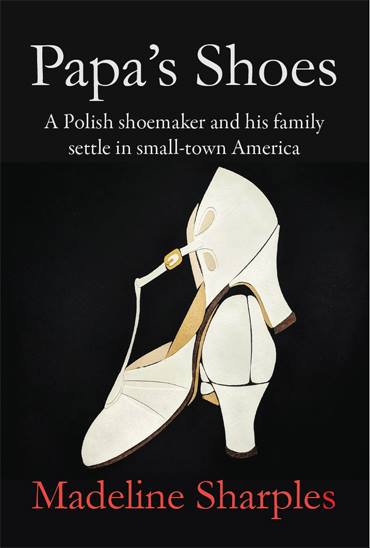
Papa’s Shoes, a work of fiction about immigration with a feminist and historical bent. At 99,968 words, Papa’s Shoesis a stand-alone novel with series potential.
Ira Schuman is determined to move his family out of their Polish shtetl to the hope and opportunities he’s heard about in America. But along the way he faces the death of three of his four sons, a wife who does not have the same aspirations as his, and the birth of a daughter, Ava, conceived to make up for the loss of his boys. Ava grows up to be smart, beautiful, and very independent.
Besides having a feisty relationship with her overly-protective mother, Ava falls for the college man who directs her high school senior class play. With the news that she wants to marry a non-Jewish man, Ira realizes that his plan to assimilate in the new world has backfired. Should the young couple marry, he must decide whether to banish his daughter from his family or welcome them with open arms. Even though he won’t attend their wedding, he makes her a pair a wedding shoes. In his mind, theshoes are simply a gift, not a peace offering.
· Print Length: 286 pages
· Publisher: Aberdeen Bay (April 27, 2019)
· Publication Date: April 27, 2019
· ASIN: B07R7MQ6CM
Praise:
“From an insightful storyteller, Papa’s Shoes, is a heartwarming story of courage and love. Author Madeline Sharples has created an epic journey with intriguing twists and surprises along the way. From days of old in Poland to cultural and economic realities in America, this is an awe-inspiring novel about families, generational history, and the incredible power of change. You truly won’t want to put it down!”
—D.A. Hickman, author of Ancients of the Earth: Poems of Time
“Author Madeline Sharples tells the intimate story of an American family, of immigration, tragedy, renewal, and love with grace and the delicate touch of a poet. There’s a raw kind of sweetness in this rich and epic saga.”
—David W. Berner, author of The Consequence of Stars and A Well-Respected Man
“An immigrant family’s braided history – its conflicts, losses, and secrets – come to life in Papa’s Shoes. With loving attention to detail, Madeline Sharples transports readers from a Polish shtetl to the Illinois town where Ira and Ruth settle, and shows us the intimate workings of their
marriage. This family’s triumphant journey to the American Midwest will inspire you long after
you’ve closed these pages.”
—Eleanor Vincent, author of Swimming with Maya: A Mother’s Story
A longer synopsis
On a cold and pouring night in Sokolow Poland, Ira Schuman carefully steps over the red mud puddles on the streets, sad, weary, and soaked. He dreads what he’ll find when he arrives at his two-room house in the Jewish section of the stetl. He envisions his mourning wife, Ruth, angry he wasn’t home when three of their four boys died during a flu epidemic.
As he enters the silence in what was once a home full of the loud voices and cries of little boys is deafening. However, he can’t wait to embrace Ruth, comfort her despite his own grief, and tell his surviving son about his love for America.
Ira’s goal is to become Americanized and bring what’s left of his family to a small town in Illinois, when he has enough money and an established business. Ruth doesn’t want to leave Poland and the graves of their three dead sons.
After their initial cold and difficult reunion, Ira keeps his promise to impregnate Ruth before he goes back to Illinois. Three years later he sends her the money to follow him to Illinois with their son age 10 and little girl, Ava, age three. Ruth agrees to leave Poland because of fears that the Russian army will recruit her son.
After a short stay in Chicago, the family moves to Danville IL, where Ira joins his brother in their shoe-making business. Though free of his long hair, beard and forelocks, and wearing modern clothes without the four-cornered yarmulke he threw into the Atlantic Ocean, Ira wants to bring a semblance of Orthodox Jewish life to his family and his new town. He creates a synagogue, hires a rabbi, and arranges the delivery of kosher meats. He also begins an affair with a chubby but curvy redheaded widow. Ruth, who smothers Ava and tries to keep her a little girl, has grown fatter and more unkempt, always wearing the same tight-fitting black dress she wore in Sokolow. She wants no part of Ira’s synagogue work.
Ruth keeps her hold on Ava, antagonizing her daughter. They argue continuously throughout Ava’s school years. Ava gets the lead in her senior high school play, and she and the director, a student at the local college, strike up a relationship – she tells her parents they are just friends when he picks her up to take her to school events.
Her brother, in law school in Chicago at nights and working in the textile business during the day, comes home and warns his parents that if they don’t move her away from this gentile, he will take her to Chicago himself. Ira agrees to let Ava go; Ruth does not. In the end her brother’s argument wins. Ava, ever respectful of her parents and out of her love for her brother, tells her director friend that she must leave. They are devastated but stay away from each other until the day before her departure.
In Chicago, Ava’s brother introduces her to a suitable man. He’s a bit of a milk toast, messy, and not very motivated in school or business, but he’s nice and attentive so she goes out with him for quite some time. Her rationale is that dating him will protect her from meeting someone she could actually fall for. She also experiences the modern ways of young women in the 1920s. She goes to dance halls and speakeasies, speaks flap talk, works as a seamstress, designs her own short and swingy dresses, and lives freely away from her mother. Her suitor proposes, but Ava says, “What a pretty little ring,” instead of yes.
After continued pleas from her director friend and her still undying love for him, Ava returns to Danville as a mature and determined young woman. She withstands a blow-up with her parents when she tells them she wants to marry her gentile friend. Ira throws her out. That night he goes to the synagogue to say the mourner’s kadish for his daughter but decides to break up with the red-headed widow and mourn his relationship with her instead. To assuage his guilt, he makes her a pair of shoes that she wears at her wedding.
While Ava is sad not to have her family with her at her wedding, she is hopeful that her mother and father will come around. Her biggest fear is that she will never see her brother again, the man she loved and looked up to all her growing up years. However, she is happy with her decision to marry her love no matter how they feel.
About the Author
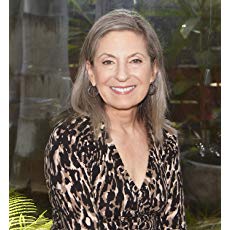
Madeline also co-authored Blue-Collar Women: Trailblazing Women Take on Men-Only Jobs (New Horizon Press, 1994), co-edited the poetry anthology, The Great American Poetry Show, Volumes 1, 2 and 3, and wrote the poems for two photography books, The Emerging Goddess and Intimacy (Paul Blieden, photographer). Her poems have also appeared online and in print magazines, e.g., in the 2016 Porter Gulch Review, Yellow Chair’s In the Words of Womyn 2016 anthology, Story Circle Network’s journals and anthologies, the Best of Poetry Salon 2013-2018, and the Vine Leaves Literary Journal: a Collection of Vignettes from Across the Globe, 2017. And her articles have appeared in the Huffington Post, Naturally Savvy, Aging Bodies, PsychAlive, Story Circle Network’s HerStories and One Woman’s Day blogs, and the Memoir Network blog. One of Madeline’s essays has also appeared in the My Gutsy Story Anthology by Sonia Marsh.
Madeline also co-edited Volumes 1 and 2 of The Great American Poetry Show, a poetry anthology, and wrote the poems for two books of photography, The Emerging Goddess and. Besides having many poems published in print and online magazines, writes regularly for Naturally Savvy, and occasionally for PsychAlive, Open to Hope,and Journeys Through Grief and The Huffington Post.
Madeline Sharples launches her tour of “Papa’s Shoes” with an insightful interview and giveaway at the Muffin!
June 4th @ Coffee with Lacey
The lovely Lacey reviews “Papa’s Shoes” by Madeline Sharples and shares her review with readers at Coffee with Lacey. This is a blog stop and review readers won’t want to miss!
Lisa Haselton interviews well known author and memoirist Madeline Sharples about her latest novel “Papa’s Shoes” – the story of a Polish shoemaker and his family as they settle in America. This insightful interview is one you won’t want to miss!
Beverley A. Baird shares her thoughts after reading the touching story of a Polish shoemaker and his family as they settle in America – “Papa’sShoes” by Madeline Sharples is a book that is sure to please readers!
Today’s guest author at Words from the Heart with Linda Neas is none other than well-known author and memoirist Madeline Sharples. Today, her guest post is titled “How I reinvented myself from a technical writer and editor to a creative writer – and at my
age.” Heart from Madeline and learn more about her latest novel “Papa’s Shoes”!
Last week, readers at Words from the Heart with Linda Neas read a guest post penned by Author Madeline Sharples and today, Linda will share her review of Madeline’s latest novel “Papa’s Shoes”. This is a blog stop you won’t want to bypass!
Fellow author and memoirist Linda Appleman Shapiro shares her review of “Papa’s Shoes” by Madeline Sharples. Don’t miss Linda’s insight into this touching story of one Polish shoemaker and his family as they move to America!
Nicole Pyles reviews the latest best selling novel “Papa’s Shoes” by Madeline Sharples – readers will delight to hear what Nicole thinks of this crowd pleasing story of one Polish shoemaker and his family!
Vicky Brinius reviews “Papa’s Shoes” by Madeline Sharples. Find out how she feels after reading this touching story of one Polish shoemaker and his family as they settle in America.
Fellow author Anthony Avina reviews “Papa’s Shoes” by Madeline Sharples – this is a touching story of one Polish shoemaker and his family as they settled in America.
Amanda of Amanda Diaries reviews Madeline Sharples latest novel “Papa’s Shoes” – read Amanda’s review and add this lovely story to your TBR pile today!
Readers at Anthony Avina’s blog will delight with today’s guest post and author interview with Madeline Sharples – learn more about her and her latest work!
Lisa Buske shares her review of “Papa’s Shoes” – the latest novel by Madeline Sharples and a touching story of one Polish shoemaker and his family as they settle in America.
August 12th @ Kathleen Pooler’s Memoir Writer’s Journey
Readers and writers alike will want to stop by Memoir Writer’s Journey to hear from Kathleen Pooler and friend / fellow author Madeline Sharples as they discuss Madeline’s latest book “Papa’s Shoes”.
Tell us a little bit about yourself. How did you get into writing?
Most authors will tell you they’ve been writing all their life. They’ll say, “I’ve been writing since I could hold a pen.” Well, technically, that’s probably true, if you count a few illegible scribbles. And I suppose I have been illegibly scribbling since way back when, too. But the better response would be that I really started writing in High School. I wrote unspeakably bad poetry for years and a great number of horrendous stories.
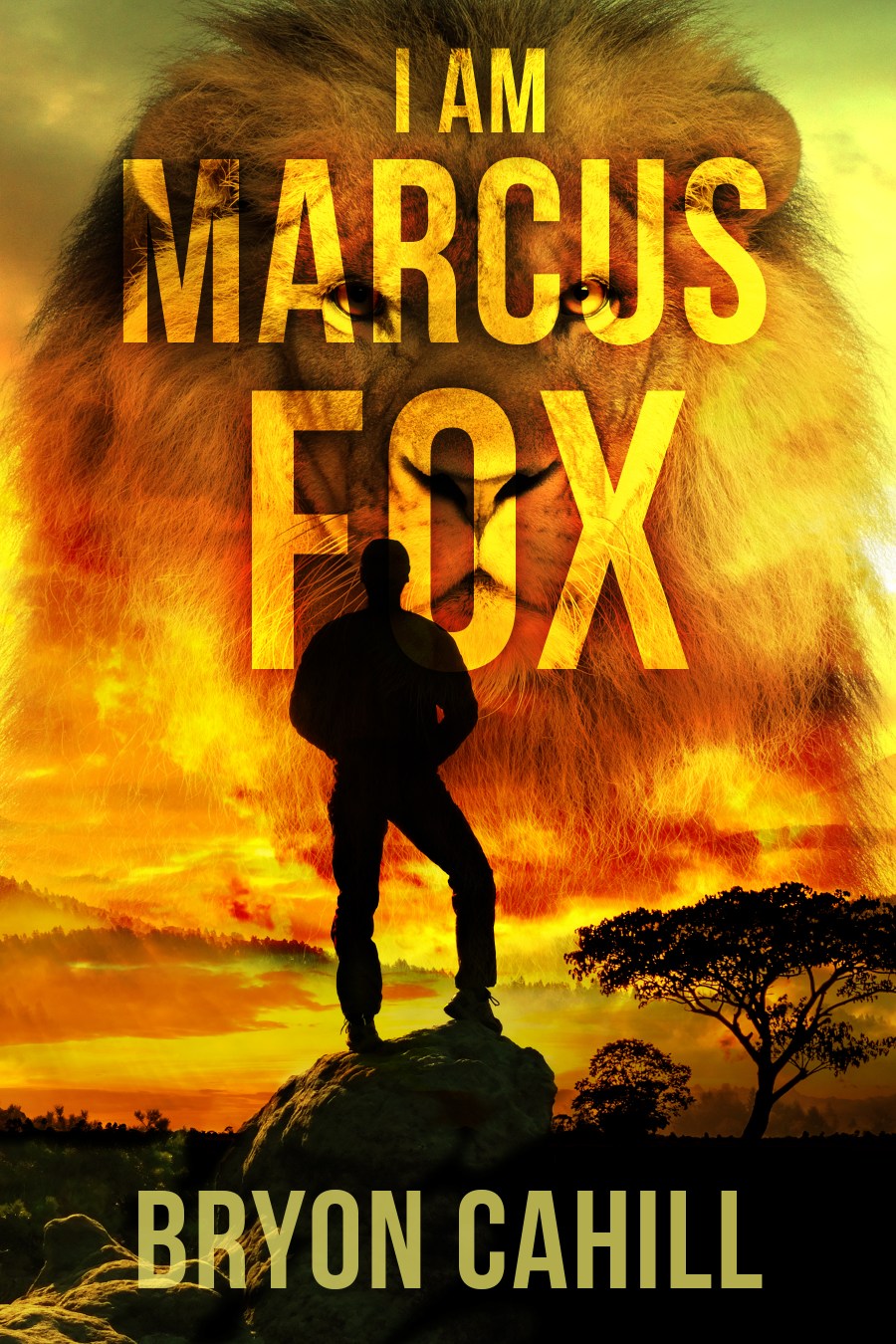
I majored in Writing at Marist College. That’s where I wrote my first novel. It was more trite garbage that will never see the light of day. Many more amateur, unpublishable books followed for years until I Am Marcus Fox came around. This was the first real, substantial thing I’ve been excited to share and put my own name behind.
What inspired you to write your book?
Honestly? My protagonist inspired me. He blasted his high-octane life into my head and poured himself onto my page. He grabbed me by the ears and demanded, “Listen! My story is electric! Write me!” What choice did I have? I fleshed him out and before I knew what hit me, Marcus was in charge, writing his own story. It was some next-level stuff. The man insisted on being a modern day Paul Bunyan braggart. But it’s hard to take anything he says without a heaping pile of salt grains. As much as I was honored to tell his tale, I still wonder who he might truly be, beneath it all.
What theme or message do you hope readers will take away from your book?
Fiction is stranger than truth. That’s sort of become my motto and I’ve been flaunting it all over the place. That’s not an entirely well thought out message, though. One major theme in the book that Marcus tries to grasp from time to time is: Can a person ever really know another? What goes on inside our heads? No one really knows but us. And sometimes, not even we are sure of our own thoughts and perceptions of the world. Indeed, it if left untidy, our minds can become quite messy.
What drew you into this particular genre?
Again, I have to give all credit to Marcus. I never intended to write his story but when he insisted that his life was brimming with action and adventure, I was compelled to explore it. As for the psychological thriller part of the literary mashup, I discovered along the way that my protagonist was either a) the world’s greatest bullsh*t artist or b) a couple zebras short of a dazzle. And if it was the latter, I was going to have to do a lot of research on native Zambian animal tribes.
If you could sit down with any character in your book, what would you ask them and why?
There are plenty of characters in Marcus’ story who support him (or antagonize him). Some I would love to have a beer with and others I’d rather observe from a safe distance. But I think I’d most like to sit down with Marcus’ adopted father, Shumbuto. I’d ask him why he’s so sure of himself and his beliefs. Where does his blind faith come from and does he find it to be a strength or a weakness? Though most assuredly, he would give a non-answer, because he is a lovable, strong hearted, brilliant nincompoop.
What social media site has been the most helpful in developing your readership?
I’m still working on this one, Anthony. I have a Facebook and Twitter presence where I post my oh-so-wordy, sometimes witty bloggys, and do whatever all else it is people do on social media.
What advice would you give to aspiring or just starting authors out?
If you’re self-publishing, research everything you can before pushing the button. When you think you know it all, start over, re-read. Find new sources. Absorb more. And then when you finally do publish, you’ll probably do a lot of things wrong. Learn from them. That’s what I’m doing now. I’m learning the business. Yes, it is a business. As a writer, you probably only want to be creative. Of course there’s oodles of room for that but you have to wear all the other hats as well. There is an incredible learning curve. Maybe some day I’ll be off it but not anytime soon.
What does the future hold in store for you? Any new books/projects on the horizon?
I am currently drafting Book 2 in my Lost Identity series (I Am Marcus Fox was Book 1). I haven’t really advertised the series notion anywhere else. People don’t want to hear that you have a Book 2 coming out until Book 2 is actually written and has itself a pub date. Readers get burned all the time by writers who start a series with good intentions but then fall off the face of the earth. I have no intention of going anywhere. That said, who said anything about a Book 2? Wasn’t me. Bloody rumors.
I also should have a Middle Grade novel being released later this year and possibly the first book in a Young Adult series in early 2020. If you’d like to follow my progress, you can do so by signing up for my e-newsletter on my website at http://www.bryoncahill.com. There’s a free gift in it for you, if you do! Spoiler alert: It’s a short story about how Marcus Fox’s parents met each other.
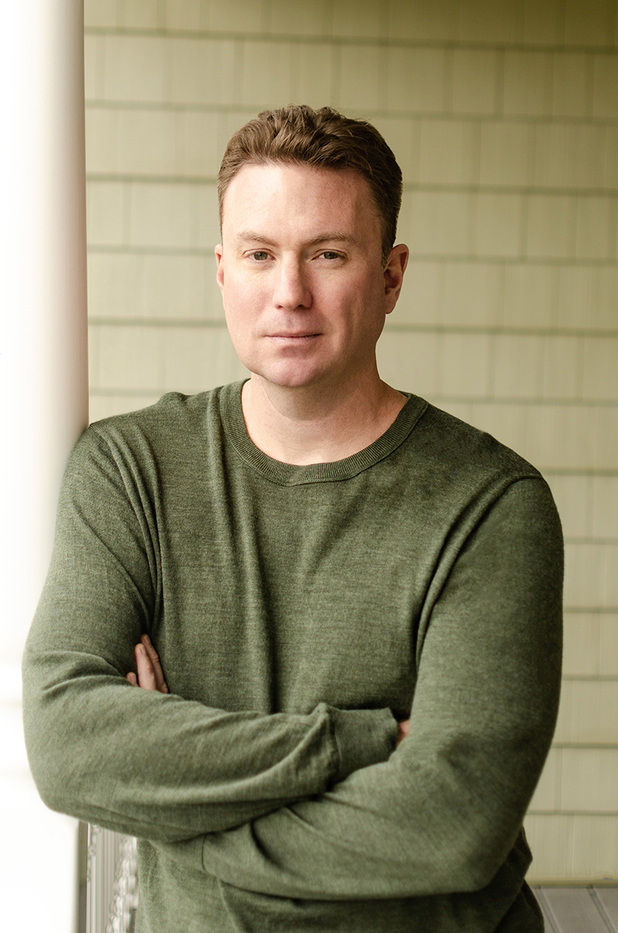
Bryon Cahill is an author for all ages. A Stay-At-Home Dad by day and night, he writes by proverbial candlelight in the wee strange hours of morning. REPORT THIS AD
In the past, Bryon was an award-winning writer and editor of literary publications for teens. His stories, influenced by phantasmagorical classics such as Lewis Carroll’s Alice’s Adventures in Wonderland, do often steer off-course, alighting on the wings of the fantastical.
When not writing or Dadding, Bryon dreams of sleeping sheep. He summers, winters, springs, and falls with his loving family along the sunny beaches of the Jersey Shore.
I Am Marcus Fox is Bryon’s debut novel for adult readers. It will be available for human consumption on May 7, 2019.
Novels steeped in magical realism for young adult and middle grade readers are forthcoming, as is more fiction for adults.
Author Anthony Avina here. How is everyone today? I’m here to introduce this amazing guest blog post from writer Emmanuel Nataf on the five mistakes authors make on their first time writing books. I hope you guys will enjoy this amazing article and be sure to follow Emmanuel on all of his writing adventures!
Aristotle wrote, “For the things we have to learn before we can do them, we learn by doing them.” In other words, there’s literally no way to learn certain things other than by actually doing them — and writing a book is one such thing.
That being said, aspiring authors can definitely prepare themselves for the process of writing a book by learning from others. With that in mind, here are five common mistakes first-time authors make — and how to avoid them!
If your preferred method of writing is to let your pen lead the way, then you’re probably a big fan of freewriting — which is a great exercise! But, in general, setting out to write a book without creating at least a loose outline tends to result in an ever-growing pile of unfinished manuscripts.
Just like you would consult a map to help you drive from Point A to Point B in unfamiliar territory, creating an outline before you start writing a book can help you get from “Once upon a time” to “Happily ever after.” Simply check your outline any time you feel you’re starting to lose the plot.
Here are three popular outline methods you can try out:
The Beat Sheet — makes note of just the book’s significant beats (important incidents in the story). Check out an example of Toy Story 3 mapped out by just it’s beats here.
The Character Driven Outline — maps out a story through character development.
The Synopsis — a detailed and holistic story outline that touches on all important story aspects: characters, conflicts, themes, etc.
2. Not getting to know their characters well enough
If you were to go on an extended trip with someone you barely know, chances are that conflicts of personality or unexpected challenges would come up. However, if you were to travel at length with someone you know well, you would already have an idea of how to navigate any potential conflicts, and would likely find your journey a bit smoother.
Writing a novel is like going on a trip with your main character(s). You’re going to be spending long hours with this character, exploring unfamiliar territory together, and basically relying on one another for a meaningful outcome. So before you set out on the journey of writing a book, get to know your protagonists as much as possible.
In-depth character development involves more than simply coming up with a memorable character name. A great way to get to know your protagonist a little better is by simply asking “them” questions. I know that might sound silly, but the more you ask, the more you’ll answer! To get started, check out Arthur Aron’s 36 Questions That Lead to Love or The Proust Questionnaire.
3. Not reading at length in their genre
If you’re writing a science fiction novel, chances are you’ve probably read Frankenstein, The Time Machine, and other sci-fi classics. It’s unlikely that someone who’s never read a single fantasy novel will suddenly decide to write a book involving an intricate magical system.
That being said, there’s a difference between reading for pleasure vs. to understand a genre.
If you’re planning to write genre fiction, pick up some classics as well as some newer publications before you begin. Read them with a discerning eye, looking for tropes that pop up again and again, new elements that the books bring to the table, and trends that have come and gone within the genre. This will help you get a sense of readers’ expectations, how to ensure your book stands out, and whether your story feels timely.
4. Not devoting enough time to developmental editing
While every writer knows the importance of meticulous proofreading, it can be tempting to rush the stage that comes before a proofread: developmental editing, which involves fine-tuning the story. It can be difficult for authors to do this themselves, as they’re often too close to the story and might not recognize things like plot holes or unclear worldbuilding. So it’s a good idea to consider working with a professional editor or beta readers.
If you do decide to do your own developmental editing, here are a few questions to keep in mind as you edit:
Language: Are there any words frequently repeated throughout the manuscript? Are there too many instances of passive voice? Are there filler words that can be removed?
Characters: Does the development of the character match the development of the narrative? Are there any instances where a character acts inconsistently?
Structure: Does the sequence of the scenes feel logical? Is the structure easy for readers to follow? Does the structure of the scenes allow the story to develop in the best way? Are there any scenes that aren’t completely necessary to the story?
Plot: Are there any plot holes? Are there any plotlines that are unresolved?
5. Not following the golden rule: show, don’t tell
This is one of those “rules of storytelling” you hear so often, it’s hard not to roll your eyes when it comes up. And while there’s nothing that encourages you to break the rules quite like art, there are certain tricks of the trade that are long-standing for a reason. “Show, don’t tell” is one of them.
But what does it actually mean? Well, showing instead of telling aims to immerse readers in a story by putting us in the character’s shoes. Instead of saying “Joe was shy,” we see Joe off to the side at a group event, nervously playing with his cufflinks, avoiding smalltalk by texting on his phone. As Anton Chekhov put it: “Don’t tell me the moon is shining. Show me the glint of light on broken glass.”
While the best way to learn anything is by making mistakes — and then learning how to fix them — I hope this post will help you sidestep some of the more common ones so that you can focus on simply telling a great story.
Emmanuel Nataf is a founder at Reedsy, a marketplace and set of tools that allows authors and publishers to find top editorial, design and marketing talent. Over 4,000 books have been published using Reedsy’s services.
1) Tell us a little bit about yourself. How did you get into writing?
I started writing around the age of 12. I’d been quite illiterate to begin with because I missed out on a lot of schooling. I wrote indecipherable poetry filled with angst—stream-of-consciousness diary entries about wanting to get away from my abusive situation. It wasn’t until I started reading my favorite writers before I’d make any attempt at any real writing. I never wrote full time because I also played the drums and painted. I was most serious about music at the very start.
I fell in love with authors like JD Salinger, Tom Robbins, and Charles Bukowski and buried my nose in everything they wrote. Salinger’s Nine Stories made me want to be a short story writer. Then, I read Bukowski’s Ham on Rye and that truly changed my life forever. He gave me a lot of freedom to be myself as an artist. Then came John Fante, He’s now just about my favorite writer.
2) What inspired you to write your book?
I always knew I’d write this book. I just didn’t know if I’d ever publish it. Not as nonfiction anyway. I’ve always written autobiographical fiction and wrote a lot of dark comedy stories about my family. I figured I’d put them together as a collection or something, but I didn’t think I could string them into one long book. I didn’t believe in myself enough. I’d tried to write whole novels in the past and failed. Eventually, I wanted to try again. And again. And again. It took me almost a decade to finish this book, and as the years went on,Shrapnel took several different directions.
3) What theme or message do you hope readers will take away from your book?
I really don’t have a direct intention for what my readers should or shouldn’t take away. This is the same philosophy I have with putting any of my art out on display. The work has two lives; the one it’s lived with me during its process, then the life it lives once it’s completed. It now lives with the audience and becomes their personal, individual experience. I can only hope people can identify with it on some level.
Interestingly enough, I’d mostly been inspired by fictional stories that were written in a nonfiction, first-person format, such as Alice Walker’s The Color Purple, Pushby Sapphire, Bastard Out of Carolina by Dorothy Alison, and Bee Season by Myla Goldberg. Dorothy Allison’s book is based on her real life and I originally wanted to take this approach, but my partner, Michael Phillips (also a writer), got me to change it to nonfiction. He got me to see how much more powerful it could be. I didn’t think anyone would believe it, and frankly I was fearful of putting my story out there. Now I’m grateful for his encouragement because it’s made me a stronger person.
5) There were quite a few different sides to your story that were heartfelt, emotional and powerful enough to convey your struggle to the reader. In regards to your experience within Scientology, if you could sit down and ask any of the leaders of the group a question or confront them in any way, what would you want to say to them?
I do not think anything I could ask or say to the leader, David Miscavage, that would ultimately change anything. As far as I’m concerned, and as the public continues to hear evidence of the stories regarding his abuse and destruction, he is a megalomaniac with blinders on. He has no conscious when making his ends meet, whatever they may be. Challenging his motives would only make things worse for his enemies and Scientologists alike.
Having once been a devout Scientologist, I’d rather address Scientologists in general and ask that they try to consult their gut. I would tell them that people that speak out against religions that abuse their members are not evil. Cutting off a dialogue with them doesn’t fix the situation. Disconnecting from people labeled “suppressive” only further isolates your mind to stick with like-minded Scientology kin. How will you find understanding with the rest of the world that way? And are you really the one who controls your communication?
6) What social media site has been the most helpful in developing your readership?
Keeping a blog is key, as well as slowly adding to my mailing list. I put out a newsletter a few times a year and am careful not to “spam” my list with too many superfluous email blasts. I make sure I announce my blog posts on all my social media outlets. Facebook and ello are my most successful.
7) What advice would you give to aspiring or just starting authors out there?
You can always get better at writing by reading. Read a lot and a wide range of genre. Don’t give up, but don’t try too hard either. Try not to listen to other people’s opinions—that may possibly kill the best thing about your style and voice. Just be mindful of it anyway, because not everyone knows what they’re talking about. Strunk & White’s Elements of Style is almost the only thing you’ll ever need. But if you like spending $100K on college, do what you like.
The most important piece of advice I have is: despite rejection at seemingly every turn, you can do this. We are all stronger than we think.
On a separate note, if you were to be able to speak to anyone who has questioned the practices of Scientology or has been approached to possibly join the group, what would you want to say to them or what advice would you want to give them based on your own experiences?
I feel I’ve pretty much answered this and choose not to dig a deeper hole. But I would refer current members of Scientologists to Dr. Robert J. Lifton’s Eight Criteria to reevaluate their situation.
8) What does the future hold in store for you? Any new books/projects on the horizon?
Right now I am finishing up new artwork for my big book launch and solo exhibit at the gallery that represents me in Los Angeles, Craig Krull Gallery. The show opens Saturday April 13th, 2019 at 4pm with a reading and a short Q&A. I will then sign books until the artist’s reception that goes from 5-8pm. The show runs until May 25.
I’m also putting the finishing touches on the special lettered edition of Shrapnel in the San Fernando Valley, which is limited to 30 copies only. It is hard-bound in linen and comes with original artwork inside.
I plan to take a short hiatus over the summer and begin working on a book of short stories in the fall. I’d like to publish them with watercolor illustrations by 2020.
Looking for help to take control of your own mental health and seek the help you need? I’m happy to share this amazing link to BetterHelp for advice on where you can turn if you are feeling sad. Just click the link below!
Carol Es is a self-taught artist, writer, and musician born in Los Angeles. Using a wide variety of media, she is known for creating personal narratives that transform a broken history into a positive resolution. Her paintings, drawings, installations, videos, and books have been exhibited nationwide in venues such as Riverside Art Museum, Torrance Art Museum, Lancaster Museum of Art and History, and Craft Contemporary in Los Angeles. Some of her works can be found in the collections at the Getty and the National Museum of Women in the Arts in Washington, DC. Her collaborative film was also featured in the 2015 Jerusalem Biennale.
Awarded many honors, including several grants from the National Arts and Disability Center and California Arts Council, she is a two-time recipient of the ARC Grant from the Durfee Foundation, a Pollock-Krasner Fellowship, and the Wynn Newhouse Award. She has written articles of art critique for the Huffington Post and Coagula Art Journal, as well as having poetry published with small presses. She also received a writing grant from Asylum-Arts—a Global Network for Jewish Culture.
Editor’s Note: This is Anthony Avina, and I wanted to personally welcome author Carol Es to my website. This insightful and honest article was something I wanted to share with you all, and I couldn’t appreciate it more that Carol took the time to write it for us. I hope you guys enjoy it. Now on to Carol’s article…
When people ask what inspires me, I never know what to say. Not because I’m lacking in the inspiration department—it’s just too general a question. “Everything,” I’ll say. If asked what my inspiration might be for something specific, you probably won’t be able to shut me up.
As both a writer and a visual artist, my work is predominantly autobiographical. I love anything with a narrative. Stories move me to create, they draw me in and take me on an escape, like a drug. When combining writing with art together, all the better. I have made many Artist’s books that mish-mash art and words, a genre unto itself, and it’s mostly what I’m used to working in.
However, I’ve been writing short stories and poetry since I was a kid. I wrote a screenplay when I was 17-18 that I never finished. (It was terrible.) Throughout my 20s, I made several attempts at writing novels, but had never been able to get more than 50 pages in. Most of the fiction I wrote was autobiographical. I’ve been inspired by authors Charles Bukowski since I was a young teenager, and later John Fante. It’s not that I wanted to write in either of their styles, but I wanted to be able to evoke a similar feeling from my writing.
Still working on that.
It was nerve-wracking writing in nonfiction, though I think it drove me to finish an entire book. At first, I didn’t write about myself much at all. I found the stories of people much more interesting, and so, I’ve written Shrapnel in the San Fernando Valley several times over. It was hard to come to grips with, but a memoir is supposed to be self-indulgent. It just feels uncomfortable. I had to carve out an honest story and reveal my raw self to the world. It’s risky business.
Along the way, I probably couldn’t have finished it without bits of inspiration. My partner, Michael Phillips, also a writer pushed me and supported me immensely. I was also absolutely dazzled after seeing Jonathan’s Caouette’s documentary art film, Tarnation.
Caouette took 20 years of home movies, snapshots, and answering machine messages, stuck them into a blender and came out with a unique examination of his early life—his tumultuous childhood with his mentally ill mother. How could I not identify with that? My mother was bipolar.
This incredibly brave movie deeply inspired me to stop apologizing for my own dysfunctional family and embrace them as my muse. I also began to see the strength in vulnerability instead of viewing it as a weakness.
But I had been wanting to write this book in one version or another for a long time. At the start of it, I began to think back some 20 years when I lived off of Laurel Canyon—a winding road through the Santa Monica Mountains that connects the southeast San Fernando Valley to West Hollywood in Los Angeles. It was the most inspired time and place for me.
A few people in the apartment building I lived in donated books in the laundry room and we’d all give and take them. Once I found a big hardcover book that got me really into my Jewish genealogy (Finding our Fathers by Dan Rottenberg), which sent me on a wild and freaky ride to nowhere. Or maybe it sent me to a sad wasteland. I never quite got to the bottom of my family search, but I got a lot of stories from all the digging I did. Shrapnel in the San Fernando Valley actually began with my parents’ backstories, but most of it wound up on the cutting room floor as they say.
Once I’d been working on the book for a couple of years, I found even more inspiration in Myla Goldberg’s Bee Season. I’d been living in San Pedro and picked it up at the free clinic, much in the same way I did Finding our Fathers.
Though Bee Season isn’t a work of nonfiction, it changed the way I saw memoir writing. It’s written from a young girl’s point of view looking back as an adult woman. She recalls the span of time in her life when she was able to win over her father’s love by excelling in national spelling competitions. Though I’m no good at spelling, I really identified with the character who was the youngest in a Jewish family of just four. She’s also been severely overshadowed by her older brother. More than her thoughts and desires to be loved, it was the way she was able to bring in each of her family members’ backstory so seamlessly. I loved that and wished I could have done that. Perhaps in the future.
I get wildly excited and inspired by other visual artists too. I’ll fall in love with painters, i.e.: Amy Sillman, or Lisa Sanditz. I’ll want their work to influence mine. Inevitably, it is nearly impossible to duplicate the same feelings or techniques because everyone has there own thing. My work always winds up looking like all my other paintings. It’s frustrating because I often like other artist’s work much more than my own. That happens. That’s life, I guess. We aspire to be better and are inspired by the beauty that surrounds us and keep on going.
Looking to find counseling to help you take control of your mental health journey? Check out BetterHelp to find the online counseling that will best help you.
Author Bio
Carol Es
Carol Es is a self-taught artist, writer, and musician born in Los Angeles. Using a wide variety of media, she is known for creating personal narratives that transform a broken history into a positive resolution. Her paintings, drawings, installations, videos, and books have been exhibited nationwide in venues such as Riverside Art Museum, Torrance Art Museum, Lancaster Museum of Art and History, and Craft Contemporary in Los Angeles. Some of her works can be found in the collections at the Getty and the National Museum of Women in the Arts in Washington, DC. Her collaborative film was also featured in the 2015 Jerusalem Biennale.
Awarded many honors, including several grants from the National Arts and Disability Center and California Arts Council, she is a two-time recipient of the ARC Grant from the Durfee Foundation, a Pollock-Krasner Fellowship, and the Wynn Newhouse Award. She has written articles of art critique for the Huffington Post and Coagula Art Journal, as well as having poetry published with small presses. She also received a writing grant from Asylum-Arts—a Global Network for Jewish Culture.