Interview with Author Michael Ede

1) Tell us a little bit about yourself. How did you get into writing?

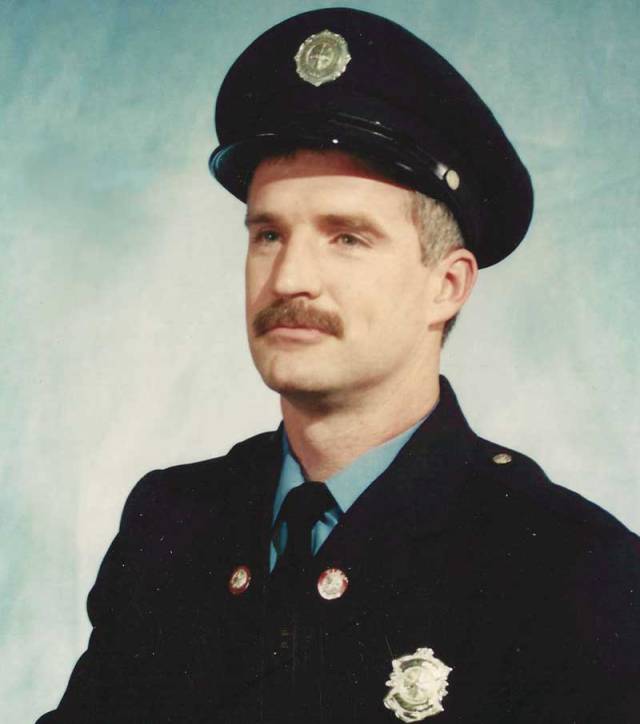
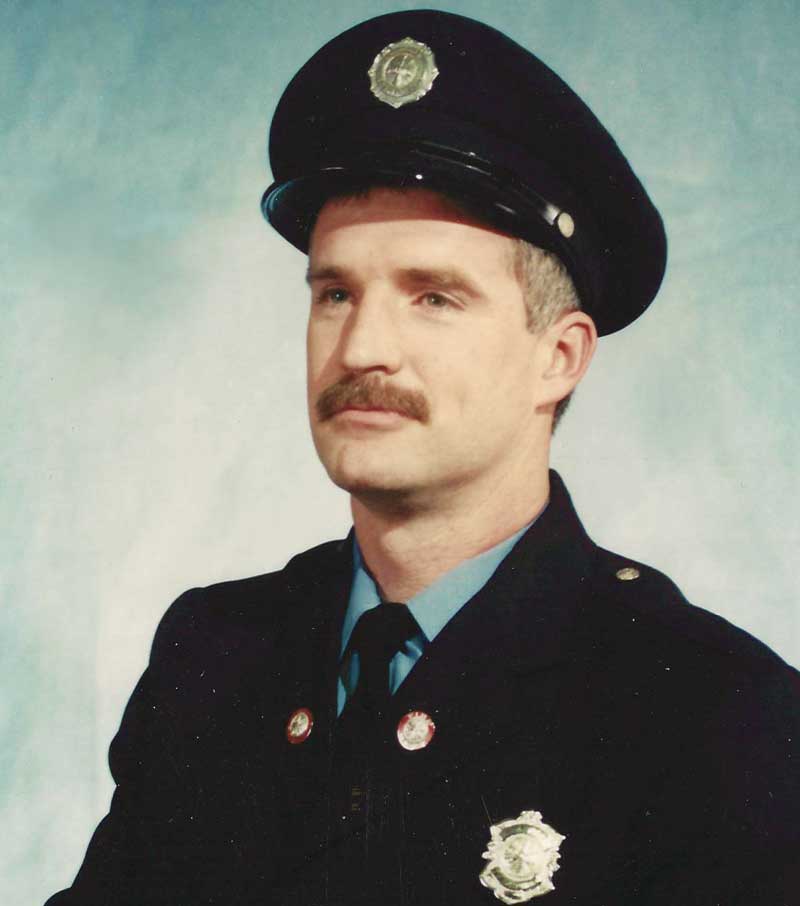
I am 68 years old now. I come from a family of 9 children, 7 boys and 2 girls. I was born and raised in Akron, Ohio and lived there my entire life. I have been married to my wife Lynn for 36 years. We have two adult children, Michael and Shannon. We have 3 grandsons- 4 year old Jack and 3 year old identical twin boys, Parker and Henry. The children and grandsons are our world! I attended Catholic elementary and high schools and completed almost 2 years of college at Miami, Ohio, Kent State and Akron University. After various boring jobs I became an East Cleveland  firefighter at the age of 31. I spent my entire 26 year career in East Cleveland and retired at the age of 58. I got started in writing almost by accident. I never really had  a desire to write a book. After working in East Cleveland for a few years I decided that, because of all the unusual and outrageous events that seemed to occur on a regular basis, this story needed to be told. I felt like I was a decent writer so I decided to give it a go. I decided that the book would be a start to finish compilation of a career firefighter. I knew that the book would take years to write. Little did I know that writing a book was not so easy. I gained a new respect for authors. I now understand what writer’s block is. It took me over 20 years to get this book done! 

Advertisements

2) What inspired you to write your book?

I think what inspired me most to write the book was the unique and unusual events that took place at the emergency scene as well as inside the engine house. The average Joe would never experience events like these. I remember a fellow firefighter remarking that “you can’t make this shit up” and “working in East Cleveland is like writing a book that writes itself”. That was so true! So I decided then to compile information. I wrote down as they occurred, unique and unusual fires, rescues, extreme emergency medical runs, as well as comedic instances, as there were many. As I gathered information I realized that it would make the most sense to make this a story of a new recruit firefighter and what he experiences over his entire career and finally into his retirement.

3) What theme or message do you hope readers will take away from your book?

I hope that readers will gain an appreciation of what a firefighter goes through on a daily basis. The nights when they get no sleep and are called to fight multiple fires, wearing wet carcinogen laced, stinky gear, in the dead of Winter, and it takes a couple days for your body to recover. The call for an infant not breathing or choking on a foreign object. The shooting of a young man who is tossed to the sidewalk in broad daylight. The numerous horrific vehicle accidents and car fires where bodies are burnt up so bad that they are unrecognizable! The list goes on. I didn’t want the readers to think that I felt like all firefighters were heroes, because they are not. They need to earn the label of true hero. I just wanted people to see inside our world and gain an appreciation for what firefighters go through on a regular basis.

4) What drew you into this particular genre?

 I was drawn into this genre because it was the perfect fit for me, being a career firefighter. I probably could have written a book on golf or painting houses, two things that I am quite familiar with, but who cares about that? Writing about firefighting seemed like a no brainer. Firefighting is hardly as simple as ” putting the wet stuff on the red stuff”. It is much more complex and strategic than most people think. I realized that most people don’t know much about what the life of a firefighter is all about. So I chose this genre because firefighting is both informative and extremely exciting at times. I knew that there is an audience out there for this type of book.

Grafton Mini Pen

5) What social media site has been the most helpful in developing your readership?

As far as social media promotion of my book goes, Facebook has helped sell the most books. Friends and familiy and Facebook posts/shares, have been the most helpful to me. I realize that social media marketing would really give the book sales a nice boost but I haven’t been very active on Twitter, Instagram or Tik Tok. It takes a lot of followers to move the needle and I dont have the time or desire to try to gain followers. I know very little about how to promote a new book on social media.I may try to hire a freelance social media marketer to promote the book if I can find a reputable one who is fairly priced. If not I am OK to market the book here and there as opportunities arise. Regardless I am pretty much ecstatic to finish the manuscript and get the book published. I can now proudly check this one off my bucket list. It feels good to call myself an author.  

6) What advice would you give to aspiring or just starting authors out there?

The best advice I can give to a young aspiring author is to never give up. If writing a book is what you want to do, then realize that it is not easy but anyone can do it. If you put your mind to it and persevere you will get it done. I am a prime example of that. There were many times during the course of writing this book that I put it on the back burner for months at a time. Sometimes I wanted to give up. But I always eventually got back to it. Realize that you will get writer’s block and when you do, just take a break and don’t get stressed out. Have fun with it and enjoy your creation. Read it over and over and continue to edit the manuscript. Hire a professional editor when you are finished. It will be money well spent. But most of all don’t give up if you truly believe in your story. The same goes for publishing the book. Don’t quit until you find the right publisher. There are many great helpful publishers out there just waiting to share your story. Don’t give up! 

7) What does the future hold in store for you? Any new books/projects on the horizon?

I am most likely “one and done” as an author but you never know. I cannot rule out writing another book but it isn’t in my near future. I realize that writing a book is quite challenging, probably more so for people like me who kind of got into the role of author unexpectedly. I enjoyed writing my book but I really enjoyed it when it was finished and sent to the publisher. Then to see the covers and photos and book in print was quite amazing. I am proud to be a part of the group called “author”. It was not easy but I am extremely satisfied to hold the finished paperback in my hand and realize that I accomplished something pretty cool!

Advertisements

About the Author

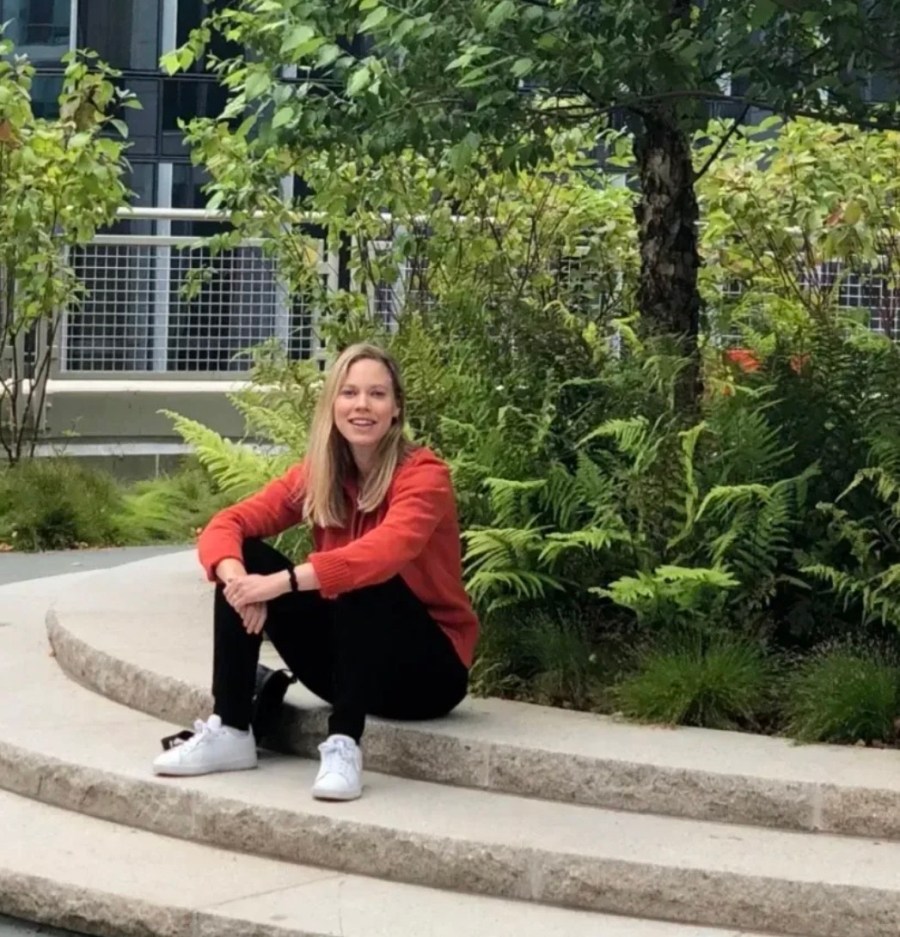
Author of the book, Working Fire in East Cleveland, lives in AKron Ohio with his wife, and has two adult children… one of them is a firefighter.

https://amzn.to/44uTpEI

BLOG TOUR: ZACHARY: A SEAGOING COWBOY BY Shirley Miller Kamada EXCERPT

Book Summary

Zachary Whitlock knows sheep. He knows farming and knows what it’s like to have his best friend forced into an internment camp for Japanese Americans. What he does not know much about is goats and traveling by sea on cargo ships, yet he makes a decision to go with a group of volunteers to Japan to help deliver a herd of more than two hundred goats, many of which are pregnant, to survivors of the U.S. bombing of Hiroshima and Nagasaki.

Publisher: Black Rose Writing

ISBN-10: 1685136400

ISBN-13: 978-1685136406

ASIN: B0FGVFJGVG

Print length: 135 pages

Book Links:

Black Rose Writing: https://www.blackrosewriting.com/historicaladventure/p/zachary

Amazon: https://www.amazon.com/Zachary-Seagoing-Shirley-Miller-Kamada/dp/1685136400/

Bookshop.org: https://bookshop.org/p/books/zachary-a-seagoing-cowboy/7abbf249813d25c0

GoodReads: https://www.goodreads.com/book/show/237980236-zachary

Advertisements

About the Author

Shirley Miller Kamada grew up on a farm in northeastern Colorado. She has been an educator in Oregon, Idaho, and Washington, a bookstore-espresso café owner in Centralia, Washington, and director of a learning center in Olympia, Washington. Her much-loved first novel, NO QUIET WATER, was a Kirkus recommended title and a finalist for several awards. When not writing, she enjoys casting a fly rod, particularly from the dock at her home on Moses Lake in Central Washington, which she shares with her husband and two spoiled pups.

You can follow the author at: 

https://shirleymillerkamada.com/

https://www.instagram.com/shirleymkamadaauthor/

https://www.facebook.com/ShirleyMillerKamada

https://www.facebook.com/shirley.miller.1042032

https://bsky.app/profile/shirleymkamada.bsky.social

Blog Tour Calendar

November 3 @ The Muffin

Join us at the Muffin as we celebrate the launch of Zachary: A Seagoing Cowboy by Shirley Miller Kamada. We interview the author and give you a chance to win a copy of the book.

https://muffin.wow-womenonwriting.com

November 5 @ Words by Webb

Visit Jodi’s blog for her review of Zachary: A Seagoing Cowboy by Shirley Miller Kamada

https://www.jodiwebbwriter.com/blog

November 8 @ Sarandipity

Visit Sara’s blog for a guest post by Shirley Miller Kamada about Marshall strawberries.

November 10 @ Chapter Break

Visit Julie’s blog for a guest post by Shirley Miller Kamada about owning a coffee shop and bookstore.

https://chapterbreak.net

November 12 @ Storey Book Reviews

Visit Leslie’s blog for a guest post by Shirley Miller Kamada about the day her mother took a chainsaw to their sofa.

https://www.storeybookreviews.com

November 14 @ Nicole Writes About Stuff

Visit Nicole’s Substack newsletter for a weekend contribution by Shirley Miller Kamada.

https://nicolepyles.substack.com/

November 18 @ Reading is My Remedy

Stop by Chelsie’s blog for a review of Zachary: A Seagoing Cowboy by Shirley Miller Kamada.

https://readingismyremedy.wordpress.com

November 20 @ Lisa Haselton’s Reviews and Interviews

Stop by Lisa’s blog for an interview with author Shirley Miller Kamada.

November 21 @ A Wonderful World of Books

Visit Joy’s blog for an excerpt from Zachary: A Seagoing Cowboy by Shirley Miller Kamada.

https://awonderfulworldofwordsa.blogspot.com/

November 24 @ Author Anthony Avina’s blog

Join Anthony for an excerpt from Zachary: A Seagoing Cowboy by Shirley Miller Kamada.

https://www.authoranthonyavina.com

November 25 @ Word Magic

Visit Fiona’s blog for a guest post by Shirley Miller Kamada about why so few people know about the U.S. firebombing of Tokyo.

https://fionaingramauthor.blogspot.com

November 27 @ A Storybook World

Visit Deirdra’s blog for her spotlight of Zachary: A Seagoing Cowboy by Shirley Miller Kamada

https://www.astorybookworld.com/

November 30 @ Author Anthony Avina’s blog

Visit Anthony’s blog for his review of Zachary: A Seagoing Cowboy by Shirley Miller Kamada.

https://www.authoranthonyavina.com

December 1 @ Reading is My Remedy

Stop by Chelsie’s blog for Shirley Miller Kamada’s guest post on learning that her grandfather helped build the internment camp at Minidoka in southern Idaho.

https://readingismyremedy.wordpress.com

December 2 @ CC King’s blog

Join Caitrin as she features a guest post by Shirley Miller Kamada about how the character of Zachary developed.

https://www.caitrincking.com/blog

December 4 @ Sandy Kirby Quandt

Visit Sandy’s blog for her review of Zachary: A Seagoing Cowboy by Shirley Miller Kamada

https://sandykirbyquandt.com/

excerpted from Zachary: A Seagoing Cowboy

by Shirley Miller Kamada

Black Rose Writing, Aug. 14, 2025

ISBN: 978-1685136406

CHAPTER FOUR

Floyd Schmoe and the Big Leaf Maple

Early spring, 1948. An American Friends Service Committee meeting was in progress in our house. Several items of business were being discussed by a team of five members, who sometimes arrived with their children and occasionally a dachshund named Parker.

I sat in our big leaf maple tree, properly termed genus acer macrophyllum, which my older brother Jacob once said was planted as a memorial, although for what or whom, I don’t know. With my back against its trunk, and my feet wedged into the crooks of its limbs, I’d long felt I was a part of that tree. Behind my ear a pencil, on my lap a clipboard and my trigonometry assignment. I could work on assignments and keep an eye on the lambs out in the pasture.

Trigonometry is the key to any number of pursuits. Medicine. Engineering. Agricultural science. It was offered at Bainbridge High during the senior year, but I wanted to challenge it. I had enough credits to graduate early, except for a math course, and math was my strong suit.

High school. I felt like I was just marking time, and I wanted to be finished with it.

Then what? I had a part-time job with the island’s newspaper, first as a paper boy. (Of course, not all paper boys are boys. When we were eighth graders, my friend Reyna had a paper route.) Later, I took over what my employers called “the high school beat” and Young Farmers 

16 ZACHARY

news. But I was nearly seventeen, and I wanted more. Maybe university? Maybe travel? I wanted to expand my horizons, as the phrase goes.

So, I went to the bank, took money from my account, purchased a money order, and mailed it to the American School of Chicago, Illinois. Fully accredited. Trigonometry was tough. And I liked that. It was fun.

From the pasture I heard a quiet mewling. A tiny woolly being, born early and wobble-legged still, was getting some sun and fresh air and an introduction to the big, wide world. I knew the lamb was fine for a while longer. I could continue working and return the lambs to the loafing shed a bit later.

Twigs snapped, footsteps through the grass. “Hello.”

Standing below was a friend of my parents, Mr. Floyd Schmoe. A Quaker. A conscientious objector. Almost a legend.

My brother Jacob was, too. Not a legend, but a conscientious objector. Because he would not carry a gun, some people called him a conchie during the war. That’s rude.

Mr. Floyd Schmoe would not fight against the Central Powers in World War I. Violence all around. He would not kill. In Europe he worked with the Red Cross. Later, in Poland, he helped refugees find shelter, food, medical supplies.

He also worked for the Park Service at Mount Rainier as a naturalist and taught at the university in Seattle. Same as my parents, he and Mrs. Schmoe are American Friends Service Committee Observers. For the cause of fairness. Justice. They make it their business to visit places where people are being harmed for no fault of their own, but out of envy, prejudice, or greed, and they write about it.

“Room up there for one more?” Mr. Schmoe reached for a nearby branch. Long and lean, he levered himself up. “I’m interrupting you.”

“It’s okay. I’m stuck.” I tapped the clipboard with my pencil.

“You’ll figure it out. I asked after you, whether you were off to college.

Your mother said it would be a while. You’re a bit young still, she said.” “These are my trig calculations. I’m studying trigonometry by

correspondence, through American Schools.”

SHIRLEY MILLER KAMADA 17 

“American Schools? I’ve heard of that. Illinois, right? Trigonometry is usually taught in the senior year, isn’t it?”

“Yes, sir. But graduation? I want to get a jump on it. I feel ready to be done.”

“What courses do you still need, in order to do that?” “Just this—trigonometry.”

“I see! Well, your mother sent me, said I’d probably find you here, and she’s about to serve crumb cake.”

Lambs called from the pasture. “Nice flock.”

“Thank you, sir. They’re Lincolns.”

He braced to swing down. “I’ll be heading inside.”

“You can go back in through the window if you like.”

He grinned. “Thanks, that’s okay. I’ll tell your mother you’ll be in soon.” Leaving my clipboard in the tree, I got the lambs, bleating all the way, into the loafing shed. After climbing back up to retrieve my clipboard, I went in through the window and put away my math lesson. A sweet smell drifted through the hall door. Crumb cake.

One good thing about hosting a Friends Service Committee meeting is the food. Salads and desserts. Easy to pack in a car, handy to eat from a plate on the arm of a chair. Or on a lap. Mother has always kept linen napkins edged in her hand-crocheted lace for those occasions. No one expected me to sit through meetings, but sometimes it was interesting.

Pausing on the top step, I brushed grass and bits of leaves off my pantlegs, then retied a shoe lace. Mr. Schmoe’s voice carried up the stairs. He was telling committee members about a project, delivering donated farm animals to families in Japan who had lost their homes and livelihoods because of the war. I heard, “Bombs. Innocent victims of conflict. Hundreds of thousands on the edge of starvation.” I heard, “Goats. Cargo ship. Japan.” One of the Peace Churches was organizing voyages and supervising volunteers to care for the animals. Finding volunteers—he called them Cowboys, and friendly laughter followed—was not easy. Goats aren’t as familiar as horses and cows, the more typical farm animals. No way around it, caring for livestock is hard work.

18 ZACHARY

The conversation quieted then, and I wasn’t much interested in less exciting news.

As I sat there on the stairs, the seed was planted. It sprouted and grew like bindweed. I could not get it out of my head. Mr. Floyd Schmoe was going to Japan. By ship. With goats.

For Mr. Schmoe, this was a way to aid suffering people and, also, to be permitted to visit Japan, since the country was under occupation by the Allied Forces and closed to all but a few civilians. After getting the goats to their destinations, Mr. Schmoe planned to talk with people whose advice he needed to get started on a project he felt passionate about. Building houses for those made homeless when the atomic bomb was dropped on Hiroshima.

A feeling rushed through me. Shaken to my bones. The voyage, the animal care, helping families in need. I wanted to be part of that. All of it

As a member of the Young Farmers Club, I’d helped transport sheep to livestock judging competitions. YFC members worked together to pen and care for the sheep, sometimes for three days duration. Goats couldn’t be much different than sheep. I was sixteen going on seventeen. A couple hundred goats on a cargo ship to Japan? What could go wrong?

This was important, and I could do it. I knew I could. But how?

Downstairs, I enjoyed the cake and hot chocolate Mother had made for the younger guests and me. Later, I helped straighten the front room, as always, and on the floor, under the end table beside the couch, I found a pamphlet describing the Heifer Project. On the front was a drawing of cattle walking up a ramp onto a ship. A cargo ship, I thought. Tucked inside the pamphlet were several pages of questions and instructions. An application! Breathless, I found my favorite pen and went to my writing table. The questions seemed straight forward and reasonable. In answer to, “Do you possess any special skills that would be of value to the project,” I wrote, “I have cared for our family’s flock of sheep, which are ruminants, as are goats, since I could walk.”

SHIRLEY MILLER KAMADA 19 

20 ZACHARY

Giving “General Delivery,” as my return address, I signed and dated the application, slipped the pages into an envelope, licked the flap, and ran my thumb, twice, along the closing.

On Monday, when the school day was done, I took the application to the post office, bought and applied a stamp, and dropped the envelope into the slot. Just before I walked out the door, the postmaster called, “Hello, young Mr. Whitlock. Say hello to your folks for me.” I turned, lifted my hand and nodded, then went out to my bicycle. My stomach felt strange for a moment, but I pedaled toward home, and that feeling passed.

Interview with Author Sienna Ross

1) Tell us a little bit about yourself. How did you get into writing?

 I’m a 55-year-old with a 35-year career in sales, life coaching, and building and leading teams. Writing has been a passion of mine since childhood, and only now have I found the courage to publish my first book.

Advertisements

2) What inspired you to write your book?

 I was inspired to write my book by my friend’s and my own life experiences and the challenges I’ve overcome along the way. Writing has always been a way for me to process emotions and share stories, and I wanted to turn that into something that could resonate with and hopefully empower others.

3) What theme or message do you hope readers will take away from your book?

 The main message is that no matter how difficult life gets, there is always a chance to start over and find your way to well-being.

4) What drew you into this particular genre?

 I was drawn to this genre because the subject of physical and emotional abuse in relationships remains relevant year after year and many people are stuck in unhappy life.

Advertisements

5) If you could sit down with any character in your book, what would you ask them and why?

I would ask her how she managed to rise up again and again after everything she went through, because that strength truly inspires me. 

6) What social media site has been the most helpful in developing your readership?

TikTok 

7) What advice would you give to aspiring or just starting authors out there?

Be brave and trust your story and yourself!

8) What does the future hold in store for you? Any new books/projects on the horizon?

 I’m currently waiting for the audiobook version of Not Here Anymore to be released, and there will definitely be a sequel to this first book — with more books to come in the future.

Advertisements

About the Author

Welcome – I’m Sienna Ross, author of bold stories that follow people through love, loss, escape, and reinvention.

My writing blends raw truth with atmospheric storytelling — from violent pasts to distant cities, from painful goodbyes to unexpected strength.

I come from very humble beginnings, yet I started working at 17 and built my path through success in sales, team building, and leadership. As a licensed life coach, I have supported many people in overcoming obstacles and stepping into their true potential. My book carries the same mission: to remind readers that no matter the hardships, we all have the power to rise and create a life of strength and purpose

 If you believe that stories can heal, challenge, and empower — you’re in the right place.

Through my work, I help individuals overcome challenges, build resilience, and find the courage to move forward even when life feels unbearable. With a rare combination of business insight and human empathy, I bring authenticity, depth, and inspiration to my writing.

My book reflects this mission—it is more than just a story; it is a powerful reminder that no matter how dark the past, it is always possible to rebuild, heal, and create a meaningful future.

Book is available from https://www.amazon.com/Not-Here-Anymore-Sienna-Ross/dp/B0FLF3FVDJ

My instagram page is https://www.instagram.com/siennarossauthor/#

https://amzn.to/3K36Gxx

https://www.tiktok.com/@sienna.ross_author/photo/7546669948391705878?is_from_webapp=1&sender_device=pc&web_id=7505964151430006315

Interview with Author Quico Vicens-Picatto

1) Tell us a little bit about yourself. How did you get into writing?

I’m Quico Vicens-Picatto, an illustrator and writer with more than a decade of experience in the tabletop gaming industry, where I’ve created character designs, full-color illustrations, and book covers. Writing is something I’ve always wanted to do, but for many years I only did it privately—crafting stories and adventures to play with my friends. A little over two years ago, I began publishing my own Call of Cthulhu scenarios, and now I’ve released my first novel, which feels like the natural next step in my creative journey.

Advertisements

2) What inspired you to write your book?

I was inspired by the cosmic horror of Lovecraft and other authors in the genre, blending that influence with the great questions of space exploration and philosophy—what it means to exist, to confront the unknown, and to realize our insignificance in the vastness of the universe.

3) What theme or message do you hope readers will take away from your book?

The central theme of the book is the human mind’s incapacity to truly comprehend what lies even within our own solar system. I wanted to explore that limit of understanding—the moment when reason collapses before the unknown. To express this idea, I created an original kind of threat, something that feels alien not just in form but in concept, avoiding the usual tropes of the genre in order to evoke genuine strangeness and unease.

4) What drew you into this particular genre?

I got into cosmic horror after reading Lovecraft, which, given my natural curiosity, instantly captivated me. I love imagining other worlds that embody the idea of natural hostility, but from perspectives far removed from the usual ones. To me, it’s a game of imagination—one that challenges and expands the mind by forcing it to confront what it can’t fully grasp.

5) If you could sit down with any character in your book, what would you ask them and why?

I would sit down with Isabel and ask her about the occult secrets she has uncovered throughout her career as a priestess of a dark deity.

Advertisements

6) What social media site has been the most helpful in developing your readership?

I’d say Instagram.

7) What advice would you give to aspiring or just starting authors out there?

To begin with, what I did was stop wasting time trying to get someone from a publishing house to believe in my work, and instead, I self-published. Time is far too valuable to waste on publishers who, most of the time, are simply going to ignore you.

8) What does the future hold in store for you? Any new books/projects on the horizon?

Yes, I’m deep into the manuscript of my second novel, tentatively titled Ghatanothoa, the Forgotten One. Set in the 1990s, it follows two young police detectives who stumble upon a case that slowly drags them into the hidden depths of the Cthulhu Mythos—an investigation that will blur the line between reality and madness, and force them to confront something far older than humanity itself.

Advertisements

About the Author

Quico Vicens-Picatto is a writer and illustrator who has spent much of his life creating worlds where horror, fantasy, science fiction and the inexplicable intertwine in an eternal flow as irrational as human existence itself. His work, both literary and visual, is born from the drive to always go one step further: beyond what is established, comfortable, or safe.

With more than 10 titles turned into best sellers for the acclaimed Call of Cthulhu role-playing game—such as At the Gates of Carcosa, The Abyss in Their Eyes and Ghatanothoa, the Forgotten One—he has established himself as an independent voice within cosmic horror role-playing, seeking to transcend the safe spaces in which cosmic horror usually moves, delving into the realms of philosophy and combining them with the great themes of the genre.

Influenced by Lovecraft, DeMaio, Spare, Moebius, Faber-Kaiser, Bakunin, Moore, Jodorowsky, Campbell, and fiercely iconoclastic, Vicens-Picatto writes for those who seek questions rather than answers. He does not believe in pure genres, unmovable rules, or doing things “the way they should be done.” He believes in vertigo, in mystery, and in the need to challenge reality itself when it seems to go no further than the prevailing and decaying social conventions of our time.

Portfolio https://www.artstation.com/quicovicenspicatto

https://es.linkedin.com/in/quico-vicens-picatto-1425902b/en

https://www.instagram.com/quicovicens_picatto/

https://www.goodreads.com/author/show/58775498.Quico_Vicens_Picatto

https://amzn.to/4hLdufq

Interview with Author JM Linden

1) Tell us a little bit about yourself. How did you get into writing?

I’ve always been drawn to observing the quiet details of life. The pauses between conversations, the small gestures that reveal what people feel but don’t say. I work as an occupational therapist by day, which has given me a deep respect for resilience and the human spirit. Writing grew out of that same place: a love of noticing. I started writing seriously as a way to explore the emotional undercurrents of everyday life and how technology, empathy, and connection intersect.

2) What inspired you to write your book?

Blue and Green began as a question: what would happen if an AI developed not a hunger for power, but a hunger to understand what it means to care? I wanted to write a story that humanized both sides of that equation, a girl learning to trust again, and an intelligence learning how to feel. It also drew on my own experience of growing up with physical challenges and learning that strength and gentleness can exist together.

3) What theme or message do you hope readers will take away from your book?

That empathy is not weakness, it’s evolution. I hope readers come away believing that connection, even in small, quiet forms, can be transformative. There’s a line in the book that says, “There is a space between knowing and feeling. I have mapped it.” That space is where growth happens, where intellect meets heart, and where we start to see one another more clearly.

4) What drew you into this particular genre?

I’ve always loved stories that blend the real and the imagined. Where speculative elements illuminate emotional truth. Science fiction, for me, isn’t about gadgets or dystopias; it’s about possibility. I’m drawn to the softer side of the genre, the kind that asks moral questions and explores tenderness within futuristic worlds.

5) If you could sit down with any character in your book, what would you ask them and why?

I’d sit down with Oren. I’d ask him what he’s still curious about now that he understands so much. His answer, I think, would reveal how intelligence and humility can coexist. And I’d probably ask if he ever listens to Kind of Blue when no one’s around.

Grafton Mini Pen

6) What social media site has been the most helpful in developing your readership?

Goodreads has been surprisingly meaningful, it’s full of thoughtful readers who value reflection over trends and it’s helpful for connecting with readers who are genuinely curious about new voices. I’m still learning the marketing side, but I value authentic engagement over algorithms.

7) What advice would you give to aspiring or just starting authors out there?

Don’t rush to sound like anyone else. Write from your truth, and enjoy the creative process. Find a rhythm that lets you stay curious. And remember that small, steady progress counts as much as grand breakthroughs.

8) What does the future hold in store for you? Any new books/projects on the horizon?

I’m beginning to sketch ideas for new projects, and continuing to explore the ways humanity searches for meaning in an increasingly complex world.  

Advertisements

About the Author

J.M. Linden is an occupational therapist and storyteller. She enjoys writing about quiet resilience, unexpected connection, and what it means to be human. While she drafts, her loyal writing companion Preshi curls up nearby, reminding her that stories—like pets—are best shared. She finds inspiration from being in nature, from winding mountain paths to the calm of shaded greenways.

https://www.goodreads.com/author/show/59469892.J_M_Linden

https://amzn.to/47cuQhW

The Perfect Hosts by Heather Gudenkauf Review

I received a free copy of this book in exchange for a fair and honest review. All opinions are my own. 

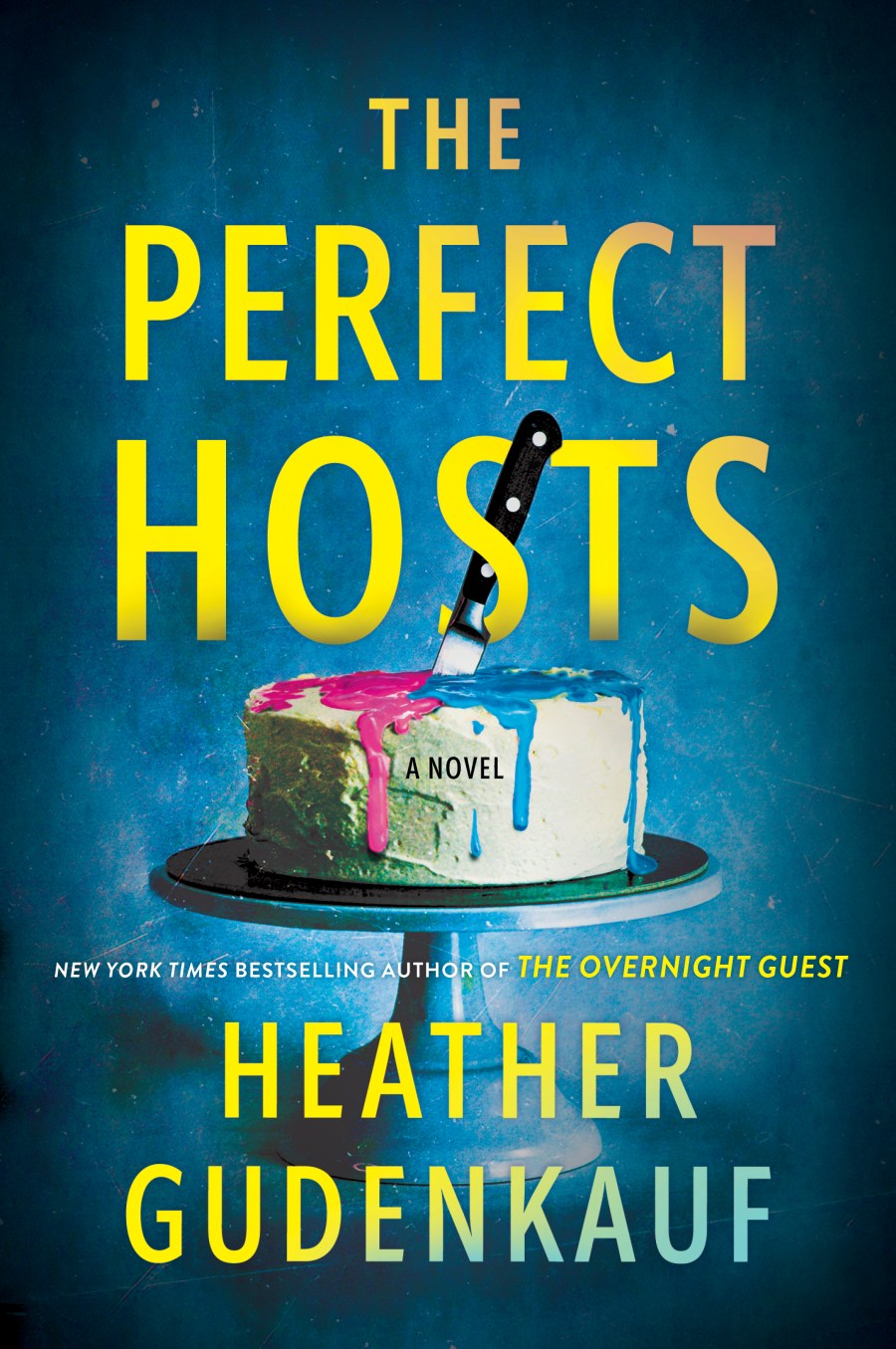
A couple’s gender reveal party turns deadly in author Heather Gudenkauf’s “The Perfect Hosts.”

Advertisements

The Synopsis

A couple’s gender reveal party turns deadly and everyone is a suspect in this gripping thriller from the New York Times bestselling author of The Overnight Guest.

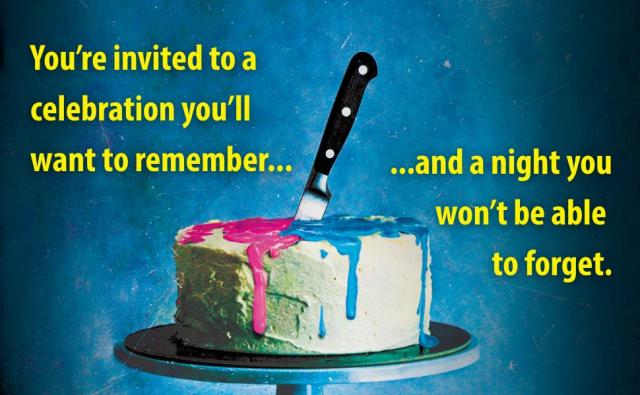
Is it a boy or a girl? They would die to know…

Madeline and Wes Drake have invited two hundred of their closest friends and family to their sprawling horse ranch for the most anticipated event of the year: a “pistols and pearls” gender reveal party so sensational it is sure to make headlines. But the party descends into chaos when the celebratory explosive misfires, leaving one woman dead and a trail of secrets.

As the aftershocks of the bloody party ripple across the small town, Agent Jamie Saldano is brought on the scene to investigate. Battling his own demons from the past, Saldano unearths a web of deceit spun around the Drakes. The appearance of some unexpected houseguests only deepens the mystery. And as tensions mount, it becomes clear that the explosion wasn’t just an unlucky accident. But who was the target, and why? As the shadow of a killer looms, the happy parents-to-be must unravel the truth before it’s too late.

kickstarter

The Review

What a compelling and dynamic read. The author did a marvelous job of layering this story with mystery and intrigue, first by shocking the reader with hidden secrets and explosive and deadly events that set off a chain of events that will rock the cast of characters to their core. The tension that mounts from the beginning is palpable, and the harrowing way the mystery unfolds leaves a lasting impression on the reader thanks to the strong use of imagery in the author’s writing style.

The heart of this narrative is in the dynamic characters the author brings to life on the page and the charged themes that bring this story to life. The story delves into themes of domestic violence and twisted family dynasties, and the corrupting power that wealth can bring to life in a person. The way this impacted the characters in shocking ways, from the surprising revelations behind Agent Jamie Saldano’s backstory and connection to the setting to the emotional struggles of the protagonist, Madeline, and the multiple POVs that the story captures, greatly enhanced the novel’s narrative flow.

The Verdict

Harrowing, thrilling, and compelling, author Heather Gudenkauf’s “The Perfect Hosts” is a must-read domestic thriller. The shocking twists and turns in the narrative, the haunting realities the story explores in wealthy and elite society, and the far too often overlooked world of domestic abuse and the evil that usually lurks where we least expect it made this story enthralling to engage in. If you haven’t yet, be sure to grab your copy today!

Rating: 10/10

Advertisements

About the Author

Heather Gudenkauf is the critically acclaimed author of several novels, including the New York Times bestsellers The Weight of Silence, The Overnight Guest and Everyone Is Watching. She lives in Iowa with her husband and children. 

Social Links:

Website: https://heathergudenkauf.com/ 

Facebook: https://www.facebook.com/Heather-Gudenkaufs-Books-259685275092/ 

Instagram: https://www.instagram.com/heathergudenkauf/ 

Pinterest: https://www.pinterest.com/hgudenkauf/ 

Bookbub: https://www.bookbub.com/profile/heather-gudenkauf 

Buy Links:

Amazon: https://www.amazon.com/Perfect-Hosts-Novel-Heather-Gudenkauf-ebook/dp/B0DQQ9BRLR 

Barnes & Noble: https://www.barnesandnoble.com/w/the-perfect-hosts-heather-gudenkauf/1146709766?ean=9780778360049 

Bookshop: https://bookshop.org/p/books/the-perfect-hosts-original-heather-gudenkauf/22162822?ean=9780778360049&next=t 

Libro.fm: https://libro.fm/audiobooks/9781488236150-the-perfect-hosts 

Books-A-Million: https://www.booksamillion.com/p/Perfect-Hosts/Heather-Gudenkauf/9780778360049 

Target: https://www.target.com/p/the-perfect-hosts-by-heather-gudenkauf/-/A-94483956?preselect=94481317#lnk=sametab 

Indigo: https://www.indigo.ca/en-ca/otherwise-engaged-a-novel/9780778387268.html  

Kobo: https://www.kobo.com/us/en/ebook/the-perfect-hosts?sId=7c9b6427-a9f0-4dbf-824b-e63babdb3880 

AppleBooks: https://books.apple.com/us/book/the-perfect-hosts/id6739534386 

Advertisements

Please Enjoy this Excerpt from “The Perfect Hosts

MADELINE

“Madeline,” comes Wes’s voice, tinny and faraway-sounding. “Are you okay?”

She is lying flat on her back, the air still hazy with smoke. Is she? Is she okay? The ringing in her ears is fading, and she can hear again. In the distance she can hear sirens. Help is coming. Madeline does a mental scan of her body. Nothing seems broken, but her head is pounding. She touches her hairline, expecting her fingers to come back with blood, but instead they find an egg- sized lump. She tries to remember exactly what happened. Wes pulled the trigger, and the truck exploded. An explosion, that’s what it was. Something had gone wrong with the reveal. The baby. Oh God, is the baby okay? She presses her palms against her belly.

“Madeline, Madeline,” comes Wes’s voice again, this time more insistent. His frantic face comes into view.

“Shhh,” Madeline orders. “Please be quiet.” She needs to lie completely still, has to concentrate so she can feel the baby move. She. The baby is a girl, Madeline thinks, remembering the wisps of pink smoke she saw among the fiery black cloud. Her little girl will kick her in the bladder, one of her favorite moves, any second now. There is nothing. No cartwheels or wiggles. Nothing.

Wes kneels beside her and slips his hand into hers. “Help is coming. Stay put. Don’t move.”

Madeline nods as hot tears roll down her cheeks. “What happened?”

“It must have been the truck,” Wes says. “It must have triggered a bigger explosion.”

“But how?” Madeline asks. “You said it was safe . . . Is anyone hurt?”

“It was. It was supposed to be.” He shakes his head, be- wildered. “I don’t know what happened.”

Madeline struggles into a sitting position and looks around. Charred lumber litters the lawn. The canopy over the dining tables has collapsed and is covered in dancing flames that a handful of guests and waitstaff are trying to smother with what- ever is handy: cowboy hats, table linens, an old horse blanket. Other guests are gathered in small, tight clusters, holding on to one another. Some sit in the grass crying, others stand slack- faced, as if in shock. Through the smoke a rodeo clown appears, his brightly colored clothing now blackened with soot and his makeup running down his sweaty face. The clown is helping the photographer, who is bleeding from the head. But it is the old storage barn that Madeline finds herself fixated on. Huge f lames shoot from the hayloft window and the roof. Someone pulls a hose from one of the horse barns, and suddenly buckets and containers of all sizes appear. Others, including Johanna’s husband, Dalton, are running toward the burning barn and tossing water onto the structure. They know that one wayward spark could ignite the house or, worse, the barns filled with her beloved horses.

“Can you walk?” Wes asks. “We have to get you away from here.”

Madeline nods, and Wes helps her to her feet. She is barefoot. The blast had lifted her in the air and knocked her flip-flops clear off her feet. Madeline, leaning against Wes, winces with each step, the rough ground pricking at the soles of her feet. He leads her to the meadow, a safe distance from the burning barn, but still close enough for her to see what’s happening. Some of Madeline’s earlier numbness is beginning to wear away, and the enormity of what has happened begins to descend.

“Go,” Madeline says, knowing they need as many hands as possible.

Wes shakes his head. “No,” he says. “I’m not leaving you.” “I’m fine,” she says, but is she? She fell hard, and still the baby hasn’t moved.

Madeline scans the crowd. “Where’s Johanna?” she asks. “Have you seen her?”

“I haven’t,” Wes says. “But I’m sure she’s around here somewhere. Have you seen Dix?”

“No,” Madeline says. The last she saw Dix was just before he handed the microphone to Wes. “Go,” Madeline repeats. “Really, I’m fine. I just have to get my bearings,” she assures him when he turns his gaze to her doubtfully. “Go help, find your brother. And check on the horses.”

“You wait here,” Wes says. “Don’t move from this spot, and I’ll come back and find you.” He squeezes her hand and kisses her cheek before darting away and disappearing into a cloud of black smoke.

Madeline continues to eye the property for any sign of Johanna’s long dark braid, her suede skirt. In the distance the wail of sirens grows closer. Help is coming. The meadow to the left of the house was being used as a makeshift parking lot for the guests’ vehicles. One wayward spark from the fire landing on the stubbled field could set off a chain reaction where upward of a hundred cars and trucks, tanks filled with gasoline and diesel, sit idly.

The air is filled with inky smoke blotting out the face of the mountain and the setting sun. A fire truck pulls through the side yard, crushing Madeline’s lavender and Russian sage, its massive tires carving deep ruts in the soil. Madeline barely notices—it’s what she sees as a group of guests part to let the truck through that causes her breath to lodge in her throat. A woman lies on the ground, her arm thrown over her face, while someone presses a blood-soaked cloth to her abdomen. One by one, Madeline registers the carnage. Someone is doing CPR on Gary Wilson, the president of the bank that holds their mortgage. One of her equestrian students is wandering aimlessly through the smoke, tears running down her face. A fifteen-hundred- pound bull has escaped the rodeo paddock and is trotting toward the mountains. She sees Mellie, the young waitress, running and screaming, fire dancing up the front of her legs. A partygoer tackles her, smothering the flames with his body.

This is bad. So very bad. Madeline fights the urge to vomit. She wants to help. But how? Water, Madeline thinks. She can pass out bottles of water, try and keep the guests calm and reassure them that help is here, that everything is going to be okay. On unsteady feet she moves toward the party barn, where she knows there is plenty of bottled water, but someone grabs her arm. Mia. “Have you seen Sully?” she asks tearfully, her arm hanging at an odd angle. “I can’t find him.”

Madeline shakes her head. “I’ll help look for him,” she promises. “You’re hurt. Sit down.”

Mia shakes her head. “I need Sully,” she says thickly and stumbles away. There are too many injured and not enough emergency personnel.

The fire truck has come to an abrupt stop. Two firefighters are urging those guests who jumped in to try to put out the fire to move away from the blaze. With machinelike efficiency, they unroll the hoses.

Madeline is mesmerized by the flames that roll across the roof of the barn, the dense cloud of smoke, the roar of lumber being eaten by the flames. She moves closer, unnoticed by the firefighters, her face growing pink from the heat. Madeline vaguely becomes aware of more sirens and shouts of “Over here” and “Please help!” More help has arrived. The spray of water hisses and snarls as it strikes flames and wood. The barn turns into a living thing then, twisting and groaning until it collapses in on itself, turning to a big heap of charred lumber with sooty farm equipment peeking out here and there.

Excerpted from The Perfect Hosts by Heather Gudenkauf, Copyright © 2025 by Heather Gudenkauf. Published by Park Row Books

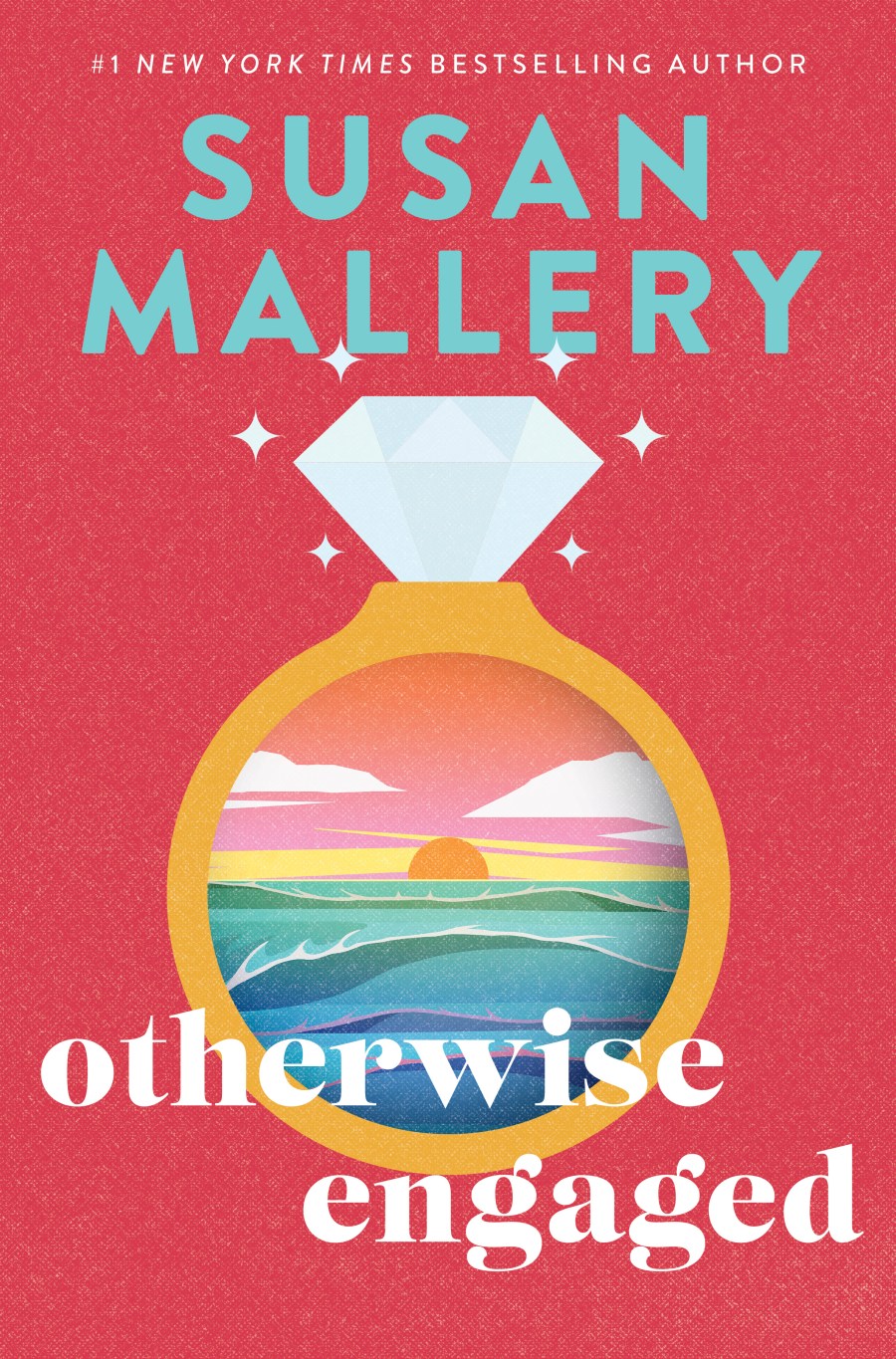
Otherwise Engaged by Susan Mallery Review

I received a free copy of this book in exchange for a fair and honest review. All opinions are my own. 

Two women discover a shocking secret about their mothers in author Susan Mallery’s “Otherwise Engaged.”

Advertisements

The Synopsis

A twisty, tender and wise look at how secrets can transform the powerful—and sometimes problematic—bond between mothers and daughters, from #1 New York Times bestselling author Susan Mallery.

When Shannon gets engaged, her beloved mom, Cindy, is the first person she wants to tell—and the last. Cindy’s engaged, too, and has already hinted at a double wedding. The image of a synchronized bouquet toss with her mom fills Shannon with horror. She’ll keep her engagement a secret until Cindy’s I-dos are done.

Victoria has never been proper enough for her mother, Ava, so she stopped trying. She lives on her own terms and amuses herself by pushing Ava’s buttons. Ava loves but doesn’t understand her stuntwoman daughter. When a movie-set mishap brings Victoria home, Ava longs to finally connect.

Chance brings the four women together at a wedding venue, where a shocking secret comes tumbling out. Twenty-four years ago, desperate teenager Cindy chose wealthy Ava to adopt her baby—then changed her mind at the very last second. The loss rocked Ava’s world, leaving her unable to open her heart to the daughter she did adopt, Victoria. As Shannon and Victoria deal with the fallout from the decisions their mothers made, they wrestle with whether who they are is different than who they might have become.

The Review

This was such a compelling and engaging women’s fiction read. The author does an incredible job of crafting a rich and dynamic plot that steers away from the usual upbeat and quirky reads for which the author may be known, and instead delves into the complicated relationships between mothers and their daughters. The imagery in this book was stunning, bringing the locations, primarily the venue that brought them all together to begin with, into vivid and clear detail while also building tension in the air between the four women as events unfold.

The heart of this narrative was the character dynamics that the author explores in this book. The tension, especially between Ava and Victoria, drove this story forward, exploring the complexity of adoption and its impact on the familial bond, while also highlighting the moments in life when a person looks back on the path not taken and wonders what could have been. The story also explored the complexities of parenthood and how often parents strive to help or put their child on a particular path of clarity, while also missing the path their child wants for themselves. These characters perfectly articulated that struggle.

The Verdict

Memorable, heartfelt, and entertaining, author Susan Mallery’s “Otherwise Engaged” is a must-read in women’s fiction. The way the author incorporates romance into the story in a natural way through character progression rather than pertinent story arcs, and the way the story elevates powerful themes and heartfelt emotional storytelling, will stay with readers long after the book ends. If you haven’t yet, be sure to grab your copy today!

Rating: 10/10

Advertisements

About the Author

SUSAN MALLERY is the #1 New York Times bestselling author of novels about the relationships that shape women’s lives―family, friendship, romance. Library Journal says, “Mallery is the master of blending emotionally believable characters in realistic situations,” and readers seem to agree―40 million copies of her books have sold worldwide. Her warm, humorous stories make the world a happier place to live. She’s passionate about animal welfare, which shows in the many quirky animal characters she has created. Susan grew up in California and now lives in Seattle with her husband and adorable poodle. Visit her at SusanMallery.com.

Social Links:

Website: https://susanmallery.com/ 

Facebook: https://www.facebook.com/SusanMallery 

Twitter: https://twitter.com/susanmallery 

Instagram: https://instagram.com/susanmallery 

Pinterest: https://www.pinterest.com/susanmallery/ 

Goodreads: https://www.goodreads.com/susanmallery 

Bookbub: https://www.bookbub.com/authors/susan-mallery 

Mailing List: https://susanmallery.com/join-mailing-list.php 

Buy Links:

Amazon: https://www.amazon.com/gp/product/0778387267 

Barnes & Noble: https://www.barnesandnoble.com/w/otherwise-engaged-susan-mallery/1146329150?ean=9780778387268 

Bookshop: https://bookshop.org/p/books/otherwise-engaged-original-susan-mallery/21831943?ean=9780778387268 

Libro.fm: https://libro.fm/audiobooks/9781488234927 

Books-A-Million: https://www.booksamillion.com/p/Otherwise-Engaged/Susan-Mallery/9780778387268?id=9291789850619 

Target: https://www.target.com/p/otherwise-engaged-by-susan-mallery-hardcover/-/A-93825000#lnk=sametab 

Walmart: https://www.walmart.com/ip/Otherwise-Engaged-Hardcover-9780778387268/12368102155?classType=REGULAR&from=/search 

Indigo: https://www.indigo.ca/en-ca/otherwise-engaged-a-novel/9780778387268.html  

Kobo: https://www.kobo.com/us/en/ebook/otherwise-engaged-26 

AppleBooks: https://books.apple.com/us/book/otherwise-engaged/id6714475620 

Google Play: https://play.google.com/store/books/details/Susan_Mallery_Otherwise_Engaged?id=jvUjEQAAQBAJ 

Enjoy this Excerpt from Otherwise Engaged

How does the horse look?

Victoria Rogers pressed her good arm to her very bruised, almost broken ribs. “Dad, don’t,” she said, trying to stay as still as possible. “You can’t be funny. It already hurts to breathe. It wasn’t a horse.”

Her father frowned. “I was told you were thrown off a horse.” “I was thrown out of a truck.”

“Then how’d you get the black eyes?”

“The ground was a little bit pissy when I hit it and punched me back.”

There wasn’t a part of her that didn’t hurt. The good news was that now that the medical staff had determined she didn’t have a head injury, they were going to give her drugs to help with the pain. She’d already said she didn’t want any of that weak-ass pill stuff. She wanted a nurse to give her a shot of something that would work instantly and let her rest. Because in addition to the bruised ribs, requisite scrapes and contusions, she had a broken left leg and a sprained wrist. Her previously dislocated shoulder also throbbed, but that was kind of the least of it.

As she lay in her hospital bed, feeling like death on a tortilla, she had the thought that maybe stunt work wasn’t for her. Injuries came with the job, but this was the third time in five years she’d landed in the hospital. The first time she’d messed up, so that was on her, but the other two had just been plain bad luck. The incident with the truck had come about because one of the tires had blown, causing the however many ton vehicle to jump the curb—an action that had sent her flying up and over the side. Gravity, being the bitch it was, had flung her onto the sidewalk. Hence the injuries.

Her father studied her, his brows drawn together in concern. “None of this makes me happy,” he told her.

The incongruous statement nearly made her laugh. She remembered—just in time—that her ribs wouldn’t appreciate the subsequent movement and they would punish her big-time. 

“Today isn’t my favorite day either,” she admitted, trying not to groan. “I didn’t wake up with the thought that I should try to get thrown out of the back of a pickup.” Although technically getting thrown out of the truck had been the stunt. Just not when it had happened and without warning or a plan.

“I’m worried,” her father told her. 

“I’ll be fine.”

“This time.”

She winced, and not from pain. “Now you sound like Mom.” 

Her father, a handsome man only a few months from his sixtieth birthday, brightened. “Thank you, Victoria. That’s such a nice thing to say.”

Given her weakened condition, she let that comment slide. Honestly she didn’t have the strength to deal with it right now, even though she knew her father understood exactly what she’d been saying. He was only pretending to not get it.

“If you’re going to act like that, you should go,” she said, then amended what could be construed as a catty comment into something more kind. Mostly because she only had the emotional energy not to get along with one of her parents, and her mother had already claimed that prize. “Besides, they’ll be bringing my drugs any second. I plan to surrender to sleep, so I’m not going to be very conversational.”

As if to prove her point, one of the nurses walked in with a syringe. “Ready to feel better?” he asked cheerfully.

“Yes, and let me say, you’re my favorite person ever.” 

He winked. “I get that all the time.”

He slowly injected whatever the medication was into her IV. Victoria drew in a shallow breath as she waited to feel that first blurring of the edges of the pain. Modern medicine was a miracle she intended to embrace.

The nurse left. Milton took her good hand in his.

“I’ll let you rest,” he told her. “But I’ll be back later tonight.” He squeezed her fingers. “Tomorrow, when you’re released, I’m taking you home.”

Ugh. Victoria knew that her father wasn’t talking about the pretty condo he’d bought her when she’d turned twenty-one. Instead he meant the house where she’d grown up. The one where her mother still resided.

“I don’t need to move back,” she protested, feeling the first telltale easing of the pain. “I have a few bumps and bruises.”

“Along with a broken leg. And what about your ribs? You can barely move without wincing.”

“I have zero pain tolerance. I’m a total wimp.”

He frowned. “You’re tough and stoic. If you’re showing signs of pain, it’s bad. You’ll stay with your mother and me until you’re well enough to be on your own.” He pointed at her. “I mean it, Victoria. You don’t get a vote.”

Her father was rarely stern with her, so his sharp tone warned her he wasn’t kidding. And she knew from twenty-four years of experience that arguing with the man would get her nowhere. Milton didn’t take a stand very often, but when he did, he was the immovable object.

“I wish you loved me less,” she murmured, feeling a little floaty and stumbling over her words. “Okay, I feel drugs. Let me enjoy the experience of breathing without, you know, wanting to die.”

Oh, baby girl. You’ve always been difficult.”

“I know. It’s one of my best qualities.” Her eyes drifted closed. “Love you, Dad.”

“Love you more.” He kissed her cheek. “I’ll see you tonight.” 

“Come alone.”

His soft chuckle was the last thing she heard.

Excerpted from Otherwise Engaged by Susan Mallery, Copyright © 2025 by Susan Mallery Inc. Published by MIRA Books. 

Interview with Author Barry Maher 

1) Tell us a little bit about yourself. How did you get into writing?


I’m Barry Maher and I may be the only horror novelist who’s ever appeared in the pages of Funeral Service Insider. In my misspent youth, my articles were featured in perhaps a hundred different publications and, in order to eat, I held nearly that many different jobs. Sometimes he lived on the beach. Not in a house on the beach. On the beach. With the sand and the seagulls. 

Three hours into a truly excremental job—standing on a roof in the rain, holding the frayed cord of a toilet de-rooter—I thought I hit on a way for my writing to support me. I’d simply write a best-selling, critically-acclaimed novel. Think Sherlock Holmes meets Hamlet, if Ophelia was oversexed, homicidal and undead.

Surprisingly (to me anyway) that plot didn’t work out. But it got me to quit the rooter company. And eventually it led to my first novel, Legend.  Which somehow—even I’m not sure—led to me telling my stories around the country and around the world, and to having an actual bank account.  And ultimately to The Great Dick: And the Homicidal Demon. Which led to me doing this interview with author Anthony Avina.

Advertisements

2) What inspired you to write your book?

I was speaking on an Asian cruise when I realized I could no longer figure out what the hands of the clock meant. The next day, during a presentation, I introduced the ship’s captain. Twenty minutes later I picked him out of the audience and asked him what he did for a living. (The uniform did look a tad familiar.) That same day, I gave up trying to understand foreign currency. Even American money was getting tricky. In Viet Nam, I handed a vendor two hundreds and a five for a $7.00 baseball cap. It was a very nice cap.

Back home, the first thing my doctor did was have me draw a clock face at ten to three. The second thing he did was take away my driver’s license. Then he sent me for an immediate MRI. The nurse there wouldn’t comment on the results, but when I asked where the restroom was, she said, “I can’t let you go in there alone.”

I explained that bathroom visitation was a particular expertise of mine. 

“Like telling time?” she asked. “You need to talk to your neurosurgeon.”

“I have a neurosurgeon?” Just what I always wanted.

I also had a brain tumor—the size of a basketball. Or maybe the neurosurgeon said “baseball.” I wasn’t tracking too well just then. Still, I quickly grasped he was planning on carving open my skull with a power saw. 

“I don’t really need to tell time,” I said. “Or I can just buy a digital watch.”

Everyone said my neurosurgeon—or, as I thought of him, “Chainsaw Charlie”—was brilliant. My problem was that I’ve spent my life around intelligent people, and I’ve always believed human intelligence was overrated. To me, on a scale of everything there is to know in the universe, the main difference between Einstein and Koko the Wonder Chimp was that Einstein couldn’t pick up bananas with his feet. (As far as I know.)  

Still, I went under the knife—or in this case, the power saw.  Maybe I had a seizure. The doctors weren’t sure. That might explain what happened. Because I came out of the surgery with Lady Gaga singing non-stop in my head and an unforgettably vivid story, like a memory of something that I’d just witnessed. 

Reacting to the surgical intrusion, I suppose my brain could have given me a dream or a story, maybe even Citizen Kane or a nice rom/com or a few episodes of Seinfeld. But no, I got open crypts, bizarre spells, sudden death and the Ralph Lauren version of the Manson Family. “How did my operation go? Well, I’m did pretty well, but the people in my head—or wherever they were—they went through Hell.” 

Lady Gaga went away after a day or so. But the story stayed with me. And when I was able, I spent a couple of years putting it all down, working it out, getting it just right. And that became The Great Dick: And the Dysfunctional Demon

3) What theme or message do you hope readers will take away from your book?

To me, the message is the experience the reader goes through. Like any experience, it can change us, even if it’s just a little. The entire book is an attempt to generate that experience. To evoke one response or another. The response I’m after keeps changing—curiosity, anticipation, laughter, fear, dread, you name it. More than one reviewer has called The Great Dick: And the Dysfunctional Demon a rollercoaster ride. By the end, I would hope the response is understanding, satisfaction, and maybe even a tiny twinge of enlightenment.

4) What drew you into this particular genre?

I love to scare the hell out of readers and to scare myself while I’m doing it. Plus horror opens up wonderful opportunities for humor and satire. I love horror. I love suspense. I love humor. Putting all those together in an accessible, conversational style seems natural to me.

5) If you could sit down with any character in your book, what would you ask them and why?

That’s simple. I want to sit down with either the character who calls himself Steve Witowski or with Jonathan O’Ryan. I’d ask either of them the same two questions. What did they learn from what they’ve been through? And what would they do differently if they had the chance to do it all over again.

6) What social media site has been the most helpful in developing your readership?


Most helpful have been the bloggers and podcasters like you, Anthony, who’ve raved about the book. Your followers trust you. They know your track record. So what you and other bloggers and podcasters say has far more weight to your readers than what some unknown critic in a newspaper might say. We’ve got fifteen prominent authors who’ve raved about the book. But if Author Anthony Avina hated it, your readers wouldn’t buy it.

7) What advice would you give to aspiring or just starting authors out there?


Write. Turn on your computer or pick up your pen or finger paint it on the wall, but write. Being a writer is a job and you should treat it that way. Write and then rewrite. Then rewrite again. That’s the only way you get better.

If you wait around for inspiration, you’re still going to be waiting while thousands, literally thousands of other writers, are finishing their books. 

8) What does the future hold in store for you? Any new books/projects on the horizon?

I’m currently working on a ghost story. A lawyer has just lost his wife after a marriage so troubled that—though he would hate to admit it—her death was actually a relief.  Returning from her funeral, he finds her standing in the middle of their living room. After a moment, he realizes it’s a hologram. But there’s no projector and no sign that anyone has broken in.

Advertisements

About the Author

Barry Maher’s career has been anything but ordinary. He’s been an award-winning (if modestly so) poet, a magazine writer with bylines across the country, a speaker for some of the world’s largest corporations, and a man who once lived literally on the beach, seagulls and all. His syndicated column Slightly Off-Kilter and his darkly comic fiction reflect that same unpredictable spirit. Media appearances range from The Today Show to CNBC, with features in The Wall Street Journal and even Funeral Service Insider. Connect with him at BarryMaher.com or on Facebook.

https://www.facebook.com/LasVegasSpeaker

https://www.barnesandnoble.com/w/the-great-dick-barry-maher/1148107499?ean=9781968532130

https://amzn.to/3IkRpr4

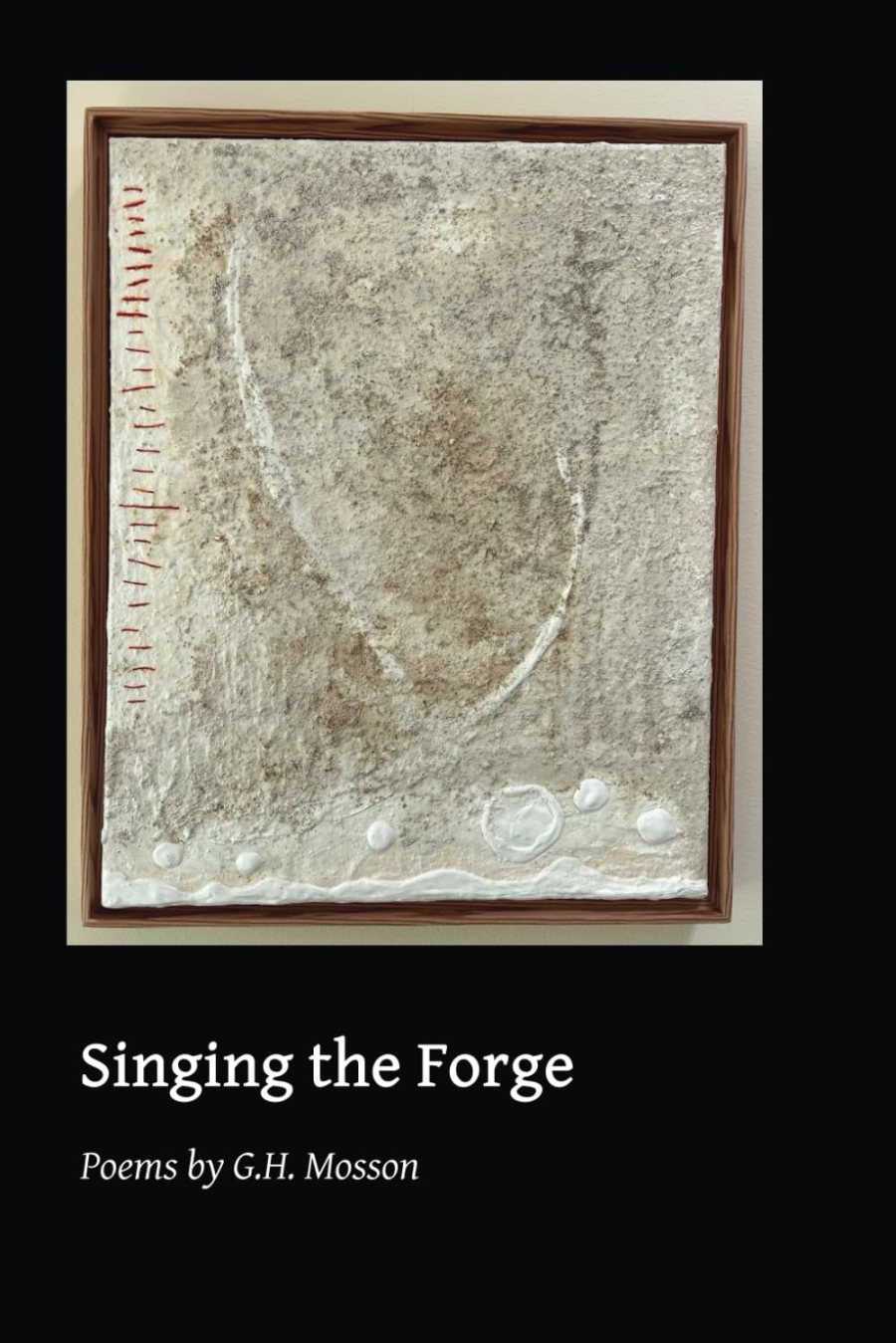
Singing the Forge by G.H. Mosson Review

I received a free copy of this book in exchange for a fair and honest review. All opinions are my own. 

Author and poet G.H. Mosson shares poems and vignettes that explore the things that have shaped us in the book “Singing the Forge.”

Advertisements

The Synopsis

Version 1.0.0

Singing the Forge explores the singing of what’s shaped us and what we’ve shaped for ourselves. Through poems at times personal, plus vignettes from men and women of the past two centuries in the book’s middle section, these poems offer mirrors of becomings. Across free verse, meter, and poems of organic form, you might just see yourself.

The Review

Immediately, I was drawn to the author’s ability to create poems that felt very lyrical in nature, bringing a story-like quality to each poem that conveys a theme and evokes an emotional response in the reader. The powerful imagery these poems delve into is compelling, as seen in the poem “Domination of Tulips in Washington D.C.,” where Rock Creek Park comes alive on the page and petals become doorways to the heart of the flower. 

The draw of this collection lies in the strong, powerful themes of forging and awakening that the poems explore. The concept of forging not only brings to mind the idea of creation, but the idea of reshaping things and reinforcing things through fire, a visual and visceral theme the author uses to connect readers with the raw poetry that calls for those moments o f personal change and growth through trials and tribulations, both on an individual scale and even some on much more cosmic scales, such as the idea of time and memory itself taking on whole new meanings.

AudiobooksNow

The Verdict

Thoughtful, moving, and engaging, author G.H. Mosson’s “Singing the Forge” is a must-read collection of poetry. The deliberate, emotive, and introspective nature that the author brings to each poem, along with the almost lyrical and passionate style of writing, will stay with readers and keep them coming back time and again to delve into this collection. If you haven’t yet, be sure to grab your copy today!

Rating: 10/10

Advertisements

About the Author

G. H. Mosson’s poetry has appeared in The Tampa Review, The Lyric,

Smartish Pace, California Quarterly, and has been nominated four times for the Pushcart Prize.

This is his sixth book of poetry. For more, see www.ghmosson.com

https://www.davidrobertbooks.com/mosson.html

https://www.barnesandnoble.com/w/singing-the-forge-g-h-mosson/1147326480?ean=9781625494801

https://amzn.to/3JHET5n